Most Affordable Electrical Technician Schools & Training - Budget-Friendly Electrical Trade Programs in Ohio for 2026

Co-Founder and Chief Data Scientist
Choosing the right electrician trade school in Ohio can feel overwhelming, especially when cost is a big factor. This article introduces a helpful ranking of electrician trade school programs, carefully developed by the Research.com team of data scientists. It’s designed to guide you toward affordable options that don’t compromise on quality.
Getting a diploma or certification in this field opens doors to a rewarding career with steady demand. By exploring these programs, you’ll feel more confident about your future and the investment you make in your education.
Key benefits of finishing electrician trade school in Ohio
- Graduates from electrician trade schools in Ohio can expect competitive salaries, with licensed electricians earning an average hourly wage of $32.40, which can grow significantly with experience and specialization.
- Career paths for trade school graduates include becoming licensed electricians, union electricians, or master electricians, offering opportunities in residential, commercial, and industrial settings.
- Completing an electrician trade school online provides flexibility and convenience, allowing students to balance learning with other commitments while still preparing for strong job prospects in Ohio's growing trade market.
- Most Affordable Electrical Technician Schools & Training - Budget-Friendly Electrical Trade Programs in Ohio for 2026
- What can I expect from electrician trade schools in Ohio?
- Where can I work after finishing electrician trade schools in Ohio?
What can I expect from electrician trade schools in Ohio?
Students enrolled in electrician trade school programs in Ohio can expect a rigorous blend of classroom instruction and hands-on training tailored to prepare them for entry-level electrical roles. Graduates from central Ohio's Inside Wireman Apprenticeship, for example, report completing over 1,000 classroom hours combined with 8,000 hours of on-the-job experience, giving them real-world confidence in high-voltage system work.
Programs at well-known institutions like Cincinnati State offer flexible schedules, including evening classes, enabling students to balance work and study while earning an Industrial Electrical Technician Certificate in as few as seven months. These graduates often emphasize mastering practical skills like conduit bending and interpreting electrical schematics-competencies highly valued by employers across residential, commercial, and industrial sectors.
Safety is a strong focus, with adherence to OSHA standards and the National Electrical Code woven throughout training. Students also gain exposure to emerging technologies such as programmable logic controllers and fiber optics, reflecting the evolving demands of Ohio's construction and manufacturing industries.
Many graduates feel prepared to enter the workforce immediately or pursue advanced apprenticeship credits, a clear benefit for those aiming to accelerate their careers in Ohio's robust electrical job market.
Where can I work after finishing electrician trade schools in Ohio?
Graduates from electrician trade school programs in Ohio typically begin their careers as electrician apprentices, gaining around 8,000 hours of on-the-job training under experienced journeypersons. This hands-on experience is essential for licensure and builds confidence in real-world settings. Many find entry-level roles in residential, commercial, or industrial environments, often in cities like Columbus or Lancaster, where demand for skilled electricians is high.
Residential positions involve wiring and troubleshooting in private homes, offering a sense of accomplishment by directly improving customers' living spaces. Commercial roles place graduates in offices, schools, or hospitals, where maintaining safe electrical systems is critical. Industrial opportunities include working with large machinery in factories, appealing to those who enjoy complex technical challenges.
Graduates from well-regarded Ohio trade schools often secure jobs with electrical contractors, construction firms, or public utilities, reflecting the diverse paths available. Some pursue specialized careers in telecommunications or electrical inspection, especially if their program is affiliated with the International Brotherhood of Electrical Workers (IBEW), enhancing their credentials and career satisfaction.
Graduates from electrician trade school programs in Ohio can expect to earn competitive wages right after completing their training. Entry-level electricians typically start around $17.60 per hour, but many quickly see wages rise to between $25.82 and $37.50 per hour as they gain experience and certifications. Those who trained at popular Ohio trade schools often share how landing jobs in cities like Columbus or Cleveland helped them access these higher pay brackets early on.
Union electricians in Ohio usually earn about $25 per hour, translating to an average annual salary near $51,668, with top union electricians making up to $69,340. Many graduates appreciate the added benefits unions provide, such as healthcare and retirement plans, which enhance overall compensation.
For those who advance to master electrician status, hourly rates jump significantly, averaging $52.05 in Ohio. Graduates from respected trade schools report feeling proud and motivated by these opportunities, especially when working overtime or supervising projects, which can boost their income further.
- Applicants must be at least 17 years old to apply and 18 to be hired, with a high school diploma or GED required along with proof of algebra coursework.
- Application fees are typically $50 and may include a basic math test; some programs require interviews or placement tests.
- Annual tuition at Ohio community colleges averages $4,876 for in-state students and $11,127 for out-of-state students, with additional costs for books and tools.
- Most electrician programs last about five years, combining classroom learning and hands-on experience to meet licensure requirements.
- Entry-level electricians in Ohio earn an average salary of around $60,000 per year, with higher wages for experienced workers.
Completing an electrician trade school program in Ohio typically takes between 9 months and 18 months, depending on the school and the intensity of the curriculum. Many graduates from well-known Ohio trade schools report finishing their courses within a year, balancing hands-on training with classroom instruction. For example, students often describe the experience as immersive yet manageable, allowing them to quickly develop practical skills and confidence.
At popular Ohio institutions, such as those in Cleveland and Columbus, programs are designed to fit around students' busy lives, making the timeframe feel encouraging rather than overwhelming. Graduates frequently express pride in how quickly they transitioned from learning basic electrical theory to performing real-world installations during their apprenticeships.
These programs emphasize steady progress, with many students appreciating the structured learning that leads to early job readiness. The sense of achievement after completing around a year of focused study motivates many to pursue certifications and employment immediately after graduation.
The primary difference between online and on-campus electrician trade school programs in Ohio centers on hands-on training availability. On-campus programs, like those at the Electrical Trades Center in Columbus, give students direct access to tools and labs, enabling them to practice wiring and installations under expert supervision. Graduates often highlight how this real-world experience built their confidence and prepared them for state licensing exams, which require documented practical skills.
Conversely, online programs such as Marion Technical College's fully online residential electrician course focus on theoretical learning through virtual simulations and interactive lessons. These courses offer flexibility, appealing to students balancing work or family, but some graduates express that virtual practice can't fully replace tactile experience with real equipment.
Hybrid programs like Auburn Career Center's blend the best of both worlds, combining online theory with in-person labs. This approach helps students manage their schedules while still gaining essential hands-on skills, a key factor for successful apprenticeship and job readiness in Ohio's electrician field.
The average cost of electrician trade schools in Ohio varies notably depending on the chosen pathway. For example, certificate or diploma programs at technical schools generally fall between $5,000 and $15,000. Graduates from programs like Sinclair Community College in Dayton, which charges $3,889 for in-state tuition and $7,636 for out-of-state students, often report feeling satisfied with the value of their education relative to the investment. Such tuition fees for electrician programs in Ohio reflect a relatively affordable option for many pursuing quick entry into the trade.
Community college programs, while offering the advantage of an associate degree, may see tuition fees climb to $40,000 for a full two-year course. Graduates from these paths often appreciate the deeper theoretical knowledge coupled with practical skills, which positions them well for advancement. However, the higher cost requires careful financial planning and evaluation of expected career returns.
Other successful graduates highlight apprenticeship programs as a highly cost-effective route. These programs blend paid on-the-job training with classroom instruction over four to five years. With first-year apprentices earning over $56,000 annually in Ohio, including benefits, many find this pathway financially rewarding and manageable without steep upfront tuition. Besides tuition, students must budget for tools and textbooks, which together can add up to around $2,600.
Prospective students seeking ways to minimize expenses might explore cheap online maintenance technician certification programs that complement electrician training, broadening skills and saving costs. With federal and state financial aid also available, those investing in electrician trade schools in Ohio can find viable options to reduce their educational expenses effectively.
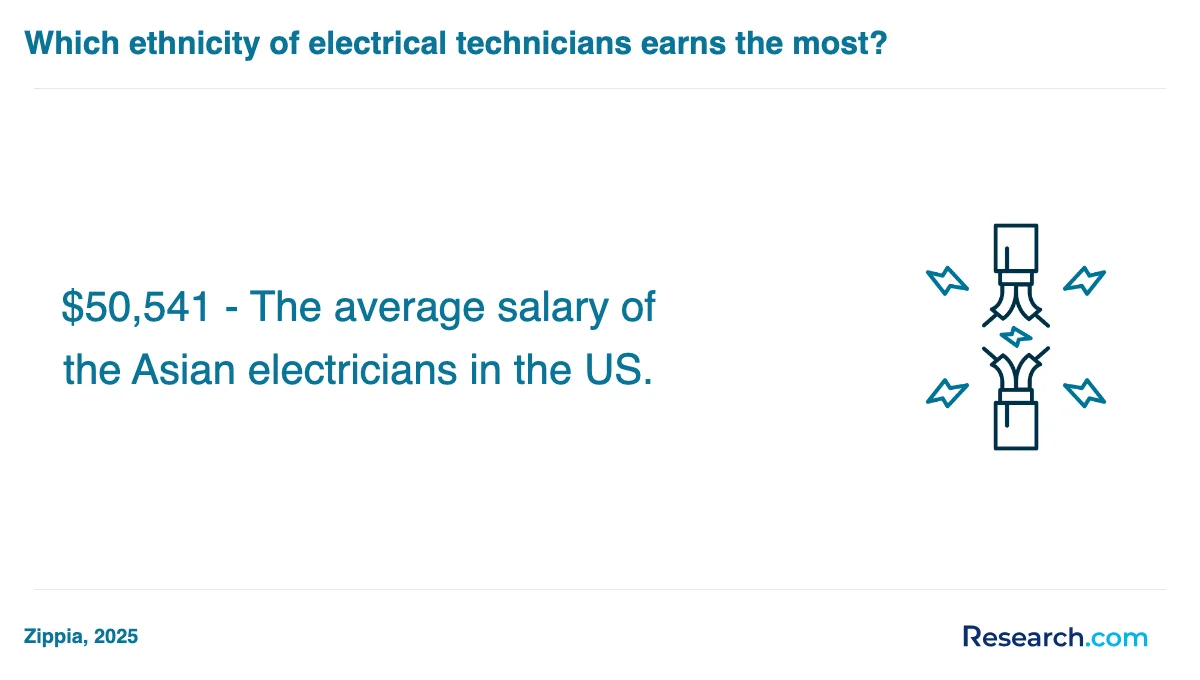
Electrician trade school students in Ohio commonly rely on the Free Application for Federal Student Aid (FAFSA) to access key financial resources. Completing the FAFSA opens doors to federal Pell Grants-offering up to $7,395 for the 2025-2026 year-which graduates from schools like Owens Community College have praised for alleviating tuition stress. Federal Direct Loans also provide flexible funding, with annual limits between $5,500 and $7,500 for dependent students.
State-funded options like the Choose Ohio First Scholarship specifically support those in high-demand technical fields, including electrician training. Students at Columbus State Community College report that this scholarship not only eases tuition costs but also enhances their learning through cohort-based and work-based experiences.
Institutional scholarships at community colleges often require a strong GPA and full-time enrollment, making them accessible to dedicated students. Additionally, external awards such as the Ohio Township Association scholarship, offering up to $1,500, provide valuable aid for residents pursuing trade education.
Many Ohio trade schools actively guide students through these financial aid processes, empowering future electricians to confidently pursue their careers without overwhelming financial burdens.
To enroll in an electrician trade school program in Ohio, applicants must meet several key prerequisites that ensure readiness for the technical and hands-on nature of the coursework. Most schools require a high school diploma or a GED, establishing a basic educational foundation. Graduates from Ohio trade schools commonly recall that having a solid grasp of math, especially algebra, significantly helped with understanding electrical theory and calculations.
Practical experience or exposure to electrical work, even if minimal, is often encouraged. Many students share that internships or part-time work in related fields made the transition into full-time study smoother and boosted their confidence.
Other typical prerequisites include:
- Proof of legal residency or citizenship in the U.S., which Ohio trade schools require for enrollment.
- Passing a basic aptitude test focused on math and reading skills.
- Physical ability to handle the demands of electrical work, such as lifting and working in confined spaces.
- Some programs ask for a driver's license, facilitating travel to job sites during apprenticeships.
For example, graduates from Cleveland-based trade schools often mention the importance of time management and dedication, as these programs blend classroom learning with real-world practice. This combination ensures students are well-prepared for Ohio's licensing exams and on-the-job challenges.

Electrician trade school programs in Ohio consistently include a comprehensive mix of theoretical and practical courses tailored to industry standards. Graduates from programs like those at Central Ohio Technical College highlight how core classes in electrical theory-covering voltage, current, resistance, and circuit operations-build a strong foundation essential for real-world problem-solving.
Safety is another critical focus, with training in OSHA 10 or OSHA 30, CPR, and first aid ensuring students confidently handle job site risks. For example, Lorain County Community College requires multiple courses on the National Electrical Code (NEC), preparing students to navigate commercial and industrial electrical regulations effectively.
Hands-on learning is emphasized through courses such as wiring and installation techniques, troubleshooting, and maintenance of electrical systems. Graduates often praise the Industrial Electrician program's inclusion of Circuits I and II, Industrial Controls, and Electric Motors classes for offering practical skills that translate directly to job tasks like reading blueprints or repairing equipment.
Additionally, many Ohio programs integrate business and soft skills training, covering budgeting, legal issues, and leadership. This approach prepares students for supervisory roles and contractor opportunities, enhancing career flexibility.
Electrician trade school specializations in Ohio cover a range of focused programs preparing students for distinct career paths within the electrical industry. Graduates from the Electrical Trades Center in Columbus often highlight the rigorous Inside Wireman program, which demands 8,000 hours of hands-on training alongside 1,028 classroom hours, equipping them to expertly install and maintain commercial electrical systems. Another sought-after Ohio electrician program specialization option is the Installer-Technician track, emphasizing low-voltage technologies like telecommunications and security systems, blending 4,500 on-the-job hours with about 540 classroom hours.
For those drawn to residential work, the Akron Area Electrical Joint Apprenticeship and Training Committee offers a three-year program combining 4,800 on-site hours with foundational classroom instruction, setting students up for success in home wiring and maintenance roles. Meanwhile, Cincinnati State's Industrial Electrical Technician Certificate delivers targeted skills in troubleshooting and maintaining industrial electrical equipment, a specialization praised by recent graduates for its practical, career-ready approach.
Students eager to diversify their skill set might also explore the top online wind turbine technician certification, integrating renewable energy expertise alongside traditional electrician studies.
When deciding among the best electrician trade schools in Ohio, accreditation is a key metric. Graduates often share how attending programs accredited by the Ohio State Apprenticeship Council helped them secure recognized certifications that eased their job search. Hands-on training is another decisive factor; schools offering apprenticeships with paid work experience, like the program at IEC Cincinnati, resonate well with students who appreciate learning on the job while earning wages. Location matters too-several attendees mention the convenience of nearby campuses cutting down on commute time and boosting attendance consistency.
Financial considerations also influence how to choose electrician trade school in Ohio. Many students highlight the value of programs that provide financial aid or cover tuition, as well as apprenticeships paying starting wages around $15 per hour. Additionally, strong job placement support distinguishes the most effective programs, with graduates frequently citing contacts with local employers that led directly to employment. For those weighing their long-term prospects, exploring electrical engineering career opportunities related to their trade schooling offers a pathway for growth beyond initial certification.
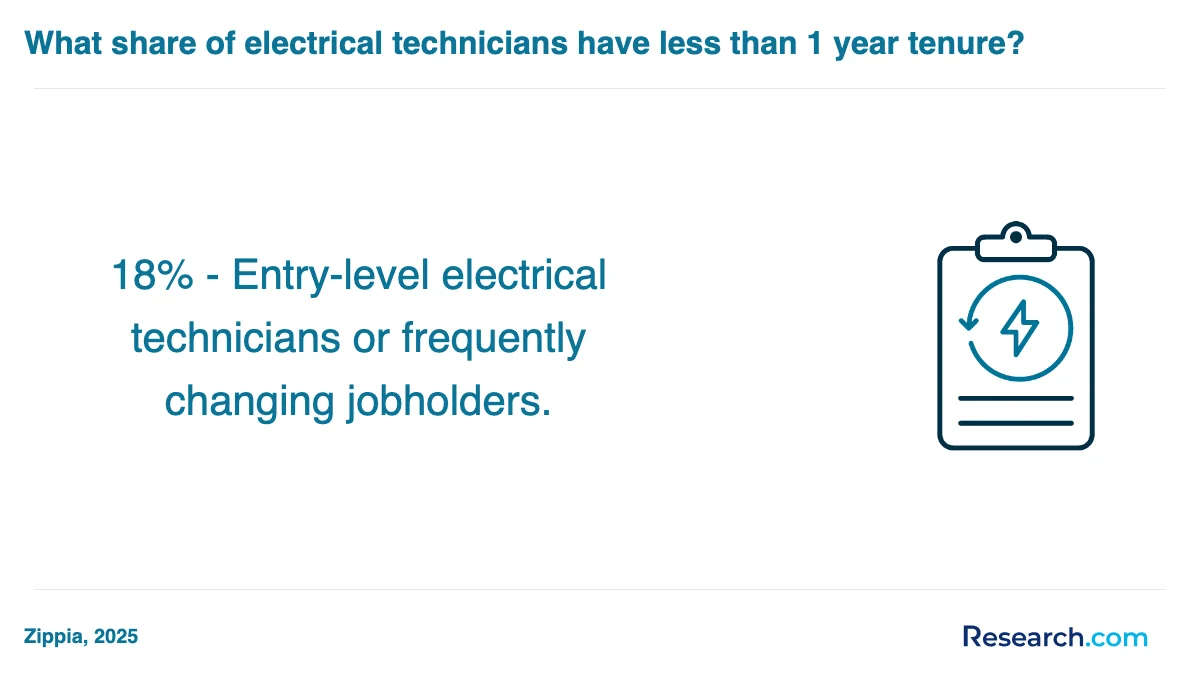
Graduates of electrician trade school programs in Ohio often begin their careers through electrician apprenticeship programs Ohio, combining paid on-the-job training with classroom instruction. These apprenticeships, common in Central Ohio, allow graduates to earn income while gaining valuable hands-on experience and college credits, making the path both practical and financially accessible.
Upon certification as journeyman electricians, graduates frequently move into roles such as residential electricians handling home wiring or industrial electricians managing complex factory systems. Many find opportunities as lead journeyman electricians, service technicians, or maintenance electricians, all roles in high demand given Ohio's expanding construction and manufacturing sectors.
Some graduates explore specialized fields like telecommunications, robotics, or electronics engineering to diversify skills further. With additional certifications or continuing education offered by trade schools such as Vantage Career Center, career advancement can lead to project management, construction management, or launching an electrical contracting business.
Many graduates report positive experiences at Ohio's best trade schools for electrician, where supportive programs open doors to stable, well-compensated careers with growth potential.
Employers in Ohio typically offer competitive compensation and benefits packages, reinforcing electrician career opportunities in Ohio as both lucrative and sustainable.
The electrician job outlook in Ohio for trade school graduates remains promising, supported by steady demand and competitive wages. As of 2024, roughly 27,150 electricians work across the state, and employment is projected to grow by 5.6% through 2032. Graduates from popular Ohio trade schools often find themselves quickly placed into apprenticeships or entry-level roles within local contractors or utility companies. Many report positive experiences adapting classroom skills to real-world projects, especially in growing metro areas like Columbus and Cleveland.
Key factors influencing this trend include:
- A solid median annual wage of $64,000 in Ohio, encouraging sustained interest.
- Hourly wages range from $25.82 to $37.50, with top earners reaching nearly $49 per hour.
- Strong regional industry demand from ongoing construction and infrastructure upgrades.
Regional wage differences reflect the cost of living but do not diminish the overall opportunity in this field. Graduates highlight that Ohio's electrician salary and employment trends Ohio make trade school investment worthwhile. Additionally, for those curious about expanding into related fields, training links such as how do i become a wind turbine technician provide useful career-switch insights.
Most Affordable Electrical Technician Schools & Training - Budget-Friendly Electrical Trade Programs in Ohio for 2026
# 1 position
Sinclair Community College - Electrician.
associateSinclair Community College offers a Hybrid Electrician program that prepares students to install, operate, maintain, and repair electrical systems in residential, commercial, and industrial settings. The curriculum covers electronics, wiring, power transmission, safety, electrical testing, and applicable codes. Annual in-state tuition is $3,435. The program is accredited by the Higher Learning Commission, providing technical knowledge essential for careers in electrical power and control systems.
# 2 position
Sinclair Community College - Electrician.
certificate or diplomaSinclair Community College offers a hybrid Electrician program that prepares students to install, operate, maintain, and repair electric apparatus and systems, including residential, commercial, and industrial wiring. The curriculum covers electronics principles, wiring, power transmission, safety, job estimation, electrical testing, inspection, and relevant codes. Annual in-state tuition is $3,435. The program is accredited by the Higher Learning Commission and includes some distance-education options.
# 3 position
Pickaway Ross Joint Vocational School District - Electrician.
certificate or diplomaThe Electrician program at Pickaway Ross Joint Vocational School District offers a hybrid format with some distance-education options. It trains students to install, operate, maintain, and repair electric systems in residential, commercial, and industrial settings. Instruction covers electronics, wiring, power transmission, safety, job estimation, electrical testing, and applicable codes. The program is accredited by the Council on Occupational Education. Median earnings one year after completion are $55,317.
# 4 position
Madison Adult Career Center - Electrician.
certificate or diplomaThe Electrician program at Madison Adult Career Center offers hybrid instruction to develop skills in installing, operating, maintaining, and repairing electrical systems in residential, commercial, and industrial settings. The curriculum covers electronics, wiring, power transmission, safety, electrical testing, inspection, and applicable codes. This program is accredited by the Accrediting Commission of Career Schools and Colleges, ensuring recognized standards in technical education for aspiring electricians.
# 5 position
EHOVE Career Center - Electrician.
certificate or diplomaThe Electrician program at EHOVE Career Center offers hybrid learning to prepare students for installing, operating, and repairing electrical systems in residential, commercial, and industrial settings. It covers electronics principles, wiring, power transmission, safety, and electrical codes. Graduates have a median earning of $37,797 one year after completion. The program is accredited by the Council on Occupational Education, ensuring recognized quality training.
# 6 position
Northwest State Community College - Electrician.
associateNorthwest State Community College offers a hybrid Electrician program that prepares students to install, operate, maintain, and repair electric apparatus and systems, including residential, commercial, and industrial wiring. The curriculum covers electronics principles, wiring, power transmission, safety, electrical testing, and applicable codes. The annual in-state tuition is $4,578. The program is accredited by the Higher Learning Commission.
# 7 position
Mid-EastCTC-Adult Education - Electrician.
certificate or diplomaThe Electrician program at Mid-EastCTC-Adult Education offers a hybrid format with some distance education options. It trains students to install, operate, maintain, and repair electrical systems in residential, commercial, and industrial settings. Instruction includes electronics principles, wiring, power transmission, safety, and applicable codes. Graduates have a median earning of $41,432 one year after completion. The program is accredited by the Council on Occupational Education.
# 8 position
Apollo Career Center - Electrician.
certificate or diplomaThe Electrician program at Apollo Career Center offers hybrid learning with some distance-education options. It trains students to install, operate, maintain, and repair electrical systems in residential, commercial, and industrial settings. Instruction covers electronics principles, wiring, power transmission, safety, job estimation, and applicable codes. The program is accredited by the Council on Occupational Education.
# 9 position
Scioto County Career Technical Center - Electrician.
certificate or diplomaThe Electrician program at Scioto County Career Technical Center offers a hybrid format with some distance education options. It prepares students to install, operate, maintain, and repair electrical systems in residential, commercial, and industrial settings. Instruction covers electronics, wiring, safety, testing, and applicable codes. Graduates have median earnings of $30,503 one year after completion. The program is accredited by the Council on Occupational Education.
# 10 position
Lorain County Community College - Electrical and Power Transmission Installation/Installer, General.
associateThe Electrical and Power Transmission Installation/Installer, General program at Lorain County Community College offers a hybrid format with some distance-education options. It prepares students to install residential, commercial, and industrial electrical systems and power transmission lines. Coursework covers electricity, safety, wiring, grounding, blueprint reading, equipment operation, and codes. In-state tuition is $4,135 annually. The program is accredited by the Higher Learning Commission.
Frequently Asked Questions about electrician
After completing an electrician trade school in Ohio, graduates should focus on obtaining the necessary licenses and certifications to enter the job market. Ohio requires electricians to pass the state's licensing exam, which tests knowledge of electrical codes and safety standards. Preparing for this exam is essential for employment.
Networking with local unions and trade organizations, such as the International Brotherhood of Electrical Workers (IBEW), can provide valuable job leads and apprenticeship opportunities. According to the U.S. Bureau of Labor Statistics, Ohio's electrician employment is expected to grow by 5% from 2022 to 2032, reflecting steady demand.
Additionally, gaining hands-on experience through apprenticeships or entry-level positions helps build skills and enhances employability. Many employers also value continuing education to stay updated on evolving electrical technologies and regulations.
Employers in Ohio highly value electrician trade school graduates who demonstrate strong technical skills and practical knowledge. Proficiency in reading blueprints, wiring diagrams, and electrical codes is essential, as these skills ensure safety and compliance with state regulations.
According to the Ohio Department of Job and Family Services, skills in troubleshooting and repairing electrical systems are in high demand, with employers seeking candidates who can efficiently diagnose and fix issues.
Additionally, communication skills and teamwork are important, as electricians often collaborate with contractors and other professionals on job sites.
Hands-on experience gained through apprenticeships or internships is a key factor that improves employability in Ohio's competitive electrical trade market.
Finding internships in Ohio relevant to electrician trade school programs involves several practical steps. Start by contacting your trade school's career services office, as many schools maintain partnerships with local electrical contractors and unions. According to the Ohio Department of Job and Family Services, registered apprenticeship programs in Ohio offer structured internships combining classroom learning with paid on-the-job training.
Additionally, explore opportunities through the International Brotherhood of Electrical Workers (IBEW) local chapters, which frequently provide apprenticeship placements. Online job boards such as OhioMeansJobs also list electrician internship openings. Networking at trade fairs and industry events can connect you with employers seeking interns. These approaches increase your chances of securing valuable hands-on experience.
Obtaining a diploma from an electrician trade school in Ohio significantly enhances career mobility and advancement opportunities. Graduates gain essential technical skills and knowledge aligned with Ohio's licensing requirements, which is crucial for entering the workforce as licensed electricians. According to the Ohio Department of Commerce, licensed electricians earn a median wage 15-20% higher than non-licensed peers, reflecting clear financial benefits.
Trade school diplomas also improve access to apprenticeships and journeyman roles, which are stepping stones to master electrician status. The Ohio Bureau of Labor Market Information reports steady growth in electrician jobs, underscoring strong demand for trained professionals. Thus, a diploma acts as a formal credential that employers recognize, facilitating promotions and higher responsibilities.
Part-time job opportunities in Ohio that complement electrician trade school education often focus on hands-on experience and industry exposure. Common positions include electrical helpers or apprentices, where students assist licensed electricians on residential and commercial projects. These roles provide practical skills aligning with classroom learning.
Additionally, roles such as maintenance technicians or facilities assistants in factories or schools allow students to work with electrical systems in real-world settings. According to the U.S. Bureau of Labor Statistics, Ohio's electrician employment is projected to grow 6% from 2022 to 2032, highlighting steady demand for skilled workers.
These part-time jobs help students build professional networks and improve job prospects after graduation.
To find the most affordable electrician degree program near me in Ohio, begin by researching local community colleges and trade schools offering accredited programs with lower tuition costs. Consider programs near Ohio that have partnerships with local industries, which may offer apprenticeships or job placements for hands-on experience. Additionally, consult resources like Research.com to compare different institutions' costs, reputations, and the availability of financial aid options to make an informed decision.
- Most Affordable Electrical Technician Schools & Training - Budget-Friendly Electrical Trade Programs in Indiana for 2026
- Most Affordable Electrical Technician Schools & Training - Budget-Friendly Electrical Trade Programs in Kentucky for 2026
- Most Affordable Electrical Technician Schools & Training - Budget-Friendly Electrical Trade Programs in Tennessee for 2026
- Most Affordable Electrical Technician Schools & Training - Budget-Friendly Electrical Trade Programs in North Carolina for 2026
- Most Affordable Electrical Technician Schools & Training - Budget-Friendly Electrical Trade Programs in Missouri for 2026
- Most Affordable Electrical Technician Schools & Training - Budget-Friendly Electrical Trade Programs in Maryland for 2026
- Most Affordable Electrical Technician Schools & Training - Budget-Friendly Electrical Trade Programs in South Carolina for 2026
- Most Affordable Electrical Technician Schools & Training - Budget-Friendly Electrical Trade Programs in Georgia for 2026
- Most Affordable Electrical Technician Schools & Training - Budget-Friendly Electrical Trade Programs in New York for 2026
- Most Affordable Electrical Technician Schools & Training - Budget-Friendly Electrical Trade Programs in Mississippi for 2026
- What Can I Do After Finishing My Apprenticeship? | College of Electrical Training https://cet.asn.au/news-insights/what-can-i-do-after-finishing-my-apprenticeship
- Here’s How Your Life Will Improve after Electrician Trade School https://ftccollege.edu/trade-blog/life-after-electrician-trade-school/
- Should You Choose a Trade School or an Apprenticeship? Exploring the Electrical Training Path - InterCoast Colleges https://intercoast.edu/articles/trade-school-apprenticeship/
- Becoming an Electrician: Guide to Starting a Career in the Electrical Trade | Centura College https://www.centuracollege.edu/blogs/trades-industry/how-to-become-an-electrician/
- Electrical Apprenticeship | Engineering, Manufacturing & Energy Sector Career Story | CareersPortal.ie https://careersportal.ie/articles/article.php
- How Much Do Electricians Make: Electrician Salary Guide 2025 https://www.getjobber.com/academy/electrical/how-much-do-electricians-make/
- Electrician | Explore Careers | National Careers Service https://nationalcareers.service.gov.uk/job-profiles/electrician
- Electrician Salary Guide: How Much Do Electricians Earn? https://www.lincolntech.edu/news/skilled-trades/electrical/electrician-salary-guide-how-much-do-electricians-earn
- Average Electrician Salary (Annually & Hourly) | Faraday https://faradaycareers.com/careers/electrician-salary
- What is the Highest Paying Electrician Role? - Best Electrician Jobs https://www.bestelectricianjobs.com/posts/what-is-the-highest-paying-electrician-role