Best Electrical Technician Training Programs & Trade Schools - Top Electrical Tech Schools in Midwest for 2026

Co-Founder and Chief Data Scientist
Choosing the right electrician trade school is a big step toward a rewarding career in the Midwest. This article introduces the best electrician trade school programs for 2026, ranked by the Research.com team of data scientists. Their careful analysis helps you find quality programs worth considering.
Whether you’re starting fresh or seeking certification, this guide makes your decision easier. Earning a diploma or certification opens doors to stable jobs and skill growth. Dive in to discover programs that fit your goals and set you up for success.
Key benefits of finishing electrician trade school in Midwest
- Graduates from electrician trade schools in the Midwest can expect competitive salaries, with entry-level electricians earning around $29.13 per hour and experienced workers making up to $36.83 per hour or more.
- Career paths for graduates are diverse, including residential, commercial, and industrial electrician roles, allowing you to find work that fits your skills and interests.
- Completing an electrician trade school online offers flexibility and convenience, enabling students to learn at their own pace while balancing other responsibilities, just like many successful online graduates in the Midwest.
- Best Electrical Technician Training Programs & Trade Schools - Top Electrical Tech Schools in Midwest for 2026
- What can I expect from electrician trade schools in Midwest?
- Where can I work after finishing electrician trade schools in Midwest?
What can I expect from electrician trade schools in Midwest?
Enrolling in an electrician trade school program in the Midwest means diving into a mix of classroom lessons and hands-on training designed to prepare you for real-world work. Graduates from popular trade schools often describe spending hours in simulated job site labs, practicing installations and troubleshooting electrical systems under expert supervision. Expect to learn critical topics like electrical theory, National Electrical Code (NEC) compliance, blueprint reading, and conduit bending-skills essential for residential and commercial jobs.
Classes are typically flexible, with options for daytime or evening schedules, making it easier to balance work or family commitments. Many programs can be completed in as little as seven months if you choose an accelerated path, a detail that excites graduates eager to enter the workforce quickly.
Job placement assistance is another highlight. Graduates often share how their schools connect them with local unions and employers, smoothing the way into apprenticeships and paid positions. Knowing that your education meets state board approvals and union standards adds confidence as you prepare for licensing and a stable career.
Where can I work after finishing electrician trade schools in Midwest?
After completing an electrician trade school program in the Midwest, graduates typically find a variety of job opportunities across multiple sectors. Many start as apprentices or entry-level electricians, gaining hands-on experience under seasoned journeypersons. This path often leads to roles with electrical contractors, construction firms, or facilities maintenance teams in both public and private organizations.
Graduates from well-known Midwest trade schools often share stories of working on residential projects, such as wiring new homes or upgrading electrical systems, which provides a solid foundation in the trade. Others find themselves employed in commercial or industrial settings-factories, warehouses, or office buildings-where they install and maintain complex electrical systems.
Some graduates enjoy the challenge of infrastructure work, including power plants and transportation networks, where they handle high-voltage equipment or renewable energy installations. The Midwest's steady demand for electricians, supported by unionized positions and competitive wages, gives these graduates confidence in both job security and career growth.
After finishing an electrician trade school program in the Midwest, graduates typically start earning between $50,000 and $60,600 per year. Many who trained at well-known regional trade schools find these figures realistic, especially when combined with on-the-job experience or apprenticeships. For example, a recent graduate shared how starting out at around $29 per hour provided steady income while building skills.
In cities like Columbus, Ohio, new electricians often see offers ranging from $60,000 to $95,000 annually, reflecting local demand and employer willingness to pay more for skilled workers. This can feel rewarding for those who chose Midwest programs knowing their credentials hold strong value in the job market.
With experience and certifications, journeyman electricians can expect to increase earnings, often reaching $50,000 to $65,000 a year. Many report satisfaction in moving from entry-level roles to supervisory positions, where overtime pay can add nearly $9,400 annually, boosting overall income. This steady progression is a key reason graduates feel confident investing their time in electrician trade schools across the Midwest.
- Applicants must be at least 18 years old, have a high school diploma or GED, and hold a valid driver's license.
- Programs combine hands-on training and classroom instruction, with accelerated options lasting as little as 7 months and apprenticeships taking 3 to 5 years.
- Tuition ranges from $5,000 to $20,000 for certificate or diploma programs, while apprenticeships may offer paid on-the-job training.
- Median annual wages for electricians in the Midwest range from $50,000 to $65,000 after graduation, increasing to $75,000 or more with experience.
- Licensing requires passing exams on the National Electrical Code and local rules, with some areas demanding continuing education and license renewal.
Completing an electrician trade school program in the Midwest typically takes between 9 months and 2 years, depending on whether you enroll full-time or part-time. Many graduates from well-known Midwest trade schools share that a focused, full-time schedule helps them finish closer to the one-year mark, which feels rewarding and efficient when balancing life commitments.
One graduate recalled how the hands-on labs at a popular Illinois trade school made the learning feel real and engaging, accelerating their confidence and readiness for apprenticeships. Another noted that part-time evening classes allowed them to keep working while progressing steadily, finishing in about 18 months without feeling overwhelmed.
Choosing a program with a clear timeline and practical training elements ensures you're not just sitting through lectures but gaining skills you'll use on the job immediately. Midwest electrician trade schools are known for blending classroom theory with real-world scenarios, making the completion time feel purposeful and relevant.
The main difference between online and on-campus electrician trade school programs in the Midwest is how students access learning and hands-on training. On-campus programs, like those at Midwest Technical Institute in Missouri, provide a structured, in-person experience. Graduates often recall the value of working directly with industry-standard tools in well-equipped workshops, which helped them build confidence and technical skills quickly under expert supervision.
In contrast, online programs offer flexibility for students juggling jobs or family, letting them complete coursework anytime without commuting. Many Midwest schools now offer hybrid options, combining online theory with scheduled on-site labs. This setup suits those who need remote learning but still want essential hands-on practice to meet state licensing requirements. Graduates appreciate this balance, finding it easier to fit training into their busy lives while gaining practical experience.
Both options require adherence to state standards, so students should confirm their program's approval to ensure eligibility for electrician licensure in the Midwest.
The average tuition fees for electrician programs in the Midwest typically range from $1,000 to $19,000, depending on the institution and program length. Many Midwestern students find community colleges offer affordable certificate programs, usually between $1,000 and $5,000. Graduates often recall balancing costs like books and supplies, which add about $500 to $1,500, and necessary equipment purchases that range from $200 to $1,000. These practical expenses can feel manageable when viewed alongside the benefits of hands-on training and industry readiness gained at popular Midwest trade schools.
Cost of electrician trade school diplomas in Midwest states can vary considerably by location. For example, Illinois trade schools average around $17,532 in tuition and fees, a figure that often surprises students who initially expect lower expenses. However, many recall that financial aid and scholarships helped lighten the load. Licensing fees are relatively minor, costing between $30 and $75, which most students consider a small final step toward launching their careers.
Students preparing for their electrician journey in the Midwest often emphasize the importance of thorough planning for all costs involved. One graduate from a well-known trade school noted that understanding the comprehensive expense breakdown made them more confident in pursuing their goals. They also found it valuable to explore additional resources to fund their education. For those interested in related skilled fields, exploring the skills needed to be a wind turbine technician can shed light on alternative paths with similar training and cost structures.

Electrician trade school students in the Midwest often rely on a mix of federal aid, scholarships, and loans to fund their education. Most graduates from schools like Midwest Technical Institute report receiving federal assistance, primarily through Pell Grants and federal student loans accessed by submitting the FAFSA. For the 2025-2026 school year, applying early after the FAFSA opens on December 1, 2024, is crucial to maximize aid opportunities.
Beyond federal programs, local scholarships play a significant role. For example, Midwest Electric, Inc. supports high school seniors from cooperative families with a $1,500 Trade School Scholarship, while also offering a $1,000 Annual Meeting Scholarship by random drawing. These awards help reduce financial stress for many students who balance work and study.
National scholarships such as the Mike Rowe Work Ethic Scholarship and programs from the Imagine America Scholarship Foundation further expand options. Industry groups and power companies also contribute scholarships, helping students in both urban centers and rural areas of the Midwest pursue electrician careers with greater confidence.
To enroll in an electrician trade school program in the Midwest, you'll typically need a high school diploma or GED. This baseline ensures you have the essential math and reading skills needed to handle technical manuals and electrical codes. Graduates from schools like Lincoln Tech or the Electrical Training Alliance often share how this foundation made learning complex wiring diagrams less intimidating.
Many programs also require you to be at least 18 years old, which aligns with legal work age for apprenticeships. Some trade schools ask for a valid driver's license, especially if the program includes hands-on training off-campus or job site visits.
Here are common prerequisites you'll encounter:
- High school diploma or GED
- Minimum age of 18 years
- Basic algebra proficiency
- Physical ability to perform manual labor and lift equipment
- Passing a drug screening and background check in some cases
For example, a graduate from a well-known Midwest trade school recalls that mastering basic algebra early on boosted their confidence, making practical electrical calculations easier. Meeting these requirements upfront sets a positive tone and helps you jump into hands-on training without unnecessary delays.
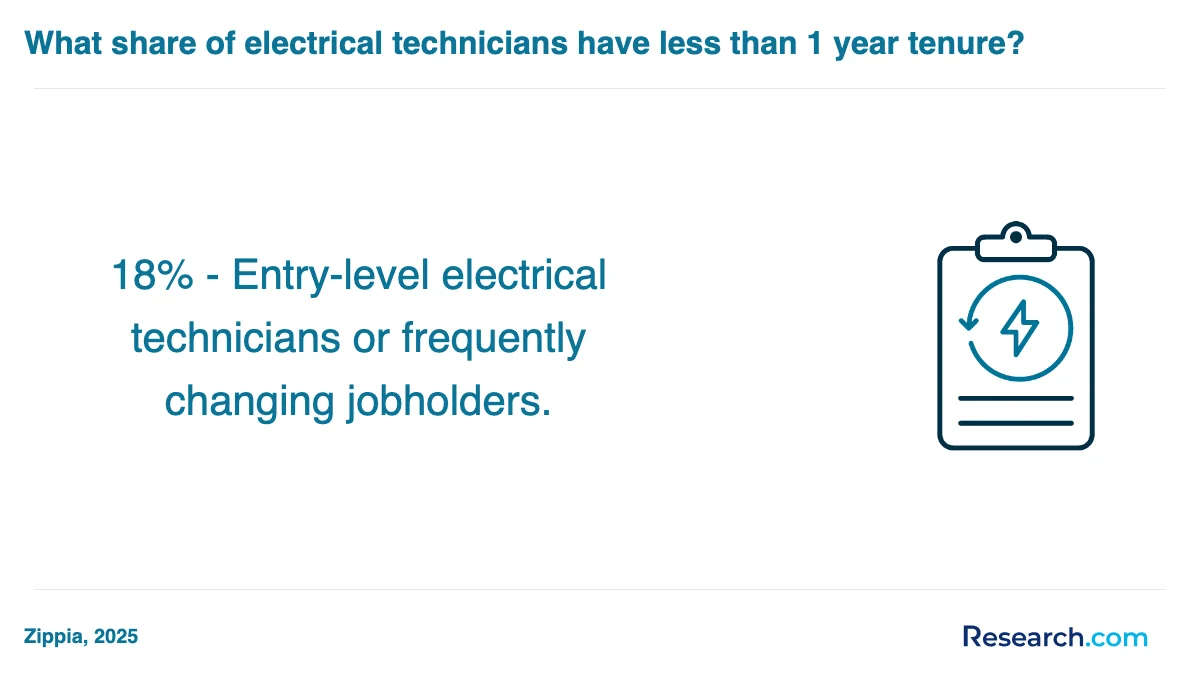
Midwest electrician trade schools focus on core courses that build a solid foundation and practical skills needed on the job. Graduates often recall how mastering electrical theory helped them confidently understand how current, voltage, and circuits work-knowledge they applied immediately during hands-on labs.
Key courses typically include:
- Wiring techniques: Learning installation, testing, and troubleshooting of residential and commercial wiring systems, replicating real job-site scenarios.
- Blueprint reading: Interpreting construction plans and electrical diagrams, essential for accurate installations and passing local inspections.
- National Electrical Code (NEC) and local codes: Understanding these codes ensures legal compliance and safety, a point often emphasized by instructors.
- Safety protocols: Training on OSHA standards and job-site safety prevents accidents and builds confidence in working environments.
- Conduit bending, grounding, and bonding: Practical skills regularly used by electricians, practiced extensively in shop classes.
Advanced courses such as programmable logic controllers (PLCs) and motor controls prepare students for more technical roles. Graduates from schools like Midwest Technical Institute praise the hands-on labs that simulate real-world control circuits and load calculations, making them job-ready on day one.
Electrician trade school programs in Midwest typically offer a variety of specializations that cater directly to the region's diverse job market. Common electrician program specializations in Midwest include residential, commercial, and industrial training. Graduates from schools like Midwest Technical Institute gain hands-on experience in electrical theory, National Electrical Code compliance, conduit bending, and fire alarm systems. This real-world focus prepares students for tasks such as blueprint reading and overcurrent protection, essential for thriving in jobs that demand precision and safety.
Midwest electrician trade school training options often extend to advanced tracks like power transmission, lineworker training, and maintenance & repair. For instance, Anoka Technical College emphasizes the installation and testing of electrical fixtures aligned with local wiring codes, helping graduates smoothly transition into union apprenticeships or specialized careers.
Students should also consider how preparation for state licensing and union coursework at these schools unlocks higher wage potential, with construction electricians earning median wages around $38.50 per hour in Minnesota. Career paths in utility work benefit from focused training-find further insight into electrical lineman careers and related opportunities here.
Start by verifying the program's accreditation, as graduates from accredited schools in the Midwest, like Michigan State University, often feel confident knowing their education meets state licensing standards. Hands-on training is another critical factor-graduates from the St. Louis Electrical Industry Training Center frequently cite real-world experience through paid apprenticeships as a key to their smooth transition into workforce roles. When exploring the best electrician trade schools in Midwest, also assess program length and flexibility; for instance, Paris Junior College's 10-month course appeals to those eager to enter the field quickly, while others may prefer a more in-depth four-year route.
Location matters, too, since many students prefer schools close to home to save on commuting and housing. High job placement rates in local programs guarantee better networking opportunities and faster employment after graduation. For those interested in specialized skills, such as renewable energy, consider combining electrical training with top wind turbine technician certification to expand career options within top-rated electrician programs in Midwest.
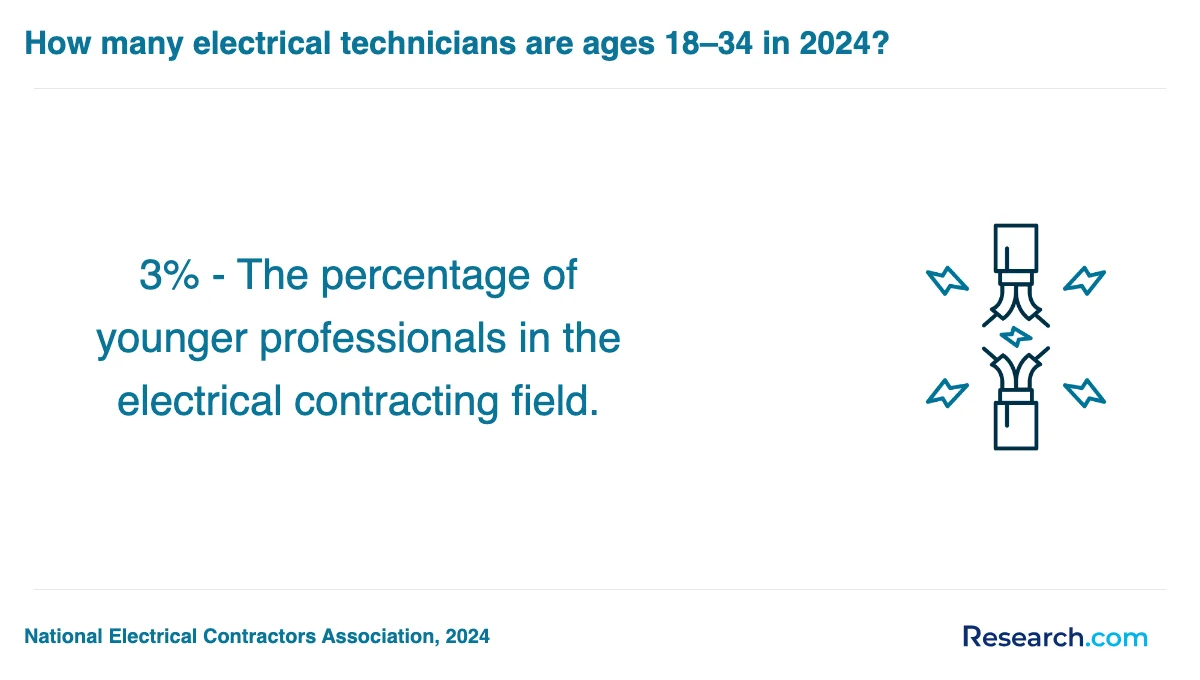
Graduates of electrician trade school programs in the Midwest have clear and diverse career paths to follow, making the most of their hands-on training and formal education. Many begin by enrolling in Midwest electrician apprenticeship programs, where they work as apprentices or helpers under licensed electricians. This practical experience is crucial, often lasting about four years and requiring close to 8,000 hours before advancing to journeyman status. Graduates from popular trade schools in the region frequently describe this phase as intense but rewarding, laying a strong foundation for independent work and supervisory roles.
Career advancement follows a typical trajectory:
- Start as an electrical apprentice gaining on-site skills and mentorship.
- Advance to journeyman electrician, with the ability to work independently and supervise.
- Move up to master electrician, responsible for complex projects and leadership.
Beyond traditional roles on construction sites, graduates find opportunities in data centers, renewable energy, and telecommunications, especially with the Midwest's growing focus on solar power and electric vehicle infrastructure. Many also step into office-based roles like project estimating or electrical design, reflecting the breadth of electrician career opportunities in the Midwest.
Those looking to explore options before committing can consider various trade schools electrician programs that balance classroom theory with real-world exposure, enabling a smooth transition into rewarding careers.
The electrician job outlook in Midwest is strong and promising, driven by steady growth in construction, manufacturing, and infrastructure upgrades. Graduates from Midwest trade schools report finding job opportunities quickly, often benefiting from local demand that consistently outpaces supply. For instance, many graduates from popular programs in Ohio and Illinois secure positions with competitive wages exceeding the national median because the region values skilled hands-on professionals. Employers prioritize candidates with completed apprenticeships, which are integral parts of most Midwest electrician trade school curriculums.
This demand translates into attractive earning potential and steady work schedules, often with options for overtime or self-employment. Consider these key factors that recent graduates highlight:
- Ohio's average electrician wage surpasses $83,000 annually, well above the national average
- Apprenticeship programs enhance employability and practical skills
- Lower Midwest living costs make salaries stretch further
- Growth in renewable energy projects increases opportunities
Many students exploring jobs you can get with an electrical engineering degree also find electrician careers in the Midwest highly viable due to this robust market and strong salary outlook. Those finishing trade school here enter a workforce that not only values their expertise but also offers clear paths for career advancement.
Best Electrical Technician Training Programs & Trade Schools - Top Electrical Tech Schools in Midwest for 2026
# 1 position
Ivy Tech Community College - Electrician.
associateThe Electrician program at Ivy Tech Community College offers a hybrid format with some distance-education options. It prepares students to install, operate, maintain, and repair electrical systems, including residential, commercial, and industrial wiring. Training covers electronics, power transmission, safety, job estimation, and electrical codes. The annual in-state tuition is $4,912. Graduates have median earnings of $80,734 one year after completion. The program is accredited by the Higher Learning Commission.
# 2 position
Ivy Tech Community College - Electrical and Power Transmission Installation/Installer, General.
certificate or diplomaIvy Tech Community College offers a hybrid Electrical and Power Transmission Installation/Installer, General program that prepares students to install indoor and outdoor electrical systems and power transmission lines. The curriculum covers electricity, safety, wiring, insulation, grounding, blueprint interpretation, equipment operation, maintenance, and relevant codes. The program is accredited by the Higher Learning Commission, features an annual in-state tuition of $4,912, and graduates report median earnings of $80,734 one year after completion.
# 3 position
Ivy Tech Community College - Electrician.
certificate or diplomaThe Electrician program at Ivy Tech Community College offers a hybrid format with some distance-education options. It prepares students to install, operate, maintain, and repair electric systems including residential, commercial, and industrial wiring, motors, and electrical panels. Instruction covers electronics principles, safety, job estimation, testing, inspection, and relevant codes. Annual in-state tuition is $4,912, and median earnings one year after completion are $80,734. The program is accredited by the Higher Learning Commission.
# 4 position
Lansing Community College - Electrical and Power Transmission Installation/Installer, General.
associateThe Electrical and Power Transmission Installation/Installer, General program at Lansing Community College offers hybrid learning with some distance education options. It trains students to install residential, commercial, and industrial electrical systems and power transmission lines. The curriculum covers electricity, safety, wiring, grounding, blueprint reading, equipment operation, and relevant codes. Annual in-state tuition is $4,010. Median earnings one year after completion are $66,608.55. The program is accredited by the Higher Learning Commission.
# 5 position
Lansing Community College - Electrician.
associateThe Electrician program at Lansing Community College offers a hybrid format, combining in-person and distance education. It trains students in installing, operating, maintaining, and repairing electrical systems across residential, commercial, and industrial settings. The curriculum covers electronics, wiring, power transmission, safety, and relevant codes. Annual in-state tuition is $4,010. Graduates earn a median income of $66,608 one year after completion. The program is accredited by the Higher Learning Commission.
# 6 position
Lansing Community College - Electrical and Power Transmission Installation/Installer, General.
certificate or diplomaLansing Community College offers a hybrid Electrical and Power Transmission Installation/Installer, General program preparing students to install residential, commercial, and industrial electrical systems and power transmission lines. The curriculum covers electricity, safety, wiring, insulation, grounding, blueprint interpretation, equipment operation, and codes. Annual in-state tuition is $4,010. Median earnings one year after completion are $66,608.55. The program is accredited by the Higher Learning Commission.
# 7 position
Lansing Community College - Electrician.
certificate or diplomaThe Electrician program at Lansing Community College offers a hybrid format with some distance-education options. It prepares students to install, operate, maintain, and repair electrical systems, including residential, commercial, and industrial wiring. Instruction covers electronics, safety, job estimation, testing, inspection, and relevant codes. The program’s in-state tuition is $4,010 annually, and graduates earn a median salary of $66,608 one year after completion. It is accredited by the Higher Learning Commission.
# 8 position
Washburn Institute of Technology - Electrician.
certificate or diplomaWashburn Institute of Technology offers a hybrid Electrician program designed to equip students with skills to install, maintain, and repair electrical systems in residential, commercial, and industrial settings. The curriculum covers electronics principles, wiring, power transmission, safety, and applicable codes. Annual in-state tuition is $9,120. Graduates have median earnings of $37,254 one year after completion. The program is accredited by the Higher Learning Commission.
# 9 position
Alpena Community College - Electrician.
associateAlpena Community College offers a hybrid Electrician program designed to teach installation, operation, maintenance, and repair of electrical systems in residential, commercial, and industrial settings. The curriculum includes electronics principles, wiring, power transmission, safety, and applicable codes. Annual in-state tuition is $5,130. Graduates have median earnings of $33,620 one year after completion. The program is accredited by the Higher Learning Commission.
# 10 position
Alpena Community College - Electrician.
certificate or diplomaAlpena Community College offers a hybrid Electrician program that prepares students to install, operate, maintain, and repair electric apparatus and systems across residential, commercial, and industrial settings. The curriculum covers electronics, electrical systems, wiring, power transmission, safety, job estimation, testing, inspection, and relevant codes. The program’s annual in-state tuition is $5,130, and graduates earn a median income of $33,620 one year after completion. It is accredited by the Higher Learning Commission.
Frequently Asked Questions about electrician
Completing an electrician trade school in the Midwest is a strong first step, but preparing for the job market requires additional focus. Graduates should pursue an apprenticeship, as most states in the region mandate 4,000 to 8,000 hours of on-the-job training alongside classroom instruction. This combination helps develop practical skills employers seek.
Networking is vital. Joining local chapters of organizations like the International Brotherhood of Electrical Workers (IBEW) or attending job fairs can connect you with potential employers. According to the U.S. Bureau of Labor Statistics, the Midwest expects a 7% growth in electrician jobs from 2022 to 2032, indicating steady demand.
Finally, obtaining state licensure and relevant certifications, such as OSHA safety training, enhances employability and earning potential. Staying updated on local electrical codes also demonstrates professionalism to employers.
Employers in the Midwest seek electrician trade school graduates with strong technical skills, including proficiency in reading blueprints, wiring diagrams, and electrical code compliance. According to the U.S. Bureau of Labor Statistics, practical knowledge of the National Electrical Code (NEC) is essential for safety and accuracy on job sites.
Problem-solving abilities and attention to detail are highly valued, as electricians must diagnose and fix electrical issues efficiently. Communication skills also matter, enabling clear coordination with contractors and clients.
Additionally, familiarity with new technologies, such as renewable energy systems and advanced electrical tools, is increasingly important in this evolving industry. The National Electrical Contractors Association highlights hands-on experience as a key hiring factor in the Midwest market.
Finding internships relevant to electrician trade school programs in the Midwest involves several strategic steps. Students should start by contacting their school's career services or apprenticeship coordinators, who often have connections with local electrical contractors and unions. According to the U.S. Department of Labor, registered apprenticeship programs in states like Illinois and Ohio offer structured internship opportunities combining on-the-job training and classroom instruction.
Additionally, students can explore partnerships with the National Electrical Contractors Association (NECA) Midwest chapters, which frequently list internship openings. Online job boards tailored to skilled trades, such as Apprenticeship.gov, also provide regional listings. Networking at trade shows and local industry events increases chances of securing internships in key Midwest cities like Chicago and Minneapolis.
Obtaining a diploma from an electrician trade school in the Midwest significantly enhances career mobility and advancement opportunities. According to the U.S. Bureau of Labor Statistics (2023), electricians with formal training and certification typically earn 15% more than those without such credentials. Trade school programs teach essential skills that meet local licensing requirements, a key factor for employment in this region.
Graduates gain access to apprenticeships and journeyman positions, which are crucial steps toward becoming licensed electricians. Employers in states like Illinois, Ohio, and Michigan often prefer candidates with diplomas, as they demonstrate both practical knowledge and commitment to the profession.
Furthermore, the National Center for Construction Education and Research (NCCER) highlights that diploma holders have a higher likelihood of promotion into supervisory roles, increasing long-term earning potential and job stability within the Midwest's growing construction industry.
Students enrolled in electrician trade schools in the Midwest can find valuable part-time job opportunities that complement their education. Common positions include electrical apprenticeships, which provide hands-on experience under licensed electricians. According to the U.S. Bureau of Labor Statistics, the Midwest has a strong demand for electricians, with states like Illinois and Ohio expecting growth rates above the national average through 2030.
Other suitable jobs include electrical helpers and maintenance assistants, often available in manufacturing plants and construction sites. These roles help students apply classroom knowledge in practical settings while earning income.
Retail positions in home improvement stores, specializing in electrical supplies, also offer relevant experience. These jobs enhance product knowledge, customer service skills, and understanding of electrical systems.
If you're looking for electrician degree programs near you in the Midwest, there are various technical institutes and community colleges that offer certifications and associate degrees in electrical technology. These educational institutions provide classroom learning combined with practical hands-on experience, making them excellent options for aspiring electricians. To explore specific programs near me in the Midwest, you might consider utilizing resources like Research.com to gather detailed information about available courses and universities in the region.
- Alternative Careers for Electricians | Goodwin University https://www.goodwin.edu/enews/electrician-similar-professions/
- Should You Choose a Trade School or an Apprenticeship? Exploring the Electrical Training Path - InterCoast Colleges https://intercoast.edu/articles/trade-school-apprenticeship/
- 37 Careers You Can Pursue Via Trade Schools https://www.best-trade-schools.net/careers/
- Apprentice – Electrical Technician | Eryk https://eryk.com/job-offer/apprentice-electrical-technician/
- Electrician Education & Training Requirements + Costs | Faraday https://faradaycareers.com/careers/electrician-education
- Becoming an Electrician: Guide to Starting a Career in the Electrical Trade | Centura College https://www.centuracollege.edu/blogs/trades-industry/how-to-become-an-electrician/
- Electrician Training Program | Midwest Technical Institute https://www.midwesttech.edu/programs/electrician-training-program/
- Electrician Training at a Top Trade School | Chicago, IL https://www.hvac-tech.com/electrician-training
- Career Paths Through Apprenticeship | Intech https://ejatt.com/apprenticeship/
- Wisconsin Electrical Apprenticeship & Training | Wisconsin Apprenticeships https://www.wijatc.org/