
Best Electrical Technician Training Programs & Trade Schools - Top Electrical Tech Schools in Bellingham for 2026

Co-Founder and Chief Data Scientist
Choosing the right electrician trade school in Bellingham can shape your future career and open doors to rewarding opportunities. This article introduces a carefully crafted electrician trade school programs ranking created by the Research.com team of data scientists to help you make an informed decision.
Whether you seek a diploma or certification, gaining specialized skills can boost your confidence and job prospects. Exploring these top programs will guide you toward quality education and a brighter professional path.
Start your journey with knowledge and clarity for a successful 2026.
Key benefits of finishing electrician trade school in Bellingham
- Graduates of electrician trade schools in Bellingham can expect competitive salaries, with apprentices starting around $57,400 annually and experienced electricians earning up to $107,000 per year.
- Career paths include residential, commercial, and specialized roles like working for Pacific Facility Solutions or local universities, offering diverse opportunities to grow and advance.
- Completing an electrician trade school online offers flexibility and convenience, allowing students to balance work and study while gaining practical skills recognized by local employers.
- Best Electrical Technician Training Programs & Trade Schools - Top Electrical Tech Schools in Bellingham for 2026
- What can I expect from electrician trade schools in Bellingham?
- Where can I work after finishing electrician trade schools in Bellingham?
What can I expect from electrician trade schools in Bellingham?
Enrolling in an electrician trade school program in Bellingham, such as those offered by Bellingham Technical College, means engaging in a hands-on, immersive learning experience. Graduates often recall the balance between classroom theory and practical application, like working with blueprints or programming variable frequency drives, which equips them to handle real jobsite challenges confidently.
Students can expect to be registered as electrician trainees with the state, allowing them to accumulate essential work hours toward licensing. Many describe the satisfaction of progressing from bending conduits in the lab to troubleshooting circuits on actual construction sites. The welcoming environment at local schools makes it easier to focus on mastering skills without prior electrical experience, although maintaining a clean criminal record is important for future opportunities.
Graduates often highlight the program's strong job readiness focus, with nearly 80% finding employment within months. Whether entering construction, manufacturing, or utilities, students feel prepared to step into meaningful careers with competitive starting wages and potential for growth in Whatcom County.
Where can I work after finishing electrician trade schools in Bellingham?
Graduates from electrician trade schools in Bellingham often find themselves stepping into a variety of fulfilling roles soon after completing their programs. Many begin as apprentices or entry-level electricians, gaining hands-on experience while working alongside seasoned professionals in residential or commercial settings. For instance, some graduates share how their first jobs involved wiring homes or upgrading office lighting systems, experiences that build confidence and practical skills.
Others quickly advance to journeyman or specialist positions, especially when employed by local contractors or larger companies serving industrial clients. Opportunities in factories or manufacturing plants are common, where electricians maintain complex machinery and electrical systems. Many recall the satisfaction of troubleshooting real-world electrical issues that textbooks only hint at.
Employers in Bellingham value licensure and offer benefits like health insurance and overtime pay, creating a supportive environment for career growth. Graduates often express pride in their ability to work independently once licensed, enjoying both stable income and the potential for bonus pay in high-demand projects. The path from trade school to a rewarding electrician career here is both tangible and inspiring.
Graduates of electrician trade school programs in Bellingham often find themselves stepping into roles that pay well from the start, with average base salaries around $56,400 per year. Many recall the excitement of landing their first job, earning hourly wages between $29.86 and $33.25, which quickly helped cover living expenses and build confidence in their new career.
As they gain experience, these graduates see their paychecks grow. Journeyman electricians, soon after completing their programs at well-regarded Bellingham trade schools, report hourly wages around $34.01, with some enjoying overtime pay that adds more than $9,400 annually. This extra income can make a real difference, whether it's saving for a home or investing in further certifications.
Those who work for respected local employers like Pacific Facility Solutions often share stories of earning nearly $99,000 yearly, reflecting how specialized skills and steady work can transform an entry-level position into a rewarding career. The journey from student to skilled electrician in Bellingham is not just about salary-it's about building a secure, promising future.
- Bellingham Technical College offers a two-year Associate of Applied Science degree in Electrical Construction recognized by the State of Washington.
- Students become registered electrician trainees with the Washington State Department of Labor & Industries and complete hands-on labs and blueprint reading.
- Tuition for similar programs in Washington typically ranges from $4,000 to $8,000 for in-state students, excluding tools and textbooks.
- About 84% of electrician students find jobs within nine months of graduation, with starting wages averaging $69,682 per year in Whatcom County.
- Experienced electricians in the area earn a median wage of $88,457, with potential earnings up to $112,809 annually.
Completing an electrician trade school program in Bellingham typically takes about 9 to 12 months for full-time students, though some schools offer part-time options extending up to 18 months. Graduates often share how this timeframe felt intense yet manageable, especially when balancing hands-on labs and classroom theory. At popular trade schools in Bellingham, the curriculum is designed to move students steadily toward mastery, allowing them to gain real-world skills quickly.
One graduate described the experience as a focused journey where every week brought new challenges, from wiring residential homes to troubleshooting electrical systems. The practical approach of these programs means students leave feeling confident and ready to enter the workforce.
For those studying while working or managing other commitments, the extended part-time schedules provide flexibility without sacrificing quality. This blend of structure and adaptability helps many feel supported throughout their training, making the completion time feel rewarding rather than rushed or overwhelming.
The difference between online and on-campus electrician trade school programs in Bellingham comes down to where and how you gain your skills. Graduates from popular trade schools often share how on-campus programs gave them invaluable hands-on experience with real tools and equipment in lab settings. This direct practice is crucial because Washington State requires practical training hours to qualify for licensure, something that online courses alone can't fully provide.
Many online students appreciate the flexibility to study around jobs or family, especially those living farther from Bellingham's campuses. However, these students usually need to find separate apprenticeships or hybrid programs to complete their hands-on hours. Hybrid programs, combining online theory with weekly lab sessions, strike a balance-offering the convenience of remote learning while meeting state requirements.
Cost and accessibility also shape choices. Online courses tend to be more affordable and accessible, but successful students know to confirm their coursework counts toward official apprenticeship hours in Washington. This blend of flexibility and practical experience reflects the real-world journey of many electricians training in Bellingham today.
The average tuition for electrician programs in Bellingham varies depending on the chosen path and institution, but it often reflects a strong value for the hands-on training provided. Graduates from Bellingham Technical College, for example, share how investing approximately $11,340 for the Associate of Applied Science degree in Electrician felt like a practical step toward their rewarding careers. This program, requiring 108 credits, typically takes about 15 months to complete and immerses students in both theory and real-world electrical systems.
For those seeking a slightly longer course with additional credits, the AAS-T degree at the same college amounts to around $11,865 and takes 18 months. Many students find the extra time worthwhile, allowing deeper engagement with essential skills that boost confidence on job sites. On the other hand, some graduates appreciate the Certificate in Electrical Construction, a nine-month program costing about $6,930, as a focused and cost-effective route to start working sooner while still gaining robust competencies in electrical work.
Meanwhile, Whatcom Community College offers a more affordable online Residential Electrician course priced at $2,855, which equips students with foundational skills such as wiring, installation, and customer service. This can be a smart option for those balancing work and study or testing the waters before committing to longer programs.
With the cost of electrician trade schools in Bellingham clearly ranging to accommodate different needs and schedules, students feel encouraged to pursue the trade without overwhelming financial pressure. Those interested in related fields might also explore detailed wind turbine service technician requirements for broader career options.
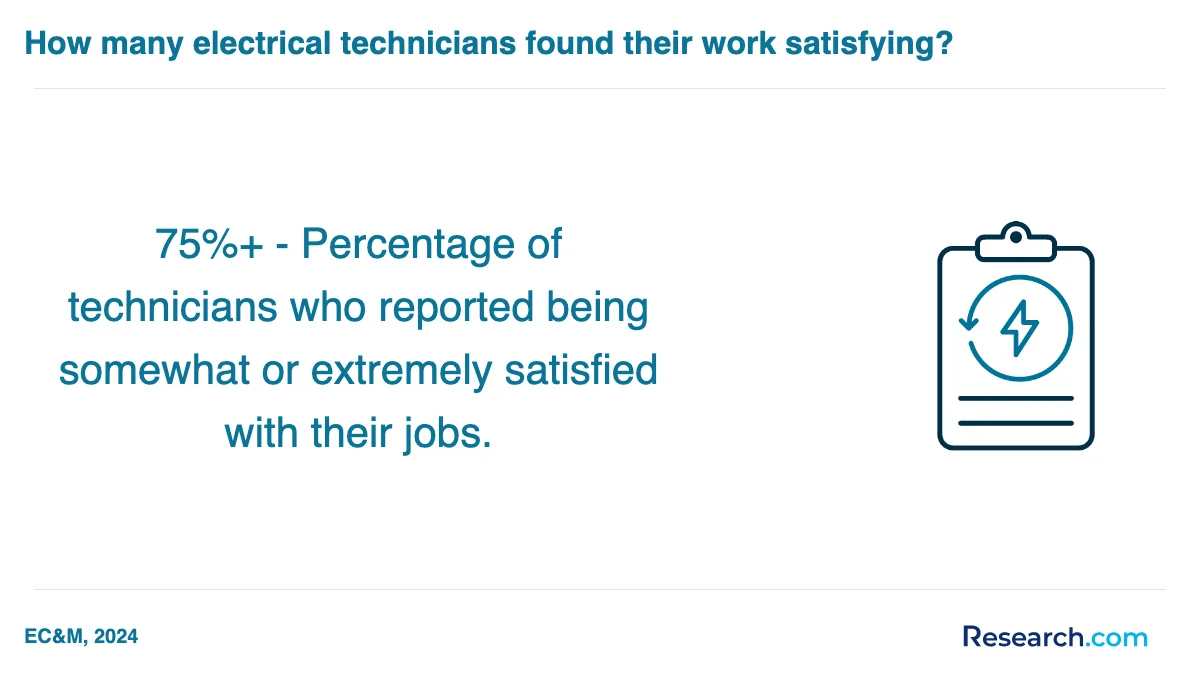
Students pursuing electrician trade school in Bellingham often find crucial financial support through federal aid like Pell Grants and subsidized loans, which many graduates recall as lifesavers during tough times. Completing the FAFSA opens doors to these benefits, allowing students to focus on learning without the constant worry of mounting debt.
At Bellingham Technical College (BTC), apprenticeships blend classroom learning with hands-on experience, supported by the Washington College Grant (WA Grant). Many BTC attendees share how this state aid covered tuition and materials, making their education feel truly attainable. For those in employer-sponsored apprenticeships, the WA Grant for Apprenticeship offers additional relief, easing financial stress while gaining valuable industry experience.
Emergency funds at BTC have helped students facing unexpected hardships stay on track, preserving their path to certification. Scholarships from local donors and statewide programs like the Washington State Opportunity Scholarship further brighten the journey, allowing many to pursue their dreams without sacrificing essentials.
Work-study positions on campus provide both income and relevant experience, a dual benefit often praised by graduates. Veterans and those overcoming foster care or homelessness find tailored support through programs such as Passport to Careers, reinforcing that Bellingham's electrician students are never alone in their pursuit.
Enrolling in an electrician trade school program in Bellingham usually requires meeting a few straightforward prerequisites that set the foundation for success. Most programs expect students to have a high school diploma or GED, ensuring basic skills in math and reading are in place. Graduates from local trade schools often recall how their early grasp of algebra and problem-solving proved vital during hands-on training.
Applicants may also need to pass an entrance exam or placement test, which helps instructors tailor the coursework to each student's level. Many students find this step encouraging rather than intimidating, as it highlights areas to focus on and builds confidence early on.
Physical fitness is another common prerequisite, given the active nature of electrician work-graduates remember feeling proud of their stamina during practical labs and site visits. Some trade schools in Bellingham recommend or require a valid driver's license, since travel to various job sites can be part of the experience.
Typical prerequisites include:
- High school diploma or GED
- Basic math and reading proficiency
- Entrance or placement testing
- Physical ability for hands-on tasks
- Valid driver's license (in some cases)
These requirements reflect a balance between ensuring readiness and welcoming motivated individuals, making the journey into the electrician trade both accessible and rewarding.
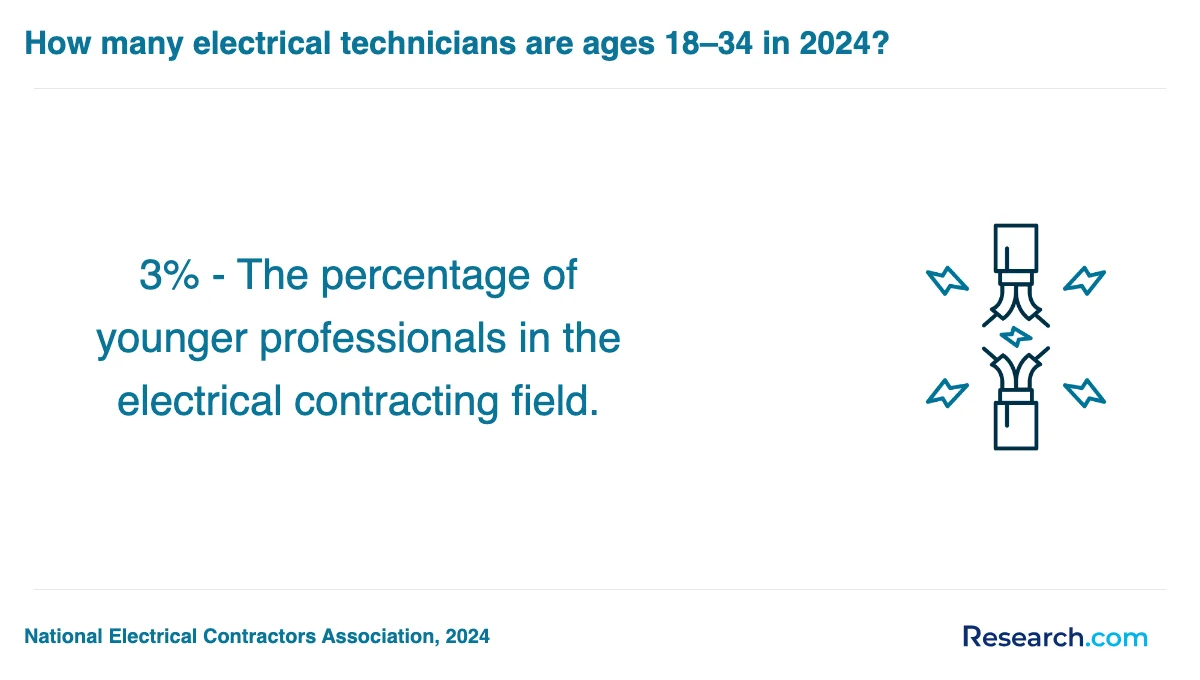
Electrician trade school programs in Bellingham, such as those at Bellingham Technical College, immerse students in a variety of practical and theoretical courses designed to build confidence and competence. Graduates often recall how foundational classes like Electrical Theory and Mathematics for Electricians clarified the complexities of AC/DC circuits and essential calculations, making real-world electrical problems feel approachable.
Hands-on learning is a highlight, with courses like Residential Wiring and Commercial Wiring allowing students to physically install and troubleshoot systems. Many describe the satisfaction of interpreting Electrical Prints, Schematics, and Symbols as a key moment, transforming abstract diagrams into tangible tasks.
These programs emphasize safety and code compliance through focused study of the National Electrical Code (NEC) and Industrial Safety Procedures, ensuring students are job-ready and protected on site.
- Programmable Logic Controllers (PLCs)
- Motor Controls
- Instrumentation
- Low Voltage Systems
- Renewable Energy Technologies
Such courses reflect the evolving industry and prepare students for diverse, rewarding careers in Bellingham's electrical field.
Electrician trade school programs in Bellingham offer distinct specializations that prepare students for a variety of career opportunities within the electrical field. Graduates from Bellingham Technical College often share how the Associate of Applied Science (AAS) degree has ready them for hands-on roles involving residential, commercial, industrial, and renewable electrical systems. Their training covers essential skills such as blueprint reading, conduit installation, and circuit troubleshooting, equipping them to confidently enter the workforce as registered electrician trainees.
Those pursuing a more focused path appreciate the Certificate in Electrical Construction at BTC, where the curriculum centers on construction-specific electrical techniques. Meanwhile, students at Whatcom Community College find value in the online Residential Electrician course, which builds strong foundations in wiring, electrical theory, and customer service, ideal for entry-level roles in residential settings.
These varied tracks highlight how electrician trade schools and programs in Bellingham nurture expertise tailored to different sectors, helping students align their learning with personal and professional goals. For more insights into these educational paths, explore electrician trade schools and programs.
When choosing the best electrician trade school program in Bellingham, start by focusing on accreditation and licensing that align with Washington State requirements-this ensures your training is legitimate and accepted by local employers. Graduates from popular local colleges often share how hands-on training with up-to-date labs and equipment made them confident stepping onto job sites. Exploring programs that balance classroom learning with practical application is essential to develop real skills and tackle everyday challenges electricians face. Many appreciate schools offering flexible schedules to fit work or family obligations, reflecting how vital a fit-for-you program format can be.
Consider job placement rates and testimonials from alumni who successfully transitioned into careers in Bellingham's electrical industry, which reflect the program's true support. Comparing tuition costs with financial aid options helps avoid surprises; schools with scholarships and payment plans ease the burden considerably. Also, examine the experience level of instructors, whose industry insights elevate learning beyond textbooks. For those interested in expanding their knowledge, reviewing the cheapest online electrical engineering programs may be a useful addition when weighing educational investments and career paths.
In the end, how to select top electrician programs in Bellingham means finding a program tailored to your lifestyle, financially sensible, and backed by proven success stories from past students who felt truly prepared and optimistic about their futures in the electrical trade.
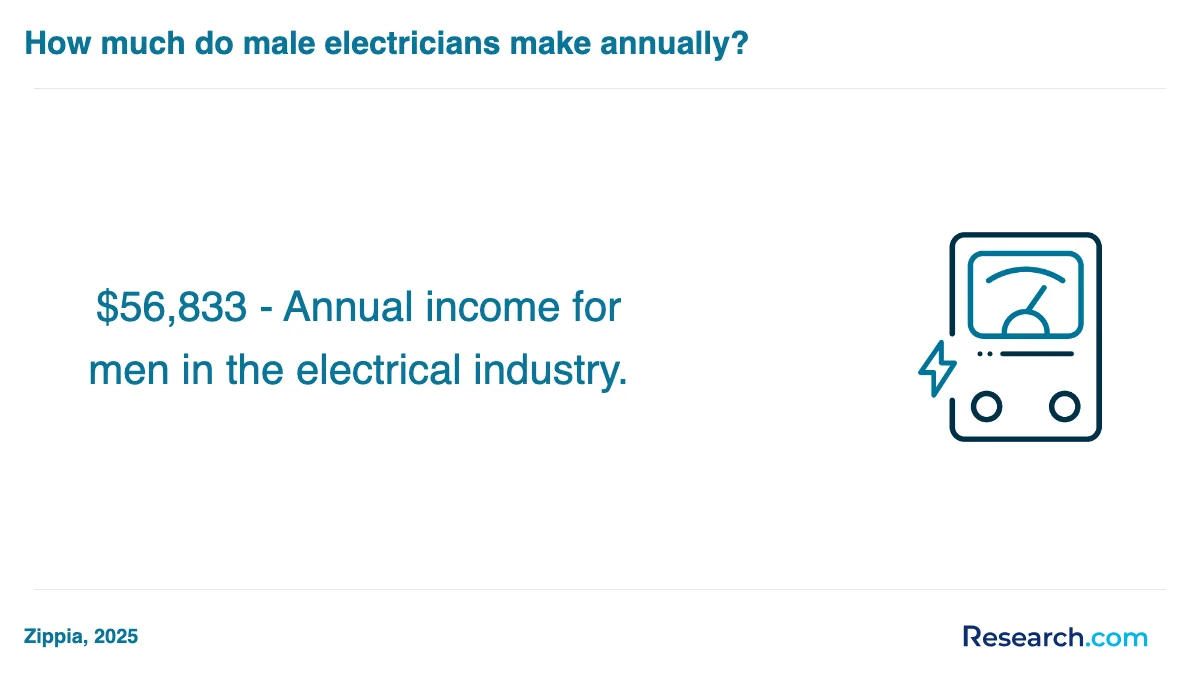
Graduates of electrician trade school programs in Bellingham find themselves stepping into a variety of rewarding career opportunities, each offering hands-on work and room to grow. After completing popular courses like the Electrician AAS or Certificate at Bellingham Technical College, many begin as registered electrician trainees, a vital first milestone. From here, pursuing electrician career opportunities in Bellingham often leads to apprentice positions where graduates build skills under licensed journeymen, tackling everything from residential wiring to commercial systems.
Electrician graduates frequently mention how real-world experience during apprenticeships in Bellingham fuels their confidence and deepens their understanding. These experiences pave the way to journeyman status, unlocking independence, better pay, and a broader range of projects. Many also branch into specialized careers such as:
- Maintenance electrician roles keeping equipment running smoothly
- Electrical equipment technician jobs in manufacturing
- Low voltage technician or audiovisual system installer work
- Telecommunication technician roles
Those embracing Bellingham electrician apprentice and journeyman jobs often find opportunities to advance into supervisory roles or start their own contracting businesses. For a more utility-focused path, programs at places like Puget Sound Energy guide graduates toward specialized positions like substation wireman or hydro electrician. Many also seek affordable online maintenance technician certification programs to enhance their skills while working.
Electrician trade school graduates in Bellingham find themselves entering a job market that offers steady and diverse opportunities. Local employers, ranging from established contractors to growing new companies, consistently seek skilled electricians, reflecting a positive electrician job outlook in Bellingham. Graduates from programs like Bellingham Technical College often report landing positions quickly in roles such as apprentice, journeyman, or maintenance electrician, benefiting from hands-on training and assistance obtaining required licenses.
The electrician salary and employment rates Bellingham offer are considerably favorable compared to national averages, with starting wages near $23 per hour and experienced electricians earning up to $62 per hour. Beyond salary, benefits like 401(k) matching and paid overtime add to the career's appeal.
Real-life graduates appreciate how the curriculum aligns closely with industry needs, preparing them for work in construction, telecommunications, or industrial maintenance. For those wanting to deepen their technical knowledge, exploring electrical engineering major requirements electrical engineering major requirements can open further pathways within the field.
Best Electrical Technician Training Programs & Trade Schools - Top Electrical Tech Schools in Bellingham for 2026
# 1 position
Bellingham Technical College - Electrician.
associateBellingham Technical College offers a hybrid Electrician program that prepares students to install, operate, maintain, and repair electrical systems in residential, commercial, and industrial settings. The curriculum covers electronics principles, wiring, power transmission, safety, job estimation, and applicable codes. Annual in-state tuition is $4,226. Graduates earn a median income of $24,230 one year after completion. The program is accredited by the Northwest Commission on Colleges and Universities.
# 2 position
Bellingham Technical College - Electrician.
certificate or diplomaBellingham Technical College offers a hybrid Electrician program that trains students to install, operate, maintain, and repair electric systems in residential, commercial, and industrial settings. The curriculum covers electronics, wiring, power transmission, safety, and electrical codes. In-state tuition is $4,226 annually. Graduates have a median earning of $24,230 one year after completion. The program is accredited by the Northwest Commission on Colleges and Universities.
Frequently Asked Questions about electrician
After completing electrician trade school in Bellingham, preparing for the job market involves several key steps. First, obtaining proper licensing is essential; Washington State requires electricians to pass the journeyman or apprentice exam administered by the Department of Labor & Industries. Gaining hands-on experience through apprenticeships or entry-level positions is highly recommended, as local employers often prefer candidates with practical skills.
Networking within Bellingham's construction and electrical industries can improve job prospects. Joining trade organizations like the International Brotherhood of Electrical Workers (IBEW) Local 46 offers access to job listings and training.
According to the U.S. Bureau of Labor Statistics, the Seattle-Tacoma-Bellevue metro area expects a 10% employment growth for electricians from 2022 to 2032, indicating a positive job outlook nearby.
Employers in Bellingham highly value electrician trade school graduates who demonstrate strong technical skills and hands-on experience. Proficiency in reading blueprints, understanding electrical codes, and safely installing wiring systems are essential. According to the Washington State Department of Labor & Industries, knowledge of the National Electrical Code (NEC) is critical for compliance and safety.
Communication skills also rank highly, as electricians often work in teams and must explain complex information clearly. Problem-solving abilities and adaptability are important due to the variety of residential, commercial, and industrial projects in the Bellingham area.
Additionally, familiarity with modern technology, such as programmable logic controllers (PLCs) and smart home systems, is becoming increasingly valuable. The U.S. Bureau of Labor Statistics notes that demand for electricians with updated technical skills is growing nationwide, including Washington State.
Finding internships in Bellingham related to electrician trade school programs involves several practical steps. Start by contacting local trade schools and technical colleges, which often have partnerships with area employers. According to the Washington State Department of Labor & Industries, apprenticeship programs are a key pathway for gaining hands-on experience in electrical work.
Students should also explore opportunities with local electrical contractors and unions, such as the International Brotherhood of Electrical Workers (IBEW) Local 191, which offers apprenticeship and internship programs. Networking at job fairs and using resources like the Washington State Workforce Training & Education Coordinating Board can further connect students with openings.
Online job portals focusing on skilled trades in Whatcom County may list relevant internships, offering a convenient way to identify current opportunities. Early application and persistence are important, as competition can be strong in this field.
Obtaining an electrician trade school diploma in Bellingham significantly enhances career mobility and advancement opportunities. According to the Washington State Employment Security Department, electricians with formal training and certification tend to earn 20-30% more than those without. This diploma often serves as a prerequisite for apprenticeships and journeyman licensing, which are essential steps for career growth in the electrical field.
Trade school programs provide hands-on skills and up-to-date knowledge of electrical codes and safety standards, making graduates more competitive in the local job market. Employers in Bellingham value certified electricians due to the region's ongoing construction and infrastructure development.
Moreover, a diploma can open pathways to specialized roles, such as industrial or residential electrician positions, which offer higher wages and leadership opportunities. Data from the Bureau of Labor Statistics shows that skilled electricians in Washington state have a projected job growth rate of 9% through 2030, reflecting steady demand.
Bellingham offers several part-time job opportunities that can complement electrician trade school education. Positions such as electrical apprenticeships, helper roles in construction, or maintenance technician jobs provide hands-on experience alongside formal training. According to the U.S. Bureau of Labor Statistics, apprenticeships remain a key pathway to gaining practical skills in electrical work. Local construction companies and facilities management firms in Bellingham often seek part-time workers to assist with wiring, equipment installation, and troubleshooting tasks.
These roles help students apply classroom knowledge in real-world settings, improving both their technical skills and employability. Additionally, part-time work in related retail, such as electrical supply stores, offers valuable insight into materials and tools used in the trade.
To find the best electrician degree program near me, you might start by exploring vocational schools, community colleges, and technical institutes that offer such programs near Bellingham, WA. Research.com can be a useful resource for finding information on program rankings and student reviews, which can help in comparing educational institutions. Additionally, visiting campuses and speaking with faculty can provide further insights into the quality and offerings of electrician degree programs in your area.
- Best Electrical Technician Training Programs & Trade Schools - Top Electrical Tech Schools in Los Altos Hills for 2026
- Best Electrical Technician Training Programs & Trade Schools - Top Electrical Tech Schools in Merced for 2026
- Best Electrical Technician Training Programs & Trade Schools - Top Electrical Tech Schools in Fresno for 2026
- Best Electrical Technician Training Programs & Trade Schools - Top Electrical Tech Schools in San Diego for 2026
- Best Electrical Technician Training Programs & Trade Schools - Top Electrical Tech Schools in Espanola for 2026
- Best Electrical Technician Training Programs & Trade Schools - Top Electrical Tech Schools in Overland Park for 2026
- Electrician - AAS https://www.btc.edu/Academics/DegreesAndCertificates/Electrician/index.html
- Electrician Trade Schools in Bellingham, WA - Get Training! https://electricalcareernow.com/electrician-schools/bellingham-wa
- 23 Electrician Schools in WA - Hands-On & Awesome [UPDATED 2025] https://electricalschool.org/wa/
- Become an Apprentice https://www.lni.wa.gov/licensing-permits/apprenticeship/become-an-apprentice
- Apprenticeships - FuturesNW https://www.futuresnw.org/apprenticeships
- How Much Do Electricians Make: Electrician Salary Guide 2025 https://www.getjobber.com/academy/electrical/how-much-do-electricians-make/
- Electrician | Explore Careers | National Careers Service https://nationalcareers.service.gov.uk/job-profiles/electrician
- Average Electrician Salary (Annually & Hourly) | Faraday https://faradaycareers.com/careers/electrician-salary
- Electrician Salary Guide: How Much Do Electricians Earn? https://www.lincolntech.edu/news/skilled-trades/electrical/electrician-salary-guide-how-much-do-electricians-earn
- Electricians : Occupational Outlook Handbook: : U.S. Bureau of Labor Statistics https://www.bls.gov/ooh/construction-and-extraction/electricians.htm


