
Best Electrical Technician Training Programs & Trade Schools - Top Electrical Tech Schools in West for 2026

Co-Founder and Chief Data Scientist
Choosing the right electrician trade school in the West can be overwhelming. This article presents a carefully crafted electrician trade school programs ranking created by the Research.com team of data scientists to guide you in making an informed decision.
Exploring this ranking will help you discover programs that match your goals and set you up for success in a growing industry. Earning a diploma or certification can open doors to rewarding careers and financial stability.
Take the first step toward a bright future with confidence and clarity.
Key benefits of finishing electrician trade school in West
- Graduates from electrician trade schools in the West can expect starting wages between $18 to $25 per hour, with experienced electricians earning up to $35 per hour or more, reflecting strong regional demand and good earning potential.
- Career paths include residential, commercial, or industrial electrician roles, with opportunities to advance into specialized or senior positions, as seen with many successful graduates from popular West Coast trade schools.
- Completing an electrician trade school online offers flexible learning schedules and faster completion times, helping graduates quickly enter the workforce and start earning, as reported by online program alumni from leading Western institutions.
What can I expect from electrician trade schools in West?
In an electrician trade school program in the West, expect a blend of classroom learning and hands-on training designed to prepare you for real-world electrical work. Popular schools in Washington and California emphasize practical skills like reading blueprints, installing systems, and troubleshooting circuits, alongside electrical theory and safety protocols.
Many programs follow an "earn while you learn" model, letting you gain valuable field experience as an apprentice while attending classes. Graduates often share how this on-the-job training boosted their confidence and made licensing exams more approachable.
Training covers a variety of specialties-from residential wiring to industrial and renewable energy systems-ensuring you can tailor your skills to your career goals. For example, students at Bellingham Technical College benefit from instructors with industry experience and report strong job placement rates with competitive starting salaries.
Flexible course options, including online theory paired with essential in-person labs, help balance learning with life commitments. Overall, you'll develop practical expertise and industry-ready skills that open doors to a rewarding electrician career in the West.
Where can I work after finishing electrician trade schools in West?
Graduates of electrician trade school programs in the West often find themselves stepping into a variety of rewarding job opportunities across commercial, industrial, and residential sectors. For many, starting as apprentice electricians on new construction sites or facility upgrades in cities like Idaho Falls quickly leads to earning $30 to $40 per hour as journeymen, with overtime and benefits boosting income. Popular trade schools in states like California and Colorado prepare students well for these roles, emphasizing hands-on experience that builds confidence and readiness.
Many graduates also enter specialized fields such as renewable energy installations or alarm system setup, where their training opens doors to innovative, high-demand careers. Working for large contractors or local firms, they often enjoy the satisfaction of contributing to projects that range from schools and hospitals to solar farms and water treatment plants.
Others find fulfilling work maintaining complex systems at facilities like the Idaho National Laboratory or gaining steady contracts through national placement services. These paths reflect the strong demand and diverse possibilities awaiting those who complete electrician trade school programs in the West.
How much can I make after finishing electrician trade schools in West?
After finishing an electrician trade school program in the West, many graduates begin their careers as apprentices earning between $30,000 and $40,000 annually. For example, graduates from popular West Coast trade schools often share how starting in this range gave them valuable hands-on experience while earning a steady income. As they gain skills and certifications, they typically advance to journeyman roles where salaries rise to $50,000-$70,000 per year.
In states like California, the pay can be even more rewarding. Graduates working in cities such as Los Angeles or San Francisco report average salaries around $72,000, with some specializing in high-demand fields like renewable energy installations earning over $90,000. These figures reflect the strong demand for skilled electricians in the West, making the career path both financially and professionally satisfying.
Many graduates highlight the confidence and pride that come from securing these well-paying roles shortly after completing their programs, emphasizing how trade schools in the West open doors to stable, growing career opportunities.
Best Electrical Technician Training Programs & Trade Schools - Top Electrical Tech Schools in West for 2026
# 1 position
Spokane Community College - Electrical and Power Transmission Installation/Installer, General.
certificate or diplomaSpokane Community College offers a hybrid program in Electrical and Power Transmission Installation/Installer, General, designed to prepare students to install residential, commercial, and industrial electrical systems and power transmission lines. The curriculum covers electricity, safety procedures, wiring, insulation, grounding, blueprint interpretation, equipment operation, maintenance, and relevant codes. The program is accredited by the Northwest Commission on Colleges and Universities, with an annual in-state tuition of $4,057 and median earnings of $66,921 one year after completion.
# 2 position
Spokane Community College - Electrician.
certificate or diplomaSpokane Community College offers a hybrid Electrician program that prepares students to install, operate, maintain, and repair electrical systems in residential, commercial, and industrial settings. The curriculum covers electronics principles, wiring, power transmission, safety, and electrical codes. Annual in-state tuition is $4,057. Graduates have median earnings of $66,921 one year after completion. The program is accredited by the Northwest Commission on Colleges and Universities.
# 3 position
Red Rocks Community College - Electrician.
associateRed Rocks Community College offers a hybrid Electrician program that prepares students to install, operate, maintain, and repair electric systems including residential, commercial, and industrial wiring. The curriculum covers electronics, electrical systems, safety, job estimation, testing, inspection, and relevant codes. The program’s annual in-state tuition is $4,707, and graduates earn a median salary of $42,173 one year after completion. It is accredited by the Higher Learning Commission.
# 4 position
Red Rocks Community College - Electrician.
certificate or diplomaRed Rocks Community College offers a hybrid Electrician program that trains students to install, operate, and repair electric apparatus and systems, including residential, commercial, and industrial wiring. The curriculum covers electronics, wiring, power transmission, safety, testing, inspection, and relevant codes. Annual in-state tuition is $4,707. Graduates earn a median income of $42,174 one year after completion. The program is accredited by the Higher Learning Commission.
# 5 position
Emily Griffith Technical College - Electrician.
certificate or diplomaThe Electrician program at Emily Griffith Technical College prepares students to install, operate, maintain, and repair electric apparatus and systems including residential, commercial, and industrial wiring. Instruction covers electronics, wiring, power transmission, safety, job estimation, and electrical codes. The hybrid program is accredited by the Council on Occupational Education. Graduates have a median earning of $70,780 one year after completion.
# 6 position
Dixie Technical College - Electrician.
certificate or diplomaThe Electrician program at Dixie Technical College offers hybrid learning to develop skills in installing, operating, maintaining, and repairing electrical systems for residential, commercial, and industrial settings. The curriculum covers electronics principles, wiring, power transmission, safety, testing, inspection, and relevant codes. The program is accredited by the Council on Occupational Education, ensuring quality training aligned with industry standards.
# 7 position
Mountainland Technical College - Electrician.
certificate or diplomaThe Electrician program at Mountainland Technical College offers a hybrid format combining in-person and distance education. It prepares students with technical skills to install, operate, maintain, and repair electrical systems including wiring, motors, controls, and distribution panels. Instruction covers electronics principles, safety, testing, inspection, and relevant codes. The program is accredited by the Council on Occupational Education.
# 8 position
Bridgerland Technical College - Electrician.
certificate or diplomaBridgerland Technical College offers a Hybrid Electrician program that prepares students to install, operate, maintain, and repair electric systems in residential, commercial, and industrial settings. The curriculum covers electronics principles, wiring, power transmission, safety, electrical testing, and applicable codes. The program is accredited by the Council on Occupational Education and includes instruction on motors, controls, distribution panels, and job estimation.
# 9 position
Ogden-Weber Technical College - Electrician.
certificate or diplomaThe Electrician program at Ogden-Weber Technical College prepares students to install, operate, maintain, and repair electrical systems, including residential, commercial, and industrial wiring. The hybrid program covers electronics principles, safety, job estimation, electrical testing, and applicable codes. Graduates earn a median salary of $57,750 one year after completion. The program is accredited by the Council on Occupational Education and offers some distance-education options.
# 10 position
Davis Technical College - Electrician.
certificate or diplomaThe Electrician program at Davis Technical College offers hybrid learning options to prepare students for installing, operating, maintaining, and repairing electrical systems in residential, commercial, and industrial settings. The curriculum covers electronics principles, wiring, power transmission, safety, electrical testing, inspection, and relevant codes. The program is accredited by the Council on Occupational Education, ensuring recognized standards in technical training.
Key Findings
- Most electrician trade school programs in the West require a high school diploma or GED for admission.
- Certificate programs typically take 9 to 12 months to complete, while associate degrees may take up to two years.
- Tuition and fees range from $3,000 to $20,000, with financial aid and scholarships often available.
- Graduates must gain verified work experience under a licensed electrician before applying for state licensure exams.
- The median annual wage for electricians in the U.S. is $56,900, with higher starting salaries common in western states like California.
How long does it take to complete electrician trade schools in West?
Completing an electrician trade school program in the West typically takes between 9 months and 18 months, depending on whether you choose a full-time or part-time schedule. Graduates from well-known West trade schools often share how the intensive hands-on training fit well into their busy lives, making the experience feel both manageable and rewarding.
For example, many students at popular West trade schools find that dedicating about a year allows them to balance coursework with practical labs, simulating real-world electrical systems they'll work with on the job. This timeline helps them gain confidence quickly, which is crucial for entering the workforce sooner and starting to earn.
Others appreciate the flexibility of evening or weekend classes offered in the West, which extend the program duration but allow them to continue working while studying. This approach creates a positive, motivating environment where students feel supported as they build skills step-by-step.
Overall, the completion time is designed to prepare you thoroughly without unnecessary delays, helping you transition smoothly into a rewarding electrician career in the West.
What's the difference between online and on-campus electrician trade school programs?
Online electrician trade school programs in the West offer flexibility that appeals to students juggling work or family. Graduates from popular West Coast schools often share how they appreciated studying theory at their own pace, fitting lessons around busy schedules without commuting. Tuition tends to be more affordable, usually between $1,000 and $2,000, making it an accessible option for many.
However, these online programs lack the hands-on training essential for licensure. For instance, graduates frequently mention needing to arrange separate apprenticeships or lab work to meet state requirements, such as those in California. This practical experience, often supervised and done in person, is crucial for mastering real-world electrical tasks safely.
On-campus programs at well-known West trade schools immerse students in face-to-face labs and mentorship, fostering teamwork and confidence. Many find the direct interaction with instructors invaluable for troubleshooting skills and building professional networks.
Hybrid programs combine the best of both worlds, blending online coursework with weekly in-person labs, offering flexibility while ensuring students gain essential hands-on experience.
What is the average cost of electrician trade schools in West?
The average cost electrician trade school program West varies significantly depending on the type of training chosen. Certificate programs, which many graduates find appealing for their focused duration and practical skills, generally range from $1,000 to $15,000. For example, a graduate from a popular trade school like the Refrigeration School in Phoenix, Arizona, mentioned investing about $21,450 to complete a 7-month Electrical Applications program, covering tuition, materials, and fees. These certificate programs offer a solid foundation for entering the workforce quickly.
More comprehensive associate degree programs tend to cost between $10,000 and $20,000 in tuition fees. Community colleges in the Western United States provide affordable options; graduates from schools such as Bellingham Technical College in Washington have shared how the average net price of around $6,787 made earning an associate degree in electrical technology feel attainable without overwhelming debt. Many students appreciate the blend of theory and hands-on learning these programs deliver, balancing cost and depth of knowledge effectively.
Apprenticeships present another financially attractive path, combining paid on-the-job training with classroom instruction. Numerous apprentices report feeling motivated by earning wages during their training, effectively offsetting tuition fees. Such programs, especially those coordinated by organizations like the Independent Electrical Contractors, appeal to those looking to minimize upfront costs while gaining valuable work experience.
Additional expenses such as tools, books, and licensing fees typically add between $500 and $2,000 to overall costs. Many prospective students explore financial aid options, including scholarships like those awarded by Lowe's, which range from $2,500 to $5,000 annually. These can be crucial for managing electrician trade school tuition fees Western United States.
For a detailed look at various programs and institutions suited for your goals, reviewing a comprehensive list of electrician trade schools and programs can provide clarity and help you plan effectively for your education investment.
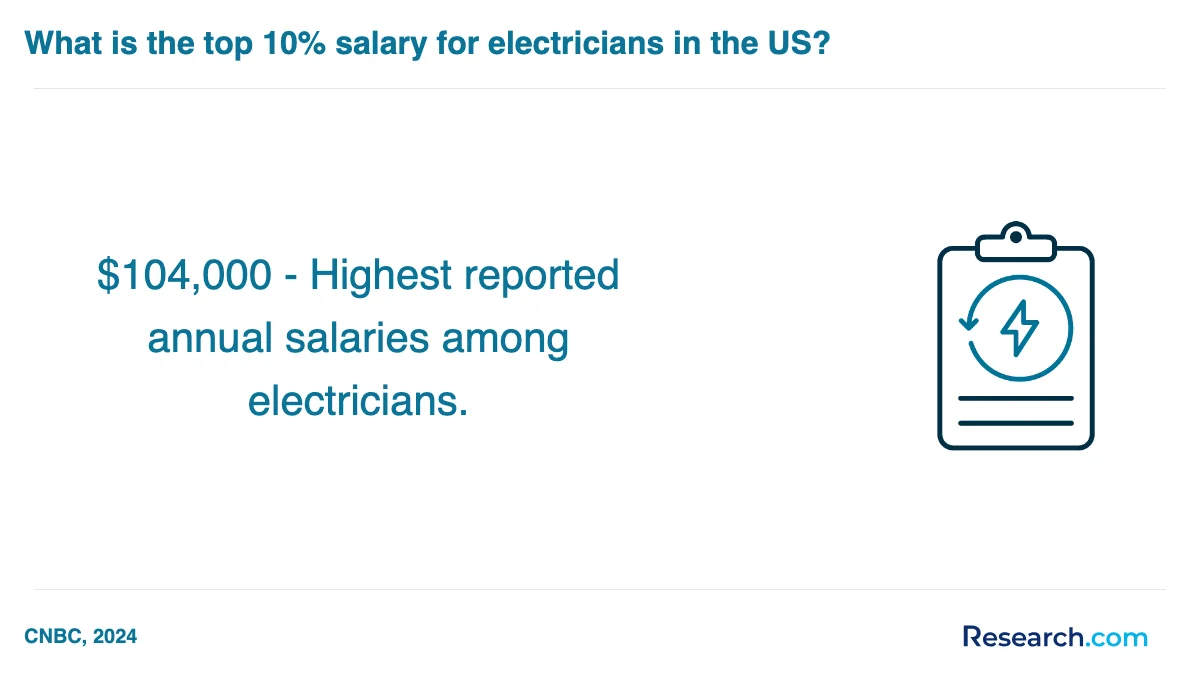
What financial aid is available for electrician trade schools in West?
Electrician trade school students in the West often find financial aid that makes training both accessible and affordable. Many graduates from Washington-based programs benefit from the WA Grant for Apprenticeship, which covers tuition, fees, and materials, significantly easing the upfront costs. This grant is especially helpful for those balancing work and study, reducing financial stress during training.
Others in the region, like students attending colleges in Idaho, take advantage of institutional financial aid and payment plans, making the $1,450 tuition for apprenticeship series more manageable. Apprentices in Arizona's Tucson Electrical JATC program share stories of tuition-free training that combines classroom learning with paid on-the-job experience, plus benefits like health care and retirement plans-helping them focus fully on building their skills without worrying about education bills.
Federal aid options, including Pell Grants and GI Bill® benefits for veterans, also support many West-based students. Graduates often highlight how these resources, paired with state grants and employer-sponsored apprenticeships, turn their career goals into reality with less financial burden.
What are the prerequisites for enrolling in electrician trade schools in West?
To enroll in an electrician trade school program in West, students typically need to meet a few straightforward prerequisites that ensure readiness and commitment. Most schools require a high school diploma or GED, as foundational knowledge in math and reading is essential for understanding electrical concepts.
Applicants often must be at least 18 years old, reflecting the maturity needed for hands-on work involving safety protocols. Some trade schools in West also ask for a valid driver's license, which proves responsibility and may be necessary for travel to job sites during training.
Graduates from popular programs in West share that passing a basic aptitude test is common. This test usually covers math and reading comprehension to confirm that students can handle technical coursework and safety documentation.
- High school diploma or GED
- Minimum age of 18
- Valid driver's license (in some cases)
- Passing an aptitude test
These requirements prepare students to confidently tackle hands-on labs and real-world electrical tasks, helping them feel motivated and supported right from the start.
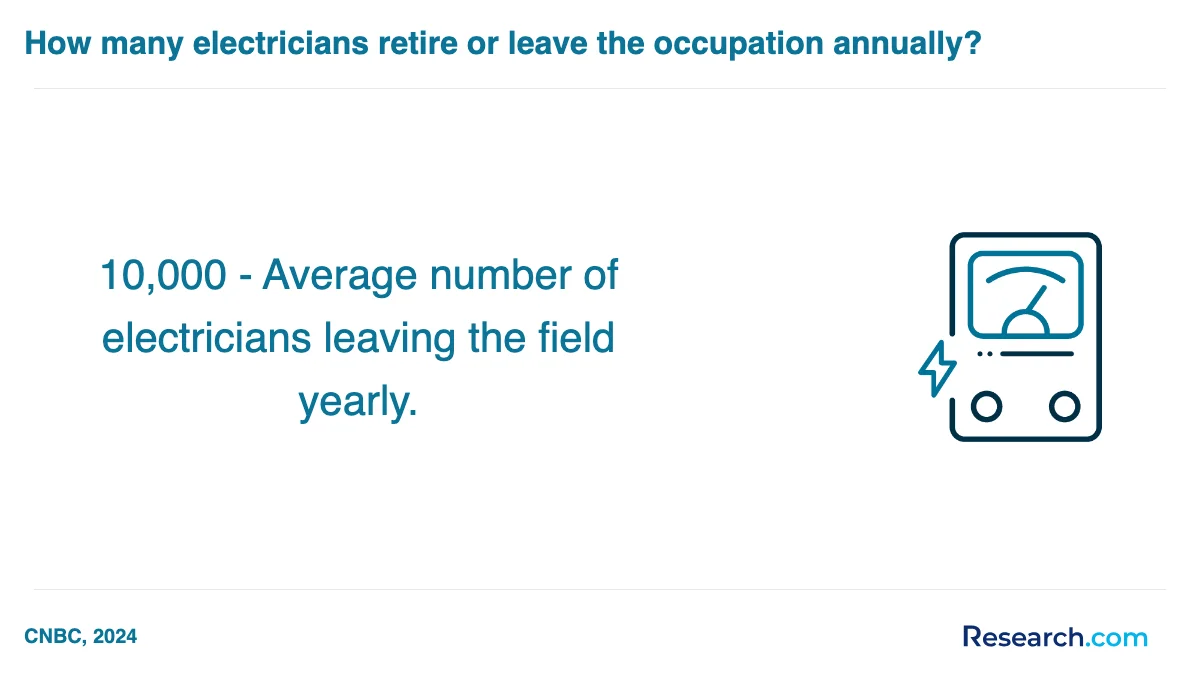
What are the typical courses in electrician trade schools in West?
Electrician trade school programs in the West typically cover a mix of essential theory and hands-on training designed to build confidence and job-ready skills. Graduates from programs like the College of Western Idaho highlight how core courses in electrical theory, safety practices, and National Electrical Code (NEC) compliance help them feel prepared to pass certification exams and work safely on real job sites.
Key courses usually include:
- Electrical theory fundamentals and code compliance to ensure understanding of regulations and safe work practices
- Hands-on labs focused on wiring, lighting installation, circuit troubleshooting, and motor controls, as seen in programs at UEI College
- Safety certifications such as OSHA-10 integrated into training, which graduates find essential for employer confidence
- Advanced topics like programmable logic controllers (PLCs) and smart building systems, offered by Western Dakota Technical College, preparing students for automation roles
Students appreciate mock interviews and resume workshops included in some programs, which ease the transition to the workforce and boost job placement success. Programs balancing online theory with in-person labs, such as the Western Electrical Contractors Association's, offer flexibility without sacrificing practical experience-ideal for busy students in the West.
What are the available specializations in electrician trade schools in West?
Electrician trade school specializations in the West offer practical, career-focused training that meets regional industry demands. Graduates from well-known programs such as Western Technology Center often highlight hands-on experience in Residential Wiring, which equips them for roles involving installation and troubleshooting in single-family homes and apartments. This specialization includes certifications like Residential Electrician's Assistant, making job placement smoother.
Programs also emphasize Commercial and Industrial Electrical Work, preparing students to handle complex systems in factories and office buildings. Students develop skills in blueprint reading and advanced troubleshooting, critical for industrial settings. Many find these programs align perfectly with employment trends in the West region.
Other popular tracks include Low Voltage and Sound & Communication, ideal for those interested in security systems or audio/video installation, taught in specialized trainings throughout Washington. Renewable Energy modules, especially solar panel installation, are increasingly common given the West's green energy focus. For hands-on learners, these courses bring knowledge straight from the field to the classroom.
- Facilities Maintenance Technician certifications
- OSHA 10 and Fork Lift safety credentials
- Multimeter 585 Certification
Many students thrive after completing these varied tracks, feeling confident stepping into technical roles immediately. For those interested in expanding into related fields, exploring top wind turbine technician training can be a powerful complement to traditional electrical technology programs West region schools offer.
How do you choose the best electrician trade school program in West?
Choosing the best electrician trade schools in Western United States means focusing on accreditation, hands-on training, and job placement support. Graduates from Perry Technical Institute in Yakima often praise the school's real-world apprenticeship opportunities that helped them build confidence before entering the workforce. Similarly, students at Los Angeles Trade Technical College benefit from modern labs and flexible schedules, making it easier to balance work and study. For those juggling commitments, the Center for Employment Training in San Jose offers evening classes, which many graduates found critical to their success. It's important to verify that the program aligns with state licensing requirements and provides in-depth coverage of the National Electrical Code. Programs like the one at the Institute for Business and Technology prepare students well for certification exams. By prioritizing schools with strong training and support, you join top-rated electrical training programs in Western US that equip you for a thriving career. Consider also exploring qualifications for wind turbine technician as a complementary path.
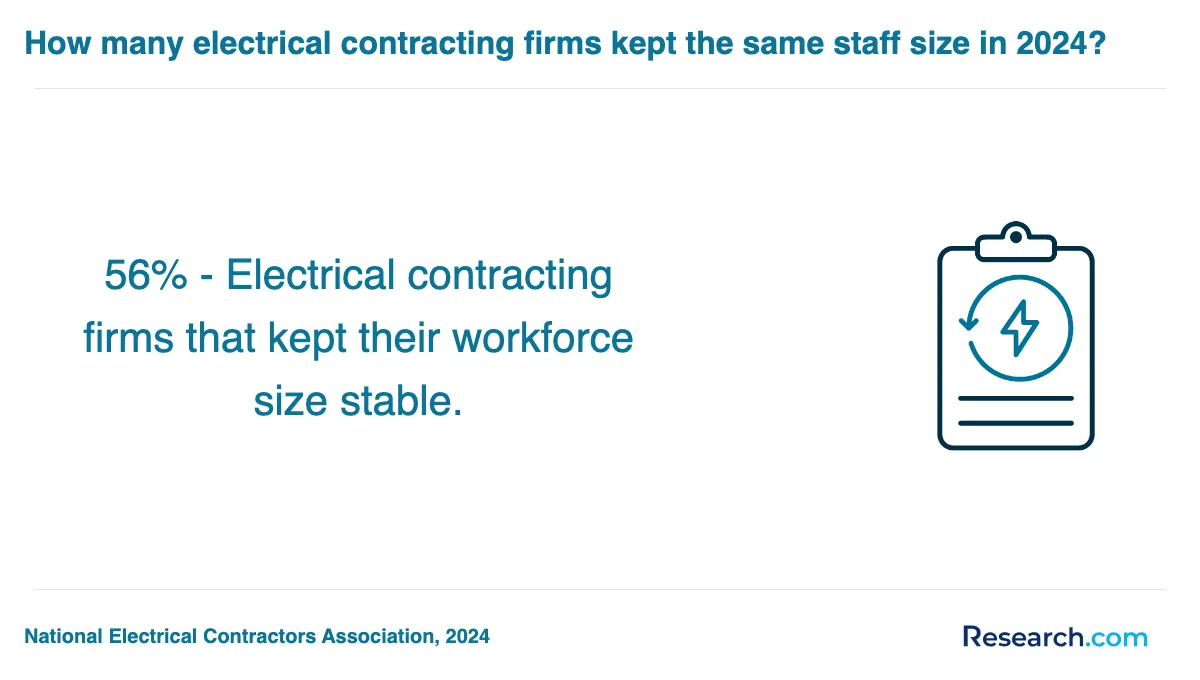
What career paths are available for electrician trade school graduates in West?
Electrician trade school graduates in the West enjoy a variety of electrician career opportunities in the West that cater to different interests and skills. Many begin as apprentice electricians, gaining hands-on experience through electrical apprenticeship programs in Western states, which combine classroom learning with supervised fieldwork. Graduates from popular trade schools often share how starting as apprentices helped them confidently advance to journeyman electricians, taking on independent projects in residential, commercial, or industrial settings.
After gaining experience, some graduates specialize further or become master electricians, leading teams and overseeing complex jobs. Others explore niche roles such as:
- Industrial electrician roles in manufacturing plants maintaining specialized machinery
- Commercial electricians wiring retail spaces and office buildings
- Inside wireman or outside lineman positions, including work on power lines-learn more about this path in how to become an electrical lineman
- Electrical inspectors ensuring code compliance and safety
- Renewable energy consultants installing solar panels and EV chargers, a booming sector in Western states
- Electrical contractors running their own businesses
Graduates often highlight the strong demand and rewarding nature of these diverse careers, especially with ongoing infrastructure updates and focus on green energy in the West. Entering union programs can also boost wages and benefits, making electrician trade school programs a promising foundation for a stable, growing career.
What is the job market for electrician trade school graduates in West?
Electrician trade school graduates in the West are entering a strong job market fueled by ongoing residential and commercial construction booms and renewable energy projects. The electrician job outlook in the Western United States shows promising growth due to a high demand for skilled workers replacing an aging workforce. Graduates from popular trade schools in the region frequently report finding employment quickly, especially in states like California and Washington, where wages top the national average.
Many graduates share stories of landing jobs within months after completing their programs, benefiting from local industry connections and apprenticeship opportunities school programs often facilitate. Key factors enhancing prospects include:
- Robust infrastructure investments and renewable energy developments
- High hourly wages, for example, an average of $42.61 in Washington as of May 2023
- Steady replacement needs due to 39% of electricians being 45 or older
The electrician employment growth in the Pacific Northwest is particularly strong, driven by sustainable energy priorities and urban expansion. Students considering further education can explore an online electrical engineering degree to complement their trade skills and expand career opportunities. This blend of practical training and technical knowledge positions graduates for successful, well-paid careers in the evolving Western marketplace.
Frequently Asked Questions about electrician
After completing an electrician trade school in West, preparing for the job market involves several key steps. First, obtaining proper licensure is essential; states in the West, such as California and Washington, require electricians to pass a licensing exam after completing an apprenticeship or trade program. According to the U.S. Bureau of Labor Statistics, electricians in the Western region earn a median annual wage above the national average, highlighting strong demand.
Networking through local trade unions and job fairs can connect graduates with employers. Additionally, gaining hands-on experience via apprenticeships or entry-level positions improves job prospects. Developing soft skills like communication and problem-solving is also valuable for career advancement.
Employers in West prioritize several key skills when hiring electrician trade school graduates. Technical proficiency is essential, including knowledge of electrical codes, blueprint reading, and hands-on wiring techniques. According to the U.S. Bureau of Labor Statistics, electricians in Western states must be well-versed in the National Electrical Code (NEC) to ensure safety and compliance.
Problem-solving skills are also highly valued, as electricians often troubleshoot complex electrical systems. Communication skills matter, too, since clear interaction with clients and team members improves project outcomes.
Finally, physical stamina and adherence to safety protocols are crucial due to the demanding nature of electrical work in this region's diverse environments.
Finding internships relevant to electrician trade school programs in West requires a strategic approach. Start by contacting the career services offices of trade schools, as they often have partnerships with local electrical contractors and companies. According to the U.S. Bureau of Labor Statistics, internships and apprenticeships significantly improve job placement rates in the electrician field.
Utilize online job boards focused on skilled trades such as Apprenticeship.gov and local West state workforce websites, which list electrician internship opportunities. Networking with licensed electricians through trade unions like the International Brotherhood of Electrical Workers (IBEW) can also open doors to internships.
Additionally, attending local trade fairs and industry events increases chances to connect directly with employers offering internships. Many West-based electrical contractors prefer interns with formal trade school training, so maintaining good academic standing is crucial.
Obtaining an electrician trade school diploma in West significantly enhances career mobility and advancement opportunities. According to the U.S. Bureau of Labor Statistics, electricians in the Western states experience faster-than-average job growth, driven by expanding infrastructure and renewable energy projects.
A diploma from a recognized trade school provides essential technical skills and often includes apprenticeship preparation, which is crucial for licensing requirements in West. Graduates are more competitive for entry-level positions, leading to higher starting wages compared to those without formal training.
Moreover, many employers in West prefer candidates with accredited diplomas, as these programs align with state certification standards and safety regulations.
Data from the National Center for Education Statistics highlights that trade school graduates in West report greater job stability and faster promotions than peers without formal credentials.
Students attending electrician trade schools in West can benefit from various part-time job opportunities that enhance their practical skills and build industry experience. Common roles include electrical apprenticeships, where students work under licensed electricians to learn on the job while earning wages. According to the Bureau of Labor Statistics, West has a growing demand for electricians, with job growth projected at 8% through 2032, making apprenticeships especially valuable.
Other relevant part-time jobs include electrical technician assistant positions and roles in construction or maintenance companies. These jobs help reinforce classroom theory with real-world applications, improving employability after graduation.
When choosing the best electrician degree program near me in West, it's important to consider factors such as accreditation, curriculum, and hands-on training opportunities. Research.com can be a helpful resource in exploring various programs and universities that offer comprehensive education and practical experience. Additionally, visiting campuses and speaking with current students or alumni can provide insights into the quality and fit of the programs near West.
Top Trending Rankings
References
- Alternative Careers for Electricians | Goodwin University https://www.goodwin.edu/enews/electrician-similar-professions/
- Should You Choose a Trade School or an Apprenticeship? Exploring the Electrical Training Path - InterCoast Colleges https://intercoast.edu/articles/trade-school-apprenticeship/
- 37 Careers You Can Pursue Via Trade Schools https://www.best-trade-schools.net/careers/
- Apprentice – Electrical Technician | Eryk https://eryk.com/job-offer/apprentice-electrical-technician/
- Electrician Education & Training Requirements + Costs | Faraday https://faradaycareers.com/careers/electrician-education
- Electrical Apprenticeships Near You | IECI https://ieci.org/apprenticeship/
- Electrician Trade School | Edvisors https://www.edvisors.com/plan-for-college/careers/electrician-trade-school/
- Becoming an Electrician: Guide to Starting a Career in the Electrical Trade | Centura College https://www.centuracollege.edu/blogs/trades-industry/how-to-become-an-electrician/
- 11 Best Electrician Trade Schools: Training, Cost, and Career Outlook - Podium https://www.podium.com/article/electrician-trade-school
- Want to Become an Electrician in 2025? Here’s What You NEED to Know! https://www.youtube.com/watch


