Best Electrical Technician Training Programs & Trade Schools - Top Electrical Tech Schools in South Carolina for 2026

Co-Founder and Chief Data Scientist
Choosing the right electrician trade school in South Carolina can shape your future career and open doors to exciting opportunities. This article introduces the best programs available in 2026, helping you find the perfect fit for your goals.
The electrician trade school programs ranking was created by the Research.com team of data scientists to guide you through trusted, data-driven options. Exploring these programs can simplify your decision-making process and ensure you invest in quality education.
Whether you aim for a diploma or certification, gaining electrical skills offers rewarding job prospects and personal growth. Let this guide inspire your next step toward a successful trade career.
Key benefits of finishing electrician trade school in South Carolina
- Graduates from electrician trade schools in South Carolina can expect starting salaries around $29,810 per year, with experienced electricians earning up to $64,970, making it a promising career choice.
- Completing a trade school opens paths to various roles like residential electrician, industrial electrician, or electrical inspector, offering flexibility and growth based on your skills and interests.
- Finishing an electrician trade school online provides convenience and allows you to learn at your own pace, helping many balance work and study while still gaining the necessary hands-on experience.
- Best Electrical Technician Training Programs & Trade Schools - Top Electrical Tech Schools in South Carolina for 2026
- What can I expect from electrician trade schools in South Carolina?
- Where can I work after finishing electrician trade schools in South Carolina?
What can I expect from electrician trade schools in South Carolina?
Students enrolling in electrician trade school programs in South Carolina can expect a balanced combination of classroom theory and hands-on training tailored to state licensing standards. Graduates from schools like Horry-Georgetown Technical College describe a focused curriculum covering basic electricity, AC/DC circuits, the National Electrical Code, and residential wiring, all within 25 to 32 credit hours. Many find the two-semester format manageable while providing deep technical knowledge.
Hands-on labs and mandatory internships are key highlights. For instance, students at Technical College of the Lowcountry appreciate evening classes that fit work schedules while gaining real-world experience installing and troubleshooting electrical systems in homes and businesses. This practical exposure builds confidence and job readiness.
Admission requires a high school diploma or GED and passing a drug screening, with some programs asking for physical capability like lifting 75 pounds. Graduates often feel well-prepared to enter entry-level roles, with many receiving credits toward apprenticeships or state licensing. The strong job market and average annual wage of $55,360 make this a rewarding path for those passionate about skilled trades.
Where can I work after finishing electrician trade schools in South Carolina?
Graduates from South Carolina electrician trade schools often find rewarding jobs across residential, commercial, and industrial sectors throughout the state. Many start working in cities like Charleston or Greenville, installing and repairing electrical systems in homes, where they quickly experience the satisfaction of making a real difference by upgrading wiring and ensuring family safety. Others move into commercial roles, working on office buildings or hospitals, where teamwork and blueprint reading become daily challenges that keep the work engaging and dynamic.
Industrial electrician positions are plentiful too, especially in manufacturing hubs. Here, graduates apply skills learned at trade schools to maintain complex machinery and automation systems, which can be exciting for those who enjoy hands-on problem-solving. Many graduates recall their early days as apprentices, gaining confidence under licensed electricians' guidance before advancing to journeyman or master status. With hundreds of job openings statewide, trade school alumni often feel optimistic about stable employment and career growth within local contractors or large industrial companies that value ongoing training.
After finishing an electrician trade school program in South Carolina, graduates typically make between $25.55 and $27.39 per hour, translating to an annual salary of about $52,000 to $54,675 starting out. Many graduates from well-known trade schools across the state share how this pay allows them to confidently cover living expenses and even start saving early in their careers.
Entry-level electricians in South Carolina can expect to earn from $47,731 up to $62,933 annually, depending on the employer and location. For example, graduates working in Charleston often see hourly wages around $24.86, with opportunities reaching $29 to $35 per hour as skills and certifications grow.
Many recent grads find these starting salaries competitive with the national average, making the path through trade schools a practical choice. Over time, overtime pay and specialized roles can boost earnings significantly, sometimes adding nearly $9,400 per year. This steady wage growth keeps graduates motivated, knowing their hard work and training in South Carolina's trade schools directly translate to rewarding pay.
- Most electrician trade school programs in South Carolina require students to be at least 18 years old, have a high school diploma or GED, and hold a valid driver's license.
- Typical tuition for a certificate program is about $5,550 for in-state students, based on 25 credits at $222 per credit, not including fees, books, or tools.
- Curriculum includes electrical theory, safety and OSHA standards, National Electric Code, blueprint reading, wiring, and hands-on labs.
- Entry-level electricians earn between $36,000 and $40,000 per year, with experienced electricians making $49,000 to $55,000 depending on location and specialization.
- A state licensing exam usually requires at least one year of documented work experience under a licensed electrician, often gained through apprenticeships.
Completing an electrician trade school program in South Carolina typically takes between 9 months and 18 months, depending on the school and whether you attend full-time or part-time. Many graduates from well-known South Carolina trade schools share that a full-time schedule allows them to finish closer to the 9-month mark, making it possible to enter the workforce quickly and start earning.
For example, students attending popular programs in cities like Charleston and Columbia often describe their journey as intense but rewarding, with hands-on training that prepares them well for real job sites. Part-time students balancing work or family responsibilities might take up to 18 months, but they appreciate the flexibility and steady progress toward their goal.
Graduates often express pride and excitement about how the manageable program length helped them transition smoothly into apprenticeship opportunities or entry-level electrician roles without long delays. The practical training combined with clear timelines makes South Carolina trade schools a solid choice for those eager to build a career in electrical work.
The key difference between online and on-campus electrician trade school programs in South Carolina lies in how instruction and hands-on training are delivered. Graduates from online programs at schools like the University of South Carolina and Aiken Technical College appreciate the flexibility to study electrical theory, wiring, and safety at their own pace using virtual simulations and 3D models. However, many find they still need to secure apprenticeships afterward to gain practical experience.
On-campus students at Midlands Technical College or Greenville Technical College enjoy direct access to labs and real electrical equipment, working side-by-side with instructors to develop hands-on skills. This immersive environment helps them confidently troubleshoot real-world problems and feel prepared for fieldwork.
Some students choose hybrid programs that blend online coursework with scheduled in-person labs, offering a balanced approach that fits busy schedules while providing essential practical training.
In all cases, South Carolina electricians must complete apprenticeships for licensure, so students often seek programs that help them connect with local employers for on-the-job learning.
The average tuition fees for electrician programs in South Carolina typically range around $14,869 for the largest programs at trade schools. Graduates often recall balancing this cost with the additional $2,285 they spent on books and supplies, which are essential for hands-on learning. For many students attending well-known trade schools such as the Academy for Careers and Technology in Mullins, tuition was significantly lower, about $6,300, while others attending institutions like Arclabs in Piedmont experienced higher fees, up to $20,300 for comprehensive electrician training.
Understanding the total cost of electrician trade school in South Carolina means also considering living expenses. Many students living off-campus budget around $26,995 annually, covering rent, food, and transportation. This practical awareness helped recent graduates manage their finances effectively and complete their programs without unexpected burdens.
Financial aid plays a crucial role in making electrician trade school affordable. Federal Pell Grants, for example, offer need-based support up to $7,395, which many students successfully use to reduce out-of-pocket expenses. Additionally, local scholarships provided by organizations like the South Carolina Association of Community Action Partnerships bring further relief to those enrolled in electrical technical programs. Some students also explore flexible options such as pursuing an affordable electrical engineering online bachelors to complement their training and expand career opportunities.
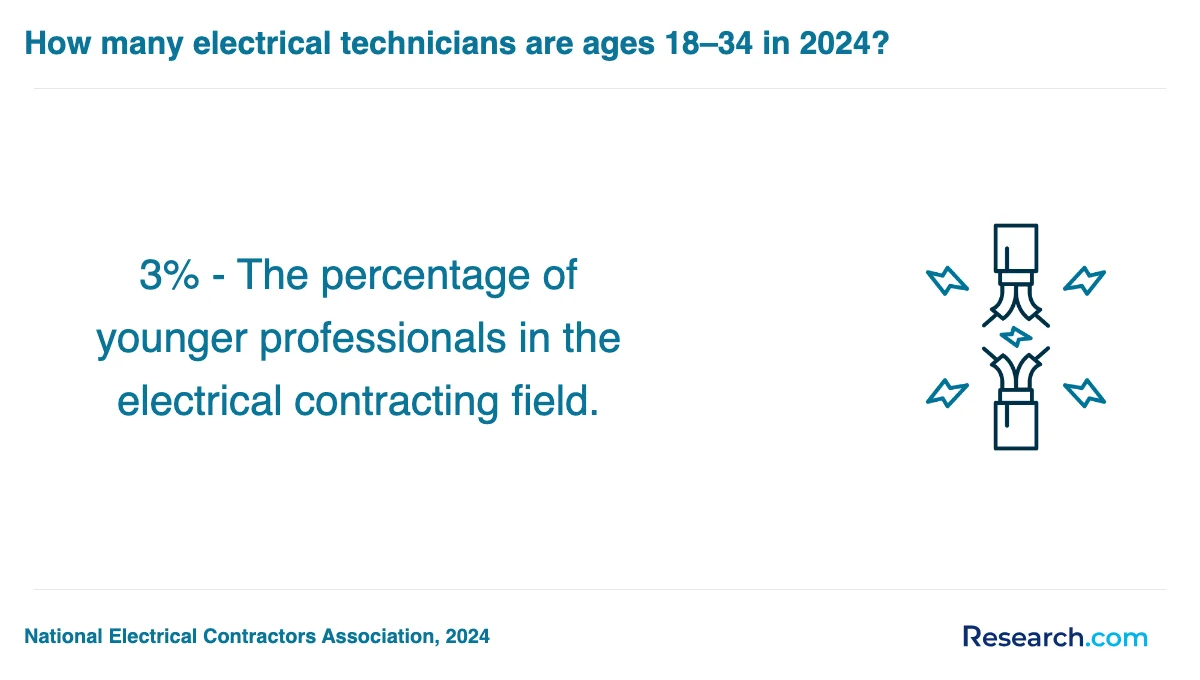
Electrician trade school students in South Carolina often find financial aid that significantly eases the burden of tuition and supplies. Many graduates from popular schools like Trident Technical College and Greenville Technical College recall how the Federal Pell Grant helped them cover essential costs early in their programs. Completing the FAFSA is the first step to access these federal funds, which are awarded based on financial need.
In addition, students can benefit from the SC Lottery Tuition Assistance Program, which supports technical college tuition regardless of income. For example, a student at Midlands Technical College described how Lottery Tuition Assistance allowed them to focus on hands-on training without worrying about tuition bills. This aid requires in-state residency and maintaining good academic standing.
The South Carolina Workforce Industry Needs Scholarship (SCWINS) is another valuable resource, offering up to $5,000 annually to students in critical trades like electrician training. Several apprenticeships in the state also come with employer or union sponsorship, which past students have praised for helping them gain paid work experience while learning.
Finally, the state's tuition tax credit provides additional relief when filing state income taxes, making it easier for families to invest in electrician education at in-state schools.
To enroll in an electrician trade school program in South Carolina, you generally need to meet a few straightforward prerequisites that set you up for success. Most schools require a high school diploma or a GED, ensuring you have a solid foundation in math and reading skills, which are crucial for understanding electrical codes and blueprints.
Applicants often find it helpful to have completed basic algebra and physics courses, as these subjects directly apply to electrical theory. For instance, graduates from popular South Carolina trade schools share how refreshing their math skills before starting made hands-on lessons much smoother and less stressful.
Physical fitness and manual dexterity are commonly expected since the work involves climbing ladders and handling tools safely. Schools might also ask for a valid driver's license because some training includes traveling to job sites for real-world experience.
Many programs encourage or require a background check and drug screening, reflecting the responsibility electricians carry in maintaining safety.
Typical prerequisites include:
- High school diploma or GED
- Basic knowledge of algebra and physics
- Physical ability to perform manual tasks
- Valid driver's license
- Passing background check and drug screening
Graduates often recall that meeting these prerequisites gave them confidence and a head start, making their training at South Carolina trade schools both achievable and rewarding. This practical preparation helps students jump right into hands-on work, turning their ambitions into skilled craftsmanship quickly and effectively.
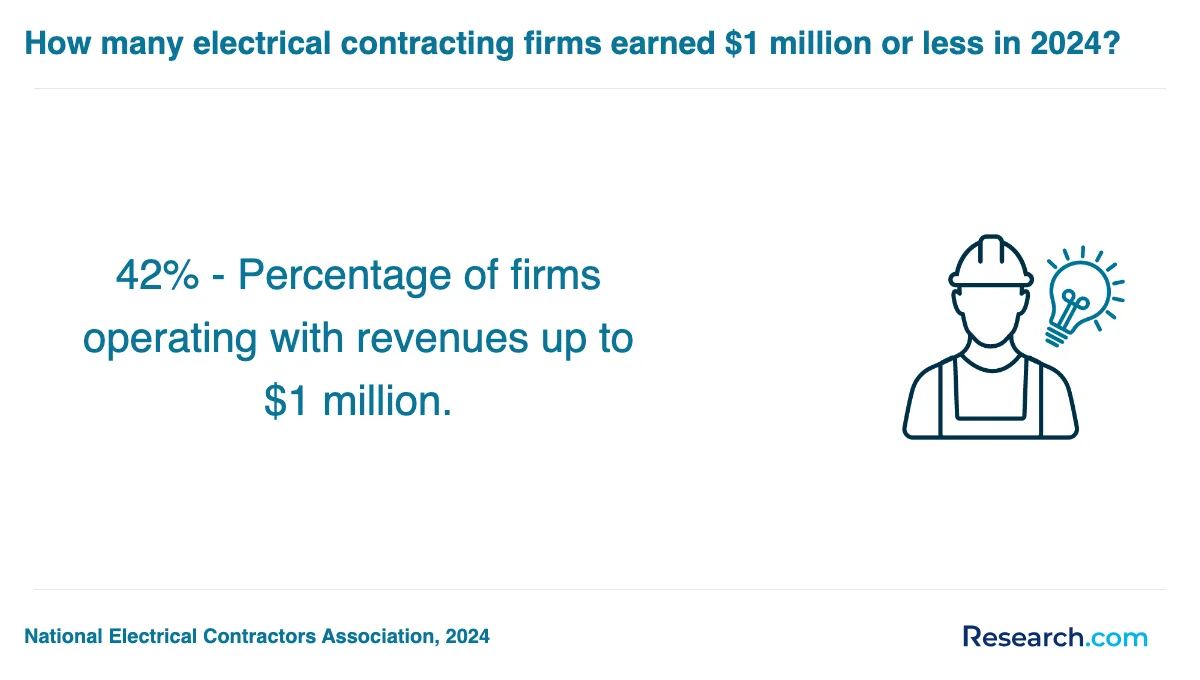
Electrician trade school programs in South Carolina typically include courses that build a solid foundation in both theory and hands-on skills. Graduates from schools like Florence-Darlington Technical College often highlight coursework in basic electricity, AC/DC circuits, residential and commercial wiring, electrical print reading, electrical measurements, and the National Electrical Code (NEC). These classes prepare students to confidently interpret blueprints and apply safety standards in real-world settings.
At the Technical College of the Lowcountry, students appreciate a curriculum that emphasizes practical experience, with courses such as construction print reading, fixture installation, advanced residential wiring, and the National Electric Code. The hands-on training includes running wires, installing outlets, and working with lighting, making the learning process engaging and relevant.
Typical course topics include:
- Electrical theory and circuitry
- Residential and commercial wiring techniques
- Reading and interpreting electrical blueprints
- Safety protocols and code compliance
- Internships or apprenticeships providing real job experience
Many students find that combining classroom instruction with internships or apprenticeships allows them to apply their skills confidently on the job. The focus on state licensing requirements ensures graduates are well-prepared for entry-level electrician roles across South Carolina.
Electrician trade school programs in South Carolina offer specialized paths designed to match local industry needs and personal career goals. Graduates from schools like Horry-Georgetown Technical College often focus on residential work, mastering skills such as wiring homes, installing lighting systems, and understanding the National Electrical Code. This practical expertise enables them to confidently handle household electrical projects and appliances.
For those drawn to larger infrastructures, commercial electrical training prepares students to work on office buildings and retail spaces, emphasizing troubleshooting and managing more complex electrical systems. Meanwhile, industrial electrical training South Carolina programs, such as those at Trident Technical College, equip students with advanced skills in maintaining and repairing factory machinery, including motors, PLCs, and automated controls, fostering critical problem-solving abilities in high-tech environments.
Additional specializations include automation and mechatronics, blending electrical know-how with control systems, and electrical drafting, where students learn to create precise technical schematics. Many graduates highlight the value of hands-on internships and real-world challenges in preparing them for immediate employment.
Students seeking affordable options can explore a low cost electrical lineworker training program online, combining flexibility with focused skill-building.
Choosing among the best electrician trade schools in South Carolina starts with evaluating accreditation and licensing to ensure your training meets state requirements. Graduates from top-rated electrician programs in South Carolina often highlight how accreditation eased their path to becoming licensed electricians. Look for programs that combine a strong curriculum in electrical theory, National Electrical Code (NEC) compliance, and practical hands-on training, like those offered by well-known colleges in locations convenient to you.
Consider program length and format carefully-whether a two-year associate degree or a shorter certificate fits your schedule and goals. Graduates have shared that engaging apprenticeships embedded within their programs provided invaluable real-world experience. Cost is another crucial factor; for example, Greenville Technical College's program, with a net price around $7,234, offers scholarships and financial aid to help make education affordable.
Also explore specialized options such as the cheapest accelerated wind turbine tech certificate programs online if you aim to diversify your skills. Prioritize schools with strong industry reputation and job placement to boost employment chances after graduation.
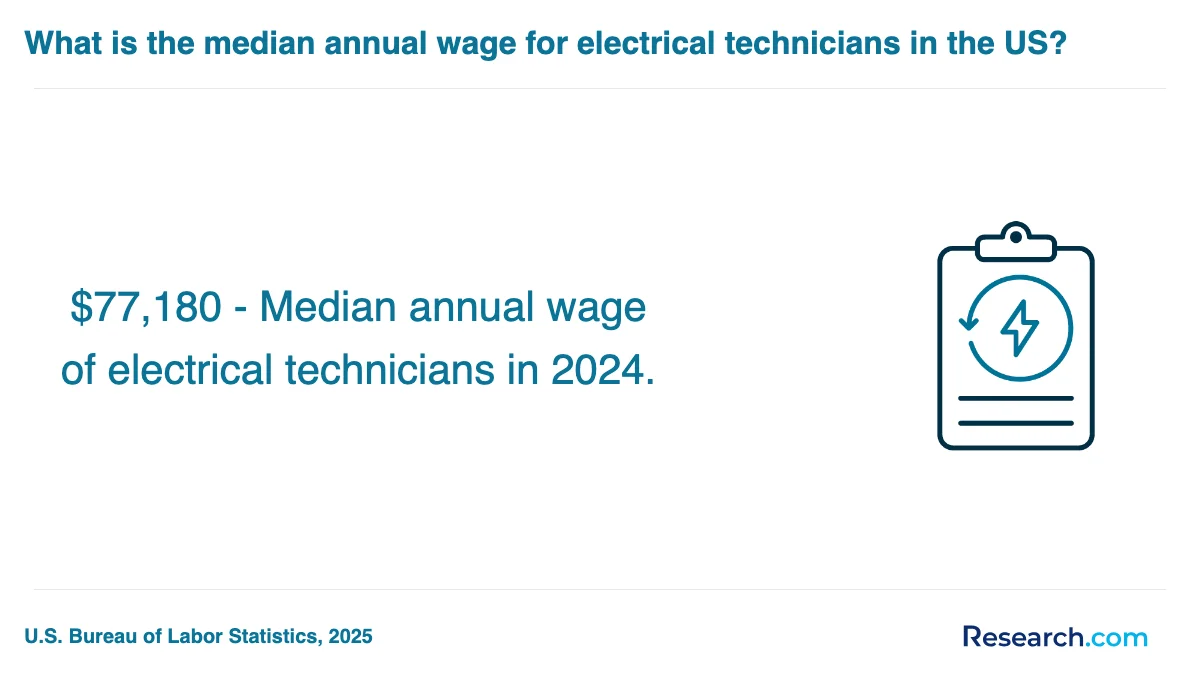
Electrician trade school graduates in South Carolina often start their careers as apprentices or entry-level residential and commercial electricians, performing essential installation and maintenance tasks on homes and businesses. Graduates from well-known trade schools report quickly finding roles with starting salaries around $27,000 to $31,000 annually, which provides a solid foundation to build on. As they gain experience, many move into specialized areas such as industrial electrician roles or supervisory positions within construction sites and electrical companies.
Several practical career paths exist for those exploring electrician job opportunities in South Carolina, including:
- Journeyman Electrician Certification holders who qualify with thousands of hours of hands-on work and classroom study.
- Master Electrician Certification holders who manage larger projects and lead teams.
- Residential or Mechanical Electrical Contractor license holders who run their own businesses and bid on commercial contracts.
Many graduates from South Carolina trade schools also find rewarding paths as electrical estimators, dispatchers, or trainers, taking advantage of the state's strong industry demand. With the state's median annual wage around $55,360, these career paths offer clear upward mobility. For those interested in further education, programs for electrical engineering online provide additional routes to advance technical skills and leadership potential within the field.
The electrician job outlook in South Carolina is very promising for graduates of local trade schools. With over 450 electrician positions available statewide as of early 2025, new electricians are finding opportunities in residential, commercial, and industrial sectors, including specialized roles in automation and control systems. Graduates from popular programs in Charleston and Greenville report positive experiences transitioning into paid training roles with competitive wages and supportive employers.
Benefits offered often include health coverage, retirement plans, and paid certifications, which add to job satisfaction and security. The state's cost of living, about 5-6% below the national average, makes it easier for graduates to achieve financial stability early in their careers. Typical job duties cover a wide range, such as installing electrical systems and HVAC controls, ensuring dynamic and consistent work.
For those curious about long-term career paths, resources like becoming an electrical lineman show promising directions to explore. Overall, electrician salary trends South Carolina support these positive prospects, making trade schools in the state a great investment.
Best Electrical Technician Training Programs & Trade Schools - Top Electrical Tech Schools in South Carolina for 2026
# 1 position
Greenville Technical College - Electrician.
certificate or diplomaGreenville Technical College offers a hybrid Electrician program preparing students to install, operate, maintain, and repair electrical systems, including residential, commercial, and industrial wiring. The curriculum covers electronics, electrical systems, power transmission, safety, testing, inspection, and relevant codes. Annual in-state tuition is $5,639. The program is accredited by the Southern Association of Colleges and Schools Commission on Colleges, ensuring recognized educational standards.
# 2 position
Horry-Georgetown Technical College - Electrician.
certificate or diplomaThe Electrician program at Horry-Georgetown Technical College offers a hybrid format with some distance-education options. It prepares students to install, maintain, and repair electric systems, including residential, commercial, and industrial wiring, motors, controls, and electrical panels. The curriculum covers electronics principles, safety, job estimation, and applicable codes. Annual in-state tuition is $4,468. Median earnings one year after completion are $32,356. The program is accredited by the Southern Association of Colleges and Schools Commission on Colleges.
# 3 position
Technical College of the Lowcountry - Electrician.
certificate or diplomaThe Electrician program at Technical College of the Lowcountry offers a hybrid format with some distance-education options. It prepares students to install, operate, maintain, and repair electric systems including residential, commercial, and industrial wiring, as well as motors and electrical panels. The curriculum covers electronics principles, safety, job estimation, testing, inspection, and relevant codes. Annual in-state tuition is $5,500. The program is accredited by the Southern Association of Colleges and Schools Commission on Colleges.
# 4 position
Orangeburg Calhoun Technical College - Electrician.
certificate or diplomaThe Electrician program at Orangeburg Calhoun Technical College offers a hybrid format, combining distance education with hands-on training. It prepares students to install, operate, maintain, and repair electrical systems in residential, commercial, and industrial settings. Coursework covers electronics, wiring, power transmission, safety, and applicable codes. The program is accredited by the Southern Association of Colleges and Schools Commission on Colleges, with an annual in-state tuition of $4,970.
# 5 position
Northeastern Technical College - Electrician.
certificate or diplomaThe Electrician program at Northeastern Technical College offers a hybrid format, combining in-person and distance education. It prepares students to install, operate, maintain, and repair electrical systems including residential, commercial, and industrial wiring. The curriculum covers electronics principles, safety, electrical testing, and relevant codes. Annual in-state tuition is $5,664. The program is accredited by the Southern Association of Colleges and Schools Commission on Colleges.
# 6 position
Midlands Technical College - Electrician.
certificate or diplomaMidlands Technical College offers a hybrid Electrician program designed to equip students with skills to install, operate, maintain, and repair electrical systems in residential, commercial, and industrial settings. The curriculum covers electronics, wiring, power transmission, safety, testing, inspection, and relevant codes. Annual in-state tuition is $4,788. The program is accredited by the Southern Association of Colleges and Schools Commission on Colleges.
Frequently Asked Questions about electrician
After completing an electrician trade school in South Carolina, preparing for the job market involves several key steps. First, obtaining the necessary state licenses is essential. South Carolina requires electricians to be licensed by the South Carolina Department of Labor, Licensing and Regulation, which typically involves passing an exam and completing an apprenticeship.
Networking is also important. Graduates should attend local trade events or join professional organizations like the Independent Electrical Contractors (IEC) to connect with employers.
Additionally, building a strong resume highlighting practical skills and certifications can improve job prospects. According to the U.S. Bureau of Labor Statistics, South Carolina's electrician employment is projected to grow by 8% from 2022 to 2032, signaling steady demand in the field.
Employers in South Carolina seek electrician trade school graduates with strong technical skills and practical knowledge. Mastery of electrical codes and safety standards, such as the National Electrical Code (NEC), is essential for job readiness. According to the U.S. Bureau of Labor Statistics, South Carolina electricians must also demonstrate proficiency in reading blueprints and electrical schematics to successfully install and maintain systems.
Problem-solving abilities and attention to detail are highly valued, as electricians often troubleshoot complex wiring issues. Communication skills and teamwork are important because electricians collaborate with contractors and clients on projects. Additionally, familiarity with emerging technologies like solar power and energy-efficient systems can give candidates a competitive edge in South Carolina's growing green energy sector.
Finding internships relevant to electrician trade school programs in South Carolina involves connecting with local employers and trade organizations. Many trade schools partner with electrical contractors and unions, such as the International Brotherhood of Electrical Workers (IBEW), which offer apprenticeship opportunities combining paid work and classroom instruction.
Students should also explore resources like the South Carolina Department of Employment and Workforce, which posts internship openings in technical fields. Networking at industry events and career fairs hosted by schools can increase internship prospects.
According to the U.S. Bureau of Labor Statistics, internships and apprenticeships are essential pathways for electricians, providing hands-on experience that significantly improves job placement after graduation.
Obtaining an electrician trade school diploma in South Carolina significantly enhances career mobility and advancement opportunities. The diploma certifies that graduates possess essential technical skills required by employers, increasing their eligibility for entry-level electrician positions across the state. According to the South Carolina Department of Employment and Workforce, the demand for skilled electricians is projected to grow by 8% through 2030, underscoring strong job prospects for diploma holders.
Graduates with a trade diploma can also qualify for apprenticeship programs, which are vital for gaining practical experience and state licensure. Licensed electricians in South Carolina typically earn higher wages and have better access to supervisory roles.
Trade school credentials often lead to quicker career progression compared to on-the-job training alone, as formal education is valued by employers and licensing boards.
Students enrolled in electrician trade schools in South Carolina can benefit from part-time jobs that provide practical experience and income. Common roles include electrical apprenticeships, which allow hands-on learning under licensed electricians while earning wages. According to the U.S. Bureau of Labor Statistics (BLS), apprenticeships are a key pathway to journeyman status in the state.
Other opportunities include working as electrical helpers or maintenance assistants in construction and manufacturing sectors, both significant employers in South Carolina. These jobs help students develop technical skills and understand workplace safety standards.
Retail positions in hardware stores also offer exposure to electrical tools and materials.
To find the best Electrician degree program near South Carolina, you may start by researching local community colleges and technical schools, which often offer comprehensive training programs in electrical technology. Utilize resources like Research.com to identify top-rated institutions and programs, or ask for recommendations from industry professionals and peers. Additionally, consider attending open houses or information sessions at schools near me to gain firsthand insights into their curriculum and facilities.
- Best Electrical Technician Training Programs & Trade Schools - Top Electrical Tech Schools in Georgia for 2026
- Best Electrical Technician Training Programs & Trade Schools - Top Electrical Tech Schools in North Carolina for 2026
- Best Electrical Technician Training Programs & Trade Schools - Top Electrical Tech Schools in Tennessee for 2026
- Best Electrical Technician Training Programs & Trade Schools - Top Electrical Tech Schools in Alabama for 2026
- Best Electrical Technician Training Programs & Trade Schools - Top Electrical Tech Schools in Virginia for 2026
- Best Electrical Technician Training Programs & Trade Schools - Top Electrical Tech Schools in Kentucky for 2026
- Best Electrical Technician Training Programs & Trade Schools - Top Electrical Tech Schools in Mississippi for 2026
- Best Electrical Technician Training Programs & Trade Schools - Top Electrical Tech Schools in Louisiana for 2026
- Best Electrical Technician Training Programs & Trade Schools - Top Electrical Tech Schools in Maryland for 2026
- Best Electrical Technician Training Programs & Trade Schools - Top Electrical Tech Schools in Missouri for 2026
- Electrical Courses | Electrician Courses | C&G Courses & Training https://www.tradeskills4u.co.uk/electrical-courses
- Online Electrician School: Trade Classes | U.S. Career Institute https://www.uscareerinstitute.edu/online-electrician-school
- 11 Best Electrician Trade Schools: Training, Cost, and Career Outlook - Podium https://www.podium.com/article/electrician-trade-school
- Electrician / Electrical | ontariocolleges.ca https://www.ontariocolleges.ca/en/programs/professions-and-trades/electrician-electrical
- Electrical Training - American Trade School https://www.americantradeschool.edu/electrical-training/
- Industrial Electrician Apprenticeship | Lakeshore College https://lakeshore.edu/programs-and-courses/apprenticeship/industrial-electrician-apprenticeship
- Online Electrician Training Courses https://www.ashworthcollege.edu/career-diplomas/electrician-training/
- Electrician https://www.sait.ca/apprenticeships-and-trades/programs/electrician
- A Guide to Skilled Trades Apprenticeships and Internships | BestColleges https://www.bestcolleges.com/trades/guide-to-skilled-trades-apprenticeships-internships/
- Electrical Apprenticeships Near You | IECI https://ieci.org/apprenticeship/