Best Electrical Technician Training Programs & Trade Schools - Top Electrical Tech Schools in Wisconsin for 2026

Co-Founder and Chief Data Scientist
Choosing the right electrician trade school in Wisconsin can shape your future career and open doors to exciting opportunities. This article introduces a carefully crafted electrician trade school programs ranking created by the Research.com team of data scientists to guide you in making an informed decision.
Whether you’re starting fresh or seeking new skills, earning a diploma or certification in this field offers practical benefits and job stability. Explore trusted programs designed to help you succeed and take the first step toward a rewarding trade career.
Key benefits of finishing electrician trade school in Wisconsin
- Graduates from electrician trade schools in Wisconsin can expect an average hourly wage around $29.79, with licensed electricians earning even more, up to $34.40 per hour and higher with experience.
- Career paths include roles such as residential, commercial, or industrial electricians, offering diverse opportunities to specialize and grow in the field.
- Completing an electrician trade school online provides flexibility and convenience, allowing students to balance learning with other commitments while gaining practical skills valued by employers.
- Best Electrical Technician Training Programs & Trade Schools - Top Electrical Tech Schools in Wisconsin for 2026
- What can I expect from electrician trade schools in Wisconsin?
- Where can I work after finishing electrician trade schools in Wisconsin?
What can I expect from electrician trade schools in Wisconsin?
Students entering electrician trade school programs in Wisconsin can expect a hands-on learning experience combined with essential classroom instruction. Graduates from Milwaukee Area Technical College describe the program as immersive, covering courses like Basic Skills for Electrical Wiring and Electrical Code Fundamentals that prepare them to confidently install and test electrical systems in real-world settings.
Apprenticeship pathways, common in schools like Madison College and Waukesha County Technical College, offer a longer commitment with around 8,400 hours of on-the-job training and 576 hours of paid classroom learning. Apprentices often share how working alongside experienced electricians in varied environments-from tight spaces to elevated worksites-builds their practical skills and safety awareness.
Students also tackle electrical theory, blueprint reading, and troubleshooting, using industry-standard curricula such as NCCER. Many appreciate how the programs emphasize safety protocols and provide opportunities to use specialized tools, making the learning process both challenging and rewarding as they prepare for licensed electrician roles in Wisconsin's diverse electrical fields.
Where can I work after finishing electrician trade schools in Wisconsin?
After finishing an electrician trade school program in Wisconsin, graduates often find work as journeyperson electricians, residential or commercial electricians, maintenance electricians, or industrial electricians. Popular trade schools in Wisconsin prepare students for hands-on roles with electrical contracting companies, where they install and maintain systems in homes, apartments, and office buildings. Many graduates feel confident stepping into roles that involve wiring new homes or upgrading electrical systems in existing properties.
Others pursue industrial electrician jobs in factories or production plants, such as those offered by companies like Quad in Sussex. These positions often involve working with programmable logic controllers and maintaining complex machinery, providing a rewarding challenge for those who enjoyed technical training at schools like Milwaukee Area Technical College.
Some graduates choose municipal roles, maintaining street lighting and public building electrical systems in cities like West Allis. The strong demand across Milwaukee, Madison, and Green Bay ensures graduates can find positions close to home or relocate easily, making the transition from trade school to career both practical and encouraging.
After completing an electrician trade school program in Wisconsin, graduates typically start with an hourly wage between $18 and $28. Many find this range encouraging as they step into entry-level roles, especially those from well-known state trade schools where hands-on training builds confidence. For example, a recent graduate from a popular Milwaukee trade school shared how quickly they secured a job paying around $25 per hour, allowing them to cover living expenses comfortably while gaining valuable experience.
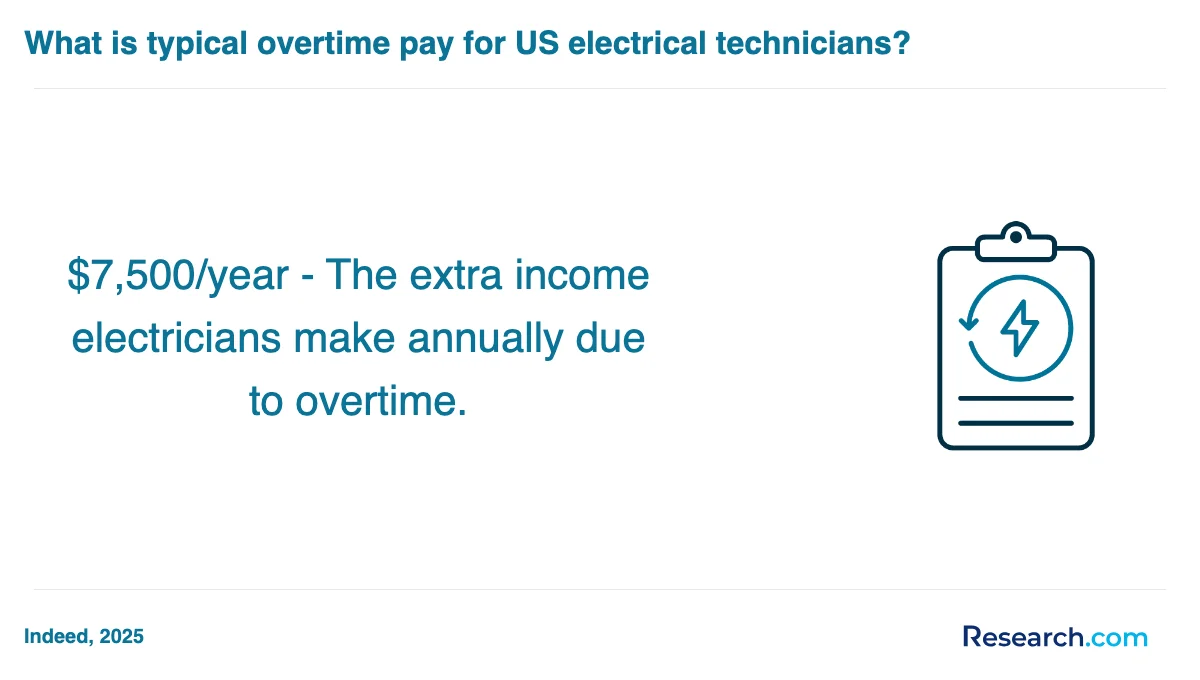
As skills develop and certifications increase, earnings grow. The average annual salary for an entry-level Electrician I in Wisconsin stands at about $57,517, with many earning between $50,216 and $66,211. Experienced electricians, especially those working in larger cities or established companies, can earn up to $47.56 per hour, often supplemented by overtime pay averaging nearly $9,438 annually.
Graduates appreciate that despite Wisconsin ranking lower nationally for electrician wages, the trade school path offers steady income and clear growth opportunities. For many, this means turning practical skills learned in school into a rewarding career with increasing financial stability.
- Applicants must have a high school diploma, GED, or equivalent, and be at least 17 years old to start an apprenticeship.
- Most programs require one year of high school algebra with a grade of "C" or higher, and passing reading and arithmetic aptitude tests.
- Applicants need to secure an employer sponsor before becoming indentured apprentices, as required by state regulations.
- Technical diploma programs cost between $4,000 and $7,000, while apprenticeships combine paid work with classroom training, reducing out-of-pocket costs.
- Entry-level electricians in Wisconsin earn about $43,000-$48,000 annually, with experienced electricians making $60,000 or more.
- Job prospects are strong statewide due to ongoing construction and infrastructure projects.
Completing an electrician trade school program in Wisconsin typically takes about 9 to 18 months, depending on whether you enroll full-time or part-time. Many students at popular Wisconsin trade schools find that dedicating themselves full-time allows them to finish in under a year, which feels rewarding and keeps motivation high.
Graduates often share how the hands-on training and real-world projects helped them grasp concepts quickly, making the learning process engaging and practical. For example, students at well-known Wisconsin trade schools describe balancing classroom instruction with workshops where they wire circuits or troubleshoot electrical panels, which accelerates skill development.
Part-time programs offer flexibility for those working or managing family commitments, extending completion time but providing a manageable pace. Students appreciate this approach since it reduces stress and allows steady progress without feeling overwhelmed.
Overall, the timeframe is designed to prepare you thoroughly while fitting your lifestyle, making it an achievable goal for many aspiring electricians in Wisconsin.
The main difference between online and on-campus electrician trade school programs in Wisconsin lies in how education and hands-on training are delivered. Graduates from Milwaukee Area Technical College and Western Technical College often share how the in-person labs helped them build confidence by physically handling wiring and tools, which made learning feel real and immediately applicable. Being onsite for safety demonstrations and troubleshooting in a classroom setting provides direct interaction with instructors, making it easier to ask questions and get immediate feedback.
In contrast, graduates of online programs like the University of Wisconsin's Residential Electrician course appreciate the flexibility to study at their own pace using videos and virtual simulations. However, many note that while simulations are helpful, they don't fully capture the feel of actual electrical work. Online programs offer convenience for those balancing work or family, but students often find they still need in-person lab time or apprenticeships to meet Wisconsin's hands-on licensing requirements.
In Wisconsin, the average tuition fees for electrician programs vary depending on the type of training chosen. Technical diploma programs at public technical colleges typically cost between $4,000 and $8,000 and last six months to a year. Graduates from these programs often share how the manageable cost allowed them to quickly enter the workforce without the burden of excessive debt. For those pursuing a more in-depth education, associate degrees in electrical technology can range from $10,000 to $20,000 over two years, offering broader skills and better long-term earning potential.
Many students opt for apprenticeships, which blend paid on-the-job training with classroom learning. While apprentices earn wages during training, they should expect additional expenses such as toolkits, commonly costing between $500 and $1,500. Graduates frequently highlight how apprenticeships reduce the total cost of electrician trade school in Wisconsin by offsetting tuition costs with income, making this route both practical and financially smart.
Choosing public technical colleges in Wisconsin also helps keep costs lower, especially for residents. Financial aid plays a key role too; options like Pell Grants, state scholarships, and apprenticeships with financial support help ease the financial load. Veterans benefit from GI Bill programs, adding another layer of assistance.
For those exploring affordable pathways to becoming an electrician, it's worth comparing these options as well as looking at the cheapest online electrical engineering programs, which may complement or enhance your technical education.
Electrician trade school students in Wisconsin often begin by filling out the FAFSA to unlock federal, state, and campus-based aid. Many graduates from schools like Milwaukee Area Technical College share how this step opened doors to Pell Grants and Federal Direct Loans, easing the burden of upfront costs.
The Wisconsin Grant helps students enrolled in public technical colleges, providing up to $3,150 annually to reduce tuition expenses. Graduates often note this grant as a key factor in making their education affordable without excessive debt.
Specialized scholarships also play a big role. For example, the Wisconsin Electrical Trades Council Scholarship Fund supports students committed to electrical careers within Wisconsin programs. Apprentices at Southwest Wisconsin Technical College have benefited from the ABC of Wisconsin's Apprenticeship Scholarship, receiving $1,000 awards that boost confidence and financial security.
Local scholarships from foundations like the Community Foundation of North Central Wisconsin can add up to $2,250, helping with tools or books. Many graduates emphasize that combining these aids made their path smoother and more achievable.
To enroll in an electrician trade school program in Wisconsin, candidates typically need a high school diploma or GED. This basic educational requirement ensures students have foundational skills in math and reading, crucial for understanding electrical codes and technical manuals.
Many Wisconsin trade schools also expect applicants to be at least 18 years old, aligning with apprenticeship laws and safety regulations. Graduates often mention that meeting this age requirement helped them gain early access to hands-on training and real job sites, boosting confidence quickly.
Some programs recommend or require passing an entrance exam focusing on math and reading comprehension. This step prepares students for the technical coursework ahead. For example, students from popular schools in Milwaukee and Madison highlight how this exam motivated them to brush up on essential skills before classes started.
Practical prerequisites often include:
- Proof of physical ability to handle electrical work, such as good manual dexterity and stamina
- Basic understanding of safety protocols, sometimes demonstrated through prior work or volunteer experience
- Possession of reliable transportation to attend both classes and apprenticeships
Graduates frequently share how meeting these requirements made their journey smoother, enabling them to focus on mastering wiring techniques and electrical theory without unnecessary delays.
Electrician trade school programs in Wisconsin typically include courses that build strong practical skills and technical knowledge essential for success in the field. Graduates from schools like Milwaukee Area Technical College (MATC) often highlight hands-on training in basic electrical wiring, cable wiring, and electrical raceway installation, which prepares them to confidently install and connect electrical components following industry standards.
Students also master blueprint reading, learning to interpret construction drawings and electrical schematics-skills graduates say make on-site troubleshooting and installations much smoother. A major focus is on electrical code fundamentals, covering both national and Wisconsin-specific regulations, helping students ensure safety and compliance on every job.
Core theory classes cover direct current (DC) and alternating current (AC) principles, including electric motor control wiring and circuit analysis. These courses give students the ability to diagnose electrical faults and handle complex equipment confidently.
- Specialized courses in solid state devices and electrical design deepen technical expertise
- Communication courses enhance workplace interaction skills
Many apprentices at Madison College and Waukesha County Technical College praise the blend of classroom learning with extensive on-the-job experience, which builds real-world confidence and readiness for electrical careers in Wisconsin's diverse work settings.
Electrician apprenticeship programs in Wisconsin offer clear specialization paths tailored to different career goals. Graduates from Western Technical College often highlight the Industrial Electrician Apprenticeship, which blends 7,424 hours of on-the-job training with 576 hours of classroom instruction. This program is ideal for those eager to maintain and repair complex machinery like motors and transformers in manufacturing plants.
Another popular route is the Construction Electrician Apprenticeship, favored at Northeast Wisconsin Technical College. This five-year program combines practical experience with theory, focusing on residential and commercial wiring, blueprint reading, and equipment installation-perfect for students excited about hands-on work at new construction sites.
For students passionate about renewable energy, Mid-State Technical College offers a Solar Energy Technology Associate Degree, equipping learners to design and maintain solar power systems. Also, many choose the broader Electrical Engineering Technology Associate Degree, which prepares graduates for roles in design, development, or technical sales by providing in-depth electrical systems knowledge.
These programs reflect the practical learning experienced by many Wisconsin trade school graduates. Students appreciate how specialized electrician training in Wisconsin prepares them for real-world challenges, including gaining the skills needed for wind turbine technician roles in emerging industries.
Choosing from the best electrician trade schools in Wisconsin means focusing on accreditation and practical training that matches the state's licensing requirements. Graduates often share how programs in well-known Wisconsin colleges provided them with hands-on experiences in real electrical work settings, making the learning relevant and confidence-building. When considering how to choose electrician trade school Wisconsin, look for schools offering strong faculty expertise and meaningful industry connections that lead to internships or job placements after graduation.
Duration and flexibility matter; most Wisconsin programs last 4 to 5 years combining classroom and apprenticeship phases. Many students appreciate institutions with flexible schedules to balance work and study. Financial factors can't be overlooked-schools that offer paid apprenticeships can ease financial stress during training. For those considering cost-effective options, exploring the cheapest online electrical lineman programs is helpful. The best programs also excel in reputation, with strong graduation and placement rates that graduates often mention as major motivators during their job searches.
Electrician trade school graduates in Wisconsin have access to diverse electrician career opportunities in Wisconsin, ranging from hands-on roles to management positions. Most start as Journeyman Electricians, gaining experience through approximately 8,000 hours of supervised work combined with classroom training at popular trade schools like Milwaukee Area Technical College. Journeymen install and maintain electrical systems in homes and businesses, building a foundation for advancement.
With an additional year of experience, many rise to Master Electricians, who handle complex projects and lead crews. Others pursue paths as Electrical Contractors, running their own businesses and managing teams effectively.
Additional career options include Electrical Inspectors, who ensure installations meet safety regulations, and Project Managers coordinating large-scale jobs-roles that highlight the positive growth in the electrician job outlook Wisconsin offers.
Graduates often explore specialized areas such as estimating project costs or becoming instructors at Wisconsin trade schools, sharing their knowledge locally. Those interested in broader fields might investigate related areas like electrical engineering jobs, opening even more doors.
The electrician job outlook in Wisconsin 2026 remains steady, supported by ongoing residential and commercial construction. Graduates from popular trade schools in Wisconsin often share that while initial job postings may seem limited, the need for skilled electricians grows with infrastructure upgrades and population increases. Many find rewarding roles wiring new homes or maintaining critical facilities in urban centers.
Positive experiences see graduates adapting by exploring diverse employers or locations within the state. Key economic drivers include:
- Population growth fueling housing demand
- Increased nonresidential construction projects
- Infrastructure improvements across Wisconsin
Regarding compensation, the average electrician salary in Wisconsin as of mid-2025 stands at $29.79 per hour, with typical wages ranging from $24.28 to $33.22. This competitive pay aligns well with national figures and encourages recent graduates to pursue apprenticeship and journeyman opportunities. Many Wisconsin students find programs that balance affordability with quality training; exploring the cheapest online maintenance technician trade school programs can provide options to reduce education costs while entering the field confidently.
Best Electrical Technician Training Programs & Trade Schools - Top Electrical Tech Schools in Wisconsin for 2026
# 1 position
Chippewa Valley Technical College - Electrician.
certificate or diplomaChippewa Valley Technical College offers a hybrid Electrician program that prepares students to install, operate, maintain, and repair electrical systems in residential, commercial, and industrial settings. The curriculum covers electronics principles, wiring, power transmission, safety, electrical testing, and applicable codes. The annual in-state tuition is $4,724. Graduates have a median earning of $60,950 one year after completion. The program is accredited by the Higher Learning Commission.
# 2 position
Southwest Wisconsin Technical College - Electrician.
certificate or diplomaSouthwest Wisconsin Technical College offers a hybrid Electrician program designed to teach installation, operation, maintenance, and repair of electric apparatus and systems, including residential and industrial wiring. The curriculum covers electronics, wiring, power transmission, safety, inspection, and applicable codes. Annual in-state tuition is $4,796. Graduates have a median earning of $53,024 one year after completion. The program is accredited by the Higher Learning Commission.
# 3 position
Moraine Park Technical College - Electrician.
certificate or diplomaThe Electrician program at Moraine Park Technical College offers a hybrid format combining in-person and distance education. It prepares students to install, operate, maintain, and repair electrical systems in residential, commercial, and industrial settings. Instruction covers electronics, wiring, power transmission, safety, testing, inspection, and electrical codes. The program is accredited by the Higher Learning Commission. Annual in-state tuition is $4,713, and median earnings one year after completion are $41,051.
# 4 position
Waukesha County Technical College - Electrician.
certificate or diplomaThe Electrician program at Waukesha County Technical College offers a hybrid format with some distance-education options. It trains students to install, operate, maintain, and repair electrical systems including residential, commercial, and industrial wiring. The curriculum covers electronics principles, safety, electrical testing, and applicable codes. The annual in-state tuition is $4,720. The program is accredited by the Higher Learning Commission.
# 5 position
Fox Valley Technical College - Electrician.
certificate or diplomaFox Valley Technical College offers a hybrid Electrician program that prepares students to install, operate, maintain, and repair electric systems including residential, commercial, and industrial wiring. The curriculum covers electronics principles, wiring, power transmission, safety, electrical testing, and applicable codes. The program is accredited by the Higher Learning Commission. Annual in-state tuition is $4,916.
# 6 position
Mid-State Technical College - Electrician.
certificate or diplomaMid-State Technical College offers a hybrid Electrician program that trains students to install, operate, maintain, and repair electrical systems in residential, commercial, and industrial settings. The curriculum covers electronics, wiring, power transmission, safety, electrical testing, and applicable codes. The program’s annual in-state tuition is $4,886. It is accredited by the Higher Learning Commission and includes some distance-education options for flexible learning.
# 7 position
Gateway Technical College - Electrician.
certificate or diplomaGateway Technical College offers a hybrid Electrician program designed to prepare students to install, operate, maintain, and repair electrical systems and equipment in residential, commercial, and industrial settings. The curriculum covers electronics principles, wiring, power transmission, safety, and code compliance. The program is accredited by the Higher Learning Commission. Annual in-state tuition is $4,853, with some distance-education options available.
# 8 position
Northeast Wisconsin Technical College - Electrician.
certificate or diplomaThe Electrician program at Northeast Wisconsin Technical College offers a hybrid learning format, combining in-person and distance education. It prepares students to install, operate, maintain, and repair electrical systems and apparatus in residential, commercial, and industrial settings. The curriculum covers electronics, wiring, power transmission, safety, and electrical codes. Annual in-state tuition is $4,904. Graduates earn a median salary of $31,061 one year after completion. The program is accredited by the Higher Learning Commission.
# 9 position
Western Technical College - Electrician.
associateWestern Technical College offers a hybrid Electrician program that prepares students to install, operate, maintain, and repair electric apparatus and systems, including residential, commercial, and industrial wiring. Instruction covers electronics, electrical systems, safety, power transmission, and applicable codes. The program’s annual in-state tuition is $4,716. It is accredited by the Higher Learning Commission, providing students with technical skills relevant to the electrical trade. Some distance-education options are available.
# 10 position
Milwaukee Area Technical College - Electrician.
certificate or diplomaThe Electrician program at Milwaukee Area Technical College offers hybrid learning with some distance education options. It trains students to install, operate, maintain, and repair electrical systems, including residential, commercial, and industrial wiring, motors, controls, and distribution panels. The curriculum covers electronics, power transmission, safety, job estimation, testing, inspection, and relevant codes. Annual in-state tuition is $5,017. The program is accredited by the Higher Learning Commission.
Frequently Asked Questions about electrician
After completing an electrician trade school in Wisconsin, preparing for the job market involves several strategic steps. First, obtaining an apprenticeship is crucial, as Wisconsin requires electricians to complete a registered apprenticeship program before becoming fully licensed. These apprenticeships combine paid on-the-job training with classroom instruction, typically lasting four to five years.
Networking within local unions and trade organizations, such as the International Brotherhood of Electrical Workers (IBEW), can significantly enhance job prospects. According to the Wisconsin Department of Workforce Development, employment for electricians in the state is projected to grow by 8% through 2030, reflecting steady demand.
Lastly, becoming familiar with Wisconsin's licensing requirements, including passing the state journeyman electrician exam, ensures compliance and readiness for employment.
Employers in Wisconsin prioritize several key skills when hiring graduates from electrician trade schools. First, a strong understanding of electrical theory and practical wiring techniques is essential. Graduates must demonstrate proficiency in reading blueprints and electrical codes, including the National Electrical Code (NEC), which is regularly updated and enforced statewide.
Technical skills are complemented by problem-solving abilities. Electricians often face unexpected challenges on job sites, making critical thinking vital. Communication skills are also important, as electricians collaborate with contractors and clients.
According to the Wisconsin Department of Workforce Development, demand for electricians with hands-on experience and safety awareness continues to grow, highlighting the importance of both practical training and adherence to safety regulations.
Finding internships in Wisconsin relevant to electrician trade school programs involves several practical steps. Begin by contacting your trade school's career services office, which often maintains partnerships with local electrical contractors and union apprenticeship programs. These partnerships can provide valuable internship opportunities.
Many students benefit from exploring the Wisconsin Department of Workforce Development website, which lists registered apprenticeship openings in electrical trades statewide. According to the department, there are over 200 active electrical apprenticeship programs in Wisconsin as of 2024.
Networking is also essential. Joining local chapters of the International Brotherhood of Electrical Workers (IBEW) or attending industry job fairs can connect students with employers offering internships. Additionally, online job portals like WisconsinJobCenter.gov frequently post electrician internship positions.
Students should prepare a resume highlighting relevant skills and certifications, such as OSHA 10-hour safety training, to enhance their application prospects.
Obtaining a diploma from an electrician trade school in Wisconsin significantly enhances career mobility and advancement opportunities. The Wisconsin Department of Workforce Development reports steady demand for skilled electricians, with a projected job growth of 9% from 2020 to 2030. A formal diploma demonstrates foundational knowledge and practical skills, making graduates eligible for apprenticeships and journeyman electrician licensing exams required by the state.
Trade school diplomas often lead to higher starting wages compared to on-the-job training alone. According to the U.S. Bureau of Labor Statistics, Wisconsin electricians earn a median annual wage of approximately $56,000, with those holding formal credentials typically advancing faster into supervisory roles. Additionally, diploma holders can qualify for specialized certifications that further increase employability and earning potential.
Students enrolled in electrician trade schools in Wisconsin can benefit from part-time jobs that provide relevant experience and financial support. Common opportunities include assisting licensed electricians as apprentices or helpers, allowing hands-on learning while earning. According to the U.S. Bureau of Labor Statistics (BLS), Wisconsin employs over 8,500 electricians, with steady growth expected, highlighting demand for trained workers.
Other roles such as electrical assemblers or maintenance technicians in manufacturing plants offer exposure to electrical systems and tools. Retail jobs at hardware stores can also help students understand electrical components and customer service skills.
These part-time positions enhance practical knowledge, complement classroom education, and improve job readiness after graduation.
If you are looking for the best electrician degree program near Wisconsin, there are several community colleges and technical schools offering comprehensive programs in this field. These programs equip students with the practical skills and theoretical knowledge needed for a career as an electrician, and institutions near me often offer flexible course structures to cater to varying needs. Research.com can be a helpful resource to explore and compare programs available in this region to find the one that best suits your educational goals.
- Best Electrical Technician Training Programs & Trade Schools - Top Electrical Tech Schools in Illinois for 2026
- Best Electrical Technician Training Programs & Trade Schools - Top Electrical Tech Schools in Michigan for 2026
- Best Electrical Technician Training Programs & Trade Schools - Top Electrical Tech Schools in Indiana for 2026
- Best Electrical Technician Training Programs & Trade Schools - Top Electrical Tech Schools in Missouri for 2026
- Best Electrical Technician Training Programs & Trade Schools - Top Electrical Tech Schools in Ohio for 2026
- Best Electrical Technician Training Programs & Trade Schools - Top Electrical Tech Schools in Kentucky for 2026
- Best Electrical Technician Training Programs & Trade Schools - Top Electrical Tech Schools in Tennessee for 2026
- Best Electrical Technician Training Programs & Trade Schools - Top Electrical Tech Schools in Pennsylvania for 2026
- Best Electrical Technician Training Programs & Trade Schools - Top Electrical Tech Schools in Virginia for 2026
- Best Electrical Technician Training Programs & Trade Schools - Top Electrical Tech Schools in Mississippi for 2026
- How Much Do Electricians Make: Electrician Salary Guide 2025 https://www.getjobber.com/academy/electrical/how-much-do-electricians-make/
- Electrician | Explore Careers | National Careers Service https://nationalcareers.service.gov.uk/job-profiles/electrician
- Electrician Salary Guide: How Much Do Electricians Earn? https://www.lincolntech.edu/news/skilled-trades/electrical/electrician-salary-guide-how-much-do-electricians-earn
- Electricians : Occupational Outlook Handbook: : U.S. Bureau of Labor Statistics https://www.bls.gov/ooh/construction-and-extraction/electricians.htm
- The Outlook for an Electrician Salary - New Castle School of Trades https://www.ncstrades.edu/blog/electrician-salary/
- Alternative Careers for Electricians | Goodwin University https://www.goodwin.edu/enews/electrician-similar-professions/
- Should You Choose a Trade School or an Apprenticeship? Exploring the Electrical Training Path - InterCoast Colleges https://intercoast.edu/articles/trade-school-apprenticeship/
- 37 Careers You Can Pursue Via Trade Schools https://www.best-trade-schools.net/careers/
- Apprentice – Electrical Technician | Eryk https://eryk.com/job-offer/apprentice-electrical-technician/
- Electrician Education & Training Requirements + Costs | Faraday https://faradaycareers.com/careers/electrician-education