
Best Electrical Technician Training Programs & Trade Schools - Top Electrical Tech Schools in Michigan for 2026

Co-Founder and Chief Data Scientist
Choosing the right electrician trade school in Michigan can be a big step toward a rewarding career. This article introduces the best programs for 2026, helping you find the perfect fit for your goals.
The ranking featured here was created by the Research.com team of data scientists to guide you in making an informed decision about which electrician trade school programs are worth considering.
By exploring these options, you can take confident strides toward earning a valuable diploma or certification that opens doors in the skilled trades industry.
Key benefits of finishing electrician trade school in Michigan
- Graduates of electrician trade schools in Michigan can expect starting salaries around $46,556 annually, with opportunities to earn up to $60,440 or more as experience grows, making it a rewarding career choice.
- Career paths include becoming residential or commercial electricians, working in high-demand sectors, or specializing in areas like industrial wiring, offering diverse and stable job options.
- Completing an electrician trade school online provides flexibility and faster completion times, allowing graduates to start earning sooner while balancing other responsibilities effectively.
- Best Electrical Technician Training Programs & Trade Schools - Top Electrical Tech Schools in Michigan for 2026
- What can I expect from electrician trade schools in Michigan?
- Where can I work after finishing electrician trade schools in Michigan?
What can I expect from electrician trade schools in Michigan?
When you enroll in an electrician trade school program in Michigan, you step into a dynamic learning environment where classroom theory meets hands-on practice. Graduates often describe the thrill of mastering wiring techniques and motor controls while working directly with state-of-the-art equipment, preparing them for real-world challenges. Imagine spending part of your day in small, focused classes at well-known Michigan trade schools, where instructors guide you through electrical theory and Michigan-specific codes, making complex concepts feel achievable.
Expect a strong emphasis on safety, with training aligned to OSHA standards and the National Electrical Code, plus Michigan's unique regulations. Many students appreciate how the program's structure supports their career goals by integrating the required 576 hours of Related Technical Instruction with opportunities to complete up to 1,000 hours, enhancing their expertise.
Hands-on labs and partnerships with local employers mean you'll gain valuable on-the-job experience under the supervision of licensed electricians. This real-world training builds confidence and readiness to pass Michigan's Journeyman Electrician Exam, turning your ambition into a promising career.
Where can I work after finishing electrician trade schools in Michigan?
After finishing an electrician trade school program in Michigan, graduates find themselves stepping into a world full of exciting career paths. Many start by working with electrical contractors on diverse projects-whether it's wiring a new home in Detroit or maintaining industrial equipment in a Grand Rapids automotive plant. These hands-on roles build confidence and skills that open doors to countless opportunities.
Others join union apprenticeships like those through the International Brotherhood of Electrical Workers, combining paid training with classroom learning. This path often leads to steady jobs and chances to move into supervisory roles, inspiring graduates with a clear career ladder right in their hometowns.
Public-sector jobs in school districts or municipal utilities also attract many, especially as Michigan invests in renewable energy and smart grid technology. Graduates from popular trade schools feel proud knowing they contribute to clean energy projects or electric vehicle infrastructure, making a real difference in their communities.
With experience and licensing, some choose to become independent contractors, enjoying the freedom to manage their own schedules and clients. For many Michigan electrician graduates, this career offers not just a job but a fulfilling and stable future filled with growth and achievement.
Graduates from electrician trade school programs in Michigan often step into the workforce with promising earning potential. Many start with an average hourly wage of about $25.73, though some begin as low as $13.41 per hour while others quickly rise toward $41.07 with growing experience. Imagine finishing a program at a well-known Michigan trade school, then landing an apprenticeship where you're earning between $20.96 and $28.70 per hour as you sharpen your skills and build confidence on the job.
For full-time workers, this hourly rate translates into an annual income near $53,518. Some graduates share how overtime and steady growth have helped them surpass $60,000 a year, especially when working for union employers or specialized contractors. These success stories show that starting your electrician career in Michigan opens doors to a reliable and rewarding income, with plenty of room to advance as you gain certifications and hands-on experience.
Whether you're attending a popular trade school in Detroit or Grand Rapids, the path from classroom to paycheck is clear and achievable, inspiring many to pursue this skilled trade with enthusiasm and confidence.
- Applicants must be at least 18 years old, have a high school diploma or GED, and hold a valid driver's license.
- Apprenticeship programs require 8,000 hours of on-the-job training and 576 hours of classroom instruction over about four years.
- Tuition costs typically range from $5,000 to $15,000, with some union programs covering training expenses but apprentices paying registration and licensing fees.
- Apprentice license renewal costs $15 per year, while the journeyman exam and yearly renewal fees are $40 each.
- Starting salaries for licensed electricians average $45,000 to $50,000 annually, with experienced electricians earning over $70,000 per year.
Completing an electrician trade school program in Michigan typically takes about 9 to 18 months, depending on the intensity and format of the course. Many graduates from well-known Michigan trade schools share how this timeframe felt both manageable and motivating as they balanced hands-on learning with real-world applications.
For example, students at popular Michigan schools often describe their experience as a journey packed with practical training, from wiring homes to mastering electrical codes, which really brings the classroom lessons to life. This focused timeline allows students to quickly develop the skills needed to step confidently into apprenticeships or entry-level electrician roles.
The energy and encouragement felt throughout the program make the months fly by-many graduates recall the excitement of their first independent project and the pride of passing licensing exams shortly after finishing. With Michigan's strong support for technical education, this period is a powerful stepping stone toward a rewarding career in the electrical trade.
The key difference between online and on-campus electrician trade school programs in Michigan lies in how hands-on training is delivered. Graduates from Michigan State University's online courses often praise the flexibility of studying electrical theory, safety, and state codes anytime from home. They enjoy virtual simulations and 3D models that bring complex concepts to life, making learning engaging even with a busy schedule. This approach is ideal for those balancing work or family commitments, especially in rural areas where travel to campus can be challenging.
Meanwhile, graduates from Mid Michigan College highlight the invaluable experience of working directly with tools and circuits in state-of-the-art labs. On-campus programs provide real-time instructor feedback and camaraderie with peers, boosting confidence in practical skills. Many find that hands-on training in supervised shops prepares them thoroughly for the demanding 8,000 hours of on-the-job learning required in Michigan's electrician licensure process.
Both paths ignite passion and readiness for a rewarding career, each offering a unique way to power up your future.
The average tuition fees for electrician programs in Michigan vary depending on the type of program and institution. Certificate programs typically range from $1,000 to $5,000, while associate degree courses can cost between $5,000 and $10,000 annually. Graduates from popular trade schools like Lansing Community College often share how the investment of approximately $4,828 for in-state students reflects a valuable stepping stone into their careers. Similarly, those attending Delta College benefit from an average net price near $3,629, making quality education more accessible within the state.
Understanding the full cost of electrician trade school education in Michigan means considering more than just tuition. Additional expenses such as books, specialized tools, and certification fees can add between $500 and $2,000 to the total budget. Many students find these investments worthwhile, as they provide the practical skills and credentials essential for confident entry into the workforce.
To help manage costs, many Michigan students take advantage of financial aid opportunities including federal aid, state grants like the Michigan Tuition Grant, scholarships, and apprenticeships that often provide a stipend. These supports create a hopeful pathway for aspiring electricians to reach their goals. For those seeking flexibility, cheap maintenance technician certification programs online can also complement traditional schooling, offering alternative routes to accreditation and employment.

Electrician trade school students in Michigan have access to a variety of financial aid options that make pursuing their dreams more attainable. Many graduates from well-known programs like those at Detroit Electrical Training Center or the Michigan Technical Education Center share how scholarships such as the Michigan Achievement Skills Scholarship, offering up to $4,000 over two years, eased their financial burdens while mastering electrical skills.
Others recall receiving support from the Michigan Skills Scholarship, which provides up to $1,500 to full-time students demonstrating financial need. This assistance often means the difference between worrying about tuition or focusing fully on hands-on training.
Local industry scholarships, like those from J. Ranck Electric, also inspire students by awarding $500 annually to those entering electrical trades, helping cover tools or books. Programs like Michigan Works! further support by offering tuition help and fees coverage, especially for students nearing certification.
These combined resources foster hope and confidence, empowering Michigan's aspiring electricians to build skilled, rewarding careers.
To enroll in an electrician trade school program in Michigan, students typically need to meet a few key prerequisites that set the stage for success. Most schools ask for a high school diploma or GED, ensuring you have a solid foundation in math and science-skills that graduates often credit for helping them tackle complex electrical concepts with confidence. For instance, many students at well-known Michigan trade schools find that brushing up on algebra before classes starts makes the hands-on training more intuitive and rewarding.
Other common requirements include:
- Being at least 18 years old to meet legal and safety standards
- Passing a basic aptitude test or placement exam to demonstrate readiness
- Providing proof of residency or citizenship, which some Michigan schools require
Graduates describe the application process as straightforward, emphasizing that these prerequisites are designed to empower, not discourage. They often share how meeting these criteria opened the door to immersive learning experiences-like working with licensed electricians on real job sites-that made their journey exciting and achievable. If you're ready to light up your future in Michigan's growing electrical industry, these steps are your first sparks toward a fulfilling career.
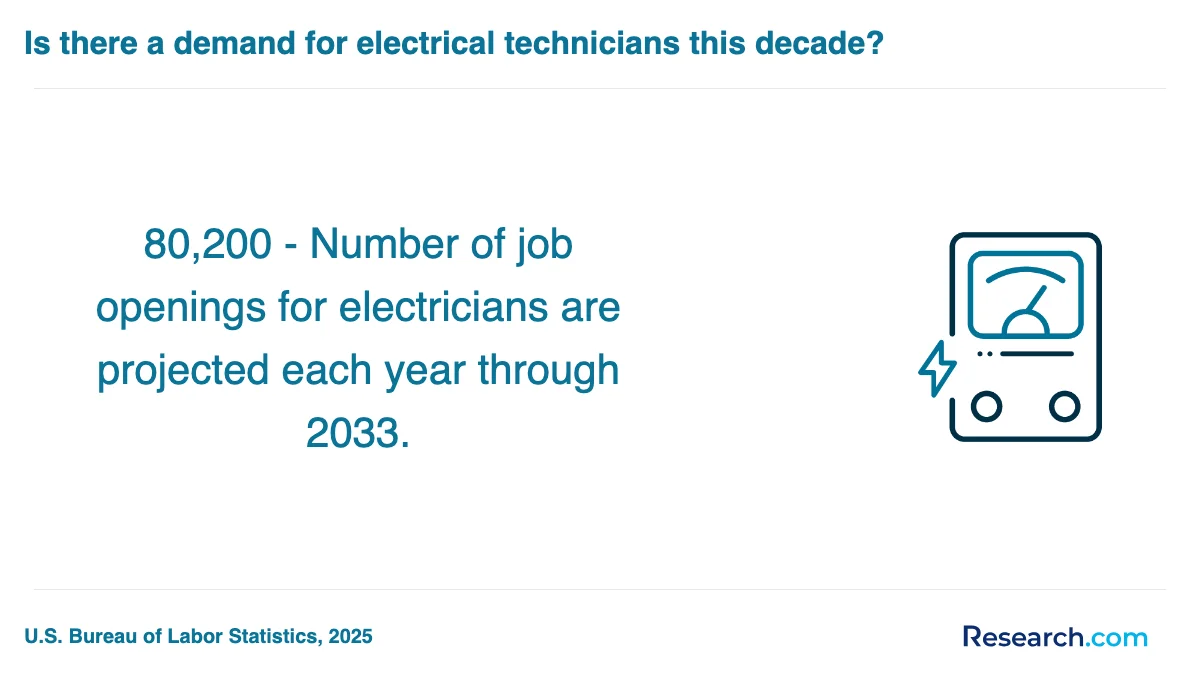
Electrician trade school programs in Michigan offer a dynamic blend of courses designed to build confidence and hands-on skills for a rewarding career. Graduates from popular Michigan trade schools often share how courses like Electrical Theory ignite their curiosity by explaining the invisible forces behind everyday power use. Imagine mastering voltage, current, and resistance, then applying that knowledge to real wiring projects.
Students thrive as they dive into:
- Wiring Methods: Installing residential and commercial wiring with precision, from conduits to blueprints.
- National Electrical Code (NEC): Learning the code inside out to ensure safety and compliance on every job.
- Workplace Safety: Developing life-saving habits following OSHA standards, empowering them to work confidently.
- Mathematics for Electricians: Using practical math skills for accurate measurements and installations.
- Blueprint Reading: Translating technical drawings into real-world electrical solutions.
- Motor Controls and Industrial Applications: Understanding complex equipment to tackle industrial challenges.
- Residential and Commercial Installation: Customizing wiring systems for homes and businesses.
- Jobsite Skills: Building communication and teamwork abilities essential for thriving in collaborative environments.
These courses combine to prepare Michigan students not only for licensure but also for exciting, hands-on careers. Many graduates recall the thrill of turning classroom theory into real-world installations, feeling ready to take on the electrical challenges of Michigan's diverse workplaces.
Electrician trade school programs in Michigan offer exciting specializations that prepare you for rewarding careers in diverse electrical fields. Graduates from these programs often share how hands-on experience at places like the Ann Arbor Electrical JATC shaped their skills in residential wiring, enabling them to confidently handle installations and repairs in homes and apartments. Typical tracks include:
- Residential Electrician: Focuses on safe, efficient electrical work in homes and apartment buildings, often through apprenticeship programs lasting around three years.
- Commercial Electrician: Prepares students for electrical systems in office buildings and retail spaces, combining classroom learning with practical on-the-job training in places like the Flint/Saginaw Electrical JATC.
- Industrial Electrician: Trains for complex systems in manufacturing plants and power generation facilities, such as the comprehensive four-year program offered by SEMCA.
- Voice, Data, and Video Technician: Specializes in installing and maintaining modern communication networks.
Choosing electrician training programs in Michigan means accessing expert instruction and apprenticeships that build your confidence and industry-ready skills. Many graduates highlight how these electrician apprenticeship programs in Michigan gave them a strong foundation and a clear path to licensure.
For those looking to broaden their skill set, exploring fast affordable wind turbine technician training programs can open doors to emerging energy careers alongside traditional electrical work.
Choosing the best electrician programs in Michigan means focusing on accreditation, hands-on experience, and apprenticeship opportunities. Many graduates from Lansing Community College praise the balance of classroom learning and real-world practice, which builds confidence and skills essential for success. Programs that combine paid apprenticeships, like those at the Electrical Industry Training Center in Detroit, allow students to earn wages while gaining valuable industry experience, making the journey rewarding both professionally and financially.
Electrician trade school cost Michigan is another key factor. Union-sponsored apprenticeships often cover tuition and provide benefits, helping students graduate debt-free. Community colleges also offer affordable tuition with access to financial aid, easing the financial burden for many aspiring electricians.
Flexibility matters, too. Schools with multiple campuses or online options cater to diverse lifestyles, supporting students who balance work and study. For those considering an online degree in electrical engineering, researching these choices can broaden your career path and fit your life perfectly.
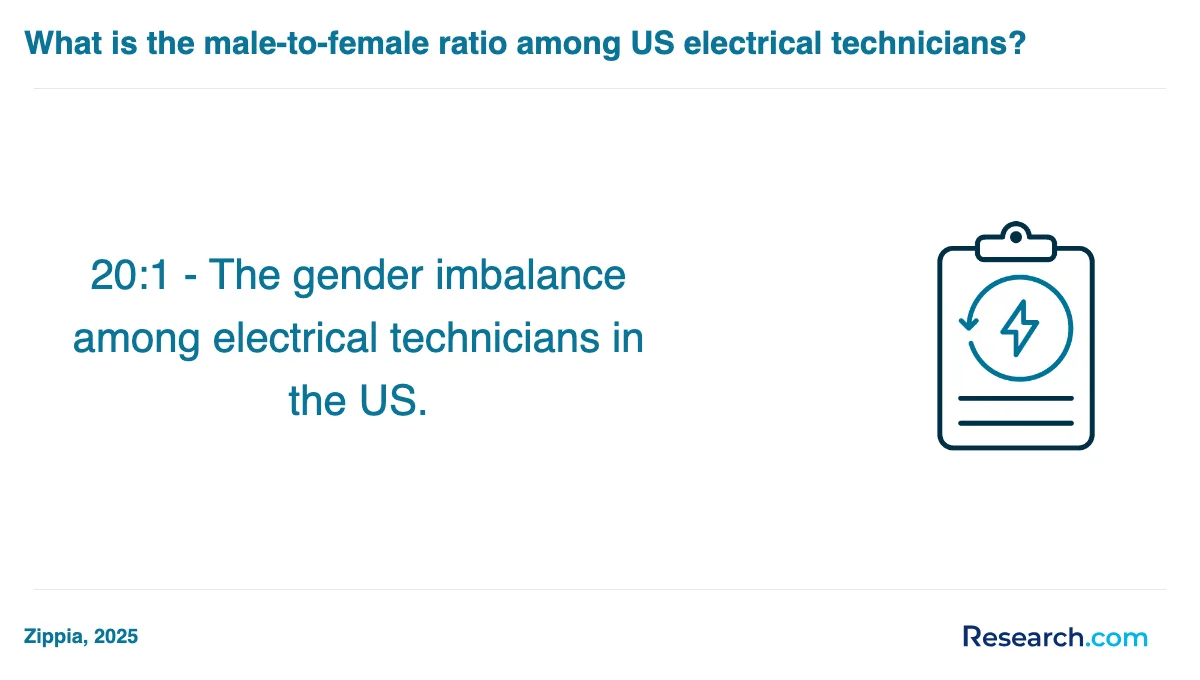
Electrician trade school graduates in Michigan find a wealth of electrician career opportunities in Michigan that spark both ambition and growth. Graduates from popular trade schools often share how hands-on training and real-world projects prepared them for diverse electrical trade jobs in Michigan across residential, commercial, and industrial settings.
For example, many graduates thrive as residential electricians, installing and upgrading home electrical systems or even launching their own businesses. Others excel in commercial roles in bustling office buildings or hospitals, managing intricate wiring and lighting systems. Industrial electrician positions open doors to manufacturing plants where state-of-the-art machinery and programmable logic controllers are commonplace.
Additional pathways include specialized careers in utilities, renewable energy, and automation. These roles offer not only high demand but also rewarding compensation, motivating many to further their education. Exploring cheap online electrical lineworker training programs can be a smart next step for graduates eager to expand their qualifications and career horizons.
Electrician trade school graduates in Michigan are stepping into a job market filled with opportunity and growth. With more than 40,600 openings annually and a forecast of over 518,000 skilled trades jobs by 2032, the electrician job outlook in Michigan 2026 is exceptionally promising. Graduates from well-known trade schools consistently share stories of quickly landing rewarding positions thanks to solid training and hands-on experience.
Many find themselves working on modernizing Michigan's power grid, installing renewable energy systems, or advancing smart home technologies-areas driving strong demand and competitive wages. The median wage recently hit $87,690 for those finishing apprenticeship programs, a figure that speaks to the value employers place on quality skilled workers.
Here's what makes this career particularly inspiring for students in Michigan:
- High post-completion employment rates around 93.8%-most graduates find jobs fast
- Wages range from $23.65 up to $44.84 per hour based on experience
- Diverse job settings, from residential to commercial and tech-focused roles
For those looking to broaden skills further, combining electrician training with wind turbine technician certification offers an exciting edge in the renewable sector. With Michigan's economy investing heavily in infrastructure and clean energy, there has never been a better time to pursue this career path and experience firsthand the fulfillment of powering the state's future.
Best Electrical Technician Training Programs & Trade Schools - Top Electrical Tech Schools in Michigan for 2026
# 1 position
Lansing Community College - Electrical and Power Transmission Installation/Installer, General.
associateThe Electrical and Power Transmission Installation/Installer, General program at Lansing Community College offers hybrid learning with some distance education options. It trains students to install residential, commercial, and industrial electrical systems and power transmission lines. The curriculum covers electricity, safety, wiring, grounding, blueprint reading, equipment operation, and relevant codes. Annual in-state tuition is $4,010. Median earnings one year after completion are $66,608.55. The program is accredited by the Higher Learning Commission.
# 2 position
Lansing Community College - Electrician.
associateThe Electrician program at Lansing Community College offers a hybrid format, combining in-person and distance education. It trains students in installing, operating, maintaining, and repairing electrical systems across residential, commercial, and industrial settings. The curriculum covers electronics, wiring, power transmission, safety, and relevant codes. Annual in-state tuition is $4,010. Graduates earn a median income of $66,608 one year after completion. The program is accredited by the Higher Learning Commission.
# 3 position
Lansing Community College - Electrical and Power Transmission Installation/Installer, General.
certificate or diplomaLansing Community College offers a hybrid Electrical and Power Transmission Installation/Installer, General program preparing students to install residential, commercial, and industrial electrical systems and power transmission lines. The curriculum covers electricity, safety, wiring, insulation, grounding, blueprint interpretation, equipment operation, and codes. Annual in-state tuition is $4,010. Median earnings one year after completion are $66,608.55. The program is accredited by the Higher Learning Commission.
# 4 position
Lansing Community College - Electrician.
certificate or diplomaThe Electrician program at Lansing Community College offers a hybrid format with some distance-education options. It prepares students to install, operate, maintain, and repair electrical systems, including residential, commercial, and industrial wiring. Instruction covers electronics, safety, job estimation, testing, inspection, and relevant codes. The program’s in-state tuition is $4,010 annually, and graduates earn a median salary of $66,608 one year after completion. It is accredited by the Higher Learning Commission.
# 5 position
Alpena Community College - Electrician.
associateAlpena Community College offers a hybrid Electrician program designed to teach installation, operation, maintenance, and repair of electrical systems in residential, commercial, and industrial settings. The curriculum includes electronics principles, wiring, power transmission, safety, and applicable codes. Annual in-state tuition is $5,130. Graduates have median earnings of $33,620 one year after completion. The program is accredited by the Higher Learning Commission.
# 6 position
Alpena Community College - Electrician.
certificate or diplomaAlpena Community College offers a hybrid Electrician program that prepares students to install, operate, maintain, and repair electric apparatus and systems across residential, commercial, and industrial settings. The curriculum covers electronics, electrical systems, wiring, power transmission, safety, job estimation, testing, inspection, and relevant codes. The program’s annual in-state tuition is $5,130, and graduates earn a median income of $33,620 one year after completion. It is accredited by the Higher Learning Commission.
# 7 position
Grand Rapids Community College - Electrician.
certificate or diplomaThe Electrician program at Grand Rapids Community College is an on-campus course designed to prepare students for installing, operating, maintaining, and repairing electric apparatus and systems. Instruction covers residential, commercial, and industrial wiring, motors, controls, safety, electrical testing, and relevant codes. The program’s annual in-state tuition is $4,059. Graduates have median earnings of $34,972 one year after completion. It is accredited by the Higher Learning Commission.
# 8 position
Michigan State University - Electrician.
certificate or diplomaMichigan State University offers a hybrid Electrician program that prepares students to install, operate, maintain, and repair electrical systems in residential, commercial, and industrial settings. The curriculum covers electronics principles, wiring, power transmission, safety, and applicable codes. Annual in-state tuition is $15,988. Graduates typically earn a median salary of $39,107 one year after completion. The program is accredited by the Higher Learning Commission.
# 9 position
Kellogg Community College - Electrician.
associateThe Electrician program at Kellogg Community College offers a hybrid format with some distance-education options. It prepares students to install, operate, maintain, and repair electric systems and apparatus in residential, commercial, and industrial settings. Instruction covers electronics principles, wiring, power transmission, safety, electrical testing, and applicable codes. The program is accredited by the Higher Learning Commission. Annual in-state tuition is $3,798.
# 10 position
Kellogg Community College - Electrician.
certificate or diplomaKellogg Community College offers a hybrid Electrician program that prepares students to install, operate, maintain, and repair electric apparatus and systems in residential, commercial, and industrial settings. The curriculum covers electronics, wiring, power transmission, safety, job estimation, electrical testing, and applicable codes. The program is accredited by the Higher Learning Commission. Annual in-state tuition for the program is $3,798.
Frequently Asked Questions about electrician
After completing electrician trade school in Michigan, preparing for the job market involves several key steps. First, obtaining an apprenticeship is crucial, as Michigan requires electricians to complete a state-registered apprenticeship before becoming licensed. These apprenticeships typically last four to five years and combine on-the-job training with classroom instruction.
Networking with local contractors and attending job fairs can improve employment prospects. According to the Michigan Department of Labor and Economic Opportunity, demand for electricians is expected to grow by 9% through 2030, indicating strong job opportunities.
Additionally, earning the Michigan electrician license by passing the state exam is essential for career advancement and higher wages.
Employers in Michigan seek electrician trade school graduates who demonstrate strong technical skills and practical knowledge of electrical systems. According to the U.S. Bureau of Labor Statistics and Michigan's Department of Labor, proficiency in reading blueprints and electrical schematics is essential. Graduates must also show competence in installing, maintaining, and repairing wiring and electrical components safely and according to local codes.
Soft skills like problem-solving, critical thinking, and effective communication are increasingly valued. The Michigan Economic Development Corporation highlights that teamwork and reliability significantly improve job prospects. Additionally, familiarity with the National Electrical Code (NEC) and state-specific regulations is crucial for compliance and safety.
Finding internships relevant to electrician trade school programs in Michigan involves several practical steps. Students should start by contacting their school's career services or internship office, as many trade schools maintain relationships with local electrical contractors and unions. The Michigan Department of Labor and Economic Opportunity often lists apprenticeship and internship opportunities specific to the electrical field, providing a valuable resource.
Additionally, joining organizations such as the Independent Electrical Contractors (IEC) Michigan Chapter or the Michigan chapter of the National Electrical Contractors Association (NECA) can open doors to internships and networking events. According to the Bureau of Labor Statistics, Michigan's construction sector, including electrical work, expects steady growth, increasing internship availability.
Utilizing online job portals that focus on skilled trades, such as Apprenticeship.gov, also helps students find openings in Michigan. Persistence and proactive outreach to local businesses remain key to securing relevant internships.
Obtaining an electrician trade school diploma in Michigan significantly enhances career mobility and advancement opportunities. The diploma equips students with essential skills and knowledge required to meet state licensing standards, which is a prerequisite for becoming a licensed electrician in Michigan. According to the Michigan Department of Licensing and Regulatory Affairs, licensed electricians often earn 20% higher wages than their non-licensed counterparts.
Trade school graduates benefit from structured training, which prepares them for entry-level jobs and apprenticeship programs, accelerating their path to journeyman status. The Bureau of Labor Statistics projects a 7% growth in electrician jobs in Michigan through 2031, reflecting steady demand.
This formal credential also facilitates transitions into specialized fields such as industrial or commercial electrical work, increasing long-term career prospects and earning potential.
Students enrolled in electrician trade schools in Michigan often seek part-time jobs that provide relevant experience and support their education. Common opportunities include apprenticeships with licensed electricians, which combine paid work with hands-on training. According to the Michigan Department of Labor and Economic Opportunity, apprenticeship programs are a vital pathway in the state's electrical industry, ensuring practical skills development.
Other complementary jobs include electrical technician assistant roles, warehouse work in electrical supply stores, and positions in construction or maintenance companies. These roles help students understand industry workflows and equipment while earning income. The U.S. Bureau of Labor Statistics notes Michigan's steady demand for skilled electricians, making part-time experience valuable for future employment.
To choose the best Electrician degree program near me in Michigan, consider factors such as program accreditation, faculty expertise, and available hands-on training opportunities. Research programs and universities near Michigan through educational resources like Research.com, which can give you insights into program rankings and student feedback. Additionally, visiting campuses and speaking with current students or alumni can provide valuable firsthand information about the program's quality and suitability for your career goals.
- Best Electrical Technician Training Programs & Trade Schools - Top Electrical Tech Schools in Ohio for 2026
- Best Electrical Technician Training Programs & Trade Schools - Top Electrical Tech Schools in Indiana for 2026
- Best Electrical Technician Training Programs & Trade Schools - Top Electrical Tech Schools in Wisconsin for 2026
- Best Electrical Technician Training Programs & Trade Schools - Top Electrical Tech Schools in Illinois for 2026
- Best Electrical Technician Training Programs & Trade Schools - Top Electrical Tech Schools in Pennsylvania for 2026
- Best Electrical Technician Training Programs & Trade Schools - Top Electrical Tech Schools in Kentucky for 2026
- Best Electrical Technician Training Programs & Trade Schools - Top Electrical Tech Schools in Missouri for 2026
- Best Electrical Technician Training Programs & Trade Schools - Top Electrical Tech Schools in Tennessee for 2026
- Best Electrical Technician Training Programs & Trade Schools - Top Electrical Tech Schools in Virginia for 2026
- Best Electrical Technician Training Programs & Trade Schools - Top Electrical Tech Schools in North Carolina for 2026
- What Can I Do After Finishing My Apprenticeship? | College of Electrical Training https://cet.asn.au/news-insights/what-can-i-do-after-finishing-my-apprenticeship
- Here’s How Your Life Will Improve after Electrician Trade School https://ftccollege.edu/trade-blog/life-after-electrician-trade-school/
- Tricks of the Trade: The Ultimate Guide to Electrician Career Path Opportunities | CBT Technology Institute https://www.cbt.edu/blog/tricks-of-the-trade-the-ultimate-guide-to-electrician-career-path-opportunities/
- Should You Choose a Trade School or an Apprenticeship? Exploring the Electrical Training Path - InterCoast Colleges https://intercoast.edu/articles/trade-school-apprenticeship/
- 10 Best Electrician Trade Schools 2024 https://www.accreditedschoolsonline.org/vocational-trade-school/electrician/
- 11 Best Electrician Trade Schools: Training, Cost, and Career Outlook - Podium https://www.podium.com/article/electrician-trade-school
- Electrical Training - American Trade School https://www.americantradeschool.edu/electrical-training/
- Electrician / Electrical | ontariocolleges.ca https://www.ontariocolleges.ca/en/programs/professions-and-trades/electrician-electrical
- Online Electrician School: Trade Classes | U.S. Career Institute https://www.uscareerinstitute.edu/online-electrician-school
- Electrician https://www.sait.ca/apprenticeships-and-trades/programs/electrician


