
Best Electrical Technician Training Programs & Trade Schools - Top Electrical Tech Schools in Kentucky for 2026

Co-Founder and Chief Data Scientist
Choosing the right electrician trade school in Kentucky can shape your future career in a rewarding and in-demand field. This article introduces a ranking of electrician trade school programs created by the Research.com team of data scientists to help you make an informed decision.
By exploring these top programs, you’ll discover options that offer valuable skills and certifications. Earning a diploma or certification opens doors to steady work and personal growth.
Whether you’re starting fresh or advancing your career, this guide aims to support your journey with trustworthy insights and clear information.
Key benefits of finishing electrician trade school in Kentucky
- Graduates from electrician trade schools in Kentucky can expect an average hourly pay of around $25.63, translating to about $53,300 annually, with opportunities to earn even more in specialized or union roles.
- Many graduates find diverse career paths available, including residential, commercial, or industrial electrician roles, often starting with hands-on work that builds valuable experience and skills.
- Completing an electrician trade school online offers flexible scheduling and faster completion times, making it easier for students to balance learning with personal commitments while still gaining practical knowledge.
- Best Electrical Technician Training Programs & Trade Schools - Top Electrical Tech Schools in Kentucky for 2026
- What can I expect from electrician trade schools in Kentucky?
- Where can I work after finishing electrician trade schools in Kentucky?
What can I expect from electrician trade schools in Kentucky?
When you start an electrician trade school program in Kentucky, expect a mix of classroom learning and real-world training that prepares you for licensure. Graduates from popular schools often highlight the balance between about 576 hours of focused classroom instruction and thousands of hands-on hours working under licensed electricians. For example, students at well-known programs spend weeks mastering the National Electrical Code and electrical theory, then apply those skills on actual job sites, building confidence and competence.
Many students find the experience rewarding as they progress through coursework on circuit analysis and motor controls, knowing each lesson brings them closer to passing the journeyman electrician exam. Kentucky's apprenticeship pathways require 4,000 to 8,000 hours of supervised work, which graduates describe as invaluable for developing practical skills and professional habits.
Schools here also offer opportunities to transfer credits toward degrees in Electric Technology, making it easier to advance your career. Overall, expect a challenging but exciting journey that combines learning with earning, setting you up for success in Kentucky's electrical field.
Where can I work after finishing electrician trade schools in Kentucky?
After finishing an electrician trade school program in Kentucky, you'll find a variety of rewarding career paths open to you. Many graduates start as apprentices or entry-level electricians, gaining valuable hands-on experience under licensed professionals. This is common among those who studied at well-known schools like Bluegrass or Louisville Electrical Trade Schools, where instructors emphasize real-world skills that employers seek.
From there, you can advance to roles such as journeyman or master electrician, working in construction companies, manufacturing plants, or even universities like Eastern Kentucky University. Graduates often share how exciting it is to work on campus maintenance or industrial electrical systems, applying what they learned in class to solve real problems.
Some choose to become independent contractors, running their own small businesses focused on electrical repair or specialty services. The steady demand for electricians in Kentucky means you can build a stable, fulfilling career with competitive wages and benefits, whether in public sector jobs or private industry.
After finishing an electrician trade school program in Kentucky, many graduates find themselves earning an average hourly wage of around $25.63, which translates to about $53,300 annually when working full-time. Graduates from popular trade schools in cities like Louisville and Lexington often share how this wage jump felt like a real milestone-enough to start planning for their future with confidence.
Entry-level electricians typically start closer to $20.87 per hour, but with hands-on experience and certifications gained on the job, their pay can rise quickly. Some graduates who joined union positions have reported starting salaries near $45,554 annually, with the chance to earn up to $60,000 as skills develop.
In Lexington, where demand is strong, electricians even earn slightly higher wages, averaging about $28.48 per hour. Many graduates describe feeling proud and motivated seeing their hard work pay off, knowing their new career offers solid financial stability and room to grow.
- Applicants must be at least 17 or 18 years old and have a high school diploma or GED to enter electrician trade school programs in Kentucky.
- Programs often require official transcripts, a valid ID, passing a math test or aptitude exam, and may include drug screening and background checks.
- Licensure requires six years (about 12,480 hours) of work experience or four years plus 576 hours of classroom training from an approved program.
- Tuition for these programs typically ranges from $3,000 to $10,000, excluding tools, books, and licensing fees, with financial aid available.
- Starting salaries for electricians in Kentucky range from $46,000 to $50,000, with experienced electricians earning $60,000 or more.
Completing an electrician trade school program in Kentucky typically takes between 9 months and 18 months, depending on whether you attend full-time or part-time. Many graduates from well-known schools like the Kentucky Electrical Training Alliance or Bluegrass Technical College share that dedicating around a year full-time gave them the solid foundation they needed to jumpstart their careers confidently.
Some students appreciate the flexibility of part-time programs, which can extend the timeline but allow them to work or manage other commitments simultaneously. One graduate recalled balancing evening classes while working during the day, which stretched their program to about 15 months but made the journey feel manageable and rewarding.
Hands-on learning is a big part of the experience, and spending those months practicing real-world electrical tasks helps build skills that classroom time alone can't provide. For many, seeing their progress from day one to becoming job-ready sparks a strong sense of accomplishment and excitement for what's ahead in Kentucky's growing electrical industry.
The main difference between online and on-campus electrician trade school programs in Kentucky comes down to how you learn and practice the skills. Online programs, like the one at Eastern Kentucky University, let you study electrical theory, wiring, and safety from anywhere, fitting classes around your work or family life. Many graduates appreciate the flexibility and enjoy interactive tools like virtual simulations that help visualize real electrical systems. However, these simulations can't fully replace the hands-on experience needed in the field.
On-campus programs, such as the Enzweiler Building Institute's apprenticeship, offer in-person labs where students physically handle wiring, tools, and equipment under expert guidance. Graduates often say this hands-on practice builds confidence and prepares them better for real-world challenges and licensing exams in Kentucky.
Some students choose hybrid options at schools like Jefferson Community and Technical College, combining online lessons with in-person labs to balance convenience and essential practical training.
The average tuition fees for electrician programs in Kentucky hover around $16,381 for the 2024-2025 academic year, making it a significant but manageable investment for many aspiring electricians. Graduates from popular trade schools often mention how understanding these costs early helped them prepare financially and avoid surprises. For example, students attending well-known community colleges in Kentucky often find this figure aligns closely with their total expenses, although some programs, especially those outside Kentucky like at Hawkeye College, have different tuition rates around $11,171.
However, tuition is only part of the picture. Total expenses for electrician trade schools in Kentucky frequently include additional costs like books and supplies, tools and equipment, licensing fees, and insurance. Graduates remember budgeting between $500 to $1,500 for books and $200 to $1,000 for tools, which are essential investments that translate into hands-on learning experiences. These practical expenses can shape daily student life, from assembling kits to practicing electrical tasks.
Living expenses also dramatically influence the overall cost. Those who choose on-campus housing might spend around $12,600, while off-campus living is closer to $25,247 annually. Many students praise how budgeting for these costs early gave them peace of mind and allowed focus on coursework. It's always wise to explore financial aid options, scholarships, and grants to offset these costs and make your education more affordable.
If you want to explore more about trade schools that offer electrician programs or compare options, it's helpful to check out trade schools that offer electrician programs. This kind of research helps clarify the financial commitment required and supports making informed decisions about your future career.

Electrician trade school students in Kentucky often find relief through several financial aid options that make their training more affordable. Many graduates from well-known schools like the Enzweiler Building Institute recall how the Kentucky Tuition Grant helped cover a large part of their tuition-up to $3,000 annually-allowing them to focus more on learning and less on finances.
Others have benefited from the Kentucky College Access Program Grant, which offers up to $2,000 each year to students with financial need, making it easier to attend programs at vocational schools across the state. Federal aid is another crucial source; completing the FAFSA can unlock Federal Pell Grants that substantially reduce costs, especially for community college programs where in-state tuition averages about $3,629 yearly.
Many apprentices share how employer-sponsored tuition reimbursement programs lightened their financial load during multi-year training. Additionally, scholarships from local foundations and the Kentucky Educational Excellence Scholarship often provide extra support, rewarding hard work and dedication. Payment plans and institutional financing options also help students manage expenses smoothly over time.
To enroll in an electrician trade school program in Kentucky, you generally need to meet a few straightforward prerequisites that set you up for success. Most programs expect you to have a high school diploma or a GED. This foundational education is key because it ensures you're comfortable with basic math and reading skills, which are essential when working with electrical codes and blueprints.
Many graduates from well-known Kentucky trade schools share how having a strong grasp of algebra made their hands-on training much smoother. You don't need to be a math genius, but being confident with numbers helps.
Other common prerequisites include:
- Being at least 18 years old, as electrical work requires maturity and responsibility.
- Passing a basic aptitude test or placement exam that some schools use to assess your readiness.
- Having reliable transportation, since many programs combine classroom learning with on-site labs or apprenticeships around Kentucky.
In some cases, schools encourage prior experience with tools or electrical work, but this is rarely a strict requirement. Graduates often mention how their early curiosity-like fixing household wiring or helping family members-gave them a boost in confidence during training.
Overall, Kentucky trade schools focus on your potential and willingness to learn, not just your past qualifications. If you're motivated and ready to commit, you're already halfway there.
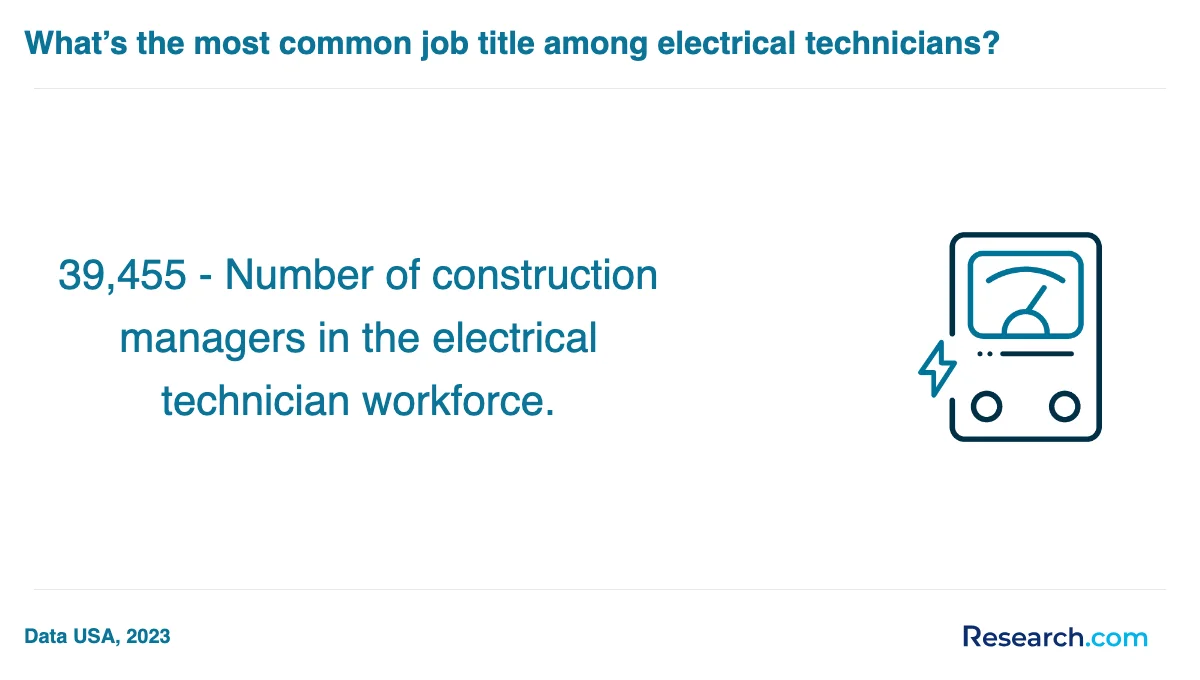
In Kentucky electrician trade schools, you'll dive right into courses that balance theory with hands-on skills, preparing you for real-world challenges. Graduates often recall starting with foundational classes like basic electrical theory, where they learned about voltage, current, and resistance-crucial for understanding how electricity works in homes and businesses.
Students also tackle industrial safety procedures, including the latest OSHA and NFPA 70E standards, ensuring they feel confident and safe on job sites. Many find these lessons invaluable when working around live circuits or heavy equipment.
Hands-on skills come from courses such as:
- Residential and commercial wiring techniques, teaching installation and troubleshooting in real buildings
- Conduit bending, motor controls, and programmable logic controllers (PLCs), which prepare you for industrial automation roles
- Direct current (DC) and alternating current (AC) systems, essential for understanding different electrical applications
Kentucky programs emphasize mastery of the National Electrical Code (NEC), a must-know for licensing exams and safe electrical work. Graduates often describe how this knowledge gave them the confidence to pass their journeyman exam after completing the required 576 classroom hours over four years.
Electrician training programs in Kentucky typically offer specializations that prepare students for various rewarding careers in the electrical industry. For example, many graduates from Bluegrass Community and Technical College highlight their hands-on experience with the Industrial Electrician track, where they mastered skills like motor controls and industrial wiring essential for factory settings. Others who pursued electrician apprenticeship programs in Kentucky found that the Construction Electrician specialization, offered at places like Elizabethtown Community and Technical College, equipped them with critical knowledge in blueprint reading and residential wiring, making them confident on real job sites.
Students also benefit from emerging fields like Alternative Energies, gaining expertise in solar photovoltaic systems, which is particularly exciting given the rising demand for sustainable energy solutions. Additionally, the Electrical TRACK Pre-Apprenticeship program is a favorite among newcomers to the trade as it provides foundational electrical construction skills with courses such as Electrical Construction I and Circuits I.
Exploring the various options allows future electricians to tailor their education to their career goals confidently. For those keen on fast growth, checking out the cheapest and fastest online wind turbine technician certification programs can be a smart complementary step.
When choosing the best electrician trade schools in Kentucky, start with accreditation and state approval. Graduates from programs in cities like Elizabethtown and Owensboro often share how vital it was for their credentials to be recognized by Kentucky authorities. This recognition opens doors to licensing and employment, creating confidence in their career path.
Look closely at the curriculum and hands-on training. Successful students at popular colleges in Bowling Green praise the balance of classroom learning and lab practice, which helped them feel ready for real job sites. Experienced faculty who bring current industry insights make a huge difference-graduates often mention how instructors' field experience kept lessons relevant and engaging.
Consider location and flexibility too. For example, students in Florence appreciate programs that fit their schedules and minimize commute times. Whether you want a quick certificate or a two-year degree, pick a school aligning with your goals. Also, check for strong job placement support and connections to apprenticeships that can boost your start.
Finally, for those seeking affordable options, exploring options like a cheap electrical engineering online bachelors can complement your trade education and expand your opportunities.
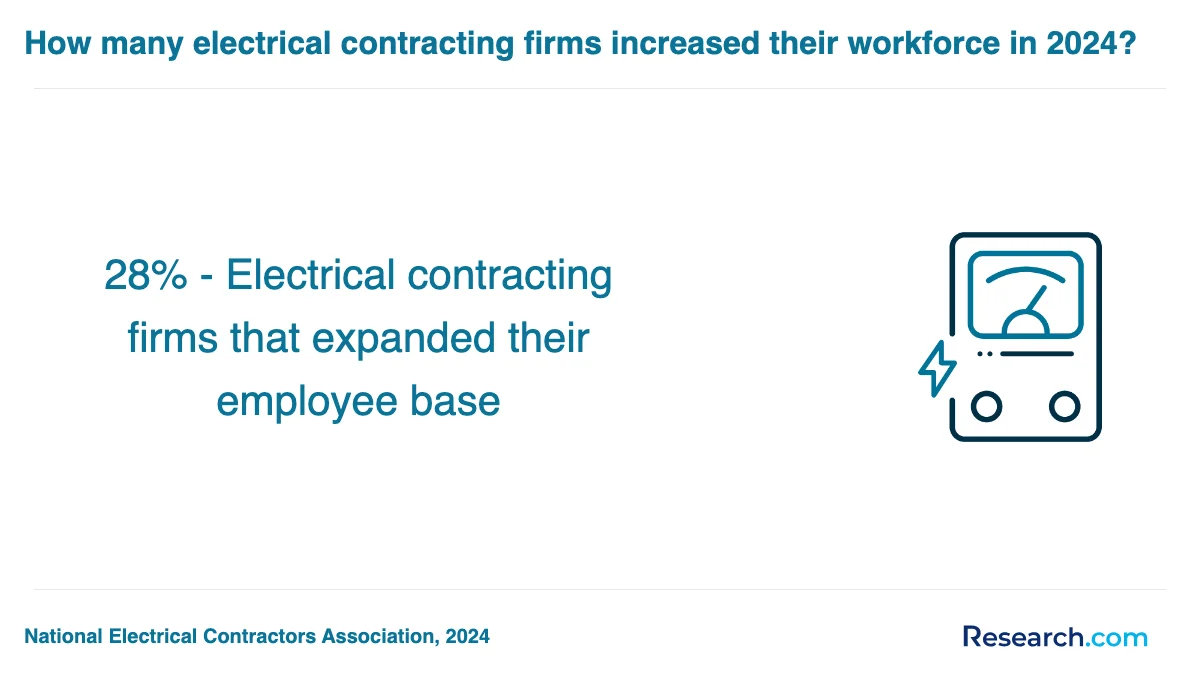
Graduates from electrician trade school programs in Kentucky find a wide array of electrician career opportunities in Kentucky that suit various interests and ambitions. Many begin as licensed journeyman electricians, a credential that allows them to work independently on residential, commercial, and industrial projects. Graduates often share stories of working alongside electrical contractors or general contractors, contributing to new home builds or facility upgrades, which builds valuable hands-on experience.
Others land roles with manufacturing plants, utility providers, or building companies-places where maintaining Kentucky's infrastructure becomes a daily mission. Some graduates seize the chance to become independent electrical contractors, running their own businesses and mentoring apprentices. Experienced electricians also advance into supervisory roles, such as foreman or project manager, or pursue master electrician licensure, opening doors to higher earnings and leadership opportunities.
For those curious about exploring industry growth in education or government, teaching vocational programs or working for public agencies offer fulfilling career alternatives. This diverse landscape means Kentucky electrician jobs and salary potential continue to rise, reflecting strong statewide demand.
Many students from popular trade schools in Kentucky recommend supplementing hands-on training by researching the top electrical engineering online bachelors, which broadens technical knowledge and opens further career avenues.
The electrician job market in Kentucky remains stable and promising for trade school graduates, supported by steady growth in construction and infrastructure projects. Graduates from popular trade schools across the state report finding opportunities soon after completing their hands-on training, often citing how practical experience gained during their programs makes them job-ready. Many electricians benefit from the ongoing demand created by retirements and workforce turnover, which helps maintain a baseline of employment openings.
Here are some key points graduates commonly share about electrician employment opportunities Kentucky:
- There are about 14,088 electricians currently employed in the state as of 2025, with consistent growth around 1.9% annually since 2020.
- Wages average $25.63 per hour locally, competitive given the lower cost of living compared to other states.
- The hands-on skills learned in trade school help graduates stand out in job interviews and secure apprenticeships or entry-level roles.
While the job market may not be as crowded with postings as in larger states, well-prepared graduates find stability and room for advancement. Exploring resources like the average electrical lineman salary and career paths nationwide can provide additional insight into long-term prospects in the field.
Best Electrical Technician Training Programs & Trade Schools - Top Electrical Tech Schools in Kentucky for 2026
# 1 position
Owensboro Community and Technical College - Electrician.
associateOwensboro Community and Technical College offers a hybrid Electrician program that trains students to install, operate, maintain, and repair electrical systems in residential, commercial, and industrial settings. The curriculum covers electronics, wiring, power transmission, safety, job estimation, and applicable codes. Annual in-state tuition is $4,656. Graduates typically earn a median salary of $55,533 one year after completion. The program is accredited by the Southern Association of Colleges and Schools Commission on Colleges.
# 2 position
Owensboro Community and Technical College - Electrician.
certificate or diplomaOwensboro Community and Technical College offers a hybrid Electrician program designed to teach installation, operation, maintenance, and repair of electrical systems in residential, commercial, and industrial settings. The curriculum covers electronics, wiring, power transmission, safety, inspection, and applicable codes. Annual in-state tuition is $4,656. Graduates have a median earning of $55,533 one year after completion. The program is accredited by the Southern Association of Colleges and Schools Commission on Colleges.
# 3 position
Elizabethtown Community and Technical College - Electrician.
associateElizabethtown Community and Technical College offers a hybrid Electrician program designed to teach installation, operation, maintenance, and repair of electric systems including residential, commercial, and industrial wiring. The curriculum covers electronics principles, power transmission, safety, and electrical codes. Annual in-state tuition is $4,656. Graduates earn a median salary of $64,748 one year after completion. The program is accredited by the Southern Association of Colleges and Schools Commission on Colleges.
# 4 position
Elizabethtown Community and Technical College - Electrician.
certificate or diplomaThe Electrician program at Elizabethtown Community and Technical College offers a hybrid format with some distance-education options. It trains students to install, operate, maintain, and repair electric apparatus and systems, covering residential, commercial, and industrial wiring. The curriculum includes electronics principles, safety, job estimation, and electrical codes. Annual in-state tuition is $4,656. Graduates have median earnings of $64,748 one year after completion. The program is accredited by the Southern Association of Colleges and Schools Commission on Colleges.
# 5 position
Southcentral Kentucky Community and Technical College - Electrician.
associateSouthcentral Kentucky Community and Technical College offers a hybrid Electrician program that prepares students to install, operate, maintain, and repair electric systems, including residential, commercial, and industrial wiring. The curriculum covers electronics, wiring, power transmission, safety, electrical testing, and applicable codes. Annual in-state tuition is $4,656. Graduates earn a median salary of $52,553 one year after completion. The program is accredited by the Southern Association of Colleges and Schools Commission on Colleges.
# 6 position
Southcentral Kentucky Community and Technical College - Electrician.
certificate or diplomaSouthcentral Kentucky Community and Technical College offers a hybrid Electrician program that prepares students to install, maintain, and repair electric systems in residential, commercial, and industrial settings. The curriculum covers electronics, wiring, power transmission, safety, testing, inspection, and relevant codes. Annual in-state tuition is $4,656. Graduates earn a median salary of $52,553 one year after completion. The program is accredited by the Southern Association of Colleges and Schools Commission on Colleges.
# 7 position
Bluegrass Community and Technical College - Electrician.
associateBluegrass Community and Technical College offers a hybrid Electrician program that prepares students to install, operate, maintain, and repair electric apparatus and systems, including residential, commercial, and industrial wiring. The curriculum covers electronics, electrical systems, safety, job estimation, testing, inspection, and relevant codes. Annual in-state tuition is $4,706. Graduates earn a median income of $66,544 one year after completion. The program is accredited by the Southern Association of Colleges and Schools Commission on Colleges.
# 8 position
Bluegrass Community and Technical College - Electrician.
certificate or diplomaThe Electrician program at Bluegrass Community and Technical College offers a hybrid format with some distance-education options. It trains students to install, operate, maintain, and repair electric systems, including residential, commercial, and industrial wiring. Instruction covers electronics principles, safety, job estimation, electrical testing, and applicable codes. The annual in-state tuition is $4,706. Graduates earn a median salary of $66,544 one year after completion. The program is accredited by the Southern Association of Colleges and Schools Commission on Colleges.
# 9 position
Madisonville Community College - Electrician.
associateMadisonville Community College offers a hybrid Electrician program that prepares students to install, operate, maintain, and repair electrical systems including residential, commercial, and industrial wiring. The curriculum covers electronics, power transmission, safety, electrical testing, and applicable codes. The annual in-state tuition is $4,656. The program is accredited by the Southern Association of Colleges and Schools Commission on Colleges.
# 10 position
Madisonville Community College - Electrician.
certificate or diplomaMadisonville Community College offers a hybrid Electrician program that prepares students to install, operate, maintain, and repair electric systems including residential, commercial, and industrial wiring. The curriculum includes electronics, electrical systems, safety, job estimation, and applicable codes. Annual in-state tuition is $4,656. The program is accredited by the Southern Association of Colleges and Schools Commission on Colleges.
Frequently Asked Questions about electrician
After completing electrician trade school in Kentucky, preparing for the job market involves several key steps. First, obtaining an apprenticeship is crucial, as Kentucky requires electricians to complete a registered apprenticeship to become licensed. The Kentucky Labor Cabinet and the Kentucky Department of Workforce Investment provide resources to connect graduates with apprenticeship programs.
Networking within local unions and trade organizations, such as the International Brotherhood of Electrical Workers (IBEW), can increase job opportunities. Additionally, pursuing the Kentucky Journeyman Electrician License, which requires passing an exam and meeting work experience criteria, enhances employability.
Staying current with industry standards and safety regulations through continuing education is important. According to the U.S. Bureau of Labor Statistics, Kentucky's electrician employment is projected to grow by 7% through 2030, highlighting steady demand in the state's construction and manufacturing sectors.
Employers in Kentucky prioritize several key skills when hiring electrician trade school graduates. Technical proficiency is essential, including knowledge of electrical codes, wiring, and blueprint reading. According to the Kentucky Labor Cabinet, familiarity with the National Electrical Code (NEC) is mandatory for safety and compliance.
Problem-solving abilities and critical thinking are highly valued, as electricians often diagnose complex electrical issues. Communication skills also matter, since electricians must explain problems and solutions clearly to clients and team members.
Physical dexterity and stamina are important because the job involves manual tasks in various environments. Lastly, a strong commitment to safety practices is crucial, reflecting OSHA standards relevant across Kentucky workplaces.
Finding internships relevant to electrician trade school programs in Kentucky involves several practical steps. Start by consulting your trade school's career services, as many schools partner with local businesses and unions to place students in internships. According to the Kentucky Labor Cabinet, registered apprenticeship programs are a key pathway for hands-on experience in electrical work.
The Kentucky Electrical Contractors Association often lists internship and apprenticeship opportunities on their website, connecting students with licensed electricians. Additionally, networking through local chapters of the International Brotherhood of Electrical Workers (IBEW) can provide valuable leads.
Online job platforms like Kentucky's Work Ready Communities portal also feature electrical internship listings, helping students find paid and unpaid positions across the state.
Obtaining an electrician trade school diploma in Kentucky significantly enhances career mobility and advancement opportunities. According to the Kentucky Center for Statistics, individuals with technical diplomas in skilled trades, including electrical work, experience a higher employment rate-about 85% within six months of graduation. This credential provides foundational knowledge and hands-on skills essential for entry-level electrician roles, which often lead to apprenticeships and journeyman licenses.
A diploma can also increase earning potential. The U.S. Bureau of Labor Statistics reports that electricians in Kentucky earn a median wage of approximately $23 per hour, with licensed professionals earning even more. Trade school graduates are better positioned to meet licensing requirements, which are critical for career progression.
Moreover, trade schools often connect students with local employers through partnerships, facilitating smoother transitions into the workforce. These networks are invaluable for long-term career growth and specialization within the electrical field.
Part-time job opportunities in Kentucky that complement electrician trade school education often include roles such as electrical apprenticeships, maintenance assistant positions, and general labor work with electrical contractors. These jobs provide practical experience alongside formal training, which is crucial for skill development and licensing requirements. According to the U.S. Bureau of Labor Statistics, Kentucky's demand for electricians is steady, with an expected growth rate of 5% through 2031, making hands-on experience valuable for future employment.
Apprenticeships are particularly beneficial, allowing students to earn while they learn under licensed electricians. Additionally, roles in construction sites or facility maintenance departments enhance understanding of electrical systems in real-world settings. These part-time positions not only support income but also strengthen resumes for licensure and full-time employment after graduation.
Yes, there are electrician degree programs near me and specifically near Kentucky, offered by various colleges and technical schools. These programs typically include training in electrical systems, blueprints, safety protocols, and regulations, preparing students for certification and employment. Research.com can be a helpful resource to find information about programs and universities offering electrician degrees near Kentucky.
- Best Electrical Technician Training Programs & Trade Schools - Top Electrical Tech Schools in Indiana for 2026
- Best Electrical Technician Training Programs & Trade Schools - Top Electrical Tech Schools in Ohio for 2026
- Best Electrical Technician Training Programs & Trade Schools - Top Electrical Tech Schools in Tennessee for 2026
- Best Electrical Technician Training Programs & Trade Schools - Top Electrical Tech Schools in Virginia for 2026
- Best Electrical Technician Training Programs & Trade Schools - Top Electrical Tech Schools in Illinois for 2026
- Best Electrical Technician Training Programs & Trade Schools - Top Electrical Tech Schools in Missouri for 2026
- Best Electrical Technician Training Programs & Trade Schools - Top Electrical Tech Schools in North Carolina for 2026
- Best Electrical Technician Training Programs & Trade Schools - Top Electrical Tech Schools in Georgia for 2026
- Best Electrical Technician Training Programs & Trade Schools - Top Electrical Tech Schools in Mississippi for 2026
- Best Electrical Technician Training Programs & Trade Schools - Top Electrical Tech Schools in Alabama for 2026
- 34 Electrician Schools in KY - Hands-On & Awesome [UPDATED 2025] https://electricalschool.org/ky/
- Electrical Technology | KCTCS https://kctcs.edu/findyourcareer/construction-trades/electrical-technology.aspx
- Electrical Technology | BCTC https://bluegrass.kctcs.edu/education-training/program-finder/electrical-technology.aspx
- Registered Apprenticeships https://kyworks.ky.gov/Services/Pages/Registered-Apprenticeships.aspx
- Top Electrician Schools in Kentucky | Learn How to Become https://toptradeschools.com/near-you/electrician/kentucky/
- Electrical Apprenticeship Program | Enzweiler Building https://buildinginstitute.com/programs-available/electric/
- Online Residential Electrician from Western Kentucky University https://careertraining.wku.edu/training-programs/residential-electrician/
- Louisville Electric – JATC https://www.loujatc.com/
- What Can I Do After Finishing My Apprenticeship? | College of Electrical Training https://cet.asn.au/news-insights/what-can-i-do-after-finishing-my-apprenticeship
- Here’s How Your Life Will Improve after Electrician Trade School https://ftccollege.edu/trade-blog/life-after-electrician-trade-school/


