
Best Electrical Technician Training Programs & Trade Schools - Top Electrical Tech Schools in Mississippi for 2026

Co-Founder and Chief Data Scientist
If you’re considering a career as an electrician in Mississippi, choosing the right trade school is an important first step. This article introduces the best electrician trade school programs in the state for 2026, ranked by the Research.com team of data scientists.
Our ranking helps you make an informed decision by highlighting programs that offer quality training and strong career prospects. Earning a diploma or certification can open doors to reliable jobs and personal growth, making your future brighter and more secure.
Explore your options with confidence and take a positive step toward a rewarding trade career.
Key benefits of finishing electrician trade school in Mississippi
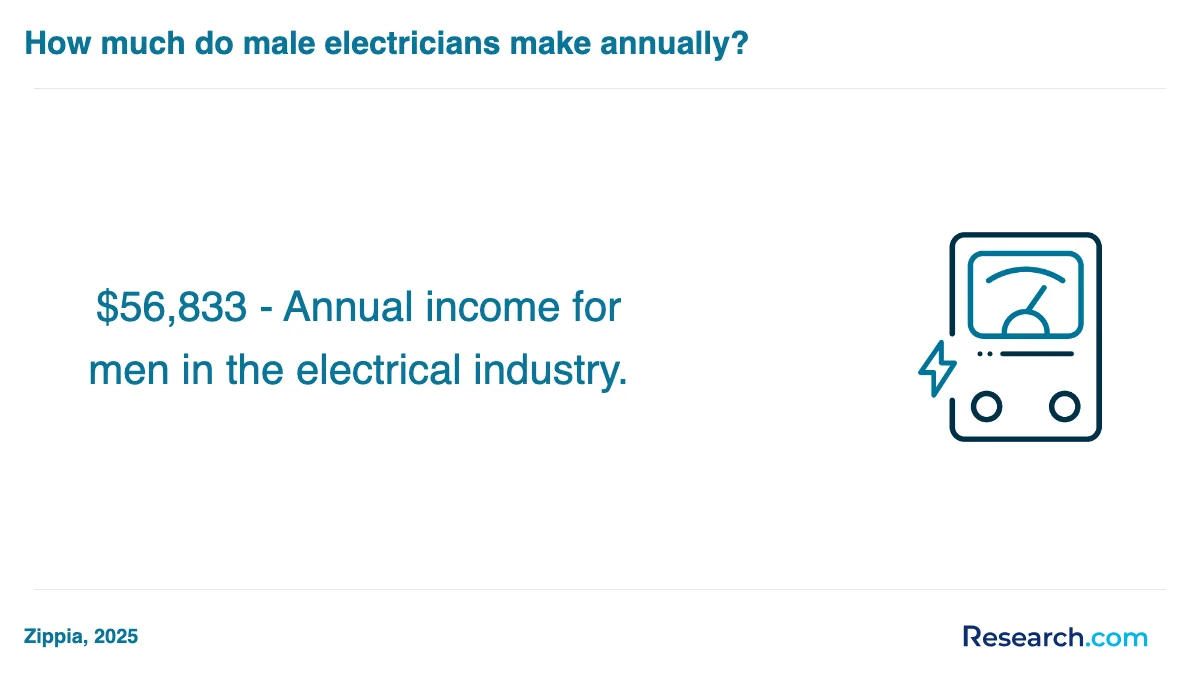
- Graduates from electrician trade schools in Mississippi can expect an average starting salary around $51,663 annually, with opportunities to earn more as experience and certifications grow.
- Career paths include becoming licensed electricians, working in specialty roles, or advancing to supervisory positions, offering diverse and rewarding job options.
- Completing an electrician trade school online provides flexibility and convenience, allowing students to balance work and study while gaining practical skills recognized by employers.
- Best Electrical Technician Training Programs & Trade Schools - Top Electrical Tech Schools in Mississippi for 2026
- What can I expect from electrician trade schools in Mississippi?
- Where can I work after finishing electrician trade schools in Mississippi?
What can I expect from electrician trade schools in Mississippi?
Enrolling in an electrician trade school program in Mississippi means diving into a dynamic blend of hands-on training and classroom learning that truly prepares you for a rewarding career. Graduates from schools like Mississippi Gulf Coast Community College and East Mississippi Community College often share how their days were filled with mastering electrical theory, practicing wiring techniques, and gaining confidence using industry-standard tools in well-equipped labs. Imagine working through real-world scenarios-installing residential wiring or troubleshooting commercial electrical systems-with expert guidance and plenty of practical experience.
Safety is woven into every lesson, teaching you how to protect yourself and others while working in challenging environments. The programs follow rigorous state standards, including 280 hours on critical topics like the National Electric Code and blueprint reading, ensuring you're ready for the demands of the field.
Many students appreciate that these programs also prepare them for Mississippi's licensing requirements, combining classroom hours with the pathway to hands-on apprenticeship experience. Whether you choose a full associate degree or a focused short-term course, you'll leave equipped, motivated, and ready to power your future.
Where can I work after finishing electrician trade schools in Mississippi?
After completing an electrician trade school program in Mississippi, graduates find themselves stepping into a world full of exciting job opportunities. Many begin as apprentice electricians, gaining hands-on experience in homes, commercial buildings, and industrial plants. For example, graduates from well-known Mississippi trade schools often share how their first roles involved working alongside skilled journeymen, learning to install and maintain electrical systems in real-world settings.
Mississippi's diverse industries open doors to roles in construction companies, manufacturing facilities, and even shipyards along the Gulf Coast, where marine electricians are highly sought after. Some graduates have found rewarding careers with large corporations like Johnson Controls, focusing on cutting-edge smart building technologies.
Industrial electricians enjoy strong demand in factories and processing plants, where they keep machinery running smoothly. Many graduates feel proud advancing toward leadership roles such as industrial electrical foremen, knowing their skills power Mississippi's economy and communities every day.
After finishing an electrician trade school program in Mississippi, many graduates find themselves stepping into roles that offer an exciting start with salaries ranging from $39,128 to $66,572 annually. Imagine beginning your career as an apprentice or entry-level electrician, earning around $51,663 a year-that's roughly $21 to $32 per hour-enough to feel proud of your new skills and independence.
As you gain experience and obtain your electrician license, your earning potential grows significantly. Licensed electricians in Mississippi typically make about $32.27 per hour, with annual wages between $53,500 and $77,700. Many graduates from popular Mississippi trade schools have shared how this boost in pay empowered them to support their families and pursue further certifications confidently.
Location also plays a key role. In cities like Gulfport-Biloxi-Pascagoula or Jackson, electricians often earn between $60,530 and $78,870, especially in specialized roles. This means completing a trade program here isn't just about learning a skill-it's a pathway to a rewarding, well-paid career that grows with you.
- Candidates must be at least 18 years old, have a high school diploma or GED, and hold a valid driver's license to enter electrician trade school programs in Mississippi.
- Programs often require passing high school algebra or an aptitude test, with some schools needing a minimum ACT score of 15 or a qualifying TABE test score.
- Electrician programs offer certificates and Associate of Applied Science degrees covering wiring, circuits, blueprint reading, and motor control systems, with hands-on training included.
- Tuition at public institutions ranges from $3,000 to $7,000 per year for in-state students, excluding books and fees, and financial aid is available.
- Entry-level electricians in Mississippi earn an average salary between $38,000 and $44,000 annually, with experienced workers making $55,000 or more.
Completing an electrician trade school program in Mississippi typically takes about 9 to 12 months, depending on the school and the program's structure. Many students at well-known trade schools in the state find this timeline perfect for balancing hands-on learning with classroom theory, enabling them to quickly enter the workforce with confidence.
Graduates often share how the focused, practical training helped them feel ready for real job sites faster than they expected. Imagine starting your day learning electrical code in a classroom, then spending the afternoon wiring circuits in a lab-this blend keeps motivation high and skills sharp. Popular Mississippi trade schools emphasize this immersive approach, making it easier for students to visualize their future careers with every lesson.
For those juggling work or family, some schools offer flexible schedules that still allow completion within a year. This means you can transform your life and build a rewarding career as an electrician without years of waiting, just like many successful graduates before you.
Choosing between online and on-campus electrician trade school programs in Mississippi comes down to the learning style and hands-on experience you seek. Online programs, like the one at Mississippi State University, let you explore electrical theory and safety through engaging digital tools and virtual labs, offering unmatched flexibility. Graduates often share how this format allowed them to balance family and work while advancing their skills at their own pace.
On the other hand, on-campus programs at East Mississippi Community College or Delta Technical College immerse you in real-world environments. Students gain confidence by working with actual wiring systems and tools, guided by expert instructors in lively classrooms and labs. Many graduates recall the excitement of troubleshooting circuits firsthand, knowing these experiences prepared them for the demands of Mississippi's electrical trade.
While online learning opens doors for many, on-campus programs provide the critical hands-on training that state licensing often requires. Both paths can power your journey to becoming a skilled electrician in Mississippi's thriving workforce.
The average tuition fees for electrician programs in Mississippi vary depending on the type of credential pursued. Certificate and diploma programs generally cost between $3,000 and $8,000 and last six months to a year. Many graduates of these programs share how the affordable tuition made it possible for them to quickly gain skills and enter the workforce with confidence. Associate degree programs, often completed in about two years, range from $10,000 to $20,000, with community colleges in Mississippi offering especially competitive in-state tuition rates of $4,000 to $6,000 annually.
For example, students attending popular trade schools like Hinds Community College benefit from very low-cost certificate programs, with tuition fees as little as $125 to $225. Graduates from such programs often describe how their financial investment felt very manageable considering the valuable hands-on training and support they received. Yet, beyond tuition, it's important to consider additional costs such as books, tools, and safety gear, which total $500 to $1,500, along with licensing fees ranging from $100 to $300.
Those mindful of the cost of electrician trade school in Mississippi 2026 can often find relief through federal Pell Grants, student loans, or even paid apprenticeships that combine income with practical experience. For anyone seeking to balance quality and affordability, exploring options like the most affordable online electrical engineering degree programs can provide further flexibility and savings while building a promising career in the electrical trade.
Electrician trade school students in Mississippi find a variety of financial aid options that make their education more accessible and affordable. Many rely on federal financial aid, especially the Pell Grant, which can provide up to $7,395 for those who qualify. Completing the FAFSA early is the key step graduates from schools like Delta Technical College have praised for unlocking this crucial support.
State-specific aid also plays a vital role. Programs such as the Mississippi Tuition Assistance Grant (MTAG) offer up to $500 annually to students enrolled in public career technical programs, easing the path toward certification. Graduates often share how school financial aid teams helped them navigate these opportunities, matching them with local scholarships and guiding them through applications.
For those in apprenticeship programs, tuition may be covered by employers or unions, allowing students to earn while they learn without the stress of upfront costs. Private scholarships, like those from the Lowe's Foundation, further brighten the future for aspiring electricians across the state, reinforcing the message that support is within reach.
To enroll in an electrician trade school program in Mississippi, aspiring students typically need to meet a few key prerequisites that open the door to a rewarding career. Most schools ask for a high school diploma or GED, ensuring you have the foundational skills to succeed. Graduates often recall how their commitment to this basic requirement sparked confidence as they moved forward.
Many trade schools also require students to be at least 18 years old, reflecting the maturity and responsibility needed for hands-on electrical work. Some programs encourage applicants to have a basic understanding of math and physics, which can be greatly beneficial when learning electrical circuits and safety protocols.
Popular Mississippi trade schools emphasize readiness and dedication, so applicants might also undergo assessments or interviews to gauge their passion and problem-solving skills. Graduates often share how this personalized approach helped them feel supported and motivated from day one.
Common prerequisites include:
- High school diploma or GED
- Minimum age of 18
- Basic math and physics knowledge
- Passing entrance assessments or interviews
These requirements are designed to prepare you for the exciting challenges ahead, nurturing your growth into a skilled electrician ready to shine in Mississippi's vibrant workforce.
Electrician trade school programs in Mississippi offer a dynamic mix of courses designed to build confidence and expertise from day one. Graduates often recall how the strong emphasis on safety training-with nearly 30 hours dedicated to mastering workplace safety-gave them peace of mind before handling real electrical equipment. The curriculum starts with foundational knowledge like electrical theory and introduction to circuits, helping students visualize how electricity flows through homes and businesses.
Hands-on learning is where many find their passion ignited. For example, students at popular schools like Mississippi Gulf Coast Community College spend over 35 hours perfecting residential wiring, gaining practical skills to wire a home confidently. Other vital courses include:
- Device boxes, wireways, raceways, and fittings to understand the physical infrastructure
- Hand bending of conduit for precise installations
- Conductors and cables to identify the right materials for different tasks
- Electrical construction documents to read blueprints and schematics
- Use of test equipment for troubleshooting electrical systems
More advanced students, like those at East Mississippi Community College, dive into specialized areas such as commercial wiring and programmable logic controllers (PLCs), preparing for diverse career paths in the evolving electrical industry.
Electrician trade school programs in Mississippi offer a variety of rewarding specializations designed to match your passions and career goals. Many graduates from East Mississippi Community College and Mississippi Gulf Coast Community College share how exploring electrician specializations in Mississippi trade schools helped them find their ideal path, whether in residential wiring or the more challenging industrial fields. These programs often focus on:
- Residential electrical systems, perfect for those who enjoy working in home environments
- Commercial electrical systems, where graduates tackle complex wiring in businesses and retail
- Industrial electrician training programs in Mississippi, emphasizing factories, manufacturing plants, and advanced equipment
Some students find their calling working with emerging technologies like solar photovoltaic (PV) systems or smart-home automation, reflecting the exciting evolution of the field. Hands-on labs and real-world projects at these trade schools make concepts like blueprint reading and programmable logic controllers approachable and fun.
To truly succeed, it's important to master electrical lineman skills needed for certain specialties, opening doors to specialties approved by the Mississippi State Board of Contractors. The wide range of specialties means you can build a career tailored just for you, filled with opportunity and growth.
Choosing the best electrician trade schools in Mississippi means focusing on accreditation and hands-on training that matches real workplace demands. Graduates from well-known colleges in the state often credit their success to programs offering a deep dive into the National Electrical Code and practical lab experiences, helping them feel confident on the job.
When considering how to choose electrician trade school in Mississippi, look for programs balancing flexibility and length. Some students find accelerated tracks ideal for launching careers quickly, while others appreciate programs with evening classes that fit around work or family. Scholarships and financial aid options play a huge role in making education accessible; many reveal how resources like the Delta Technical College High School Scholarship eased their journey.
Apprenticeship opportunities are vital-they foster skills and connections you can't get in a classroom alone. Mississippi's registered apprenticeship programs help you earn while learning, paving the way for licensing success. For those looking to expand their knowledge beyond hands-on trades, exploring online electrical engineering courses can open new doors and complement traditional trade skills.
Graduates of electrician trade school programs in Mississippi unlock a variety of rewarding paths, fueled by steady demand in residential, commercial, and industrial sectors. Many begin as apprentice electricians, working hands-on alongside licensed pros in real-world settings, such as bustling construction sites or local manufacturing plants. These early experiences not only build confidence but also provide paid opportunities, making the journey both practical and inspiring.
As apprentices become journeyman electricians, they gain independence, earning competitive wages while tackling complex projects. Popular trade schools in Mississippi report graduates thriving in electrician jobs in Mississippi, climbing from apprenticeships to roles supervising teams or managing installations.
Further advancement leads to master electrician status or even electrical contractor licenses, empowering graduates to run their own businesses and bid on large-scale contracts. Specialized roles like industrial electricians or facilities directors are also achievable, opening doors in power plants, government facilities, or manufacturing.
Many graduates relate how trade school training prepares them for exciting career flexibility, sometimes exploring complementary fields like what do you need to become a wind turbine technician. Such pathways emphasize the broad scope of residential commercial industrial electrician careers in Mississippi, offering motivating futures for determined students.
The electrician job market in Mississippi is thriving, offering a wealth of opportunities for graduates of electrician trade school programs. Graduates from popular trade schools in the state share stories of quickly finding positions as apprentices, journeymen, or specialized electricians across residential, commercial, and industrial sectors. As the state expects a 23% increase in electrician job opportunities by 2033, the demand for skilled electricians is undeniable. Real-life experiences from these graduates highlight how infrastructure projects and new developments fuel this steady rise, ensuring a stable career path.
Mississippi electricians benefit from attractive salaries and a rewarding employment outlook. For example, journeymen typically earn around $64,456 annually, while electrical contractors can reach upwards of $69,922, with top professionals earning beyond $170,000. This competitive pay complements the state's lower living costs, making it a smart choice for career-minded students. Factors like paid apprenticeships enable new electricians to earn as they learn, fueling motivation and confidence.
- Strong local demand for apprentices and specialized electricians
- Broad industry applications, from residential to industrial
- Paid training and hands-on experience during apprenticeship
Many students interested in starting a career as an electrician in Mississippi turn to expert guidance from the best trade schools to become an electrician, which blend hands-on practice with classroom instruction. This combination ensures graduates are fully prepared for licensure and employment. The strong electrician salaries and employment outlook Mississippi presents make these training programs a gateway to enduring success in a growing field.
Best Electrical Technician Training Programs & Trade Schools - Top Electrical Tech Schools in Mississippi for 2026
# 1 position
Itawamba Community College - Electrician.
associateItawamba Community College offers a hybrid Electrician program that prepares students to install, maintain, and repair electrical systems in residential, commercial, and industrial settings. The curriculum covers electronics, wiring, power transmission, safety, and applicable codes. The program’s annual in-state tuition is $3,420. Graduates earn a median salary of $61,039 one year after completion. It is accredited by the Southern Association of Colleges and Schools Commission on Colleges.
# 2 position
Itawamba Community College - Electrician.
certificate or diplomaItawamba Community College offers a hybrid Electrician program that trains students to install, operate, maintain, and repair electrical systems in residential, commercial, and industrial settings. The curriculum covers electronics principles, wiring, power transmission, safety, and electrical codes. Annual in-state tuition is $3,420. Graduates earn a median income of $61,039 one year after completing the program. The school is accredited by the Southern Association of Colleges and Schools Commission on Colleges.
# 3 position
East Mississippi Community College - Electrician.
associateEast Mississippi Community College offers a hybrid Electrician program that trains students to install, operate, maintain, and repair electrical systems in residential, commercial, and industrial settings. The curriculum covers electronics, wiring, power transmission, safety, and electrical codes. Annual in-state tuition is $3,950. Graduates have median earnings of $53,950 one year after completion. The program is accredited by the Southern Association of Colleges and Schools Commission on Colleges.
# 4 position
East Mississippi Community College - Electrical and Power Transmission Installation/Installer, General.
certificate or diplomaEast Mississippi Community College offers a hybrid program in Electrical and Power Transmission Installation/Installer, General, preparing students to install residential, commercial, and industrial electrical systems and power transmission lines. The curriculum covers electricity, safety procedures, wiring, grounding, blueprint interpretation, equipment operation, and relevant codes. Annual in-state tuition is $3,950. Graduates earn a median salary of $53,950 one year after completion. The program is accredited by the Southern Association of Colleges and Schools Commission on Colleges.
# 5 position
East Mississippi Community College - Electrician.
certificate or diplomaThe Electrician program at East Mississippi Community College offers a hybrid format with some distance-education options. It prepares students to install, operate, maintain, and repair electric apparatus and systems, covering residential, commercial, and industrial wiring. Instruction includes electronics, wiring, power transmission, safety, and electrical codes. The program is accredited by the Southern Association of Colleges and Schools Commission on Colleges. Annual in-state tuition is $3,950, with median earnings of $53,950 one year after completion.
# 6 position
Delta Technical College-Mississippi - Electrician.
certificate or diplomaThe Electrician program at Delta Technical College-Mississippi offers a hybrid learning format with some distance-education options. It prepares students to install, operate, maintain, and repair electrical systems in residential, commercial, and industrial settings. Instruction covers electronics, wiring, safety, power transmission, testing, inspection, and applicable codes. Graduates have a median earning of $34,080 one year after completion. The program is accredited by the Accrediting Commission of Career Schools and Colleges.
# 7 position
Copiah-Lincoln Community College - Electrician.
associateCopiah-Lincoln Community College offers a hybrid Electrician program designed to prepare students to install, operate, maintain, and repair electric apparatus and systems, including residential, commercial, and industrial wiring. The curriculum covers electronics, electrical systems, power transmission, safety, job estimation, and applicable codes. The program’s annual in-state tuition is $4,000 and it is accredited by the Southern Association of Colleges and Schools Commission on Colleges.
# 8 position
Mississippi Gulf Coast Community College - Electrical and Power Transmission Installation/Installer, General.
associateMississippi Gulf Coast Community College offers a hybrid program in Electrical and Power Transmission Installation/Installer, General. This program prepares students to install residential, commercial, and industrial electrical systems and power transmission lines. Coursework includes electricity, safety, wiring, insulation, grounding, blueprint interpretation, equipment operation, maintenance, and relevant codes. The annual in-state tuition is $3,950. The program is accredited by the Southern Association of Colleges and Schools Commission on Colleges.
# 9 position
Mississippi Gulf Coast Community College - Electrician.
associateMississippi Gulf Coast Community College offers a Hybrid Electrician program that trains students to install, operate, maintain, and repair electrical systems in residential, commercial, and industrial settings. The curriculum covers electronics, wiring, power transmission, safety, inspection, and relevant codes. The annual in-state tuition is $3,950. The program is accredited by the Southern Association of Colleges and Schools Commission on Colleges.
# 10 position
Mississippi Gulf Coast Community College - Electrical and Power Transmission Installation/Installer, General.
certificate or diplomaMississippi Gulf Coast Community College offers a hybrid Electrical and Power Transmission Installation/Installer, General program. It prepares students to install residential, commercial, and industrial electrical systems and power transmission lines. The curriculum covers electricity, safety procedures, wiring, insulation, grounding, blueprint interpretation, equipment operation, maintenance, and relevant codes. Annual in-state tuition is $3,950. The program is accredited by the Southern Association of Colleges and Schools Commission on Colleges.
Frequently Asked Questions about electrician
After completing an electrician trade school in Mississippi, preparing for the job market involves several key steps. First, obtaining proper licensing is essential. Mississippi requires electricians to pass the journeyman or master electrician exam administered by the Mississippi State Board of Contractors. This credential is necessary for legal work and enhances job prospects.
Next, gaining hands-on experience through apprenticeships or entry-level positions helps build practical skills employers seek. According to the U.S. Bureau of Labor Statistics, Mississippi's electrician jobs are projected to grow by 8% from 2020 to 2030, reflecting steady demand.
Networking with local trade unions and attending job fairs can also improve employment opportunities. Continuing education and certifications in specialized areas, such as solar or industrial electrical work, further increase marketability in Mississippi's evolving energy sector.
Employers in Mississippi prioritize several key skills when hiring electrician trade school graduates. Strong knowledge of electrical systems and safety codes, particularly the National Electrical Code (NEC), is essential. Graduates must demonstrate proficiency in wiring, troubleshooting, and reading blueprints. According to the U.S. Bureau of Labor Statistics, hands-on experience and technical competence significantly increase job prospects in Mississippi's growing construction and industrial sectors.
Additionally, good communication skills and the ability to work well on teams are highly valued. Employers also look for graduates who show problem-solving abilities and adaptability to new technologies, such as smart home systems and renewable energy installations.
Finding internships relevant to electrician trade school programs in Mississippi involves several practical steps. Start by contacting the career services office at your trade school, as many schools maintain partnerships with local electrical contractors and companies.
The Mississippi Department of Employment Security (MDES) also offers resources and listings for apprenticeship and internship opportunities, which can be valuable for hands-on experience.
Networking through local chapters of organizations like the Independent Electrical Contractors (IEC) or the National Electrical Contractors Association (NECA) in Mississippi can connect students to potential employers.
Additionally, exploring registered apprenticeship programs recognized by the U.S. Department of Labor can provide structured pathways combining paid work and classroom instruction.
According to the Bureau of Labor Statistics, electrician apprenticeships typically last four to five years and are essential for gaining required licensure in Mississippi.
Obtaining an electrician trade school diploma in Mississippi significantly enhances career mobility and advancement opportunities. Graduates gain essential technical skills and knowledge, enabling them to meet state licensing requirements more efficiently. According to the Mississippi Department of Employment Security, electricians with formal training typically experience lower unemployment rates and higher wage growth compared to those without credentials.
The diploma also opens doors to apprenticeships and journeyman licensing, which are crucial steps for career progression in the electrical field. Employers in Mississippi often prefer candidates with trade school diplomas because they demonstrate a verified commitment to the profession and practical expertise.
Furthermore, trade school graduates may qualify for specialized roles in residential, commercial, or industrial electrical work, increasing their job prospects and earning potential. Research from the U.S. Bureau of Labor Statistics shows electricians in Mississippi earn a median annual wage above the state average, reflecting the value of formal training in this trade.
Students attending electrician trade schools in Mississippi often benefit from part-time jobs that provide relevant hands-on experience. Positions such as electrical apprenticeships or helper roles with local contractors allow students to apply classroom knowledge in real-world settings. According to the U.S. Bureau of Labor Statistics, Mississippi has a growing demand for electricians, with a 7% projected employment increase from 2021 to 2031.
Retail positions in home improvement stores like Lowe's or Home Depot can also complement education by improving product knowledge and customer service skills. Additionally, roles assisting HVAC technicians or maintenance workers provide exposure to electrical systems in commercial or residential environments.
Such part-time opportunities not only enhance practical skills but also help build professional networks vital for future employment in Mississippi's electrical industry.
To choose the best electrician degree program near me, consider both accredited community colleges and technical schools that offer hands-on training and comprehensive curricula. Near Mississippi, it's crucial to visit campuses or attend virtual information sessions to understand the resources and job placement assistance provided by these institutions. Research.com can be a helpful resource to compare different programs and universities, ensuring they meet industry standards and provide valuable certifications.
- Best Electrical Technician Training Programs & Trade Schools - Top Electrical Tech Schools in Louisiana for 2026
- Best Electrical Technician Training Programs & Trade Schools - Top Electrical Tech Schools in Alabama for 2026
- Best Electrical Technician Training Programs & Trade Schools - Top Electrical Tech Schools in Tennessee for 2026
- Best Electrical Technician Training Programs & Trade Schools - Top Electrical Tech Schools in Missouri for 2026
- Best Electrical Technician Training Programs & Trade Schools - Top Electrical Tech Schools in Georgia for 2026
- Best Electrical Technician Training Programs & Trade Schools - Top Electrical Tech Schools in Kentucky for 2026
- Best Electrical Technician Training Programs & Trade Schools - Top Electrical Tech Schools in Texas for 2026
- Best Electrical Technician Training Programs & Trade Schools - Top Electrical Tech Schools in Indiana for 2026
- Best Electrical Technician Training Programs & Trade Schools - Top Electrical Tech Schools in Illinois for 2026
- Best Electrical Technician Training Programs & Trade Schools - Top Electrical Tech Schools in North Carolina for 2026
- Alternative Careers for Electricians | Goodwin University https://www.goodwin.edu/enews/electrician-similar-professions/
- Should You Choose a Trade School or an Apprenticeship? Exploring the Electrical Training Path - InterCoast Colleges https://intercoast.edu/articles/trade-school-apprenticeship/
- 37 Careers You Can Pursue Via Trade Schools https://www.best-trade-schools.net/careers/
- Electrician Education & Training Requirements + Costs | Faraday https://faradaycareers.com/careers/electrician-education
- Is Trade School Necessary If You Want to Be an Electrician? https://www.getservicebox.com/post/is-trade-school-necessary-if-you-want-to-be-an-electrician
- How To Become An Electrician (Career Path) https://www.goconstruct.org/construction-careers/what-jobs-are-right-for-me/electrician
- Electrical Apprenticeships to Become Journeyman Electrician | Workforce | CSI https://workforce.csi.edu/apprenticeships/electrical/default.aspx
- Electrician | Explore Careers | National Careers Service https://nationalcareers.service.gov.uk/job-profiles/electrician
- Career Map: Electrician | Department of Energy https://www.energy.gov/eere/wind/career-map-electrician
- Electricians : Occupational Outlook Handbook: : U.S. Bureau of Labor Statistics https://www.bls.gov/ooh/construction-and-extraction/electricians.htm


