Most Affordable Electrical Technician Schools & Training - Budget-Friendly Electrical Trade Programs in Colorado for 2026

Co-Founder and Chief Data Scientist
Choosing the right electrician trade school in Colorado can feel overwhelming, but this article makes it easier. We present a detailed ranking of electrician trade school programs developed by the Research.com team of data scientists, designed to help you find the best options for 2026.
By exploring these top programs, you’ll gain valuable insight into affordable paths toward a rewarding career. Earning a diploma or certification opens doors to stable jobs and personal growth. This guide supports your journey with trustworthy information to make confident decisions.
Key benefits of finishing electrician trade school in Colorado
- Graduates from electrician trade schools in Colorado can expect to earn an average hourly wage around $31, with annual salaries often exceeding $64,000, making it a rewarding career choice.
- Career paths for graduates include residential, commercial, and industrial electrician roles, offering diverse opportunities to grow and specialize in a thriving job market.
- Completing an electrician trade school online provides flexibility and convenience while maintaining quality training, helping graduates quickly enter the workforce without the time and cost of a traditional degree.
- Most Affordable Electrical Technician Schools & Training - Budget-Friendly Electrical Trade Programs in Colorado for 2026
- What can I expect from electrician trade schools in Colorado?
- Where can I work after finishing electrician trade schools in Colorado?
What can I expect from electrician trade schools in Colorado?
When enrolling in an electrician trade school program in Colorado, students can expect a balanced mix of hands-on training and classroom instruction focused on real-world skills. Graduates from schools like Pickens Technical College and CMU Tech often share how working directly with electrical tools and wiring systems helped build their confidence before entering the workforce.
Colorado programs emphasize learning critical topics such as electrical theory, wiring methods, blueprint reading, and the National Electrical Code (NEC), ensuring students meet state licensing requirements. Safety is a constant priority, with thorough training to minimize hazards on job sites.
Many students appreciate programs offering pathways that combine evening classes with on-the-job training or apprenticeships, like the IEC Southern Colorado Chapter's "earn while you learn" model. This approach prepares students for journeyman electrician licensing while gaining paid work experience.
Graduates often find themselves ready for roles as apprentice electricians, installers, or maintenance technicians, equipped with problem-solving skills and a solid foundation to thrive in Colorado's electrical industry.
Where can I work after finishing electrician trade schools in Colorado?
After completing an electrician trade school program in Colorado, graduates often start as apprentice electricians, gaining hands-on experience under licensed pros. Many find work quickly with electrical contractors or construction companies in bustling areas like Denver and Colorado Springs. For example, students from well-known programs such as those affiliated with the Denver Joint Electrical Apprenticeship and Training Committee (DJEATC) share how their training prepared them to confidently take on roles like inside wireman or residential electrician.
Beyond entry-level jobs, graduates can specialize in fields like fire alarm inspection or electrical panel building, supporting essential safety systems in commercial buildings and schools. Some find rewarding positions with hospitals or government facilities, where maintaining complex electrical setups is critical.
Temporary staffing agencies also offer flexible work options, placing graduates on diverse projects across the Front Range. Many appreciate the steady pay, benefits, and varied experiences that come with these roles, making trade school a practical stepping stone to a reliable and fulfilling electrician career in Colorado.
After completing an electrician trade school program in Colorado, graduates often start earning around $25 to $31 per hour. For many recent grads from popular Colorado trade schools, this means stepping into entry-level roles with hourly wages near $25.29, which quickly grows with experience and additional certifications.
Imagine a graduate from a Denver-based trade school who begins working on residential projects, earning about $26 per hour. Within a year or two, as they gain hands-on skills and complete apprenticeships, their wage can increase toward $31 or more. Annual salaries for entry-level electricians typically range from $44,858 to $51,705, while seasoned professionals with advanced licenses can earn up to $76,321 annually.
While Colorado ranks 50th in electrician pay nationally, graduates feel optimistic because the state's job market is expected to expand by over 45% in the next decade. This means steady opportunities and a clear path for wage growth as you build your career in this rewarding trade.
- Applicants must be at least 18 years old and have a high school diploma or GED, with proficiency in algebra required.
- Training includes 8,000 hours of practical work and 288 hours of classroom instruction over four years, or 6,000 work hours if earning an associate degree.
- Tuition ranges from $4,000 to $12,000, and many programs accept federal and state financial aid or grants.
- Starting salaries for graduates range from $50,000 to $56,000 per year, with experienced electricians earning between $70,000 and $90,000 annually.
- Graduates must register as apprentices, document work experience, and pass a state licensing exam to become licensed electricians.
Completing an electrician trade school program in Colorado typically takes between 9 months to 18 months, depending on whether you enroll full-time or part-time. Many graduates from popular Colorado trade schools share that dedicating about a year full-time allows them to quickly build hands-on skills and confidently prepare for licensing exams.
For example, students often describe the experience as intense but rewarding, with practical workshops in wiring, circuitry, and safety procedures that mirror real job sites. This immersive approach helps them feel ready to work on actual electrical systems soon after graduation.
Part-time options extend the timeline but are ideal for those balancing work and family, offering flexibility without sacrificing the quality of instruction. Graduates appreciate how these programs accommodate their busy lives while still delivering comprehensive training.
Overall, Colorado's electrician trade schools provide a clear, achievable path to entering the field, with many students excited about how quickly they can turn classroom knowledge into a fulfilling career.
Online electrician programs in Colorado, like the IECRM Live-Online Electrical Apprentice Training, provide flexibility for students balancing work or family. Graduates often appreciate attending live evening classes once a week, which fits well with busy schedules. These programs deliver the same approved curriculum as on-campus options, ensuring students meet Colorado's licensing requirements. However, apprentices still complete 2,000 hours of hands-on training locally, making it essential to secure a nearby employer or union placement.
On-campus programs at community colleges offer direct access to workshops and in-person guidance. Graduates frequently mention the value of practicing skills under instructor supervision and building connections with peers. The structured schedule suits those who prefer a routine but can be challenging for working adults. Both paths require a mix of classroom and practical experience, such as the typical 144 classroom hours plus on-the-job training expected in Colorado.
Choosing between formats depends on your lifestyle and learning preferences, with online programs emphasizing convenience and on-campus programs focusing on hands-on support.
The average tuition fees for electrician programs in Colorado vary significantly depending on whether the school is public or private. Public trade schools in Colorado typically charge around $7,519 for tuition and fees for their largest vocational programs. Including additional costs such as books, supplies, and living expenses, the total can reach approximately $8,403. This makes public institutions a more affordable choice for many aspiring electricians in the state.
Private trade schools, favored by some graduates for their focused curricula and resources, generally have higher tuition rates. The average tuition and fees for Colorado's private trade schools hover around $15,389, with total attendance costs climbing to about $17,340. Graduates often reflect positively on programs from schools like Emily Griffith Technical College, where tuition and fees reach $11,537, recalling how the investment was manageable with careful financial planning despite being above average. Conversely, others found programs at schools such as Technical College of the Rockies more accessible, with tuition fees around $3,501.
Understanding the cost of electrician trade schools in Colorado also means accounting for extra expenses like tools, textbooks, and living costs if studying away from home. Many students successfully apply for federal grants or scholarships to ease the financial burden, including the Pell Grant, which offers awards up to $7,395 that don't require repayment. Those seeking practical and cost-effective paths often explore the best electrical engineering online degree programs as alternative or complementary options to traditional trade schools.
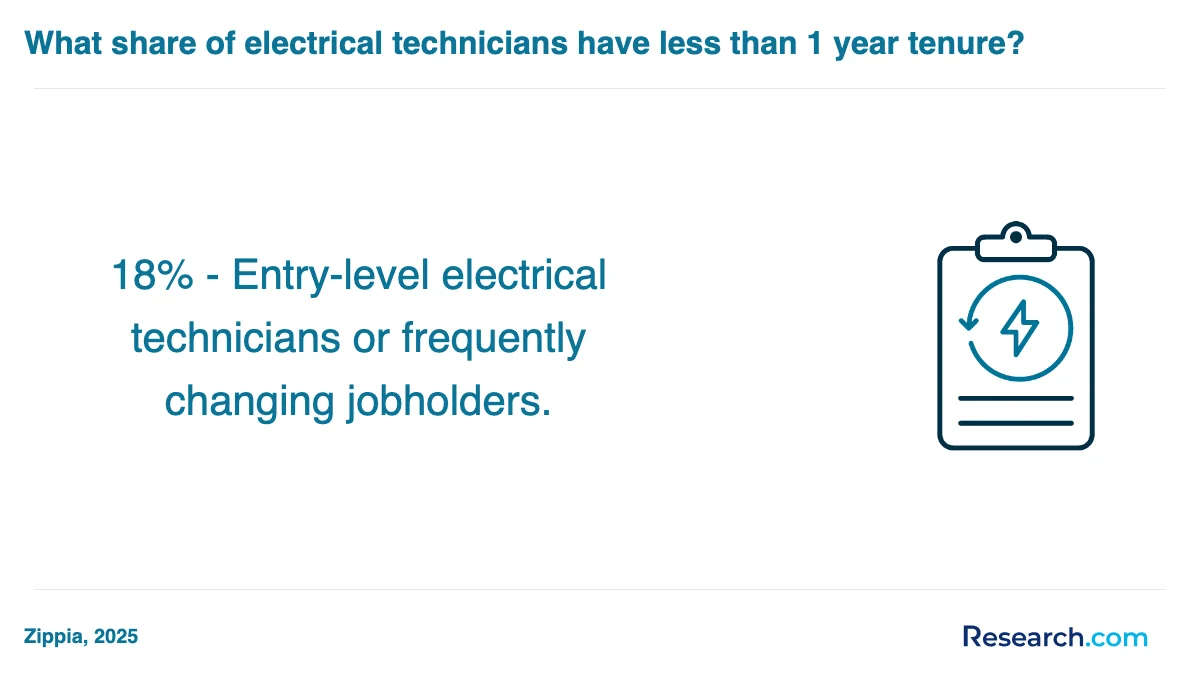
Electrician trade school students in Colorado can access multiple financial aid options to ease the cost of tuition and tools. Most programs, including popular schools like IntelliTec College, participate in federal aid through FAFSA, unlocking Pell Grants that don't require repayment, federal student loans, and work-study opportunities. Graduates often recall how Pell Grants made a huge difference in managing expenses while focusing on their training.
Many students benefit from apprenticeship programs where they earn wages while learning, sometimes with tuition fully or partially covered by employers or unions. This "earn while you learn" model helps students avoid debt and gain hands-on experience simultaneously.
State-specific options like the CollegeInvest 529 Savings Plan allow families to save tax-free for apprenticeship costs. Veterans find extra support via GI Bill benefits, and schools often provide dedicated staff to help navigate these resources. Scholarships and tuition reimbursement programs from employers also create more pathways to affordable electrician training in Colorado.
To enroll in an electrician trade school program in Colorado, candidates typically need a high school diploma or GED. This foundational requirement ensures students possess basic math and reading skills essential for understanding electrical theory and codes.
Many trade schools in Colorado also require prospective students to pass a basic aptitude test covering math and reading comprehension. Graduates from popular schools often mention how this step helped them feel confident and prepared before starting hands-on training.
Applicants should be at least 18 years old, as some programs involve apprenticeships that require legal adult status. Physical fitness and manual dexterity are often highlighted, since the work involves lifting, climbing, and precise hand movements.
Trade schools encourage applicants to have a positive attitude toward learning and safety. For example, graduates from well-known Colorado programs recall how embracing safety culture early on made their training more enjoyable and rewarding.
- High school diploma or GED
- Basic math and reading aptitude test
- Minimum age of 18 years
- Physical ability for manual tasks
- Willingness to learn and follow safety protocols

Electrician trade school programs in Colorado focus on hands-on, practical courses to prepare students for real-world challenges. Graduates from popular schools often highlight how the curriculum blends essential theory with applied skills, making each lesson immediately useful on job sites.
Core courses cover:
- Electrical theory: Understanding current, voltage, resistance, and circuitry helps students confidently troubleshoot systems.
- Wiring methods: Learning residential and commercial wiring through lab and fieldwork builds solid installation skills.
- National Electrical Code (NEC) and local codes: Students master legal standards to ensure safety and compliance.
- Grounding and bonding: Safety techniques taught here protect both electricians and customers.
- Safety training: With 10-40 hours covering OSHA protocols, students feel secure and prepared.
Additionally, many programs provide experience with common tools and hardware, plus reading building plans and installing fixtures. Graduates appreciate how simulations and critical thinking exercises mimic real troubleshooting scenarios, boosting confidence before entering the workforce.
Specialized modules in renewables like solar and wind energy reflect Colorado's industry trends, giving students a competitive edge. Courses in customer service and communication also help graduates excel in professional environments, making the transition from school to job smoother and more rewarding.
Electrician trade school specializations in Colorado cover a broad range of focused career paths to equip students with hands-on skills tailored to industry demands. Popular programs at schools like Red Rocks Community College and the Denver Joint Electrical Apprenticeship and Training Committee offer practical training in areas such as construction, maintenance, and power technology. Graduates often share how the Construction Electrician track taught them essential skills in residential and commercial wiring, enabling them to confidently handle real-world projects from day one.
Specializations commonly include:
- Construction Electrician: Wiring and systems for homes and businesses
- Maintenance Electrician: Repair and upkeep in industrial environments
- Power Technology: Work in power generation and distribution facilities
- Residential Wiring: Focus on family homes and apartments training through DJEATC
- Telecommunications Installer-Technician (VDV): Installation of low-voltage communication networks
Many students find that these focused pathways align perfectly with Colorado electrician apprenticeship programs, providing a smooth transition into rewarding careers. For those exploring renewable energy fields, exploring the top wind turbine technician training programs online can also complement traditional electrician studies.
To choose the best electrician trade school Colorado, start by confirming the program's accreditation. Graduates from schools like Red Rocks Community College often share how accreditation gave them confidence that their training met industry standards and was respected by employers and licensing boards in Colorado. This accreditation also opens doors to federal financial aid, making programs more affordable and accessible.
Next, compare electrician programs Colorado by looking at the type of credentials offered. Many students find that apprenticeship programs, such as those at Emily Griffith Technical College, offer a rewarding mix of classroom instruction and paid, hands-on experience. This balance helps satisfy journeyman licensing requirements while building real-world skills.
Consider location and schedule flexibility. Students juggling work and family appreciate schools like Colorado Technical University for their multiple campuses and online options across Denver, Aurora, and Grand Junction. Finally, review costs and financial aid carefully. Tuition can vary widely, but you can find support through scholarships or payment plans. For exploring affordable options, check out cheap online electrician trade school programs.
Graduates from electrician trade schools in Colorado have diverse electrician career opportunities in Colorado that match their skills and ambitions. Most begin as apprentice electricians, gaining hands-on experience while completing classroom hours at well-known local schools. For example, many graduates from Denver-area programs share how early work installing residential wiring builds confidence quickly.
After accumulating the required hours-4,000 for a residential wireman or 8,000 for a journeyman-graduates pursue types of electrician licenses in Colorado that unlock specialized roles. Licensed residential wiremen typically focus on home wiring and lighting installations, forming a foundation in the trade.
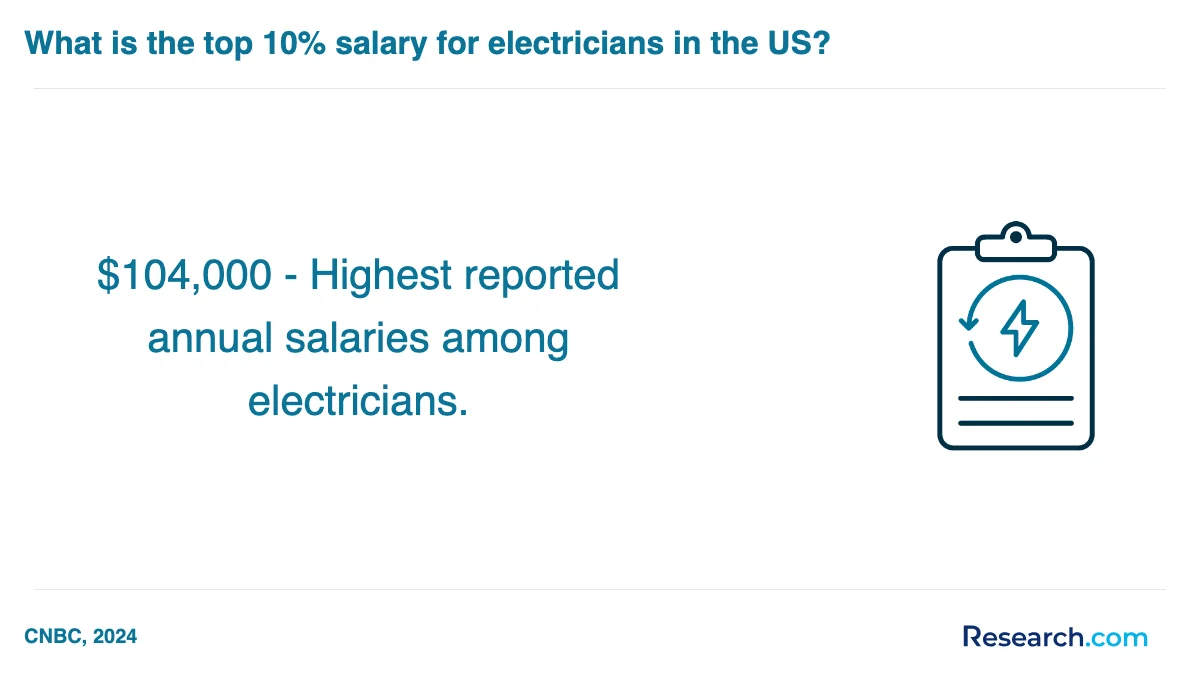
Journeyman electricians then take on commercial and industrial projects independently, often earning between $50,000 and $75,000 annually. Some graduates describe this stage as a satisfying blend of skill growth and steady income. For those aiming higher, becoming a master electrician allows planning and supervising complex projects, with salaries from $60,000 to $80,000, often after additional education.
Entrepreneurial graduates sometimes become independent electrical contractors, managing businesses and bidding for major projects. Others explore niche areas like renewable energy or electrical inspection. For insights into broader trade roles and earnings, students frequently consult resources comparing electrical lineman salary.
The electrician job outlook in Colorado is strong, especially for graduates of respected trade schools in Denver, Colorado Springs, and Fort Collins. Many graduates find jobs quickly due to the high demand fueled by rapid construction and infrastructure projects. Employers value up-to-date training and certifications, and some offer reimbursement for continuing education, helping graduates stay competitive. Graduates report positive experiences finding work in residential, commercial, and renewable energy sectors.
Key advantages for new electricians in Colorado include:
- Above-average hourly wages, with entry-level salaries starting around $38,000 annually and experienced electricians earning up to $96,000 or more
- Opportunities in specialization areas like solar and industrial electrical work, aligned with the state's focus on renewable energy
- Job security, driven by a shortage of skilled labor as many electricians approach retirement
One graduate shared how hands-on training at a popular Colorado trade school led to a job offer within months, with a company supporting further certifications. For those wanting to expand skills, programs like the cheapest and fastest online wind turbine technician certificate programs provide a practical way to enter growing fields tied to electrical work.
Overall, electrician employment opportunities Colorado-wide offer rewarding careers with room for growth, making trade school a smart step for motivated students ready to enter this expanding market.
Most Affordable Electrical Technician Schools & Training - Budget-Friendly Electrical Trade Programs in Colorado for 2026
# 1 position
Red Rocks Community College - Electrician.
associateRed Rocks Community College offers a hybrid Electrician program that prepares students to install, operate, maintain, and repair electric systems including residential, commercial, and industrial wiring. The curriculum covers electronics, electrical systems, safety, job estimation, testing, inspection, and relevant codes. The program’s annual in-state tuition is $4,707, and graduates earn a median salary of $42,173 one year after completion. It is accredited by the Higher Learning Commission.
# 2 position
Red Rocks Community College - Electrician.
certificate or diplomaRed Rocks Community College offers a hybrid Electrician program that trains students to install, operate, and repair electric apparatus and systems, including residential, commercial, and industrial wiring. The curriculum covers electronics, wiring, power transmission, safety, testing, inspection, and relevant codes. Annual in-state tuition is $4,707. Graduates earn a median income of $42,174 one year after completion. The program is accredited by the Higher Learning Commission.
# 3 position
Intellitec College-Colorado Springs - Electrician.
certificate or diplomaThe Electrician program at Intellitec College-Colorado Springs prepares students to install, operate, maintain, and repair electrical systems in residential, commercial, and industrial settings. The hybrid program covers electronics principles, wiring, power transmission, safety, electrical testing, and applicable codes. Instruction includes working with DC and AC motors, controls, and distribution panels. The program is accredited by the Accrediting Commission of Career Schools and Colleges.
# 4 position
Intellitec College-Grand Junction - Electrician.
certificate or diplomaThe Electrician program at Intellitec College-Grand Junction offers hybrid learning options for students seeking technical skills in installing, operating, maintaining, and repairing electrical systems. Coursework covers electronics principles, wiring, power transmission, safety, and applicable codes. The program is accredited by the Accrediting Commission of Career Schools and Colleges, ensuring recognized standards in career education.
# 5 position
Colorado Mesa University - Electrical and Power Transmission Installation/Installer, General.
associateColorado Mesa University offers a hybrid program in Electrical and Power Transmission Installation/Installer, General, preparing students to install residential, commercial, and industrial electrical systems and power transmission lines. The curriculum covers electricity, safety procedures, wiring, insulation, grounding, blueprint interpretation, equipment operation, maintenance, and relevant codes. Annual in-state tuition is $9,712. Graduates have median earnings of $49,330 one year after completion. The program is accredited by the Higher Learning Commission.
# 6 position
Colorado Mesa University - Electrical and Power Transmission Installation/Installer, General.
certificate or diplomaColorado Mesa University offers a hybrid program in Electrical and Power Transmission Installation/Installer, General, preparing students to install residential, commercial, and industrial electrical systems and power transmission lines. The curriculum covers electricity, safety, wiring, insulation, grounding, blueprint interpretation, equipment operation, and codes. The program’s annual in-state tuition is $9,712, and graduates earn a median income of $49,330 one year after completion. It is accredited by the Higher Learning Commission.
Frequently Asked Questions about electrician
After completing an electrician trade school in Colorado, preparing for the job market involves several key steps. First, obtaining an apprenticeship is essential, as Colorado requires aspiring electricians to complete roughly 8,000 hours of on-the-job training before licensure. This practical experience complements classroom learning and is crucial for skill development.
Next, graduates should pursue the Colorado Journeyman Electrician License, which enables independent work and higher earning potential. According to the Colorado Department of Labor and Employment, the demand for electricians is expected to grow by 9% through 2030, reflecting steady job opportunities.
Networking with local trade unions and electrical contractors can lead to valuable job leads. Additionally, maintaining updated knowledge of the National Electrical Code and safety standards improves employability in Colorado's competitive market.
Employers in Colorado highly value electrician trade school graduates who demonstrate strong technical skills, including the ability to read blueprints, understand electrical codes, and safely install wiring systems. According to the Colorado Department of Labor and Employment, practical knowledge of the National Electrical Code (NEC) is essential, as it ensures compliance with safety standards.
Critical thinking and problem-solving abilities are also top priorities, enabling electricians to diagnose and fix issues efficiently on job sites. Communication skills matter, as electricians often collaborate with contractors and clients. Additionally, physical stamina and manual dexterity are important due to the hands-on nature of the work.
Colorado employers increasingly seek certifications such as OSHA safety training and EPA refrigerant handling, which enhance a graduate's job readiness and marketability.
Finding internships in Colorado related to electrician trade school programs involves several practical steps. First, students should connect with their school's career services, as many trade schools maintain partnerships with local electrical contractors and unions. Colorado has a strong labor union presence, including the International Brotherhood of Electrical Workers (IBEW), which offers apprenticeship opportunities that serve as paid internships.
Additionally, the Colorado Department of Labor and Employment provides resources and job listings specific to electrical trade positions. Websites like Colorado's official workforce portal list openings for apprenticeships and internships.
Networking at local trade shows and industry events can also uncover internship opportunities. According to the Bureau of Labor Statistics, Colorado's demand for electricians is projected to grow 8% from 2022 to 2032, making internships more accessible as employers seek skilled workers.
An electrician trade school diploma in Colorado significantly enhances career mobility and advancement opportunities. Graduates gain essential technical skills and knowledge required for state licensing exams, which is a mandatory step to become a journeyman electrician. According to the Colorado Department of Labor and Employment, licensed electricians in Colorado earn a median annual wage of approximately $60,000, a 20% increase compared to non-licensed workers in similar roles.
Trade school programs also provide access to apprenticeships and industry connections, facilitating quicker entry into the workforce. Moreover, diploma holders often qualify for higher-level positions, such as supervisory roles, due to their formal training and certification readiness.
Students attending electrician trade schools in Colorado can benefit from part-time jobs that provide hands-on experience. Positions such as electrical apprenticeships or helper roles with local contractors allow students to apply classroom knowledge in real-world settings while earning income. According to the Colorado Department of Labor and Employment, apprenticeship opportunities in the electrical field are among the fastest-growing part-time jobs, with wages typically ranging from $15 to $22 per hour.
Other complementary jobs include warehouse roles in electrical supply stores or assisting maintenance teams in facilities management. These positions help build familiarity with tools, materials, and safety standards essential for future electricians.
To find the most affordable electrician degree program near me in Colorado, start by researching local community colleges and trade schools, as they often offer competitive tuition rates and quality education in this field. Utilize resources such as Research.com to compare programs based on cost, curriculum, and location to find one that suits your needs. Additionally, consider reaching out to schools near Colorado for information on tuition, scholarships, and financial aid options that may be available to further lower your educational expenses.
- Most Affordable Electrical Technician Schools & Training - Budget-Friendly Electrical Trade Programs in Wyoming for 2026
- Most Affordable Electrical Technician Schools & Training - Budget-Friendly Electrical Trade Programs in Utah for 2026
- Most Affordable Electrical Technician Schools & Training - Budget-Friendly Electrical Trade Programs in Arizona for 2026
- Most Affordable Electrical Technician Schools & Training - Budget-Friendly Electrical Trade Programs in South Dakota for 2026
- Most Affordable Electrical Technician Schools & Training - Budget-Friendly Electrical Trade Programs in Nevada for 2026
- Most Affordable Electrical Technician Schools & Training - Budget-Friendly Electrical Trade Programs in Missouri for 2026
- Most Affordable Electrical Technician Schools & Training - Budget-Friendly Electrical Trade Programs in Arkansas for 2026
- Most Affordable Electrical Technician Schools & Training - Budget-Friendly Electrical Trade Programs in Louisiana for 2026
- Most Affordable Electrical Technician Schools & Training - Budget-Friendly Electrical Trade Programs in Minnesota for 2026
- Most Affordable Electrical Technician Schools & Training - Budget-Friendly Electrical Trade Programs in North Dakota for 2026
- 10 Best Electrician Trade Schools 2024 https://www.accreditedschoolsonline.org/vocational-trade-school/electrician/
- 11 Best Electrician Trade Schools: Training, Cost, and Career Outlook - Podium https://www.podium.com/article/electrician-trade-school
- Online Electrician School: Trade Classes | U.S. Career Institute https://www.uscareerinstitute.edu/online-electrician-school
- Electrical Training - American Trade School https://www.americantradeschool.edu/electrical-training/
- Should You Choose a Trade School or an Apprenticeship? Exploring the Electrical Training Path - InterCoast Colleges https://intercoast.edu/articles/trade-school-apprenticeship/
- Electrician / Electrical | ontariocolleges.ca https://www.ontariocolleges.ca/en/programs/professions-and-trades/electrician-electrical
- Electrician https://www.sait.ca/apprenticeships-and-trades/programs/electrician
- How Much Do Electricians Make: Electrician Salary Guide 2025 https://www.getjobber.com/academy/electrical/how-much-do-electricians-make/
- Electrician | Explore Careers | National Careers Service https://nationalcareers.service.gov.uk/job-profiles/electrician
- Electrician Salary Guide: How Much Do Electricians Earn? https://www.lincolntech.edu/news/skilled-trades/electrical/electrician-salary-guide-how-much-do-electricians-earn