
Most Affordable Electrical Technician Schools & Training - Budget-Friendly Electrical Trade Programs in South Dakota for 2026

Co-Founder and Chief Data Scientist
Choosing the right electrician trade school in South Dakota can be a big step toward a rewarding career. This article introduces a carefully crafted electrician trade school programs ranking created by the Research.com team of data scientists to help you make an informed decision.
Discover affordable options that match your goals and budget while gaining valuable skills. Whether you seek a diploma or certification, investing in your education opens doors to steady work and personal growth.
Explore this guide to find the best programs worth considering for 2026 and start building your future with confidence.
Key benefits of finishing electrician trade school in South Dakota
- Graduates of electrician trade schools in South Dakota can expect starting salaries around $36,000 to $50,495 annually, with experienced electricians earning up to $72,750, offering strong financial rewards early in their careers.
- Career paths for graduates include roles like journeyman electrician or specialized positions in sectors such as agriculture, healthcare, and manufacturing, providing diverse and stable job opportunities.
- Completing an electrician trade school online offers flexibility and convenience, allowing students to balance work and study while gaining practical skills, as many online graduates report faster entry into the workforce compared to traditional degrees.
- Most Affordable Electrical Technician Schools & Training - Budget-Friendly Electrical Trade Programs in South Dakota for 2026
- What can I expect from electrician trade schools in South Dakota?
- Where can I work after finishing electrician trade schools in South Dakota?
What can I expect from electrician trade schools in South Dakota?
Enrolling in an electrician trade school program in South Dakota means diving headfirst into a world where theory meets hands-on hustle. Picture yourself at Mitchell Technical Institute, starting your day solving wiring puzzles and mastering tools that soon become second nature. You'll juggle algebra and electrical codes one moment, then build circuits and troubleshoot in labs the next, feeling the thrill of sparks-safely contained-lighting up your learning.
Expect a rigorous blend of classroom lessons and real-world grit. Graduates from Western Dakota Technical Institute often recall clocking thousands of hours on actual job sites, partnering with local contractors or union apprenticeship programs like Dakotas JATC. This isn't just school-it's a launchpad where 6,000 to 8,000 hours of on-the-job experience become your ticket to a journeyman license.
South Dakota's programs demand more than smarts; they require dedication. Safety tests gatekeep your access to labs, tools must be your trusted sidekicks, and every completed hour edges you closer to licensure. Southeast Technical College grads celebrate the balance of classroom clarity and hands-on confidence that prepares them to light up homes and businesses across the region.
Where can I work after finishing electrician trade schools in South Dakota?
After finishing an electrician trade school program in South Dakota, graduates often find themselves stepping into hands-on roles as apprentice electricians. Imagine starting your day in Sioux Falls or Rapid City, working alongside seasoned journeypersons, learning to install and repair electrical systems in homes or bustling businesses. Trade school grads from places like the Southeast Technical Institute or Mitchell Technical College share how this early experience builds confidence and skill fast.
Many also land jobs with electrical contractors such as SV Electric or Sioux Falls Electric, where every building project becomes a new challenge and opportunity. Others find rewarding careers with utility companies like Dakota Energy Cooperative or FEM Electric, maintaining power lines that light up rural South Dakota communities. Seasonal and permanent roles at these co-ops offer a unique blend of steady work and the satisfaction of supporting your neighbors.
For those drawn to industrial settings, manufacturing plants and food processing facilities provide chances to keep complex electrical systems humming. Graduates often describe the excitement of working with cutting-edge equipment, knowing their trade school training gave them the edge. With over 180 job listings statewide, the demand for skilled electricians means you can find a path that suits your passions and lifestyle.
Picture this: you finish your electrician trade school program in South Dakota, maybe from one of the well-known local schools, and suddenly your paycheck starts to tell a different story. Right out of the gate, many grads land jobs paying around $36,870 annually-enough to cover rent, a reliable ride, and maybe a weekend getaway. It's not just a job; it's a launchpad.
Push through the early years, gain your journeyman license, and watch that number jump. Journeyman electricians in South Dakota earn between $61,000 and $61,697 a year, with some hitting the $76,500 mark after a decade. One recent grad shared how overtime and specialized certifications turned a decent salary into something that supports a growing family and a few extra comforts.
Sure, wages here run about 14% below the national average, but compared to other trades in the state-like HVAC or building inspection-electricians hold their own, often with better benefits and steady work.
- Most electrician trade school programs in South Dakota require a high school diploma or GED, with some asking for a minimum GPA or test scores.
- Apprenticeship programs require about 8,000 hours of hands-on training, while Associate of Applied Science degree holders complete 6,000 hours to qualify for a journeyman license.
- Apprenticeship applicants often must be at least 18, have a valid driver's license, and demonstrate algebra proficiency.
- Annual book fees can be around $696, with tuition and tool costs varying by school; public technical colleges usually offer lower tuition.
- Entry-level electricians earn approximately $42,000 to $48,000 per year, while experienced electricians can earn over $60,000 annually in South Dakota.
In South Dakota, completing an electrician trade school program typically takes about 9 to 12 months, but this timeframe can feel like a thrilling sprint or a steady climb depending on your pace.
Imagine walking the halls of a popular trade school in Sioux Falls or Rapid City, where graduates often share how immersive hands-on labs and real-world wiring projects made the months fly by. One graduate recalls how the intense, focused curriculum molded their skills quickly, turning nervous beginners into confident apprentices ready for the workforce.
Because programs blend classroom theory with practical experience, students often feel the excitement of wiring their first circuit or troubleshooting electrical panels before the school year even ends. Some schools offer flexible schedules, letting students accelerate their path or balance work and study, making the 9- to 12-month window adaptable to different lifestyles.
For many, this manageable timeframe means trading uncertainty for a clear, energizing roadmap toward a rewarding electrician career in South Dakota.
Imagine juggling a full-time job and family while diving into electrician studies-online programs at Western Dakota Technical Institute make this possible, offering the freedom to learn NEC codes and electrical theory anytime, anywhere. Graduates often praise how interactive simulations turn complex concepts into "aha" moments from their living rooms. Yet, they quickly realize that wiring a real circuit demands hands-on practice that no screen can fully replicate.
On-campus programs, charging a bit less per credit hour, immerse students in South Dakota's labs where the buzz of voltmeters and the feel of cable testers under expert supervision bring lessons to life. Graduates recall the thrill of reading wiring diagrams and troubleshooting in real time-skills essential for the 2,000 apprenticeship hours required to get licensed here.
Both paths spark excitement and confidence, but true mastery blooms only when online flexibility meets the grit of hands-on training in South Dakota's electrician schools.
When considering the average tuition fees for electrician programs in South Dakota, expect to invest between $4,000 and $15,000 depending on your chosen path. Graduates from programs like Lake Area Technical Institute recall that the two-year Electrician Technology diploma, costing about $10,500 annually, felt like a solid investment in their future. Meanwhile, those who pursued the associate degree route, such as at Southeast Technical College in Sioux Falls, often faced total expenses for electrician trade schools in South Dakota nearing $18,830, which includes tuition, fees, books, and supplies-a heavier outlay but one that unlocked broader opportunities.
Tool costs add another layer to budgeting, with students budgeting $500 to $1,200 for essential electrician kits. Imagine picking up wire strippers and multimeters, tools that quickly become extensions of your hands during hands-on learning. Many students appreciate that while some institutions bundle these expenses, having your own kit means stepping into the real world feeling prepared and confident.
For those keeping an eye on affordability, financial aid options lighten the financial weight. Federal Pell Grants, state scholarships, and workforce training grants from the South Dakota Department of Labor and Regulation are lifelines that trade school hopefuls tap into with relief. And if online learning fits your lifestyle better, check out the cheapest maintenance technician training online, which sometimes cross-applies or complements electrician skills training.
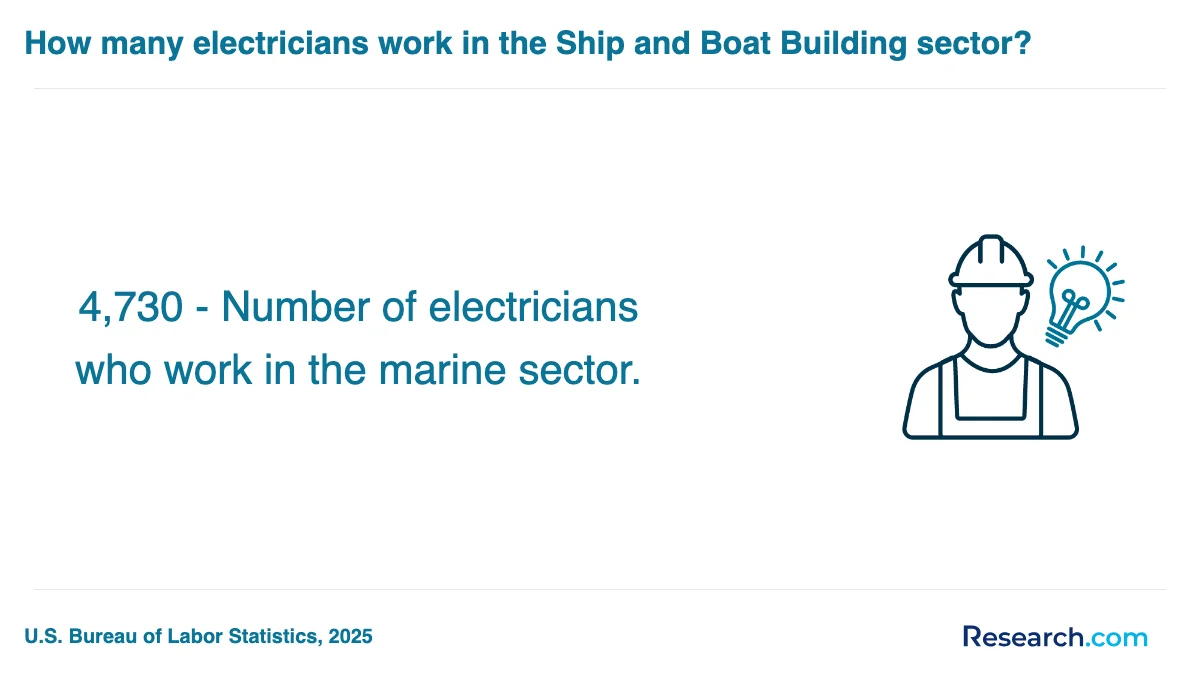
Electrician trade school students in South Dakota often find financial aid feels like a lifeline, turning dreams into reality. Graduates from schools like Mitchell Technical College recall how the Free Application for Federal Student Aid (FAFSA) opened doors to the Federal Pell Grant Program, easing tuition burdens with awards up to $5,550 annually. It's not just about grants; some students snagged extra help through the Federal Supplemental Educational Opportunity Grant (FSEOG), scoring up to $600 more when timing was right.
Work-study gigs on campus have been a game-changer too. At Lake Area Technical College, students balanced classes and part-time jobs, earning while learning and lessening loan stress. Then there's the Build Dakota Scholarship, a full-ride ticket covering tuition, fees, and supplies for those diving into electrical trades at state technical colleges-imagine zero out-of-pocket costs just for pursuing your passion.
Local scholarships also spark hope. AGC of SD's $84,000+ in awards and tribal scholarships like the South Dakota Native Homeownership Full-Ride have lifted many. One graduate shared how the AmericanTrucks Student Scholarship helped cover a semester's essentials with a $2,500 boost, turning financial worries into motivation.
South Dakota's electrician students don't just pay for school-they invest in futures powered by smart aid choices.
Ready to spark your career in South Dakota's electrician trade schools? The prerequisites might surprise you with their straightforwardness and practicality. Unlike complex hoops, these schools want motivated individuals, not perfect resumes.
Typical requirements include:
- Proof of a high school diploma or GED-nothing fancy, just the basics to show you're prepared for learning.
- A genuine passion for hands-on work, often demonstrated through a simple interview or a short skills test.
- Sometimes, a clean driving record if the program involves travel to job sites.
Graduates from schools like those in Sioux Falls or Rapid City often share how these entry points opened doors without unnecessary barriers. One recalls walking in nervous but leaving confident, having proven determination outweighed any formal credential. Imagine starting your day with tools in hand, learning circuits in real-time rather than just textbooks.
South Dakota's approach is clear: bring your grit, your curiosity, and your willingness to learn. The rest falls into place with guidance from instructors who've been where you want to go.
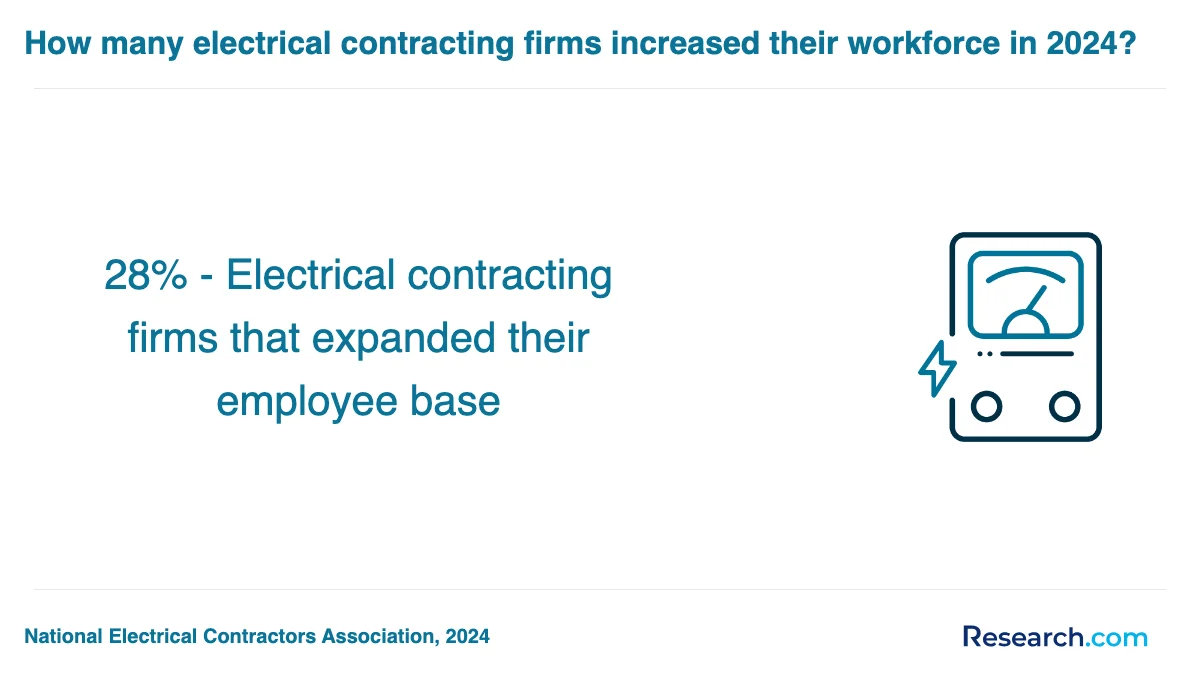
At South Dakota's top trade schools like Mitchell Technical College and Southeast Technical College, electrician students dive headfirst into courses that perfectly balance brain and hands. Imagine mastering Electrical Theory by calculating voltage and current, then immediately applying those skills wiring up a real circuit panel. Graduates rave about how Blueprint Reading classes turned confusing technical drawings into clear roadmaps for their projects.
Here's a snapshot of what lights up the curriculum:
- Basic Math Computations and Algebra: Essential for decoding electrical formulas and solving real-world problems.
- National Electrical Code (NEC): Learning the rules that keep homes and businesses safe and compliant.
- Motor Controls and PLCs: Gaining hands-on experience with automation and motor troubleshooting.
- Safety and OSHA Regulations: Training that makes you confident on any job site.
- Telecom Cabling and Power Distribution: Skills that expand your expertise beyond basic wiring.
Graduates often highlight how these courses, especially when paired with extensive hands-on labs, prepare them to jump straight into apprenticeships or entry-level roles with confidence and pride.
Electrician trade school programs in South Dakota dive deep into a spectrum of specializations that prepare students for dynamic, hands-on careers. Graduates from Southeast Technical College rave about mastering residential wiring, motor controls, and the ever-crucial National Electrical Code, giving them a leg up in electrician apprenticeships South Dakota-wide. Imagine confidently navigating commercial electrical systems or industrial maintenance after a well-rounded course load that covers everything from blueprint reading to safety protocols.
Those attending Mitchell Technical College often highlight the thrill of troubleshooting real motor control circuits and interpreting electrical codes-skills they rely on daily in the field. Their journey through electrical theory and hands-on tool training feels like unlocking new superpowers for any residential or industrial job.
Western Dakota Technical College students praise the blend of classroom lessons with on-site experience, prepping them for varied roles in construction, mining, and manufacturing. With a foundation this solid, stepping into South Dakota's electrician training programs feels less daunting and more exciting, especially when paired with endorsements for the cheapest online electrician training.
- Residential Wiring
- Commercial Electrical Systems
- Industrial Electrical Maintenance
- Motor Controls
- Programmable Logic Controllers (PLCs)
- Blueprint Reading
- National Electrical Code Compliance
- Safety and First Aid Practices
Choosing the best electrician trade schools South Dakota means digging deeper than just cost or location. Imagine yourself as a graduate describing how Southeast Technical College's accredited program shaped their skills through hands-on training in the Ed Wood Trade and Industry Center-wiring circuits while mastering blueprint reading and safety protocols. That real-world experience made all the difference when stepping onto job sites.
Affordable electrician programs South Dakota truly shine when they offer strong job placement rates and apprenticeship opportunities. Graduates report feeling confident entering the workforce after completing 2,000 apprenticeship hours integrated into their studies, which fast-tracks certification. Financial aid, like the Build Dakota Scholarship, has turned the dream of becoming an electrician into reality for many facing tuition worries.
If you're exploring quicker routes, consider connecting your education to fast affordable wind turbine tech certificate programs online; this can complement your electrician training with expanding green energy skills, amplifying your career prospects in South Dakota's evolving energy sectors.
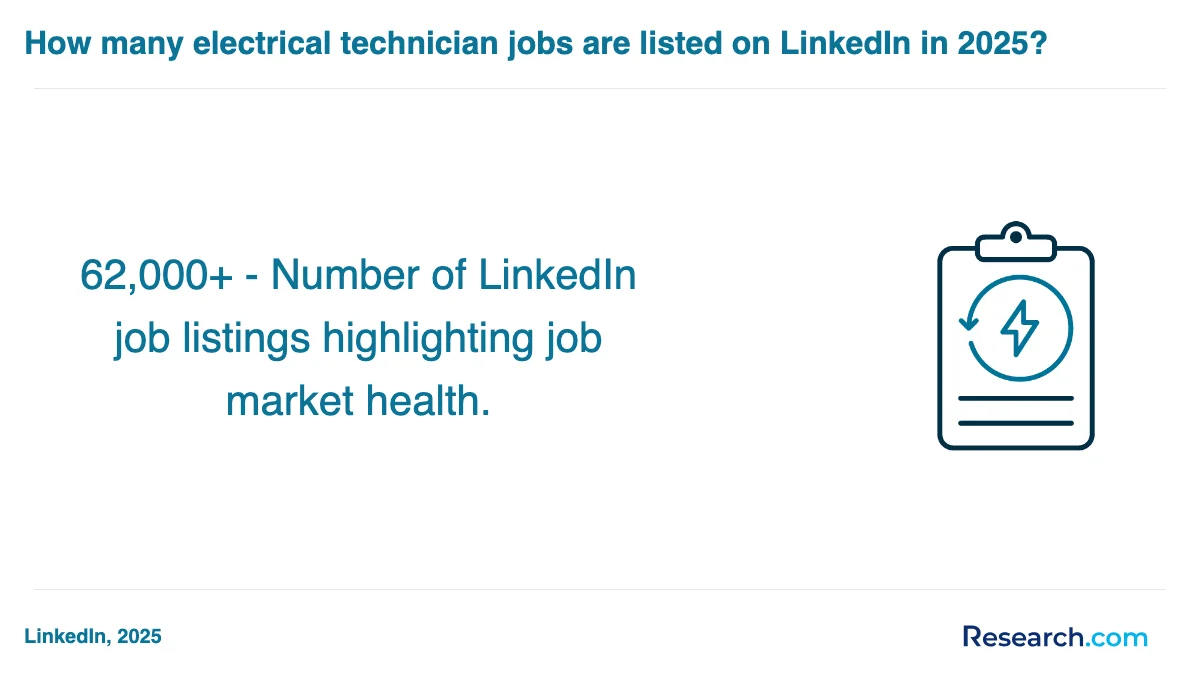
Electrician trade school graduates in South Dakota often kick off their careers as apprentice electricians, diving into real-world projects under seasoned pros. Imagine spending your days wiring homes or commercial buildings, gaining hands-on skills while absorbing valuable knowledge from journeymen. This phase is where electrician apprenticeship programs in South Dakota truly shine, blending classroom lessons from schools like Southeast Technical College with field experience.
Once you've logged enough hours-typically 8,000 unless you've earned a two-year associate degree, which reduces it to 6,000-you can apply for a journeyman electrician license. Journeymen might specialize in residential wiring or industrial maintenance, tasks that require reading blueprints, designing circuits, and ensuring everything meets local codes.
Advancement doesn't stop there. With a couple of years as a licensed journeyman, you could become an electrical contractor, leading teams and managing projects. Graduates from Western Dakota Technical College share stories of stepping into leadership roles and even starting their own businesses, feeling proud of their progress.
- Electrical inspector or supervisor roles offer chances to ensure safety and quality on construction sites.
- Specialized careers in mining, agriculture, or manufacturing transport your skills into unique South Dakota industries.
For those aiming even higher, exploring an affordable electrical engineering online degree can open new doors without leaving the state. Whatever path you pick, South Dakota's strong job market and supportive trade schools make the journey exciting and promising.
Electrician trade school graduates in South Dakota step into a vibrant arena where opportunity sparks daily. The electrician job outlook in South Dakota buzzes with more than 100 openings statewide, spanning apprenticeships to journeyman roles, especially in hubs like Sioux Falls and Brookings. Graduates from popular local trade schools often share stories of swiftly landing positions with utility providers or construction crews, feeling the pride of powering growth in both city skylines and rural towns.
Entry-level roles are widely accessible, frequently leading to journeyman status through hands-on apprenticeships, which many students laud as invaluable real-world training. Expect wages to energize your ambitions, with electrician salary South Dakota 2026 forecasts ranging from a solid $24 up to $55 per hour, rewarding skill and experience alike.
Highlights from graduates' experiences include:
- Access to jobs in construction, manufacturing, and energy sectors
- Employers valuing trade school knowledge as a strong foundation
- Seasonal and long-term opportunities, complete with hiring bonuses and benefits
For those curious about expanding their electrical expertise, exploring the top electrical engineering degree online might illuminate paths beyond trade school, blending classroom with career lightning-fast.
Most Affordable Electrical Technician Schools & Training - Budget-Friendly Electrical Trade Programs in South Dakota for 2026
# 1 position
Mitchell Technical College - Electrical and Power Transmission Installation/Installer, General.
associateMitchell Technical College offers a hybrid Electrical and Power Transmission Installation/Installer, General program that prepares students to install residential, commercial, and industrial electrical systems and power transmission lines. The curriculum covers electricity, safety, wiring, insulation, grounding, blueprint reading, equipment operation, and relevant codes. In-state tuition is $7,524 annually. Graduates earn a median salary of $49,794 one year after completing the program. The program is accredited by the Higher Learning Commission.
# 2 position
Mitchell Technical College - Electrician.
associateThe Electrician program at Mitchell Technical College prepares students to install, operate, maintain, and repair electrical systems in residential, commercial, and industrial settings. This hybrid program covers electronics, wiring, power transmission, safety, job estimation, electrical testing, and applicable codes. Annual in-state tuition is $7,524. Graduates earn a median salary of $49,794 one year after completion. The program is accredited by the Higher Learning Commission.
# 3 position
Oglala Lakota College - Electrician.
associateThe Electrician program at Oglala Lakota College offers a hybrid format with some distance-education options. It prepares students to install, operate, maintain, and repair electric apparatus and systems including residential, commercial, and industrial wiring. The curriculum covers electronics principles, power transmission, safety, job estimation, electrical testing, and applicable codes. Annual in-state tuition is $2,684. The program is accredited by the Higher Learning Commission.
# 4 position
Sinte Gleska University - Electrician.
certificate or diplomaThe Electrician program at Sinte Gleska University is a hybrid course that prepares students to install, operate, maintain, and repair electrical systems in residential, commercial, and industrial settings. The curriculum covers electronics, wiring, power transmission, safety, and electrical codes. Annual in-state tuition costs $4,714. The program is accredited by the Higher Learning Commission.
# 5 position
Southeast Technical College - Electrician.
associateThe Electrician program at Southeast Technical College offers a hybrid format combining in-person and distance education. It trains students to install, operate, maintain, and repair electrical systems in residential, commercial, and industrial settings. Instruction covers electronics, wiring, power transmission, safety, and electrical codes. Annual in-state tuition is $7,650. Graduates earn a median salary of $33,265 one year after completion. The program is accredited by the Higher Learning Commission.
# 6 position
Western Dakota Technical College - Electrician.
associateWestern Dakota Technical College offers a hybrid Electrician program that prepares students to install, operate, maintain, and repair electric systems, including residential, commercial, and industrial wiring. The curriculum covers electronics principles, power transmission, safety, electrical testing, and applicable codes. Annual in-state tuition is $8,008. Graduates earn a median salary of $41,303 one year after completion. The program is accredited by the Higher Learning Commission.
Frequently Asked Questions about electrician
After completing an electrician trade school in South Dakota, preparing for the job market involves several key steps. First, obtaining the necessary state licensure is crucial; South Dakota requires electricians to pass the journeyman or master electrician exam administered by the South Dakota Department of Labor and Regulation. Gaining hands-on experience through apprenticeships or entry-level positions can significantly improve job prospects. Networking with local contractors and trade unions enhances access to job openings. According to the U.S. Bureau of Labor Statistics, the employment of electricians in South Dakota is projected to grow about 8% from 2022 to 2032, indicating steady demand in the field.
Additionally, updating your resume to highlight technical skills and certifications, such as OSHA safety training, can make candidates more competitive. Exploring continuing education opportunities helps keep skills current with evolving electrical codes and technologies. Many employers also value soft skills like communication and teamwork, so developing these can aid in securing employment.
Employers in South Dakota seeking electrician trade school graduates prioritize a mix of technical and soft skills. Proficiency in interpreting electrical blueprints and wiring diagrams is essential, as it ensures accurate installation and maintenance. According to the U.S. Bureau of Labor Statistics, electricians in South Dakota must also demonstrate strong knowledge of electrical codes and safety regulations to comply with state and federal laws.
In addition, critical thinking and problem-solving abilities are highly valued. Graduates who can troubleshoot electrical systems efficiently reduce downtime and increase productivity.
Good communication skills are important, as electricians often collaborate with contractors and clients. Employers also look for hands-on experience gained through apprenticeships or practical training, which trade schools in South Dakota typically incorporate into their programs.
Finding internships in South Dakota relevant to electrician trade school programs involves several practical steps. First, students should connect with their school's career services or apprenticeship coordinators, as many trade schools partner with local electrical contractors for hands-on training. According to the South Dakota Department of Labor and Regulation, registered apprenticeship programs in the electrical field offer structured internships combining paid work with classroom instruction.
Additionally, students can explore opportunities through the South Dakota Building Trades Council, which provides resources and contacts for electrical apprenticeships. Networking at local job fairs and contacting unions like the International Brotherhood of Electrical Workers (IBEW) also increases chances of securing internships.
Obtaining a diploma from an electrician trade school in South Dakota significantly enhances career mobility and advancement opportunities. The diploma serves as a foundational credential, qualifying graduates to enter apprenticeships and meet state licensing requirements. According to the South Dakota Department of Labor and Regulation, licensed electricians in the state earn a median annual wage of approximately $57,000, which is higher than the state average for many other trades.
Trade school programs offer practical skills and industry knowledge that employers prioritize, improving job prospects. Graduates often advance faster into higher-paying roles, such as master electrician or electrical contractor, after gaining experience and additional certifications.
Completion of a trade school diploma also facilitates networking with local contractors and unions, which is crucial in South Dakota's competitive labor market. This credential signals commitment and professionalism, important factors for long-term career growth.
Students enrolled in electrician trade schools in South Dakota can benefit from part-time jobs that provide practical experience and supplement their education. Common opportunities include working as electrical apprentices, where students gain hands-on skills under licensed electricians while earning wages. According to the U.S. Bureau of Labor Statistics, South Dakota's electrician employment is projected to grow by 8% from 2022 to 2032, indicating strong demand for trained workers.
Other roles such as electrical helpers or maintenance assistants in construction and manufacturing sectors also complement classroom learning. These positions help students understand industry standards and safety protocols.
Additionally, part-time work in retail stores specializing in electrical supplies allows exposure to product knowledge and customer service.
To find the most affordable Electrician degree program near me in South Dakota, you can start by researching local community colleges and technical institutes, as they typically offer cost-effective programs. Additionally, consider exploring online resources such as Research.com that provide rankings and information on technical programs, including those near South Dakota. Many universities and community colleges offer financial aid and scholarships, which can further reduce the overall cost of electrician programs.
- Most Affordable Electrical Technician Schools & Training - Budget-Friendly Electrical Trade Programs in North Dakota for 2026
- Most Affordable Electrical Technician Schools & Training - Budget-Friendly Electrical Trade Programs in Minnesota for 2026
- Most Affordable Electrical Technician Schools & Training - Budget-Friendly Electrical Trade Programs in Wyoming for 2026
- Most Affordable Electrical Technician Schools & Training - Budget-Friendly Electrical Trade Programs in Missouri for 2026
- Most Affordable Electrical Technician Schools & Training - Budget-Friendly Electrical Trade Programs in Indiana for 2026
- Most Affordable Electrical Technician Schools & Training - Budget-Friendly Electrical Trade Programs in Arkansas for 2026
- Most Affordable Electrical Technician Schools & Training - Budget-Friendly Electrical Trade Programs in Kentucky for 2026
- Most Affordable Electrical Technician Schools & Training - Budget-Friendly Electrical Trade Programs in Ohio for 2026
- Most Affordable Electrical Technician Schools & Training - Budget-Friendly Electrical Trade Programs in Tennessee for 2026
- Most Affordable Electrical Technician Schools & Training - Budget-Friendly Electrical Trade Programs in Louisiana for 2026
- Employment Opportunities | South Dakota Rural Electric Association https://www.sdrea.coop/employment-opportunities
- South Dakota Board of Regents Employment Opportunities | Journeyman Electrician https://yourfuture.sdbor.edu/postings/43422
- Electrician Degree, Training Programs, School - South Dakota https://www.southeasttech.edu/programs/industrial/electrician/index.php
- Electrician Trade School | Edvisors https://www.edvisors.com/plan-for-college/careers/electrician-trade-school/
- Should You Choose a Trade School or an Apprenticeship? Exploring the Electrical Training Path - InterCoast Colleges https://intercoast.edu/articles/trade-school-apprenticeship/
- 11 Best Electrician Trade Schools: Training, Cost, and Career Outlook - Podium https://www.podium.com/article/electrician-trade-school
- Want to Become an Electrician in 2025? Here’s What You NEED to Know! https://www.youtube.com/watch
- Electrician - Trades Training BC https://www.tradestrainingbc.ca/trades/electrical-telecommunications/electrician
- How Long is Trade School for an Electrician? The Comprehensive Guide - CET https://cetweb.edu/blog/how-long-is-trade-school-for-an-electrician-the-comprehensive-guide
- Electrician https://www.sait.ca/apprenticeships-and-trades/programs/electrician


