
Best Electrical Technician Training Programs & Trade Schools - Top Electrical Tech Schools in Baton Rouge for 2026

Co-Founder and Chief Data Scientist
Choosing the right electrician trade school in Baton Rouge can shape your future career and open doors to rewarding opportunities. This article introduces a carefully crafted ranking of electrician trade school programs, developed by the Research.com team of data scientists to help you make an informed decision.
Whether you’re starting fresh or advancing your skills, earning a diploma or certification in this field offers practical knowledge and job stability. Explore the top programs designed to fit your goals and lifestyle, and take a confident step toward a skilled trade that’s in demand.
Key benefits of finishing electrician trade school in Baton Rouge
- Electrician trade school graduates in Baton Rouge can expect competitive wages, with average hourly rates around $25 to $27 and annual salaries starting near $54,734, offering a strong financial foundation early in their careers.
- Graduates often pursue diverse career paths, including roles as commercial journeyman electricians or specialized positions like security system installers, providing exciting opportunities to match personal interests and skills.
- Completing electrician trade school online provides flexibility and convenience, allowing students to balance learning with other commitments while still gaining valuable hands-on experience through local apprenticeships.
- Best Electrical Technician Training Programs & Trade Schools - Top Electrical Tech Schools in Baton Rouge for 2026
- What can I expect from electrician trade schools in Baton Rouge?
- Where can I work after finishing electrician trade schools in Baton Rouge?
What can I expect from electrician trade schools in Baton Rouge?
When you enroll in an electrician trade school program in Baton Rouge, expect a solid mix of hands-on work and classroom learning that really prepares you for the field. Graduates from places like Baton Rouge Community College often share how they started with basics like safety and residential wiring before moving into more complex topics like motor controls and the National Electrical Code. It's a step-by-step process that builds confidence fast.
At schools like ITI Technical College, students spend a lot of time in labs working directly with real equipment-think motors, transformers, and switch systems-under the watchful eyes of skilled instructors. Many graduates say this practical experience helped them feel ready for actual job sites.
For those juggling work and study, programs like the ABC Training Center offer part-time schedules and apprenticeships that combine classroom lessons with real-world job experience. Many students appreciate how this setup lets them earn while they learn, making the whole process feel achievable and rewarding.
Where can I work after finishing electrician trade schools in Baton Rouge?
After finishing an electrician trade school program in Baton Rouge, many graduates quickly find themselves stepping into exciting roles like apprentice electricians. These entry-level positions, often with local contractors or utility companies, give hands-on experience that feels rewarding-installing wiring in new homes or troubleshooting electrical panels in busy commercial buildings.
As one graduate shared, the training at a popular Baton Rouge trade school really prepared them to confidently work alongside licensed electricians on real job sites. It's common to start earning around $18 to $19.67 per hour while building skills needed to advance.
With experience, journeyman electrician roles open up, where you might lead projects or handle complex repairs at manufacturing plants or public sector facilities around Baton Rouge. Many graduates appreciate the variety, moving between residential smart home setups and large industrial power systems.
Overall, the local job market is strong, with hundreds of electrician positions available, making Baton Rouge a great place to launch a career right after trade school.
After finishing an electrician trade school program in Baton Rouge, many graduates find themselves stepping into jobs that pay well right away. For example, recent grads from popular local trade schools often share how they started earning around $25 per hour, which adds up to about $52,700 a year if working full-time. That's a solid start, especially when you consider entry-level salaries typically range from $41,671 to $47,784 annually.
As these electricians gain experience and certifications, their pay tends to rise. Many report moving into the $47,784 to $63,000 per year range within a few years. Some who specialize, like installing security or fire alarms, can earn between $37,630 and $55,940. Those working on power-line repair often see even better pay, sometimes up to $75,000 annually.
One graduate mentioned feeling excited about how quickly their skills translated into a paycheck that supports their lifestyle. With steady demand in Baton Rouge, it's encouraging to know your hard work at trade school can open doors to these opportunities.
- Entry requirements usually include a high school diploma or GED, and some programs may require basic skills tests or employer letters.
- Programs typically last between 15 and 24 months, with examples like an 18-month certificate at ITI Technical College.
- Costs range from $10,000 to $20,000 for full completion, including materials and fees, with financial aid options available.
- To become a journeyman electrician, you need 4-5 years of experience and must pass a licensing exam; licenses require annual renewal.
- Starting salaries for entry-level electricians in Baton Rouge range from $36,000 to $44,000, while experienced electricians can earn $60,000 to $80,000 or more.
Most electrician trade school programs in Baton Rouge typically take about 9 to 12 months to complete. Graduates from popular local schools often mention how the condensed schedule helped them jumpstart their careers without feeling overwhelmed. Imagine attending classes a few evenings a week or on weekends while still having time for family or a part-time job-this flexibility is a big plus for many students.
Some students appreciate hands-on training that starts early in the program, making the learning process feel real and exciting from day one. This practical approach, common in Baton Rouge trade schools, makes the months fly by because you're not just sitting in a classroom; you're wiring circuits and troubleshooting electrical systems in labs that mirror actual job sites.
Graduates often share how finishing within a year gave them confidence to start apprenticeships or entry-level jobs quickly, turning their investment in time into real-world experience and income. For anyone eager to get into the field fast, Baton Rouge offers a solid mix of quality and speed in electrician training.
The biggest difference between online and on-campus electrician trade school programs in Baton Rouge comes down to how you learn and practice the skills. Online programs, like the 100% virtual course at Baton Rouge Community College, let you study from anywhere and go at your own pace. Graduates often mention how convenient it is to fit classes around work or family, using interactive simulations and quizzes to get the theory down. But since there's no hands-on lab time, some say it feels a bit like learning to swim without water-helpful, but missing the real experience.
On the other hand, on-campus programs at places like Unitech Training Academy mix classroom learning with real lab work. Students spend hours handling tools and wiring setups under instructors' watchful eyes. Many graduates talk about how this hands-on time boosted their confidence and prepared them for actual jobs. Plus, being around other students and teachers makes it easier to ask questions and build connections.
Some Baton Rouge schools even offer hybrid options, blending online lessons with in-person labs, which gives you a bit of both worlds.
When looking at the average tuition fees for electrician programs in Baton Rouge, you're typically seeing a range between $5,000 and $30,000 depending on where you enroll. Community colleges tend to be on the lower end, charging around $5,000 to $20,000, which makes them a popular choice for many local students aiming to enter the trade without breaking the bank. Graduates from these programs often mention feeling relieved about not having a mountain of debt while still earning solid skills.
Private trade schools in Baton Rouge can be pricier, usually falling between $15,000 and $30,000. But many of these schools, like the well-regarded ITI Technical College with their Electrical Technology Certificate Program, offer hands-on training that students find incredibly rewarding. While specific tuition details for ITI aren't always clear upfront, students report that the investment feels worthwhile due to the quality of education and career support.
It's also important to factor in total expenses for electrician trade schools in Baton Rouge beyond tuition. Materials, tools, uniforms, and textbooks can tack on an extra $1,000 to $3,000. Many students share how budgeting for these additional costs ahead of time helped them stay on track and avoid surprises during their training.
Financial aid and scholarships can make a big difference as well. Programs often accept FAFSA, and groups like NECA provide scholarships that really help soften the financial load. Some students love the flexibility of installment plans or work-study options, which allow them to earn while learning.
For those exploring options, the best trade schools for electrician can offer guidance on reputable programs with transparent costs and strong outcomes.

Students studying electrician programs in Baton Rouge often find a good mix of financial aid options that really help ease the burden. Many graduates from popular schools like ITI Technical College share how filling out the Free Application for Federal Student Aid (FAFSA) opened doors to federal grants like the Pell Grant and low-interest loans, making tuition more manageable. It's a simple, free step that can surprise you with the amount of aid you qualify for, even if you don't think you'll get much.
State grants and workforce development programs also come into play, especially for those who are unemployed or looking to level up their careers. Some students have had their entire tuition covered through these programs, which are designed to support high-demand trades like electrical work.
For those joining apprenticeships, things can get even better. Many apprenticeships in Baton Rouge come with tuition reimbursement or direct employer payments, plus you get paid while learning on the job-making it a win-win.
Plus, some schools offer their own scholarships and flexible payment plans, which past students say made staying on track with bills way less stressful.
Getting started in an electrician trade school program in Baton Rouge usually means meeting a few straightforward prerequisites that set you up for success. Most schools expect you to have a high school diploma or GED, which makes sense since you'll be diving into some technical stuff like math and electrical theory. Graduates often mention how their solid high school foundation helped them feel confident from day one.
Besides that, schools like those popular in Baton Rouge often require:
- Basic math skills-think algebra and geometry, which you'll use a lot on the job.
- Proof of residency or a local address, since many programs prioritize Baton Rouge residents.
- Passing a placement test or interview, to make sure you're ready for the hands-on learning ahead.
Many students share that being honest about your eagerness to learn and showing up ready to work hard can sometimes weigh as much as formal qualifications. For example, graduates from well-known Baton Rouge trade schools recall how demonstrating commitment during orientation made a big impression on instructors, boosting their confidence to tackle the course.
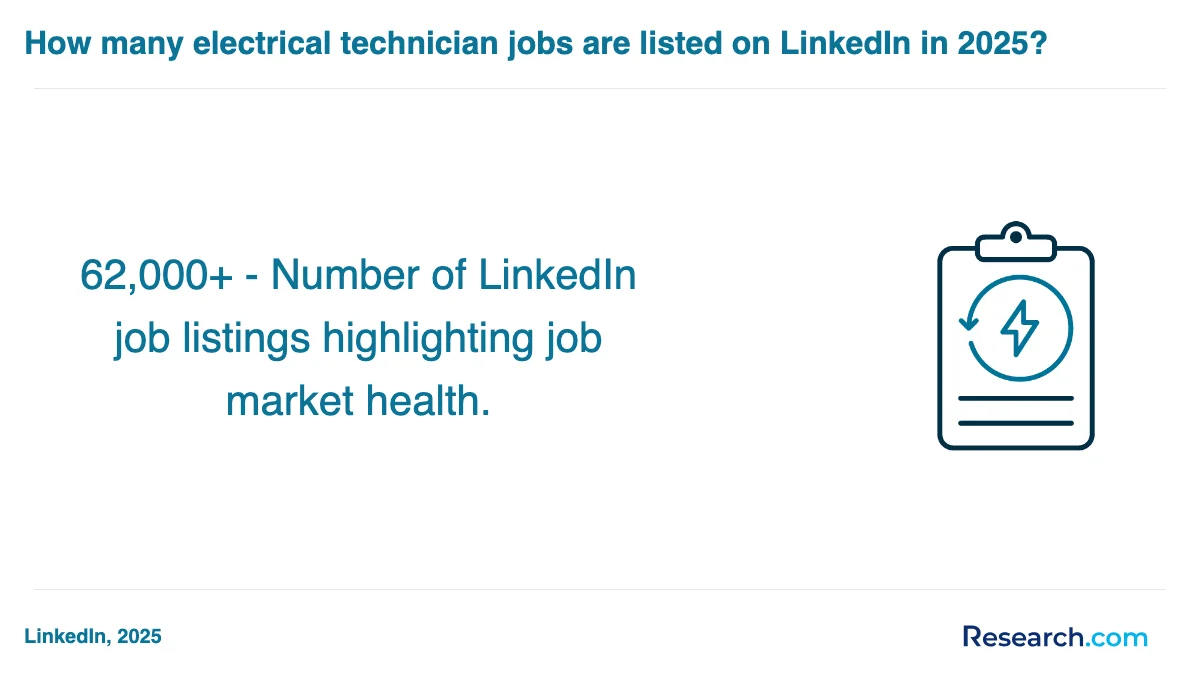
Electrician trade school programs in Baton Rouge usually start with foundational courses that get you comfortable with the basics. For example, students at Baton Rouge Community College often begin with Introduction to Craft Skills, where they learn essential workplace safety, basic hand tools, and industry standards. Graduates say this course really helped them feel confident and ready for hands-on work.
As you move up, courses get more technical. In Electrical Level 1, which is about 9 credit hours, you dive into electrical theory, wiring methods, blueprint reading, and the National Electrical Code (NEC). Students often mention how helpful the mix of classroom lessons and lab exercises was, especially when working on residential wiring projects.
Next, Electrical Level 2 expands your skills with commercial and industrial wiring, motor controls, and transformers. This is usually split into two parts, each six credit hours. Hands-on labs here make complex topics like troubleshooting feel much less intimidating.
Higher levels, like Electrical Levels 3 and 4, involve advanced topics such as programmable logic controllers (PLCs), relay logic, and detailed NEC applications. Many say these courses push you to think critically and prepare you for real-world challenges.
Some trade schools, like ITI Technical College, also focus heavily on safety and problem-solving using actual equipment, which graduates find invaluable when stepping into their first job. Extra topics like robot troubleshooting and Lean manufacturing are offered too, which is perfect for those wanting to work in Baton Rouge's growing industrial sector.
- Introduction to Craft Skills: safety, hand tools, industry basics
- Electrical Level 1: theory, wiring, blueprint reading, NEC
- Electrical Level 2: commercial wiring, motor controls, troubleshooting
- Electrical Levels 3 & 4: PLCs, relay logic, advanced NEC applications
- Specialized topics: robot troubleshooting, Six Sigma, Lean manufacturing
If you're exploring electrician trade school programs in Baton Rouge, you'll find several paths tailored to your career goals. Many graduates from popular schools like Baton Rouge Community College love how the electrician program specializations in Baton Rouge cover residential, commercial, and industrial electrical work, helping them feel confident handling wiring in homes, businesses, or factories. These programs typically build skills step-by-step, starting with basics and moving to advanced motor controls and safety training.
Others who want to dive deeper into tech enjoy concentrations involving automation and control systems, as offered by schools like ITI Technical College. These specialties prepare you to work with cutting-edge industrial electronics, perfect for Baton Rouge's busy manufacturing scene. Some students combine electrical training with HVAC or renewable energy studies, opening doors to jobs installing HVAC electrical components or solar panels.
A flexible favorite among students is the option to take courses online, like LSU Eunice's 100% online program focusing on residential wiring and troubleshooting. This approach fits busy schedules and allows specialization in home services. For those curious about how to start or advance their skills, certificate programs like the NCCER at BRCC offer progressive levels catering to apprenticeship or technician roles.
Thinking about affordable options? Check out affordable maintenance technician certification programs online to complement your learning journey.
Choosing the best electrician trade schools Baton Rouge involves looking closely at how programs mix classroom learning with hands-on experience. Graduates from local programs like BREJATC often share how the combination of nearly 900 hours in class and 8,000 hours of real work helped build both confidence and practical skills. This blend makes all the difference when stepping onto job sites for the first time. On the other hand, those who went through ITI Technical College appreciate how their 12-month Electrical Technology Certificate offered quick, focused training that prepares you for residential and commercial work with a strong safety emphasis.
When browsing electrician training programs Baton Rouge, consider program length, accreditation, and how the curriculum aligns with Louisiana's licensing requirements. It's also smart to factor in financial aid options and costs upfront. Many students find it useful to compare programs that also offer the chance to earn college credits or flexible payment plans.
For those also curious about cost-effective options beyond Baton Rouge, checking out the cheapest online electrical engineering programs can provide additional pathways to balance education and budget.
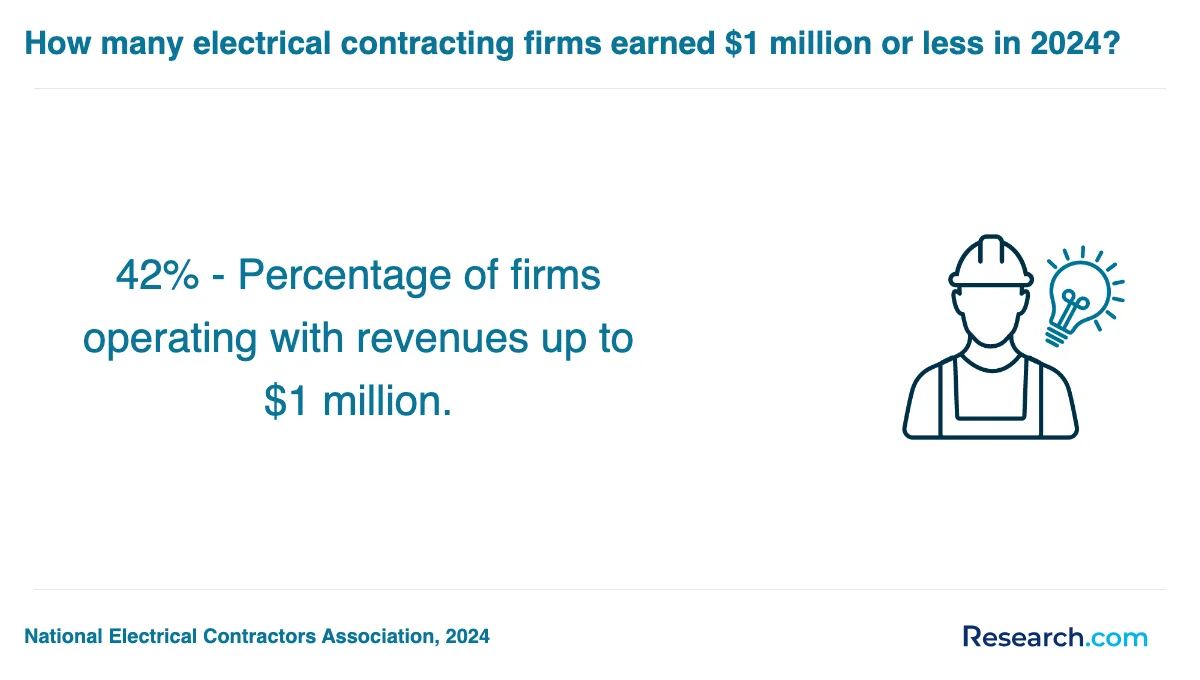
Graduates from electrician trade schools in Baton Rouge jump into a variety of hands-on roles that fit their skills and ambitions. Many start as apprentices, earning while they learn on real job sites-gaining confidence and experience with every hour. Typical starting wages around $19.67 per hour make this an attractive entry point. From there, electrician career opportunities in Baton Rouge open up nicely, with roles like Journeyperson Electrician offering more responsibility, such as wiring homes and offices or solving electrical problems that keep daily life running smoothly.
Popular trade schools in Baton Rouge emphasize programs like the Construction Wireman/Construction Electrician (CW/CE) that help grads step into union-backed positions, providing higher pay and solid benefits. Others take on leadership as Supervising Electricians or specialize as Field Service Technicians, working on commercial or industrial equipment. Having options like these makes the electrician job market Baton Rouge offers pretty exciting for those eager to take control of their career path.
Graduates often talk about the satisfaction of troubleshooting complex systems or installing electrical setups in real-world projects. Some even develop wind turbine technician skills needed to diversify their expertise. All in all, trade schools here are not just about learning electrical basics-they're launching pads for dynamic, well-paid tradespeople ready to make a difference.
The electrician job opportunities in Baton Rouge are looking bright for those who complete local trade school programs. Graduates from popular Baton Rouge trade schools often share that the hands-on training they received prepping them well for real-world jobs, from apprentice roles to licensed electrician positions. Many find themselves quickly snapped up by private companies or public agencies like the State of Louisiana, where starting wages for entry-level roles can be around $20 per hour. Experienced technicians working in residential or commercial settings can earn between $60,000 and $100,000 annually.
What makes Baton Rouge such a promising place is the steady demand created by ongoing construction and infrastructure projects. Graduates often describe how their skills with electrical codes and safety get appreciated immediately on the job. Baton Rouge electrician employment outlook is strong partly because many seasoned electricians are retiring, opening up more opportunities for newcomers.
Popular programs focus on providing:
- Apprenticeship preparation
- Up-to-date safety standards training
- Hands-on experience aligned with current electrical codes
For those wondering how to get started, checking on the electrical engineering degree entry requirements can be a useful step, especially if thinking about broader qualifications in the field.
Best Electrical Technician Training Programs & Trade Schools - Top Electrical Tech Schools in Baton Rouge for 2026
# 1 position
Baton Rouge Community College - Electrician.
certificate or diplomaBaton Rouge Community College offers a hybrid Electrician program preparing students to install, operate, maintain, and repair electric apparatus and systems, including residential, commercial, and industrial wiring. The curriculum covers electronics, wiring, power transmission, safety, testing, inspection, and applicable codes. The program’s annual in-state tuition is $4,221. It is accredited by the Southern Association of Colleges and Schools Commission on Colleges.
# 2 position
ITI Technical College - Electrician.
certificate or diplomaThe Electrician program at ITI Technical College offers a hybrid format with some distance-education options. It trains students to install, operate, maintain, and repair electrical systems and equipment in residential, commercial, and industrial settings. Coursework covers electronics, wiring, safety, testing, codes, and standards. The program is accredited by the Accrediting Commission of Career Schools and Colleges. Annual in-state tuition is $11,711.
Frequently Asked Questions about electrician
After completing an electrician trade school in Baton Rouge, preparing for the job market involves several key steps. First, obtaining the necessary state licenses is crucial; Louisiana requires electricians to pass the Journeyman Electrician exam to work legally. Many graduates also benefit from apprenticeships, which provide hands-on experience and often lead to higher pay.
Networking locally is important-joining organizations like the International Brotherhood of Electrical Workers (IBEW) can open job opportunities. According to the U.S. Bureau of Labor Statistics, Baton Rouge's construction sector is growing steadily, increasing demand for skilled electricians. Finally, maintaining up-to-date certifications in safety and electrical codes improves employability in this competitive market.
Employers in Baton Rouge prioritize several key skills when hiring electrician trade school graduates. Technical proficiency is essential, especially in understanding electrical systems, wiring, and safety protocols. According to the U.S. Bureau of Labor Statistics, practical knowledge of the National Electrical Code (NEC) is crucial for job readiness.
Strong problem-solving abilities are also highly valued, as electricians often diagnose and fix complex electrical issues on-site. Communication skills matter, since electricians must clearly explain problems and solutions to clients and team members.
Physical stamina and manual dexterity are necessary due to the hands-on nature of the work. Additionally, familiarity with modern tools and digital technology, such as circuit testing devices, improves employability in Baton Rouge's growing construction and industrial sectors.
Finding internships in Baton Rouge related to electrician trade school programs involves several practical steps. Start by contacting local trade schools, such as Baton Rouge Community College, which often have partnerships with employers offering hands-on training. These schools usually provide internship placement assistance to students.
Additionally, explore opportunities through the Louisiana Department of Labor, which lists apprenticeship and internship programs in the electrical field. According to recent data, Baton Rouge has over 150 registered apprenticeship programs, many focused on electrical work.
Networking with local electrical contractors and unions like the International Brotherhood of Electrical Workers (IBEW) Local 120 is also beneficial. These organizations frequently offer internships or apprenticeships that comply with state licensing requirements.
Finally, use job boards specific to skilled trades and local career fairs to find current internship openings in Baton Rouge's electrical sector.
Obtaining an electrician trade school diploma in Baton Rouge significantly enhances career mobility and advancement opportunities. According to the Louisiana Workforce Commission, electricians with formal training and certification earn approximately 20% more than those without specialized education. A diploma demonstrates practical skills and knowledge, which employers highly value in this competitive market.
Trade schools in Baton Rouge often include apprenticeship placements, providing real-world experience that can accelerate career growth. Graduates are better positioned to pursue journeyman or master electrician licenses, essential for higher-paying roles and supervisory positions.
Furthermore, the city's expanding construction and energy sectors create steady demand for qualified electricians, making a diploma a vital asset for long-term job security and upward mobility.
Part-time job opportunities in Baton Rouge can effectively complement electrician trade school education by providing practical experience alongside classroom learning. Common roles include electrical helper or apprentice positions, where students assist licensed electricians on job sites. These jobs offer hands-on exposure to wiring, troubleshooting, and safety protocols, reinforcing technical skills taught in school.
Retail positions at hardware or electrical supply stores also help students familiarize themselves with tools and materials frequently used in the trade. According to the U.S. Bureau of Labor Statistics, Baton Rouge has a steady demand for electricians, with an expected 7% growth in employment through 2031, making these roles valuable stepping stones.
Additionally, part-time roles in maintenance or facilities support at local businesses can provide relevant experience in electrical systems management, enhancing a student's practical knowledge while supporting their education.
Yes, there are several programs and universities available near Baton Rouge, LA that offer electrician degree programs. These programs provide a comprehensive curriculum designed to equip students with the practical skills and theoretical knowledge needed to excel in the electrical field. You can utilize resources such as Research.com to find programs near me that will match your educational and professional needs.
- Best Electrical Technician Training Programs & Trade Schools - Top Electrical Tech Schools in Pensacola for 2026
- Best Electrical Technician Training Programs & Trade Schools - Top Electrical Tech Schools in Augusta for 2026
- Best Electrical Technician Training Programs & Trade Schools - Top Electrical Tech Schools in Overland Park for 2026
- A Guide to Skilled Trades Apprenticeships and Internships | BestColleges https://www.bestcolleges.com/trades/guide-to-skilled-trades-apprenticeships-internships/
- Electrical Apprenticeships Near You | IECI https://ieci.org/apprenticeship/
- Opportunities For Students - O’Connell Electric https://www.oconnellelectric.com/careers/students/
- Should You Choose a Trade School or an Apprenticeship? Exploring the Electrical Training Path - InterCoast Colleges https://intercoast.edu/articles/trade-school-apprenticeship/
- Apprenticeship Finder | Apprenticeship.gov https://www.apprenticeship.gov/apprenticeship-job-finder
- Technical Trades Work and Learning Program for Students | MassCEC https://www.masscec.com/technical-trades-students
- 26 Electrician Schools in LA - Hands-On & Awesome [UPDATED 2025] https://electricalschool.org/la/
- NCCER Electrical Level 4 | BRCC https://mybrcc.edu/academics/technical-education/nccer-electrical-level-4.php
- Baton Rouge Electrical Apprenticeship - How to Apply https://www.brejatc.org/applicationinfo
- Online Residential Electrician from Baton Rouge Community College https://careertraining.ed2go.com/mybrcc.edu/training-programs/residential-electrician/


