
Best Electrical Technician Training Programs & Trade Schools - Top Electrical Tech Schools in Savannah for 2026

Co-Founder and Chief Data Scientist
Choosing the right electrician trade school in Savannah can shape your future career. This article introduces a detailed electrician trade school programs ranking created by the Research.com team of data scientists to guide you in making an informed decision.
With so many options available, it’s important to know which programs offer the best training and opportunities. Earning a diploma or certification can open doors to stable jobs and rewarding work.
Explore the schools that stand out and take a confident step toward your professional goals.
Key benefits of finishing electrician trade school in Savannah
- Graduates from electrician trade schools in Savannah can expect an average hourly wage around $28.27, with opportunities to earn more as they gain experience and licenses, potentially reaching up to $43.88 per hour or higher.
- Career paths include becoming licensed electricians or even master electricians, with roles ranging from residential wiring to industrial electrical work, offering steady growth and strong demand locally.
- Completing an electrician trade school online provides flexibility and convenience, allowing graduates to balance work and study while still achieving the skills needed for a rewarding career in Savannah's active job market.
- Best Electrical Technician Training Programs & Trade Schools - Top Electrical Tech Schools in Savannah for 2026
- What can I expect from electrician trade schools in Savannah?
- Where can I work after finishing electrician trade schools in Savannah?
What can I expect from electrician trade schools in Savannah?
Students enrolling in electrician trade school programs in Savannah can expect a comprehensive blend of classroom instruction and hands-on training tailored to real-world applications. At institutions like Savannah Technical College, graduates often highlight how learning electrical theory, wiring methods, and safety protocols prepared them for immediate work in residential and commercial settings.
Programs typically offer flexible pathways, including diplomas, certificates, and associate degrees, catering to different career goals and timelines. Many students appreciate the integration of emerging technologies, such as solar and wind power systems, which reflect Savannah's growing emphasis on sustainable energy solutions.
Practical experience is a cornerstone of these programs, with labs and on-site training allowing students to practice troubleshooting and equipment installation. Apprenticeship opportunities, like those through the Savannah Electrical Training Alliance, provide paid, real-world work combined with classroom learning, enhancing confidence and skill mastery.
Graduates often praise the career support services that connect them with local employers, fueling a positive outlook in a region experiencing strong job growth and competitive salaries.
Where can I work after finishing electrician trade schools in Savannah?
After completing an electrician trade school program in Savannah, graduates find themselves well-prepared for diverse employment opportunities across the city's expanding industrial, commercial, and residential sectors. Many graduates secure positions with construction firms working on new buildings or renovations, while others join electrical contractors servicing local businesses and residential customers. Popular trade schools in Savannah often share stories of graduates who quickly found roles in industrial plants, such as manufacturing facilities or paper mills, where their hands-on training proves invaluable.
Maintenance teams in hospitals, schools, and government buildings also actively recruit skilled electricians, offering graduates steady work and a chance to make a meaningful impact on community infrastructure. Some graduates pursue specialized fields like avionics electrical technician roles at Savannah's airports, reflecting the city's unique industrial landscape.
Career paths typically begin with apprenticeships, where graduates gain real-world experience before progressing to journeyman, supervisor, or estimator positions. Many graduates express satisfaction with the strong job market and competitive wages, feeling confident that their trade school education opened doors to rewarding, stable careers in Savannah's electrical industry.
After completing an electrician trade school program in Savannah, graduates can expect a starting salary typically ranging from $22 to $31 per hour, depending on their employer and experience level. Many graduates from popular local trade schools share that they begin earning around $28 per hour, which translates to approximately $58,800 annually for full-time work without overtime.
Early-career electricians with 1-4 years of experience often report starting wages near $14 per hour, but these rates increase quickly as skills and certifications improve. For example, graduates working for larger employers or the City of Savannah might start lower, around $42,861 per year, but with opportunities to surpass $100,000 annually in management roles.
Many Savannah-trained electricians emphasize how a very active job market offers real chances for wage growth, especially when overtime-sometimes adding nearly $9,400 annually-is factored in. These earnings make completing a trade school program in Savannah a rewarding investment with tangible financial benefits.
- Applicants need a high school diploma or GED, a Georgia driver's license, Social Security card, and proof of Algebra I completion.
- Programs often require a background check, aptitude test, and sometimes an interview with an apprenticeship committee.
- Apprenticeships like the Savannah Electrical Training Alliance last five years, combining paid work with weekly classes.
- Technical college programs cost between $3,000 and $7,000, while apprenticeships typically have low upfront fees, such as a $40 application fee.
- Electrical jobs are projected to grow 23% over the next decade, with starting salaries above $48,000 per year in Savannah.
Completing an electrician trade school program in Savannah typically takes between 9 months and 18 months, depending on the school's curriculum and whether students attend full-time or part-time. Many trade schools in Savannah offer accelerated programs that allow students to finish faster, which is ideal for those eager to enter the workforce quickly. Graduates often share how the structured timeline helped them stay motivated and focused, balancing hands-on training with classroom learning effectively.
For example, students at popular Savannah trade schools often describe their experience as intensive but rewarding, completing their certifications in about a year. This duration includes essential practical hours that simulate real-world electrical work, making the transition to apprenticeships or jobs smoother. The manageable timeframe allows students to maintain enthusiasm and see tangible progress, which many find encouraging as they prepare for a steady career in the electrical field.
Choosing a program with a clear completion timeline gives Savannah electrician students confidence and a reliable roadmap toward their professional goals.
The key difference between online and on-campus electrician trade school programs in Savannah lies in how students gain their skills. Online programs deliver foundational coursework like electrical theory and safety through flexible internet-based classes, ideal for graduates juggling jobs or family commitments. Many appreciate the convenience of studying from home at their own pace, often saving money on tuition and commuting. However, these programs lack the hands-on training essential for real-world electrician work and state licensure in Georgia.
On-campus programs at Savannah trade schools offer direct interaction with instructors and peers, featuring in-person labs where students practice wiring, troubleshooting, and installation under expert supervision. Graduates recall the confidence built by handling actual electrical equipment and the camaraderie formed during collaborative projects. This immersive experience aligns closely with Georgia's licensure requirements, combining theory with mandatory practical hours.
Some Savannah schools provide hybrid options, mixing online theory with scheduled in-person labs, giving students the best of both worlds-flexibility without sacrificing the essential hands-on training.
The average cost of electrician trade schools in Savannah varies depending on program intensity and duration. For example, Savannah Technical College's Residential Electrician course charges tuition fees for electrical programs in Savannah, Georgia at $2,855.00, which many graduates find accessible while still providing a strong foundation for entry-level work. This affordability allows students to focus on hands-on training without excessive financial strain, creating confidence and excitement about their future careers.
Other local options, such as the electrical apprenticeship program offered by the Savannah Electrical Training Alliance in partnership with the Independent Electrical Contractors Atlanta chapter, combine thousands of hours of practical experience with classroom instruction. Tuition costs here differ, but the immersive nature of the program ensures that apprentices gain valuable skills alongside their education, setting them up for successful licensure and work. Many former apprentices describe their program as a rewarding balance of learning and earning, a real-life scenario reflecting both academic and practical growth.
Graduates often highlight additional expenses beyond tuition, such as purchasing tools, textbooks, and licensing fees, which can add several hundred to a few thousand dollars. Considering these costs is crucial when calculating the full investment required. With electricians in Georgia earning an average annual salary of about $59,130, the upfront costs of training can quickly translate into a fulfilling, well-paying career. For those researching pathways in the electrical field, understanding electrical lineman requirements and related career options is also beneficial for long-term planning.
Students pursuing electrician trade school programs in Savannah have access to a variety of financial aid options that make technical education attainable. At Savannah Technical College, for example, over 80% of students receive some form of financial assistance, which often includes federal grants like the Pell Grant. These grants require completing the FAFSA, a straightforward process that determines eligibility based on financial need.
Georgia residents can benefit from the HOPE Career Grant, designed to support students in high-demand fields such as electrical work. Many graduates recall how this grant significantly reduced their tuition costs, allowing them to focus on learning rather than worrying about expenses.
Work-study programs also provide valuable opportunities to earn income while attending classes, often through on-campus jobs. Apprenticeship programs in Savannah add a practical dimension by paying students $15 to $18 per hour as they gain hands-on experience, easing financial stress and boosting confidence as they build their careers.
With average annual tuition around $6,684 at Savannah Technical College and average aid exceeding $7,000, many students find that financial support exceeds their costs, creating a hopeful and encouraging environment for aspiring electricians.
To enroll in an electrician trade school program in Savannah, candidates typically must meet several key prerequisites that ensure readiness and safety for this hands-on profession. Most trade schools require a high school diploma or GED, reflecting the need for basic math and reading skills essential for understanding electrical codes and blueprints.
Applicants often need to provide proof of physical fitness, as electrician training involves climbing ladders, lifting heavy equipment, and working in confined spaces. For instance, graduates from well-known Savannah trade schools frequently share how their initial physical assessments prepared them for the demanding practical sessions.
Additional prerequisites include:
- Being at least 18 years old to comply with labor regulations and apprenticeship eligibility
- Passing a basic math and aptitude test to demonstrate problem-solving skills
- Possessing a driver's license or reliable transportation, as many training sites are off-campus
- Submitting a background check, especially for programs partnered with local contractors or utilities
Graduates often highlight how meeting these requirements made their transition into the program smooth and boosted their confidence. These prerequisites not only prepare students physically and mentally but also foster a strong foundation for success in Savannah's competitive electrician trade environment.

Electrician trade school programs in Savannah typically include a comprehensive set of courses designed to build both knowledge and hands-on skills. Graduates from popular local schools often praise the balance of theory and practice that prepares them for real-world challenges.
Core courses usually cover:
- Electrical Theory: Understanding voltage, current, resistance, and power, which forms the foundation for all electrical work.
- Blueprint Reading: Learning to interpret electrical diagrams to confidently plan installations and troubleshoot issues on site.
- Wiring Methods and Installation: Practical training running wiring and installing components in residential, commercial, and industrial environments.
- Electrical Code: Familiarity with the National Electrical Code (NEC) and local regulations, ensuring safety and legal compliance.
Many students appreciate specialized courses such as Alternative Energy, where they explore solar and sustainable technologies, reflecting the growing green energy sector in Savannah. Safety is emphasized through OSHA Construction Safety training and often CPR certification, which graduates find invaluable for job readiness and confidence on the worksite.
Hands-on experiences, including troubleshooting and repair, are integral, allowing students to apply classroom learning to actual electrical systems. Several graduates highlight how apprenticeship opportunities connected to their programs helped them gain paid, real-world experience alongside their studies, accelerating their career growth.
Electrician training programs Savannah offer distinct specializations designed to prepare students for a range of electrical careers. Savannah Technical College, a leading local trade school, provides programs that combine classroom theory with hands-on training. Graduates often share how their experience in these programs made real-world electrical challenges manageable and engaging.
- Electrical Technology Diploma focuses on residential and industrial systems, teaching students inspection, installation, and repair skills. Many graduates appreciate that completing this diploma can shorten the in-field service requirement for an Electrician's License from four to three years.
- Electrical Utility Technology prepares students for careers in power generation, smart grids, and transmission systems, equipping them with skills sought by electric cooperatives in the region.
- Sustainable Technologies explores renewable energy options like solar and wind power, offering a pathway for students passionate about integrating green energy solutions.
For students seeking electrician certification Savannah, these well-rounded programs offer valuable opportunities to specialize according to career interests. Those looking for flexible options might also explore cheap online electrical lineworker trade school programs that complement local training.
Choosing the best electrician training programs in Savannah starts with verifying accreditation and industry recognition. Graduates from Savannah Technical College often share how its hands-on curriculum and focus on electrical systems installation, maintenance, and safety prepared them confidently for real-world jobs in residential and commercial settings. Programs that integrate alternative energy topics also give students an edge as the electrical sector evolves locally.
Cost is another vital aspect. Prospective students should compare electrician trade school costs Savannah to find affordable options without compromising quality. Many appreciate programs offering apprenticeships through partnerships with the Savannah Electrical Training Alliance or IBEW Local 508, which combine paid on-the-job training with classroom learning-boosting both skills and income.
Admission requirements like a high school diploma, algebra proficiency, and OSHA 10 certification ensure readiness. Graduates often praise schools providing strong job placement support and industry connections, which ease the transition into Savannah's job market. For those exploring financial options, reviewing the most affordable electrical engineering degree online can offer additional guidance.
Graduates of electrician trade school programs in Savannah find a wide range of electrician career opportunities in Savannah GA that suit various interests and skill levels. Starting as apprentice electricians, many gain practical experience working alongside licensed professionals at local companies. Residential and commercial electrician roles are common entry points, allowing graduates to build solid foundations while preparing for licensing exams required by Georgia.
For those seeking specialized electrical technology jobs Savannah Georgia offers pathways in industrial and renewable energy sectors. Industrial electricians maintain complex systems in Savannah's bustling manufacturing and port facilities, while certificates in photovoltaic and sustainable energy from schools like Savannah Technical College expand career horizons into solar and wind technologies.
Successful graduates often advance to journeyman electricians or leadership roles such as job site supervisors or electrical superintendents, earning higher wages and benefits. Specialized technical roles including instrumentation maintenance and electrical drafting also provide rewarding, well-compensated options.
Savannah's electrician trade schools equip students with the skills needed to thrive, making it a smart choice for those ready to build a vibrant career. Those interested can explore the top electrical engineering online bachelors to further broaden their expertise and opportunities.
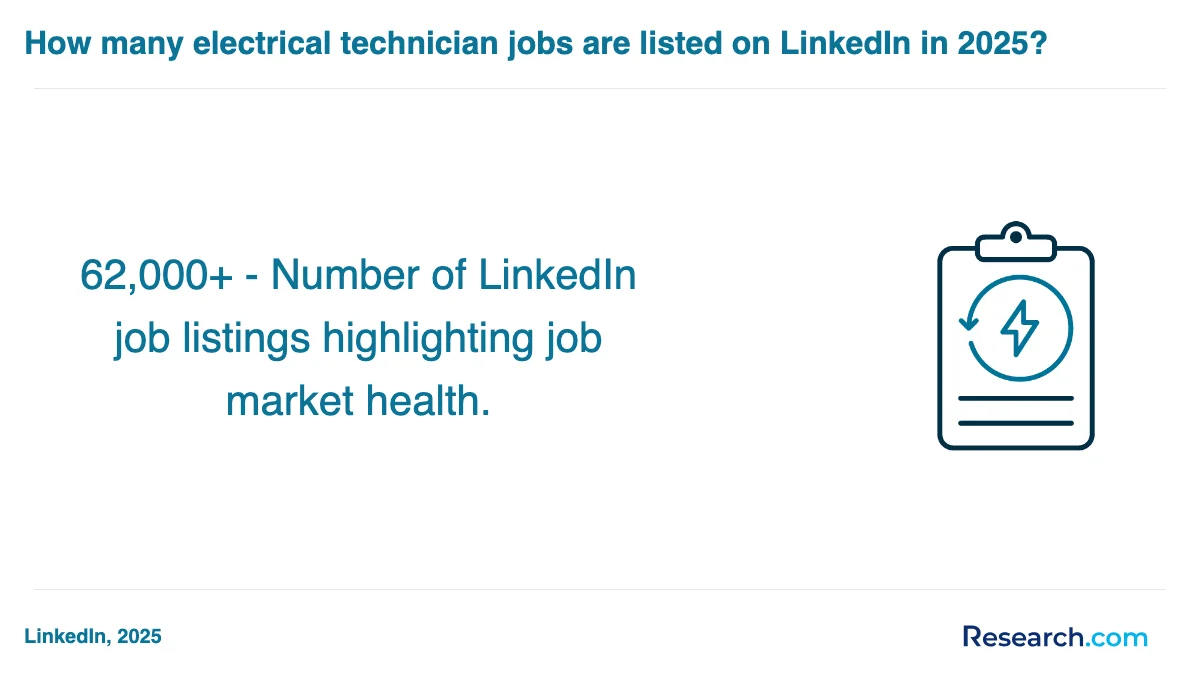
The electrician job opportunities in Savannah GA are notably strong for trade school graduates, with over 170 active listings spanning apprentice to superintendent roles. Graduates from popular electrician trade schools in Savannah consistently report quick job placements due to high demand in residential, commercial, and industrial sectors. Many employers seek candidates for electrical maintenance, installation, and repair, offering competitive wages from $15 up to $28+ per hour based on experience.
Graduate experiences often highlight these advantages:
- Immediate openings advertised by local employers and staffing agencies
- Full-time roles with benefits such as health insurance and paid time off
- Specialized positions like avionics technician providing pay above $36/hour
The electrical trade employment outlook Savannah illustrates a robust market driven by ongoing construction and infrastructure projects. Students who graduate and earn certifications like OSHA 10 or lift training find a welcoming job market. Those interested in niche fields can explore additional credentials aligned with growth areas-similar to the wind turbine technician job requirements.
Best Electrical Technician Training Programs & Trade Schools - Top Electrical Tech Schools in Savannah for 2026
# 1 position
Savannah Technical College - Electrical and Power Transmission Installation/Installer, General.
associateSavannah Technical College offers a hybrid program in Electrical and Power Transmission Installation/Installer, General. The curriculum prepares students to install residential, commercial, and industrial electrical systems, including power transmission lines. Instruction covers electricity, safety, wiring, insulation, grounding, blueprint reading, equipment operation, maintenance, and relevant codes. The annual in-state tuition is $3,072. The program is accredited by the Southern Association of Colleges and Schools Commission on Colleges.
# 2 position
Savannah Technical College - Electrical and Power Transmission Installation/Installer, General.
certificate or diplomaSavannah Technical College offers a hybrid program in Electrical and Power Transmission Installation/Installer, General. This program prepares students to install residential, commercial, and industrial electrical systems and power transmission lines. Instruction covers electricity, safety, wiring, insulation, grounding, blueprint interpretation, equipment operation, maintenance, and codes. The annual in-state tuition is $3,072. The program is accredited by the Southern Association of Colleges and Schools Commission on Colleges.
# 3 position
Savannah Technical College - Electrician.
certificate or diplomaThe Electrician program at Savannah Technical College offers a hybrid format with some distance-education options. It prepares students to install, operate, maintain, and repair electric apparatus and systems including residential, commercial, and industrial wiring. The curriculum covers electronics principles, power transmission, safety, testing, inspection, and relevant codes. Annual in-state tuition is $3,072. The program is accredited by the Southern Association of Colleges and Schools Commission on Colleges.
Frequently Asked Questions about electrician
After completing an electrician trade school in Savannah, it is essential to focus on practical steps to enter the job market successfully. First, obtaining your electrician license is critical; Georgia requires passing the state journeyman electrician exam to work independently. Preparing for this exam by reviewing the National Electrical Code and local regulations will increase your chances of success.
Next, gaining hands-on experience through apprenticeships or entry-level positions is highly recommended. According to the U.S. Bureau of Labor Statistics, apprenticeships improve job prospects and earning potential for electricians.
Additionally, building a professional network by joining local chapters of organizations like the International Brotherhood of Electrical Workers (IBEW) can provide valuable job leads and mentorship opportunities.
Continuing education and certifications, such as OSHA safety training, can further enhance employability in Savannah's growing construction and maintenance sectors.
Employers in Savannah highly value electrician trade school graduates who possess strong technical skills, including the ability to read blueprints, understand electrical codes, and perform precise wiring tasks. According to the U.S. Bureau of Labor Statistics, proficiency in troubleshooting electrical systems is essential for entry-level electricians.
Additionally, soft skills such as attention to detail, problem-solving, and teamwork are frequently highlighted by local contractors. The Georgia Department of Labor reports that electricians in Savannah must adapt to evolving technologies, making ongoing learning and certification important.
Safety knowledge is also critical. Graduates must be familiar with OSHA regulations to reduce workplace accidents. Employers prefer candidates who demonstrate both practical skills and a commitment to safe work practices.
Finding internships relevant to electrician trade school programs in Savannah involves several practical steps. Start by contacting local trade schools directly, as many have partnerships with businesses offering hands-on internship opportunities. The Savannah Electrical Contractors Association often lists openings and supports apprenticeships aligned with school curricula.
Online job platforms like Georgia's Department of Labor website provide updated listings for electrician internships and apprenticeships in Savannah. These programs typically require enrollment in an accredited trade school or related technical education.
Networking with local contractors and attending industry job fairs can also uncover hidden internship opportunities. According to the U.S. Bureau of Labor Statistics, apprenticeship programs in electrical work remain one of the most effective pathways to gain practical experience and licensure in Georgia.
Obtaining an electrician trade school diploma in Savannah significantly enhances career mobility and advancement opportunities. Graduates gain hands-on skills and knowledge that meet industry standards, making them more competitive in the local job market. According to the Georgia Department of Labor, Savannah's electrical sector is expected to grow by 10% over the next decade, increasing demand for certified electricians.
A diploma often serves as a prerequisite for apprenticeships and licensing exams, critical steps toward higher wages and supervisory roles. Furthermore, employers in Savannah prefer candidates with formal training, as it reduces on-the-job training time and ensures safety compliance. This credential can lead to roles in residential, commercial, or industrial electrical work, broadening career paths.
Data from the National Center for Construction Education and Research (NCCER) shows that diploma holders have a 15-20% higher chance of promotion within five years compared to those without formal education. Thus, a trade school diploma is a valuable investment for those seeking long-term growth in Savannah's electrical industry.
Students attending electrician trade schools in Savannah can benefit from part-time jobs that provide practical experience and enhance their skills. Common opportunities include working as electrical apprentices or helpers, where students assist licensed electricians on job sites. This hands-on role helps reinforce classroom knowledge with real-world applications.
Retail positions at hardware stores such as Home Depot or Lowe's also offer valuable exposure to electrical tools and materials. These jobs develop customer service skills and deepen product familiarity.
According to the U.S. Bureau of Labor Statistics, Savannah's demand for electricians is projected to grow 8% from 2022 to 2032, indicating strong job prospects for students gaining experience while studying.
To find the best electrician degree program near Savannah, GA, consider researching local community colleges, technical schools, and specialized training institutions that offer comprehensive electrician programs. These educational establishments frequently provide hands-on training and certification opportunities to equip students with the necessary skills to excel in the electrical field. Utilize resources like Research.com to compare and evaluate different programs near me based on factors such as course content, faculty expertise, and job placement rates.
- A Guide to Skilled Trades Apprenticeships and Internships | BestColleges https://www.bestcolleges.com/trades/guide-to-skilled-trades-apprenticeships-internships/
- Your Guide to Electrical Engineering Internships | Handshake https://joinhandshake.com/blog/students/electrical-engineering-internships/
- Electrical Apprenticeships Near You | IECI https://ieci.org/apprenticeship/
- Should You Choose a Trade School or an Apprenticeship? Exploring the Electrical Training Path - InterCoast Colleges https://intercoast.edu/articles/trade-school-apprenticeship/
- Apprenticeship Finder | Apprenticeship.gov https://www.apprenticeship.gov/apprenticeship-job-finder
- How Much Do Electricians Make: Electrician Salary Guide 2025 https://www.getjobber.com/academy/electrical/how-much-do-electricians-make/
- Electrician | Explore Careers | National Careers Service https://nationalcareers.service.gov.uk/job-profiles/electrician
- Electrician Salary Guide: How Much Do Electricians Earn? https://www.lincolntech.edu/news/skilled-trades/electrical/electrician-salary-guide-how-much-do-electricians-earn
- Average Electrician Salary (Annually & Hourly) | Faraday https://faradaycareers.com/careers/electrician-salary
- Electricians : Occupational Outlook Handbook: : U.S. Bureau of Labor Statistics https://www.bls.gov/ooh/construction-and-extraction/electricians.htm


