
Best Electrical Technician Training Programs & Trade Schools - Top Electrical Tech Schools in Montana for 2026

Co-Founder and Chief Data Scientist
Exploring a career as an electrician in Montana can open doors to rewarding opportunities and steady employment. Choosing the right trade school is an important step toward achieving your goals.
This article presents a ranking of electrician trade school programs, developed by the Research.com team of data scientists. It offers clear, data-driven insights to help you make an informed decision about which programs stand out in Montana for 2026.
Reading this guide will empower you to find a program that fits your needs and sets you up for success in the electrical trade industry.
Key benefits of finishing electrician trade school in Montana
- Graduates of electrician trade schools in Montana can expect an average salary between $61,158 and $88,725 per year, offering a strong start in a well-paying trade.
- Career paths often include residential, commercial, or industrial electrician roles, giving graduates diverse opportunities to find a job that fits their interests and skills.
- Completing an electrician trade school online provides flexibility and convenience, allowing students to learn at their own pace while balancing work or family, making it a great alternative to traditional degrees.
- Best Electrical Technician Training Programs & Trade Schools - Top Electrical Tech Schools in Montana for 2026
- What can I expect from electrician trade schools in Montana?
- Where can I work after finishing electrician trade schools in Montana?
What can I expect from electrician trade schools in Montana?
Enrolling in an electrician trade school program in Montana means committing to a hands-on, practical learning experience that blends classroom theory with real-world application. Graduates from programs like those at Montana State University-Northern or the IEC Apprenticeship often describe attending weekly evening classes while working full-time, allowing them to earn income as they build skills. Expect to spend several years completing a mix of electrical theory, National Electrical Code training, and hands-on projects such as conduit bending and system troubleshooting.
Students appreciate how instructors-experienced electricians themselves-provide insights drawn from current industry challenges. This creates a collaborative learning environment where peers solve problems together, preparing for the realities of the job site.
Many Montana programs also enable students to count classroom hours toward state apprenticeship requirements, giving them a head start on licensure. Graduates often feel confident facing the journeyman licensing exam and entering a field with strong job prospects and clear paths for career growth.
Where can I work after finishing electrician trade schools in Montana?
After completing an electrician trade school program in Montana, many graduates quickly find employment as apprentice electricians, working alongside experienced journeymen or master electricians. Popular trade schools in the state prepare students for roles with electrical contractors, construction firms, and maintenance departments in hospitals, universities, and government agencies. For example, graduates often share how rewarding it feels to contribute to projects ranging from wiring new homes to upgrading security systems in local businesses.
Electricians in Montana have diverse job opportunities, including installing power systems, communication cabling, and fire alarm wiring. Some graduates enjoy hands-on work on industrial sites or become low voltage technicians specializing in specialized communication or surveillance systems. The growing demand in Montana's electrical industry means career advancement is common, with many moving into supervisory roles or starting their own businesses after gaining journeyman or master electrician licenses.
Working in Montana's varied environments-from residential neighborhoods to large institutions-allows graduates to tailor their careers based on their interests and skills, making the journey both practical and fulfilling.
After finishing an electrician trade school program in Montana, graduates typically start earning around $61,158 annually in entry-level positions. For example, students from well-known Montana trade schools often find their first jobs paying near this amount, which feels rewarding after completing their training. With more experience, earnings can increase up to $88,725 per year, reflecting the skills and confidence gained on the job.
On an hourly basis, most Montana electricians earn between $22.07 and $30.24, with some experienced professionals reaching about $36.84 per hour. Graduates often share how their paychecks grow as they take on complex projects or obtain additional certifications, making the career feel even more worthwhile.
While Montana ranks last nationally for electrician salaries, many graduates find satisfaction in steady work and the opportunity to advance to supervisory roles. Those who start at local trade schools appreciate how their training opens doors to well-paying jobs in communities across the state.
- Applicants must be at least 18 years old, have a high school diploma or GED, and hold a valid driver's license.
- Training includes 576 classroom hours and 8,000 hours of on-the-job experience, typically completed over about four years.
- Some programs, like MSU-Northern's AAS in Electrical Technology, allow up to 3,000 hours of combined classroom and practical work to count toward apprenticeship requirements.
- Tuition ranges from $3,000 to $8,000 per year, with apprenticeship programs often paying students while they train.
- Entry-level electricians in Montana earn between $42,000 and $48,000 annually, with journeyman electricians earning $60,000 or more as they gain experience.
Completing an electrician trade school program in Montana typically takes between 9 months to 2 years, depending on the school and the depth of training offered. Many students at popular Montana trade schools find that a 12-month diploma program provides a solid foundation in electrical theory, hands-on skills, and safety practices, preparing them quickly for entry-level jobs.
Graduates often share how immersive and practical the training feels, allowing them to confidently handle real-world wiring and troubleshooting tasks soon after finishing. For example, students at well-regarded Montana schools balance classroom learning with on-site labs, which builds both knowledge and confidence efficiently.
Some programs offer part-time or extended schedules stretching closer to 18-24 months, which suits those balancing work or family commitments. Graduates appreciate how flexible pacing still leads to strong skill mastery without rushing. This approach helps students feel ready to start apprenticeships or journeyman exams with less stress.
Overall, Montana's electrician trade schools focus on practical, hands-on experience that graduates say makes the completion time feel like a rewarding investment in their future careers.
The primary difference between online and on-campus electrician trade school programs in Montana lies in how students gain practical skills and interact with instructors. Online programs, like the University of Montana's, are completed fully over the internet and focus heavily on electrical theory, safety, and code knowledge through virtual simulations and interactive lessons. Graduates often appreciate the flexibility this provides, especially when balancing work or family, but many find the lack of hands-on lab experience a challenge when applying skills in real-world settings.
On the other hand, on-campus programs such as those at MSU-Northern blend classroom learning with direct, hands-on training in labs. Students practice conduit bending, wiring, and troubleshooting under expert supervision, building confidence through immediate feedback. Many value the chance to network with instructors and peers face-to-face, which boosts motivation and career connections.
Some Montana programs offer hybrid options, combining online theory with scheduled in-person labs, offering a balanced approach for those needing flexibility without sacrificing critical hands-on experience.
The average tuition for electrician programs in Montana typically ranges between $6,000 and $7,000 annually, depending on the institution and program format. For example, Montana State University - Billings charges about $7,000 per year for its Electrical Technology Program, while Great Falls College - Montana State University and Helena College - University of Montana offer similar programs priced around $6,500 and $6,000 respectively. Graduates often recall balancing these costs with the help of grants and personal investments in essential tools, which become valuable assets for their careers.
Beyond tuition, students must budget for books, supplies, and tools necessary for hands-on training. Many appreciate that these expenses are a practical investment, as these tools are used during apprenticeships and continue to be useful when entering the workforce. The cost of electrician trade schools in Montana can be offset further thanks to the availability of federal and state financial aid, including Pell Grants. Many students recommend completing the FAFSA to access these resources early in the application process.
Most electrician programs in Montana integrate apprenticeships, combining classroom learning with paid on-the-job training. This setup allows students to earn while they learn, alleviating some financial pressure. Employers and unions often provide support by covering tuition or helping with tools, making the educational path more affordable. Those curious about career paths in the field can explore electrical lineman education to understand additional opportunities after graduation.
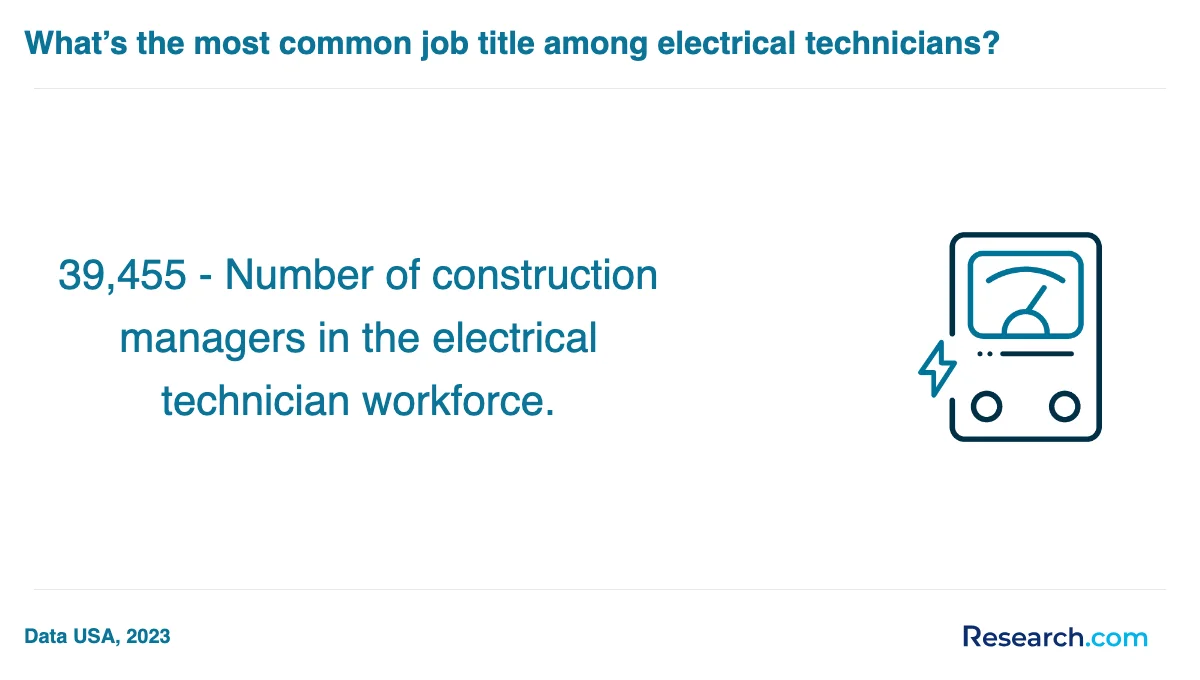
Electrician trade school students in Montana often rely on a mix of federal aid, state grants, scholarships, and private financing to manage tuition costs. Many graduates from Montana State University's electrical programs share how completing the FAFSA early opened doors to Pell Grants, which can cover a significant part of their $4,139 in-state tuition. These grants, reaching up to $7,395 annually, provide essential relief for low-income students balancing work and study.
Scholarships specific to Montana's electrical technology students also play a crucial role. For example, those attending community colleges in Missoula or Billings have benefited from awards by the Electrical & Computer Engineering Department at Montana State University and the Montana Wood Products Association Trades Scholarship, which offers at least $1,000 to qualifying students. These scholarships reward both merit and financial need, making it easier to focus on hands-on learning without financial stress.
Even students in short-term, non-credit programs find support through workforce boards or vocational rehabilitation, helping them gain skills and confidence without overwhelming debt.
To enroll in an electrician trade school program in Montana, you typically need a high school diploma or GED. Many trade schools in the state, such as those in Billings or Missoula, require this basic educational background to ensure you have the fundamental math and reading skills needed for electrical work.
Applicants often share that having a strong interest in hands-on learning and problem-solving helps them succeed from day one. Graduates commonly recall how their instructors emphasized practical skills alongside theory, making the prerequisites feel manageable.
Common prerequisites include:
- Proof of age (usually 18 or older)
- Completion of a high school diploma or equivalent
- Basic math proficiency, sometimes tested during enrollment
- Physical ability to handle the demands of electrical work
- Passing a background check or drug screening, depending on the school
Trade schools in Montana often offer preparatory courses or tutoring for students who want to brush up on math or reading skills before starting the electrician program, making it easier to meet entry requirements and build confidence.
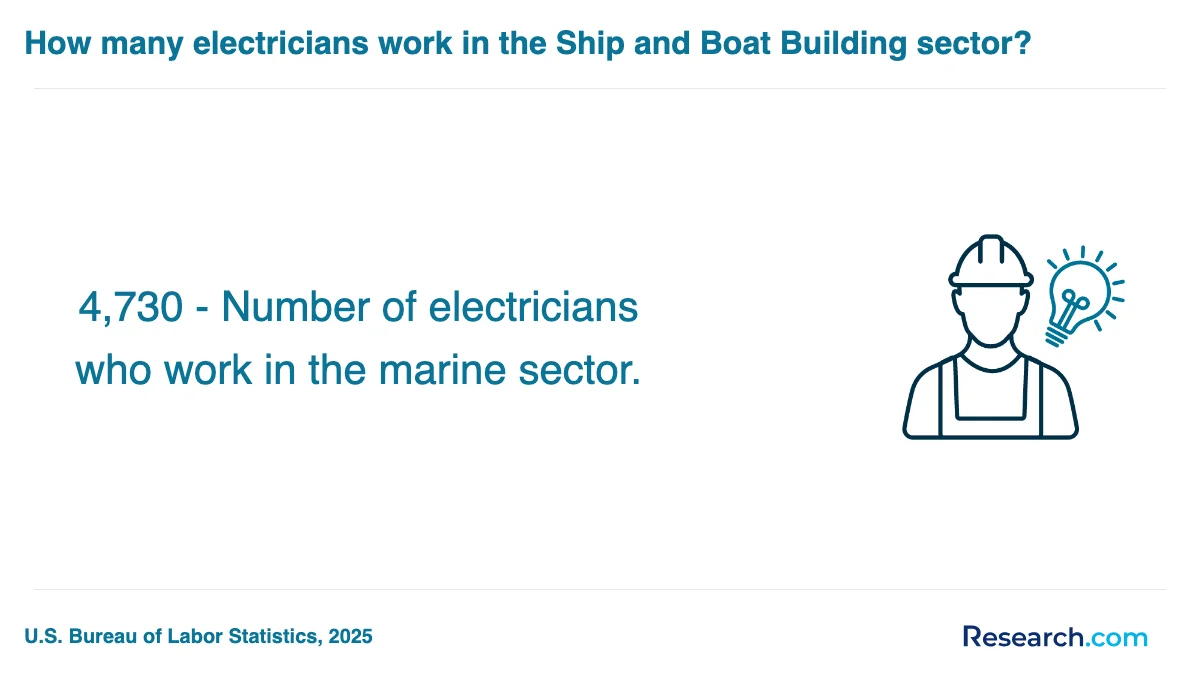
Electrician trade school programs in Montana include courses designed to prepare students for real-world electrical work and state licensing. Graduates from popular schools like MSU-Northern describe how these courses build practical skills they use daily on the job.
Typical courses cover:
- Electrical Theory: Understanding both DC and AC systems helps students grasp how power flows in homes and businesses.
- National Electric Code (NEC): This essential course teaches safety and compliance standards, crucial for passing Montana's licensing exams.
- Blueprint Reading and Electrical Prints: Students learn to interpret wiring diagrams and schematics, a skill that makes on-site installations smoother and more efficient.
- Wiring and Installation: Hands-on training in residential and commercial wiring methods boosts confidence in troubleshooting and safe setup.
- Industrial Safety Procedures: Emphasizing OSHA standards, this course keeps students prepared to avoid hazards in diverse work environments.
- Electrical Materials and Hardware: Familiarity with panels, circuit breakers, and tools comes through practical exercises that mirror actual job tasks.
- Programmable Logic Controllers (PLCs) and Motor Controls: Advanced classes introduce automation technologies increasingly used in Montana's industrial sectors.
- Diagnostic Troubleshooting: Real-world problem-solving scenarios sharpen critical thinking, making graduates ready to tackle unexpected issues confidently.
Students often share how combining classroom knowledge with hands-on experiences during apprenticeships creates a rewarding learning process, making them feel ready and capable to start their electrician careers in Montana's growing job market.
Electrician trade school programs in Montana offer a range of practical specializations that prepare students for real-world electrical careers. Many graduates from these programs highlight hands-on training in areas like residential wiring and commercial wiring as crucial for their success. Other sought-after specializations include industrial wiring, renewable energy systems, and smart home technologies, enabling students to stay current with emerging electrical trends.
Popular Montana schools combine academic learning with field experience, giving students the confidence to handle complex systems such as motor controls and programmable logic controllers (PLCs). Emphasizing National Electrical Code (NEC) compliance and blueprint reading helps graduates perform safely and efficiently on job sites. These electrician training programs in Montana also address fiber optics and advanced control technologies, equipping students with versatile skills.
Programs like the one at Montana State University-Northern integrate coursework with up to 3,000 apprenticeship hours, reflecting the state's focus on comprehensive education. Apprenticeship opportunities, such as those offered by the Montana Independent Electrical Contractors, link classroom study to on-the-job training, enhancing career readiness. Those interested in expanding their knowledge can also explore the best online electrical engineering degree options to complement their practical skills.
To choose the best electrician trade schools in Montana, focus on programs that balance hands-on training with a comprehensive curriculum. Graduates from popular Montana colleges often highlight the value of real-world apprenticeship hours paired with classes on the National Electrical Code and electrical theory. These schools ensure you meet Montana's licensing requirements, including 4,000 to 8,000 hours of practical experience combined with over 500 hours of classroom instruction. Selecting a school with strong industry partnerships can open doors to internships and job placements, easing your transition into the workforce.
Look for programs offering schedule flexibility, especially if you juggle work or family commitments; evening classes or online options are common in Montana. Comparing tuition while exploring scholarships and financial aid will help you manage costs effectively. Some students find that researching cheap online trade schools programs for electricians offers great alternatives without sacrificing quality. By focusing on these practical points, you can decide how to choose electrician trade school in Montana that suits your goals and lifestyle.
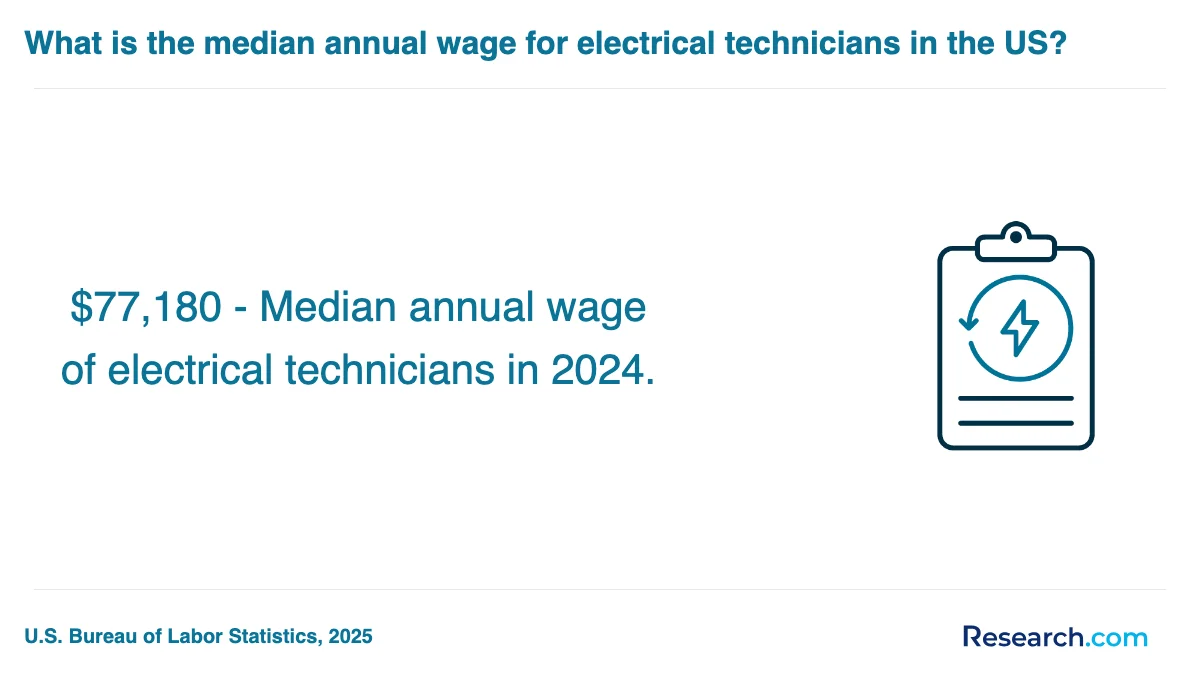
Electrician trade school graduates in Montana often start their career as registered apprentices, blending paid on-the-job training with classroom work. This hands-on approach is essential for earning journeyman or residential electrician licenses, which unlock a wide range of electrician career opportunities in Montana. Graduates from popular trade schools share how this apprenticeship phase provides real-world experience that classroom lessons alone can't match.
Once licensed, many choose to become journeyman electricians, tackling commercial and residential projects, or focus on residential work, installing and repairing home electrical systems. Experienced electricians can advance to master electrician roles, supervising crews and designing systems.
Specialized career paths include industrial electricians working in factories, commercial electricians serving offices, or low voltage technicians handling telecom cabling. Some graduates also find rewarding roles as electrical estimators, sales reps, or in power companies. Median salaries vary significantly, reflecting Montana electrician jobs and salary potential across different sectors.
For graduates seeking unique routes, exploring affordable accelerated online wind turbine technician certificate programs can expand opportunities in renewable energy, a growing field with promising prospects.
The electrician job outlook in Montana shows promising growth despite a smaller and competitive market. Graduates from popular trade schools in Montana often face a job market described as "not very active," with limited hiring from local companies. However, many find success by targeting counties like Gallatin, Flathead, and Yellowstone, where demand for skilled electricians is rising alongside population growth and construction projects.
For example, recent graduates report that hands-on training from Montana's electrician programs helps them qualify for competitive roles, especially when combined with persistence and networking. The steady increase in jobs-around 5.3% annual growth-means more opportunities over time, though it requires patience and focus.
Key factors for success include:
- Building real-world experience through internships or apprenticeships
- Specializing in residential or commercial electrical work where private investments are strong
- Considering relocation within Montana to hotspots of construction development
Electrician salaries and demand in Montana remain attractive given the cost of living, with wages ranging mostly between $22.07 and $30.24 per hour. Graduates who increase their skills often secure higher pay, sometimes up to $43.24 per hour.
Students exploring electrician trade schools might also explore affordable online electrical engineering degree programs to complement their training, enhancing their competitive edge in Montana's evolving market.
Best Electrical Technician Training Programs & Trade Schools - Top Electrical Tech Schools in Montana for 2026
# 1 position
Flathead Valley Community College - Electrician.
associateFlathead Valley Community College offers a hybrid Electrician program that prepares students to install, operate, maintain, and repair electric systems including residential, commercial, and industrial wiring. The curriculum covers electronics principles, electrical systems, wiring, power transmission, safety, job estimation, and applicable codes. The program’s annual in-state tuition is $4,748. It is accredited by the Northwest Commission on Colleges and Universities.
# 2 position
Flathead Valley Community College - Electrician.
certificate or diplomaFlathead Valley Community College offers a hybrid Electrician program that equips students with technical skills to install, operate, maintain, and repair electric systems including residential, commercial, and industrial wiring. The curriculum covers electronics principles, power transmission, safety, electrical testing, and applicable codes. The program is accredited by the Northwest Commission on Colleges and Universities. Annual in-state tuition is $4,748.
Frequently Asked Questions about electrician
After completing electrician trade school in Montana, preparing for the job market involves several key steps. First, obtaining an apprenticeship is crucial, as Montana requires electricians to complete on-the-job training under a licensed professional. According to the Montana Department of Labor, apprenticeships typically last 4 to 5 years and combine paid work with classroom learning.
Next, graduates should pursue licensing through the Montana Board of Electricians, which mandates passing a journeyman electrician exam. This certification is essential for legal employment and career advancement.
Additionally, networking within local trade unions and industry groups can increase job opportunities. The U.S. Bureau of Labor Statistics notes that Montana's electrician employment is projected to grow by 8% through 2030, reflecting steady demand.
Employers in Montana prioritize a combination of technical expertise and practical skills when hiring electrician trade school graduates. Proficiency in reading blueprints and electrical diagrams is essential, as it ensures safe and accurate installation and maintenance of electrical systems. Knowledge of the National Electrical Code (NEC) is critical, given Montana's strict adherence to safety regulations.
Strong troubleshooting abilities are highly valued, enabling electricians to quickly identify and resolve issues on job sites. According to Montana Department of Labor & Industry data, 85% of employers emphasize hands-on experience and familiarity with modern electrical tools and technology. Additionally, good communication and teamwork skills are important since electricians often work in collaborative environments.
Finding internships relevant to electrician trade school programs in Montana involves several strategic steps. Start by contacting your trade school's career services office, as many programs partner with local electrical contractors and unions to offer internship placements.
The Montana Department of Labor and Industry provides resources and listings for apprenticeship opportunities, which often include paid internships for electricians. According to recent data, Montana's electrical apprenticeship programs typically combine 144 hours of classroom instruction with 2,000 hours of paid on-the-job training annually.
Networking through local chapters of the International Brotherhood of Electrical Workers (IBEW) or Associated Builders and Contractors (ABC) can also help secure internships. Additionally, online job platforms focused on trades, such as Apprenticeship.gov, list Montana-specific electrician internships and apprenticeships regularly.
Obtaining a diploma from an electrician trade school in Montana significantly enhances career mobility and advancement opportunities. The Montana Department of Labor reports that skilled electricians are in growing demand, with job openings projected to increase by 8% through 2030. A trade school diploma provides essential hands-on training and knowledge, fulfilling state licensing requirements and enabling graduates to qualify for apprenticeships and journeyman exams.
Employers in Montana often prefer candidates with formal education, as diplomas demonstrate commitment and technical competency. Graduates typically see higher starting wages compared to those without credentials, with a median wage of $25.50 per hour according to the U.S. Bureau of Labor Statistics. This credential also opens pathways to specialized fields like industrial or commercial electrical work, supporting long-term career growth.
Students enrolled in electrician trade schools in Montana can benefit from part-time jobs that reinforce their technical skills and industry knowledge. Many local contractors and electrical companies offer entry-level positions such as electrical helpers or apprentices, providing practical experience alongside classroom learning.
According to the U.S. Bureau of Labor Statistics, Montana employed around 1,000 electricians in 2023, with steady job growth projected. Part-time roles in construction sites, maintenance departments, or manufacturing facilities can expose students to real-world wiring, safety protocols, and tool usage.
Additionally, roles in retail outlets specializing in electrical supplies can help students understand product specifications and customer service. These opportunities enhance both hands-on skills and employability after graduation.
Yes, there are several electrician degree programs near Montana that offer comprehensive training in electrical technology. Programs offered by community colleges and vocational schools near me provide both theoretical education and hands-on experience necessary for a career as an electrician. Research.com can be a useful resource to compare different programs and universities near Montana to find the best fit for your educational and career aspirations.
- Best Electrical Technician Training Programs & Trade Schools - Top Electrical Tech Schools in Idaho for 2026
- Best Electrical Technician Training Programs & Trade Schools - Top Electrical Tech Schools in Nevada for 2026
- Best Electrical Technician Training Programs & Trade Schools - Top Electrical Tech Schools in Wisconsin for 2026
- Best Electrical Technician Training Programs & Trade Schools - Top Electrical Tech Schools in Arizona for 2026
- Best Electrical Technician Training Programs & Trade Schools - Top Electrical Tech Schools in Illinois for 2026
- Best Electrical Technician Training Programs & Trade Schools - Top Electrical Tech Schools in Missouri for 2026
- Best Electrical Technician Training Programs & Trade Schools - Top Electrical Tech Schools in New Mexico for 2026
- Best Electrical Technician Training Programs & Trade Schools - Top Electrical Tech Schools in Michigan for 2026
- Best Electrical Technician Training Programs & Trade Schools - Top Electrical Tech Schools in Indiana for 2026
- Best Electrical Technician Training Programs & Trade Schools - Top Electrical Tech Schools in Texas for 2026
- How to Write a Cover Letter For an Electrical Apprenticeship in Perth | EGT https://egt.net.au/news-insights/crafting-a-standout-cover-letter-for-an-electrical-apprenticeship-a-guide
- Electrician Apprentice Cover Letter Examples and Templates for 2025 - ResumeBuilder.com https://www.resumebuilder.com/cover-letter-examples/electrician-apprentice/
- Electrician Apprentice Cover Letter Example for 2025 (Skills & Templates) https://resumaker.ai/cover-letter-examples/electrician-apprentice/
- How to Write Cover Letter for Electrician Apprenticeship https://www.youtube.com/watch
- 2025 Electrician Cover Letter Example (+Free Template) https://www.tealhq.com/cover-letter-example/electrician
- Electrical Apprenticeship Cover Letter No Experience Examples & Templates https://www.vantagelens.com/blog/electrical-apprenticeship-cover-letter-no-experience-examples-templates/
- Example Cover Letter for an Electrician Apprentice & Writing Tips https://cvgenius.com/cover-letter-examples/cover-letter-for-electrician-apprentice
- 3 Apprentice Electrician Cover Letter Examples & Templates for 2025 | Himalayas https://himalayas.app/cover-letters/apprentice-electrician
- Top Electrician Programs in Montana | Become an Electrician https://toptradeschools.com/near-you/electrician/montana/
- Electrician School in Montana | Training and License Requirements for Electrician Jobs in MT https://www.electricianschooledu.org/montana/


