
Best Electrical Technician Training Programs & Trade Schools - Top Electrical Tech Schools in Omaha for 2026

Co-Founder and Chief Data Scientist
Choosing the right electrician trade school in Omaha can shape your future career in a meaningful way. This article presents a carefully crafted electrician trade school programs ranking created by the Research.com team of data scientists to help you make an informed decision.
By exploring these top programs, you’ll discover options that fit your goals and budget. Earning a diploma or certification opens doors to rewarding job opportunities and skill development.
Take this step confidently and find the program that’s right for you.
Key benefits of finishing electrician trade school in Omaha
- Graduates from electrician trade schools in Omaha can expect a starting hourly wage around $25, with potential to earn up to $31 or more as journeymen, leading to a strong annual salary above $60,000.
- Career paths often include becoming a licensed journeyman electrician, specializing in residential or commercial work, or advancing to supervisory roles, offering diverse and rewarding opportunities.
- Completing electrician trade school online provides flexible learning schedules and faster completion times, helping students balance work and study while gaining practical skills without the cost of a traditional degree.
- Best Electrical Technician Training Programs & Trade Schools - Top Electrical Tech Schools in Omaha for 2026
- What can I expect from electrician trade schools in Omaha?
- Where can I work after finishing electrician trade schools in Omaha?
What can I expect from electrician trade schools in Omaha?
Enrolling in an electrician trade school program in Omaha means committing to a structured, multi-year learning path. For example, graduates from Metropolitan Community College describe a four-year program paced with two quarters annually, each quarter offering evening classes twice a week. This schedule fits well for those balancing work and study, allowing hands-on apprenticeships during the day that build real-world skills alongside classroom theory.
Expect to spend time in labs wiring circuits, installing equipment, and troubleshooting under the guidance of experienced journeyman electricians. Classroom topics cover essential areas like electrical theory, the National Electrical Code, blueprints, and safety practices-including earning OSHA certifications. Many students appreciate this blend of practical and theoretical learning, which prepares them for both licensing exams and job readiness.
Omaha graduates often highlight the competency-based curriculum aligned with national standards, boosting confidence for the Nebraska Journeyman's Electrician License exam. This approach helps most apprentices pass on their first try. With starting salaries ranging widely based on experience and specialization, the journey offers clear, achievable career growth in a rewarding trade.
Where can I work after finishing electrician trade schools in Omaha?
Graduates from electrician trade schools in Omaha find themselves with a wide array of job opportunities throughout the city and surrounding areas. Many start as apprentice electricians, gaining hands-on experience in residential and commercial projects, often working alongside licensed professionals. Popular trade schools in Omaha prepare students well for these roles, where they might be hired by electrical contractors, construction firms, or manufacturing plants.
Some graduates share how they secured positions maintaining electrical systems at places like the CHI Health Center Arena or within Omaha's healthcare sector, feeling proud to contribute to essential community services. Others move into specialized fields such as high-voltage systems or electrical controls, which their training at Omaha's trade schools helped them confidently pursue. These roles often come with competitive hourly wages ranging from $15 to $42, plus benefits and opportunities for advancement.
Whether working on new construction sites or in industrial facilities, graduates appreciate the variety and stability their trade school education brings, making career growth in Omaha's robust job market an achievable goal.
After completing an electrician trade school program in Omaha, many graduates start as apprentices earning lower wages, but the potential for growth is clear and motivating. For example, graduates from popular local trade schools often begin with annual salaries around $48,500. With dedication and the required apprenticeship hours, advancing to a Journeyman Electrician can boost earnings to approximately $65,000 per year, or about $31.30 hourly. This step is a common and achievable milestone for many Omaha-trained electricians.
Those who keep building experience often see their salaries increase to between $57,500 and $67,500 annually. After a decade or more in the field, many reach salaries exceeding $78,500. One graduate shared how the skills learned in Omaha's trade schools helped secure overtime opportunities, pushing total yearly income even higher.
Hourly rates citywide range from about $14 to $40, with averages near $29. Benefits like health insurance and retirement plans often accompany these wages, making the career path both financially and personally rewarding.
- Applicants need a high school diploma or GED and must be at least 18 years old to enter electrician trade school programs in Omaha.
- Completion of one year of high school algebra with a "C" grade or better is usually required.
- Omaha offers apprenticeship programs, including a four-year option at Metropolitan Community College and others with a small application fee around $20.
- Tuition costs for trade school programs range from $3,000 to $10,000, while apprenticeships allow students to earn money during training.
- Entry-level electricians in Omaha earn between $45,970 and $91,820 annually, with steady job growth expected in the field.
Completing an electrician trade school program in Omaha typically takes between 9 months and 18 months, depending on the school's schedule and whether you attend full-time or part-time. Many graduates from popular Omaha trade schools share how finishing their programs within a year gave them the confidence to start apprenticeships and land entry-level electrician jobs quickly.
For example, those who choose full-time courses often find themselves balancing intense hands-on labs and classroom instruction, which can feel challenging but rewarding as progress becomes visible week by week. Part-time students appreciate the flexibility, allowing them to work or manage family responsibilities while steadily building skills.
Trade schools in Omaha focus on practical training that mirrors real-world electrical work, so students often describe their experience as "getting their hands dirty" early on, which speeds up learning and keeps motivation high. Graduates frequently highlight that the program length feels just right to gain solid skills without unnecessary delays.
The main difference between online and on-campus electrician trade school programs in Omaha lies in how you gain hands-on experience. Graduates from on-campus programs at places like Metropolitan Community College often share how attending evening classes and working directly with real tools and equipment helped them build confidence quickly. Being under the watchful eye of licensed instructors during practical workshops ensured they mastered safety techniques essential for the job.
Online programs, while flexible, currently don't exist fully in Omaha. Instead, hybrid programs combine online coursework with mandatory in-person training. Students juggling work or family find this balance helpful, but they still appreciate the chance to handle wiring and tools firsthand during scheduled sessions. One graduate recalled how virtual lessons prepared them mentally, but the in-person labs made the skills stick.
For anyone serious about becoming a licensed electrician in Nebraska, these in-person experiences are crucial. They provide real-world practice that no video can replace and ensure you're ready to pass the licensing exam and work safely on the job.
When calculating the average tuition fees for electrician programs in Omaha, most students find that costs vary by institution and program type. For example, graduates of Metropolitan Community College's Electrical Technology Program typically pay around $2,970 annually if they are in-state residents, while out-of-state students see higher fees near $4,568. On top of tuition, material costs can add approximately $1,350, which includes essential books and tools needed for hands-on learning.
Another common route is the Omaha Joint Electrical Apprenticeship Training Committee, offering a four-year apprenticeship program where students earn wages while training. This paid structure is highly praised by graduates for easing the overall cost of electrician trade schools in Omaha and providing valuable real-world experience simultaneously.
Most students advise budgeting beyond tuition alone; licensing fees and specialized tools may add hundreds to thousands in expenses. Those exploring career paths often find that understanding the total cost upfront helps avoid surprises and allows for better financial planning. Practical examples from local programs illustrate how investing in a reputable Omaha trade school leads to solid job placement and career satisfaction.
For those considering alternative technical careers, it's also worthwhile to explore how to become wind turbine technician, as some skills and certifications can overlap and expand job opportunities.

Students pursuing electrician training in Omaha often start by applying for federal financial aid through the FAFSA. This opens doors to federal grants like the Pell Grant and student loans, which cover tuition, tools, and other expenses. Many graduates from Metropolitan Community College, a popular choice in Omaha, recall how these funds eased their upfront costs, especially since in-state tuition is around $2,970 per year, plus roughly $1,350 annually for books and supplies.
State grants in Nebraska further supplement federal aid for eligible residents, adding another layer of support. Those attending local trade schools frequently benefit from school-specific scholarships and need-based grants, which graduates say made their education more affordable and less stressful.
One standout option is the apprenticeship route, such as the Omaha Electrical JATC program. Graduates praise this tuition-free program for combining hands-on training with a paycheck, making it an attractive, cost-effective path. Apprenticeships also provide tools, which helps reduce initial expenses significantly.
Enrolling in an electrician trade school program in Omaha typically requires a few straightforward prerequisites that set you up for success. Most schools expect applicants to have a high school diploma or GED, which ensures you have the basic math and reading skills essential for understanding electrical concepts.
Applicants often share that having a solid foundation in algebra and basic physics can make the coursework feel much more manageable. For instance, graduates from well-known Omaha trade schools mention that brushing up on these subjects before starting helped them confidently tackle hands-on labs and technical classes.
Other common prerequisites include:
- Proof of residency or eligibility to study in the U.S., which is standard for local trade schools.
- Passing a basic entrance assessment or placement test to evaluate your readiness.
- Being at least 18 years old, as many programs require students to be adults due to safety regulations.
Some programs recommend or require a physical fitness check because electrician work can be physically demanding-graduates often recall how endurance helped during long hours on job sites.
Trade schools in Omaha are pragmatic and focus on preparing students who are ready to commit, so meeting these prerequisites marks the first step toward a rewarding career in the electrical field.
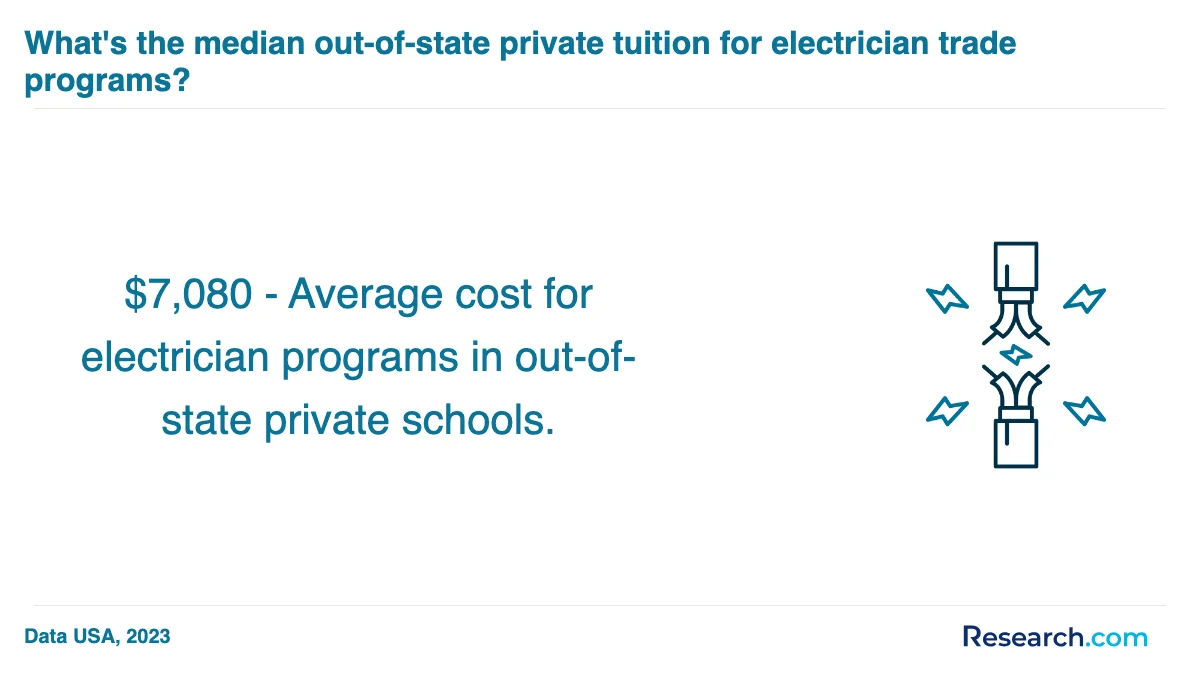
Electrician trade school programs in Omaha typically cover a mix of essential courses designed to build both knowledge and hands-on skills. Graduates often highlight how core classes in electrical theory and the basics of current, voltage, and resistance lay the groundwork for everything that follows.
Students quickly move into practical topics, including:
- Direct current (DC) and alternating current (AC) theory
- Safety procedures, often requiring an OSHA 10-hour safety card
- National Electrical Code (NEC) study, crucial for licensing and legal work in Nebraska
- Tools and materials handling
- Conduit bending and installation techniques
- Wiring methods for residential and commercial settings
- Reading blueprints and electrical schematics
At popular Omaha schools like Metropolitan Community College, students appreciate evening classes that fit around their work schedules, allowing them to practice wiring or troubleshooting circuits during hands-on labs. Many find the focus on real-world skills, such as testing electrical systems and understanding industrial safety, especially rewarding as it prepares them directly for the Nebraska Journeyman Electrician exam.
Electrician specialization programs in Omaha commonly include residential wiring, commercial and industrial electrical systems, and low-voltage technologies. Graduates from well-known trade schools in Omaha often describe their training as hands-on and practical, preparing them for roles in home wiring, office buildings, and manufacturing plants. Residential wiring focuses on applying the National Electric Code and safely installing basic electrical equipment in homes. Meanwhile, commercial and industrial tracks cover complex topics such as three-phase power and motor controls, expanding career options to larger-scale projects.
Other popular specializations address Omaha electrical technology degree options like low-voltage systems, which cover security, communications, and audio-visual installations. Many students appreciate programs that include electronic circuits and troubleshooting, equipping them for diagnostic roles. Renewable energy and automation are emerging fields, with training in solar panel installation and wind turbine maintenance reflecting Nebraska's growing green energy focus.
Omaha trade schools also emphasize certifications in high-voltage systems and energy management, enhancing graduates' employment prospects. For those seeking flexibility, affordable maintenance technician training online can complement these specializations effectively.
When choosing from the best electrician trade schools Omaha offers, focus first on accredited programs known for balancing theory with hands-on training. Graduates from local trade schools often emphasize how real-world practice in well-equipped labs boosted their confidence before entering the workforce. Selecting a school with experienced instructors who have practical industry backgrounds can make a notable difference in understanding day-to-day job demands and local market expectations.
Look for programs offering flexible schedules, especially if you're managing other responsibilities. Many top electrician programs Omaha include evening or weekend classes, allowing students to maintain employment while learning. Graduates often highlight the value of accessible job placement assistance and strong industry connections that helped them secure apprenticeships and positions quickly after completing their studies.
Cost is another important factor; compare tuition and fees while considering available financial aid options to ensure your budget aligns with your chosen program. If your goals extend beyond trade school, exploring how to get a bachelor's degree in electrical engineering can expand your career opportunities and deepen your expertise.
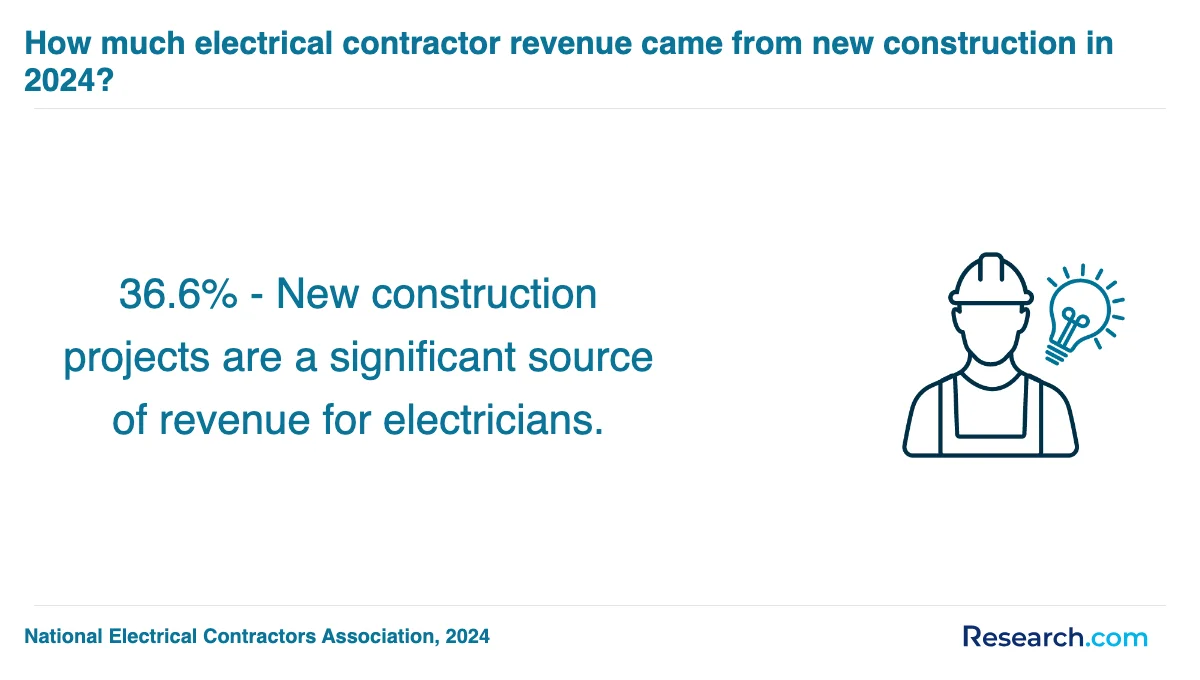
Graduates of electrician trade school programs in Omaha often begin their careers by securing electrical apprenticeship jobs Omaha offers in abundance-more than 130 openings regularly appear. These positions provide hands-on training under licensed electricians, allowing newcomers to develop real-world skills while earning. Many graduates from well-regarded trade schools in Omaha share that this phase was crucial for building confidence and practical know-how.
Once apprentices complete their training, they can take the journeyman electrician exam. As journeymen, they gain the flexibility to work independently on diverse projects-from residential wiring in new homes to commercial installations and industrial facility maintenance. Omaha's market hosts over 170 job listings for journeyman electricians across such varied settings.
Specializing can open doors to roles like industrial electricians, low-voltage technicians, or high-voltage electricians, each with unique technical demands. Graduates often pursue certifications in areas such as renewable energy or building automation to stand out. Many who studied at local trade schools mention how these credentials boosted their earning potential and job satisfaction.
Career advancement is achievable too, with opportunities to become master electricians, project managers, or even start an independent contracting business. For those interested, Omaha's construction industry supports growth into leadership roles, ensuring stable and rewarding career paths.
For those seeking accessible education options, exploring affordable online electrician training courses can also complement hands-on experience, making career progress more flexible and attainable.
The electrician job outlook in Omaha 2026 is promising, driven by steady population growth and ongoing infrastructure projects. Graduates from popular trade schools in Omaha often share stories of quickly securing apprenticeships thanks to strong local demand. One common thread is the advantage gained from hands-on training through programs connected with local industry partners, which makes transitioning into the workforce smoother and debt more manageable.
When considering electrician salary and demand Omaha offers attractive prospects. The average hourly wage is about $28, with many earning well above that after securing licenses and experience. Graduates often find themselves working on diverse projects, from new residential builds to upgrading commercial electrical systems, benefiting from widespread construction activity and a skilled labor shortage.
For those interested in advancing further, master electricians report six-figure salaries, highlighting career growth opportunities. To maximize value, many students explore a low cost electrical engineering online degree alongside trade training, opening additional pathways up the career ladder.
- Strong local demand fueled by retirement and new construction
- Hands-on apprenticeship programs reduce training time and debt
- Competitive wages with clear progression to higher earnings
Best Electrical Technician Training Programs & Trade Schools - Top Electrical Tech Schools in Omaha for 2026
# 1 position
Metropolitan Community College Area - Electrician.
associateThe Electrician program at Metropolitan Community College Area offers a hybrid format with some distance education options. It prepares students to install, operate, maintain, and repair electrical systems and apparatus in residential, commercial, and industrial settings. The curriculum covers electronics principles, wiring, power transmission, safety, and applicable codes. Annual in-state tuition is $3,285, and median earnings one year after completion reach $64,751. The program is accredited by the Higher Learning Commission.
# 2 position
Metropolitan Community College Area - Electrical and Power Transmission Installation/Installer, General.
certificate or diplomaMetropolitan Community College Area offers a hybrid Electrical and Power Transmission Installation/Installer, General program designed to prepare students for installing residential, commercial, and industrial electrical systems and power transmission lines. The curriculum includes instruction in electricity, safety, wiring, insulation, grounding, blueprint reading, equipment operation, and applicable codes. Annual in-state tuition is $3,285. Graduates earn a median salary of $64,751 one year after completion. The program is accredited by the Higher Learning Commission.
# 3 position
Metropolitan Community College Area - Electrician.
certificate or diplomaThe Electrician program at Metropolitan Community College Area offers hybrid learning to develop skills in installing, operating, and repairing electric systems including residential and industrial wiring. Instruction covers electronics, power transmission, safety, and electrical codes. The program is accredited by the Higher Learning Commission. Annual in-state tuition is $3,285, and median earnings one year after completion reach $64,751.
Frequently Asked Questions about electrician
After completing an electrician trade school in Omaha, it is essential to focus on practical experience and certification. Many employers in Nebraska require electricians to hold a state-issued license, which typically involves passing the Nebraska Electrical Exam and accumulating hours as an apprentice. According to the Nebraska Department of Labor, the demand for electricians in Omaha is projected to grow by 8% through 2030, reflecting strong job opportunities.
Networking through local trade unions and joining professional organizations can help graduates connect with employers. Additionally, updating a resume to highlight hands-on skills and any internships or apprenticeships is crucial. Continuing education and staying informed about new technologies in the electrical field also improve employability in this evolving job market.
Employers in Omaha seek electrician trade school graduates who demonstrate strong technical skills, including proficiency in reading blueprints, wiring diagrams, and electrical codes. According to the U.S. Bureau of Labor Statistics, practical knowledge of the National Electrical Code (NEC) is essential for safety and compliance.
Problem-solving ability and attention to detail are highly valued, as electricians must troubleshoot complex electrical systems. Communication skills are also important, enabling effective collaboration with contractors and clients.
Moreover, familiarity with modern electrical tools and technology, such as digital multimeters and conduit benders, enhances job readiness. Local workforce reports emphasize that graduates with hands-on training and OSHA safety certification stand out in Omaha's competitive job market.
Finding internships in Omaha relevant to an electrician trade school program involves several practical steps. Start by contacting local trade schools, such as Metro Community College or Southeast Community College, which often partner with Omaha electrical contractors to provide internship opportunities.
Additionally, the Nebraska Department of Labor reports that Omaha's construction and electrical sectors have seen steady growth, increasing demand for hands-on training roles. Students should use resources like the Nebraska Workforce Development office to explore openings specifically targeting apprenticeships and internships in electrical work.
Networking with local unions, such as the International Brotherhood of Electrical Workers (IBEW) Local 22, can also be valuable. These unions frequently offer apprenticeship programs combining paid work experience with classroom education.
Online job boards tailored to Omaha, including city government career pages and trade-specific listings, are useful tools for locating current internship postings. Applying early and preparing a résumé highlighting relevant coursework will enhance chances of securing a position.
Obtaining an electrician trade school diploma in Omaha significantly enhances career mobility and advancement opportunities. According to the U.S. Bureau of Labor Statistics, electricians with formal training and certification tend to earn 20% more than those without. In Omaha, trade schools provide specialized skills recognized by local employers, improving job prospects in a competitive market.
Many Omaha employers prefer candidates who have completed accredited electrician programs because these diplomas demonstrate practical knowledge and safety compliance. Graduates can more easily qualify for apprenticeships and journeyman licenses, which are essential steps for higher wages and supervisory roles.
Local workforce reports also highlight that electricians in Nebraska experience faster career progression when holding trade diplomas, reflecting the state's emphasis on skilled labor. This credential often leads to better job stability and access to union positions, which offer additional benefits and advancement pathways.
Students enrolled in electrician trade schools in Omaha can benefit from part-time jobs that provide practical experience alongside their studies. Common opportunities include working as electrical helpers or apprentices, roles that often pay between $12 and $18 per hour, according to the U.S. Bureau of Labor Statistics. These positions allow students to apply classroom knowledge in real-world settings while earning income.
Other complementary jobs include roles in construction labor or maintenance, which help develop physical skills and familiarity with tools and safety protocols. Local unions and contractors in Omaha frequently offer part-time apprenticeships that align with educational schedules. Gaining hands-on experience increases employability after graduation and supports networking within Omaha's electrical trade community.
To choose the best Electrician degree program near me, especially near Omaha, NE, consider factors such as curriculum comprehensiveness, faculty expertise, and hands-on training opportunities. Research.com can be a valuable resource for comparing electrician programs and universities, helping you find programs that offer strong industry connections and job placement support. Additionally, look for institutions offering flexible schedules and robust certification paths to align with your career goals.
- How Much Do Electricians Make: Electrician Salary Guide 2025 https://www.getjobber.com/academy/electrical/how-much-do-electricians-make/
- How Much Does an Electrician Earn in Poland and the Netherlands? - Blog - Europa.jobs https://blog.europa.jobs/en/art-how-much-does-an-electrician-earn-in-poland-and-the-netherlands/
- Electrician | Explore Careers | National Careers Service https://nationalcareers.service.gov.uk/job-profiles/electrician
- Electrician Salary in Poland in 2025 | PayScale https://www.payscale.com/research/PL/Job=Electrician/Salary
- Electrician Salary Guide: How Much Do Electricians Earn? https://www.lincolntech.edu/news/skilled-trades/electrical/electrician-salary-guide-how-much-do-electricians-earn
- What Can I Do After Finishing My Apprenticeship? | College of Electrical Training https://cet.asn.au/news-insights/what-can-i-do-after-finishing-my-apprenticeship
- Should You Choose a Trade School or an Apprenticeship? Exploring the Electrical Training Path - InterCoast Colleges https://intercoast.edu/articles/trade-school-apprenticeship/
- Becoming an Electrician: Guide to Starting a Career in the Electrical Trade | Centura College https://www.centuracollege.edu/blogs/trades-industry/how-to-become-an-electrician/
- Electrical Apprenticeship | Engineering, Manufacturing & Energy Sector Career Story | CareersPortal.ie https://careersportal.ie/articles/article.php
- Metropolitan Community College Electrical Apprenticeship https://www.mccneb.edu/programs/electrical-apprenticeship


