
Best Electrical Technician Training Programs & Trade Schools - Top Electrical Tech Schools in New Mexico for 2026

Co-Founder and Chief Data Scientist
If you’re considering a career as an electrician in New Mexico, choosing the right trade school is an important first step. This article introduces the best electrician trade school programs in the state for 2026, based on a detailed ranking created by the Research.com team of data scientists.
By exploring these top programs, you’ll gain insights that can help you make a confident and informed decision. Earning a diploma or certification opens doors to rewarding job opportunities, skill development, and a promising future in a growing industry.
Take this opportunity to learn about quality education options that fit your goals and lifestyle.
Key benefits of finishing electrician trade school in New Mexico
- Electrician trade school graduates in New Mexico can expect competitive starting salaries, with entry-level electricians earning between $40,444 and $68,811 annually and journeyman electricians making up to $69,160 per year.
- Graduates have diverse career paths, including becoming journeyman or master electricians, with opportunities to work in residential, commercial, or industrial settings, offering steady growth and job security.
- Completing an electrician trade school online provides flexibility and convenience, allowing students to balance work and study while gaining practical skills, as demonstrated by successful online graduates from popular New Mexico schools.
What can I expect from electrician trade schools in New Mexico?
If you're thinking about electrician trade school in New Mexico, expect a mix of hands-on training and classroom work that gets you job-ready fast. At places like Central New Mexico Community College, students dive into the basics first-safety, electrical circuits, and using tools-then move on to wiring homes and businesses, reading blueprints, and learning the National and New Mexico Electrical Codes. It's not just theory; you'll spend plenty of time in labs wiring up real setups, like residential systems and even solar panels.
Graduates often share how rewarding it feels to apply what they learn in these practical sessions, giving them confidence before stepping into apprenticeships. Speaking of apprenticeships, New Mexico usually requires about 8,000 hours of on-the-job training, and credits from trade school can speed up that process and boost your starting pay.
Be ready for a physically demanding career too-working indoors and outdoors, sometimes on ladders or in tight spaces. Most programs ask for a high school diploma and a driver's license, plus passing an aptitude test. Overall, students say the hands-on approach and real-world focus make it easier to land entry-level jobs and start earning in New Mexico's growing electrical field.
Where can I work after finishing electrician trade schools in New Mexico?
After finishing an electrician trade school program in New Mexico, graduates find a variety of exciting job opportunities waiting for them. Many start as apprentice electricians, gaining hands-on experience with construction companies or electrical contractors before moving up. Imagine working on a bustling construction site in Albuquerque, wiring new homes or commercial buildings, learning the ropes alongside seasoned pros from popular trade schools in the state.
Some graduates land roles in unique places like Los Alamos National Laboratory, where their skills help support cutting-edge projects. Others join the growing renewable energy field, working on solar or wind installations across New Mexico's open landscapes. It's common to work indoors or outdoors, climbing ladders or troubleshooting electrical systems in everything from cozy residential homes to large industrial plants.
With time and experience, many graduates advance to journeyman electricians or even electrical foremen, managing teams and projects. This path feels rewarding and offers solid job security, especially with New Mexico's active construction and energy sectors, making the future bright for trade school grads.
How much can I make after finishing electrician trade schools in New Mexico?
After finishing an electrician trade school program in New Mexico, many graduates find themselves stepping into entry-level roles earning around $53,400 a year. This means starting out, you can expect to make between $46,618 and $61,467, which is pretty solid when you're just launching your career. Graduates from popular trade schools in Albuquerque and Santa Fe often share how exciting it is to finally put their skills to work and see that paycheck reflect their hard work.
As you gain experience, your earnings can quickly rise. For example, journeyman electricians in New Mexico typically make about $31.71 an hour, or around $65,957 annually if you're working full-time. It's encouraging for new pros to know this state ranks eighth nationally for journeyman wages, showing plenty of opportunity to grow and earn more.
Master electricians, who've earned extra certifications, can boost their pay to an average of $37.24 an hour, equating to roughly $77,459 a year. Many grads find this progression motivates them to keep advancing in their trade, knowing their hard work truly pays off.
Best Electrical Technician Training Programs & Trade Schools - Top Electrical Tech Schools in New Mexico for 2026
# 1 position
Central New Mexico Community College - Electrician.
associateCentral New Mexico Community College offers a hybrid Electrician program that prepares students to install, operate, maintain, and repair electrical systems in residential, commercial, and industrial settings. The curriculum covers electronics, wiring, power transmission, safety, and electrical codes. Annual in-state tuition is $1,934. Graduates earn a median salary of $31,054 one year after completion. The program is accredited by the Higher Learning Commission.
# 2 position
Central New Mexico Community College - Electrician.
certificate or diplomaThe Electrician program at Central New Mexico Community College offers a hybrid format with some distance-education options. It prepares students to install, operate, maintain, and repair electrical systems including residential, commercial, and industrial wiring. Instruction covers electronics principles, power transmission, safety, testing, and applicable codes. Annual in-state tuition is $1,934, and median earnings one year after completion are $31,054.75. The program is accredited by the Higher Learning Commission.
# 3 position
Luna Community College - Electrician.
certificate or diplomaThe Electrician program at Luna Community College offers hybrid learning to prepare students for installing, operating, and repairing electrical systems in various settings. The curriculum covers electronics principles, wiring, power transmission, safety, and applicable codes. Annual in-state tuition is $1,202. The program is accredited by the Higher Learning Commission, ensuring recognized educational standards for students pursuing technical skills in the electrical trade.
# 4 position
New Mexico State University-Grants - Electrician.
associateNew Mexico State University-Grants offers a hybrid Electrician program designed to equip students with technical skills to install, operate, and maintain electrical systems and apparatus in residential, commercial, and industrial settings. The curriculum covers electronics principles, wiring, power transmission, safety, job estimation, testing, inspection, and relevant codes. Annual in-state tuition is $2,136. The program is accredited by the Higher Learning Commission.
# 5 position
New Mexico State University-Grants - Electrical and Power Transmission Installation/Installer, General.
certificate or diplomaNew Mexico State University-Grants offers a hybrid program in Electrical and Power Transmission Installation/Installer, General. The curriculum prepares students to install residential, commercial, and industrial electrical systems and power transmission lines. Instruction covers electricity, safety, wiring, insulation, grounding, blueprint interpretation, equipment maintenance, and relevant codes. The program’s annual in-state tuition is $2,136. It is accredited by the Higher Learning Commission.
# 6 position
New Mexico State University-Grants - Electrician.
certificate or diplomaThe Electrician program at New Mexico State University-Grants offers a hybrid format with some distance-education options. The curriculum prepares students to install, operate, maintain, and repair electrical systems, including residential, commercial, and industrial wiring. Instruction covers electronics principles, power transmission, safety, electrical testing, and relevant codes. The program is accredited by the Higher Learning Commission. Annual in-state tuition is $2,136.
# 7 position
Northern New Mexico College - Electrician.
associateNorthern New Mexico College offers a hybrid Electrician program that prepares students to install, operate, maintain, and repair electrical systems in residential, commercial, and industrial settings. The curriculum covers electronics, wiring, power transmission, safety, job estimation, and electrical codes. The program's annual in-state tuition is $6,400. It is accredited by the Higher Learning Commission and includes some distance-education options for flexibility.
# 8 position
Northern New Mexico College - Electrician.
certificate or diplomaNorthern New Mexico College offers a Hybrid Electrician program designed to teach technical skills for installing, operating, maintaining, and repairing electrical systems in residential, commercial, and industrial settings. The curriculum covers electronics, wiring, power transmission, safety, job estimation, and electrical codes. The annual in-state tuition is $6,400. The program is accredited by the Higher Learning Commission and includes some distance-education options.
# 9 position
Navajo Technical University - Electrician.
certificate or diplomaThe Electrician program at Navajo Technical University offers a hybrid format with some distance-education options. It prepares students to install, operate, maintain, and repair electrical systems including residential, commercial, and industrial wiring. Instruction covers electronics principles, wiring, safety, job estimation, and electrical codes. The program has an annual in-state tuition of $4,250 and is accredited by the Higher Learning Commission.
# 10 position
New Mexico State University-Dona Ana - Electrician.
certificate or diplomaNew Mexico State University-Dona Ana offers a hybrid Electrician program that trains students to install, operate, maintain, and repair electric apparatus and systems in residential, commercial, and industrial settings. The curriculum covers electronics, wiring, power transmission, safety, testing, inspection, job estimation, and electrical codes. The program is accredited by the Higher Learning Commission. Annual in-state tuition is $2,322.
Key Findings
- Applicants must be at least 18 years old and have a high school diploma or GED with official transcripts.
- Programs often require a valid driver's license, background check, drug screening, and proof of citizenship.
- Passing a high school algebra course or a technical math aptitude test is usually required.
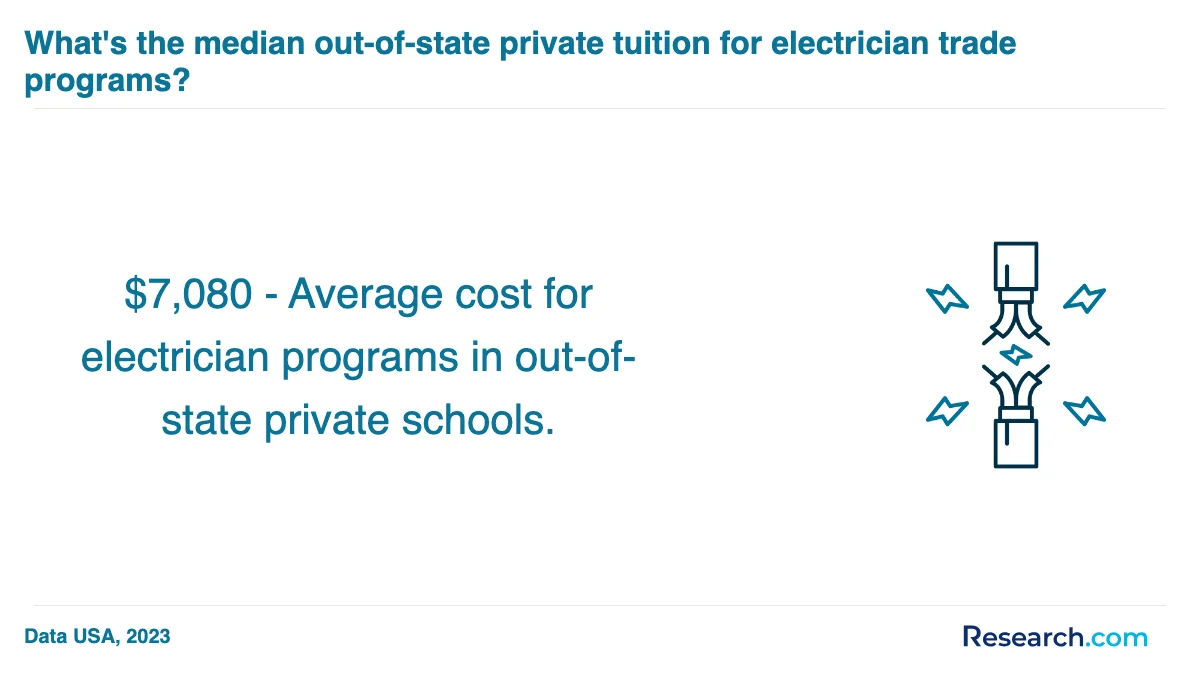
- The average cost for a one-year electrician trade school program in New Mexico is around $8,129, excluding living expenses.
- Most programs include hands-on experience through labs or apprenticeships to prepare students for various job settings.
- New Mexico does not require licensure for entry-level electricians, allowing faster entry into the workforce.
How long does it take to complete electrician trade schools in New Mexico?
If you're wondering how long it takes to complete an electrician trade school program in New Mexico, most students finish within about 9 to 12 months. This timeframe fits well for those who want to jump straight into hands-on learning without spending years in school. For example, graduates from popular New Mexico trade schools often share how the intensive, focused courses helped them gain real-world skills quickly, making the wait to start working feel shorter and more exciting.
Many programs balance classroom instruction with practical labs, so by the time you're done, you're not just book-smart-you're ready to tackle wiring and electrical systems confidently. Students from schools in Albuquerque and Santa Fe mention feeling proud of how fast they could progress, thanks to flexible schedules that fit around their lives.
So, if you're aiming to start a career in electrical work soon, New Mexico's trade schools offer a solid path that doesn't drag on forever but still prepares you thoroughly.
What's the difference between online and on-campus electrician trade school programs?
The biggest difference between online and on-campus electrician programs in New Mexico comes down to hands-on experience and how you learn. Online programs like the University of New Mexico's Residential Electrician course focus on theory and use cool virtual tools-imagine practicing wiring with 3D simulations right from your living room. Graduates often say it's great for flexibility, especially if you're balancing work or family.
On the flip side, schools like Central New Mexico Community College offer in-person training that puts you right in the lab, bending conduit and wiring circuits for real. Many students find this hands-on approach super rewarding because you're getting that feel for the tools and real-world problem-solving that online classes can't fully replicate.
Some students love hybrid programs too, like the one at UEI College in Albuquerque, where you get the best of both worlds-online lessons combined with lab sessions. It's a perfect fit if you want flexibility but still crave that practical touch.
What is the average cost of electrician trade schools in New Mexico?
The average tuition fees for electrician programs in New Mexico can vary quite a bit depending on the type of program and school you choose. For example, certificate programs designed for quick entry into the field typically cost between $3,000 and $10,000. Graduates from popular trade schools like Central New Mexico Community College (CNM) often talk about how the hands-on training in electrical circuitry and troubleshooting made their investment feel worthwhile. CNM's Electrical Trades Certificate program has an estimated total cost of around $8,129, excluding living expenses, which aligns with what many local students experience.
Associate degree programs, which offer a more detailed education including general coursework, usually run from $5,000 to $15,000. These programs not only deepen your electrical knowledge but also prepare you for more advanced roles in the industry. Students often feel proud of completing these as they open doors to a wider range of career options. Cost-wise, attending CNM as an in-state resident means paying about $1,578 per year in tuition, which helps keep the cost of electrician trade school education in New Mexico manageable.
Many apprentices share that while they earn a paycheck during their four-to-five-year program, buying essential tools and covering licensing fees adds up to another $500 to $1,800 in costs. It's a real-world investment that makes you feel ready and confident to work independently once licensed. If you want to explore other technical career paths, check out what are the requirements to be a wind turbine technician in New Mexico to get a sense of how these trade fields compare.

What financial aid is available for electrician trade schools in New Mexico?
If you're planning to study electrician trade programs in New Mexico, there's good news: plenty of financial aid options can help ease the cost. Most students start by filling out the FAFSA, which opens doors to federal grants like the Pell Grant and federal loans. Graduates from places like Central New Mexico Community College (CNM) often mention how these grants made a huge difference, letting them focus more on learning and less on worrying about bills.
State scholarships also play a big role. For example, the New Mexico Legislative Lottery Scholarship helps full-time students at public community colleges, including electrician programs, as long as you keep up a 2.5 GPA. Plus, scholarships like the David R. Woodling Memorial and Andrew Piech Memorial give extra support specifically for trade students.
If you're dealing with financial hardship or job changes, the Workforce Innovation and Opportunity Act (WIOA) is a lifesaver. It can provide up to $9,000-or even $15,000 if you're stacking certifications-to cover tuition. Many CNM grads say these options really boosted their confidence, knowing help was there when they needed it most.
What are the prerequisites for enrolling in electrician trade schools in New Mexico?
If you're thinking about enrolling in an electrician trade school in New Mexico, there are a few key prerequisites you'll want to keep in mind. Most popular trade schools in the state expect you to have a high school diploma or GED. This foundational requirement ensures you're ready to tackle the technical and safety courses that come next.
Many graduates share how having basic math skills and a solid understanding of electrical concepts helped them breeze through the hands-on training. Some schools even recommend or require passing a placement test to make sure you're comfortable with these fundamentals before starting.
Here's a quick rundown of typical prerequisites you might encounter:
- High school diploma or GED
- Basic math proficiency (algebra is often needed)
- Passing a placement or entrance test in some cases
- Proof of residency or age (usually 18 or older)
One graduate from a well-known New Mexico trade school recalled feeling nervous before the entrance test but was thrilled to find it focused on practical math problems relevant to electrical work-like calculating voltage and current. That made the whole experience feel rewarding and directly connected to what they'd be doing in real life.
So, if you're ready to start your journey, brushing up on math and gathering your diploma or GED is a fantastic way to prepare. It's all about setting yourself up for success in the exciting world of electrical work in New Mexico.
What are the typical courses in electrician trade schools in New Mexico?
If you're diving into an electrician trade school in New Mexico, get ready to start with the basics-think electrical theory, safety practices, and how to properly use hand and power tools. For example, students at Central New Mexico Community College jump right into personal safety, meter reading, and electrical formulas in their first term, setting a solid foundation.
As you progress, you'll get hands-on with:
- Reading blueprints and wiring plans for homes and businesses, a skill emphasized across the state.
- Residential and commercial wiring techniques, with labs simulating real job sites-Navajo Technical University students often install circuits both indoors and outdoors to get that real-world feel.
- Understanding the National Electrical Code and New Mexico Electrical Code, which is crucial for making sure your work stays safe and legal.
- Advanced topics like motor controls, three-phase power systems, and conduit bending, often taught alongside practical tool use like power threaders and hammer drills.
Many programs also offer on-the-job training or labs that mirror apprenticeship hours, like CNM's Residential Wiring Lab, helping grads feel confident stepping into the workforce with real skills and experience.
What are the available specializations in electrician trade schools in New Mexico?
Electrician trade school programs in New Mexico cover a range of specializations that help students find their perfect fit. From hands-on experience at Central New Mexico Community College to classes at New Mexico State University, graduates often highlight how focusing on specific paths gave them a real edge. For example, many dive into residential wiring, learning everything from blueprint reading to circuit installations, which is perfect if you imagine yourself fixing up homes or apartments.
Then there's commercial and industrial wiring, a step up in complexity where students get comfortable with power distribution in big buildings or factories. This is a favorite concentration for those wanting to work on larger-scale projects. Also popular are the New Mexico electrical technology program concentrations like Programmable Logic Controls (PLC) and solar photovoltaic systems. These tracks prepare students for automation and renewable energy jobs - sectors growing fast in the state.
Some also take on specialties such as electrical lineworker tasks or focus on niche areas like alarm systems and water well pumps. The best programs blend classroom learning with fieldwork and even union partnerships, so students feel confident stepping into real jobs. For those interested in green energy, combining electrician skills with online wind turbine tech certificate programs can open even more doors.
How do you choose the best electrician trade school program in New Mexico?
Choosing the best electrician trade schools in New Mexico means looking beyond just the course name. Many graduates from popular places like Central New Mexico Community College share how hands-on training with real electrical circuits deeply boosted their confidence on job sites. Programs that balance solid classroom theory with practical experience, especially those offering apprenticeship components, truly help you hit the ground running. It's common for students to feel overwhelmed by complex electrical codes, but having experienced instructors guiding you through wiring methods and safety protocols makes all the difference.
Location matters too-finding a school close to home or with flexible class schedules can ease daily stress. Some of the top-rated electrical programs in New Mexico provide excellent job placement services and connections with local contractors, making the transition into work smoother. If you're curious about career paths or wonder how do i become an electrical lineman, good schools will help you navigate licensing requirements and long-term goals with supportive services and clear guidance.
What career paths are available for electrician trade school graduates in New Mexico?
Graduates of electrician trade schools in New Mexico often find themselves exploring a variety of career paths that fit their skills and interests. Many start as residential electricians, working hands-on in homes to install and repair wiring or troubleshoot electrical issues-something that feels rewarding when you help a family get their power back. Others dive into commercial electrician jobs, where the hustle of office buildings and hospitals keeps every day fresh and teamwork is key.
For those drawn to more technical roles, industrial electrician jobs New Mexico offers in factories and power plants provide exciting challenges with heavy machinery and control systems. It's the perfect fit if you enjoy problem-solving in fast-paced environments.
Graduates from popular trade schools often share how apprenticeships solidified their skills through real-world experience, combining classroom time with paid work. And for some, the journey doesn't stop there-they move up to supervisory roles or even start their own contracting business, applying both their hands-on skills and business know-how.
Plus, if you're aiming high, pairing your electrician training with an electrical engineer degree can open even more doors. New Mexico's flexible entry means you can start working and growing your career quickly, enjoying the many electrician career opportunities in New Mexico.
What is the job market for electrician trade school graduates in New Mexico?
The electrician job outlook in New Mexico is very promising for graduates of local trade schools. With over 400 open electrician jobs statewide as of early 2025, there's no shortage of opportunities for skilled workers in roles ranging from apprentices to journeypersons and industrial electricians. Many graduates from popular New Mexico trade schools share stories of landing paid apprenticeships quickly after finishing their programs, allowing them to earn while completing their licensing requirements.
Working conditions are diverse, involving tasks like rough wiring in new homes, industrial motor controls, and outdoor infrastructure projects. Graduates appreciate the variety and hands-on skills gained, often moving up to supervisory or estimator positions within a few years. Here's what makes the New Mexico electrician employment projections so encouraging:
- Hourly wages for licensed electricians range from $23 to $40, depending on experience and specialization.
- Apprenticeships provide paid on-the-job training and a clear path to licensure.
- Employers include everything from local contractors to energy companies, offering diverse career paths.
For students considering their next step, exploring electrician trade schools online in New Mexico can be a great way to start. The strong local demand and structured apprenticeship programs help graduates feel confident about building a lasting career in this in-demand field.
Frequently Asked Questions about electrician
After completing an electrician trade school program in New Mexico, preparing for the job market involves several key steps. First, obtaining the required state licensure is essential. The New Mexico Regulation and Licensing Department requires electricians to pass the journeyman or master electrician exam to work legally. Graduates should also consider gaining hands-on experience through apprenticeships, as many employers prefer candidates with practical skills.
Networking is another vital aspect. Joining local trade organizations, such as the New Mexico chapter of the National Electrical Contractors Association, can provide job leads and mentorship opportunities. Additionally, creating a professional resume highlighting certifications and completed coursework improves job prospects.
According to the U.S. Bureau of Labor Statistics, the demand for electricians in New Mexico is projected to grow by 8% from 2022 to 2032, faster than the national average. This growth suggests a favorable job market for qualified graduates.
Employers in New Mexico seek electrician trade school graduates with a strong foundation in electrical theory and practical skills. Key abilities include understanding wiring diagrams, safety protocols, and local electrical codes. According to the U.S. Bureau of Labor Statistics, knowledge of the National Electrical Code (NEC) is essential for compliance and safety.
Technical proficiency with tools and equipment is equally important. Graduates must demonstrate skill in installing, maintaining, and troubleshooting electrical systems.
Soft skills such as problem-solving, communication, and teamwork also rank highly in employer surveys conducted by New Mexico Workforce Solutions.
To find internships relevant to electrician trade school programs in New Mexico, start by contacting local trade schools and community colleges. Many institutions maintain partnerships with electrical contractors and unions, which can provide direct internship opportunities.
The New Mexico Department of Workforce Solutions offers resources for job seekers, including apprenticeships and internships in skilled trades like electrical work. Their website lists openings and programs statewide, helping students connect with employers.
Another effective approach is to reach out to the International Brotherhood of Electrical Workers (IBEW) Local 611, which actively supports apprenticeships and internships in New Mexico. They provide hands-on experience crucial for licensing.
Research shows that hands-on internships improve employment outcomes; the U.S. Bureau of Labor Statistics notes that apprenticeship programs in electrical trades often lead to higher wages and job stability.
Obtaining a diploma from an electrician trade school in New Mexico significantly enhances career mobility and advancement opportunities. According to the New Mexico Department of Workforce Solutions, the state's demand for skilled electricians is projected to grow by 8% through 2030, driven by infrastructure development and renewable energy projects.
A diploma demonstrates foundational knowledge and practical skills, often required to qualify for state licensing exams. Licensed electricians typically earn higher wages, with the U.S. Bureau of Labor Statistics reporting a median annual wage of $52,000 for electricians in New Mexico as of 2023.
Additionally, trade school graduates often gain access to apprenticeship programs, which are critical for hands-on experience and accelerated career progression.
Students enrolled in electrician trade schools in New Mexico can benefit from part-time jobs that provide hands-on experience. Common opportunities include working as electrical helpers or apprentices, where they assist licensed electricians on job sites. These roles offer practical skills that complement classroom learning.
Retail positions in hardware or electrical supply stores also help students understand tools and materials used in the trade. According to the U.S. Bureau of Labor Statistics, New Mexico has a steady demand for electricians, with a projected 9% growth over the next decade. Gaining work experience while studying can improve job prospects upon graduation.
Additionally, part-time roles in maintenance or facilities departments at local businesses offer exposure to electrical systems in real-world settings.
When choosing the best electrician degree program near New Mexico, consider factors such as curriculum comprehensiveness, availability of hands-on training, and industry accreditation. Research.com is a helpful resource to identify reputable institutions and compare programs based on faculty expertise and graduate outcomes. Exploring local community colleges and trade schools near me may also offer insights into affordable and high-quality options within the region.
Related Electrician Rankings for Nearby States
- Best Electrical Technician Training Programs & Trade Schools - Top Electrical Tech Schools in Arizona for 2026
- Best Electrical Technician Training Programs & Trade Schools - Top Electrical Tech Schools in Texas for 2026
- Best Electrical Technician Training Programs & Trade Schools - Top Electrical Tech Schools in Nevada for 2026
- Best Electrical Technician Training Programs & Trade Schools - Top Electrical Tech Schools in Missouri for 2026
- Best Electrical Technician Training Programs & Trade Schools - Top Electrical Tech Schools in Idaho for 2026
- Best Electrical Technician Training Programs & Trade Schools - Top Electrical Tech Schools in Louisiana for 2026
- Best Electrical Technician Training Programs & Trade Schools - Top Electrical Tech Schools in Montana for 2026
- Best Electrical Technician Training Programs & Trade Schools - Top Electrical Tech Schools in Illinois for 2026
- Best Electrical Technician Training Programs & Trade Schools - Top Electrical Tech Schools in Mississippi for 2026
- Best Electrical Technician Training Programs & Trade Schools - Top Electrical Tech Schools in Wisconsin for 2026
Top Trending Rankings
References
- What Can I Do After Finishing My Apprenticeship? | College of Electrical Training https://cet.asn.au/news-insights/what-can-i-do-after-finishing-my-apprenticeship
- Should You Choose a Trade School or an Apprenticeship? Exploring the Electrical Training Path - InterCoast Colleges https://intercoast.edu/articles/trade-school-apprenticeship/
- Becoming an Electrician: Guide to Starting a Career in the Electrical Trade | Centura College https://www.centuracollege.edu/blogs/trades-industry/how-to-become-an-electrician/
- Electrical Apprenticeship | Engineering, Manufacturing & Energy Sector Career Story | CareersPortal.ie https://careersportal.ie/articles/article.php
- Electrical Trades Program at CNM https://www.cnm.edu/programs/programs-a-z/electrical-trades
- 11 Electrician Schools in NM - Hands-On & Awesome [UPDATED 2025] https://electricalschool.org/nm/
- How to Become an Electrician in New Mexico https://contractortrainingcenter.com/blogs/news/how-to-become-an-electrician-in-new-mexico
- Apprentices - New Mexico Jatc For The Electrical Industry https://www.nmjatc.org/apprentices
- Electrical Program - ABC New Mexico https://abcnm.org/electrical-program/
- Electrician salary in New Mexico ‐ CareerExplorer https://www.careerexplorer.com/careers/electrician/salary/new-mexico/


