
Most Affordable Electrical Technician Schools & Training - Budget-Friendly Electrical Trade Programs in Wisconsin for 2026

Co-Founder and Chief Data Scientist
Choosing the right electrician trade school in Wisconsin can feel overwhelming, but we’re here to help. This article introduces a carefully crafted electrician trade school programs ranking created by the Research.com team of data scientists to guide you toward the best options for 2026.
With the right training, you can build a rewarding career offering stability and growth. Reading this guide will help you make an informed decision about schools that fit your goals and budget, setting you up for success in the skilled trades.
Key benefits of finishing electrician trade school in Wisconsin
- Graduates of electrician trade schools in Wisconsin can expect starting salaries around $57,517 annually, with opportunities to earn up to $67,000 or more as journeyman electricians, offering a solid financial foundation.
- Career paths include becoming journeyman electricians, specialized technicians, or supervisors, giving graduates flexibility and room to grow in various industries within the state.
- Completing an electrician trade school online provides convenience and faster completion, allowing students to balance work and study while gaining the same practical skills as traditional programs.
- Most Affordable Electrical Technician Schools & Training - Budget-Friendly Electrical Trade Programs in Wisconsin for 2026
- What can I expect from electrician trade schools in Wisconsin?
- Where can I work after finishing electrician trade schools in Wisconsin?
What can I expect from electrician trade schools in Wisconsin?
Students entering electrician trade school programs in Wisconsin can expect a well-rounded experience combining classroom learning with hands-on training. Graduates from schools like Milwaukee Area Technical College often describe diving into courses on electrical wiring, blueprint reading, and safety practices that feel immediately relevant and practical.
Many students find themselves balancing theory with real-world application through apprenticeships, which typically last four years and include around 8,400 hours of paid on-the-job training alongside classroom instruction. This blend helps learners quickly build confidence working on residential and commercial electrical systems, from installing breaker boxes to troubleshooting communications cables.
Class sessions are usually in-person at familiar technical colleges such as Madison College or Waukesha County Technical College, where students engage deeply with the National Electrical Code and Wisconsin-specific building codes. Apprenticeship placements often come through local partnerships, making it feel like stepping directly into a supportive professional community.
Overall, students often express excitement about gaining practical skills, earning as they learn, and preparing fully for state licensing-all while feeling supported by instructors and industry mentors alike.
Where can I work after finishing electrician trade schools in Wisconsin?
Graduates from electrician trade schools in Wisconsin often find themselves stepping confidently into diverse roles that match their hands-on training. Many begin by working in residential electrical services, where they install and troubleshoot wiring in homes and apartments, gaining invaluable experience that builds their confidence and skillset. Others move into commercial and industrial settings, tackling complex control systems in factories or supporting production lines, which can be both challenging and rewarding for those who enjoy problem-solving in fast-paced environments.
Trade school alumni also frequently join construction projects, wiring new buildings or upgrading existing structures-a tangible way to see their work shape the community. Some find fulfilling roles with municipal utilities, maintaining street lighting or public facilities, which offers a sense of contributing to public safety.
Graduates from well-known Wisconsin programs often share how these varied opportunities allow them to envision career growth, whether advancing to Journeyman or Master Electrician or specializing in automation. The excitement of a potential $10,000 hiring bonus in Milwaukee adds to the motivation and optimism many feel after completing their training.
After completing an electrician trade school program in Wisconsin, many graduates find themselves stepping into roles that pay around $29.79 per hour, which can mean an annual salary near $61,000 working full-time. Graduates from well-known Wisconsin trade schools often share how starting as apprentices felt rewarding, knowing their pay would grow steadily with experience. One graduate described beginning with an entry-level salary close to $50,000 but quickly advancing to over $66,000 as skills and certifications improved.
Journeyman electricians in Wisconsin typically earn around $67,000 annually, or about $38 per hour. Many grads imagine themselves moving from hands-on training to these higher wages within a few years, especially if they work in busy urban areas or specialize in commercial or industrial electrical work.
With Wisconsin's lower cost of living balancing the pay scale, graduates feel optimistic about building stable careers. The wide wage range-from roughly $24 to $33 per hour-means there's room to grow, making a trade school education a smart investment for those ready to power up their futures.
- Applicants must have a high school diploma or GED and a grade of "C" or better in high school algebra.
- Students must be at least 17 years old, have reliable transportation, and pass aptitude tests in reading and arithmetic.
- Apprenticeships last four to five years, combining about 8,000 hours of paid on-the-job training with at least 576 hours of classroom instruction.
- Classroom instruction costs range from $2,000 to $4,000, but apprentices earn wages while training.
- Entry-level electricians earn $18 to $25 per hour, while journeymen can earn $30 to $40 per hour or more, with median annual wages over $60,000 for experienced electricians.
Completing an electrician trade school program in Wisconsin typically takes about 9 to 12 months for full-time students, though part-time options can extend this to around 18 months. Graduates from well-known Wisconsin trade schools often share how this timeframe allowed them to quickly build confidence through hands-on learning and real-world simulations.
One graduate described how balancing classroom instruction with practical labs at a Milwaukee-based school made the months feel productive and engaging, turning complex electrical concepts into achievable skills. Another graduate from a Madison trade school mentioned appreciating the structured timeline that fit well with their desire to enter the workforce swiftly without sacrificing depth of training.
For many, the blend of focused coursework and on-site practice means the program moves at a pace that feels challenging yet rewarding. Considering Wisconsin's emphasis on apprenticeship readiness, this duration aligns well with state requirements, preparing students to confidently pass licensing exams and start their careers sooner.
Online electrician trade school programs in Wisconsin offer unmatched flexibility, allowing students to study at their own pace from anywhere. Graduates from programs like the University of Wisconsin-Parkside often describe the convenience of accessing over 30 virtual simulations and 3D models, which help them grasp complex electrical concepts without needing to be physically present. This approach is ideal for those balancing work or family commitments, providing a sense of independence and control over their learning schedule.
On the other hand, graduates from Milwaukee Area Technical College or Waukesha County Technical College highlight the invaluable hands-on experience gained through on-campus labs and workshops. These settings foster close interaction with instructors and peers, offering immediate feedback and real-world practice with tools and wiring. Many express confidence in their skills, having worked directly with electrical systems under expert supervision.
Hybrid programs, like Northwood Technical College's apprenticeship, blend these benefits by combining online coursework with essential in-person training. Students often find this mix rewarding, as it balances flexibility with the practical experience crucial for mastering the trade in Wisconsin's competitive job market.
The average tuition fees for electrician programs in Wisconsin typically range between $5,000 and $15,000, depending heavily on the trade school and the length of the program. Graduates from popular institutions like those within the Wisconsin Technical College System often share how their investment in education, usually around $5,000 to $10,000 in tuition, made their transition into the workforce smoother and more confident. Many students describe balancing part-time work alongside their courses to manage these costs effectively. This approach can extend the training duration but offers a more manageable financial commitment.
Total expenses for electrician trade schools in Wisconsin go beyond tuition. Graduates often recall budgeting an additional $500 to $1,000 to cover textbooks, tools, uniforms, and licensing exam fees - crucial items that equip students for hands-on learning and certification. For many, understanding these costs upfront helped ease unexpected financial burdens and sharpened their determination to complete the program. Some students opt for accelerated courses, which, while coming with higher tuition fees, offer an energized path to earning their credentials faster.
To find affordable pathways, prospective students frequently explore options like financial aid, scholarships, and work-study programs at their chosen schools. Others even consider low cost electrician training programs online to reduce expenses while maintaining quality education. These choices reflect a practical mindset, considering all aspects of cost to successfully enter Wisconsin's electrician workforce.
Electrician trade school students in Wisconsin often find financial aid that makes their education feel within reach. Graduates from programs at Northeast Wisconsin Technical College or Madison College frequently mention how federal aid like Pell Grants and student loans helped ease their financial burden, allowing them to focus more on hands-on learning than on worrying about tuition bills.
State-specific support, such as the Wisconsin Grant, offers up to $3,150 annually for residents attending public institutions, which many students rely on to cover essential costs. Imagine a student balancing work and classes who receives this grant-it can mean fewer hours at a second job and more time mastering electrical skills.
In addition, scholarships like the Wisconsin Electrical Trades Council Scholarship Fund and the ABC of Wisconsin's Apprenticeship Scholarship provide targeted funding for those committed to electrical careers. For apprentices combining classroom study with paid work, these awards not only reduce expenses but also boost confidence and motivation.
Local scholarships, such as those from the Community Foundation of North Central Wisconsin, further support students by recognizing academic effort and career ambition. This patchwork of aid options creates a hopeful pathway for many aspiring electricians across Wisconsin.
Enrolling in an electrician trade school program in Wisconsin usually requires meeting a few straightforward prerequisites that set you up for success. Most programs expect applicants to have a high school diploma or GED, which ensures you have the basic math and reading skills essential for understanding electrical theory and safety protocols.
Graduates from well-known Wisconsin trade schools often share that passing a basic math and reading assessment is also common. This step helps schools confirm you're ready for the technical coursework ahead, which can feel challenging but rewarding once you get the hang of it.
Other typical prerequisites include:
- Being at least 18 years old to comply with state apprenticeship requirements
- Possessing reliable transportation, since some programs combine classroom learning with on-site training
- Demonstrating a strong work ethic and eagerness to learn, as many students emphasize this mindset helped them thrive
Imagine starting your journey at a bustling Wisconsin trade school, where meeting these prerequisites is your first step toward mastering hands-on electrical work. The encouragement from instructors and fellow students often transforms initial nerves into excitement about building a skilled, high-demand career.
Electrician trade school programs in Wisconsin typically include a mix of hands-on and theoretical courses designed to build real-world skills quickly. Graduates from schools like Milwaukee Area Technical College often highlight courses such as Basic Skills for Electrical Wiring, which teaches the essential techniques of wiring and circuitry through practical exercises.
Common courses you'll encounter include:
- Electrical Theory, covering AC/DC principles that explain how electricity flows in everyday systems.
- National Electrical Code (NEC) fundamentals, essential for understanding safety and regulatory standards that every electrician must follow.
- Blueprint Reading and Electrical Design, helping students interpret construction plans and prepare project cost estimates.
- Electric Motor Control Wiring and Solid State Devices, providing insight into troubleshooting modern electrical equipment.
- OSHA 30-Hour Safety Training and first aid, which graduates often recall as critical for staying safe on job sites.
In apprenticeship programs like those at Southwest Wisconsin Technical College, students appreciate the extended focus on programmable logic controls and conduit bending, combining classroom hours with valuable on-the-job experience that builds confidence and readiness for real projects.
Many graduates remember how learning workplace communication enhanced their ability to collaborate effectively with contractors and clients, a skill just as important as technical know-how in the field.
Electrician trade school programs in Wisconsin often include a variety of specializations that align with industry demands and student interests. Graduates commonly highlight how focusing on residential electrical work equips them with skills to wire homes and apartments safely, emphasizing local codes and client-specific needs. Other popular tracks include commercial electrical work, where students learn to manage complex office or retail systems, and industrial electrical work, which prepares them for high-voltage and motor control tasks in factories. These specializations reflect the core options available in electrician program specializations in Wisconsin.
Many students also pursue low-voltage or telecommunications wiring specializations, gaining expertise in essential data and voice cabling technologies. Some graduates find value in electrical inspection courses that pave the way to becoming certified inspectors in Wisconsin's residential or commercial sectors. Curricula often include blueprint reading, safety protocols, NEC compliance, and hands-on troubleshooting, creating a practical learning environment.
Popular Wisconsin trade schools tailor apprenticeship programs to these tracks, offering immersive experiences that mirror real job scenarios. Those considering an electrical engineer degree often find these pathways enhance career flexibility and growth.
Typical types of electrical apprenticeships Wisconsin-based programs provide include:
- Residential wiring and installation
- Commercial system management and lighting
- Industrial motor controls and high-voltage systems
- Telecommunications and low-voltage cabling
- Electrical inspection and certification
Choosing among the best electrician trade schools in Wisconsin means prioritizing programs that balance rigorous classroom theory with hands-on training. Graduates from institutions like Western Technical College often praise the real-world experience earned through extensive apprenticeships, which build confidence when working on live electrical systems. Many highlight how accredited programs not only fulfill state licensing requirements but also open doors to rewarding career opportunities.
When learning how to select an electrician program in Wisconsin, consider the program duration and structure. Some schools, such as Gateway Technical College, offer comprehensive tracks spanning several years, while others provide accelerated options tailored to students eager to enter the workforce faster. Financial factors also come into play-while some programs have higher tuition costs, others offer no-fee apprenticeships, an advantage for learners managing budgets.
Beyond classroom learning, graduates emphasize the importance of strong industry connections that help with internships and job placement. Access to modern facilities equipped with up-to-date technology enhances skill development. For those seeking faster entry into renewable energy roles, exploring affordable accelerated wind turbine technician training programs online can complement electrician skills and expand career paths within Wisconsin's growing energy sector.
Graduates of electrician trade school programs in Wisconsin find a variety of promising career options immediately after completion. Many secure electrician apprenticeship jobs Wisconsin that allow them to combine classroom knowledge with hands-on experience, working under licensed electricians in vibrant city and rural settings. These apprenticeships typically involve about 8,000 hours of practical training, which graduates from well-regarded trade schools in Milwaukee or Green Bay often describe as both challenging and rewarding.
As they progress, many move into licensed Journeyman Electrician roles, gaining independence and specializations such as telecommunications or security systems installation. Others take their expertise further by aiming to become Master Electricians, overseeing complex projects or running their own contracting businesses. The job outlook remains strong, reflecting Wisconsin's ongoing investment in infrastructure and commercial growth.
Beyond hands-on roles, some graduates pursue careers as Electrical Inspectors or vocational instructors, sharing their skills with the next wave of trainees. Those interested in continuous education might explore affordable online maintenance technician certification programs to complement their career trajectory.
Wisconsin's electrician job outlook remains stable, offering graduates of local trade schools promising opportunities despite a modest hiring slowdown observed recently. Graduates from popular trade programs commonly report securing apprenticeships and entry-level positions quickly, benefiting from the state's workforce demand of nearly 20,000 electricians.
Consider the typical wage spectrum: an average hourly rate near $29.79 provides a reliable start for many new electricians, with experienced professionals often earning significantly more. While Wisconsin ranks last nationally in terms of electrician pay, steady work and incremental wage growth keep prospects positive.
Key factors influencing electrician employment opportunities Wisconsin include:
- The steady 1.0% industry growth seen between 2020 and 2025
- A competitive unemployment rate near 3.0%, aiding job availability
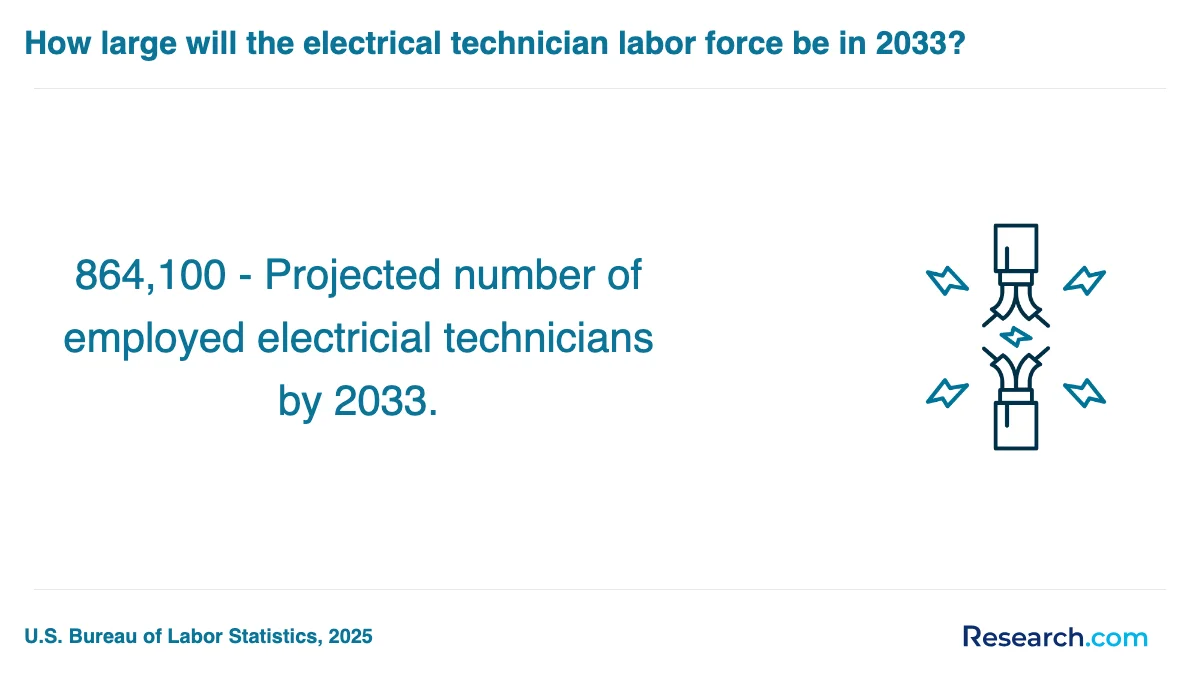
- Long-term national growth projections of 11% through 2033
Trade school graduates highlight that early exposure to apprenticeships within Wisconsin's construction and renewable energy sectors enhances career readiness. Those exploring alternative routes can also seek a low cost online electrical engineering degree to supplement skills and increase marketability. This approach opens doors in advancing technologies and emerging electrical systems, promising an optimistic horizon for committed students ready to meet evolving industry demands.
Most Affordable Electrical Technician Schools & Training - Budget-Friendly Electrical Trade Programs in Wisconsin for 2026
# 1 position
Moraine Park Technical College - Electrician.
certificate or diplomaThe Electrician program at Moraine Park Technical College offers a hybrid format combining in-person and distance education. It prepares students to install, operate, maintain, and repair electrical systems in residential, commercial, and industrial settings. Instruction covers electronics, wiring, power transmission, safety, testing, inspection, and electrical codes. The program is accredited by the Higher Learning Commission. Annual in-state tuition is $4,713, and median earnings one year after completion are $41,051.
# 2 position
Southwest Wisconsin Technical College - Electrician.
certificate or diplomaSouthwest Wisconsin Technical College offers a hybrid Electrician program designed to teach installation, operation, maintenance, and repair of electric apparatus and systems, including residential and industrial wiring. The curriculum covers electronics, wiring, power transmission, safety, inspection, and applicable codes. Annual in-state tuition is $4,796. Graduates have a median earning of $53,024 one year after completion. The program is accredited by the Higher Learning Commission.
# 3 position
Chippewa Valley Technical College - Electrician.
certificate or diplomaChippewa Valley Technical College offers a hybrid Electrician program that prepares students to install, operate, maintain, and repair electrical systems in residential, commercial, and industrial settings. The curriculum covers electronics principles, wiring, power transmission, safety, electrical testing, and applicable codes. The annual in-state tuition is $4,724. Graduates have a median earning of $60,950 one year after completion. The program is accredited by the Higher Learning Commission.
# 4 position
Western Technical College - Electrician.
associateWestern Technical College offers a hybrid Electrician program that prepares students to install, operate, maintain, and repair electric apparatus and systems, including residential, commercial, and industrial wiring. Instruction covers electronics, electrical systems, safety, power transmission, and applicable codes. The program’s annual in-state tuition is $4,716. It is accredited by the Higher Learning Commission, providing students with technical skills relevant to the electrical trade. Some distance-education options are available.
# 5 position
Northeast Wisconsin Technical College - Electrician.
certificate or diplomaThe Electrician program at Northeast Wisconsin Technical College offers a hybrid learning format, combining in-person and distance education. It prepares students to install, operate, maintain, and repair electrical systems and apparatus in residential, commercial, and industrial settings. The curriculum covers electronics, wiring, power transmission, safety, and electrical codes. Annual in-state tuition is $4,904. Graduates earn a median salary of $31,061 one year after completion. The program is accredited by the Higher Learning Commission.
# 6 position
Mid-State Technical College - Electrician.
certificate or diplomaMid-State Technical College offers a hybrid Electrician program that trains students to install, operate, maintain, and repair electrical systems in residential, commercial, and industrial settings. The curriculum covers electronics, wiring, power transmission, safety, electrical testing, and applicable codes. The program’s annual in-state tuition is $4,886. It is accredited by the Higher Learning Commission and includes some distance-education options for flexible learning.
# 7 position
Waukesha County Technical College - Electrician.
certificate or diplomaThe Electrician program at Waukesha County Technical College offers a hybrid format with some distance-education options. It trains students to install, operate, maintain, and repair electrical systems including residential, commercial, and industrial wiring. The curriculum covers electronics principles, safety, electrical testing, and applicable codes. The annual in-state tuition is $4,720. The program is accredited by the Higher Learning Commission.
# 8 position
Fox Valley Technical College - Electrician.
certificate or diplomaFox Valley Technical College offers a hybrid Electrician program that prepares students to install, operate, maintain, and repair electric systems including residential, commercial, and industrial wiring. The curriculum covers electronics principles, wiring, power transmission, safety, electrical testing, and applicable codes. The program is accredited by the Higher Learning Commission. Annual in-state tuition is $4,916.
# 9 position
Gateway Technical College - Electrician.
certificate or diplomaGateway Technical College offers a hybrid Electrician program designed to prepare students to install, operate, maintain, and repair electrical systems and equipment in residential, commercial, and industrial settings. The curriculum covers electronics principles, wiring, power transmission, safety, and code compliance. The program is accredited by the Higher Learning Commission. Annual in-state tuition is $4,853, with some distance-education options available.
# 10 position
Milwaukee Area Technical College - Electrician.
certificate or diplomaThe Electrician program at Milwaukee Area Technical College offers hybrid learning with some distance education options. It trains students to install, operate, maintain, and repair electrical systems, including residential, commercial, and industrial wiring, motors, controls, and distribution panels. The curriculum covers electronics, power transmission, safety, job estimation, testing, inspection, and relevant codes. Annual in-state tuition is $5,017. The program is accredited by the Higher Learning Commission.
Frequently Asked Questions about electrician
After completing electrician trade school in Wisconsin, preparing for the job market involves several key steps. First, obtaining the required state licenses is crucial; Wisconsin requires electricians to hold a Journeyman or Master Electrician license, which involves passing exams and completing hours of supervised work.
Next, gaining practical experience through apprenticeships or entry-level positions helps build skills and employability. According to the Wisconsin Department of Workforce Development, electricians in the state earn a median wage of about $26 per hour, highlighting strong job prospects.
Networking with local contractors and joining trade associations like the International Brotherhood of Electrical Workers (IBEW) can open doors to job opportunities. Additionally, staying updated on electrical codes and technologies through continuing education is essential for career growth in Wisconsin's evolving electrical industry.
Employers in Wisconsin seek electrician trade school graduates who demonstrate strong technical skills and practical knowledge. Proficiency in reading blueprints, electrical codes, and wiring diagrams is essential. According to the U.S. Bureau of Labor Statistics and Wisconsin Department of Workforce Development, graduates with hands-on experience in installing and maintaining electrical systems have better job prospects.
Problem-solving abilities and attention to safety standards are highly valued, as electricians frequently work in hazardous environments. Communication skills also matter because electricians must collaborate with contractors and clients.
Additionally, familiarity with the National Electrical Code (NEC) and state-specific regulations ensures compliance, which is critical for employment success in Wisconsin's electrical industry.
Finding internships relevant to electrician trade school programs in Wisconsin involves several practical steps. Start by contacting your trade school's career services office, as many schools maintain partnerships with local electrical contractors and union apprenticeships. The Wisconsin Department of Workforce Development offers resources and listings for apprenticeship programs, which often include paid internships providing hands-on experience.
Networking with local electricians and attending industry job fairs can also uncover internship opportunities. According to the Bureau of Labor Statistics, Wisconsin's demand for electricians is growing steadily, increasing the availability of practical training positions. Additionally, unions like the International Brotherhood of Electrical Workers (IBEW) offer registered apprenticeship programs that combine classroom education with paid fieldwork.
Utilizing online job boards focused on technical trades and state government resources can broaden your search. Remember to prepare a professional resume highlighting your coursework and practical skills to improve your chances of securing an internship.
Obtaining a diploma from an electrician trade school in Wisconsin significantly enhances career mobility and advancement opportunities. According to the Wisconsin Department of Workforce Development, the demand for skilled electricians is expected to grow by 7% through 2030, creating strong job prospects for diploma holders.
A trade school diploma equips students with practical skills and knowledge required for state licensing exams, an essential step for career progression. Licensed electricians in Wisconsin typically earn higher wages, with median annual salaries around $60,000, compared to non-licensed workers.
Furthermore, graduates gain access to apprenticeships and specialized roles, increasing their potential for promotions within construction, manufacturing, and maintenance sectors.
Students attending electrician trade schools in Wisconsin can benefit from part-time jobs that provide practical experience and reinforce classroom learning. Common opportunities include working as electrical helpers or apprentices under licensed electricians. These roles allow students to develop hands-on skills while earning income. According to the U.S. Bureau of Labor Statistics, Wisconsin's electrician employment is projected to grow 8% from 2022 to 2032, indicating steady demand for trained workers.
Other complementary jobs include positions in construction labor or maintenance assistance, which expose students to related trades and safety protocols. Many trade schools encourage students to seek apprenticeships registered with the Wisconsin Department of Workforce Development to gain industry-recognized experience.
To find the most affordable Electrician degree program near you, begin by searching for community colleges and technical schools near Wisconsin, as they often offer cost-effective programs. Utilize resources like Research.com to compare tuition rates, program lengths, and specific electrician courses offered by different institutions. Additionally, consider visiting local educational institutions, career fairs, or contacting admissions offices directly to explore options for Electrician degree programs near me.
- Most Affordable Electrical Technician Schools & Training - Budget-Friendly Electrical Trade Programs in Minnesota for 2026
- Most Affordable Electrical Technician Schools & Training - Budget-Friendly Electrical Trade Programs in Indiana for 2026
- Most Affordable Electrical Technician Schools & Training - Budget-Friendly Electrical Trade Programs in Missouri for 2026
- Most Affordable Electrical Technician Schools & Training - Budget-Friendly Electrical Trade Programs in Ohio for 2026
- Most Affordable Electrical Technician Schools & Training - Budget-Friendly Electrical Trade Programs in South Dakota for 2026
- Most Affordable Electrical Technician Schools & Training - Budget-Friendly Electrical Trade Programs in Kentucky for 2026
- Most Affordable Electrical Technician Schools & Training - Budget-Friendly Electrical Trade Programs in North Dakota for 2026
- Most Affordable Electrical Technician Schools & Training - Budget-Friendly Electrical Trade Programs in Tennessee for 2026
- Most Affordable Electrical Technician Schools & Training - Budget-Friendly Electrical Trade Programs in Arkansas for 2026
- Most Affordable Electrical Technician Schools & Training - Budget-Friendly Electrical Trade Programs in Mississippi for 2026
- Electrician Trade School | Edvisors https://www.edvisors.com/plan-for-college/careers/electrician-trade-school/
- Should You Choose a Trade School or an Apprenticeship? Exploring the Electrical Training Path - InterCoast Colleges https://intercoast.edu/articles/trade-school-apprenticeship/
- 11 Best Electrician Trade Schools: Training, Cost, and Career Outlook - Podium https://www.podium.com/article/electrician-trade-school
- Want to Become an Electrician in 2025? Here’s What You NEED to Know! https://www.youtube.com/watch
- Electrician - Trades Training BC https://www.tradestrainingbc.ca/trades/electrical-telecommunications/electrician
- How Long is Trade School for an Electrician? The Comprehensive Guide - CET https://cetweb.edu/blog/how-long-is-trade-school-for-an-electrician-the-comprehensive-guide
- Electrician https://www.sait.ca/apprenticeships-and-trades/programs/electrician
- profile icon https://www.niche.com/colleges/search/best-colleges-with-electrician/s/wisconsin/
- Electrician Schools in Wisconsin | Top Trade Schools https://toptradeschools.com/near-you/electrician/wisconsin/
- Electrician School in Wisconsin | Training and License Requirements for Electrician Jobs in WI https://www.electricianschooledu.org/wisconsin/


