Most Affordable Electrical Technician Schools & Training - Budget-Friendly Electrical Trade Programs in North Carolina for 2026

Co-Founder and Chief Data Scientist
Choosing the right electrician trade school in North Carolina can feel overwhelming, but this article is here to guide you. We present a detailed ranking of electrician trade school programs, developed by the Research.com team of data scientists, to help you find the best options for 2026.
Whether you’re starting fresh or looking to advance your skills, earning a diploma or certification opens doors to rewarding career opportunities. Reading this article will empower you to make an informed decision with confidence.
Take the next step toward a fulfilling future in the electrical trade today.
Key benefits of finishing electrician trade school in North Carolina
- Graduates of electrician trade schools in North Carolina can expect to start with salaries around $40,950 per year, with opportunities to earn up to $65,390 annually as experience grows.
- Career paths include becoming a Journeyman or Master Electrician, offering higher pay and greater responsibilities, as shown by graduates from popular trade schools in the state.
- Completing an electrician trade school online provides flexibility and convenience, enabling students to balance work and study effectively, as experienced by many successful online graduates from well-known programs.
What can I expect from electrician trade schools in North Carolina?
When you enroll in an electrician trade school program in North Carolina, expect a strong mix of classroom learning and hands-on experience. Graduates from schools like Wake Technical Community College and Central Piedmont Community College often describe starting with essential topics such as electrical theory, safety protocols, and the National Electrical Code (NEC). This foundation is crucial for understanding real-world electrical work.
Programs usually include practical courses on AC/DC theory, blueprint reading, motor controls, and fire alarm systems. Many students find the balance of theory and hands-on labs rewarding, as it prepares them for on-the-job challenges. You'll also likely enter a state-approved apprenticeship, combining at least 900 hours of classroom education with 8,000 hours of paid training, which graduates say builds confidence and real skills under experienced electricians' guidance.
Passing both written and practical exams is required to earn certifications and move toward licensure. Students appreciate how this structured approach offers a clear path to a stable, in-demand career in North Carolina's electrical industry.
Where can I work after finishing electrician trade schools in North Carolina?
After finishing an electrician trade school program in North Carolina, graduates find diverse job opportunities across the state. Many start in the residential sector, working on homes and apartments, installing wiring or generators. For example, graduates from well-known schools like Central Piedmont Community College often share how rewarding it is to help families upgrade their electrical systems safely and efficiently.
Others move into commercial settings such as office buildings and schools, where they handle lighting systems and security wiring. Graduates frequently mention the satisfaction of working on large projects with companies like Fountain Services LLC, gaining hands-on experience that builds their confidence and skills.
Industrial electrician roles are also common, with jobs in factories and manufacturing plants requiring specialized skills. Graduates training at Guilford Technical Community College report feeling proud when they apply their knowledge to keep complex machinery running smoothly.
Many start as apprentices or helpers, supported by structured programs that guide them toward licensure and career growth. Opportunities in solar installation and building automation offer exciting paths as well, reflecting the strong demand for North Carolina-trained electricians.
How much can I make after finishing electrician trade schools in North Carolina?
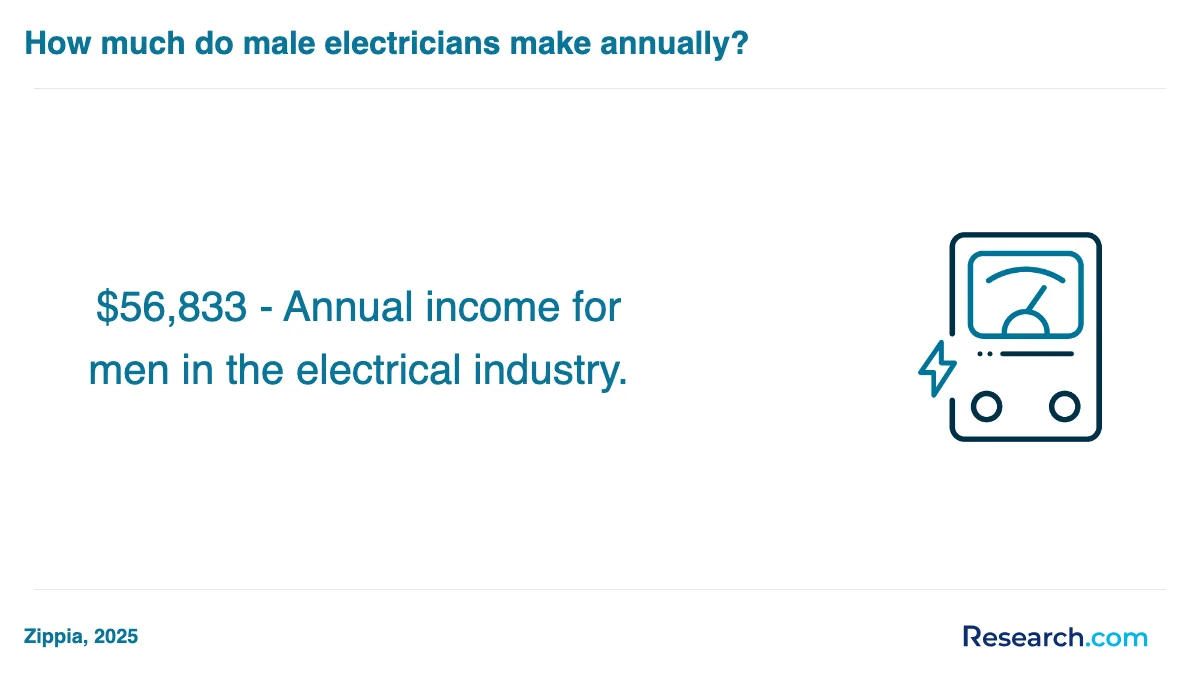
After finishing an electrician trade school program in North Carolina, graduates typically start with an average hourly wage of about $26.82 as of 2025. This means you can expect to earn around $55,800 annually working full-time, which is a solid income for entry-level positions in the state.
Many graduates from popular trade schools in North Carolina share stories of quickly landing jobs where their hourly pay ranges between $21.83 and $29.95. Those working in cities like Raleigh often see wages closer to $27.96 per hour, reflecting the higher demand and cost of living in urban areas.
Overtime is another factor that boosts earnings significantly. Graduates often report making an extra $9,438 annually in overtime, which can make a noticeable difference in their take-home pay. This extra income rewards those willing to work extra hours or take on challenging projects.
With experience and certifications gained after graduation, many electricians quickly move up to higher-paying roles, making this trade school pathway both practical and financially rewarding.
Most Affordable Electrical Technician Schools & Training - Budget-Friendly Electrical Trade Programs in North Carolina for 2026
# 1 position
Nash Community College - Electrician.
associateNash Community College offers a hybrid Electrician program that prepares students to install, operate, maintain, and repair electrical systems, including residential, commercial, and industrial wiring. The curriculum covers electronics principles, power transmission, safety, job estimation, and electrical codes. The annual in-state tuition is $2,883. Graduates have a median earning of $52,474 one year after completion. The program is accredited by the Southern Association of Colleges and Schools Commission on Colleges.
# 2 position
Nash Community College - Electrician.
certificate or diplomaThe Electrician program at Nash Community College offers a hybrid format with some distance-education options. It prepares students to install, operate, maintain, and repair electric systems, including residential, commercial, and industrial wiring. Instruction covers electronics, electrical systems, safety, testing, and applicable codes. Annual in-state tuition is $2,883. Graduates have a median earning of $52,474 one year after completion. The program is accredited by the Southern Association of Colleges and Schools Commission on Colleges.
# 3 position
Vance-Granville Community College - Electrician.
certificate or diplomaThe Electrician program at Vance-Granville Community College offers a hybrid format with some distance-education options. It prepares students to install, operate, maintain, and repair electrical systems including residential, commercial, and industrial wiring. The curriculum covers electronics, power transmission, safety, electrical testing, and applicable codes. Annual in-state tuition is $1,956. The program is accredited by the Southern Association of Colleges and Schools Commission on Colleges.
# 4 position
Forsyth Technical Community College - Electrician.
certificate or diplomaForsyth Technical Community College offers a Hybrid Electrician program that prepares students to install, operate, maintain, and repair electrical systems including residential, commercial, and industrial wiring. Instruction covers electronics, power transmission, safety, electrical testing, and applicable codes and standards. The program is accredited by the Southern Association of Colleges and Schools Commission on Colleges. Annual in-state tuition is $2,256.
# 5 position
Robeson Community College - Electrician.
associateThe Electrician program at Robeson Community College is a hybrid course designed to equip students with skills to install, operate, and repair electrical systems, including residential, commercial, and industrial wiring. It covers electronics, safety, power transmission, electrical testing, and applicable codes. The annual in-state tuition is $2,571. Graduates typically earn a median salary of $40,495 one year after completion. The program is accredited by the Southern Association of Colleges and Schools Commission on Colleges.
# 6 position
Robeson Community College - Electrician.
certificate or diplomaRobeson Community College offers a hybrid Electrician program that prepares students to install, operate, maintain, and repair electrical systems in residential, commercial, and industrial settings. The curriculum covers electronics, wiring, power transmission, safety, job estimation, electrical testing, and applicable codes. Annual in-state tuition is $2,571. Graduates have median earnings of $40,495 one year after completing the program. The program is accredited by the Southern Association of Colleges and Schools Commission on Colleges.
# 7 position
Durham Technical Community College - Electrician.
associateDurham Technical Community College offers a hybrid Electrician program that prepares students to install, operate, maintain, and repair electric systems including residential, commercial, and industrial wiring. The curriculum covers electronics, wiring, power transmission, safety, testing, inspection, and applicable codes. Annual in-state tuition is $1,986. The program is accredited by the Southern Association of Colleges and Schools Commission on Colleges.
# 8 position
Durham Technical Community College - Electrician.
certificate or diplomaDurham Technical Community College offers a Hybrid Electrician program that prepares students to install, operate, maintain, and repair electric apparatus and systems, including residential, commercial, and industrial wiring. The curriculum covers electronics principles, wiring, power transmission, safety, and electrical codes. Annual in-state tuition is $1,986. The program is accredited by the Southern Association of Colleges and Schools Commission on Colleges.
# 9 position
Rockingham Community College - Electrician.
associateRockingham Community College offers a hybrid Electrician program that prepares students to install, operate, maintain, and repair electric systems, including residential, commercial, and industrial wiring. The curriculum covers electronics principles, power transmission, safety, job estimation, electrical testing, and relevant codes. The program is accredited by the Southern Association of Colleges and Schools Commission on Colleges. Annual in-state tuition is $1,966.
# 10 position
Rockingham Community College - Electrician.
certificate or diplomaRockingham Community College offers a hybrid Electrician program that prepares students to install, operate, maintain, and repair electric systems in residential, commercial, and industrial settings. The curriculum covers electronics principles, wiring, power transmission, safety, job estimation, electrical testing, and applicable codes. The program's annual in-state tuition is $1,966. It is accredited by the Southern Association of Colleges and Schools Commission on Colleges.
Key Findings
- Candidates must be at least 18 years old, have a high school diploma or GED, pass a drug test, and hold a valid driver's license to apply for a state electrician license.
- Training usually takes 2 to 4 years through technical college or apprenticeship programs combining classroom and hands-on experience.
- A standard apprenticeship requires about 8,000 hours of on-the-job training and 624 hours of classroom instruction across four levels.
- Tuition costs for electrician programs average around $185 per year, totaling approximately $740 for a four-year apprenticeship.
- Licensing requires 2 to 5 years of combined electrical experience before taking the licensing exam.
- Starting salaries for new electricians range from $38,000 to $44,000 annually, with experienced electricians earning between $58,000 and $65,000.
How long does it take to complete electrician trade schools in North Carolina?
Completing an electrician trade school program in North Carolina typically takes between 9 months and 18 months, depending on whether you enroll full-time or part-time. Many students at popular schools like Central Piedmont Community College or Fayetteville Technical Community College share that immersive, full-time courses help them finish faster, often within a year. This accelerated pace allows graduates to start their apprenticeships and careers sooner, which brings a strong sense of accomplishment and excitement.
Part-time options, which some students choose to balance work and family commitments, extend the timeline but provide valuable flexibility. Graduates often mention how manageable the schedule was, fitting hands-on labs and classroom time around daily responsibilities. The well-structured curriculum in these North Carolina schools ensures students build both theoretical knowledge and practical skills effectively, making the learning experience rewarding and motivating.
For those eager to jump into the field, the clear, focused programs and supportive instructors at these trade schools create an encouraging environment that keeps students engaged throughout the entire process.
What's the difference between online and on-campus electrician trade school programs?
Online electrician trade school programs in North Carolina offer great flexibility for students who need to balance work or family commitments. Graduates from programs like the UNCW residential electrician course often appreciate being able to study electrical theory, wiring, and safety at their own pace through interactive tools such as 3D models and virtual simulations. However, these online programs typically lack in-person labs, so students must find separate hands-on training to meet the state's licensing requirements.
On the other hand, on-campus programs at schools like Central Piedmont Community College or Wake Technical Community College immerse students directly in hands-on learning. Graduates frequently describe working with real electrical systems and tools under expert guidance as invaluable for building confidence and practical skills. This face-to-face training is essential because North Carolina mandates supervised work hours before licensure.
For many, hybrid programs that combine online classes with in-person labs offer a balanced solution, providing both flexibility and the crucial hands-on experience necessary for success as a licensed electrician in North Carolina.
What is the average cost of electrician trade schools in North Carolina?
The average tuition fees for electrician programs in North Carolina vary notably depending on the type of institution you choose. Community colleges offer some of the most affordable programs. For example, graduates from Central Piedmont Community College in Charlotte recall that the Electrical Systems Technology associate degree costs around $4,900 for in-state students, making it a practical choice for those managing tight budgets. Similarly, Wake Technical Community College's one-year Electrical Systems Certificate program in Raleigh is approximately $5,000, a cost many find reasonable for acquiring essential skills quickly.
Private trade schools tend to be a bigger financial commitment, with tuition ranging from $10,000 to $20,000 annually. While this higher price may feel daunting, many students appreciate the more intensive training and smaller class sizes offered. Graduates from these programs often share that investing in such schools accelerated their readiness for the workforce, making the total cost of electrician trade schools in North Carolina worth it in the long run.
Beyond tuition, additional expenses like books, tools, and other necessary supplies can add $500 to $1,500 to your educational budget. Many students emphasize the importance of planning ahead for these costs to avoid surprises. It's also worth exploring financial aid options; federal Pell Grants, state scholarships, and other aid programs can substantially reduce these expenses.
Students interested in affordable alternatives should also consider cheap electrical engineering degree online options, which may complement or substitute certain hands-on electrician training components while widening your skill set.
What financial aid is available for electrician trade schools in North Carolina?
Electrician trade school students in North Carolina often rely on multiple financial aid sources to manage costs. Many start by completing the Free Application for Federal Student Aid (FAFSA), which can unlock federal Pell Grants-these grants don't require repayment and help cover tuition, which averages $3,923 per year at community colleges in the state.
Graduates from schools like Cape Fear Community College share how a $600 scholarship for essential tools eased their first semester expenses. Others benefit from the Golden LEAF Community College Scholarship Program, which provides up to $1,850 annually for tuition, books, and even childcare-critical support for those balancing school and family life.
Registered apprenticeship students often express relief at employer sponsorships that cover tuition or reimburse costs, allowing them to earn while learning without accumulating debt. Forsyth Tech students highlight the helpful financial counseling and programs like Forsyth Tech Cares, which offer tailored aid and reduce financial stress.
These combined options make electrician training in North Carolina more accessible and manageable, encouraging many to pursue their careers with confidence.
What are the prerequisites for enrolling in electrician trade schools in North Carolina?
To enroll in an electrician trade school program in North Carolina, applicants typically need a high school diploma or GED. This foundational requirement ensures students have essential math and reading skills critical for understanding electrical concepts. Graduates from well-known trade schools in the state often mention how a solid grasp of algebra helped them confidently tackle wiring calculations early in their coursework.
Many programs also require students to be at least 18 years old, which aligns with state apprenticeship regulations. This age prerequisite helps students smoothly transition into hands-on training environments without legal complications.
Trade schools often ask for proof of physical fitness, as electricians must handle physically demanding tasks like climbing ladders or lifting heavy equipment. Graduates recall that meeting this requirement prepared them for the active nature of on-the-job training.
Some schools may request:
- Basic understanding of electrical safety
- Passing a placement test in math or reading
- Background check for apprenticeship eligibility
These prerequisites keep the learning process manageable and encourage a positive, motivated mindset among students ready to thrive in North Carolina's electrician programs.
What are the typical courses in electrician trade schools in North Carolina?
Electrician trade school programs in North Carolina cover a range of essential courses designed to prepare you for real-world work. Graduates from popular schools like Wake Technical Community College and Cape Fear Community College often highlight the balance between theory and hands-on training.
Typical courses include:
- Basic electrical safety: Learning OSHA standards and safe tool use to ensure you start every job protected and confident.
- Electrical theory and systems: Understanding AC/DC power, circuits, and how electricity functions in homes and businesses-knowledge central to every electrician's work.
- National Electrical Code (NEC): Mastery of NEC rules, critical for passing licensing exams and performing safe installations.
- Mathematics for electricians: Practical math like fractions, algebra, and blueprint reading, which you'll use daily for accurate measurements and load calculations.
- Practical wiring skills: Hands-on training in conduit bending, wire splicing, mounting receptacles, and troubleshooting real electrical systems.
Many students appreciate how advanced topics like motor controls, grounding, and specialty systems-including fire alarms and solar setups-prepare them for diverse job opportunities.
This mix of classroom and workshop experience gives students the confidence to step into their careers ready to handle challenges on the job site.
What are the available specializations in electrician trade schools in North Carolina?
Electrician trade school programs in North Carolina commonly offer specializations that prepare students for a range of career paths tailored to the electrical industry's demands. Graduates from popular schools such as Forsyth Technical Community College and Gaston College often focus on residential, commercial, or industrial electrical systems. These programs provide hands-on experience with wiring methods, motor controls, and programmable logic controllers (PLCs), giving students confidence to enter the workforce.
Many students appreciate the opportunity to earn industry certifications like OSHA safety cards or NCCER credentials, which enhance job readiness. Typical specializations include:
- Residential and commercial wiring techniques
- Industrial electrical systems and motor controls
- Electrical systems technology programs in North Carolina for deeper technical skills
Hands-on labs equipped with modern tools simulate real-world scenarios. Apprenticeship pathways through partnerships with local contractors give students practical experience, fostering a strong sense of professional growth. For those seeking flexibility, exploring the most affordable online electrical lineman programs can provide accessible alternatives while building foundational expertise.
How do you choose the best electrician trade school program in North Carolina?
Choosing from the best electrician trade schools in North Carolina starts with verifying accreditation to ensure quality education and eligibility for licensing exams. Graduates from institutions like Forsyth Technical Community College emphasize how hands-on training combined with a thorough curriculum-including the National Electrical Code-built their confidence for real job settings. Many opt for programs that fit their schedules, whether short certificates or two-year associate degrees, matching personal and career goals.
Finding affordable electrician trade schools in North Carolina is also key. Students appreciate community colleges like Wake Technical Community College for offering high-quality, budget-friendly options, often supplemented by financial aid or scholarships. Location matters too; selecting a school near home reduces commuting stress and opens doors to local apprenticeship opportunities, enhancing practical learning and career prospects.
For those curious about specialized paths, exploring wind turbine technician education requirements can reveal additional career avenues. Talking to alumni can provide genuine insights about school reputation and job placement success, helping you make an informed choice.
What career paths are available for electrician trade school graduates in North Carolina?
Graduates of electrician trade school programs in North Carolina often start their careers through electrician apprenticeship programs North Carolina-based, blending paid hands-on work with classroom learning. This path provides essential real-world experience and prepares them to become journeyman electricians, who work independently on residential and commercial projects.
From there, career paths diversify significantly. Many graduates enjoy roles as maintenance electricians or specialize as industrial electricians, handling complex systems in factories or large facilities. Others pursue master electrician licenses, enabling them to manage projects, supervise teams, or launch their own contracting businesses. North Carolina's licensure system also supports specialization in restricted fields like alarm systems, further expanding opportunities.
Popular trade schools in the state shape successful careers by fostering confidence and proficiency, helping graduates thrive in a growing job market. Those looking to deepen their technical knowledge often consider further education; exploring top electrical engineering online degree programs can complement their practical skills and open more advanced career doors.
What is the job market for electrician trade school graduates in North Carolina?
The electrician job openings in North Carolina remain robust due to rapid population growth and consistent infrastructure development. Graduates from well-known trade schools throughout the state often share how their hands-on training and real-world experience helped them quickly secure roles in residential and commercial projects. Many find steady opportunities in cities expanding with new housing developments and industrial zones, where employers seek skilled electricians for installation and maintenance work.
North Carolina electrician salary and employment trends show positive momentum. Entry-level graduates can expect competitive wages, often increasing with certifications and experience. Industrial electricians and lead technicians report annual salaries ranging from $60,000 to $80,000, alongside benefits. Those completing programs at top trade schools appreciate how coursework aligns closely with local employer needs, increasing their job prospects.
For many trade school students, understanding how many hours of training does it take to be an electrical lineman and gaining those hours through apprenticeships or school programs is a practical step that improves employability and career advancement.
- Steady 1.5% annual job growth in NC
- Over 2,600 annual job openings expected
- Positions available in residential, commercial, and industrial sectors
- Wages vary based on experience and specialization
Frequently Asked Questions about electrician
After completing electrician trade school in North Carolina, preparing for the job market involves several key steps. First, obtaining an electrician license is crucial. North Carolina requires candidates to pass the state licensing exam and complete a minimum of 8,000 hours of on-the-job training as an apprentice or journeyman, according to the North Carolina State Board of Examiners of Electrical Contractors.
Networking with local contractors and joining trade organizations such as the Independent Electrical Contractors (IEC) can provide valuable job leads. Additionally, staying updated on industry standards and continuing education improves employability.
According to the U.S. Bureau of Labor Statistics, North Carolina's electrician employment is projected to grow 8% through 2031, signaling strong demand.
Employers in North Carolina prioritize several key skills when hiring graduates from electrician trade schools. Technical proficiency with electrical systems, including wiring, circuitry, and safety code compliance, is essential. According to the U.S. Bureau of Labor Statistics, knowledge of the National Electrical Code (NEC) is a fundamental requirement for electricians nationwide, including North Carolina.
Problem-solving abilities and attention to detail are highly valued, as electricians must diagnose and fix complex electrical issues safely. Communication skills also matter; electricians often work in teams and explain technical information clearly to clients or supervisors.
Practical experience through apprenticeships or hands-on training significantly improves job prospects. The North Carolina Department of Commerce highlights the importance of real-world skills alongside classroom learning for effective job performance in this trade.
Finding internships relevant to electrician trade school programs in North Carolina involves leveraging multiple local resources. Many technical colleges and trade schools have partnerships with electrical contractors and local businesses to offer internship opportunities. Students should inquire directly with their school's career services or apprenticeship coordinator for available placements.
The North Carolina Department of Labor supports registered apprenticeship programs, which combine paid on-the-job training with classroom instruction. According to the department, over 1,200 apprentices were registered in electrical trades statewide in recent years, signaling a robust market for internships and training positions.
Additionally, websites like ApprenticeshipNC.gov provide listings of registered programs and openings, helping students connect with employers. Networking through local trade unions such as the International Brotherhood of Electrical Workers (IBEW) can also open doors to internships.
Obtaining a diploma from an electrician trade school in North Carolina significantly enhances career mobility and advancement opportunities within the state. Graduates gain essential technical skills and knowledge required to meet state licensing requirements, a critical step toward becoming a licensed electrician. According to the North Carolina Department of Labor, licensed electricians earn a median wage approximately 25% higher than their non-licensed counterparts, demonstrating the financial advantage of formal training.
Trade school diplomas also facilitate access to apprenticeship programs and journeyman positions, which are key milestones for career progression. The North Carolina Community College System reports that students with diplomas have a higher job placement rate, improving long-term employment stability and upward mobility.
Part-time job opportunities in North Carolina can significantly complement electrician trade school education by providing practical experience and income. Positions such as electrical apprenticeships or helper roles with licensed electricians are common. According to the North Carolina Department of Commerce, apprenticeship programs often pay between $15 and $20 per hour, allowing students to earn while learning.
Additionally, roles in construction labor or maintenance work can help develop relevant skills. Local unions and trade organizations frequently offer connections to employers seeking part-time assistants. These jobs enhance understanding of electrical systems and improve job readiness after graduation.
To choose the most affordable electrician degree program near me, begin by exploring local community colleges and technical schools that often provide cost-effective training. In North Carolina, consider institutions near North Carolina that offer comprehensive electrician programs as they may provide flexible scheduling and financial aid options. Utilizing resources like Research.com can be helpful for comparing program reputations and outcomes to ensure a good investment in your education.
Related Electrician Rankings for Nearby States
- Most Affordable Electrical Technician Schools & Training - Budget-Friendly Electrical Trade Programs in South Carolina for 2026
- Most Affordable Electrical Technician Schools & Training - Budget-Friendly Electrical Trade Programs in Georgia for 2026
- Most Affordable Electrical Technician Schools & Training - Budget-Friendly Electrical Trade Programs in Tennessee for 2026
- Most Affordable Electrical Technician Schools & Training - Budget-Friendly Electrical Trade Programs in Kentucky for 2026
- Most Affordable Electrical Technician Schools & Training - Budget-Friendly Electrical Trade Programs in Florida for 2026
- Most Affordable Electrical Technician Schools & Training - Budget-Friendly Electrical Trade Programs in Maryland for 2026
- Most Affordable Electrical Technician Schools & Training - Budget-Friendly Electrical Trade Programs in Ohio for 2026
- Most Affordable Electrical Technician Schools & Training - Budget-Friendly Electrical Trade Programs in Mississippi for 2026
- Most Affordable Electrical Technician Schools & Training - Budget-Friendly Electrical Trade Programs in Arkansas for 2026
- Most Affordable Electrical Technician Schools & Training - Budget-Friendly Electrical Trade Programs in Louisiana for 2026
Top Trending Rankings
References
- How to Become an Electrician in North Carolina https://contractortrainingcenter.com/blogs/news/how-to-become-an-electrician-in-north-carolina
- 111 Electrician Schools in NC - Hands-On & Awesome [UPDATED 2025] https://electricalschool.org/nc/
- How To Become An Electrician In North Carolina - BlueRecruit https://bluerecruit.us/how-to-become-an-electrician-in-north-carolina/
- Electrical Systems Technology | Wake Tech https://www.waketech.edu/programs-courses/credit/electrical-systems-technology
- Online Residential Electrician from University of North Carolina Wilmington https://careertraining.uncw.edu/training-programs/residential-electrician/
- For Apprenticeships in North Carolina | NC Commerce https://www.commerce.nc.gov/jobs-training/resources-job-seekers/apprenticeships-north-carolina
- Electrical Program Training | Miller-Motte College https://www.miller-motte.edu/career-training-programs/skilled-trades/electrical/
- The Risks and Rewards of Being an Electrician https://intercoast.edu/articles/sitting-on-the-electric-fence-the-risks-and-rewards-of-being-an-electrician/
- The Top Challenges for Electricians and How to Overcome Them https://discovernats.ca/Home/NewsArticle/3-challenges-to-expect-after-electrician-college-and-how-to-tackle-them/
- How to Become a Licensed Electrician in North Carolina: Getting Started Guide https://www.buildforce.com/resource/how-to-become-a-licensed-electrician-in-north-carolina