
Best Electrical Technician Training Programs & Trade Schools - Top Electrical Tech Schools in University Center for 2026

Co-Founder and Chief Data Scientist
Choosing the right electrician trade school in University Center can shape your future career and open doors to exciting opportunities. This article presents a detailed ranking of electrician trade school programs developed by the Research.com team of data scientists to help you make an informed decision.
By exploring this guide, you’ll discover quality programs that suit your goals and budget. Earning a diploma or certification in this field can lead to a rewarding and stable profession, giving you the skills employers value. Let’s help you take the first step toward a bright future in the electrical trade.
Key benefits of finishing electrician trade school in University Center
- Graduates from electrician trade schools in University Center can expect competitive salaries, with averages around $55,890 annually and opportunities to earn up to $76,170 as experience grows.
- Career paths include roles as journeyman electricians, commercial or industrial specialists, and renewable energy technicians, offering diverse and rewarding job options.
- Completing an electrician trade school online provides flexibility and convenience, allowing students to balance work and study while gaining practical skills, just like successful online graduates from local programs.
- Best Electrical Technician Training Programs & Trade Schools - Top Electrical Tech Schools in University Center for 2026
- What can I expect from electrician trade schools in University Center?
- Where can I work after finishing electrician trade schools in University Center?
What can I expect from electrician trade schools in University Center?
Students enrolling in electrician trade school programs in University Center can anticipate a well-rounded education that combines theory with practical experience. Graduates often recall how courses covered essential topics like safety protocols, wiring techniques, and troubleshooting electrical systems, creating a solid foundation for real-world tasks. For instance, popular programs at institutions such as Delta College provide hands-on lab sessions where learners apply electrical theory to both DC and AC circuits, making complex concepts tangible.
Expect small class sizes that foster personalized attention, enabling students to ask questions freely and build confidence. Many find the blend of lectures and interactive labs rewarding, as it prepares them to work safely and efficiently with modern equipment. Flexibility is key here-whether you choose full-time or part-time study, programs accommodate varying schedules and life commitments.
Graduates often describe the experience as empowering, especially when mastering the National Electrical Code and Michigan's licensing requirements. They feel ready to take on entry-level roles, knowing their training included simulated real-world scenarios that sharpen problem-solving skills. This comprehensive approach helps students envision a clear path toward becoming licensed electricians in Michigan.
Where can I work after finishing electrician trade schools in University Center?
Graduates from electrician trade schools in University Center often find themselves quickly stepping into dynamic roles that shape the local community. Many begin as maintenance electricians or industrial electricians at nearby institutions like Delta College or Saginaw Valley State University, where they take pride in keeping campus facilities running smoothly. Imagine the satisfaction of troubleshooting electrical issues in a busy dormitory or upgrading lab equipment wiring with confidence gained from hands-on training.
Others discover rewarding opportunities in the private sector, working in manufacturing plants or hospitals throughout Michigan. Here, graduates apply their skills as journeyperson electricians or panel builders, often feeling a strong sense of accomplishment when installing machinery that powers essential operations. The solid foundation from University Center's trade schools makes navigating state licensing requirements and apprenticeship programs more manageable, opening doors to advanced positions.
These career paths not only provide steady demand but also offer varied schedules and competitive pay, allowing new electricians to build fulfilling, long-term careers close to home.
Graduates of electrician trade school programs in University Center often find their starting pay around $16.70 per hour when working as electrical technicians. Many recall feeling excited yet cautious stepping into these entry-level roles, knowing this is just the beginning of their earning journey. Those who quickly build hands-on experience or join unions see their wages climb toward an average of $24.59 hourly, according to data from local institutions like Delta College. This boost reflects not only skills gained but growing confidence and reputation in the field.
As one moves beyond initial positions, the potential to earn $28.52 per hour or more becomes realistic, especially within union roles. Graduates from popular University Center trade schools often share stories of reaching $44.21 hourly after gaining licensing and certifications, translating into annual salaries between $34,000 and $51,000 initially, with room to grow significantly.
For many, this progression means greater financial independence and pride in mastering a skilled trade that offers both steady work and rewarding compensation.
- Electrician programs require at least 576 hours of classroom instruction and 8,000 hours of paid on-the-job training over four years.
- Programs cover electrical theory, safety, National Electrical Code, motor controls, and blueprint reading.
- Eligibility usually requires a high school diploma or equivalent, with some programs expecting current apprentice employment.
- Program costs range from $4,000 to $10,000 for in-district students, excluding tools and materials.
- Starting salaries are around $50,000 per year, with experienced electricians earning $65,000 or more annually.
Completing an electrician trade school program in University Center typically takes between 9 months to 1 year, depending on the chosen school and course intensity. Graduates from popular local trade schools often share how immersive the hands-on training accelerates their learning, making the time feel rewarding rather than rushed. Many recall starting with little experience and finishing confident in their practical skills within that timeframe.
In these programs, students balance classroom theory with real-world wiring projects, often working alongside seasoned instructors. This blend helps students grasp concepts quickly and apply them immediately, which shortens the overall completion time compared to traditional academic paths. For example, some graduates mention how their early exposure to live electrical systems in labs boosted their confidence, allowing them to advance steadily without delays.
For prospective students in University Center, this means investing less than a year before stepping into well-paying entry-level electrician roles. The focused nature of these trade schools also offers flexibility, with some schools providing evening or accelerated options to fit different lifestyles.
Online electrician trade school programs in University Center offer remarkable flexibility, allowing students to fit coursework around jobs and family life. Graduates often share how this convenience made continuing education achievable without sacrificing income. However, many also express the challenge of missing hands-on labs that are crucial for mastering electrical systems.
On-campus programs, popular at local trade schools, immerse students in real-world environments with direct access to instructors and equipment. Graduates frequently recall the confidence gained from troubleshooting live circuits and receiving instant feedback, experiences that online formats struggle to replicate.
Some students find hybrid programs ideal, blending online theory with weekly in-person labs. This approach balances convenience with essential practical training, preparing students more comprehensively for licensing requirements in Michigan. Considering the physical demands and state-mandated hands-on hours, on-campus or hybrid options remain vital for those aiming to thrive as electricians in University Center's dynamic job market.
Estimating the average cost electrician trade school University Center students can expect involves looking at both local and national data. Graduates from popular trade schools in University Center often mention tuition fees falling somewhere between $3,000 and $21,000, depending on the program length and included materials. Many recall budgeting carefully but feeling excited about investing in a rewarding career. The electrician program tuition fees University Center students face tend to align with these figures, echoing experiences from nearby states.
For example, programs lasting several months typically cost less but still provide comprehensive hands-on training that students describe as engaging and practical. Those who enrolled in longer courses, closer to a year, often paid toward the higher end, sometimes similar to programs costing around $20,000, which include all fees and materials. Such students express satisfaction with the balance of quality education and real-world preparation.
Although direct University Center pricing can vary, looking at reference points like the Refrigeration School in Phoenix highlights what's possible: a 7-month electrical training program totals approximately $21,450. This helps University Center students set realistic expectations about tuition fees and program value. For those exploring flexible options, it is also worth investigating cheap online maintenance technician trade school programs as an alternative that can sometimes reduce costs while maintaining quality.
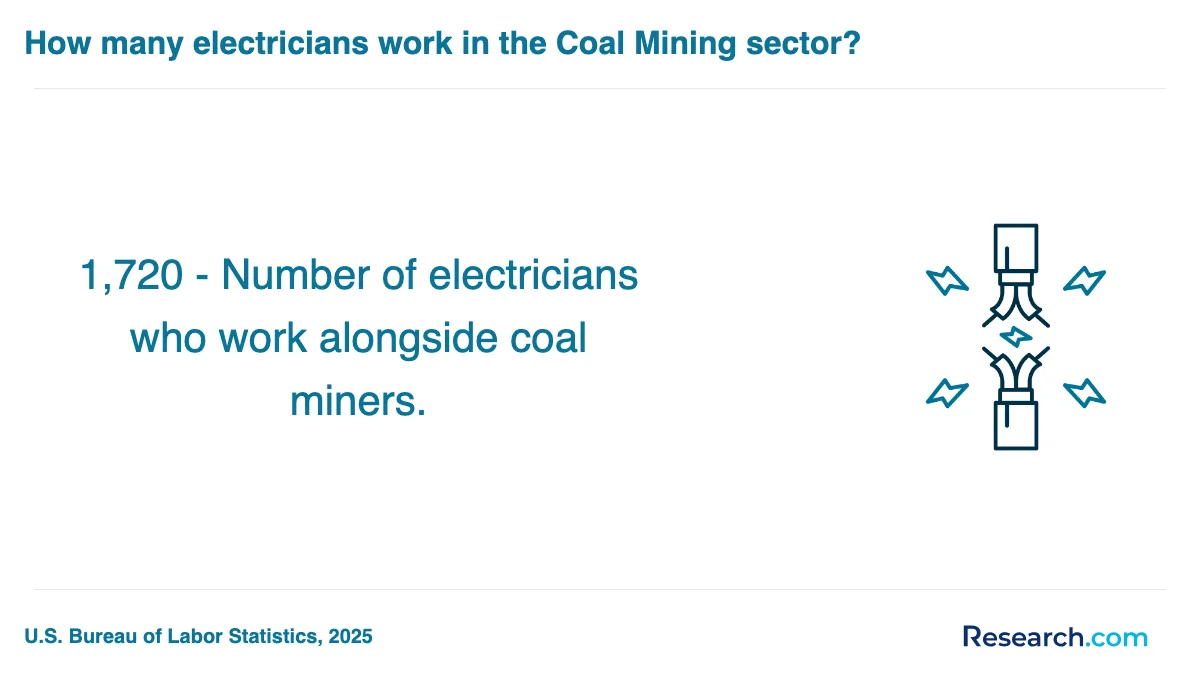
Electrician trade school students in University Center often find financial aid options that make their education feel within reach. Many graduates recall how completing the FAFSA unlocked access to the Federal Pell Grant, easing the burden of tuition that ranges from around $3,000 for shorter certificates to nearly $12,000 for full electrician programs at Delta College. This grant alone can transform a stressful budget into manageable expenses.
State programs like Michigan Reconnect further brighten the path by offering free tuition to eligible adults without degrees, a lifeline for those balancing work and school. Graduates often share how employer-sponsored apprenticeships provided tuition reimbursement, allowing them to focus on learning without worrying about immediate costs.
For students who don't qualify for federal aid, workforce development boards or vocational rehabilitation steps in, sometimes covering tuition fully for those facing unemployment or disabilities. Payment plans and private financing options through schools add extra flexibility, helping students tailor their financial strategies to their unique situations.
To enroll in an electrician trade school program in University Center, applicants commonly need to meet a few straightforward prerequisites that set the stage for success. Most trade schools here expect students to have a high school diploma or GED, which serves as a foundation for understanding electrical theory and math.
Graduates from popular University Center trade schools often recall how having a basic grasp of algebra and physics made practical lessons click faster, turning complex wiring diagrams into manageable challenges. Some schools may require a placement test to assess readiness, particularly in math and reading comprehension.
Physical fitness and manual dexterity are also frequently noted as important, reflecting the hands-on nature of the work. Students have shared how being comfortable with physical tasks helped them stay confident during lab sessions.
- High school diploma or GED
- Basic math skills, often validated by a placement test
- Physical ability to handle hands-on electrical tasks
In University Center, these prerequisites ensure students are well-prepared to dive into the dynamic, rewarding world of electrical training with enthusiasm and a positive mindset.

Electrician trade school programs in University Center typically include a variety of courses that prepare students for real-world electrical work. Graduates often recall starting with foundational classes on basic electrical theory, where they learned how electricity flows through circuits and how to measure electrical components accurately. This groundwork makes hands-on projects feel more intuitive and rewarding.
Wiring techniques form a core part of the curriculum. Students gain confidence by practicing residential and commercial wiring installations-imagine confidently wiring a lighting system in a home or troubleshooting a commercial circuit breaker panel during lab sessions. Popular trade schools in University Center emphasize:
- Residential and commercial wiring
- Motor controls and lighting devices
- National Electrical Code (NEC) compliance and safety
- Solar and photovoltaic system installation
- Programmable logic controllers (PLCs) and industrial wiring
Many graduates highlight the excitement of NEC courses, which teach them critical safety standards needed for licensing exams and real jobs. Others value the chance to explore solar energy systems and advanced VR simulations, helping them envision future careers in renewable energy sectors right in University Center's vibrant trade schools.
Electrician trade school specializations in University Center offer hands-on experience in areas that graduates consistently praise for their real-world readiness. Popular trade schools in University Center present options like residential wiring, where students gain confidence by designing safe and efficient home electrical systems. These programs often simulate scenarios encountered when upgrading older homes or installing smart home technology, making the learning process feel both relevant and exciting.
University Center electrician program specialization options also include commercial electrical work, focusing on the complexities of larger buildings like offices and retail spaces. Many graduates share how this specialization helped them master commercial codes and large-scale project management, equipping them to step into the workforce with valuable skills. Industrial electrical training is equally sought after, teaching students to maintain factory machinery and automated systems, which aligns well with the area's manufacturing sectors.
Other sought-after fields include renewable energy systems, where students enthusiastically learn to install solar panels and wind turbines, preparing them for the booming green energy job market. Low-voltage systems and programmable logic controllers (PLCs) are also critical, often inspiring graduates interested in automation and high-tech installations.
Those researching options may find the cheapest online electrical engineering degree programs a helpful resource to complement practical skills with affordable theoretical knowledge.
When choosing the best electrician trade schools in University Center, prioritize programs approved by the State of Michigan that combine 576 hours of classroom instruction with hands-on lab experience. Graduates from local programs like Delta College often highlight how balanced schedules and small class sizes helped them absorb both practical skills and theory, boosting their confidence for the licensing exam and real-world jobs.
Consider how the program supports accumulating the required 8,000 hours of trade work experience, which is crucial for eligibility to sit for the journeyman electrician exam in Michigan. Flexible scheduling options, such as part-time or full-time tracks, are also a key factor, especially for students balancing work and study commitments.
To compare electrician program costs University Center, look beyond tuition and factor in equipment quality, class size, and graduate success stories. Many students appreciate programs with strong reputations and positive outcomes, which can translate to better job prospects and satisfaction after graduation.
For a comprehensive view, explore what are the best trade schools programs for electricians to see how University Center options stack up nationally and help inform your decision.
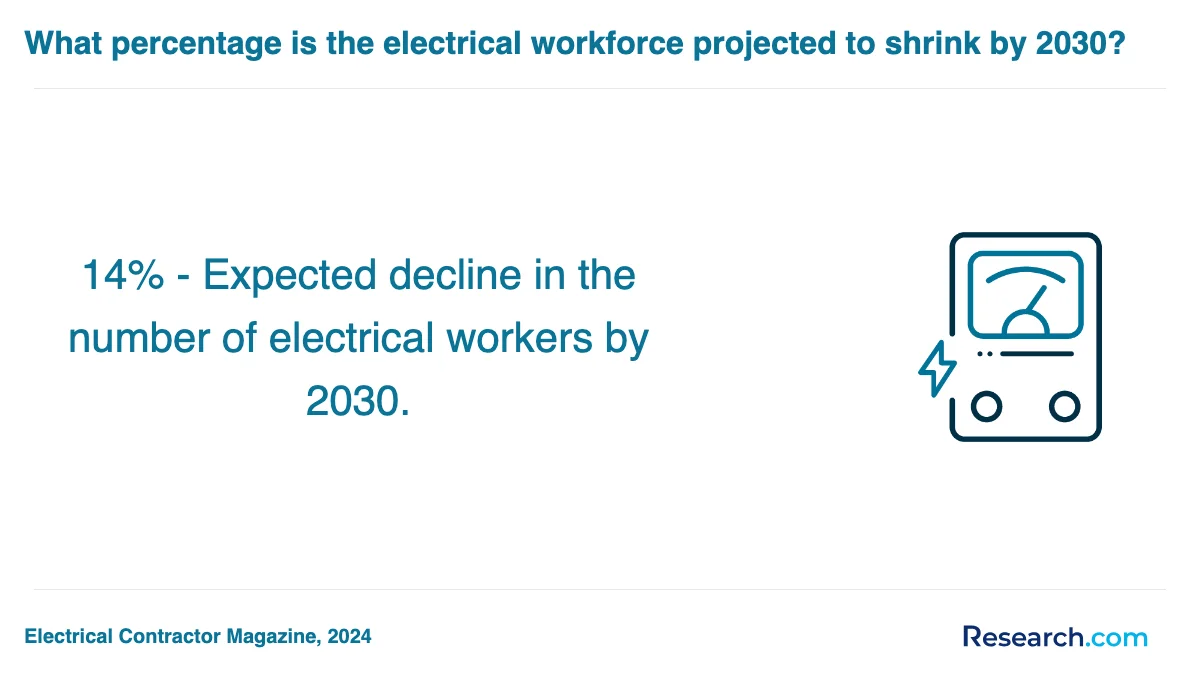
Electrician trade school graduates in University Center find exciting electrician career opportunities in University Center that extend well beyond initial training. Many start as licensed journeyman electricians, accumulating valuable hands-on experience in residential settings, where they wire homes, upgrade electrical panels, and install renewable energy systems. Recent graduates often share how programs at popular trade schools prepare them to confidently handle tasks from troubleshooting appliances to integrating solar technology.
Jobs for electrician trade school graduates University Center also include industrial electrician roles, working in local manufacturing plants or resource extraction sites. These positions offer competitive wages and involve maintaining complex machinery, which graduates find both challenging and rewarding. The electrical utility field remains high demand, with opportunities to work on large-scale power systems benefiting entire communities.
Further career growth can lead to master electrician licenses or electrical contractor status, enabling graduates to run successful businesses. Additionally, specialized roles such as electrical inspectors or panel builders emerge, especially in university and campus facilities. For those curious about the educational journey, understanding how long does an electrical engineering degree take can help in planning future steps in this dynamic field.
The electrician job outlook in University Center 2026 remains very promising, fueled by ongoing demand across residential, industrial, and campus maintenance sectors. Graduates from popular trade schools here often share how hands-on training combined with recognized certifications opens doors to positions offering competitive wages starting around $25.30 per hour.
Many find roles in diverse environments:
- Campus facilities where quick troubleshooting skills are key
- Residential projects focusing on wiring new homes or apartments
- Manufacturing plants requiring expertise with complex electrical systems
Electrician employment opportunities University Center Michigan are fueled by steady growth in construction, facility upgrades, and emerging renewable energy projects. Students often balance study with paid internships, gaining practical experience that employers highly value.
For those interested in expanding skills further, pursuing the cheapest accelerated online wind turbine technician certificate programs can offer a valuable edge in this evolving market.
Best Electrical Technician Training Programs & Trade Schools - Top Electrical Tech Schools in University Center for 2026
# 1 position
Delta College - Electrical and Power Transmission Installation/Installer, General.
associateDelta College offers a hybrid program in Electrical and Power Transmission Installation/Installer, General, preparing students to install residential, commercial, and industrial electrical systems and power transmission lines. The curriculum covers electricity, safety, wiring, insulation, grounding, blueprint interpretation, and equipment maintenance. The program is accredited by the Higher Learning Commission. Annual in-state tuition is $4,640, with some distance-education options available.
# 2 position
Delta College - Electrician.
associateDelta College offers a hybrid Electrician program that prepares students to install, operate, maintain, and repair electrical systems in residential, commercial, and industrial settings. The curriculum covers electronics principles, wiring, power transmission, safety, job estimation, and electrical codes. The program has an annual in-state tuition of $4,640 and is accredited by the Higher Learning Commission.
# 3 position
Delta College - Electrician.
certificate or diplomaDelta College offers a hybrid Electrician program preparing students to install, operate, maintain, and repair electric apparatus and systems including residential, commercial, and industrial wiring. The curriculum covers electronics principles, electrical systems, wiring, power transmission, safety, appliances, job estimation, testing, inspection, and relevant codes. The program’s annual in-state tuition is $4,640, and it is accredited by the Higher Learning Commission.
Frequently Asked Questions about electrician
After completing an electrician trade school in University Center, it is essential to focus on practical steps to enter the job market successfully. Start by obtaining necessary certifications, such as the Electrician Journeyman license, which is often required by employers in Michigan. The Bureau of Labor Statistics reports that licensed electricians typically earn higher wages and have better job prospects.
Networking is also crucial; joining local trade unions or professional groups like the International Brotherhood of Electrical Workers (IBEW) can provide valuable job leads. Additionally, many schools in University Center offer job placement assistance, so utilize these resources early.
Continuing education and apprenticeships remain important as they help build experience and keep skills current. According to the Michigan Department of Labor, apprenticeships in electrical work last four to five years, combining paid on-the-job training with classroom instruction, improving employability and salary potential.
Employers in University Center seek electrician trade school graduates with strong technical skills, including knowledge of electrical systems, wiring, and safety protocols. According to the U.S. Bureau of Labor Statistics, hands-on experience with installation and maintenance is highly valued. Graduates must also demonstrate proficiency in reading blueprints and electrical diagrams, essential for accurate project execution.
Soft skills are equally important. Communication and problem-solving abilities help electricians work efficiently with clients and teams. The National Electrical Contractors Association highlights that reliability and adherence to safety standards remain top priorities for employers in the region.
Finding internships relevant to electrician trade school programs in University Center involves several practical steps. Start by contacting local trade schools and community colleges, as many maintain partnerships with electricians and contractors offering internships. The U.S. Bureau of Labor Statistics notes that hands-on experience is crucial for electrician apprenticeships, which internships often support.
Additionally, explore local unions and trade organizations, such as the International Brotherhood of Electrical Workers (IBEW), which frequently provide internship opportunities or apprenticeships in the University Center area. Networking at industry events or job fairs hosted by educational institutions can also connect students with employers.
Online job boards like Indeed or state workforce websites list electrician internships specific to University Center. According to the Michigan Department of Labor, internships in skilled trades have grown by 8% in recent years, reflecting increased demand for qualified electricians locally.
Obtaining an electrician trade school diploma in University Center significantly enhances career mobility and advancement opportunities. Graduates gain practical skills and certifications that meet local industry standards, making them competitive candidates for entry-level and journeyman positions. According to the U.S. Bureau of Labor Statistics, electricians in Michigan, where University Center is located, enjoy a median wage about 10% higher than those without formal training.
Trade school programs often include apprenticeship preparation, which is essential for licensing in the state and a critical step toward becoming a master electrician. This credential opens doors to supervisory roles and specialized fields such as industrial or commercial electrical work.
Moreover, local employers frequently prefer candidates with diplomas from recognized programs, linking education directly to job placement and upward mobility, as noted by the Michigan Department of Labor and Economic Opportunity.
Students attending electrician trade schools in University Center can benefit significantly from part-time jobs that provide practical experience. Common opportunities include working as electrical helpers or apprentices with local contractors. These roles allow students to apply classroom knowledge on job sites, gaining hands-on skills in wiring, installation, and safety protocols.
Retail positions at hardware stores like Home Depot or Lowe's also complement electrician training. They help students familiarize themselves with electrical tools and materials while developing customer service skills relevant to the trade.
According to the U.S. Bureau of Labor Statistics, the demand for electricians in Michigan, where University Center is located, is expected to grow by 8% from 2022 to 2032, highlighting the value of early work experience.
To find the best Electrician degree program near University Center, MI, you can start by researching local colleges and technical schools that offer relevant programs. Research.com can be a helpful resource in comparing program rankings and learning about the curriculum, faculty, and facilities available near me. Additionally, visiting open houses or speaking with admissions counselors at universities and nearby colleges will provide further insight into the training and career opportunities available in the area.
- Best Electrical Technician Training Programs & Trade Schools - Top Electrical Tech Schools in Pensacola for 2026
- Best Electrical Technician Training Programs & Trade Schools - Top Electrical Tech Schools in Augusta for 2026
- Best Electrical Technician Training Programs & Trade Schools - Top Electrical Tech Schools in Overland Park for 2026
- SPC : Electrical Trades | Alamo Colleges https://www.alamo.edu/spc/academics/programs/allied-construction-trades-act/electrical-trades/
- 10 Best Electrician Trade Schools 2024 https://www.accreditedschoolsonline.org/vocational-trade-school/electrician/
- Electrical Trades | Upper Valley Career Center https://www.uppervalleycc.org/page/electrical-trades
- Learn A Trade - SUNY https://www.suny.edu/trades/
- How to Become an Electrician - mefa.org https://www.mefa.org/article/how-to-become-an-electrician/
- College of the Sequoias | Careers in Electrician Training https://www.cos.edu/en-us/academics/industry-technology/careers-in-electrician-training
- Electrical Construction and Maintenance Apprenticeship Program https://www.confederationcollege.ca/program/electrical-construction-and-maintenance-apprenticeship
- 11 Best Electrician Trade Schools: Training, Cost, and Career Outlook - Podium https://www.podium.com/article/electrician-trade-school
- Choosing Between Electrician Training Programs https://www.penncotech.edu/hallmarks-of-the-best-electrician-training-programs/
- Helpful Guide for Picking an Electrician School - Municibid Blog https://blog.municibid.com/helpful-guide-for-picking-an-electrician-school/


