
Best Electrical Technician Training Programs & Trade Schools - Top Electrical Tech Schools in Connecticut for 2026

Co-Founder and Chief Data Scientist
Choosing the right electrician trade school in Connecticut can shape your future career and open doors to rewarding opportunities. This article introduces a carefully crafted electrician trade school programs ranking created by the Research.com team of data scientists to help you make an informed decision.
Discover programs that offer quality training, hands-on experience, and strong industry connections. Whether you seek a diploma or certification, completing a reputable program boosts your skills and confidence.
Explore your options with ease and take the first step toward a fulfilling career in the electrical trade.
Key benefits of finishing electrician trade school in Connecticut
- Graduates from electrician trade schools in Connecticut can expect competitive salaries, with average hourly wages around $28.08 and annual pay near $59,381, offering a strong financial foundation early in their careers.
- Career paths include residential, commercial, and industrial electrician roles, allowing graduates from popular Connecticut trade schools to specialize and grow in diverse, rewarding industries.
- Completing an electrician trade school online offers flexibility and convenience, enabling students to balance work and study, as many online graduates from well-known programs report faster completion and job placement.
- Best Electrical Technician Training Programs & Trade Schools - Top Electrical Tech Schools in Connecticut for 2026
- What can I expect from electrician trade schools in Connecticut?
- Where can I work after finishing electrician trade schools in Connecticut?
What can I expect from electrician trade schools in Connecticut?
Enrolling in an electrician trade school program in Connecticut means stepping into a dynamic learning environment designed to prepare you for real-world success. At schools like the Porter and Chester Institute or Lincoln Technical Institute, graduates often share how the blend of hands-on labs and classroom theory made concepts like wiring and circuitry come alive. Imagine working through challenging but rewarding projects that build your confidence in residential and commercial electrical systems while mastering safety standards like the National Electrical Code.
Programs typically span about 12 months, offering flexible schedules that fit day or evening commitments, perfect for balancing life and learning. Many students appreciate how the curriculum includes preparation for essential certifications like OSHA-30, which opens doors in the workforce.
Connecticut's requirement of 720 classroom hours and extensive field experience means you'll be ready to meet licensing standards, often supported by apprenticeship opportunities arranged through your school or local providers. Graduates often reflect on the pride of starting as apprentices and quickly growing into skilled technicians or installers in thriving industries across the state.
Where can I work after finishing electrician trade schools in Connecticut?
After completing an electrician trade school program in Connecticut, graduates step into a world full of exciting career opportunities. Many find themselves working in bustling commercial buildings, cozy residential homes, or dynamic manufacturing plants. Imagine starting your day installing electrical systems in a Stamford office, then moving on to maintain fire alarms in a Hartford industrial facility-this variety keeps each workday fresh and rewarding.
Popular trade schools in Connecticut prepare students not only with theory but hands-on experiences that graduates cherish. These real-world skills open doors to roles like Electrician, Journeyperson Electrician, or even Foreman, where leadership and expertise grow with every project. Licensed professionals enjoy competitive pay and steady demand, giving them confidence to build a stable future.
Many graduates share how the apprenticeship and classroom blend at Connecticut's trade schools helped them thrive quickly, landing jobs with local contractors or larger firms offering benefits like health insurance and retirement plans. The path from student to skilled electrician here is inspiring and full of promise.
After finishing an electrician trade school program in Connecticut, graduates often find themselves stepping into a career with promising earnings right from the start. Many entry-level electricians start with an annual salary between $54,000 and $62,000, translating to about $14.64 to $22.88 per hour. This is a powerful foundation, especially for graduates from popular Connecticut trade schools who quickly see their pay rise as they gain experience and certifications.
Imagine beginning your journey with a paycheck that reflects your newfound skills, just like many recent grads who started near the lower end but soon surpassed $28 an hour. In places like Plainfield, CT, electricians enjoy even higher wages, averaging around $79,870 annually, showing how location and demand can boost your income.
Graduates often share how their training opened doors to steady work and financial independence, making the effort at trade schools in Connecticut feel truly rewarding. This career path offers not just a job, but a chance to build a secure future with a salary that grows alongside your expertise.
- Applicants must be at least 18 years old and have a high school diploma or GED; some programs require placement tests, a driver's license, background check, and drug screening.
- To get a licensed journeyperson (E-2 license), students need 720 classroom hours and 8,000 hours of on-the-job training; the contractor license (E-1) requires 720 classroom hours and 12,000 hours of training.
- Only classroom hours that meet Connecticut's standards count towards licensing; continuing education or non-equivalent training does not qualify.
- Tuition for electrician trade school programs usually ranges up to about $15,000 for the full program, with financial aid and scholarships often available.
- Entry-level electricians in Connecticut earn between $45,000 and $55,000 yearly, while experienced electricians can make $70,000 to $90,000 annually.
Completing an electrician trade school program in Connecticut typically takes about 9 to 18 months, depending on the school and the depth of the curriculum. Many students in popular Connecticut trade schools find this timeframe exciting because it balances intensive hands-on learning with classroom theory, allowing them to quickly gain the skills needed to enter the workforce.
Graduates often share how the immersive experience made them feel confident and ready for real electrical work, whether installing wiring in new homes or troubleshooting complex systems in commercial buildings. For example, students at well-known Connecticut schools describe the satisfaction of mastering skills in a matter of months, which motivates them to pursue their licenses and start their careers sooner than expected.
This efficient timeline is perfect for those eager to transform their passion for electrical work into a stable, rewarding profession. It's inspiring to hear how students balance practical training with supportive instructors, making the entire learning journey both achievable and empowering right here in Connecticut.
The main difference between online and on-campus electrician trade school programs in Connecticut is how you experience learning and hands-on training. Online programs, like those offered by the Connecticut Technical Education and Career System, give you the freedom to study theory remotely, fitting classes around your busy life. Many graduates appreciate this flexibility, especially when balancing work or family commitments.
On the other hand, on-campus programs at schools like Porter and Chester Institute or Lincoln Technical Institute create an immersive learning environment. Students thrive in workshops and labs where they physically handle electrical equipment, gaining confidence and skills under expert supervision. These hands-on moments often become the highlight of their training, making the learning deeply practical and rewarding.
Some students choose hybrid paths, combining online lectures with in-person labs at campuses in Bridgeport or Waterbury. This blend offers the best of both worlds: flexibility without sacrificing essential real-world practice. Every electrician in Connecticut knows that practical experience is the key to mastering the trade and stepping confidently into a rewarding career.
The average tuition fees for electrician programs in Connecticut vary significantly depending on the type of training path chosen. For those pursuing certificate programs at well-known community colleges or technical schools, costs typically range from $3,000 to $7,000 for courses lasting six to twelve months. Many graduates share how these affordable options helped them quickly gain foundational skills and jumpstart their careers with confidence.
More comprehensive associate degree programs, such as the Electrical & Renewable Energy Technology offered by Lincoln Technical Institute in Shelton, can reach between $8,000 and $15,000 in tuition fees annually. Students appreciate the blend of general education with specialized electrical training, which opens doors to diverse career opportunities. These programs exemplify how total expenses for electrician trade schools in Connecticut can align with the quality and depth of education received.
Apprenticeship options, like the Connecticut Low Voltage (L-6) Electrician Apprenticeship Training program, combine on-the-job experience with classroom instruction at a lower direct cost, typically between $1,153.60 and $2,100. This route attracts those eager to earn while learning, creating a dynamic and hands-on path to mastery. Graduates of these programs often highlight their readiness for real-world challenges and the satisfaction of building skills in live environments.
In addition to tuition, budgeting for tools and licensing is important, but financial aid can ease this burden. For those looking to expand their expertise into renewable energy, exploring the top wind turbine tech certificate programs is a savvy step forward on a bright career path.
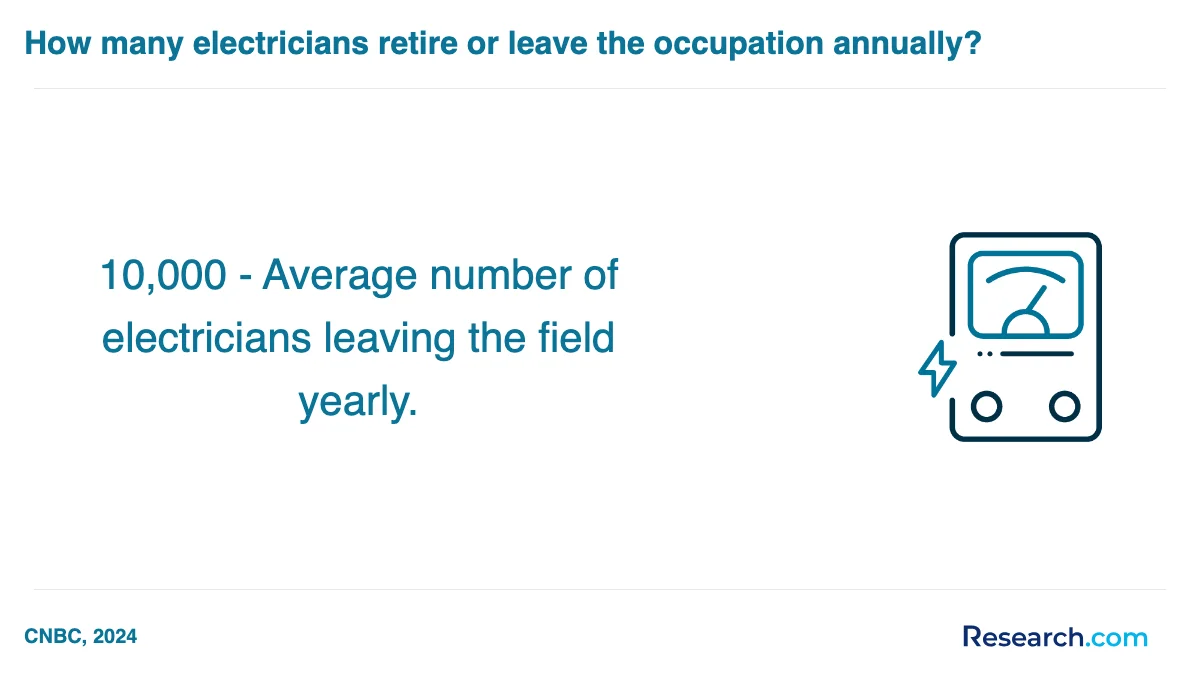
Students pursuing electrician trade programs in Connecticut often find financial aid that truly opens doors to their dreams. Many graduates from popular schools like Naugatuck Valley Community College and Lincoln Tech share how completing the FAFSA was their first step toward receiving federal Pell Grants and FSEOG awards, which helped cover essential costs without adding debt.
Others speak warmly of scholarships from organizations like the SkillPointe Foundation, which provides monthly $1,000 awards, or the Donohue Family SkillPointe Scholarship offering $2,000-making technical training feel achievable and rewarding. Veterans and older students also celebrate tuition waivers and G.I. Bill benefits that lighten their financial burden while pursuing their electrician careers.
Many apprentices in Connecticut experience employer-sponsored tuition reimbursement, turning training into a community-supported effort. State programs through the Connecticut Department of Labor further empower students by providing additional funding assistance, making electrician training accessible and inspiring for those ready to build their future.
To enroll in an electrician trade school program in Connecticut, you typically need a high school diploma or GED, which serves as the foundation for mastering electrical concepts. Many graduates recall how this basic requirement opened doors to hands-on learning at well-known Connecticut trade schools, where supportive instructors foster confidence and skill-building.
Other common prerequisites include:
- Being at least 18 years old, ensuring students are ready for the responsibility and focus the trade demands
- Passing a basic math and reading assessment, since understanding measurements and codes is essential
- Providing proof of residency or citizenship, which aligns with Connecticut state regulations
Some programs also encourage applicants to have a valid driver's license, reflecting the real-world need for travel to job sites. Graduates often share how meeting these requirements empowered them to begin a rewarding career path, surrounded by a community eager to see them succeed.
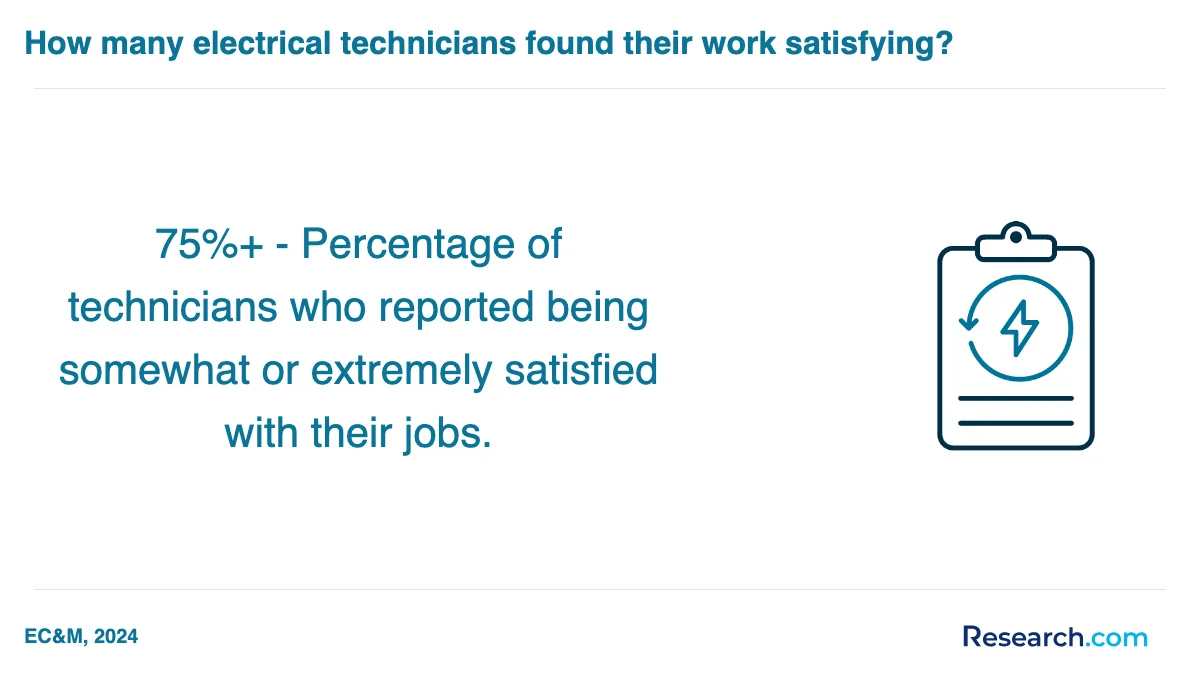
Electrician trade school programs in Connecticut immerse students in a dynamic blend of hands-on and theoretical courses designed to ignite confidence and skill. Graduates often recall mastering foundational subjects like basic math computations and blueprint reading, essential for interpreting real-world electrical plans used daily on job sites.
Core courses typically include:
- Applied math and algebra with trigonometry, building the math skills needed for precise electrical calculations.
- Comprehensive National Electrical Code (NEC) training, preparing students to work safely and legally across diverse projects.
- OSHA-30 safety certification, instilling a strong commitment to workplace safety from day one.
- Electrical theory, taught progressively to deepen understanding of circuits and power distribution.
- Hands-on training in residential and commercial wiring, telecommunications, and power load calculations, mirroring what graduates experience in Connecticut's top trade schools.
Many students describe the excitement of tackling specialized courses like motor and generator theory, programmable logic controllers (PLCs), and photovoltaics, which open doors to cutting-edge industries. Training in alarm systems and CCTV installation also equips learners for rewarding roles in security and low-voltage work. This rich curriculum, paired with a 75% course passing requirement, ensures students leave trade school feeling empowered and ready to excel in Connecticut's thriving electrical workforce.
Electrician training programs in Connecticut offer diverse specializations that empower students to thrive in various electrical careers. Graduates from well-known trade schools like Lincoln Technical Institute often describe their experience mastering hands-on skills in areas such as residential and commercial wiring, where they learn to design and install safe, efficient electrical systems in homes and businesses.
Many also excel in industrial motor control, gaining confidence in maintaining powerful machines, while specialized electrician courses in Connecticut frequently include training on Programmable Logic Controllers (PLCs), crucial for automation.
- Photovoltaic systems, teaching installation of solar panels for a green energy future
- Telecommunications and cable installation, preparing students for booming data network careers
- Electrical Code courses, which ensure compliance and safety knowledge nationwide
These programs blend theory with real-world applications-graduates often recall how learning blueprint reading or OSHA safety standards made complex projects feel manageable and rewarding. Whether you're driven by renewable energy or high-tech industrial controls, Connecticut's electrician training programs help you build a fulfilling career and explore exciting paths like how to become an electrical lineman.
When selecting from the best electrician trade schools in Connecticut, graduates often emphasize the importance of accredited programs that align with the state's licensing requirements. Schools like Porter and Chester Institute offer a blend of classroom instruction and hands-on training, helping students feel confident as they prepare for the E-2 Unlimited Electrical Journeyperson License. Experiencing real-world electrical projects during apprenticeships makes learning both engaging and practical, turning theoretical knowledge into skills you'll use every day.
Many students find the top-rated electrician programs in Connecticut conveniently located in cities such as Bridgeport and Hamden, making daily commutes manageable and keeping motivation high. Considering financial factors early ensures you can access scholarships or loans without stress. Additionally, exploring low cost accelerated wind turbine technician certification programs online offers alternative paths to enhance your career quickly and affordably, creating exciting opportunities in renewable energy sectors.
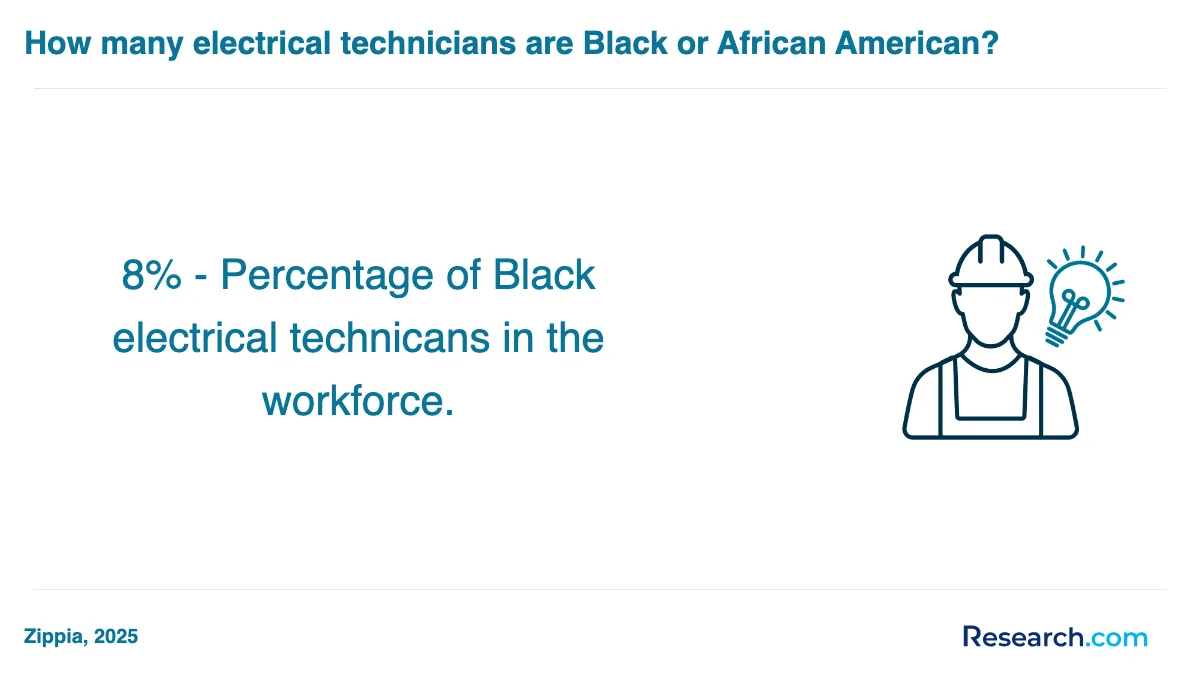
Electrician trade school graduates in Connecticut quickly find diverse and rewarding career opportunities. Many start as apprentice electricians, gaining hands-on experience in real job settings while taking classes at well-known trade schools across the state. These graduates often share how the blend of classroom theory and on-the-job training fuels their confidence and passion for the trade. Upon completing apprenticeships, they qualify for licensing exams to become journeyman electricians, opening doors to residential, commercial, and industrial work with competitive wages and job stability.
Beyond initial roles, graduates embrace career growth by pursuing specializations like photovoltaic installation or limited commercial licenses. Popular trade schools provide tailored training that empowers students to explore these niche fields, which expand their career horizons.
- Electrician career opportunities in Connecticut include project management and supervisory roles
- Electrical contractor jobs in Connecticut require passing additional exams, enabling graduates to run their own businesses and lead teams
Many graduates also find inspiring career paths with public utilities, construction firms, and local governments. The focus on green energy and smart home technologies means the demand for skilled electricians keeps growing. For those seeking flexible online learning options, most affordable electrician training programs online offer access to quality education tailored to busy students pursuing electrical contractor jobs in Connecticut.
The electrician job outlook in Connecticut offers promising prospects for recent trade school graduates, despite the state's competitive environment. Graduates from well-known Connecticut trade schools often share stories of steady work thanks to ongoing infrastructure projects and a modest 2.1% growth in construction-related jobs statewide. While the job market is described as "not very active," many graduates find success by being flexible with locations and embracing entry-level roles that build experience.
Wages in the state are competitive, with average pay around $28.08 per hour as of 2025, though salaries range between $22.88 and $31.35 depending on skills and experience. Graduates often highlight the value of advancing through apprenticeships and licensing to boost earning potential, which is essential for standing out in Connecticut's job market. When evaluating career paths, exploring further electrical engineering education requirements can open additional doors.
Many graduates appreciate Connecticut's strong union presence and relatively low unemployment rate of 3.8%, which provide a stable foundation for entering the field. The national 11% growth projection for electricians also inspires confidence in long-term opportunities in the trade.
Best Electrical Technician Training Programs & Trade Schools - Top Electrical Tech Schools in Connecticut for 2026
# 1 position
Porter & Chester Institute of Hamden - Electrician.
certificate or diplomaThe Electrician program at Porter & Chester Institute of Hamden offers a hybrid format with some distance-education options. It trains students to install, operate, maintain, and repair electric systems including residential, commercial, and industrial wiring. Instruction covers electronics, power transmission, safety, job estimation, and applicable codes. The annual in-state tuition is $14,337. Graduates earn a median salary of $39,745 one year after completion. The program is accredited by the Accrediting Commission of Career Schools and Colleges.
# 2 position
Industrial Management Training Institute - Electrician.
certificate or diplomaThe Electrician program at Industrial Management Training Institute offers hybrid learning to prepare students for installing, operating, and repairing electric systems in residential, commercial, and industrial settings. Instruction covers electronics, wiring, power transmission, safety, and electrical codes. Graduates earn a median salary of $37,876 one year after completion. The program is accredited by the Accrediting Commission of Career Schools and Colleges.
# 3 position
Lincoln Technical Institute-East Windsor - Electrician.
certificate or diplomaThe Electrician program at Lincoln Technical Institute-East Windsor offers a hybrid format with some distance education. It trains students to install, operate, maintain, and repair electrical systems, including residential, commercial, and industrial wiring. The curriculum covers electronics principles, wiring, power transmission, safety, and applicable codes. Graduates have median earnings of $35,880 one year after completion. The program is accredited by the Accrediting Commission of Career Schools and Colleges.
# 4 position
Lincoln Technical Institute-Shelton - Electrician.
certificate or diplomaThe Electrician program at Lincoln Technical Institute-Shelton offers a hybrid format with some distance-education options. It prepares students to install, operate, maintain, and repair electrical systems including residential, commercial, and industrial wiring, motors, controls, and distribution panels. The curriculum covers electronics principles, wiring, power transmission, safety, testing, inspection, job estimation, and relevant codes. Graduates have median earnings of $35,880 one year after completion. The program is accredited by the Accrediting Commission of Career Schools and Colleges.
# 5 position
Lincoln Technical Institute-New Britain - Electrician.
certificate or diplomaThe Electrician program at Lincoln Technical Institute-New Britain offers hybrid instruction to teach installation, operation, maintenance, and repair of electric systems including residential, commercial, and industrial wiring. The curriculum covers electronics principles, wiring, power transmission, safety, appliances, job estimation, testing, inspection, and relevant codes. Graduates have median earnings of $35,880 one year after completion. The program is accredited by the Accrediting Commission of Career Schools and Colleges.
# 6 position
Porter & Chester Institute - Electrician.
certificate or diplomaThe Electrician program at Porter & Chester Institute offers hybrid learning to prepare students for installing, operating, and repairing electrical systems, including residential, commercial, and industrial wiring. It covers electronics principles, power transmission, safety, and applicable codes. The annual in-state tuition is $14,349. Median earnings one year after completion are $37,569. The program is accredited by the Accrediting Commission of Career Schools and Colleges.
Frequently Asked Questions about electrician
After completing an electrician trade school in Connecticut, preparing for the job market involves several key steps. First, graduates should obtain their state electrician license, which requires passing the Connecticut Journeyman Electrician exam and completing relevant work experience hours. According to the Connecticut Department of Labor, licensed electricians earn a median annual wage of approximately $65,000, reflecting strong local demand.
Next, building a professional network is crucial. Joining organizations like the International Brotherhood of Electrical Workers (IBEW) or attending local trade events can connect graduates with potential employers. Additionally, hands-on experience through apprenticeships or internships significantly improves job prospects.
Finally, staying updated with the latest electrical codes and technology ensures competitiveness in Connecticut's evolving market.
Employers in Connecticut seek electrician trade school graduates who demonstrate strong technical skills and practical knowledge. Proficiency in reading blueprints and electrical diagrams is essential, as it ensures safe and accurate installations. Hands-on experience with wiring, conduit bending, and troubleshooting electrical systems is highly valued.
In addition to technical abilities, employers emphasize problem-solving skills and attention to detail, which reduce errors and enhance workplace safety. According to the Connecticut Department of Labor, electricians with solid communication and teamwork skills tend to have better job retention and advancement opportunities.
Familiarity with the National Electrical Code (NEC) and local Connecticut electrical regulations is also critical, as compliance is legally required and promotes safety standards on job sites.
Finding internships in Connecticut relevant to electrician trade school programs involves proactive research and networking. Many trade schools have partnerships with local electrical contractors and unions, such as the International Brotherhood of Electrical Workers (IBEW) Local 90, which offers apprenticeship opportunities and internships to students.
Students should also explore job boards maintained by the Connecticut Department of Labor, which regularly lists internship and apprenticeship openings in the electrical field. According to recent data, approximately 60% of electrician trade students in Connecticut secure internships through school-affiliated programs or union connections.
Additionally, attending local industry events and contacting electrical contractors directly can increase internship prospects. Engaging with professional organizations helps students gain practical experience essential for licensure and employment.
In Connecticut, earning a diploma from an electrician trade school significantly enhances career mobility and advancement opportunities. This credential provides foundational knowledge and practical skills that meet state licensing requirements, a crucial step for entering the workforce as a qualified electrician.
According to the Connecticut Department of Labor, electricians with formal training and certification tend to experience faster job placement and higher wage growth compared to those without such credentials. Graduates often qualify for apprenticeships, which are essential for gaining hands-on experience and advancing to journeyman and master electrician roles.
Additionally, a trade school diploma can open doors to specialized fields like industrial or commercial electrical work, increasing job prospects. The U.S. Bureau of Labor Statistics reports that Connecticut's electricians earn a median annual wage above the national average, reflecting strong local demand for skilled professionals.
Trade schools also provide networking opportunities with local contractors and unions, further supporting career progression. Overall, the diploma serves as a vital credential that helps individuals establish and grow their electrical careers within Connecticut's competitive job market.
Students enrolled in electrician trade schools in Connecticut often seek part-time jobs that align with their studies and provide practical experience. Common positions include apprentice electrician roles, where students work under licensed electricians to develop hands-on skills. According to the Connecticut Department of Labor, apprenticeships are a key pathway to licensure and typically pay between $15 and $25 per hour.
Other complementary jobs include electrical helpers or assistants in construction firms, which allow students to observe and support electrical projects. Retail positions at hardware or electrical supply stores also offer valuable product knowledge relevant to the trade.
When selecting the best electrician degree program near me in Connecticut, consider the curriculum and specialization areas offered by various local institutions to ensure they align with your career goals. Research.com can be a useful resource for evaluating faculty qualifications and the strengths of different programs near Connecticut. Additionally, inquire about the hands-on training opportunities and job placement rates provided by the programs to make an informed decision.
- Best Electrical Technician Training Programs & Trade Schools - Top Electrical Tech Schools in New Jersey for 2026
- Best Electrical Technician Training Programs & Trade Schools - Top Electrical Tech Schools in Pennsylvania for 2026
- Best Electrical Technician Training Programs & Trade Schools - Top Electrical Tech Schools in New Hampshire for 2026
- Best Electrical Technician Training Programs & Trade Schools - Top Electrical Tech Schools in Maryland for 2026
- Best Electrical Technician Training Programs & Trade Schools - Top Electrical Tech Schools in Virginia for 2026
- Best Electrical Technician Training Programs & Trade Schools - Top Electrical Tech Schools in Ohio for 2026
- Best Electrical Technician Training Programs & Trade Schools - Top Electrical Tech Schools in Kentucky for 2026
- Best Electrical Technician Training Programs & Trade Schools - Top Electrical Tech Schools in North Carolina for 2026
- Best Electrical Technician Training Programs & Trade Schools - Top Electrical Tech Schools in Tennessee for 2026
- Best Electrical Technician Training Programs & Trade Schools - Top Electrical Tech Schools in Indiana for 2026
- The Risks and Rewards of Being an Electrician https://intercoast.edu/articles/sitting-on-the-electric-fence-the-risks-and-rewards-of-being-an-electrician/
- The Top Challenges for Electricians and How to Overcome Them https://discovernats.ca/Home/NewsArticle/3-challenges-to-expect-after-electrician-college-and-how-to-tackle-them/
- Connecticut Job & Career ConneCTion https://www1.ctdol.state.ct.us/jcc/profile.asp
- Job Opening: Licensed Electrician - Department of Administrative Services https://www.jobapscloud.com/CT/sup/bulpreview.asp
- Electricians : Occupational Outlook Handbook: : U.S. Bureau of Labor Statistics https://www.bls.gov/ooh/construction-and-extraction/electricians.htm
- How To Become An Electrician In Connecticut - BlueRecruit https://bluerecruit.us/how-to-become-an-electrician-in-connecticut/
- Electrician Training in Connecticut at Lincoln Tech https://www.lincolntech.edu/careers/skilled-trades/electrical/connecticut
- Electrical Technology Program | Become an Electrician in 12 Months | PCI https://porterchester.edu/program/trade/electrical-technology/
- Apprenticeship Work Schedules https://portal.ct.gov/dol/divisions/apprenticeships/work-schedules
- Electrician School | Bridgeport & Bristol, CT | Industrial Management & Training Institute https://www.imti.edu/apprenticeships/electrical/


