
Best Electrical Technician Training Programs & Trade Schools - Top Electrical Tech Schools in Dothan for 2026

Co-Founder and Chief Data Scientist
Choosing the right electrician trade school in Dothan can shape your future career and open doors to exciting opportunities. Whether you’re starting fresh or considering a career change, finding a program that fits your goals is key.
This article features an electrician trade school programs ranking created by the Research.com team of data scientists to help you make an informed choice. You’ll discover schools worth considering based on data-driven insights.
Getting a diploma or certification in this field can lead to rewarding work and stability. Explore your options confidently and take a step toward a bright future.
Key benefits of finishing electrician trade school in Dothan
- Graduates from electrician trade schools in Dothan can expect starting salaries around $43,000 per year, with potential to earn over $83,000 annually as they gain experience and skills.
- Career paths include becoming licensed electricians, working in specialized fields like HVAC systems, or joining reputable local companies such as KTBlack Services, offering diverse opportunities for growth.
- Completing an electrician trade school online provides flexibility and convenience, allowing students to balance work and study, as experienced by many successful online graduates in Dothan's trade programs.
- Best Electrical Technician Training Programs & Trade Schools - Top Electrical Tech Schools in Dothan for 2026
- What can I expect from electrician trade schools in Dothan?
- Where can I work after finishing electrician trade schools in Dothan?
What can I expect from electrician trade schools in Dothan?
Jumping into an electrician trade school program in Dothan means diving headfirst into a world where theory meets hands-on sparks. Picture yourself at Wallace Community College, surrounded by buzzing circuits and state-of-the-art training gear, mastering everything from blueprint reading to wiring complex electrical panels. Graduates often share how the blend of classroom lessons and real-world labs transformed their confidence-one moment deciphering electrical codes, the next tightening a circuit breaker under expert guidance.
Expect to explore both AC and DC motors, learn safety protocols that protect lives, and develop problem-solving skills that employers in Alabama prize. Whether pursuing an associate degree or a certificate, you'll feel the momentum build as each module unlocks new abilities, preparing you for roles from residential electrician to industrial technician.
Many grads recall the pride of earning NCCER accreditation, a badge that opens doors to trusted credentials and better job prospects. Financial aid can ease the journey, making your ambition in Dothan's electrician field feel truly within reach.
Where can I work after finishing electrician trade schools in Dothan?
Graduates from electrician trade schools in Dothan often step into vibrant roles that ignite their passion for hands-on work and problem-solving. Many find themselves hired by commercial electrical contractors, where they install and maintain electrical systems in bustling warehouses or sleek office buildings. Imagine clocking in at a site managed by companies like Premier Electrical Staffing, earning between $18 and $30 an hour while mastering real-world skills.
Others dive into residential work, helping families upgrade home wiring or fixing electrical quirks that keep a household running smoothly. This path offers a rewarding sense of community impact, as graduates assist neighbors and local residents.
Entry-level helpers and apprentices get their feet wet under seasoned electricians, gaining experience that feels like unlocking a new level in their career game. Some even land roles in hospitals or schools, ensuring critical systems stay alive and humming-work that's both challenging and deeply fulfilling.
Trade school graduates in Dothan embrace a spectrum of opportunities, each day offering new sparks of growth and accomplishment.
After wrapping up an electrician trade school program in Dothan, imagine stepping into your first job earning around $26.83 per hour. That's roughly $53,000 a year-enough to feel proud and start planning ahead. Many recent grads from popular local schools share stories of landing entry-level gigs paying about $43,000 annually, a solid launchpad as they sharpen their skills on the job.
With a license in hand, which usually means a few years of hands-on experience and passing the state exam, graduates see their paychecks jump to about $30.98 per hour. Picture yourself moving up, maybe snagging a supervisory role or specializing, pushing that annual income close to $83,000. Some local employers, like Performance Personnel Services, even offer average salaries near $73,800, motivating grads to stay local and build careers.
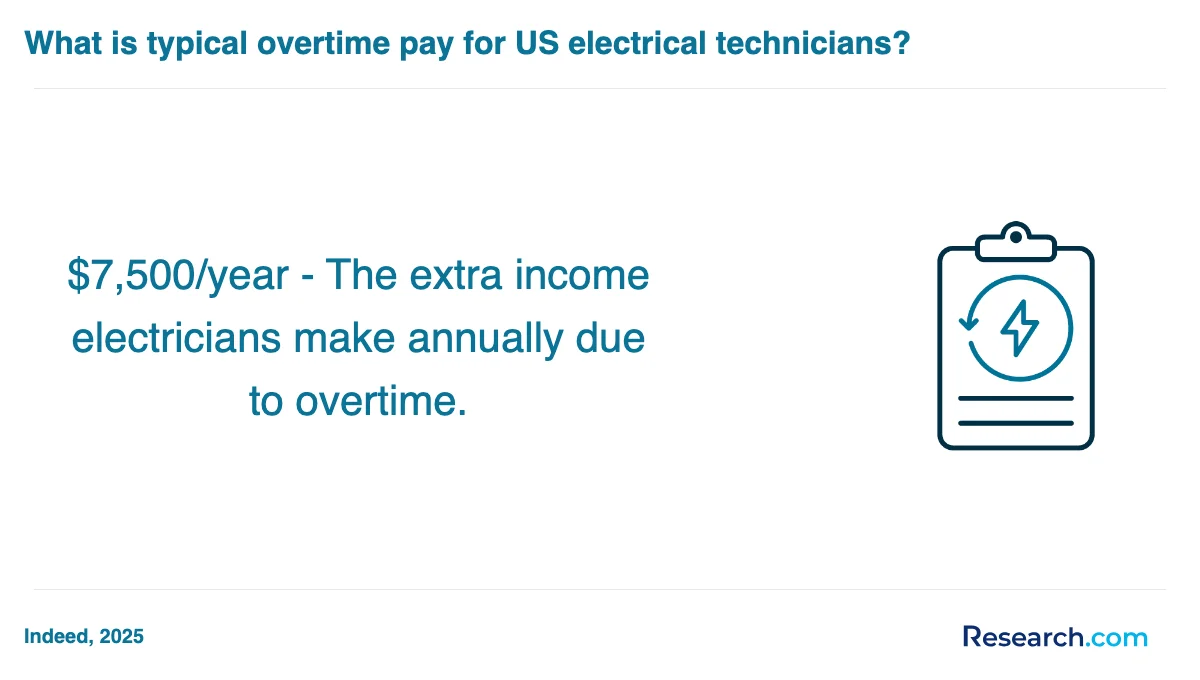
Overtime is common, too-many electricians report adding over $9,400 yearly on top of their base pay. The bustling Dothan job market means steady work is more than a dream; it's the norm for those ready to plug in and power up their futures.
- Electrician programs in Dothan offer certificates and associate degrees covering electrical theory, wiring, safety, and code compliance.
- Wallace Community College programs are accredited by NCCER and help students qualify for Alabama state licensing exams.
- Tuition ranges from about $4,920 to $22,720 depending on the program length and degree type.
- Electricians in the area earn an average annual salary between $58,098 and $58,492, with higher pay for experienced workers.
- Graduates usually must pass a state licensing exam and complete an apprenticeship for full licensure.
In Dothan, finishing an electrician trade school program typically takes about 9 to 12 months, depending on the intensity of the course and the school's schedule. Imagine waking up every morning with a clear goal-mastering circuits, wiring, and safety codes-all within a year. Graduates from popular local trade schools often recall how immersive the experience was, blending hands-on labs with real-world scenarios like troubleshooting electrical panels in simulated home setups.
One graduate described the program as a fast-paced journey where weekends felt earned rewards after weeks of focused learning. Another vouched for the balance between classroom theory and practical fieldwork, which made the months fly by while building confidence step-by-step. Dothan's trade schools understand that time is precious for aspiring electricians, so they design programs that accelerate learning without sacrificing quality.
For a future electrician in Dothan, these programs don't just teach skills-they ignite a passion in less than a year, turning students into ready professionals eager to light up their communities.
Picture a graduate from a popular electrician trade school in Dothan juggling work and family, logging into an online class late at night. The flexibility of online programs lets them absorb electrical theory and code rules at their own pace, from their living room or a local café. They love the affordability and convenience but know hands-on skills need another route - often a separate apprenticeship - to meet Alabama's licensing standards.
Meanwhile, another graduate attends on-campus classes in Dothan, energized by the buzz of live labs and face-to-face mentoring. They wire circuits, troubleshoot panels, and swap stories with instructors who guide practical learning every step of the way. This immersive experience builds confidence and real-world savvy essential for passing state exams and thriving on the job.
Some students find a hybrid path perfect: online theory for flexibility, then on-campus labs for that crucial hands-on spark. Each route in Dothan has its own rhythm, tailored to how you want to learn and live your electrician journey.
When diving into the average cost of electrician trade school programs in Dothan, you'll find that Wallace Community College offers some of the most straightforward options. Many graduates recall budgeting roughly $3,200 for the two-semester, 24-credit path-enough to spark their careers without draining savings. For those craving deeper expertise, the five-semester program demands around $9,800 tuition for 74 credit hours, a price tag that reflects the commitment but promises solid preparation for the electrical field.
Among whispers in local coffee shops and tool-laden workshops, former students often highlight how these tuition fees for electrician programs in Dothan feel like a strategic investment rather than mere expenses. Understanding that these costs cover tuition and fees but might exclude equipment or textbooks helps set clear expectations-because no one wants surprises after the first day of class.
For a hands-on path, the state's first electrician apprenticeship program through Wallace and Diamond-R-Electric draws buzz. This apprenticeship, approved by the Alabama Electrician Board, not only enriches skills but contributes 2,000 of the 8,000 hours needed for journeyman status, blending on-the-job learning with structured education.
Curious minds weighing options can also explore resources for financial aid and scholarships to ease the journey. For those keen to expand horizons, checking out the top wind turbine technician certification may open fresh pathways beyond traditional electrician schooling, complementing the skills honed in Dothan's programs.

Imagine walking into Wallace Community College in Dothan, buzzing with the promise of hands-on electrician training-only to find out your wallet might need a little backup. That's where financial aid steps in, like a reliable co-worker ready to lend a hand. Federal grants, including the Pell Grant, are lifelines for many. But remember, you've got to file your FAFSA early-think January 15 for Fall enrollment-to snag those dollars before they vanish.
Graduates often recall juggling part-time work-study jobs on campus, earning cash while sharpening their skills. Wallace offers these positions, though it skips federal student loans, so it's a different path than most colleges. If federal aid isn't in your cards, don't fret-local scholarships and institutional awards can fill in the gaps. Some graduates found their scholarships through community groups right here in Dothan, turning local support into career fuel.
For certificate programs not tied to degrees, the federal pot might be off-limits, but state workforce boards and vocational rehab programs can come through. Tuition ranges widely-from about $4,920 to $22,720 annually-so blending these aid sources often turns the dream of electrician training into reality.
To step into an electrician trade school program in Dothan, you don't need a cape or secret handshake, but a few key prerequisites will open the door to your future. Graduates from popular Dothan trade schools often recall their journey starting with a simple checklist that ensured they were ready for the hands-on challenges ahead.
Most programs expect:
- A high school diploma or GED-think of it as your ticket to the electrical playground.
- Basic math skills-because calculating voltage and reading blueprints can't be winged.
- Proof of residency or legal status in the U.S., which keeps everything above board.
- A clear background check-schools want confident, reliable students lighting up their classes.
One graduate described walking into class without any prior wiring experience, just a determination sparked by these prerequisites. The solid foundation helped them dive straight into hands-on labs, wiring exercises, and real-world troubleshooting without feeling lost. In Dothan, these requirements aren't barriers-they're stepping stones, designed to prepare you for the thrilling challenge of becoming a skilled electrician.
Imagine stepping into a Dothan electrician trade school classroom where the hum of tools meets the buzz of learning. Graduates often recall starting with basic electrical theory, breaking down the mysteries of DC and AC currents and even the magic behind magnets and atoms powering homes and factories.
Hands-on wiring classes spark excitement, teaching students how to:
- Read blueprints like a seasoned pro
- Run wiring through cozy homes and sprawling commercial buildings
- Install systems that meet strict local and national electrical codes
Safety and legality come alive through deep dives into the National Electric Code (NEC) and OSHA standards, preparing learners to work confidently and responsibly.
For those hungry to master motor controls, advanced courses on Motor Controls I & II and Programmable Logic Controllers (PLCs) reveal the secrets of automated machines in Dothan's industrial scenes.
Many graduates remember troubleshooting sessions where interpreting complex electrical schematics turned into satisfying "aha" moments, making real-world fixes that electricians face daily.
Electrician training programs in Dothan often immerse students in specializations that reflect the buzzing heartbeat of modern electrical work. Graduates from popular trade schools here frequently recall diving deep into residential, commercial, and industrial wiring-each offering distinct challenges and thrills. Imagine mastering the delicate art of household appliance wiring one day, then switching gears to large-scale industrial electrical systems the next. These programs go beyond mere theory, blending classroom rigor with real-world hands-on tasks that spark confidence and expertise.
Many trainees find excitement in paths like control technology, instrumentation, and PLC programming, gearing up to work on sophisticated automated systems. Among the standout experiences is participating in Alabama's first state-recognized Electrician Apprenticeship program, where students clock thousands of practical hours alongside seasoned pros, really preparing for journeyman certification.
For those aiming to climb further academically, understanding how to get a bachelor's degree in electrical engineering can expand opportunities beyond the trade school horizon. In Dothan, electrician certification courses in Dothan complement these specializations perfectly, matching the local demand and powering careers with hands-on, focused skillsets.
Picking the best electrician programs in Dothan AL means zoning in on what fits your future hustle. Graduates from local favorites like Wallace Community College-Dothan rave about the mix of classroom theory and hands-on apprenticeships that plug you right into real job sites. Imagine learning to read blueprints one day, then wiring up a real house the next-this combo sparks confidence like nothing else.
Don't overlook that Dothan electrician trade school costs can vary wildly. Some grads found certificate programs quick and wallet-friendly, while others invested more time in associate degrees that opened doors to higher paychecks. Programs with state recognition or ties to local electrical contractors often sweeten the deal by boosting job placement rates and prepping you for licensing exams.
For those curious about career paths beyond wiring homes, exploring resources on how to be a wind turbine technician shows the versatility of electrical skills in booming industries. Choose a school that aligns with your dream, budget, and the kind of electric future you want to build.
Graduates of electrician trade school programs in Dothan quickly discover a world of possibilities beyond simply wiring homes. Many step right into residential or commercial electrician roles, tackling real electrical systems in bustling offices or cozy neighborhoods, perfect for those who found hands-on training at local trade schools thrilling. Others ramp up their skills as industrial electricians, maintaining complex machinery in manufacturing plants where no two days are alike. Imagine working on a giant conveyor belt or diagnosing a control panel - this is the kind of challenge that keeps many graduates hooked in Dothan's thriving industrial sector.
For those drawn to technology, advanced roles like instrumentation technicians or PLC programmers open doors to highly specialized electrical technician jobs Dothan Alabama proudly offers. Graduates describe feeling empowered by mastering automation systems and programming tasks that push their skills forward.
Additional paths include electrical inspectors, ensuring safety and code compliance-roles that bring a strong sense of responsibility and community respect. Entry-level positions such as electrician helpers also provide stepping stones, fueling confidence and experience.
Many graduates find steady, well-paying work while exploring these career options locally. For those seeking flexible learning options before diving in, some opt for low cost online maintenance technician programs that complement Dothan's in-person training scene.
- Residential and commercial electrician roles
- Industrial electrician and maintenance technician positions
- Instrumentation technician and PLC programmer careers
- Electrical inspector certifications and jobs
- Entry-level electrician helper roles
Electrician trade school graduates in Dothan step into a job market buzzing with opportunity. The city has over 80 electrical-related openings, including a solid 32 for electricians specially, stretching across commercial, industrial, and helper roles. Graduates from popular local trade schools find that their hands-on training and code knowledge land them interviews quickly.
Many graduates share stories of starting as electrician helpers with competitive pay rates around $15.50 to $19.75 per hour, quickly moving up to journeyman roles earning up to $49 per hour. Employers in Dothan crave versatile skills-reading blueprints, mastering specialized tools, and applying local electrical codes-that well-trained grads bring to the table. One graduate described jumping from classroom exercises at a top Dothan trade school directly into a full-time role with benefits like health insurance and paid time off. This real-world readiness is a major plus when competing in the electrician job market in Dothan Alabama.
Hands-on experience combined with licensing preparation makes these graduates highly sought after. The pathway from trade school to career growth is clear, with employers emphasizing a "huge need for electricians of all levels." For those still considering where to study, many find that exploring most affordable online electrician trade school programs offers flexible options alongside Dothan's vibrant local demand.
Best Electrical Technician Training Programs & Trade Schools - Top Electrical Tech Schools in Dothan for 2026
# 1 position
George C Wallace Community College-Dothan - Electrician.
associateThe Electrician program at George C Wallace Community College-Dothan offers a hybrid format with some distance-education options. It trains students in installing, operating, maintaining, and repairing electrical systems, including residential, commercial, and industrial wiring. Coursework covers electronics, power transmission, safety, electrical testing, and applicable codes. The program is accredited by the Southern Association of Colleges and Schools Commission on Colleges. Annual in-state tuition is $4,920.
# 2 position
George C Wallace Community College-Dothan - Electrician.
certificate or diplomaThe Electrician program at George C Wallace Community College-Dothan offers a hybrid format with some distance-education options. It trains students in installing, operating, maintaining, and repairing electrical systems, including residential, commercial, and industrial wiring and electrical distribution panels. The curriculum covers electronics principles, wiring, power transmission, safety, and applicable codes. Annual in-state tuition is $4,920. The program is accredited by the Southern Association of Colleges and Schools Commission on Colleges.
Frequently Asked Questions about electrician
After completing electrician trade school in Dothan, preparing for the job market involves several key steps. First, obtaining the necessary licensure is crucial. Alabama requires electricians to pass the state licensing exam to work independently. Graduates should also seek apprenticeships or entry-level positions to gain hands-on experience, which many local employers prioritize.
Networking is important; joining trade organizations like the International Brotherhood of Electrical Workers (IBEW) can connect you with job opportunities. According to the U.S. Bureau of Labor Statistics, Alabama's electrician employment is projected to grow 8% through 2031, indicating steady demand.
Additionally, continuing education and certifications in specialized areas can enhance employability in Dothan's competitive market.
Employers in Dothan seek electrician trade school graduates with strong technical skills, including knowledge of electrical systems, wiring, and safety protocols. According to the U.S. Bureau of Labor Statistics, practical experience with residential, commercial, and industrial electrical installations is highly valued. Graduates who demonstrate proficiency in reading blueprints and electrical diagrams stand out in the job market.
In addition to technical know-how, soft skills such as problem-solving, communication, and teamwork are essential. The Alabama Department of Labor highlights that employers prefer candidates who can work independently and follow safety regulations strictly. Hands-on training and relevant certifications also increase employability in the Dothan area.
Finding internships in Dothan related to electrician trade school programs involves a few strategic steps. Start by contacting local trade schools and technical colleges, as many have partnerships with businesses offering internships. The Alabama Department of Labor and local workforce development offices often list apprenticeship and internship opportunities in skilled trades.
Networking with local electricians' unions, such as the International Brotherhood of Electrical Workers (IBEW) Local 558, can provide leads on internships and apprenticeships. Additionally, checking with employers like construction firms and electrical contractors in Dothan increases chances of finding relevant positions.
Online job platforms like Indeed or the Alabama Career Center System website may also list electrician internships specifically within the Dothan area. According to the U.S. Bureau of Labor Statistics, apprenticeships in electrical work are common pathways to gaining hands-on experience, which is essential for trade school students preparing to enter the workforce.
Obtaining an electrician trade school diploma in Dothan significantly enhances career mobility and advancement opportunities. According to the Alabama Department of Labor, electricians with formal training and diplomas tend to secure higher-paying jobs compared to those without credentials. A diploma demonstrates mastery of essential skills such as wiring, safety protocols, and electrical codes, which are highly valued by employers.
Trade school graduates in Dothan often qualify for apprenticeships and journeyman licenses more quickly, accelerating their career progression. The U.S. Bureau of Labor Statistics notes that electricians with formal education experience faster wage growth and greater job stability nationwide. In Dothan's growing construction and manufacturing sectors, this credential also improves access to specialized roles and supervisory positions.
Students attending electrician trade schools in Dothan can benefit from part-time jobs that provide practical experience alongside their studies. Local businesses such as hardware stores or electrical supply shops often seek knowledgeable assistants, allowing students to familiarize themselves with tools and materials. Additionally, entry-level positions as electrical helpers or apprentices on local construction sites are common in Dothan's growing building sector. According to the U.S. Bureau of Labor Statistics, electricians in Alabama earn a median hourly wage of about $22.50, and apprenticeships can help students build skills and increase future earnings. These jobs complement classroom learning by offering hands-on exposure to the trade.
To find the best Electrician degree program near me in Dothan, AL, consider researching local community colleges and technical schools, as they often offer electrical technology programs that provide both practical and theoretical knowledge. You can visit these institutions and inquire about their curriculum, accreditation, and job placement rates, which can help in evaluating their quality and effectiveness. Research.com can be a valuable resource to identify and compare such programs to ensure you choose the one that best fits your educational and career goals.
- Electrician | Explore Careers | National Careers Service https://nationalcareers.service.gov.uk/job-profiles/electrician
- Career Map: Electrician | Department of Energy https://www.energy.gov/eere/wind/career-map-electrician
- Electricians : Occupational Outlook Handbook: : U.S. Bureau of Labor Statistics https://www.bls.gov/ooh/construction-and-extraction/electricians.htm
- How To Become An Electrician (Career Path) https://www.goconstruct.org/construction-careers/what-jobs-are-right-for-me/electrician
- 8 Career Options For Electricians | Skilled Trades College of Canada https://www.skilledtradescollege.ca/blog/what-are-the-types-of-electrician-specializations
- WorkBC Site Maintenance - Service Temporarily Unavailable https://www.workbc.ca/career-profiles/electricians-except-industrial-and-power-system
- Alternative Careers for Electricians | Goodwin University https://www.goodwin.edu/enews/electrician-similar-professions/
- Should You Choose a Trade School or an Apprenticeship? Exploring the Electrical Training Path - InterCoast Colleges https://intercoast.edu/articles/trade-school-apprenticeship/
- 37 Careers You Can Pursue Via Trade Schools https://www.best-trade-schools.net/careers/
- Electrician Education & Training Requirements + Costs | Faraday https://faradaycareers.com/careers/electrician-education


