Best Electrical Technician Training Programs & Trade Schools - Top Electrical Tech Schools in Harrisburg for 2026

Co-Founder and Chief Data Scientist
Choosing the right electrician trade school in Harrisburg can be a big step toward a rewarding career. This article introduces a carefully crafted electrician trade school programs ranking developed by the Research.com team of data scientists to guide you through the best options available.
By exploring these programs, you’ll gain insight into schools that offer valuable skills and certifications, helping you build confidence in your career path. Whether you’re starting fresh or seeking advancement, earning a diploma or certification can open doors to steady work and growth in the electrical field.
Key benefits of finishing electrician trade school in Harrisburg
- Graduates from electrician trade schools in Harrisburg can expect starting salaries around $42,000 per year, with potential to earn up to $77,000 or more as experience grows.
- Career paths include working for public employers like Amtrak or the Commonwealth of Pennsylvania, joining unions for higher hourly wages, or specializing in areas such as industrial or residential electrical work.
- Completing an electrician trade school online offers flexible scheduling and faster completion times, allowing graduates to start earning sooner compared to traditional degree programs.
- Best Electrical Technician Training Programs & Trade Schools - Top Electrical Tech Schools in Harrisburg for 2026
- What can I expect from electrician trade schools in Harrisburg?
- Where can I work after finishing electrician trade schools in Harrisburg?
What can I expect from electrician trade schools in Harrisburg?
Expect your days in a Harrisburg electrician trade school to blend classroom theory with hands-on sparks flying. Graduates often recall mastering blueprints one moment and wiring a circuit the next, especially at places like Harrisburg Area Community College where the Electrical Technology Associate Degree dives deep into real-world residential and commercial projects.
Safety isn't just a lecture-it's drilled into every task, making you confident to tackle hazardous environments without hesitation. You'll also explore business basics, preparing you to run your own operation or lead a team someday.
Many students appreciate flexible schedules-online courses mixed with in-person labs-fitting their busy lives. Apprenticeships through IEC Pennsylvania or IBEW Local 143 add paid, on-the-job experience, turning textbook knowledge into paycheck-ready skills over four years.
Picture yourself walking into a client's home, tools in hand, ready to install a green energy system, thanks to electives some schools offer. Graduates often share the thrill of landing jobs quickly after graduation, energized by the high demand for skilled electricians in Harrisburg's evolving industry.
Where can I work after finishing electrician trade schools in Harrisburg?
After finishing an electrician trade school program in Harrisburg, graduates dive into a vibrant job market buzzing with opportunity. Imagine starting as an apprentice under a seasoned journeyperson, learning the ropes while rewiring homes or inspecting power panels in bustling commercial buildings. Many find themselves employed by private electrical contractors or construction companies, gaining hands-on experience that feels both challenging and rewarding.
Others land roles in manufacturing plants or maintenance departments, where they keep the lights on for entire factories and hospitals. Some graduates embrace the thrill of working with utility companies or specialize as high voltage electricians, maintaining complex electrical distribution systems that power the city's growing infrastructure.
Stories from popular Harrisburg trade schools often highlight how graduates quickly move from entry-level roles to supervisory positions, managing projects or leading teams. The steady demand here means you're not just learning a trade-you're stepping into a community that values your skills and offers a clear path to career growth.
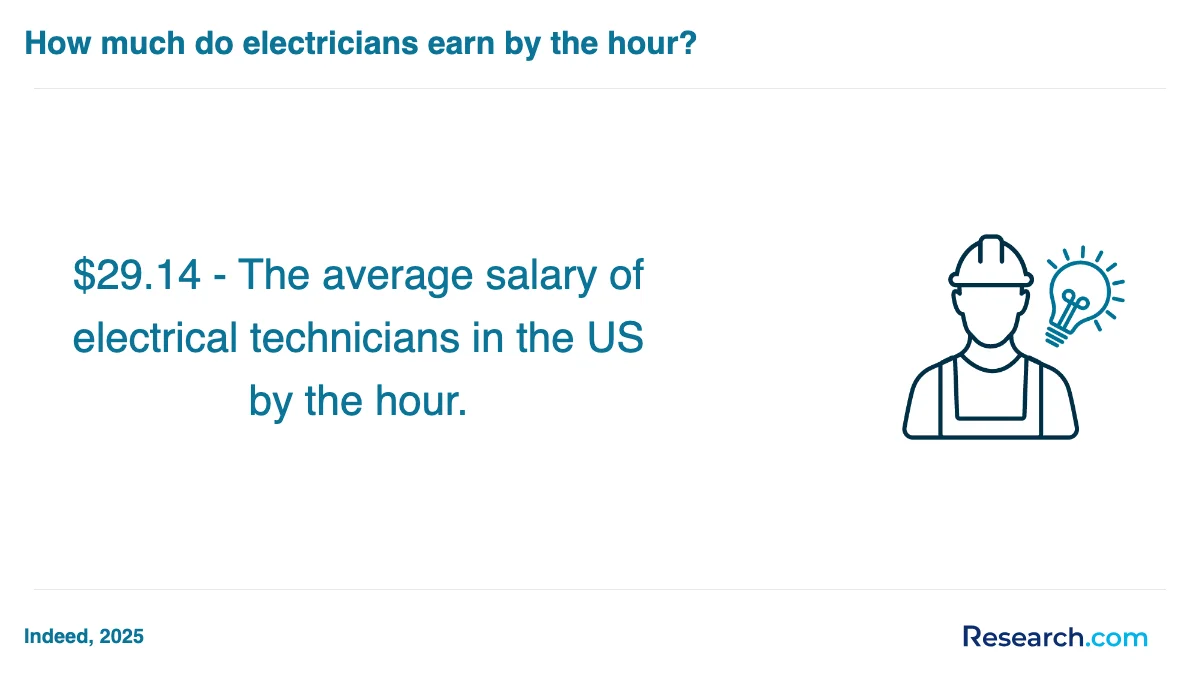
After finishing an electrician trade school program in Harrisburg, graduates often find themselves pleasantly surprised by their paycheck. Many start around $42,000 a year, which might sound like a solid stepping stone when you're fresh out of school. Imagine a recent graduate from a local Harrisburg trade school, excitedly signing their first full-time contract and seeing $29 per hour on their paycheck-enough to cover rent and still save for weekend adventures.
With experience, that number climbs fast. Union electricians in Harrisburg can earn about $32.30 per hour, sometimes hitting over $50 an hour. Picture a graduate who joined a union, working on commercial projects downtown, cashing in nearly $67,000 annually, not counting overtime that can add thousands more.
Top performers, especially those working for big employers like Amtrak or the Commonwealth of Pennsylvania, can see salaries surpassing $77,000, with the highest earners reaching close to $88,000. For Harrisburg trade school grads, this means real financial freedom is within reach after just a few years.
- Admission typically requires a high school diploma or GED and may include assessments, interviews, and a $100 application fee for some programs.
- Program lengths vary from nine months for certificate programs to up to four years for apprenticeships or associate degrees, with apprenticeships requiring 180 hours of technical instruction per year.
- Costs range from about $2,225 for a four-year apprenticeship to $3,950 for a nine-month certificate, with financial aid options often available.
- Starting salaries for electricians in Harrisburg range from $40,000 to $48,000 annually, while experienced electricians can earn over $65,000 per year.
- Programs often prepare students for certifications like OSHA Safety Certification and NOCTI to improve job prospects and career growth.
Completing an electrician trade school program in Harrisburg usually takes about 9 to 18 months, depending on whether you choose a full-time or part-time track. Imagine a graduate from a well-known Harrisburg trade school who balanced evening classes with a day job; they finished in just over a year, energized by every hands-on session that turned theory into real wiring magic.
Another graduate, attending full-time, wrapped up in less than a year. They often recall the thrill of mastering electrical codes and troubleshooting circuits early on, which made the fast pace feel like an exciting challenge rather than a rush. Such programs combine classroom learning with practical labs, so students quickly gain confidence working on live projects.
In Harrisburg, these trade schools focus on getting you job-ready swiftly without sacrificing quality. You can almost feel the pride in graduates' voices when they share how their compact, intense schedules prepared them for the field faster than traditional routes-turning their aspirations into wired realities in months, not years.
Imagine juggling work, family, and studies without ever leaving your couch-that's the reality for many who choose online electrician programs like the one at Penn State Harrisburg's World Campus. Graduates love the freedom to dive into advanced electrical engineering topics on their own schedule, making progress between shifts or while the kids nap. It's a flexible, self-paced adventure tailored for busy adults aiming to sharpen specialized skills.
Now picture stepping into a buzzing workshop at HACC's Harrisburg campus, tools in hand, surrounded by fellow future electricians. Here, the thrill comes from hands-on practice-wiring circuits, troubleshooting real equipment, and getting immediate feedback from expert instructors. Graduates often recall how this tactile experience built their confidence and prepared them for the unpredictable challenges of electrician work.
Some Harrisburg programs blend the best of both worlds, mixing online theory with in-person labs, but the heartbeat of electrician training remains the hands-on spark that only on-campus learning can ignite.
When diving into the average cost of electrician trade schools in Harrisburg, the numbers ring clear yet inviting. For example, graduates of the Harrisburg Area Community College's Electrical Technology AAS program recall that tuition hovered around $6,473 for in-district residents, making it a sensible investment for locals eager to spark their careers. Out-of-state students, however, faced a steeper climb at $9,225, flirting with that financial hustle all electricians understand. The tale doesn't end there-supplies and textbooks added roughly $1,800, a predictable step for anyone wiring their future.
Meanwhile, those stepping into the Dauphin County Technical School's Electrical Construction & Maintenance program often juggle costs less defined but no less real. Materials and tools, staples of any trade, reflect an unseen but necessary price tag graduates shoulder with pride. These upfront expenses echo a familiar rhythm among electrician hopefuls who balance budgeting with the excitement of hands-on learning.
Finally, the Franklin County Career and Technology Center offers another path, where uniform and tool kit costs, pegged around $225, form a modest but vital piece of the tuition fees for electrician programs in Harrisburg puzzle. Graduates emphasize how this practicality melds with their passion, fueling both confidence and competence in their trade.
For those meticulously planning their journey, exploring the best wind turbine technician certification options can complement electrician pathways, adding versatility to their skillset and value in the field.
Imagine stepping into Harrisburg Area Community College (HACC) with worries about tuition melting away thanks to Pell Grants, which are like surprise gifts that don't need to be paid back. Many electrician trade school students here have felt the relief of applying through FAFSA and unlocking these federal grants. Others have leaned on Direct Subsidized and Unsubsidized Loans, borrowing with manageable terms that make the path to certification less daunting.
Graduates often recall how the HACC Foundation scholarships felt like personalized boosts-tailored for those excelling academically or demonstrating financial need. These scholarships turned dreams into reality for many, slicing through costs that would otherwise pile up.
For locals, the Pennsylvania State Grant Program has been a game-changer, easing tuition burdens for in-district students who pay around $6,473 yearly, plus about $1,800 for materials. Out-of-district peers find their tuition ranging from $7,725 to $9,225, but state grants help bridge that gap.
Some trade schools spice things up with payment plans or work-study gigs, letting students earn while they learn-hands-on experience that's both practical and profitable.
Financial aid offices at these schools are hubs of opportunity, ready to guide every hopeful electrician through the maze of funding options.
To step into an electrician trade school program in Harrisburg, you'll need to clear a few straightforward but crucial hurdles that set the stage for your success. Graduates from popular local schools often recall how meeting these prerequisites felt like unlocking the first level of a game-challenging but totally doable.
Typically, you'll need:
- A high school diploma or GED-this is non-negotiable. It's the foundation that ensures you're ready to absorb the technical skills ahead.
- Basic math proficiency-think of it as your toolbox's measuring tape. Many schools administer a simple math test or require transcripts showing competency.
- Proof of age-usually you must be at least 18, ready to dive into hands-on training and safety protocols.
- Physical ability-being comfortable with standing for hours, lifting, and working in tight spaces is part of the real-world electrician experience.
One graduate shared how juggling the math entrance test was less daunting than expected once they remembered how often they use numbers in daily life, from budgeting to gaming scores. Another praised the Harrisburg trade school's supportive staff, who guided them through documentation and readiness checks, making the process feel more like a welcome mat than a barrier.

At Harrisburg trade schools like HACC, diving into electrician courses feels like unlocking a toolbox of skills that spark real confidence. Graduates often recall first tackling basic electrical theory, where understanding circuits transforms from confusing scribbles to a clear map of how power flows through homes and businesses.
Safety training is no joke-students learn OSHA standards through hands-on drills that make the importance of safe wiring impossible to forget. Imagine wiring a light switch in a mock home, knowing you're doing it by the book.
Courses don't stop there. The National Electrical Code (NEC) classes become a favorite challenge, as graduates proudly decode the rulebook that governs every electrical job across the U.S., preparing them for real-world demands.
Practical lessons in residential and commercial wiring and blueprint reading bring classroom theory to life. Students visualize construction plans and then actually install outlets or troubleshoot electrical panels, turning abstract diagrams into tangible skills.
- Electrical equipment installation, troubleshooting, and maintenance
- Business ethics, law, and small business development
- Green technology for the eco-conscious electrician
Apprenticeships like those from IEC Pennsylvania add the thrill of paid on-the-job training, where learning meets earning under seasoned electricians' watchful eyes. Graduates describe this blend of classroom and hands-on learning as the perfect recipe to light up their careers in Harrisburg's vibrant electrical scene.
Electrician programs in Harrisburg open doors to a variety of dynamic career paths, each tailored to hands-on minds eager to spark wiring magic. Graduates from popular trade schools here often dive into specializations such as residential wiring-imagine mastering the art of lighting up cozy homes-and commercial wiring, where they handle complex systems in bustling offices and retail spaces. Industrial electrical technology is another thrilling option, preparing students to tackle heavy machinery and large-scale electrical systems found in major facilities.
Many find the Harrisburg electrical trade school career paths deeply satisfying because of the choice to add electives like green building or renewable energy technology, turning their passion for sustainability into real-world skills. Picture yourself learning about solar panels or wind turbines, primed for roles that connect with the future of energy. In fact, some grads become adept enough to pursue wind turbine technician education requirements.
Hands-on experiences like mock wiring exercises or fusion splicing are standard here-one graduate described the thrill of wiring a complete residential system in a lab as a "personal victory." Others focus on electrical estimating, system design, or repairs, giving them specialized expertise highly valued by local employers.
- Residential wiring for homes and apartments
- Commercial wiring in offices and businesses
- Industrial electrical technology for factories and plants
- Green building and renewable energy electives
- Business and entrepreneurship courses for self-starters
This variety reflects the true essence of electrician program specializations in Harrisburg-flexible learning paths that mold each student's future to their unique sparks of interest and ambition.
When hunting for the best electrician trade schools in Harrisburg, envision yourself in a lively workshop at Harrisburg Area Community College, sparks flying, and instructors guiding you personally through wiring challenges that directly reflect real job site demands. Graduates often speak fondly of how hands-on training paired with thorough electrical theory not only boosted their confidence but also landed them apprenticeships faster than expected.
How to choose the best electrician trade school program in Harrisburg means digging into accreditation and whether the curriculum hits Pennsylvania's licensing benchmarks. Alumni rave about schools where flexible schedules and weekend classes made balancing work and education genuinely manageable. These practical considerations matter as much as polished classrooms and industry-experienced teachers who share war stories and insider tips.
Budget also shapes your path; with tuition ranging widely, consult options for aid and consider low cost online trade schools programs for electricians that deliver equivalent skills without the hefty price tag. Choosing smart connects you with career support that turns coursework into a paycheck with local contractor networks right in Harrisburg.
Electrician trade school graduates in Harrisburg unlock an electrifying array of career paths that spark excitement and stability. Popular local programs equip students with skills to excel as general electricians, residential or commercial service technicians, or electrical-equipment repair experts. Graduates recall how hands-on training made real the thrill of troubleshooting in busy Harrisburg industrial sites or cozy neighborhood homes.
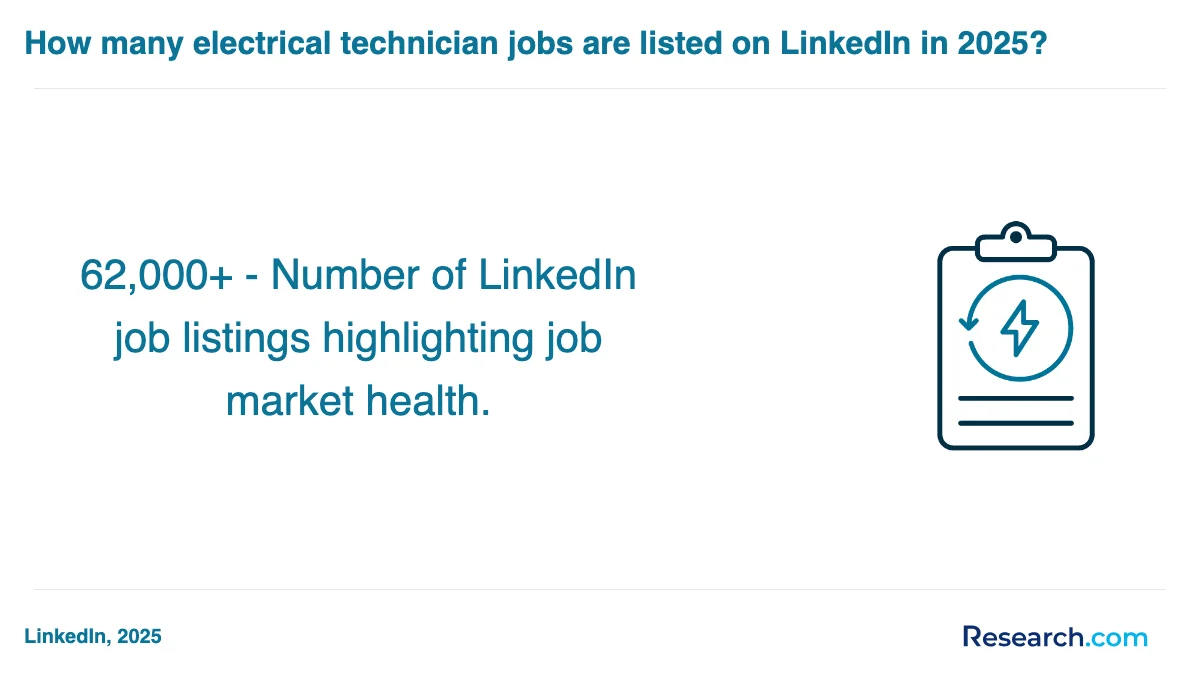
Often, careers rise with a journey-level electrician's license, paving the way into well-paid roles like installers or field service electricians. The city pulses with over 245 electrician job openings, making Harrisburg electrical technician jobs and salaries both attainable and rewarding.
Many grads venture into specialty niches: high voltage electricians powering critical infrastructure, solar energy pioneers advancing Pennsylvania's green energy future, or savvy electrical system installers enhancing buildings sustainably. Popular trade schools even prepare students with green building insights to meet these new demands.
Beyond the tool belt, some graduates shift gears toward supervisory roles or launch their own ventures, supported by electives in business ethics and small business development. For those seeking a technical edge or new horizons, pairing electrician skills with an electrical engineer degree further broadens options and sparks innovation.
The electrician job openings in Harrisburg PA are buzzing with energy, reflecting a lively market ready to embrace fresh talent from local trade schools. Graduates often step into roles ranging from maintenance to commercial electricians, easily finding positions even with limited field experience. One graduate shared how, within weeks of finishing a popular Harrisburg electrician program, they landed a job maintaining state public buildings-proof that the opportunities are tangible and within reach.
Harrisburg's electrician employment outlook is bright. With employers like Amtrak and Fresh Express consistently looking for skilled workers, there's a steady demand. Graduates frequently mention benefits beyond just salary, like health insurance and retirement plans, which boost job satisfaction.
For those considering the best pathways, programs offering real-world training paired with certifications make a difference. It's no wonder so many encourage peers to explore most affordable online maintenance technician certification programs to supplement their skill set.
- Over 200 electrician positions consistently open in Harrisburg
- Entry-level jobs welcoming new graduates
- Competitive wages growing with experience and specialization
Best Electrical Technician Training Programs & Trade Schools - Top Electrical Tech Schools in Harrisburg for 2026
# 1 position
Harrisburg Area Community College - Electrician.
associateHarrisburg Area Community College offers a Hybrid Electrician program that prepares students to install, operate, maintain, and repair electric apparatus and systems including residential, commercial, and industrial wiring. The curriculum covers electronics principles, electrical systems, wiring, power transmission, safety, and applicable codes. The annual in-state tuition is $7,373. Graduates earn a median salary of $36,532 one year after completing the program. The program is accredited by the Middle States Commission on Higher Education.
# 2 position
Harrisburg Area Community College - Electrician.
certificate or diplomaThe Electrician program at Harrisburg Area Community College offers a hybrid format with some distance-education options. It prepares students to install, operate, maintain, and repair electric systems including residential, commercial, and industrial wiring. Instruction covers electronics, wiring, power transmission, safety, testing, and applicable codes. The program is accredited by the Middle States Commission on Higher Education. Annual in-state tuition is $7,373, and median earnings one year after completion are $36,532.
Frequently Asked Questions about electrician
After completing electrician trade school in Harrisburg, preparing for the job market involves several key steps. First, obtaining an apprenticeship is crucial, as most states, including Pennsylvania, require hands-on experience before licensure. The U.S. Bureau of Labor Statistics notes that electricians in Pennsylvania earn a median wage of about $27 per hour, reflecting strong local demand.
Networking with local contractors and joining trade organizations, such as the Independent Electrical Contractors (IEC) Central PA Chapter, can help graduates connect with employers. Additionally, pursuing state licensure through the Pennsylvania Department of Labor & Industry ensures compliance with legal standards.
Continuing education and certifications, such as OSHA safety training, increase employability and career growth prospects in Harrisburg's competitive electrical job market.
Employers in Harrisburg highly value electrician trade school graduates who demonstrate strong technical skills and practical knowledge. Key abilities include understanding electrical systems, circuitry, and wiring installation, as well as proficiency in reading blueprints and electrical codes. According to the U.S. Bureau of Labor Statistics, electricians must also be adept at troubleshooting and repairing electrical issues efficiently.
In addition to technical expertise, employers seek graduates with strong safety awareness due to the risks involved in electrical work. Communication skills and teamwork are also important, as electricians often collaborate with other contractors on job sites. The Pennsylvania Department of Labor emphasizes that hands-on experience gained through apprenticeships or trade programs significantly boosts employability in the Harrisburg area.
Finding internships in Harrisburg relevant to electrician trade school programs involves a strategic approach. Start by contacting local trade schools, as many have established partnerships with electrical contractors and companies offering hands-on internship opportunities. The Pennsylvania Department of Labor & Industry also provides resources on registered apprenticeship programs, which are a common pathway for electrician students to gain practical experience.
Additionally, use job search platforms like the Pennsylvania CareerLink, which frequently lists internships and apprenticeship openings in the Harrisburg area. According to the Bureau of Labor Statistics, apprenticeships in electrical trades in Pennsylvania have grown by approximately 5% annually, reflecting increasing opportunities. Networking through local chapters of organizations such as the National Electrical Contractors Association (NECA) can further connect students with internship prospects.
Obtaining a diploma from an electrician trade school in Harrisburg significantly enhances career mobility and advancement opportunities. According to the U.S. Bureau of Labor Statistics, electricians with formal training and certification tend to have higher employment rates and earn a median wage approximately 20% above those without credentials. In Harrisburg, where the construction and energy sectors are growing, employers prioritize candidates with verified technical skills.
Trade school diplomas also enable graduates to qualify for apprenticeships and licensing exams, which are crucial for progressing to journeyman or master electrician roles. Local labor market data from Pennsylvania's Department of Labor underscores that certified electricians experience faster job placement and more promotions compared to uncertified workers.
Furthermore, trade schools often provide networking opportunities and partnerships with regional employers, improving access to internships and entry-level positions. This practical experience is essential for long-term career growth within the Harrisburg metropolitan area.
Students attending electrician trade schools in Harrisburg can benefit from part-time job opportunities that build practical skills alongside their education. Positions such as electrical apprenticeships or helper roles with local contractors allow hands-on experience in wiring, safety protocols, and tool handling. These jobs often pay between $12 and $18 per hour, providing both income and valuable industry exposure.
Retail positions in electrical supply stores also complement classroom learning by familiarizing students with materials and equipment used in the field. According to the U.S. Bureau of Labor Statistics, Harrisburg's construction sector is expected to grow by 6% through 2032, indicating steady demand for electricians and related roles.
Additionally, some students find part-time work in maintenance roles at institutions like hospitals or schools, where basic electrical repairs are common. Such jobs reinforce troubleshooting skills essential for electricians.
Yes, there are electrician degree programs near you and near Harrisburg, PA, available through various community colleges and technical schools. These programs typically offer both classroom instruction and hands-on training, essential for a career in the electrical field. For detailed information on specific programs and their reputations, Research.com can be a resourceful tool to guide your search for reputable programs.
- Electrical Technology (4370) https://www.hacc.edu/ProgramsandCourses/Electrical-Technology-4370.cfm
- How to Become an Electrician in Pennsylvania https://www.best-trade-schools.net/locations/pennsylvania/electrician-in-pa/
- Franklin County Career and Technology Center - Electrical Occupations https://www.franklinctc.com/25161_4
- IEC Pennsylvania | https://iecpennsylvania.org/
- ELECTRICAL TECHNOLOGY https://www.rmctc.org/programs/construction/electrical-technology/
- 54 Electrician Schools in PA - Hands-On & Awesome [UPDATED 2025] https://electricalschool.org/pa/
- How To Become an Electrician in Pennsylvania | Top Trade Schools https://toptradeschools.com/near-you/electrician/pennsylvania/
- DCTS - Home https://dcts.org/
- A Guide to Skilled Trades Apprenticeships and Internships | BestColleges https://www.bestcolleges.com/trades/guide-to-skilled-trades-apprenticeships-internships/
- Essential Requirements for Electrician Apprenticeship Applications: What You Need to Know Before You Apply - InterCoast Colleges https://intercoast.edu/articles/essential-requirements-for-electrician-apprenticeship-applications-what-you-need-to-know-before-you-apply/