Best Electrical Technician Training Programs & Trade Schools - Top Electrical Tech Schools in Minnesota for 2026

Co-Founder and Chief Data Scientist
Choosing the right electrician trade school in Minnesota can shape your future career and open doors to exciting opportunities. This article presents a detailed ranking of electrician trade school programs, carefully developed by the Research.com team of data scientists to guide you toward the best options available.
By exploring these programs, you’ll gain insight into quality education paths that lead to valuable diplomas or certifications. Whether you’re starting fresh or advancing your skills, this guide helps you make an informed decision with confidence.
Key benefits of finishing electrician trade school in Minnesota
- Graduates from electrician trade schools in Minnesota can expect an average hourly wage of about $28.91, translating to nearly $60,900 annually for full-time work, with potential to earn even more as licensed electricians.
- A graduate from a popular Minnesota trade school can pursue diverse career paths, including becoming a licensed journeyman electrician or specializing in high-demand areas like power-line installation, offering strong job stability and growth.
- Completing an electrician trade school online provides flexibility and convenience, allowing students to balance learning with personal commitments while still gaining the skills needed to succeed in Minnesota's workforce.
- Best Electrical Technician Training Programs & Trade Schools - Top Electrical Tech Schools in Minnesota for 2026
- What can I expect from electrician trade schools in Minnesota?
- Where can I work after finishing electrician trade schools in Minnesota?
What can I expect from electrician trade schools in Minnesota?
Enrolling in an electrician trade school program in Minnesota means diving into a blend of classroom theory and hands-on training tailored to the state's standards. Graduates from schools like Minnesota North College and Anoka Technical College often share how their days balance learning electrical codes and wiring methods with practical lab sessions. Imagine working on real electrical systems, sometimes through partnerships with organizations like Habitat for Humanity, where you install and test wiring on actual projects-this is the kind of experience that brings textbooks to life.
The programs usually run full-time for under two years, with some accelerated options around 20 weeks, accommodating both day and evening students. Many graduates value the direct pathway these programs offer toward licensure, as they can earn credit for thousands of work hours needed for the journeyman electrician license. The excitement of stepping into a career with strong job prospects and hourly wages often reaching $38.50 to $54.00 reaffirms the effort invested. Plus, continuing education ensures skills stay sharp, keeping you ahead in Minnesota's evolving electrical industry.
Where can I work after finishing electrician trade schools in Minnesota?
Graduates from electrician trade schools in Minnesota often find themselves stepping directly into roles like apprentice or journeyperson electricians, working in settings ranging from cozy residential homes to sprawling industrial plants. Many recall how hands-on training at popular Minnesota trade schools prepared them for real job demands, such as wiring intricate power distribution panels or installing cable trays in busy commercial sites.
Opportunities abound in cities like Minneapolis and Saint Paul, where employers frequently seek licensed journeymen and apprentices alike, offering openings that range from entry-level to specialized industrial electrician positions. Imagine starting your career installing electrical systems in a new apartment complex one day, then maintaining critical infrastructure for a manufacturing plant the next.
Trade school graduates often share how joining Minnesota's official apprenticeship programs gave them a clear path to career growth, with on-the-job training that builds confidence and skill. Whether working regular shifts or covering essential night and weekend hours, many find their skills in demand across construction, utilities, and government sectors, creating a dynamic and rewarding career journey.
After finishing an electrician trade school program in Minnesota, many graduates find themselves pleasantly surprised by their earning potential. Starting as apprentices, new graduates from well-known Minnesota trade schools often begin at around $26.55 per hour. This can be even higher-at the third period or above-thanks to the advanced skills gained during their training. Imagine stepping onto a job site knowing your education already bumps you ahead of entry-level pay.
As you gain experience and become a licensed journeyman electrician, wages jump to an average of $33.38 per hour, with many earning between $26.59 and $38.61. This means annual salaries typically land between $55,000 and $80,000, enough to support a comfortable lifestyle in Minnesota. Graduates often share how this steady income allowed them to confidently plan for their futures.
Master electricians, who continue growing their skills, can reach salaries around $79,000 annually, with some earning close to $99,000. Union journeymen sometimes see total compensation packages that value up to $94.89 per hour, combining wages with benefits. While Minnesota ranks 50th nationally, the blend of education, experience, and union support makes the path rewarding for many who start at local trade schools.
- Applicants must have a high school diploma, GED, or a two-year associate degree and be at least 17 years old to apply; 18 is required before starting as an apprentice.
- Programs include about 180 hours of classroom training per year plus on-the-job training through a full-time contractor position.
- Completion of a two-year electrical course can count for up to 2,000 hours of required experience, but 8,000 hours of supervised training are needed for licensure.
- Tuition for trade school programs ranges from $5,000 to $15,000, with additional costs for books, tools, and materials.
- Electrician graduates have a strong job market with median wages around $38.50 per hour and top wages up to $54.00 per hour.
Completing an electrician trade school program in Minnesota typically takes between 9 months to 2 years, depending on whether you enroll in a diploma, certificate, or associate degree track. Many graduates from popular Minnesota trade schools share that the most intensive programs, lasting about a year, immerse them in hands-on training that builds confidence quickly, making the time feel engaging rather than overwhelming.
For example, students at well-known Minnesota trade schools often describe their experience as a blend of classroom theory and practical electrical work, which accelerates their readiness to enter the workforce. The immersive nature means a full year can fly by as you master wiring, circuitry, and safety protocols in real-world scenarios.
Others who choose longer associate degree programs appreciate the additional depth and time to refine skills, often balancing school with part-time jobs or apprenticeships. These graduates reflect on how the extended timeline helped them feel more prepared and less rushed, turning their learning journey into a positive, confidence-building experience.
The core difference between online and on-campus electrician trade school programs in Minnesota lies in how students gain hands-on experience. Graduates from online programs at schools like Hennepin Technical College appreciate the flexibility of learning electrical theory, wiring basics, and safety procedures through engaging virtual labs and 3D simulations. They often describe the convenience of studying at their own pace, fitting coursework around work or family life. However, many quickly realize that mastering practical skills-like wiring circuits or troubleshooting live electrical systems-requires more than virtual lessons.
On the other hand, students attending on-campus programs such as Anoka Technical College thrive on direct, supervised practice. They often share how working with actual tools and electrical panels in lab settings builds confidence and readiness for real-world jobs. This tactile experience is vital for meeting Minnesota's strict licensing standards, which emphasize documented hands-on training. Some find hybrid programs helpful, blending online theory with mandatory in-person labs, striking a balance between flexibility and essential practical skills.
The average tuition fees for electrician programs in Minnesota typically range from $5,000 to $15,000 per year, depending on the type of institution and residency status. Many students pursuing electrician trade school programs find this range reasonable, especially when considering the long-term value of their skillset. For instance, graduates from well-known institutions like Dakota County Technical College often share how the $5,713 annual tuition felt like a solid investment toward their career in electrical construction and maintenance.
Beyond tuition, aspiring electricians should factor in additional costs such as books and supplies, which can add around $1,200 to their annual expenses. Apprenticeship programs that combine hands-on paid work with classroom instruction typically charge classroom fees between $1,000 and $3,000 annually, making these programs an affordable and practical way to build experience while earning.
Understanding the cost of electrician trade school programs in Minnesota is crucial for budgeting and planning. Many students experience relief when discovering financial aid options, including scholarships, grants, and employer sponsorships, help ease the financial burden. Those focused on joining the ranks of successful electricians often research the top trade schools for electricians to find programs with the best balance of cost and opportunity.
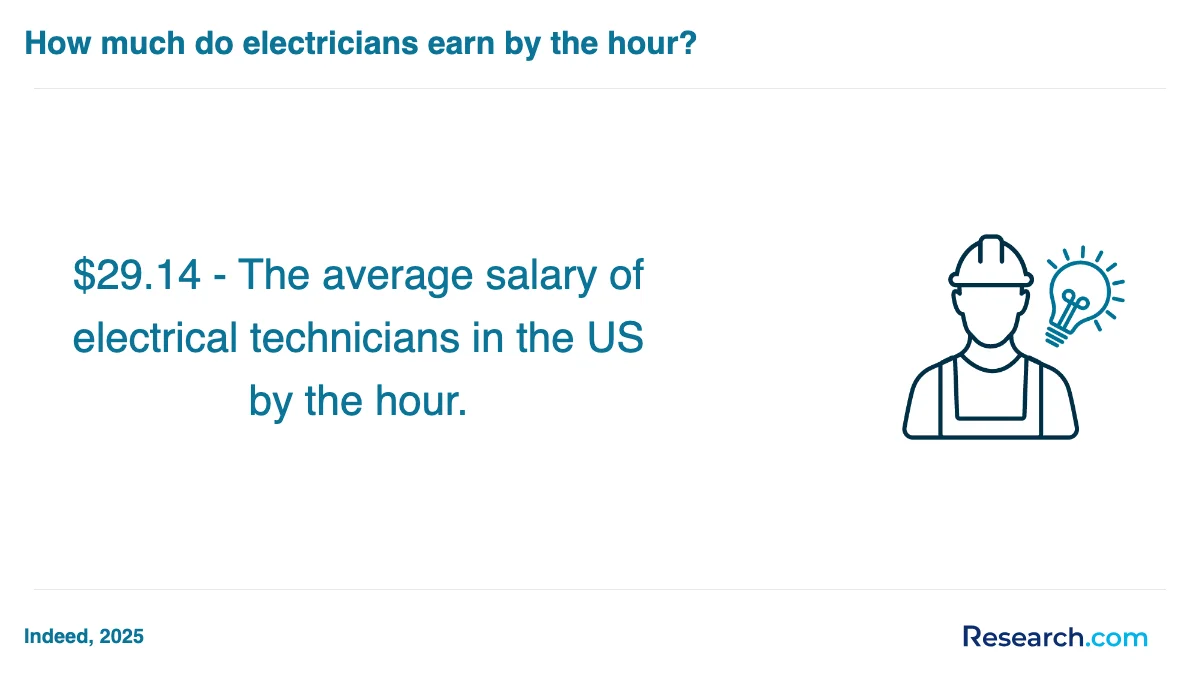
Electrician trade school students in Minnesota often find financial aid to be a lifeline that turns their ambitions into reality. Many rely on the Minnesota State Grant Program, which awards need-based funds calculated through the FAFSA. Graduates from schools like St. Cloud Technical & Community College frequently share how this grant eased their tuition worries, allowing them to focus fully on mastering their trade.
The Workforce Development Scholarship, backed by the Minnesota Legislature, is another beacon of support. Imagine receiving $2,500 per academic year while attending a qualified electrician program-this has been a game-changer for many new students, who balance school and life with renewed confidence. To qualify, residents must maintain a 2.0 GPA and enroll in at least nine credits per semester, making this aid both accessible and motivating.
School-specific scholarships add another layer of opportunity. At St. Cloud and other Minnesota trade schools, these awards often recognize strong academic performance or financial need, providing targeted relief to those who deserve it most.
Federal aid complements state and school resources. Pell Grants and federal loans, available through FAFSA, further reduce financial stress for aspiring electricians, making the path clearer and more manageable.
To enroll in an electrician trade school program in Minnesota, applicants typically need to meet several key prerequisites that ensure they are ready for the hands-on, technical training ahead. Many graduates from well-known Minnesota trade schools recall the clarity and straightforwardness of these requirements, which helped them focus their energy on learning rather than paperwork.
Common prerequisites include:
- A high school diploma or GED, demonstrating foundational academic skills.
- Passing an aptitude test or placement exam to confirm basic math and reading comprehension abilities.
- Proof of physical fitness or the ability to handle the physical demands of electrician work, such as climbing ladders and lifting equipment.
- Being at least 18 years old, which aligns with legal requirements for apprenticeships and work permits.
Graduates often describe how meeting these criteria felt like clearing the first hurdle toward a rewarding career. One recalled that having their GED and passing the math test felt like a personal victory, boosting confidence before even starting classes. Another highlighted how physical readiness was crucial-not just for school tasks but for the real-world challenges on job sites across Minnesota.
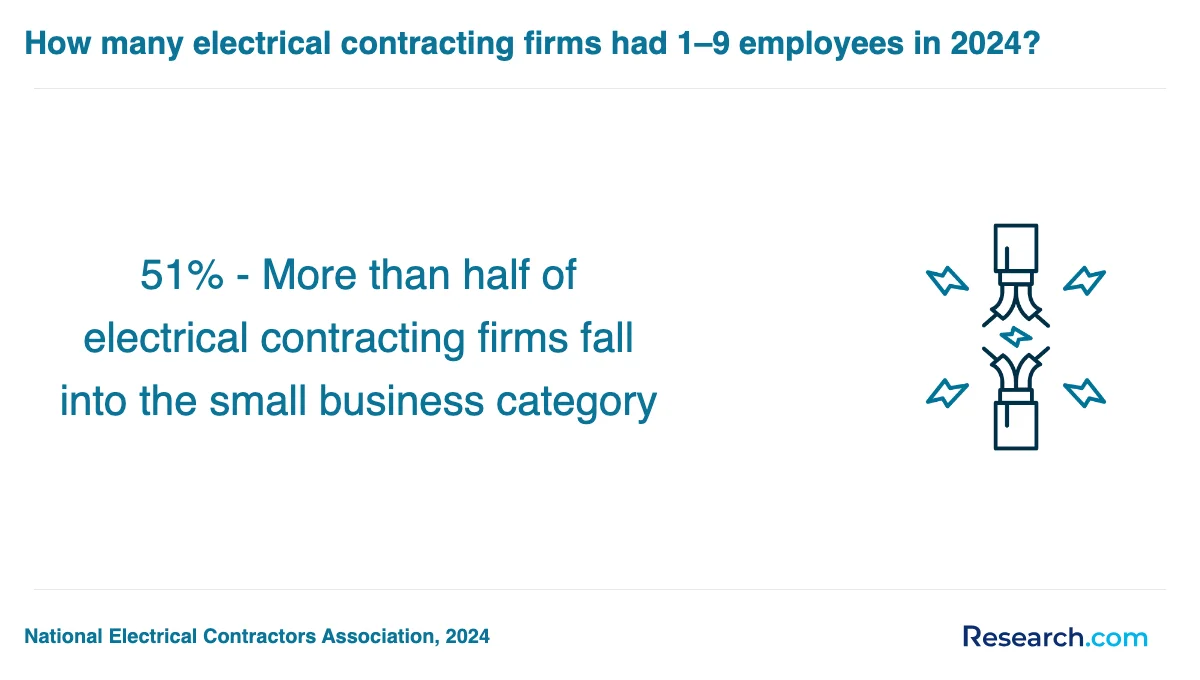
Electrician trade school programs in Minnesota immerse students in a range of courses designed to build both knowledge and confidence for real-world electrical work. Graduates often recall how mastering basic electrical theory transformed their understanding of how electricity flows safely through homes and businesses.
Key courses include:
- National Electrical Code (NEC) study, essential for passing Minnesota's licensing exams and ensuring compliance with industry standards
- Wiring methods, where students gain hands-on experience installing and troubleshooting systems for lighting, power, and heating
- Electrical blueprint reading, taught in programs like Minnesota State Community and Technical College, sharpening skills to interpret complex wiring layouts accurately
- Material selection, focusing on choosing the right wires and conduits for each job
- Programmable controllers and heating/cooling controls courses, preparing students for the growing automation and HVAC sectors
Many graduates describe how these classes, paired with hands-on training, gave them the practical skills to confidently tackle diverse projects-from wiring a family home to maintaining commercial electrical systems-making the learning experience deeply rewarding and directly applicable.
Electrician training programs in Minnesota offer focused specializations that sharpen skills for distinct career paths. Graduates from Minnesota West Community and Technical College praise the Electric Utility Substation Technician program, where hands-on training in metering and complex relaying prepares them for the critical work of maintaining electrical substations. Others share their enthusiasm after completing Dakota County Technical College's two-year Electrician Construction and Maintenance Technology program, which builds confidence through practical skills like blueprint reading and safety procedures in real job site simulations.
Popular specializations include:
- Electric Utility Substation Technician - handling distribution systems and advanced electrical equipment
- Electrician Construction and Maintenance Technology - focusing on residential, commercial, and industrial installations and upkeep
- Electrical Construction Design & Management - blending technical expertise with project management and leadership
These programs offer more than knowledge; they link students to electrical apprenticeship opportunities in Minnesota that jumpstart careers. Many graduates highlight how applying electrical lineman skills needed during internships enhanced their readiness for real-world challenges in the electrical industry.
Choosing the best electrician programs in Minnesota starts with verifying accreditation and alignment with state licensure requirements. Graduates from schools like Dakota County Technical College often speak highly of the hands-on lab work combined with classroom theory, which prepares them confidently for real-world electrical challenges. These two-year programs typically grant credit toward the mandatory apprenticeship, making the path to becoming a licensed journeyman clearer and faster.
Location and delivery format are crucial. Some students appreciate on-campus immersion at Dunwoody College of Technology, while others benefit from hybrid options that accommodate work and family commitments. When you compare electrician trade schools Minnesota offers, pay close attention to job placement support and financial aid availability-many students find substantial scholarships or grants, reducing tuition burdens and boosting their motivation.
Cost matters, but so does staying current with state and national codes such as the NEC. For those seeking flexible, cost-effective alternatives, exploring affordable accelerated wind turbine technician training programs can provide insight into innovative pathways and financial strategies within the trades.
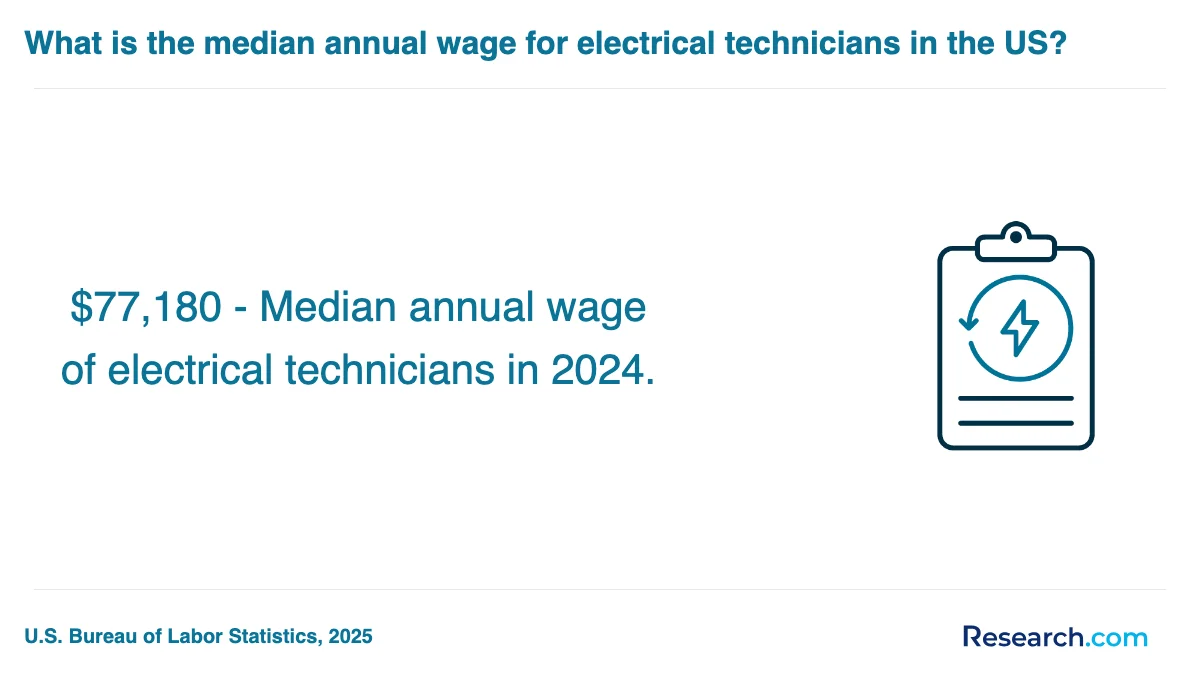
Graduates of electrician trade school programs in Minnesota often find a variety of electrician career opportunities in Minnesota that go beyond the traditional roles. For many who complete programs at popular schools like Anoka Technical College, beginning as an apprentice allows them to gain valuable hands-on experience while earning wages, setting a solid foundation for a prosperous career. These apprenticeships often lead to journeyman licenses after 7,000 to 8,000 hours of supervised work.
Once licensed, the career paths broaden significantly. Graduates frequently pursue:
- Residential and commercial electrical work, installing and maintaining wiring in homes, offices, and retail spaces.
- Industrial and manufacturing sectors, where they handle complex electrical systems in processing plants or mining operations.
- Specialized fields such as renewable energy installations like solar and wind or cutting-edge technologies including electric vehicle charging infrastructure.
- Becoming contractors or business owners, leveraging a master electrician license for leadership roles or entrepreneurship.
The variety in Minnesota electrician jobs after trade school reflects the state's solid demand across urban and rural areas, encouraging graduates to explore paths aligned with their passions. Those interested in advancing their education and licensure can find detailed ee degree requirements helpful in expanding their opportunities.
The electrician job outlook in Minnesota is vibrant and filled with opportunity, particularly for trade school graduates who enter a market expecting steady growth. Graduates from popular Minnesota trade schools often share stories of quickly finding apprenticeships or entry-level roles, especially in metro areas like Hennepin and Dakota counties where construction and maintenance demand is strong. Practical training at these schools prepares students to meet the growing need fueled by ongoing infrastructure projects and a wave of retirements in the industry.
Wages reflect this demand: entry-level electricians typically start around $23.25 per hour, progressing to $40 or more with experience, highlighting the rewarding nature of the career path. Graduates emphasize that the combination of hands-on skills and industry connections developed during their programs sets them apart in a competitive but expanding job market.
Insights from employment trends show:
- Over 3,000 electrician job openings projected through 2024 in Minnesota
- Median hourly wages reaching about $39.89 as of 2025
- Significant regional variation with richer opportunities in metropolitan hubs
For those who want to expand their horizons beyond residential and commercial fields, exploring electrical specialties or certifications-like those found in the best wind turbine tech certificate programs-can offer additional pathways and income potential.
Focusing on these trends, electrician salary and employment trends Minnesota demonstrate that commitment to a quality trade education in the state positions graduates for both immediate employment and long-term career growth in a thriving field.
Best Electrical Technician Training Programs & Trade Schools - Top Electrical Tech Schools in Minnesota for 2026
# 1 position
Dakota County Technical College - Electrician.
associateDakota County Technical College offers a hybrid Electrician program that prepares students to install, operate, maintain, and repair electric systems including wiring, motors, controls, and distribution panels. The curriculum covers electronics principles, safety, job estimation, testing, inspection, and relevant codes. Annual in-state tuition is $6,419. Graduates earn a median salary of $53,566 one year after completion. The program is accredited by the Higher Learning Commission.
# 2 position
Minnesota West Community and Technical College - Electrical and Power Transmission Installation/Installer, General.
associateMinnesota West Community and Technical College offers a hybrid program in Electrical and Power Transmission Installation/Installer, General. This program trains students to install residential, commercial, and industrial electrical systems and power transmission lines. Coursework covers electricity, safety, wiring, insulation, blueprint interpretation, and equipment maintenance. The annual in-state tuition is $6,484. Graduates report median earnings of $47,723 one year after completion. The program is accredited by the Higher Learning Commission.
# 3 position
Minnesota West Community and Technical College - Electrician.
associateMinnesota West Community and Technical College offers a Hybrid Electrician program focused on training students to install, operate, maintain, and repair electric systems and apparatus. The curriculum covers electronics principles, wiring, power transmission, safety, electrical testing, and applicable codes. Annual in-state tuition is $6,484. The program is accredited by the Higher Learning Commission. Graduates earn a median salary of $47,723 one year after completion.
# 4 position
Northwest Technical College - Electrician.
associateNorthwest Technical College offers a hybrid Electrician program designed to equip students with skills to install, operate, maintain, and repair electrical systems in residential, commercial, and industrial settings. The curriculum covers electronics principles, wiring, power transmission, safety, testing, inspection, and relevant codes. The annual in-state tuition is $6,246. Graduates earn a median income of $44,727 one year after completing the program. The program is accredited by the Higher Learning Commission.
# 5 position
Northwest Technical College - Electrician.
certificate or diplomaNorthwest Technical College offers a Hybrid Electrician program preparing students to install, operate, maintain, and repair electric systems in residential, commercial, and industrial settings. The curriculum covers electronics principles, wiring, power transmission, safety, job estimation, and applicable codes. The program’s annual in-state tuition is $6,246, and graduates earn a median income of $44,727 one year after completion. It is accredited by the Higher Learning Commission.
# 6 position
Lake Superior College - Electrician.
associateLake Superior College offers a hybrid Electrician program that prepares students to install, operate, maintain, and repair electric systems for residential, commercial, and industrial settings. The curriculum covers electronics principles, wiring, power transmission, safety, job estimation, and electrical codes. Annual in-state tuition is $5,786. Graduates earn a median salary of $38,444 one year after completion. The program is accredited by the Higher Learning Commission.
# 7 position
Dunwoody College of Technology - Electrician.
associateThe Electrician program at Dunwoody College of Technology offers a hybrid format with some distance-education options. It prepares students to install, operate, maintain, and repair electrical systems, covering residential, commercial, and industrial wiring. Instruction includes electronics principles, power transmission, safety, job estimation, and electrical codes. The program is accredited by the Higher Learning Commission. Annual in-state tuition is $25,659, and median earnings one year after completion are $47,888.
# 8 position
Ridgewater College - Electrician.
associateThe Electrician program at Ridgewater College offers hybrid learning to prepare students for installing, operating, maintaining, and repairing electrical systems in residential, commercial, and industrial settings. Instruction covers electronics principles, wiring, power transmission, safety, electrical testing, and applicable codes. The program is accredited by the Higher Learning Commission. Annual in-state tuition is $6,109, providing an accessible option for technical education in the electrical trade.
# 9 position
Fond du Lac Tribal and Community College - Electrical and Power Transmission Installation/Installer, General.
associateFond du Lac Tribal and Community College offers a hybrid program in Electrical and Power Transmission Installation/Installer, General. The program prepares students to install residential, commercial, and industrial electrical systems and power transmission lines. Coursework includes electricity, safety, wiring, insulation, grounding, blueprint interpretation, equipment operation, and codes. Annual in-state tuition is $5,999. The program is accredited by the Higher Learning Commission.
# 10 position
Saint Paul College - Electrician.
associateSaint Paul College offers an on-campus Electrician program designed to prepare students to install, operate, maintain, and repair electric apparatus and systems in residential, commercial, and industrial settings. The curriculum covers electronics principles, wiring, power transmission, safety, and applicable codes. Annual in-state tuition is $6,318. Graduates have median earnings of $39,770 one year after completion. The program is accredited by the Higher Learning Commission.
Frequently Asked Questions about electrician
After completing electrician trade school in Minnesota, preparing for the job market involves several key steps. First, obtaining an apprenticeship is crucial, as Minnesota requires electricians to complete a registered apprenticeship program to become licensed. According to the Minnesota Department of Labor and Industry, apprenticeships typically last 4-5 years and combine paid on-the-job training with classroom instruction.
Next, graduates should focus on earning their journeyman electrician license by passing the state exam. This license is necessary to work independently and advance in the field. Networking with local contractors and trade unions can help secure apprenticeship positions and job leads.
Additionally, staying current with National Electrical Code updates and gaining experience in specialized areas such as renewable energy or industrial wiring can improve employability. The U.S. Bureau of Labor Statistics projects a steady growth rate of about 8% for electricians nationwide through 2031, reflecting positive job prospects in Minnesota as well.
Employers in Minnesota seek electrician trade school graduates with strong technical skills. These include knowledge of electrical codes, blueprint reading, and safe installation practices. According to the Minnesota Department of Labor and Industry, familiarity with the National Electrical Code (NEC) is critical for compliance and safety.
Practical experience with wiring, conduit bending, and troubleshooting electrical systems is highly valued. Graduates who demonstrate problem-solving abilities and can work independently or in teams often stand out.
Soft skills such as communication and time management are also important. The Minnesota Department of Employment and Economic Development notes that electricians with these skills tend to have better job retention and advancement opportunities.
Finding internships in Minnesota relevant to electrician trade school programs involves several practical steps. Start by contacting your chosen trade school's career services or internship coordinator, as many maintain partnerships with local electrical contractors and unions. The Minnesota Department of Employment and Economic Development (DEED) offers resources and job listings specific to skilled trades, including electrician apprenticeships and internships.
Networking through local chapters of the International Brotherhood of Electrical Workers (IBEW) can also be valuable, as they often sponsor apprenticeship programs leading to hands-on training opportunities. Additionally, online job platforms like MinnesotaWorks.net provide listings tailored to trade students. Combining school support, union connections, and state employment resources increases your chances of securing a quality internship in Minnesota's electrician field.
Obtaining a diploma from an electrician trade school in Minnesota significantly enhances career mobility and advancement opportunities. According to the Minnesota Department of Employment and Economic Development, the state expects a 10% growth in electrician jobs through 2030, signaling strong demand for qualified professionals.
A diploma demonstrates foundational skills and technical knowledge that employers value, often leading to higher starting wages compared to those without formal training. Graduates are also better positioned to meet licensure requirements, which are necessary for many advanced roles in the field.
Moreover, trade school credentials can facilitate transitions into specialized areas such as industrial or residential electrical work, expanding career pathways.
Overall, a diploma is a critical step for those seeking upward mobility in Minnesota's electrical industry.
Part-time job opportunities in Minnesota that complement electrician trade school education often involve roles in construction, maintenance, and electrical supply stores. Positions such as electrical apprenticeships, helper roles on job sites, or working as a maintenance technician provide practical experience alongside classroom learning.
According to the U.S. Bureau of Labor Statistics (2023), Minnesota's electrical occupations are expected to grow by 7% through 2031, creating a favorable job market for students gaining hands-on skills. Apprenticeships typically pay while allowing students to earn credit toward licensure requirements.
Additionally, retail positions at electrical supply companies can enhance knowledge of tools and materials used in the trade, further supporting academic progress.
Yes, there are several electrician degree programs available near Minnesota that can help individuals gain the skills and certifications needed to pursue a career in the electrical field. Community colleges and vocational schools near me often offer comprehensive programs that include both classroom instruction and hands-on training. For those researching educational opportunities, consulting Research.com can provide valuable insights into the rankings and specifics of programs offered within the state.
- Best Electrical Technician Training Programs & Trade Schools - Top Electrical Tech Schools in Wisconsin for 2026
- Best Electrical Technician Training Programs & Trade Schools - Top Electrical Tech Schools in Illinois for 2026
- Best Electrical Technician Training Programs & Trade Schools - Top Electrical Tech Schools in Missouri for 2026
- Best Electrical Technician Training Programs & Trade Schools - Top Electrical Tech Schools in Michigan for 2026
- Best Electrical Technician Training Programs & Trade Schools - Top Electrical Tech Schools in Indiana for 2026
- Best Electrical Technician Training Programs & Trade Schools - Top Electrical Tech Schools in Ohio for 2026
- Best Electrical Technician Training Programs & Trade Schools - Top Electrical Tech Schools in Kentucky for 2026
- Best Electrical Technician Training Programs & Trade Schools - Top Electrical Tech Schools in Tennessee for 2026
- Best Electrical Technician Training Programs & Trade Schools - Top Electrical Tech Schools in Louisiana for 2026
- Best Electrical Technician Training Programs & Trade Schools - Top Electrical Tech Schools in Mississippi for 2026
- 29 Electrician Schools in MN - Hands-On & Awesome [UPDATED 2025] https://electricalschool.org/mn/
- Construction Electrician | Anoka Technical College https://www.anokatech.edu/programs/construction-electrician/
- Minneapolis Electrical JATC | Electrical Training Minneapolis, Minnesota https://mplsjatc.org/
- How to Become an Electrician in Minnesota - BlueRecruit https://bluerecruit.us/how-to-become-an-electrician-in-minnesota/
- Electrician Training in Minneapolis | Summit Academy OIC https://saoic.org/construction/electrician/
- Minnesota State - Electrician https://www.minnstate.edu/system/asa/academicaffairs/cfc/fields/500175.html
- Electrician salary in Minnesota ‐ CareerExplorer https://www.careerexplorer.com/careers/electrician/salary/minnesota/
- Electrician Salary in Minnesota – MN https://www.electricianschooledu.org/minnesota/minnesota-salary/
- Electrical Trades - Construction Careers Foundation https://constructioncareers.org/careers/electrical-trades/
- AAS - Electrical Construction & Maintenance | Electrical Construction | Northwest Technical College https://www.ntcmn.edu/career-paths/building-systems/electrical-construction/aas-electrical-construction-maintenance/