
Best Electrical Technician Training Programs & Trade Schools - Top Electrical Tech Schools in Raymond for 2026

Co-Founder and Chief Data Scientist
Choosing the right electrician trade school in Raymond is an important step toward a rewarding career. This article introduces the best programs for 2026, carefully ranked by the Research.com team of data scientists to help you make an informed decision.
By exploring these top schools, you’ll discover options that suit your goals and learning style. Earning a diploma or certification in this field opens doors to stable jobs and personal growth.
Whether you’re starting fresh or advancing your skills, this guide offers valuable insights to support your journey.
Key benefits of finishing electrician trade school in Raymond
- Graduates from electrician trade schools in Raymond can expect an average hourly wage around $22.41, with opportunities for overtime pay boosting annual earnings significantly.
- Career paths include roles like journeyman electrician, maintenance electrician, or electrical technician, offering steady growth and varied work environments based on skills gained during training.
- Completing an electrician trade school online provides flexibility and convenience, allowing students to balance work and study while gaining practical skills valued by local employers.
- Best Electrical Technician Training Programs & Trade Schools - Top Electrical Tech Schools in Raymond for 2026
- What can I expect from electrician trade schools in Raymond?
- Where can I work after finishing electrician trade schools in Raymond?
What can I expect from electrician trade schools in Raymond?
Students enrolling in electrician trade school programs in Raymond can expect a well-rounded education combining classroom theory and hands-on training. Popular schools like Maine Electrical Institute and York County Community College focus on essential skills such as wiring, electronics, and motor controls, ensuring students gain practical knowledge applicable to residential and commercial settings.
Graduates often describe the experience of working on mock installations and field exercises as highly engaging, helping them build confidence in troubleshooting and real-world problem-solving. Exposure to the National Electrical Code prepares students to meet safety and legal standards, a critical aspect frequently highlighted by successful alumni.
Programs typically require a high school diploma and last about one year with roughly 576 hours of instruction, aligning with Maine's licensing prerequisites. Flexible scheduling options, including evening and online classes, accommodate diverse lifestyles, making it easier for students to balance education with other commitments.
Many graduates find rewarding career opportunities as journeyman electricians or electrical technicians, appreciating the solid foundation these programs provide for immediate employment or further education.
Where can I work after finishing electrician trade schools in Raymond?
Graduates from electrician trade schools in Raymond find strong local demand with over 100 job openings at any time, offering diverse roles like journeyperson, industrial, and general electrician positions. Many start as apprentices on construction sites or manufacturing floors, gaining hands-on experience that trade schools emphasize. For example, graduates from popular Raymond programs often share how their training prepared them for roles in public utilities and property management companies nearby.
Local electrical contractors and small businesses frequently seek trade school graduates to fill essential roles, creating a supportive community atmosphere for new electricians. With practical skills learned in Raymond's trade schools, many advance to licensed journeyperson or master electrician positions, while some pursue self-employment as licensed independent contractors after meeting Maine's licensing requirements.
Hourly wages typically range from $50 to $100, with specialty jobs paying even more during peak demand. Graduates appreciate not only competitive pay but also benefits like health insurance and retirement plans, making electrician careers in Raymond both financially and professionally rewarding.
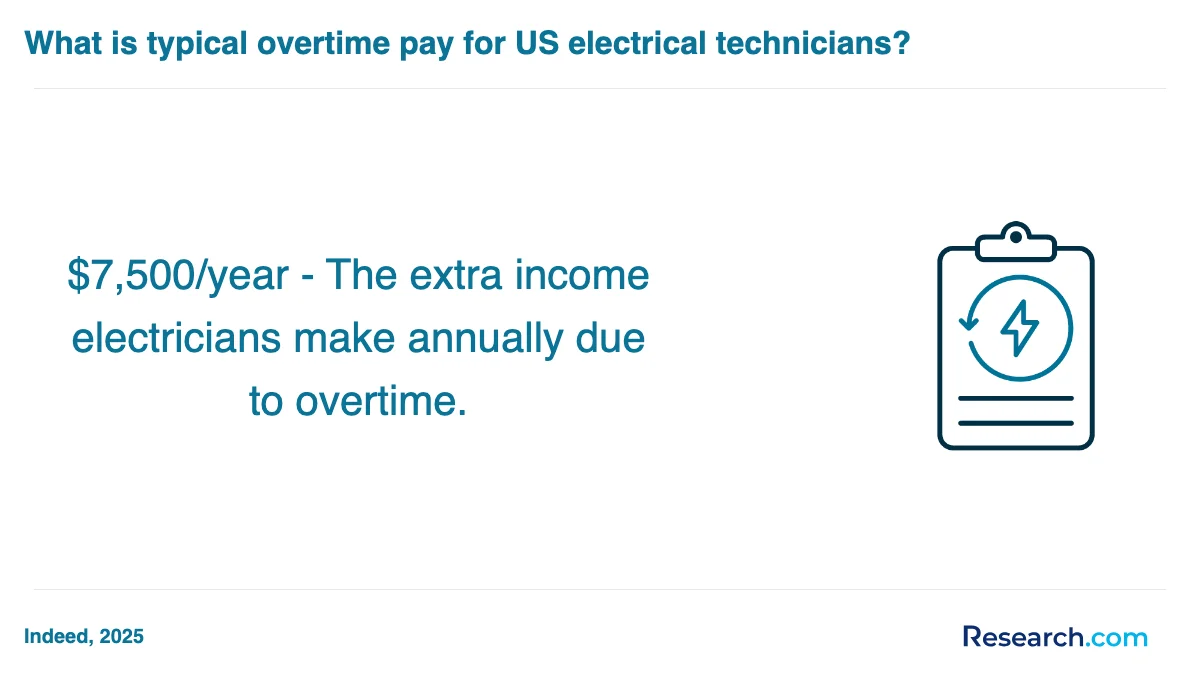
After completing an electrician trade school program in Raymond, graduates can expect to start with an average hourly wage of about $22.41, with entry-level electricians earning closer to $28.58 per hour. Many find this encouraging, especially when comparing their starting pay to the local cost of living. Popular trade schools in Raymond report that new graduates often secure jobs quickly, with some able to add nearly $9,438 annually through overtime, which significantly boosts their income early on.
Graduates who stay in Raymond and gain experience often move into roles such as residential electricians, where the average annual salary rises to around $63,584 as of mid-2025. This progression reflects how additional certifications and on-the-job skills enhance earning potential. Many successful graduates share stories of steadily increasing paychecks and new opportunities, making their initial investment in trade school feel rewarding and worthwhile.
While Raymond's wages are slightly below national averages, the community-focused environment and steady demand for skilled electricians provide a solid foundation for career growth and financial stability.
- Electrician programs in Raymond are offered mainly at community colleges and specialized institutes, with options including one-year certificates and two-year associate degrees.
- Admission usually requires a high school diploma and a minimum grade of "C" in Algebra I, with a strong math and science background recommended.
- Program topics include basic circuits, wiring, safety, blueprint reading, the National Electrical Code, and hands-on troubleshooting skills.
- Completing an associate degree can count as two years of on-the-job training, reducing apprenticeship hours needed for the Maine journeyman electrician license.
- Program costs range from $3,500 to $7,500 for certificates, with financial aid and scholarships potentially available.
- Starting salaries for newly licensed electricians in Raymond range from $42,000 to $49,000, with experienced electricians earning between $55,000 and $65,000 annually.
Completing an electrician trade school program in Raymond typically takes between 9 months to 18 months, depending on the school's curriculum intensity and whether you attend full-time or part-time. Popular trade schools in Raymond offer flexible schedules that accommodate working adults, making it possible for many students to balance studies and personal commitments effectively.
Graduates from these programs often highlight how the hands-on training and real-world lab experiences accelerated their learning, enabling them to confidently enter the workforce sooner than expected. For instance, a full-time student at a leading Raymond trade school shared that the immersive environment made the technical concepts feel immediate and practical, which boosted motivation and reduced the perceived length of the program.
Part-time options extend the timeline but provide valuable flexibility for those managing jobs or family. Overall, the blend of classroom instruction and practical application in Raymond's electrician programs helps students achieve certification within a timeframe that feels manageable and rewarding.
Online electrician programs in Raymond offer flexible learning schedules, ideal for students balancing jobs or family. Graduates often appreciate the ability to study electrical theory, safety, and codes at their own pace through interactive tools like 3D models and scenario quizzes. However, these students commonly report challenges in gaining hands-on experience, as online courses don't fully meet Washington State's practical training requirements for licensure.
In contrast, on-campus programs at popular Raymond trade schools provide direct access to labs and real equipment, where students practice wiring and troubleshooting under instructor supervision. Graduates frequently highlight the benefits of immediate feedback and peer collaboration, which build confidence and professional skills. While attending classes in person requires a fixed schedule and can increase costs, many find this investment worthwhile for meeting state licensing criteria and securing apprenticeships.
Students choosing online paths often supplement their studies with local apprenticeships or hybrid programs to fulfill practical hours. On-campus programs remain the most straightforward route for hands-on mastery and licensure in Raymond's electrician field.
The average cost of electrician trade school in Raymond varies significantly based on program type and length. Tuition fees for electrician programs in Raymond typically range from around $1,000 for shorter or online courses to over $30,000 for comprehensive in-person training. Graduates from popular local trade schools often recall investing close to $32,000 for full hands-on programs that include extensive lab time and job placement support. Others attending online courses benefit from lower tuition, sometimes as affordable as $839 when paid upfront, balancing budget with the flexibility to study remotely.
Beyond tuition, additional expenses impact the overall cost. Many students report spending between $500 and $1,500 on textbooks and essential supplies tailored to electrician curricula. Since having the right tools is crucial, buying personal kits typically costs between $200 and $1,000, as shared by recent graduates who emphasize how these tools were indispensable during practical training and early career projects.
Licensing fees in Raymond add another layer of cost, generally ranging from $30 to $75 to sit for certification exams required to work legally. Some programs also encourage liability insurance, often costing $100 to $300, helping to protect new electricians as they begin their professional journey.
For prospective students exploring electrician education, it's also useful to compare programs offered by local schools and consider financial aid. Many sign up for federal grants, scholarships, or employer sponsorships that substantially ease the financial burden. Exploring related fields, such as online electrical engineering programs, can open broader career opportunities and funding options as well.
Electrician trade school students in Raymond benefit from multiple financial aid options that make training more affordable. Graduates from Granite State Trade School often highlight how federal aid, especially Pell Grants, eased their financial burden. By completing the FAFSA, eligible students access grants up to $7,395 for the 2025-2026 academic year, which do not require repayment, providing crucial support during training.
Institutional scholarships also play a key role. For instance, the Bennett Brooks Vocational Scholarship, favored by local students, targets high school graduates pursuing electrician careers, offering funds that cover parts of tuition or tools. Many appreciate how this scholarship validates their hands-on career choice, fueling motivation.
State grants and workforce funds available to New Hampshire residents further reduce costs, often covering tuition or equipment expenses. Apprenticeship programs tied to Raymond-based unions or employers add the benefit of paid on-the-job training, allowing students to earn income while learning. At Hinds Community College's Raymond campus, the Electric Lineman Program's $3,025 cost can be offset by program-specific scholarships, which past students found accessible through direct application.
These layered aid options create a practical path for Raymond students to pursue electrician training with less financial stress, enabling focus on skill development and future job success.
To enroll in electrician trade school programs in Raymond, students typically need to meet several key prerequisites that ensure readiness for the intensive hands-on training. Most schools expect applicants to have a high school diploma or GED, which provides a foundational understanding of math and science essential for electrical work.
Graduates from popular Raymond trade schools often recall how their basic algebra skills were crucial from day one, especially when calculating electrical loads or circuit requirements.
Other common prerequisites include:
- Being at least 18 years old to comply with safety regulations and apprenticeship requirements
- Passing a basic aptitude test focused on math and reading comprehension
- Providing proof of physical fitness, as the work demands stamina and manual dexterity
- Having a valid driver's license, important for accessing various job sites during training
One graduate shared that the aptitude test initially felt challenging, but thorough preparation through local community resources made the process enjoyable and rewarding. These prerequisites help ensure students in Raymond's electrician programs are well-prepared, confident, and excited to build a successful career in the trade.

Electrician trade school programs in Raymond typically include a mix of foundational and advanced courses designed to equip students with practical skills and industry knowledge. Graduates from popular trade schools often highlight the value of starting with core classes like Introduction to Electrical Theory, Basic Electrical Circuits, and Electrical Safety. These courses cover essential concepts such as voltage, current, and resistance, while emphasizing strict adherence to the National Electrical Code (NEC), which is crucial for safe, compliant work.
As students advance, programs usually offer specialized instruction in areas including:
- Residential and Commercial Wiring - hands-on training in installing and troubleshooting wiring systems in homes and businesses
- Blueprint Reading - interpreting electrical plans for real-world applications
- Electrical Codes and Standards - ensuring compliance with local and national regulations
- Motors and Controls, Transformers, and Industrial Electronics - focused on advanced commercial and manufacturing environments
- Renewable Energy Systems and Solar Technology - reflecting Raymond's growing opportunities in clean energy
Graduates often describe lab sessions where they wire outlets or install lighting fixtures, making theory tangible. The practical emphasis helps students feel confident stepping into apprenticeships or entry-level roles across residential, commercial, and industrial settings in Raymond's evolving electrical market.
Electrician trade school programs in Raymond offer a range of specialized electrician courses in Raymond tailored to diverse career paths. Graduates often highlight the value of residential wiring, where hands-on projects preparing them to install and maintain home electrical systems build confidence and practical skills. Commercial and industrial wiring is another major focus, frequently praised for providing experience with complex electrical setups found in factories and office buildings; graduates report satisfaction at being job-ready for high-demand roles earning competitive salaries. Programs also emphasize renewable energy technology-training on solar panels and wind turbines-which excites students aiming to enter the growing green energy market locally.
Popular trade schools in Raymond typically include:
- Residential Wiring for skilled home installations.
- Commercial and Industrial Wiring addressing large-scale electrical systems.
- Renewable Energy Technology supporting sustainable solutions.
- Motor Control Systems and Programmable Logic Controllers for automation expertise.
Students often share how these specializations create clear career pathways and real-world experience through targeted electrician training programs in Raymond. Those looking to further their technical knowledge without geographic limitations may explore options like the cheap online electrical engineering degree to complement their hands-on training.
Choosing the best electrician trade school program in Raymond requires analyzing multiple factors that directly impact your learning and career prospects. Graduates from well-regarded Raymond colleges often highlight the importance of hands-on training combined with up-to-date theoretical coursework. Such programs typically offer access to modern equipment and real-world scenarios, which build confidence and technical competence.
Cost and program length also matter; shorter programs with intensive schedules can accelerate entry into the workforce, while longer ones may provide deeper mastery. Interviewing alumni or reviewing testimonials can reveal how effectively schools prepare students for licensing exams and job readiness. Many successful graduates emphasize the value of schools that maintain strong industry connections, enabling smooth transitions into apprenticeships or full-time roles.
Moreover, understanding the electrical lineman skills needed is crucial, as some Raymond programs tailor their curriculum to regional industry demands, enhancing employability. Prioritize schools that offer updated curricula reflecting current electrical codes and safety standards to ensure your training meets local workforce requirements.
Graduates of electrician trade school programs in Raymond are positioned to access diverse electrician job opportunities in Raymond ME, driven by strong local demand across residential, commercial, and industrial sectors. Many begin as journeyperson electricians working on wiring installations and maintenance in homes or businesses. Popular trade schools in Raymond equip students with hands-on experience in real-world settings, allowing them to confidently handle projects like upgrading breaker panels or programming industrial control systems.
Career paths for Raymond electrician graduates often expand into specialized roles including:
- Residential electricians focusing on new construction and renovations;
- Commercial electricians managing complex lighting and security systems in schools or hospitals;
- Industrial electricians maintaining high-voltage equipment in manufacturing plants;
- Supervisory roles overseeing teams and leading large-scale projects;
- Electrical contractors operating independent businesses;
- Specializations in solar energy, smart homes, or industrial automation.
Many graduates also pursue apprenticeship programs that combine classroom learning with paid on-the-job training, leading to advanced certifications and higher wages. This approach reflects state initiatives to expand Maine's skilled electrical workforce. For those curious about expanding into renewable energy sectors, exploring how do i become a wind turbine technician can provide valuable career growth insights.
The electrician job opportunities in Raymond Maine are highly favorable for trade school graduates, with over 100 local openings spanning commercial, industrial, and residential sectors. Graduates frequently secure roles such as Journeyperson Electrician or Industrial Electrician shortly after completing programs from popular trade schools in Raymond. Many share positive experiences about finding full-time or part-time employment quickly, supported by local manufacturers and specialized contractors who prioritize candidates with state certifications and practical training.
Statewide, Maine reports 161 electrician job postings, further reinforcing the strong demand. For those enrolled in electrician training, this translates into reliable apprenticeship and entry-level positions that provide both income and hands-on learning. Typical scenarios include graduates moving from classroom instruction directly to on-the-job apprenticeships where they build confidence and skills under experienced mentors.
Regarding electrician salary and employment trends Raymond Maine shows an average annual wage near $89,335, which rises significantly with experience and credentials. Graduates from Raymond trade schools often comment on the steady wage growth after certification, emphasizing the importance of licensing in unlocking higher pay and job security.
For prospective students aiming to maximize their return on investment, exploring the most affordable online electrician training courses is a practical step toward entering this vibrant job market with minimal debt.
Best Electrical Technician Training Programs & Trade Schools - Top Electrical Tech Schools in Raymond for 2026
# 1 position
Hinds Community College - Electrician.
associateThe Electrician program at Hinds Community College offers a hybrid format combining in-person and distance education. It prepares students to install, operate, maintain, and repair electrical systems in residential, commercial, and industrial settings. The curriculum covers electronics principles, wiring, safety, inspection, and relevant codes. Annual in-state tuition is $3,825. Graduates earn a median salary of $26,406 one year after completing the program. The program is accredited by the Southern Association of Colleges and Schools Commission on Colleges.
# 2 position
Hinds Community College - Electrician.
certificate or diplomaHinds Community College offers a hybrid Electrician program designed to equip students with technical skills to install, operate, maintain, and repair electrical systems including residential, commercial, and industrial wiring. The curriculum covers electronics, wiring, safety, power transmission, and electrical codes. Annual in-state tuition is $3,825. Graduates have a median earning of $26,406 one year after completion. The program is accredited by the Southern Association of Colleges and Schools Commission on Colleges.
Frequently Asked Questions about electrician
After completing electrician trade school in Raymond, it is important to focus on building practical experience. Many employers in Washington state prefer candidates with hands-on apprenticeships or internships. The National Electrical Contractors Association reports that apprenticeships increase job placement rates by over 70%.
Obtaining necessary licenses is also crucial. In Raymond and Washington state, electricians must pass the state journeyman or master electrician exam to work independently. Preparing for these exams by reviewing local electrical codes improves job prospects.
Networking with local contractors and joining professional organizations can open doors to employment. According to the Bureau of Labor Statistics, the demand for electricians in Washington is projected to grow 8% through 2031, making early connections beneficial.
Employers in Raymond seek electrician trade school graduates with strong technical skills, including knowledge of electrical codes, blueprint reading, and safe installation practices. Mastery of the National Electrical Code (NEC) is essential, as compliance ensures safety and legal standards on job sites.
Practical experience with wiring, circuitry, and troubleshooting is highly valued. Many employers prefer candidates who have completed apprenticeships or hands-on training during their education.
In addition to technical ability, soft skills such as problem-solving, communication, and teamwork are critical. According to the Bureau of Labor Statistics, electricians in Washington state must adapt quickly to changing technologies and work environments.
Attention to detail and a strong commitment to safety protocols reduce workplace accidents and improve job performance, making these traits top priorities for hiring managers in Raymond's electrical industry.
Finding internships in Raymond related to electrician trade school programs involves several practical steps. Start by contacting local trade schools, as many maintain partnerships with electrical contractors offering internships. The U.S. Bureau of Labor Statistics notes that hands-on experience is essential for electrician apprenticeships, which often overlap with internship opportunities.
Check job boards like Indeed and local workforce development centers for electrician internship listings in Raymond. Networking through trade unions such as the International Brotherhood of Electrical Workers (IBEW) Local 292 can also provide leads. According to the National Electrical Contractors Association, internships improve job placement rates for trade school students by up to 30%.
Additionally, attend local career fairs and workshops hosted by community colleges or industry groups to connect directly with employers seeking interns.
Obtaining an electrician trade school diploma in Raymond significantly enhances career mobility and advancement opportunities. This credential demonstrates foundational knowledge and practical skills required in the electrical industry, which employers highly value. According to the U.S. Bureau of Labor Statistics, electricians with formal training have a 7% higher employment rate compared to those without specialized education.
In Raymond, local contractors often prefer hiring graduates from accredited trade schools due to their readiness for licensure exams and hands-on experience. This advantage can lead to quicker entry into apprenticeships or journeyman status, both critical steps for career progression.
Moreover, the diploma can open doors to supervisory roles or specialized fields such as industrial or residential electrical work. According to the Washington State Department of Labor & Industries, electricians with formal credentials tend to report higher wages and greater job stability.
Students enrolled in electrician trade schools in Raymond can benefit from part-time jobs that provide practical experience. Common opportunities include working as electrical apprentices or helpers, roles that allow students to apply classroom knowledge on real job sites. According to the U.S. Bureau of Labor Statistics, apprenticeships are crucial for electricians, often lasting 4-5 years and combining paid on-the-job training with technical instruction.
Local contractors and construction companies in Raymond frequently seek part-time assistants, offering flexible hours that fit school schedules. Additionally, retail positions at hardware stores can enhance understanding of electrical tools and materials. These roles help build relevant skills and professional networks essential for future employment.
Yes, there are electrician programs available near Raymond, MS, providing education and training for aspiring electricians. These programs can be found at community colleges and technical schools, offering courses designed to equip students with the necessary skills for the field. Individuals seeking such programs can utilize Research.com as a helpful resource to find reputable electrical training opportunities near them.
- Electrician Trade Schools in Raymond, NH - Get Training! https://electricalcareernow.com/electrician-schools/raymond-nh
- Home - Granite State Trade School https://granitestatetradeschool.com/
- Electric Lineman Program opens opportunities | Hinds Community College https://www.hindscc.edu/electric-lineman-program-opens-opportunities
- Electricity - The Hanover Center for Trades & Technology https://thctt.hcps.us/programs/electricity
- Electrical Apprenticeship Jobs in Raymond Terrace NSW 2324 - Aug 2025 | SEEK https://www.seek.com.au/electrical-apprenticeship-jobs/in-Raymond-Terrace-NSW-2324
- 27 Electrician Schools in MS - Hands-On & Awesome [UPDATED 2025] https://electricalschool.org/ms/
- A Guide to Skilled Trades Apprenticeships and Internships | BestColleges https://www.bestcolleges.com/trades/guide-to-skilled-trades-apprenticeships-internships/
- Essential Requirements for Electrician Apprenticeship Applications: What You Need to Know Before You Apply - InterCoast Colleges https://intercoast.edu/articles/essential-requirements-for-electrician-apprenticeship-applications-what-you-need-to-know-before-you-apply/
- Electrical Apprenticeships Near You | IECI https://ieci.org/apprenticeship/
- Apprenticeship Finder | Apprenticeship.gov https://www.apprenticeship.gov/apprenticeship-job-finder


