
Most Affordable Dental Assistant Schools & Training - Budget-Friendly Dental-Assistant Trade Programs in Richmond for 2026

Co-Founder and Chief Data Scientist
Dental assistant training in Richmond is a short, career-focused option for students who want to enter healthcare without spending several years in school. The main decision is not simply which school is “best,” but which program fits your timeline, budget, schedule, certification goals, and need for hands-on clinical experience.
This guide reviews what to expect from dental assistant trade schools in Richmond, including program length, cost, common courses, admissions requirements, financial aid, online versus campus formats, salary expectations, and local career paths. It is designed for students comparing diploma, certificate, hybrid, and accelerated programs and for working adults who need a practical route into dental assisting.
The Research.com team of data scientists created the ranking referenced in this guide to help readers compare dental assistant trade school programs based on affordability and value. Use it as a starting point, then confirm each school’s current tuition, accreditation status, clinical requirements, certification preparation, and graduate support before enrolling.
Key benefits of finishing dental assistant trade school in Richmond
- Dental assistant trade school can lead to a faster entry into healthcare than many degree programs, with some Richmond-area options offering accelerated or hybrid formats.
- Graduates can pursue entry-level work in general dental offices, pediatric practices, orthodontic clinics, community health settings, and dental office administration.
- Pay can be competitive for a short training path. In Richmond, hourly wages are commonly described as ranging from $19 to $22.39, with annual salaries around $46,000 for many roles.
- Programs typically teach both clinical and administrative skills, including chairside assisting, infection control, dental radiography, patient communication, scheduling, and records management.
- Hybrid and online-supported programs can help working adults study theory on a flexible schedule while still completing required hands-on training in person.
- Additional certifications, experience, and specialty office work may improve job options and earning potential over time.
What can I expect from dental assistant trade schools in Richmond?
Dental assistant trade schools in Richmond are designed to prepare students for practical work in dental offices. Most programs combine classroom instruction, lab practice, and supervised clinical experience so students can learn not only what dental assistants do, but how to perform common tasks safely and efficiently.
Program formats vary. Some accelerated options can last around ten weeks, especially hybrid programs that place lecture content online and require scheduled in-person labs or clinical training. Other full-time diploma programs may take longer and provide a broader sequence of coursework and externship preparation.
Common training areas
- Chairside assisting: preparing instruments, transferring materials, supporting dentists during procedures, and helping patients feel comfortable.
- Dental radiography: learning safe X-ray procedures and radiation safety practices.
- Infection control: sterilization, aseptic technique, personal protective equipment, and operatory cleanup.
- Dental materials and lab skills: impressions, models, trays, and basic laboratory procedures.
- Office administration: scheduling, patient records, billing basics, and professional communication.
- Clinical readiness: CPR/BLS training, patient care standards, ethics, and workplace professionalism.
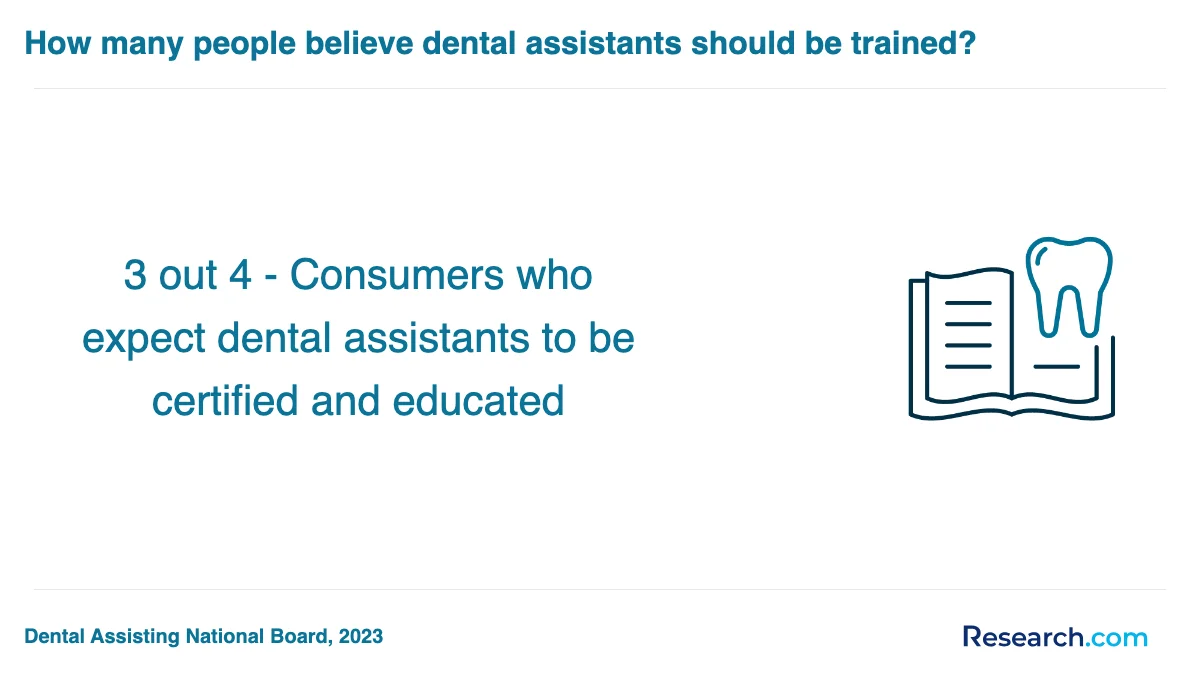
Strong programs should give students repeated practice before externship or employment. When comparing schools, ask how many hours are devoted to lab work, whether clinical placements are included, what certifications the program prepares students for, and whether graduates are eligible to sit for exams such as those offered by the Dental Assisting National Board.
Where can I work after finishing dental assistant trade schools in Richmond?
After completing a dental assistant trade school program in Richmond, graduates can look for roles in several types of dental settings. The most common path is a private dental practice, where assistants help with patient preparation, instrument setup, chairside support, sterilization, X-rays when permitted, and patient records.
Richmond-area employers such as Virginia Family Dentistry and Heartland Dental often value candidates who can step into both clinical and administrative duties. Graduates of programs such as Virginia Dental Academy may pursue roles where hourly wages are described as ranging from $17 to $25, depending on employer, experience, responsibilities, and credentials.
Typical employment settings
- General dental offices: a good fit for broad chairside assisting and patient care experience.
- Pediatric dental practices: ideal for assistants who enjoy working with children and families.
- Orthodontic offices: focused on braces, aligners, retainers, and longer-term patient treatment plans.
- Oral surgery or specialty clinics: may require stronger procedural support skills and comfort with more complex cases.
- Community health centers: often serve diverse patient populations and may include preventive and public health work.
- Hospital dental departments: may involve both routine and urgent dental care in a broader healthcare environment.
- Dental front office roles: reception, scheduling, patient coordination, insurance support, and records management.
Students who want the widest range of options should choose a program with clinical training, radiography preparation, infection control instruction, and job placement support.
How much can I make after finishing dental assistant trade schools in Richmond?
Dental assistant earnings in Richmond depend on experience, credentials, employer type, specialty area, and whether the role includes expanded duties. After finishing a dental assistant trade school program, many graduates are described as starting between $19 and $22 per hour, which can translate to roughly $41,000 to $48,000 annually for full-time work.
Entry-level assistants may begin closer to $12.25 to $15.50 per hour, particularly when they are new to the field or still building clinical confidence. Graduates with strong hands-on training, X-ray-related preparation, or in-demand scheduling flexibility may find roles closer to $20 to $26 per hour.
For example, one recent graduate from a Richmond program secured a position paying around $22 per hour within weeks of finishing. With experience, additional certifications, and greater responsibility, pay can move toward the typical median of $46,570 annually and may reach up to $55,000 for assistants who specialize or advance.
What affects dental assistant pay?
- Certification and X-ray credentials: employers may pay more for assistants who can perform additional permitted duties.
- Specialty setting: orthodontic, pediatric, oral surgery, and other specialty offices may have different pay structures.
- Experience: wages often improve after the first year as assistants become faster and more independent.
- Office size: larger practices may offer stronger benefits, while smaller practices may provide broader responsibilities.
- Administrative skills: assistants who can also handle records, scheduling, or patient coordination may be more valuable to employers.
Most Affordable Dental Assistant Schools & Training - Budget-Friendly Dental-Assistant Trade Programs in Richmond for 2026
# 1 position
J Sargeant Reynolds Community College - Dental Assisting/Assistant.
certificate or diplomaThe Dental Assisting/Assistant program at J Sargeant Reynolds Community College offers a hybrid format with some distance-education options. It prepares students to assist dentists and dental hygienists by providing patient care, taking dental radiographs, managing office duties, and supporting dental procedures. Instruction covers medical record-keeping, equipment maintenance, basic radiography, chairside assisting, and supervised practical experience. The program is accredited by the Southern Association of Colleges and Schools Commission on Colleges. Annual in-state tuition is $5,136.
# 2 position
Fortis College-Richmond - Dental Assisting/Assistant.
certificate or diplomaThe Dental Assisting/Assistant program at Fortis College-Richmond offers a hybrid format with some distance education options. It prepares students to provide patient care, take dental radiographs, assist chairside, and handle office administrative duties under supervision. The curriculum includes medical record-keeping, equipment maintenance, sterilization, and supervised practice. Annual in-state tuition is $14,986, with median earnings of $22,928 one year after completion. The program is accredited by the Accrediting Bureau of Health Education Schools.
Key Findings
- Dental assistant programs in Richmond can be completed in as little as 10 weeks for hybrid models or under a year for full-time diplomas.
- Curriculum commonly includes chairside assisting, dental radiography, infection control, lab procedures, and administrative tasks aligned with Virginia Board of Dentistry standards.
- Admission usually requires a high school diploma or GED, placement tests, and transcripts; some programs require CPR/BLS and radiation safety certifications.
- Tuition costs range from $3,000 to $12,000, with some schools offering payment plans and financial aid options.
- Graduates can take the Dental Assisting National Board Certification Exam to improve job prospects.
- The average starting salary in Richmond is $36,000 to $42,000 annually, with experienced assistants earning over $48,000 depending on setting and certifications.
How long does it take to complete dental assistant trade schools in Richmond?
Most dental assistant trade school programs in Richmond can be completed in about 9 to 12 months, although some accelerated or hybrid programs are shorter. The right timeline depends on how quickly you want to enter the workforce, how much clinical practice you need, and whether you can attend full time.
Accelerated programs may appeal to students who want a fast path into entry-level work. These programs can be efficient, but students should confirm that the schedule includes enough hands-on practice, externship support, and preparation for any required credentials.
Longer diploma programs may offer more time for lab repetition, patient-care preparation, administrative training, and clinical exposure. This can be helpful for students who are new to healthcare or want a more structured learning environment.
How to choose the right program length
- Choose a shorter program if you already have strong study habits, can handle a compressed schedule, and need to start working quickly.
- Choose a longer program if you want more supervised practice, a broader curriculum, or additional time to prepare for clinical responsibilities.
- Choose part-time or evening study if you are balancing work, caregiving, or other commitments.
- Ask about externship timing before enrolling, because clinical placement can affect your actual completion date.
Students should compare advertised program length with the full timeline, including admissions steps, required health records, CPR/BLS completion, externship scheduling, and certification exam preparation.
What's the difference between online and on-campus dental assistant trade school programs?
The main difference is how students complete lecture-based coursework and hands-on training. On-campus programs deliver most instruction in person, while online or hybrid programs move theory courses to a digital platform and require scheduled in-person labs, clinical practice, or externships.
On-campus programs can be useful for students who learn best through direct instruction, immediate feedback, and regular lab access. Students can practice chairside skills, dental radiography workflows, sterilization procedures, and equipment handling under instructor supervision.
Online and hybrid programs can work well for students who need flexibility. For example, the 10-week program at the Accelerated Academy in Henrico blends online coursework with in-person clinical training. This format can reduce commuting time for lectures, but students still need to attend required hands-on sessions.
Online or on-campus: which is better?
| Program format | Best for | Important trade-off |
| On-campus | Students who want regular face-to-face instruction, structured labs, and direct access to instructors. | Less scheduling flexibility and more commuting. |
| Online or hybrid | Working adults and students who need flexible theory coursework. | Hands-on training is still required, and students must be disciplined with online study. |
| Accelerated hybrid | Students who want a faster path and can handle an intensive schedule. | Less time to absorb material, so clinical practice quality matters. |
Because dental assisting is a hands-on profession, a fully online format is not enough by itself. Before enrolling, verify where clinical training happens, who supervises it, and whether the program prepares students for Richmond-area employer expectations.
What is the average cost of dental assistant trade schools in Richmond?
The average tuition fees for dental assistant programs in Richmond VA generally range from $2,800 to nearly $12,000, depending on program length, school type, included supplies, and clinical training structure. Shorter accelerated courses may cost less, while longer programs may include more extensive lab and clinical preparation.
For example, graduates of shorter programs at schools such as the Dental Assistant Institute have reported paying around $2,800 for a 6-week course. More comprehensive programs can cost more; Henrico County-Saint Mary's Hospital School of Practical Nursing has been described as costing closer to $11,950 for a 52-week program with more extensive training and clinical experience.
Tuition is only part of the cost. Students should also budget for textbooks, dental kits, uniforms, CPR/BLS, background checks, immunization records, transportation, and certification exams. These extra costs can add between $1,000 and $3,000 above tuition fees.
Cost questions to ask before enrolling
- Is the advertised tuition the full program cost?
- Are textbooks, uniforms, dental instruments, or lab fees included?
- Does tuition include CPR/BLS training or radiation safety preparation?
- Are certification exam fees included or separate?
- Is an externship guaranteed, arranged by the school, or the student’s responsibility?
- Are payment plans available, such as pay-in-full discounts or weekly auto-drafts?
Schools such as Richmond Dental Assistant School may offer payment options, including pay-in-full discounts and weekly auto-drafts. Students considering longer-term dental careers may also compare dental assisting costs with the additional education required for dental hygiene; this guide to how many years of school does a dental hygienist need can help with planning.

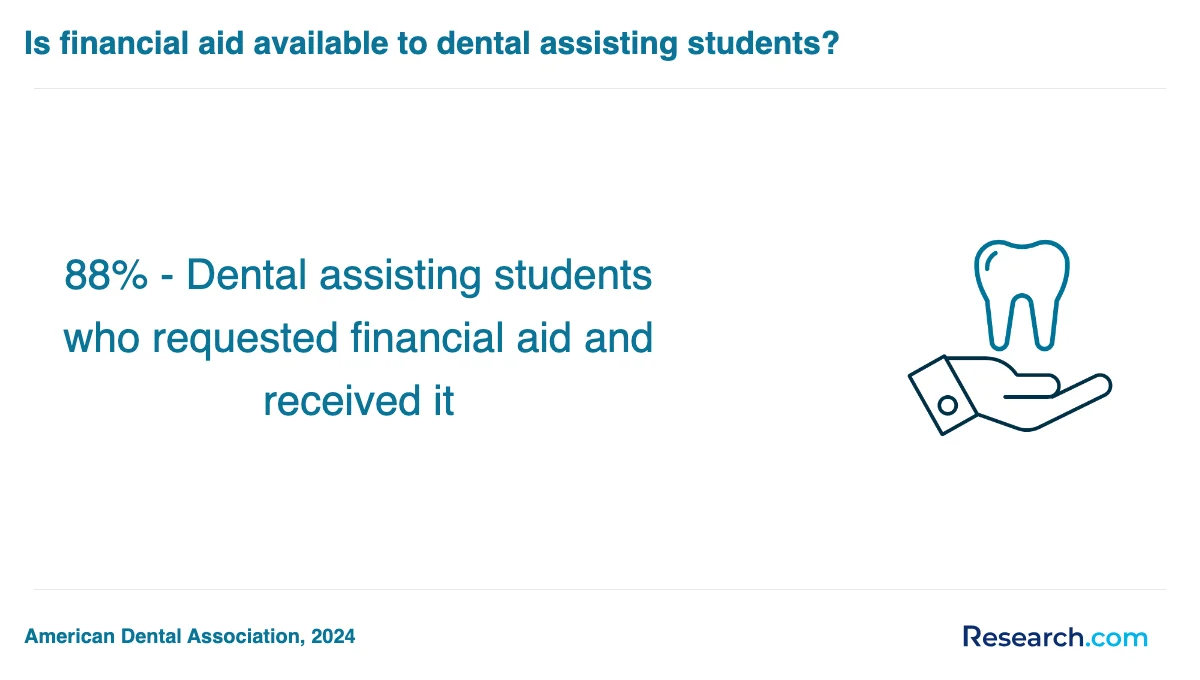
What financial aid is available for dental assistant trade schools in Richmond?
Financial aid for dental assistant trade schools in Richmond depends on the school’s accreditation, program eligibility, and the student’s financial situation. Not every short-term trade program qualifies for federal aid, so students should confirm eligibility directly with the school before assuming grants or loans are available.
For eligible students enrolled in qualifying accredited programs, the federal Pell Grant can help cover tuition and does not need to be repaid. Federal student loans may also be available, although they must be repaid with interest. Families seeking additional support may consider federal loan options such as the Federal Direct PLUS Loan when applicable.
Some Richmond-area students may also qualify for work-study through community colleges or trade schools. Work-study can be useful because it allows students to earn money while enrolled, sometimes in roles related to healthcare or campus support.
State and institutional options can also matter. Programs such as G3 financial assistance at Reynolds Community College may help eligible students reduce or cover costs. Some schools also offer payment plans, textbook assistance, or internal scholarships.
Practical financial aid checklist
- Complete the FAFSA if the school participates in federal student aid.
- Ask whether the specific dental assistant program is aid-eligible, not just whether the institution is accredited.
- Request a written cost breakdown that separates tuition, fees, supplies, and exam costs.
- Compare grants, scholarships, loans, and payment plans before signing an enrollment agreement.
- Avoid borrowing more than needed for a short-term program, especially if lower-cost options meet your goals.
What are the prerequisites for enrolling in dental assistant trade schools in Richmond?
Most dental assistant trade schools in Richmond have straightforward admissions requirements. The most common prerequisite is a high school diploma or GED, which shows that applicants have the reading, math, and communication foundation needed for healthcare training.
Programs that include clinical placements may have additional requirements because students will work around patients, dental equipment, and protected health information. These requirements are meant to support safety and workplace readiness.
Common prerequisites
- High school diploma or GED.
- Official transcripts or proof of prior education.
- Placement tests in reading and math, depending on the school.
- Proof of residency or legal authorization to study in the U.S.
- Background check for programs connected to clinical sites.
- Health screening or immunization records.
- CPR/BLS certification for some programs.
- Radiation safety preparation or certification for programs that include dental radiography.
Students should complete health records, background checks, and CPR/BLS requirements early. Delays in these items can postpone clinical placement even if classroom coursework has already started.
Before applying, ask the admissions office whether any prior science coursework is recommended, whether placement test prep is available, and whether students must purchase supplies before the first day of class.
What are the typical courses in dental assistant trade schools in Richmond?
Dental assistant trade schools in Richmond usually focus on the daily work performed in dental offices. The best programs balance technical procedures, patient care, safety standards, and administrative tasks so graduates can support both the dentist and the front-office workflow.
Typical course topics
- Chairside Assisting: Students learn how to prepare treatment rooms, set up trays, pass instruments, mix materials, assist during restorative work and extractions, and maintain efficient clinical flow.
- Dental Radiography: Courses cover safe X-ray practices, positioning, processing, and radiation protection. Many Richmond programs connect radiography training with a Certificate of Completion in Radiation Health and Safety.
- Infection Control: Students practice sterilization, disinfection, aseptic techniques, instrument processing, and personal protective equipment use.
- Lab Procedures & Office Management: Training may include dental impressions, model preparation, patient records, scheduling, and basic dental office systems.
- Patient Care & Education: Students learn communication, patient preparation, oral hygiene instruction, emergency awareness, and strategies for supporting anxious patients.
- Professional Ethics: Coursework emphasizes confidentiality, integrity, scope of practice, teamwork, and professional conduct in healthcare settings.
Some programs complete these topics in 10 to 12 weeks, especially accelerated options that combine classroom work with externships at dental practices. Longer programs may spend more time on repetition, lab skill development, and clinical readiness.
When reviewing a curriculum, look beyond the course names. Ask how often students practice each skill, whether the program uses current dental equipment, and how instructors evaluate clinical competency before externship.
What are the available specializations in dental assistant trade schools in Richmond?
Most entry-level dental assistant programs in Richmond begin with general chairside assisting, radiography, infection control, lab procedures, and patient care. Specialization usually develops through focused modules, externship placements, certifications, or later work experience in a specialty dental office.
Radiography is one of the most important skill areas because many dental offices prefer assistants who can support intraoral and extraoral X-rays when permitted. Richmond students may also prepare for the Radiation Health and Safety certificate depending on the program.
Common specialization areas
- Radiographic techniques: additional preparation for dental X-ray duties and safety standards.
- Pediatric dentistry: assisting with children’s appointments, behavior support, parent communication, and preventive care visits.
- Orthodontics: supporting braces, aligners, retainers, records, and adjustment appointments.
- Infection control and emergency recognition: deeper preparation for safe clinical workflows and urgent patient situations.
- Dental office management: scheduling, records, insurance support, patient coordination, and office communication.
- Introductory specialty exposure: some programs introduce areas such as endodontics and prosthodontics to broaden student understanding.
Students should be careful not to assume that a short module equals a formal credential. Ask whether a specialization leads to a certificate, prepares you for an exam, or simply gives introductory exposure. If you are still comparing healthcare support roles, this dental assistant vs medical assistant career resource can clarify how the responsibilities differ.
How do you choose the best dental assistant trade school program in Richmond?
The best dental assistant trade school in Richmond is the one that prepares you for local employment at a cost and schedule you can realistically manage. A low tuition price is not enough if the program lacks clinical practice, certification preparation, or employer connections. A longer program is not automatically better if it costs more than your career goals require.
Factors to compare
- Accreditation and recognition: Confirm the school’s accreditation and ask whether the program has CODA accreditation or other relevant recognition. Employers may value programs with clear standards and documented outcomes.
- Clinical training: Look for hands-on labs, supervised practice, and externships in real dental settings.
- Certification preparation: Ask whether coursework prepares students for the Certified Dental Assistant exam, radiation safety credentials, CPR/BLS, or other requirements.
- Total cost: Compare tuition, supplies, exam fees, uniforms, textbooks, and payment plan terms.
- Schedule: Evening, weekend, hybrid, and part-time options can make completion more realistic for working adults.
- Class size and instructors: Smaller groups and experienced instructors can improve feedback during clinical skill practice.
- Job placement support: Ask about resume help, interview preparation, employer partnerships, and graduate placement assistance.
- Student outcomes: Request graduation rates, certification pass rates, and employment information if available.
Common mistakes include choosing the cheapest program without checking clinical hours, enrolling before understanding exam costs, assuming online coursework replaces hands-on training, or failing to verify whether credits transfer to future programs. Students comparing dental assisting with other healthcare support careers can also review medical assistant certification programs online to understand related pathways before committing.
What career paths are available for dental assistant trade school graduates in Richmond?
Dental assistant trade school graduates in Richmond can start in entry-level clinical roles and then move into more specialized, supervisory, or administrative positions. The first job often builds the foundation for later advancement, so students should look for roles that provide strong mentoring and a variety of procedures.
Common career paths
- Dental Assistant I: entry-level chairside support, sterilization, patient preparation, and basic office duties.
- Dental Assistant II: a more advanced role with greater responsibilities, which may include duties such as taking x-rays and managing patient records depending on credentials and employer needs.
- Specialty dental assistant: work in pediatric dentistry, orthodontics, oral surgery, endodontics, or prosthodontics.
- Lead or senior dental assistant: oversee clinical workflow, support quality control, train new assistants, and coordinate back-office operations.
- Dental office manager: shift toward scheduling, billing support, records, patient coordination, staff communication, and practice operations.
- Future dental hygienist or dentist pathway: use dental assisting experience as a practical introduction to dental healthcare before pursuing more education.
Experienced graduates seeking advanced dental assistant jobs Richmond Virginia may improve their options by adding certifications, gaining radiography experience, and building specialty office skills. For students who want to continue beyond assisting, an option such as a dental hygiene bachelor degree online may be worth exploring as part of a longer-term education plan.
Overall, dental assistant career opportunities in Richmond VA can include both clinical and administrative growth, especially for graduates who continue developing technical skills and professional reliability.
What is the job market for dental assistant trade school graduates in Richmond?
The dental assistant job market in Richmond VA is described as strong for graduates who have practical training, professional communication skills, and credentials that match employer needs. Dental offices often prefer candidates who can contribute quickly in chairside support, infection control, patient preparation, records, and scheduling.
Starting wages typically range from $17 to $25 per hour, with some positions offering up to $28 for candidates with specialized skills or certifications, such as x-ray credentials. Larger practices may also offer benefits such as health insurance and paid time off.
Graduates can find opportunities in general dentistry, pediatric offices, orthodontic practices, and other specialty settings. Some move into lead dental assistant or office management roles after gaining experience.
Signs of a favorable local market
- Over 140 open positions listed locally across multiple dental specialties.
- Employer preference for trade school graduates with hands-on clinical training.
- Availability of entry-level jobs suitable for new graduates.
- Higher wage potential for assistants with x-ray credentials, specialty experience, or expanded responsibilities.
To compete well, students should graduate with a clear resume, documented clinical experience, CPR/BLS if required, radiography preparation where applicable, and strong references from instructors or externship supervisors. If schedule flexibility is important, reviewing online schools for dental assisting can help you compare hybrid and online-supported options that may complement Richmond-based training.
Frequently Asked Questions about dental assistant
To find the most budget-friendly dental assistant schools in Richmond for 2026, research schools that offer affordable tuition, check local community colleges with dental programs, and explore any available financial aid or scholarships. Additionally, visit school websites for detailed program costs and compare options.
To gain practical experience while studying, students should seek externship opportunities, which are often embedded in dental assistant programs. Collaborating with local dental clinics or joining school-sponsored workshops can further enhance hands-on skills and industry exposure.
In 2026, Richmond employers seek dental assistant graduates with strong communication, organizational skills, and proficiency in dental software and tools. Attention to detail, a positive attitude, and the ability to work well in a team are also crucial for success in the field.
To find internships in Richmond related to dental assistant trade school programs in 2026, explore opportunities provided by schools themselves, local dental offices, and online internship platforms. Networking events and career fairs can also be beneficial in making connections with potential employers offering internships.
To choose the most affordable Dental Assistant degree program near me in Richmond, VA, begin by researching local community colleges and technical schools, which often offer competitive tuition rates for such programs. Programs near Richmond, VA typically include a mix of classroom instruction and hands-on training in dental clinics to ensure comprehensive education. Resources like Research.com can help compare costs, program lengths, and outcomes to make a well-informed decision.
Related Dental Assistant Rankings for Nearby Cities
Top Trending Rankings
References
- Become a Dental Assistant | DANB https://www.danb.org/career-center/become-a-dental-assistant
- How to Prepare for Dental Assistant School | Unitek College https://www.unitekcollege.edu/blog/how-to-prepare-for-dental-assistant-school/
- How To Succeed in Dental Assistant Training https://www.berks.edu/how-to-succeed-in-dental-assistant-training/
- Program expectations | Dental Assisting at PCC https://www.pcc.edu/programs/dental-assisting/program-expectations/
- What Does it Take to Become a Dental Assistant? - South Texas Vocational Technical Institute https://www.stvt.edu/what-does-it-take-to-become-a-dental-assistant/
- How to Prepare for Dental Assistant School? | UEI College https://www.uei.edu/guides/dental-assistant/how-to-prepare-dental-assistant-school/
- Dental Assistant Trade Schools & Training Programs https://www.best-trade-schools.net/programs/healthcare/dental-assistant/
- How To Become a Dental Assistant | Advantage Dental+ https://www.advantagedental.com/blog/how-to-become-a-dental-assistant
- Guide to Becoming a Dental Assistant | Carrington College https://carrington.edu/guides/guide-to-becoming-dental-assistant/
- Choosing the Right Dental Assistant Training Program - Dental Assisting School of Arizona - Tempe, AZ 85283 https://dentalassistingschoolofphoenix.com/blog/choosing-the-right-dental-assistant-training-program/


