Best Dental Assistant Training Programs & Trade Schools - Top Dental Assistant Schools in North Carolina for 2026

Co-Founder and Chief Data Scientist
Choosing the right dental assistant trade school in North Carolina can shape your future career and open doors to rewarding opportunities. This article introduces a carefully crafted ranking of dental assistant trade school programs, developed by the Research.com team of data scientists to guide you toward the best options available.
Whether you’re starting fresh or seeking a career change, earning a diploma or certification in dental assisting offers valuable skills and job stability. Explore our guide to make an informed decision that fits your goals and lifestyle.
Key benefits of finishing dental assistant trade school in North Carolina
- Graduates from dental assistant trade schools in North Carolina can expect competitive salaries, with averages around $45,000 to $48,000 annually and potential to earn up to $59,000 with experience.
- Career paths for graduates include working in general dental offices, specialized practices, or advancing to roles like office manager, as seen with alumni from top North Carolina trade schools.
- Completing a dental assistant program online offers flexibility and convenience, allowing students to balance work and study effectively, as experienced by graduates from popular online North Carolina trade schools.
- Best Dental Assistant Training Programs & Trade Schools - Top Dental Assistant Schools in North Carolina for 2026
- What can I expect from dental assistant trade schools in North Carolina?
- Where can I work after finishing dental assistant trade schools in North Carolina?
What can I expect from dental assistant trade schools in North Carolina?
Expect a well-structured program lasting about 9 to 12 months, often divided into three semesters, where you'll balance classroom learning with hands-on clinical experience. Graduates from popular North Carolina trade schools recall starting with key subjects like orofacial anatomy and dental materials before moving into infection control and dental radiography. Practical labs and clinical rotations-sometimes at local dental offices-help build confidence in chairside assistance and office tasks.
Most programs require a high school diploma or GED, and some may ask for prior biology coursework or a minimum GPA. You'll learn through a mix of lectures, simulations, and real-world practice, making the transition into daily dental office roles smoother.
Many graduates appreciate how their programs prepare them for certification exams like the DANB CDA or AMT's RDA, with some schools even offering exam fees and prep support. Completing the program and certification qualifies you as a Dental Assistant II in North Carolina, opening doors to jobs in private practices, group clinics, and public health settings.
Where can I work after finishing dental assistant trade schools in North Carolina?
After finishing a dental assistant trade school program in North Carolina, graduates typically find work in private dental offices, group practices, and specialty clinics like orthodontics or pediatric dentistry. Many graduates from well-known trade schools quickly secure positions in busy urban centers such as Charlotte or Raleigh, where demand is high and opportunities plentiful. Others choose smaller towns, finding rewarding roles with family dental offices that value their hands-on training.
Graduates often share how their program's CODA accreditation helped them meet employer requirements, opening doors to both entry-level (DA I) and more advanced (DA II) roles. Some find work in specialized fields like oral surgery or periodontics, while others take teaching or lab support roles at dental schools. The flexibility of trade school training allows many to adapt swiftly to diverse settings.
Positions frequently come with benefits like flexible schedules and health coverage, which graduates appreciate as they start careers balancing work and life. Real-life success stories from trade school alumni reflect steady job growth and positive work environments across North Carolina's dental sector.
After finishing a dental assistant trade school program in North Carolina, graduates can expect to start with an annual salary between $36,000 and $39,000. Many recent grads from popular trade schools in cities like Charlotte and Raleigh share that this entry-level range feels rewarding as they begin gaining real-world experience. For example, a graduate working in a busy Raleigh dental office mentioned feeling motivated by earning around $18 to $22 per hour, which covers everyday expenses while building skills.
With a bit more experience, dental assistants in North Carolina typically see their salaries rise to about $47,840 annually, or roughly $23 per hour. Those who pursue certifications like Certified Dental Assistant (CDA) often report higher pay, sometimes reaching up to $55,000. Graduates from well-known trade schools appreciate that working in specialized clinics or university-affiliated practices can boost their earnings and job satisfaction.
Overall, North Carolina's dental assistant salaries compare favorably to the national average of about $42,000, making this career path a practical choice for those focused on steady growth and reliable income.
- Applicants need a high school diploma or GED, with some programs requiring biology and English coursework or placement tests.
- Programs typically last 5 months to 1 year, with online options costing about $69 per month and total tuition ranging from $1,500 to $2,500.
- Graduates can take the DANB or RDA exams and must meet state requirements for Dental Assistant II status, including clinical experience and certifications.
- Dental assistants in North Carolina start with salaries between $36,000 and $42,000 annually, with experienced workers earning over $50,000.
- Certification maintenance requires annual renewal, continuing education, and current CPR certification to stay compliant.
Completing a dental assistant trade school program in North Carolina typically takes about 9 to 12 months. This timeframe fits well for those balancing work or family commitments while aiming to enter the dental field quickly. Graduates from well-known trade schools in the state often share how this manageable duration kept their motivation high and made the goal feel achievable.
The hands-on learning approach common in North Carolina's programs means students get real clinical experience early on, which helps maintain excitement and confidence. For example, many students find that by the time they reach the 6-month mark, they're already comfortable with basic dental procedures and office management tasks.
Popular trade schools in North Carolina structure their courses to combine classroom instruction with practical labs, allowing students to finish efficiently without sacrificing quality. This balance helps students feel prepared and optimistic about stepping into their first dental assistant role shortly after graduation.
The main difference between online and on-campus dental assistant trade school programs in North Carolina is how hands-on training is delivered. On-campus programs, like those at Davidson-Davie Community College, offer direct, continuous practice with real dental equipment and materials. Graduates often share how this face-to-face setup helped them build confidence quickly through immediate instructor feedback and interactive labs that mimic real dental offices.
Online programs, such as those at North Carolina A&T State University or UNC Wilmington, deliver most lessons through videos and virtual modules. Students appreciate the flexibility to study around work or family commitments. However, practical experience still happens locally through externships or clinical placements arranged after coursework completion. Graduates frequently mention the convenience of pacing themselves while knowing they'll gain hands-on skills through these community-based opportunities.
Cost is another factor-online options often cost less due to reduced campus overhead. Both formats prepare students for the same certifications, ensuring readiness for North Carolina's dental assisting workforce.
The average cost dental assistant programs North Carolina typically include tuition fees that vary depending on the institution and program length. Graduates from popular trade schools often recall that while tuition fees dental assistant schools NC may not be listed upfront or standardized, tuition usually ranges from a few thousand dollars up to ten thousand. This estimate covers core classroom instruction and practical training essential for certification.
Additional expenses like textbooks, supplies, and certification fees often add to the overall financial outlay. One graduate shared that budgeting for these costs early made managing the expenses less stressful, emphasizing the importance of planning for all components rather than just the tuition. Since many programs are designed to be completed within a year, keeping track of these costs helps avoid unexpected surprises along the way.
Financial aid options such as scholarships, grants, and loans are commonly available for students enrolled in these programs, and many students have found that researching eligibility and applying early improves their chances of receiving support. Direct contact with schools in North Carolina helps clarify current tuition fees dental assistant schools NC and available aid opportunities.
Understanding the investment is crucial, especially when considering future earnings. Graduates often feel encouraged knowing their training leads to viable career paths, which can be explored further by reviewing the average starting salary dentist. This perspective helps balance today's costs with tomorrow's potential financial rewards.

Dental assistant students in North Carolina can access a range of financial aid options to ease the cost of their education. Most accredited schools and community colleges, like Wake Technical Community College, participate in federal aid programs through FAFSA. Graduates often share how submitting FAFSA early helped them secure grants, work-study, and low-interest loans, making their tuition manageable.
State-specific scholarships from the College Foundation of North Carolina, such as the Community College Grant and Education Lottery Scholarship, provide additional support for residents enrolled in diploma or associate degree programs. For example, students at Coastal Carolina Community College find that combining FAFSA with CFNC scholarship applications significantly maximizes their aid.
Private schools like Sunrise School of Dental Assisting offer institutional scholarships and flexible, interest-free payment plans. Graduates appreciate these options, which spread tuition costs over time and reduce immediate financial pressure. Veterans and their dependents can also tap into veterans' benefits, with schools like Wake Tech offering guidance on applying for both federal and military-related aid.
Planning ahead and contacting each school's Financial Aid Office can uncover opportunities to cover expenses beyond tuition, such as books and uniforms, which typically add $1,000-$2,000 to overall costs.
To enroll in a dental assistant trade school program in North Carolina, candidates typically need to meet a few straightforward prerequisites that set the foundation for success. Most trade schools require applicants to have a high school diploma or GED, ensuring basic academic readiness. Graduates often recall that having a solid grasp of biology or health sciences from high school made the coursework smoother and more engaging.
Applicants should also be prepared to submit proof of immunizations and a negative TB test, reflecting the healthcare environment's emphasis on safety and hygiene. Some schools may ask for a background check, which is a standard step to ensure patient safety in clinical settings.
Practical skills like good communication and basic computer literacy are highly valued. Graduates from popular North Carolina schools mention that brushing up on these skills before starting helped them feel confident when interacting with patients and managing dental records.
- High school diploma or GED
- Immunization records and TB test
- Background check (varies by school)
- Basic communication and computer skills

Dental assistant trade school programs in North Carolina focus on courses that build practical skills and industry knowledge essential for immediate job readiness. Graduates from popular schools like the D.A. Academy of North Carolina and Sunrise School of Dental Assisting often highlight the value of hands-on learning combined with core theory.
Typical courses include:
- Introduction to Dentistry and Dental Office Procedures: This course familiarizes students with the dental profession's basics, legal responsibilities, and office workflow, helping students confidently navigate their future workplaces.
- Dental/Oral Anatomy and Tooth Numbering: Students learn to identify teeth and understand oral structures, which is crucial for assisting dentists accurately during treatments.
- Radiology and X-Ray Techniques: Practical training on digital X-rays and equipment like NOMAD devices prepares students to handle imaging safely and efficiently.
- Chairside Assisting and Clinical Procedures: Hands-on practice in preparing instruments, assisting during exams, and infection control builds real-world confidence.
- Specialty Areas: Exposure to orthodontics, pediatric dentistry, and oral surgery broadens career opportunities and keeps the coursework engaging.
- Practice Management and Administrative Skills: Learning patient record-keeping and office software equips students to manage the business side of dental practices smoothly.
- Laboratory and Equipment Maintenance: Skills in handling materials and maintaining equipment ensure graduates can support a dental office comprehensively.
Many students appreciate how these courses, offered in accelerated 12- to 13-week formats with flexible schedules, fit into their busy lives while preparing them effectively for entry-level dental assistant roles in North Carolina's dental industry.
In North Carolina's dental assistant trade school programs, students can expect to specialize in areas that boost both their practical skills and career opportunities. Popular programs at well-regarded trade schools often include certifications in dental radiography, empowering graduates to confidently take and process X-rays-a vital task for accurate diagnoses. Many students appreciate the hands-on training in infection control, where they learn to create sterile environments critical for patient safety.
Graduates frequently highlight experience in preventive dentistry, preparing them to educate patients and support treatments like fluoride applications. Clinical procedures training teaches how to assist dentists directly, including taking impressions and mixing dental materials. For those aiming to advance further, Expanded Functions Dental Assisting in North Carolina offers additional skills such as coronal polishing, enhancing job versatility.
These specializations aren't just academic exercises; graduates recall scenarios where their training made a real difference in day-to-day dental practice. Such comprehensive preparation aligns well with what many seek when figuring out how long does it take to become dental hygienist or dental assistant.
Choosing the best dental assistant trade school program in North Carolina means focusing on practical experience and local accreditation. Graduates from well-known colleges in the state often highlight how hands-on clinical training prepared them for real-world dental offices, boosting their confidence on day one. When visiting campuses like those in Raleigh or Charlotte, pay close attention to the availability of externships and partnerships with nearby dental practices. This direct exposure can make all the difference.
Also, consider program length and flexibility, especially if you're balancing work or family. Many students praise programs that blend evening or weekend classes with online components, allowing them to complete their certificate without sacrificing income.
To make an informed decision, research schools offering strong support services, such as career counseling and job placement assistance. For more detailed guidance, check out medical assisting career certificate programs to understand how similar healthcare fields structure their training and certification.
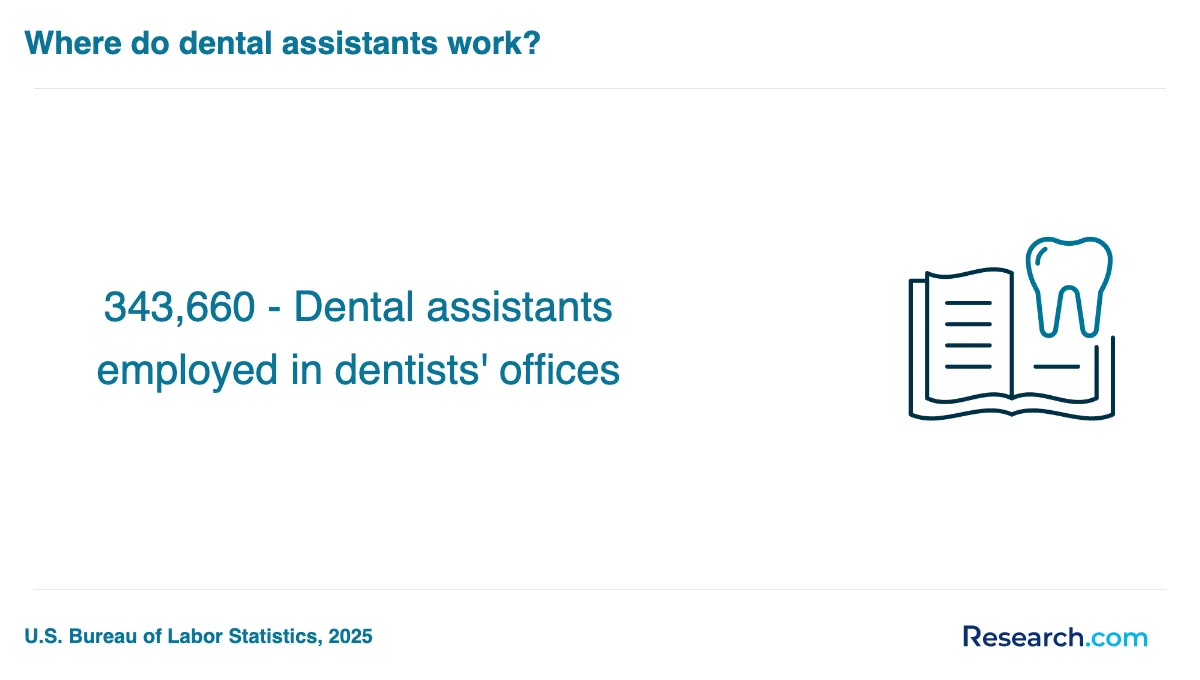
Graduates of dental assistant trade school programs in North Carolina commonly step into dental assistant career opportunities in North Carolina by working as Dental Assistant I or II in private practices, clinics, or public health settings. For instance, a graduate from one of the popular trade schools quickly secured a role providing chairside support and patient prep, gaining real-world skills in weeks. Those who pursue additional certification often qualify for advanced dental assisting roles in North Carolina, including radiograph taking, coronal polishing, and fluoride application, which opens doors to higher pay and greater responsibilities.
Many grads report satisfaction moving beyond traditional dental offices, finding roles in group practices, dental supply firms, insurance providers, or even as educators in trade schools. Students appreciate knowing that this career path not only offers immediate employment but also a stepping stone to becoming a dental hygienist or dentist. For a clear understanding of these evolving roles, it's useful to compare dental vs medical assistant.
Graduates of dental assistant trade school programs in North Carolina find a job market marked by steady demand and encouraging wages. Many who finish programs at popular schools across the state report smooth transitions into employment, particularly when they are willing to consider roles beyond their immediate locale. The dental assistant job outlook in North Carolina tends to reward practical skills and additional certifications, with salaries reflecting these qualifications.
Several recent graduates from leading trade schools note these patterns:
- Urban areas such as Raleigh and Charlotte offer more openings and higher pay, with some dental assistants earning up to $55,970 annually in places like Chapel Hill.
- Entry-level positions typically start between $36,000 and $39,000, increasing significantly with experience or credentials like CDA or EFDA.
- Some graduates choose to relocate within the state to improve job prospects and salary potential.
This balance of moderate job availability and career growth opportunities reflects the dental assistant employment trends North Carolina displays, especially as many leverage their roles to advance into related careers. Familiarity with how a dental assistant compares to a dental hygienist can guide career planning; more details on this distinction can be found in is a dental hygienist the same as a dental assistant.
Best Dental Assistant Training Programs & Trade Schools - Top Dental Assistant Schools in North Carolina for 2026
# 1 position
Wayne Community College - Dental Assisting/Assistant.
certificate or diplomaWayne Community College offers a Dental Assisting/Assistant program in a hybrid format that prepares students to provide patient care, assist with dental procedures, and perform office administrative tasks under supervision. The curriculum includes instruction in radiography, medical record-keeping, equipment maintenance, and chairside assisting. Annual in-state tuition is $2,524, and the median earnings for graduates one year after completion is $35,336. The program is accredited by the Southern Association of Colleges and Schools Commission on Colleges.
# 2 position
Asheville-Buncombe Technical Community College - Dental Assisting/Assistant.
certificate or diplomaAsheville-Buncombe Technical Community College offers a hybrid Dental Assisting/Assistant program that prepares students for patient care, dental radiographs, and office administrative tasks under dental professionals' supervision. The curriculum includes medical record-keeping, reception, scheduling, equipment maintenance, sterilization, radiography, chairside assisting, and supervised practice. Annual in-state tuition is $2,882. Graduates earn a median of $36,817 one year after completion. The program is accredited by the Southern Association of Colleges and Schools Commission on Colleges.
# 3 position
Central Piedmont Community College - Dental Assisting/Assistant.
certificate or diplomaThe Dental Assisting/Assistant program at Central Piedmont Community College offers a hybrid format with some distance education options. It trains students in patient care, dental radiography, office administrative tasks, and chairside assisting. The program covers medical record-keeping, equipment sterilization, scheduling, and supervised practice. Annual in-state tuition is $2,792. Graduates earn a median salary of $31,360 one year after completion. The program is accredited by the Southern Association of Colleges and Schools Commission on Colleges.
# 4 position
Wake Technical Community College - Dental Assisting/Assistant.
certificate or diplomaThe Dental Assisting/Assistant program at Wake Technical Community College offers a hybrid format with some distance-education options. It prepares students to provide patient care, take dental radiographs, assist in dental procedures, and handle office administrative tasks under supervision. Instruction includes medical record-keeping, equipment maintenance, sterilization, chairside assisting, and supervised practice. The annual in-state tuition is $2,336, and median earnings one year after completion are $30,419.80. The program is accredited by the Southern Association of Colleges and Schools Commission on Colleges.
# 5 position
Guilford Technical Community College - Dental Assisting/Assistant.
certificate or diplomaThe Dental Assisting/Assistant program at Guilford Technical Community College offers a hybrid format with some distance education options. It prepares students to provide patient care, take dental radiographs, and assist with office administrative duties under supervision. Instruction covers medical record-keeping, equipment maintenance, chairside assisting, and supervised practice. The program is accredited by the Southern Association of Colleges and Schools Commission on Colleges. Annual in-state tuition is $2,319, with median earnings one year after completion at $31,905.
# 6 position
Wilkes Community College - Dental Assisting/Assistant.
certificate or diplomaWilkes Community College offers a Dental Assisting/Assistant program in a hybrid format, combining in-person and distance education. The program prepares students to provide patient care, take dental radiographs, assist chairside, and manage office administrative tasks under supervision. Instruction includes medical record-keeping, scheduling, equipment sterilization, and supervised practice. Annual in-state tuition is $2,572. The program is accredited by the Southern Association of Colleges and Schools Commission on Colleges.
# 7 position
Central Carolina Community College - Dental Assisting/Assistant.
certificate or diplomaThe Dental Assisting/Assistant program at Central Carolina Community College is a hybrid course preparing students for patient care, dental radiographs, and office administrative tasks under supervision. It covers medical record-keeping, equipment maintenance, sterilization, chairside assisting, and supervised practice. The annual in-state tuition is $2,554. Graduates earn a median salary of $29,311 one year after completion. The program is accredited by the Southern Association of Colleges and Schools Commission on Colleges.
# 8 position
Isothermal Community College - Dental Assisting/Assistant.
certificate or diplomaThe Dental Assisting/Assistant program at Isothermal Community College offers a hybrid format with some distance-education options. It prepares students to provide patient care, take dental radiographs, assist in dental procedures, and perform office administrative duties under supervision. Instruction includes medical record-keeping, equipment sterilization, chairside assisting, and supervised practice. The annual in-state tuition is $2,030. The program is accredited by the Southern Association of Colleges and Schools Commission on Colleges.
# 9 position
Fayetteville Technical Community College - Dental Assisting/Assistant.
certificate or diplomaThe Dental Assisting/Assistant program at Fayetteville Technical Community College offers a hybrid format with some distance-education options. It prepares students to provide patient care, take dental radiographs, assist chairside, and perform office administrative duties under supervision. Instruction includes medical record-keeping, equipment maintenance, sterilization, and patient care. The annual in-state tuition is $2,628. The program is accredited by the Southern Association of Colleges and Schools Commission on Colleges. Median earnings one year after completion are $20,574.25.
# 10 position
Montgomery Community College - Dental Assisting/Assistant.
certificate or diplomaMontgomery Community College offers a fully online Dental Assisting/Assistant program that trains students in patient care, dental radiography, and office administrative tasks under dentist supervision. The curriculum covers medical record-keeping, reception, scheduling, equipment maintenance, sterilization, basic radiography, chairside assisting, and supervised practical experience. The program is accredited by the Southern Association of Colleges and Schools Commission on Colleges. Annual in-state tuition is $2,538.
Frequently Asked Questions about dental assistant
After completing a dental assistant trade school program in North Carolina, preparing for the job market involves several key steps. First, obtaining the Certified Dental Assistant (CDA) credential through the Dental Assisting National Board (DANB) can significantly improve job prospects. North Carolina employers often prefer candidates with this certification, which requires passing an exam and meeting educational standards.
Networking through local dental societies and attending job fairs can help graduates connect with potential employers. According to the U.S. Bureau of Labor Statistics, North Carolina expects employment for dental assistants to grow about 10% from 2022 to 2032, higher than the national average, indicating strong demand.
Finally, updating resumes to highlight clinical skills and any externships completed during training will make candidates more competitive in the job market.
Employers in North Carolina seek dental assistant graduates with a blend of technical and interpersonal skills. According to the North Carolina Board of Dental Examiners, proficiency in chairside assisting and knowledge of dental radiography are highly valued. Graduates must demonstrate strong understanding of infection control protocols and patient safety standards, reflecting federal OSHA regulations.
Communication skills are equally important, as dental assistants interact closely with patients and dental teams. The U.S. Bureau of Labor Statistics highlights that teamwork and adaptability improve job performance in this field.
Additionally, employers appreciate graduates familiar with dental software systems and appointment scheduling, which enhance office efficiency. Overall, a combination of clinical competence and soft skills leads to better job prospects in North Carolina's dental assisting workforce.
Finding internships relevant to dental assistant trade school programs in North Carolina involves several practical steps. First, students should consult their school's career services or internship coordinators, as many trade schools have partnerships with local dental offices. According to the North Carolina Dental Society, dental practices often offer internships or externships to students enrolled in accredited programs.
Additionally, using resources like the North Carolina Department of Commerce's job portal can help locate dental assistant internships statewide. Networking through professional organizations such as the American Dental Assistants Association (ADAA) North Carolina chapter can also provide leads. Many internships require enrollment in an accredited program, so verifying program approval by the Commission on Dental Accreditation is essential.
Obtaining a dental assistant trade school diploma in North Carolina significantly enhances career mobility and advancement opportunities. The North Carolina Board of Dental Examiners requires formal training for certification, which is often tied to completing accredited diploma programs. Graduates typically qualify for the Certified Dental Assistant (CDA) credential, a key step that employers prefer.
The U.S. Bureau of Labor Statistics projects a 7% growth in dental assistant jobs in North Carolina through 2031, indicating steady demand. Diploma holders often earn higher starting salaries and have access to expanded roles, such as expanded functions dental assistants (EFDAs), which require additional credentials but build on the diploma foundation.
According to the North Carolina Department of Commerce, certified dental assistants report better job stability and upward mobility compared to those without formal credentials. The diploma also facilitates transitions into related health professions, fostering broader career advancement.
Part-time job opportunities in North Carolina can effectively complement dental assistant trade school education by providing practical experience alongside academic learning. Many students find roles as dental receptionists or front office assistants, which help develop interpersonal and administrative skills essential in dental practices.
Additionally, working as dental sterile processing technicians can familiarize students with infection control protocols, a critical aspect of dental assisting. According to the U.S. Bureau of Labor Statistics, North Carolina's dental assisting field is expected to grow 7% from 2022 to 2032, suggesting ample job opportunities during and after training.
Some students also gain experience through internships or externships arranged by trade schools, which enhance hands-on skills in clinical settings. These part-time roles build confidence and improve employability in the competitive dental healthcare market.
To choose the best Dental Assistant degree program near me, begin by researching accredited programs to ensure they meet educational and certification standards. Consider programs near North Carolina that offer hands-on training opportunities and inquire about their job placement rates post-graduation. Utilizing resources like Research.com can help you compare program rankings and reviews, aiding a decision tailored to your geographic and professional needs.
- Best Dental Assistant Training Programs & Trade Schools - Top Dental Assistant Schools in Virginia for 2026
- Best Dental Assistant Training Programs & Trade Schools - Top Dental Assistant Schools in Georgia for 2026
- Best Dental Assistant Training Programs & Trade Schools - Top Dental Assistant Schools in West Virginia for 2026
- Best Dental Assistant Training Programs & Trade Schools - Top Dental Assistant Schools in Kentucky for 2026
- Best Dental Assistant Training Programs & Trade Schools - Top Dental Assistant Schools in Maryland for 2026
- Best Dental Assistant Training Programs & Trade Schools - Top Dental Assistant Schools in Pennsylvania for 2026
- Best Dental Assistant Training Programs & Trade Schools - Top Dental Assistant Schools in Ohio for 2026
- Best Dental Assistant Training Programs & Trade Schools - Top Dental Assistant Schools in Delaware for 2026
- Best Dental Assistant Training Programs & Trade Schools - Top Dental Assistant Schools in Arkansas for 2026
- Best Dental Assistant Training Programs & Trade Schools - Top Dental Assistant Schools in Louisiana for 2026
- Online Dental Assistant Certificate Program | Self-Paced Course https://www.uscareerinstitute.edu/online-dental-assistant-school
- Dental Assistant School, Certification Training Programs https://rosseducation.edu/programs/dental-assistant.php
- Dental Assistant Training Program | School of Dental Medicine https://www.dental.pitt.edu/dental-assistant-training-program
- Dental Assistant Schools - Hands-On Training & Certification Info https://www.trade-schools.net/health-care/dental-assistant
- Dental Assistant Certification & Training School | Fortis https://www.fortis.edu/programs/dental/dental-assisting.html
- Dental Assisting Program https://gwinnetttech.edu/dentalassisting/
- Dental Assistant Certificate Program | Carrington College https://carrington.edu/program/dental-assisting/
- Dental Assistant | Minneapolis Community & Technical College https://minneapolis.edu/academics/school-nursing-health-sciences-and-wellness/dental-assistant
- Exciting Career Paths for Dental Assistants - Academy for Dental Assistants https://academy4da.com/career-paths-dental-assistants/
- How Assisting 101 Prepares You for the Dental Assisting Job Market https://www.assisting101.com/how-assisting-101-prepares-you-for-the-dental-assisting-job-market/