
2027 Most Affordable Online TESOL Degree Programs Ranking in the South

Co-Founder and Chief Data Scientist
Are you looking to advance your teaching career with a TESOL degree without breaking the bank? This article introduces the 2027 Most Affordable Online TESOL Degree Programs Ranking in the South, compiled by the Research.com team of data scientists. It's designed to help you find quality programs that fit your budget and goals.
By exploring this ranking, you'll discover valuable options that make pursuing a TESOL degree accessible and worthwhile. Earning this credential opens doors to rewarding opportunities, and we're here to guide you every step of the way.
Key benefits of getting online TESOL degree in the South
- The average salary for TESOL graduates in the US typically ranges from $40,000 to $60,000 per year, offering a reliable income for those passionate about teaching English.
- Graduates from Southern universities often find rewarding careers as ESL teachers, curriculum developers, or program coordinators, showcasing diverse and fulfilling job opportunities.
- Online TESOL degrees provide flexibility and convenience, allowing students to balance work and study while earning a respected credential from well-known Southern schools.
What can I expect from online TESOL degree in the South?
The average cost of an online TESOL degree in the South typically ranges between $5,000 and $15,000, making it one of the more affordable options nationwide. Graduates from popular Southern universities often share how these reasonable tuition rates, combined with in-state pricing for local students, made pursuing their TESOL dreams financially manageable. Imagine balancing work and family while earning your degree without the heavy burden of overwhelming debt-that's a common story among Southern online TESOL students.
Many Southern institutions, such as those in Texas or Georgia, offer flexible payment plans and scholarships, easing financial stress. Graduates frequently mention feeling empowered by the ability to access quality education at these prices, enabling them to focus on mastering teaching strategies and language acquisition theories. The affordability translates directly to peace of mind, allowing students to engage fully with their coursework and ultimately become confident educators ready to serve diverse communities.
Where can I work with online TESOL degree in the South?
Graduates with an online TESOL degree from well-known Southern institutions often find rewarding careers in K-12 public and private schools throughout states like Texas, Florida, Georgia, and North Carolina. These areas have a rising number of English language learners, creating strong demand for passionate teachers ready to make a real difference in young students' lives.
Many alumni also secure fulfilling roles at community colleges and adult education centers. For example, TESOL-certified instructors in Florida's adult education programs empower immigrants and refugees, helping them gain vital English skills for new careers. These jobs offer a meaningful way to contribute directly to your community's success.
In addition, Southern cities such as Atlanta, Houston, and Miami boast universities and language schools actively seeking TESOL professionals to teach international students. Graduates often share excitement about these positions, which combine cultural exchange with competitive pay.
Beyond academia, corporate training roles in diverse business hubs like Dallas and Charlotte offer TESOL experts the chance to enhance workplace inclusion by developing English communication skills-transforming industries while building their own careers.
How much can I make with online TESOL degree in the South?
Graduates holding an online TESOL degree in the South often find rewarding opportunities with competitive salaries reflecting their dedication. For instance, postsecondary ESL instructors in states like Georgia, Florida, and Texas typically earn between $45,000 and $70,000 annually, making roles at universities such as the University of Texas or Florida State University promising career paths.
Many graduates begin their careers teaching in K-12 schools, where salaries range from $40,000 to $55,000. A TESOL-certified teacher in Texas enjoys an average salary of about $51,000 per year, while in Florida, ESL teachers earn around $48,000, which supports a comfortable lifestyle in many southern communities.
For those who prefer flexibility, private language schools and community programs pay hourly wages between $20 and $30. This suits graduates balancing family or further studies, especially in bustling cities like Atlanta or Miami where demand is high.
Success stories often highlight how graduates leverage online TESOL credentials to tap into remote teaching and tutoring opportunities, with hourly rates reaching $40 for experienced educators. This adaptability opens doors to enriching careers that fit diverse lifestyles.
- Key benefits of getting online TESOL degree in the South
- What can I expect from online TESOL degree in the South?
- Where can I work with online TESOL degree in the South?
- How much can I make with online TESOL degree in the South?
- How do we rank schools?
- 2027 Most Affordable Online TESOL Degree Programs Ranking in the South
- What online TESOL degree graduates have to say
- Key Findings
- How long does it take to complete online TESOL degree in the South?
- What's the difference between online and on-campus TESOL degree?
- What is the average cost of online TESOL degree in the South?
- What financial aid is available to online TESOL degree students in the South?
- What are the prerequisites for enrolling in online TESOL degree program in the South?
- What courses are typically in online TESOL degree programs in the South?
- What types of specializations are available in online TESOL degree programs in the South?
- How do you choose the best online TESOL degree in the South?
- What career paths are available for online TESOL degree students in the South?
- What is the job market for online TESOL degree in the South?
- Frequently Asked Questions About TESOL
- Top Trending TESOL Rankings
How do we rank schools?
Investing in your education is a significant decision that can profoundly impact your career and personal growth. The Research.com team is fully aware of the importance of making well-informed choices, especially when selecting an online TESOL degree program in the South. To provide prospective students with a trustworthy and accurate resource, we have dedicated extensive efforts to ensure the quality, credibility, and precision of the "2027 Most Affordable Online TESOL Degree Programs Ranking in the South."
We utilized the following reputable data sources to assemble this ranking:
By exploring this ranking, readers will gain valuable insights into affordable and credible TESOL programs that meet their educational and financial needs, helping them confidently navigate their academic journey. For further information on how this ranking was compiled, please visit our Research.com methodology page.
2027 Most Affordable Online TESOL Degree Programs Ranking in the South
# 1 position

The University of Maryland-Baltimore County offers a Master's program focused on Education, completed in 18 months. The program is less selective with a 72% acceptance rate and features a 70% graduation rate. It enrolls 9,376 online students, reflecting strong remote learning options. The average total cost is $25,128. With 93% of students receiving financial aid, the program provides high levels of support for eligible students.
# 2 position

Nova Southeastern University offers a Master's program focused on Education with a duration of 18 months. The program has a graduation rate of 63% and is less selective, accepting 73% of applicants. It serves a sizable online student body with 2,883 enrolled. The average total cost is $45,360, and all students receive high levels of financial aid.
# 3 position
Arkansas Tech University
Master
Arkansas Tech University offers a Master's program focused on Education with an open admission policy, accepting 96% of applicants. The program has a graduation rate of 49%, reflecting average student completion success. Tuition costs are affordable, averaging $9,636 in total. A high level of financial aid is available, with 94% of students receiving support. Additionally, the program has a significant online student enrollment, totaling 5,060 learners.
# 4 position
McDaniel College
Master
McDaniel College offers a Master's program focused on Education with an open admission policy, accepting 78% of applicants. The program maintains a graduation rate of 63%, indicating a solid completion rate. Tuition averages $18,000, and all students benefit from high levels of financial aid support. There are currently 1,217 online students enrolled, reflecting a strong remote learning presence within this graduate program.
# 5 position

Kennesaw State University offers a Master's program in Education with a duration of 18 months. The acceptance rate is 69%, indicating a less selective admission process. The program serves a large online student body, with 7,500 enrolled remotely. A high level of financial aid is available, with 94% of students receiving assistance. The graduation rate for this program is 52%, reflecting the proportion of students who complete their studies.
What online TESOL degree graduates have to say
- Emma: Studying my online TESOL degree at the University of Alabama was a game-changer. The flexible schedule let me balance work and family, while expert professors delivered practical insights that boosted my confidence in teaching English internationally. The Southern hospitality made every virtual session warm and engaging.
- Javier: The online TESOL program at Louisiana State University perfectly combined rigorous academics with cultural sensitivity training. It prepared me to meet diverse student needs effectively. The coursework was challenging yet rewarding, and the Southern community spirit made me feel supported throughout my journey.
- Hannah: My journey with the University of South Carolina's online TESOL degree was incredible. The interactive platform and personalized feedback helped me grow as an educator. I loved how Southern tradition and modern teaching blended seamlessly, making learning enjoyable and deeply meaningful.
Key Findings
- The cost of online TESOL programs in the South typically ranges from $5,000 to $12,000, depending on the institution and program length.
- Many Southern colleges offering TESOL are accredited by the Southern Association of Colleges and Schools Commission on Colleges (SACSCOC), ensuring quality education.
- TESOL graduates find job opportunities in K-12 schools, community colleges, language schools, and corporate training across states like Texas, Florida, and North Carolina.
- Entry-level salaries for TESOL teachers in the South range from $35,000 to $45,000, with mid-career professionals earning between $50,000 and $60,000 or more.
- Job growth in the TESOL field is expected to increase by 5% to 7% through 2030, driven by globalization and demand for English instruction.
- Online TESOL programs offer flexible study options that typically take between six months and two years to complete.
How long does it take to complete online TESOL degree in the South?
Completing an online TESOL degree in the South varies by program level and student pace, but the journey is rewarding and doable with the right commitment. Many graduates from universities like the University of North Carolina or Florida State University share how their certificate programs took just a few months-often 3 to 6-fitting smoothly around work and family life. These certificates typically require 120 to 150 hours of focused coursework, perfect for those eager to start teaching sooner.
For those aiming higher, a bachelor's with a TESOL emphasis usually takes about three to four years full-time. Yet, students at schools such as Texas A&M have found accelerated options that let them finish in as little as three years by taking year-round courses or transferring credits. This flexible approach helps students stay motivated and on track.
Master's degree seekers often balance life and learning, completing 30 to 36 credit hours in about 1.5 to 2 years part-time. Graduates of Southern universities appreciate that while the full-time path can be intensive-12 to 18 months-it's achievable with dedication. These varying timelines show that, no matter your circumstances, a TESOL degree in the South can fit your life and goals perfectly.
What's the difference between online and on-campus TESOL degree?
Choosing between online and on-campus TESOL degrees in the South means weighing flexibility against direct interaction. Online programs, embraced by many graduates from Southern states, fit seamlessly into busy lives-imagine logging in after work or from home, attending virtual classes anywhere in Alabama or Georgia. This freedom empowers those balancing jobs or family commitments without sacrificing quality. For example, graduates from the University of Alabama's online TESOL program appreciate how it removed barriers like commuting and housing costs while maintaining strong course rigor.
On-campus programs, such as those offered by Georgia State University, bring a different energy. Being on campus allows students to engage face-to-face with instructors and peers, building meaningful connections and gaining hands-on teaching experience with local English learners. This immersive environment fuels confidence and networking, which some graduates find invaluable as they launch their teaching careers.
Both paths uphold the same respected accreditation through organizations like SACSCOC, ensuring every graduate from Southern institutions is professionally prepared and recognized nationwide.
What is the average cost of online TESOL degree in the South?
The average cost of an online TESOL degree in the South generally falls around $17,382 for in-state students, making it a feasible investment for many aspiring educators. Graduates from well-regarded institutions like the University of Southern Mississippi and the University of North Texas often share how their programs offer strong value without breaking the bank. This affordability opens doors for students balancing work, family, and professional growth, while gaining credentials that lead to meaningful teaching opportunities.
For those exploring affordable TESOL programs online Southern states provide a range of choices thanks to their robust public university systems. Many students find that these programs deliver both excellent education and flexible schedules, which help them advance their careers confidently. As one graduate recalls, the manageable tuition, combined with supportive faculty and relevant coursework, made the journey both rewarding and inspiring.
It's important to consider that costs can vary depending on whether you attend as an in-state or out-of-state student, with out-of-state tuition often being higher. Additionally, remember to budget for extra fees like technology charges and learning materials. With careful planning and by exploring financial aid options, students can successfully navigate the total expenses and focus on their passion to teach.
Those wondering about potential earnings after earning their TESOL degree might find it helpful to compare career paths, such as the SLP salary, to make informed decisions aligned with their goals.

What financial aid is available to online TESOL degree students in the South?
When pursuing an online TESOL degree in the South, students can tap into a variety of financial aid sources that truly lighten the financial load. Many graduates from respected Southern institutions like the University of Georgia or Texas A&M rave about how federal aid programs, especially Pell Grants and Stafford Loans, opened doors for them without overwhelming debt. Pell Grants, which don't require repayment, can cover thousands of dollars-up to $7,395 a year-making education feel within reach.
Beyond federal aid, scholarships from Southern universities often reward merit and dedication, sometimes renewing yearly to support students through multi-year TESOL programs. Imagine a student at North Carolina State University securing a scholarship that eased tuition payments year after year, allowing them to focus on mastering teaching strategies rather than stressing about bills.
State programs like the Georgia HOPE Scholarship also offer crucial assistance to residents attending in-state schools, including online TESOL programs, providing a real boost. Plus, many graduates share how employer tuition reimbursement programs proved invaluable, with local language schools or school districts generously investing in their professional growth.
Finally, private foundations targeting educators dedicated to underserved communities can provide grants that not only fund education but also reinforce students' passion and purpose. Combining these options creates a supportive financial ecosystem for anyone committed to advancing TESOL education in the South.
What are the prerequisites for enrolling in online TESOL degree program in the South?
To enroll in an online TESOL degree in the South, you'll first need the essential academic credentials. Most programs at universities like the University of Alabama or LSU ask for a high school diploma or GED for undergraduate entry, while graduate programs require a bachelor's degree. Graduates often recall how meeting this standard gave them the confidence to pursue advanced language teaching skills.
English proficiency is another key prerequisite. If you're a non-native speaker, prepare to submit TOEFL or IELTS scores unless you already studied in English. Many Southern institutions recognize this need and offer orientation sessions to guide you through these steps, making the process feel manageable and supportive.
Technological readiness plays a crucial role since all classes and communications happen online. Having reliable internet and basic digital skills is non-negotiable. Former students from schools like Vanderbilt University emphasize how mastering these tools early helped them stay connected and engaged throughout their journey.
Financially, programs in the South often expect evidence you can support your studies, reflecting care for your success. You might submit financial aid documents or proof of funds. Many graduates found this accountability motivating, helping them focus fully on learning without distractions.
Finally, submitting a thoughtful resume or statement of purpose can showcase your passion for teaching English, boosting your application. Letters of recommendation further strengthen your profile. Students from institutions such as the University of South Carolina share how these personal touches opened doors and sparked confidence in their path forward.
What courses are typically in online TESOL degree programs in the South?
When you enroll in an online TESOL degree program in the South, such as those offered by well-known universities in Texas or Georgia, you will engage deeply with courses that build both your confidence and expertise. Core classes like Second Language Acquisition invite you to explore how people naturally pick up new languages, helping you understand your future students' challenges from day one. Applied Linguistics then grounds you in the structure of English, making you a more effective communicator and teacher.
Many graduates share how TESOL Methodology courses transformed their approach to lesson planning and classroom dynamics, giving them practical strategies they could immediately apply in their remote teaching internships. Assessment and Evaluation courses sharpen your skills in tracking student progress-tools vital for any educator wanting to see real growth. Cultural Awareness classes enrich your perspective, preparing you to embrace and celebrate the diverse backgrounds of learners you'll encounter in Southern communities or beyond.
This mix of theory and practice, often offered by respected Southern institutions, empowers you with the confidence and adaptability to flourish as an English teacher anywhere.
What types of specializations are available in online TESOL degree programs in the South?
Online TESOL degree specializations in the South often include focused tracks such as Teaching English as a Second Language (ESL), Teaching English as a Foreign Language (TEFL), TESOL for Young Learners, Instructional Technology Integration, and Curriculum Development and Assessment. Graduates from popular Southern universities have found these specializations deeply rewarding, whether teaching K-12 students in Texas or designing digital lessons for adult learners in Georgia.
For instance, many graduates emphasize how their ESL specialization helped them secure roles in community colleges and public schools, aligning with South region TESOL certification options that support bilingual education and immigrant integration. Other graduates, passionate about international opportunities, chose TEFL tracks, preparing to teach abroad with a strong foundation in cross-cultural communication.
Those seeking to enhance classroom engagement appreciate specializations like Instructional Technology Integration, which equip them with tools essential for remote and hybrid teaching environments. If you want advice on navigating this path, consider exploring veteran friendly online Spanish degree programs, which share many best practices for engaging diverse learners.
How do you choose the best online TESOL degree in the South?
Choosing the best online TESOL degree programs in the South means focusing first on accreditation. Graduates from recognized Southern universities feel confident knowing their degree holds value with regional and national employers. Many speak highly of programs that align with state licensure requirements, such as those offered by Texas and Georgia institutions, which prepare you specifically for local TESOL certification.
Affordability matters deeply. Several graduates found affordable Southern online TESOL certification programs that kept tuition under $10,000, allowing them to balance family and work without heavy financial strain. Pay close attention to hidden fees and seek programs with flexible schedules-many Southern colleges offer accelerated or part-time options helping students thrive alongside busy lives.
Beyond cost and credentials, the quality of student support can make or break your experience. Graduates often praise universities that provide robust academic advising, virtual tutoring, and career counseling, boosting confidence in navigating the challenges of remote learning.
For those interested in expanding skillsets beyond TESOL, consider pairing your degree with an instructional design masters online to enhance teaching impact and career prospects.
What career paths are available for online TESOL degree students in the South?
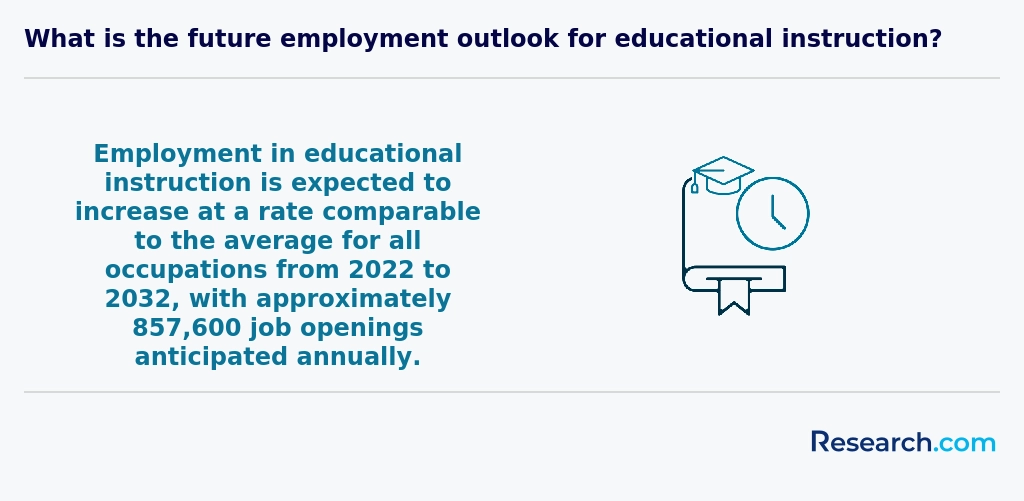
Graduates of online TESOL degree programs in the South often find exciting career paths waiting for them, especially in states like Texas, Georgia, and Florida where the demand for English language educators is robust. Many alumni from popular Southern universities have confidently stepped into roles as ESL teachers in public schools, engaging directly with diverse groups of learners and witnessing real progress daily. These roles tap into the heart of South regional TESOL career opportunities, providing both fulfillment and competitive salaries.
Others have transitioned into postsecondary teaching positions at community colleges or universities, where they bring rich experiences to international students eager to master English. Some graduates leverage their TESOL skills in nonprofit organizations or private tutoring, addressing critical needs in immigrant and refugee communities across the South. Reflecting on success stories, many highlight how an online TESOL degree combined with hands-on practice opened doors beyond traditional classrooms, including curriculum design and teacher training.
Choosing an affordable, flexible program, like those from universities well-known in the region, empowers working professionals to make this change. In fact, some graduates found great value exploring affordable EdD programs online to enhance their credentials and teaching methods even further, boosting their impact and career satisfaction.
What is the job market for online TESOL degree in the South?
The job market for online TESOL degree holders in the South is vibrant and growing, especially in states like Texas, Florida, and Georgia, where there is a high demand for skilled instructors due to the increasing number of English language learners (ELLs). Graduates from Southern universities often find rewarding roles in public school districts that require ESL or TESOL certification. These positions provide not only stable employment but also competitive salaries that rise with experience and credentials.
Many TESOL graduates share stories of stepping into classrooms in metropolitan areas such as Houston or Miami, where diverse communities welcome their expertise. Beyond public schools, TESOL degree employment opportunities Southern US include private language schools and nonprofits serving immigrants. These environments offer dynamic, fulfilling careers, reflecting the region's cultural richness.
Those considering this path should also explore complementary programs like online SLP programs, which some graduates combine to broaden their skills and job prospects. Overall, pursuing an online TESOL degree in the South opens doors to meaningful educational work that makes a difference every day.
Frequently Asked Questions About TESOL
Online TESOL degree students in the South can maximize their learning by actively engaging with instructors and peers through virtual discussions and group projects. Research from the Southern Regional Education Board highlights that Southern institutions often offer flexible course schedules, allowing students to balance work and study effectively. Utilizing local libraries and language resources supplements online material and enhances practical understanding.
Joining regional TESOL organizations provides networking opportunities and access to workshops tailored to Southern demographics. Additionally, students should seek practicum placements in nearby schools to gain hands-on experience with diverse English language learners, as supported by data from the TESOL International Association.
Emerging niches within the TESOL field reflect growing demands in specialized teaching roles. One notable area is TESOL for K-12 online learning, which has expanded significantly across Southern states due to increased virtual schooling options. According to the Southern Regional Education Board, virtual education enrollment in the South grew by 25% between 2019 and 2022, highlighting a rising need for qualified online TESOL teachers.
Another developing niche is TESOL for adult immigrants and refugees. The South, particularly Texas and Florida, has seen an increase in immigrant populations, fostering demand for TESOL professionals skilled in culturally responsive instruction. Additionally, TESOL for English learners with disabilities is gaining attention, driven by federal mandates and inclusive education models.
These specialized TESOL roles offer prospective students adaptable career paths within a diverse and expanding educational landscape.
After completing an online TESOL degree in the South, preparing for the job market involves several strategic steps. First, graduates should obtain state certification or licensure where required, as Southern states like Texas and Georgia often mandate these credentials for K-12 teaching positions. Networking is crucial; joining regional TESOL associations such as the Southern TESOL affiliate connects candidates with local job opportunities. Additionally, gaining practical experience through internships or volunteer teaching can enhance résumés.
Many Southern school districts value bilingual teaching skills due to diverse populations, increasing employability. According to the National Center for Education Statistics, demand for ESL teachers in the South is projected to grow by 7% through 2030. Continuing professional development and technology proficiency can also improve job prospects in this competitive field.
Employers in the Southern US prioritize several key skills when hiring graduates with online TESOL degrees. Strong cultural competence is essential, as classrooms are increasingly diverse. According to the Southern Regional Education Board, 48% of K-12 students in the South are English language learners, highlighting the need for culturally responsive teaching.
Effective communication skills, both verbal and written, are crucial. TESOL graduates must tailor lessons to varied proficiency levels and engage students with different learning styles. Classroom management also ranks highly, ensuring a productive learning environment.
Finally, knowledge of technology-based teaching tools is important, as remote and hybrid learning models remain common in Southern schools.
Finding internships related to a TESOL degree in the South involves several strategic steps. Many universities partner with local schools and language centers, offering practical teaching experiences to online TESOL students. Checking with your program's internship coordinator can provide tailored leads.
States like Texas and Georgia have growing populations of English language learners, increasing internship availability. According to the U.S. Bureau of Labor Statistics, positions in ESL education are expected to grow nationally by 12% from 2021 to 2031, reflecting demand in the South as well.
Networking through regional TESOL organizations, such as the Southeast TESOL chapter, can connect you with internship opportunities. Additionally, online job boards and local education nonprofits frequently post TESOL-related internships.
Online TESOL degrees significantly impact career mobility and advancement for educators in the Southern United States. According to the U.S. Bureau of Labor Statistics, the demand for ESL teachers is growing annually by about 4%, with the South experiencing steady increases due to its diverse and expanding immigrant population. Holding an accredited online TESOL certification enhances eligibility for teaching positions in K-12 schools, community colleges, and private language institutions.
Many Southern states, including Texas and Florida, encourage ESL certification for public school teachers, often linking it to salary increases or promotion opportunities.
Furthermore, online TESOL programs offer flexibility for working professionals, enabling career advancement without geographic relocation, an important factor in the South's more rural regions.
Studying for a TESOL degree in the South offers unique preparation for interdisciplinary roles by combining core language instruction methods with broader educational skills. Many Southern universities integrate courses on cultural studies, psychology, and technology in education, recognizing the diverse environments where TESOL professionals work. According to the Southern Regional Education Board, 47% of TESOL program graduates in this region pursue careers beyond traditional classrooms, including curriculum design and bilingual program coordination.
Online TESOL degrees also emphasize flexibility, enabling students to apply teaching theories to fields like social work or international business. This interdisciplinary approach is critical in addressing varied learner needs in multilingual communities common in the South.
When choosing between a thesis and a non-thesis online TESOL degree program in the South, consider your career goals. Thesis programs typically require conducting original research, which can be valuable for those aiming at doctoral studies or academic roles. Non-thesis options often emphasize practical skills and coursework, appealing to educators seeking immediate classroom application.
Regionally, Southern universities offer both formats, with research-focused programs often found at large public institutions such as the University of Alabama and non-thesis options common at colleges like Lamar University.
According to the National Center for Education Statistics, about 40% of TESOL master's graduates in southern states pursue thesis routes, reflecting growing interest in research.
Students based in the South seeking online TESOL degrees have several reputable options within the U.S. higher education system. Universities such as the University of Southern Mississippi and the University of North Carolina at Chapel Hill offer fully online TESOL or Applied Linguistics programs designed for working professionals. According to the Southern Regional Education Board, online enrollment in education programs has increased by 12% since 2020, reflecting growing accessibility.
These programs often include coursework in language acquisition, teaching methodology, and cultural competency. Accreditation by agencies like the Council for the Accreditation of Educator Preparation (CAEP) ensures quality standards are met. Financial aid and affordable tuition rates in Southern public universities also support student access.
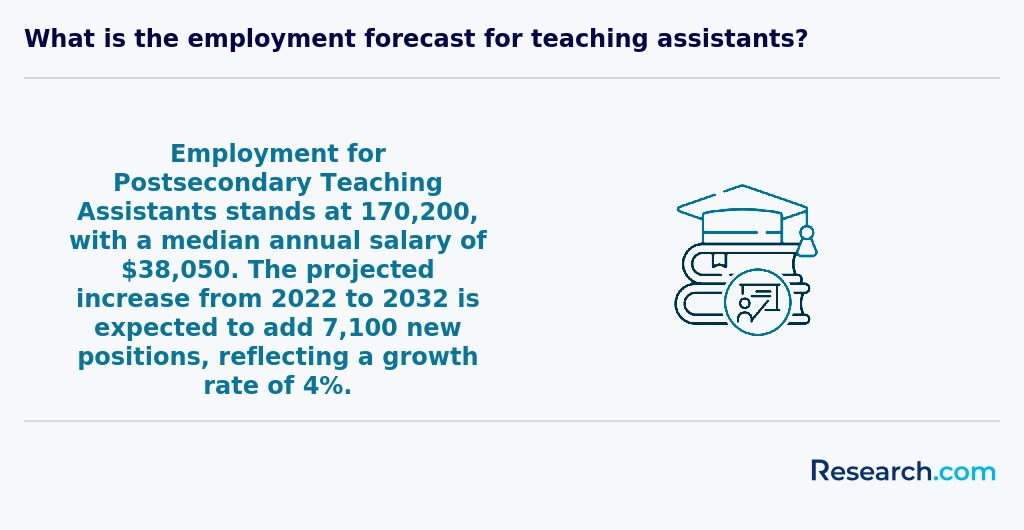
Part-time job opportunities that complement a TESOL degree in the South focus primarily on education and language support roles. Many students or graduates work as ESL tutors, either independently or through local community centers, helping non-native speakers improve English skills. According to the U.S. Bureau of Labor Statistics, demand for tutors in the Southeast region grows steadily with expanding immigrant communities.
Other popular roles include teaching assistant positions in K-12 schools, where individuals can gain hands-on classroom experience. Additionally, part-time jobs as curriculum developers or online instructors for language learning platforms are common.
Working in refugee resettlement agencies or adult education programs also aligns well with TESOL training, as these organizations often seek English instructors.
Online TESOL students in the South benefit from a variety of networking opportunities to enhance their careers. Many Southern universities offering accredited online TESOL degrees provide virtual networking events, webinars, and discussion groups that connect students with instructors and peers across the region.
Professional organizations such as TESOL International Association and the Southern Association for English Language Teaching (SAELT) offer local chapters and online forums, facilitating connections with experienced teachers and potential employers. According to TESOL International, involvement in these groups increases job placement rates by up to 20%.
Additionally, partnerships between schools and Southern K-12 districts offer online students chances to engage in internships and practicum experiences, which are vital for building a professional network.
Alumni networks provide significant support for online TESOL degree students in the South by fostering professional connections within the region's growing English language teaching community. These networks enable graduates to access mentoring opportunities, job leads, and collaborative projects, which are especially valuable given the competitive nature of the TESOL job market.
In Southern states, where demand for ESL educators is rising due to increasing immigrant populations, documented by the Southern Regional Education Board, strong alumni ties help students navigate local certifications and employment nuances. Furthermore, alumni events and online platforms create ongoing learning spaces, allowing students and graduates to share best practices and regional teaching strategies.
Such community engagement enhances career prospects after graduation and encourages lifelong professional development within the Southern TESOL landscape.
Customizing an online TESOL degree program in the South allows students to align their studies with specific career goals. Many Southern universities offer elective courses focusing on areas like bilingual education, curriculum design, or linguistics. This flexibility enables students to deepen expertise relevant to K-12 teaching, adult education, or international ESL tutoring.
Additionally, some programs provide practicum placements or internships in Southern school districts or community organizations, offering practical experience tailored to local needs. According to the Southern Association of Colleges and Schools, online TESOL programs often allow part-time study, helping students balance work and education.
Advisors can help select courses that meet state licensure requirements or certification standards, which vary across Southern states.
Online TESOL students in the Southern U.S. often face unique challenges related to technology access. According to the Pew Research Center, rural areas in states like Mississippi and Alabama report lower broadband availability, which can disrupt consistent engagement in online courses.
Another issue is balancing study with work and family commitments. Many Southern students juggle full-time jobs alongside education, making it difficult to attend live virtual classes or meet deadlines.
Additionally, some learners report limited local opportunities for required in-person practicum experiences, essential for TESOL certification. This often means extra travel or coordination with distant schools.
These factors contribute to the complexity of completing TESOL degrees online in the South.
An online TESOL degree opens doors to a variety of professional certifications that enhance teaching credentials. Many graduates in the South pursue the Certificate in TESOL or TEFL, recognized widely for teaching English to speakers of other languages. Additionally, the Praxis English to Speakers of Other Languages (ESOL) test is a common certification, especially for those aiming to teach in public schools across southern states.
Some programs also prepare students for the CELTA certification, valued internationally but respected in the U.S. as well. According to the Southern Regional Education Board, demand for ESL-certified teachers in the South is growing, making these certifications valuable for career advancement.
To write a winning application for an online TESOL program in the South, start by clearly demonstrating your passion for teaching English to speakers of other languages. Include specific examples from any relevant experience, such as volunteering or language tutoring. Highlight your educational background and any certifications related to education or linguistics.
Research shows that Southern institutions often value applicants who understand regional linguistic and cultural diversity, so tailoring your statement to reflect this knowledge can be beneficial. According to the Southern Association of Colleges and Schools Commission on Colleges, emphasizing your readiness for online study and commitment to improving English learning outcomes can strengthen your application.
Make sure to follow all application instructions carefully, provide strong letters of recommendation, and if required, showcase your proficiency in English through standardized test scores. Proofreading your application for clarity and professionalism is essential to stand out.
TESOL careers offer a broad global outlook, particularly valuable for those pursuing online degrees in the South. The demand for English teachers abroad continues to grow, with countries in Asia, Latin America, and Europe seeking qualified professionals. According to the U.S. Bureau of Labor Statistics, employment of adult literacy and high school equivalency diploma teachers, including TESOL educators, is projected to grow by 5% from 2022 to 2032.
In the Southern US, institutions increasingly emphasize TESOL programs that meet international standards, helping graduates qualify for jobs worldwide. The global nature of TESOL permits a flexible career, including remote teaching opportunities supported by a Southern-based online degree.
Gaining practical experience while studying for an online TESOL degree in the South is crucial for career readiness. Many Southern universities incorporate practicum components that pair students with local schools or online teaching platforms. This hands-on training lets students practice lesson planning and classroom management under supervision.
The Southern Regional Education Board highlights partnerships between TESOL programs and nearby school districts, offering real-world teaching opportunities. Additionally, some programs encourage volunteering with community language centers or offering tutoring services to refugees and immigrants, helping students apply language instruction skills.
Online students in states like Georgia and North Carolina can often access virtual classroom simulations and internships to further build experience, an important feature noted by the American TESOL Institute.
When choosing a concentration within an online TESOL degree program in the South, consider your career goals and the local job market. Specializations like K-12 ESL, adult education, or bilingual education reflect distinct teaching environments and learner needs. The southern United States has seen a growth in English learners, especially in states like Texas and Georgia, where over 15% of public school students are English language learners (NCES, 2023).
Research program accreditation by recognized bodies like CAEP to ensure quality. Look for concentrations that offer practical training or internships aligned with state certification requirements if you plan to teach in public schools.
Finally, consider flexibility and course format, as many students balance work and study. Understanding regional demand can help focus on concentrations with the most employment opportunities after graduation.
Top Trending TESOL Rankings
References
- ESL Job Guide - World TESOL Academy https://www.worldtesolacademy.com/blog/esl-job-guide/
- Best Accredited Online TESOL Courses https://tesolau.com/online-tesol-courses/
- Finding Your Niche in English Language Teaching - BridgeUniverse - TEFL Blog, News, Tips & Resources https://bridge.edu/tefl/blog/finding-your-english-language-teaching-niche/
- How to teach TESOL ethically in an English-dominant world https://languageonthemove.com/how-to-teach-tesol-ethically-in-an-english-dominant-world/
- Master's in TESOL Online at the University of Mount Saint Vincent https://online.mountsaintvincent.edu/degrees/education/master-science-tesol/general-concentration/
- What are the most common challenges faced by TESOL teachers? | ITTT TESOL & TESOL https://www.tesolcourse.com/ai/what-are-the-most-common-challenges-faced-by-tesol-teachers/
- Know more about thesis vs non- thesis: what is the difference? https://studyfans.com/en/blogs/816
- TESOL Job Market Insights | ITTT https://www.teflcourse.net/pillars/tesol-job-market-insights/
- Top 10 Advantages of a TESOL Certificate course online https://ili.edu/news/tesol-certificate-course-online-top-10-advantages/
- Teach English Abroad & Online | TESOL Jobs | American TESOL https://americantesol.com/tesol-job.html


