
2027 Fastest Online TESOL Degree Programs Ranking in the USA

Co-Founder and Chief Data Scientist
Are you considering advancing your career with a TESOL degree but want to find the fastest options available? This article introduces the 2027 Fastest Online TESOL Degree Programs Ranking in the USA, crafted by the Research.com team of data scientists. It offers a clear, data-driven overview to help you decide which programs fit your goals and schedule.
Getting a TESOL degree opens doors to teaching opportunities worldwide, empowering you to make a meaningful impact. Exploring these programs will save you time and guide you toward a rewarding path in education.
Key benefits of getting online TESOL degree in America
- TESOL graduates in the U.S. often pursue teaching roles where salaries typically range from $40,000 to $60,000 annually, offering a stable income while making a positive impact on learners.
- Career paths can include roles like ESL instructor, curriculum developer, or language program coordinator, as demonstrated by graduates from institutions such as the University of Arizona.
- Completing a TESOL degree online, like many do through Arizona State University, provides flexibility to balance work and study, making education accessible without pausing your career.
What can I expect from online TESOL degree in America?
The average cost of an online TESOL degree in America generally ranges between $10,000 and $30,000, depending on the institution and degree level. Graduates from well-known universities often share that investing in an accredited program not only enhances teaching skills but also opens doors to diverse career opportunities. For example, students enrolling at popular colleges find that tuition aligns with the quality of practical training and access to experienced instructors.
Many programs offer financial aid or scholarships, which can significantly reduce the overall expense, making the degree accessible without sacrificing quality. Flexible payment plans and accelerated tracks help working professionals manage tuition costs while balancing busy schedules. Graduates often describe the sense of accomplishment and confidence gained, which makes the investment worthwhile.
Choosing programs accredited by agencies like CAEP ensures that tuition funds support recognized qualifications, important for securing teaching positions in U.S. schools or international settings. Real-life experiences from alumni illustrate that careful budgeting combined with selecting the right program can lead to a rewarding TESOL career without overwhelming debt.
Where can I work with online TESOL degree in America?
Graduates with an online TESOL degree in America often find rewarding careers in K-12 public and private schools, where English language learners make up roughly 10% of students. Many states require TESOL certification, so earning your degree from recognized programs at universities like the University of Arizona or Boston University offers a competitive advantage. These graduates frequently share how they confidently support diverse classrooms with engaging lessons tailored to ELL students.
Many also transition to community colleges and universities, teaching ESL courses to international students. For example, alumni from Arizona State University report satisfaction working with large populations of global learners, helping them improve their English for academic success.
Additional paths include adult education centers and nonprofit organizations serving immigrants and refugees. Graduates often describe meaningful experiences working in community programs in cities like Seattle or Chicago, where demand for English instruction continues to grow.
Corporate training is another promising area; TESOL holders help multinational companies enhance employee communication skills. The flexibility to teach online enables graduates to balance work and life effectively, especially those who studied through hybrid programs at institutions such as the University of Florida.
These practical opportunities highlight the growth and variety available to TESOL graduates ready to make an impact across America's diverse learning environments.
How much can I make with online TESOL degree in America?
Graduates with an online TESOL degree in America typically see starting salaries around $40,000 to $50,000 annually, especially when entering roles in public K-12 schools or private language institutes. For example, many graduates from well-regarded programs at universities such as Arizona State University or the University of Southern California begin their careers earning between $50,000 and $65,000 per year. These settings often provide stable employment and the opportunity to gain teaching certification, increasing job security and salary potential.
With experience or additional qualifications like a master's degree, TESOL instructors can boost their earnings to $70,000 or more, often found in roles at community colleges or universities. Graduates who take on specialized positions in curriculum development or program coordination report even higher salaries, reflecting the value of those skills in educational institutions.
Hourly wages vary, with entry-level instructors earning between $20 and $30 per hour, while seasoned educators enjoy rates that reflect their depth of experience. Graduates working in metropolitan areas like New York or Los Angeles often benefit from higher wages due to increased demand and diverse student populations.
By focusing on gaining teaching certification, accumulating experience, and targeting positions in urban centers or higher education, TESOL graduates turn their degrees into rewarding and well-paying careers.
- Key benefits of getting online TESOL degree in America
- What can I expect from online TESOL degree in America?
- Where can I work with online TESOL degree in America?
- How much can I make with online TESOL degree in America?
- How do we rank schools?
- 2027 Fastest Online TESOL Degree Programs Ranking in the USA
- What online TESOL degree graduates have to say
- Key Findings
- How long does it take to complete online TESOL degree in America?
- What's the difference between online and on-campus TESOL degree?
- What is the average cost of online TESOL degree in America?
- What financial aid is available to online TESOL degree students in America?
- What are the prerequisites for enrolling in online TESOL degree program in America?
- What courses are typically in online TESOL degree programs in America?
- What types of specializations are available in online TESOL degree programs in America?
- How do you choose the best online TESOL degree in America?
- What career paths are available for online TESOL degree students in America?
- What is the job market for online TESOL degree in America?
- Frequently Asked Questions About TESOL
- Top Trending TESOL Rankings
How do we rank schools?
Investing in your education is a significant decision that can profoundly impact your career, and the Research.com team is committed to helping you make well-informed choices. To support those seeking fast and reputable TESOL degree programs in the USA, we have carefully developed the "2027 Fastest Online TESOL Degree Programs Ranking in the USA." Our dedication to quality, credibility, and accuracy is evident in the thorough research and analysis behind this ranking.
We utilized the following reputable data sources to ensure a comprehensive evaluation of TESOL programs:
By reviewing this ranking, readers will gain valuable insights into the fastest TESOL degree options online, empowering them to choose programs that fit their goals and timelines. For more information on how we developed this ranking, please visit our Research.com methodology page.
2027 Fastest Online TESOL Degree Programs Ranking in the USA
# 1 position
Eastern University
Master
Eastern University offers a 12-month master's program focused on Education with an open admission policy, accepting 91% of applicants. The program maintains a graduation rate of 54%, and all students have access to high levels of financial aid. Approximately 583 students study online, and the average total cost is $21,210, making it accessible for those seeking a quick advancement in the education field.
# 2 position

The University of Maryland-Baltimore County offers a Master's program focused on Education, completed in 18 months. The program is less selective with a 72% acceptance rate and features a 70% graduation rate. It enrolls 9,376 online students, reflecting strong remote learning options. The average total cost is $25,128. With 93% of students receiving financial aid, the program provides high levels of support for eligible students.
# 3 position
Xavier University
Master
Xavier University's Master program in Education spans 18 months and offers an affordable average total cost of $19,800. The program has an open admission policy with an 86% acceptance rate, making it accessible to many applicants. With a graduation rate of 69%, it demonstrates solid student success. Additionally, 100% of students receive financial aid, reflecting high levels of institutional support. The program also serves a large online community of 2,936 enrolled students.
# 4 position

Nova Southeastern University offers a Master's program focused on Education with a duration of 18 months. The program has a graduation rate of 63% and is less selective, accepting 73% of applicants. It serves a sizable online student body with 2,883 enrolled. The average total cost is $45,360, and all students receive high levels of financial aid.
# 5 position

The University of Northern Colorado offers a master's degree in Education designed for completion in 18 months. The program has an open admission policy with an acceptance rate of 86%, encouraging broad accessibility. Approximately 2,500 students enroll online, reflecting the program's flexible delivery. The average total cost is $16,650, and 97% of students receive high levels of financial aid. The graduation rate stands at 51%, indicating moderate completion success.
# 6 position

Southeast Missouri State University offers an 18-month master's program focused on education. The program has a less selective admission process, with a 74% acceptance rate. Students benefit from high levels of financial aid, as 96% receive assistance. The graduation rate is 58%. The average total cost of the program is $12,738. There are 1,300 online students currently enrolled, indicating a strong remote learning presence.
# 7 position
Canisius University
Master
Canisius University offers an 18-month Master's program focused on Education, with a graduation rate of 66%. The program is less selective, accepting 72% of applicants. Students benefit from high levels of financial aid, with 100% receiving support. The average total cost is $28,350. The program also supports a significant online student body, enrolling 1,275 students in distance learning.
# 8 position

Kennesaw State University offers a Master's program in Education with a duration of 18 months. The acceptance rate is 69%, indicating a less selective admission process. The program serves a large online student body, with 7,500 enrolled remotely. A high level of financial aid is available, with 94% of students receiving assistance. The graduation rate for this program is 52%, reflecting the proportion of students who complete their studies.
# 9 position
University of San Diego
Master
The University of San Diego offers a Master's program focused on Education, lasting 24 months. It has a graduation rate of 84%, reflecting strong completion success. The acceptance rate is 52%, placing it in the less selective category. A significant 87% of students receive financial aid, indicating a high level of support. The program also enrolls 1,658 online students, highlighting its accessibility to remote learners.
# 10 position

The University of Southern California offers a Master's program focused on Education, lasting 24 months. The program is highly competitive, with an acceptance rate of 10%. It has a strong graduation rate of 92%. The average total cost is $47,880. Approximately 73% of students receive moderate financial aid, supporting access to this advanced degree.
# 11 position
University of Missouri
Master
The University of Missouri offers a Master's program focused on Education, lasting 24 months. The program is open admission with a 78% acceptance rate. It has a 75% graduation rate and provides a high level of financial aid, with 97% of students receiving support. The average total cost for completing the degree is approximately $14,949.
# 12 position

The University of North Dakota offers a Master's program focused on Education with a duration of 24 months. The program has an open admission policy, accepting 77% of applicants. It supports a large online community, with 3,333 students enrolled remotely. The graduation rate is 60%, and there is a high level of financial aid accessibility, with 95% of students receiving support.
# 13 position

The University of Northern Iowa offers a Master's program focused on Education with a duration of 24 months. It features an open admission policy with a 93% acceptance rate. The program has a graduation rate of 68% and enrolls approximately 3,800 online students. The average total cost is $17,061. A high level of financial aid is available, with 84% of students receiving support.
# 14 position
The University of Kansas
Master
The University of Kansas offers a Master's program focused on Special Education and Education, designed to be completed in 24 months. The program has an open admission policy with a 93% acceptance rate, making it accessible to many applicants. It supports a large online community of 905 students. The graduation rate stands at 69%, and a high percentage of students, 94%, receive financial aid, indicating strong financial support opportunities.
# 15 position

West Chester University of Pennsylvania offers a Master's program focused on Education, designed to be completed in 24 months. The program has an open admission policy with a 78% acceptance rate. A high percentage of students, 88%, receive financial aid, reflecting strong support for learners. The graduation rate stands at 71%, indicating a solid completion success among those enrolled.
# 16 position
Arkansas Tech University
Master
Arkansas Tech University offers a Master's program focused on Education with an open admission policy, accepting 96% of applicants. The program has a graduation rate of 49%, reflecting average student completion success. Tuition costs are affordable, averaging $9,636 in total. A high level of financial aid is available, with 94% of students receiving support. Additionally, the program has a significant online student enrollment, totaling 5,060 learners.
# 17 position

The University of South Florida offers a Master's program focused on Education with a moderately selective acceptance rate of 43%. The program is popular, enrolling 23,297 online students. It boasts a graduation rate of 77%, indicating strong student success. Additionally, the program provides high levels of financial aid, with 89% of students receiving support, helping to make education more accessible.
# 18 position
Hamline University
Master
Hamline University offers a Master's program focused on Education with an open admission policy, accepting 88% of applicants. The program has a graduation rate of 60% and enrolls 513 students online. The average total cost is $17,918. Students benefit from high financial aid availability, with 100% receiving some form of support, demonstrating strong assistance for those pursuing this degree.
# 19 position
Webster University
Master
Webster University offers a Master's program focused on Education with an open admission policy, accepting 86% of applicants. The average total cost for this degree is $21,450. The program supports a high financial aid rate, with 100% of students receiving assistance. The graduation rate stands at 64%, indicating a majority of students complete their studies. Currently, 4,932 students are enrolled online, reflecting a significant remote learning presence.
# 20 position

The University of Southern Maine offers a Master's program focused on Education with an open admission policy, accepting 79% of applicants. The program has a graduation rate of 40% and an average total cost of $12,900. Nearly all students, 97%, receive financial aid, indicating a high level of support. Additionally, there are 3,900 online students currently enrolled, demonstrating the program's significant online presence.
What online TESOL degree graduates have to say
- Jasmine: The University of Southern California's online TESOL program offered me flexibility and expert guidance. The coursework was engaging and practical, perfectly balancing theory with real-world applications. This degree empowered me to confidently teach English worldwide while managing my busy schedule.
- Mark: Completing my TESOL degree online through Boston University was transformative. The interactive classes and supportive faculty created a vibrant learning environment despite the distance. It deepened my understanding of language acquisition and inspired a genuine passion for teaching.
- Elena: Arizona State University's online TESOL curriculum was dynamic and thorough. I loved the diversity of resources and the encouragement to innovate lesson plans. This degree not only boosted my career but also enriched my cultural awareness and teaching style.
Key Findings
- Tuition for online TESOL degrees in the US ranges from $10,000 to $25,000, with certificate options costing between $1,000 and $5,000.
- Accreditation is important for program quality and eligibility for federal financial aid.
- Entry-level TESOL teachers earn between $38,000 and $45,000 annually, with experienced professionals making $55,000 or more.
- Employment in TESOL-related roles is projected to grow by about 5% over the next decade.
- Many programs include teaching methods, language theory, and practicum experience, some fulfilling ESL certification requirements for public schools.
- Class schedules are often flexible, allowing part-time study alongside work, with local options for practicum completion.
How long does it take to complete online TESOL degree in America?
Online TESOL certificate programs in America typically take between 3 to 6 months to complete, making them ideal for busy professionals seeking quick certification. Graduates from popular universities often share how balancing work and study was manageable with the flexible online schedules. For example, a graduate from a well-known state university appreciated the 100-to-150-hour commitment, allowing completion without sacrificing a full-time job.
Bachelor's degrees with TESOL concentrations usually require about four years, yet accelerated options popular at colleges like Arizona State University let motivated students finish in 18 to 24 months. Many graduates feel empowered by this faster track, especially when balancing family and career goals.
Graduate TESOL degrees, such as Master of Arts programs offered by institutions like the University of Southern California, generally take 12 to 24 months online. Many students enjoy the flexibility to study part-time, sometimes extending completion to three years. This flexible pacing suits those seeking to deepen expertise without overwhelming their existing commitments.
Choosing full-time enrollment or programs with practicum components will affect total time, so aligning your plan with your lifestyle is key to success.
What's the difference between online and on-campus TESOL degree?
Graduates from well-known American institutions, such as Arizona State University and the University of Southern California, often highlight how online TESOL programs provided the flexibility they needed to balance work and family commitments. Unlike on-campus programs requiring fixed schedules and physical attendance, online courses allow students to study at their own pace and access materials anytime, making it ideal for adults with busy lives.
However, on-campus TESOL students enjoy immersive, face-to-face interactions through seminars and language practice, fostering immediate collaboration with peers and instructors. This experience at campuses like New York University or the University of Pennsylvania can deepen learning through personal connections and campus resources.
Cost is another clear difference. Online TESOL degrees in America usually cost between $10,000 and $20,000, offering a more affordable path compared to on-campus programs that may exceed $25,000 due to additional fees. Many online graduates appreciate this financial accessibility while maintaining high accreditation standards recognized nationwide.
What is the average cost of online TESOL degree in America?
The average cost of an online TESOL degree in America typically ranges around $19,000 for out-of-state students and about $12,700 for in-state students, based on median tuition expenses. Many graduates from popular universities share that budgeting for this investment felt manageable once they understood these figures upfront. For example, some community colleges offer more affordable options closer to $4,000 to $7,000, especially for certificate or associate degree programs, making TESOL accessible for those on tighter budgets.
Those pursuing bachelor's or master's TESOL degrees at well-known institutions experience higher tuition costs, often between $10,000 and $20,000, reflecting the comprehensive curriculum and recognized credentials. Many students find that planning for additional expenses like textbooks and technology ahead of time helps avoid surprises. Financial aid and scholarships remain critical for many; some graduates emphasize how FAFSA and specialized TESOL scholarships significantly reduced costs and stress.
For prospective students seeking affordable online TESOL programs in the USA, it's helpful to know that shorter certificate programs often range from $2,000 to $5,000 and may suit those wanting to enter the field quickly. Graduates often recommend comparing these programs against full degree courses based on career goals. Checking program accreditation and reputation, as advised by TESOL associations, helps justify any tuition differences.
One useful tip is to explore related affordable courses to build language skills, such as a Spanish online degree, which some TESOL students have combined with their studies for greater career flexibility.

What financial aid is available to online TESOL degree students in America?
Federal student aid is a key resource for many online TESOL students in America. Graduates from programs at universities like the University of Arizona share how completing the FAFSA unlocked access to Pell Grants, loans, and work-study, easing the financial burden. While some certificate programs may not qualify, accredited degree programs often do, making it essential to verify your school's status.
Pell Grants, which don't require repayment, can cover up to $7,395 per year, significantly impacting affordability for full-time TESOL students at institutions such as Arizona State University. State-based grants also provide targeted support-students living in states with teacher education incentives report feeling motivated when their home state helps fund their studies.
Many students at well-known colleges like the University of Northern Colorado benefit from scholarships aimed specifically at education and TESOL, reducing out-of-pocket expenses. Additionally, employer tuition reimbursement programs add another layer of financial help, especially for those working in K-12 settings who juggle professional growth with academic goals.
What are the prerequisites for enrolling in online TESOL degree program in America?
To enroll in an online TESOL degree in America, most programs require applicants to have at least a high school diploma or equivalent, like a GED. For bachelor's or master's degrees, graduates from popular institutions often shared that having a related college degree or prior coursework made the application smoother. English proficiency is essential-many non-native speakers passed tests like TOEFL or IELTS to prove they could keep up with lectures and assignments.
Applicants typically submit transcripts, letters of recommendation, and a personal essay explaining their passion for TESOL. For example, students at well-known American colleges found that carefully crafting their essays helped highlight their dedication and improved admission chances.
Some programs prefer candidates with teaching experience or volunteer work with English learners, which can set you apart. Graduates recall that mentioning practical experience during interviews gave them confidence and demonstrated readiness. Meeting these prerequisites ensures you're prepared and helps you enjoy a fulfilling TESOL journey online in the U.S.
What courses are typically in online TESOL degree programs in America?
Online TESOL degree programs in America typically include practical and theory-based courses that prepare graduates to succeed in diverse teaching environments. Common classes, such as Second Language Acquisition and Development, help students understand how learners gain English proficiency, a key insight shared by graduates from popular programs at institutions like Arizona State University and the University of Southern California.
Courses like TESOL Methods and Approaches offer hands-on strategies for ESL and EFL classrooms, empowering students to manage lessons effectively and adapt to learners' needs. Experienced graduates often praise these classes for boosting their confidence in lesson planning and classroom management.
English Grammar for TESOL and Assessment and Evaluation in TESOL courses equip students with essential skills to design clear instruction and meaningful assessments, which graduates report as crucial tools for real-world teaching success. Practical experience through practicum or capstone projects included in many programs adds valuable classroom exposure, reinforcing learning with hands-on teaching.
What types of specializations are available in online TESOL degree programs in America?
Online TESOL degree specializations USA often include tracks such as TESOL for K-12 Education, which equips graduates to confidently teach English learners in American primary and secondary schools. These specialists find fulfillment adapting lessons to younger students and meeting state standards. Another popular path is TESOL for Adult Education, ideal for those eager to support adult learners in community colleges or workforce programs, often focusing on cultural competency and digital tools.
Many students in American TESOL certification program options enjoy the Teaching English Online specialization. This track prepares them to lead virtual classrooms and use tech effectively, a skill increasingly valued since remote learning has surged. Graduates from well-known American universities report feeling empowered stepping into online teaching roles, ready to engage students worldwide.
Additionally, niche specializations like English for Specific Purposes (ESP) serve professionals in business or healthcare, allowing teachers to tailor lessons for unique learner needs. If you want to explore beyond TESOL, consider combining studies with related fields by checking out online masters in communications programs for broader career flexibility.
How do you choose the best online TESOL degree in America?
When choosing the best online TESOL degree programs USA, start by confirming the program's accreditation to ensure your degree holds value with employers and schools. Graduates from well-known American colleges often praise accredited programs for opening doors to teaching jobs domestically and abroad. Look for a curriculum that balances theory and hands-on practice, including live sessions or mentorship that mimic real classroom interaction. Many students appreciate programs that offer flexible pacing to fit busy schedules while still providing robust support.
Cost is a major consideration; affordable TESOL certification courses America can range widely in price and length. Graduates often recommend comparing tuition alongside payment plans or financial aid options to find a sustainable path. Check for faculty expertise and graduate success stories, such as job placement rates, especially if you aim to teach ESL in U.S. public schools. One practical tip is seeking programs with strong student services like advising and tech support, which many alumni say boosted their confidence and learning experience.
For those wanting to explore more cost-effective paths, consider looking into the cheapest EdD programs, which also offer valuable teaching credentials in education fields.
What career paths are available for online TESOL degree students in America?
Graduates with an online TESOL degree in America often find rewarding TESOL teaching jobs in the USA, especially in K-12 schools where demand for English as a Second Language (ESL) teachers is growing. Many graduates from popular institutions like Arizona State University and the University of Florida report success gaining employment in public and private schools, helping diverse classrooms thrive. These roles offer a fulfilling way to impact students' lives directly, especially in areas with high populations of English language learners.
Other graduates choose to expand their career options by working in community colleges, language schools, or universities offering ESL programs. Online TESOL degree career options America also include positions in adult education centers, nonprofit organizations, and workforce development programs that support immigrants and refugees. This diversity of roles means graduates can find meaningful work aligned with their passions and skills.
Some TESOL graduates pursue curriculum design, language assessment, or educational consulting, contributing creatively to language education. For those interested in advancing their education leadership, many consider pursuing an EdD without dissertation to open further career paths while balancing work and study.
What is the job market for online TESOL degree in America?
The job market for graduates with an online TESOL degree in America remains steady and promising, especially for those targeting diverse educational settings. Many graduates from popular programs at universities and colleges across the US find rewarding roles in K-12 schools, adult education, and private language institutions. With increasing immigration and the expansion of ESL programs in states like California and Texas, demand for TESOL-qualified teachers grows, matching the needs of a dynamic, multilingual student population. This steady demand makes pursuing an online TESOL degree job market USA a practical choice for teaching careers.
Graduates often share positive experiences highlighting the flexibility of their online programs combined with immediate eligibility for many private sector and adult education roles. Some quickly begin teaching through private companies or community centers, while others use their TESOL credential as a stepping stone toward public school certification. This adaptability is key, especially as remote and hybrid learning models expand.
Students evaluating career pathways should also explore related fields, such as speech pathology, where there are affordable options like the online masters in speech pathology. Such alternatives can complement TESOL expertise or offer additional credentials for workforce versatility.
Overall, pursuing TESOL teaching career opportunities in America offers a valuable and flexible route into education, supported by real-world success stories and growing sector needs.
Frequently Asked Questions About TESOL
Online TESOL degree students in America can maximize their learning by actively engaging with their course materials and instructors. Research shows that students who participate in discussion forums and virtual group activities tend to retain information better and develop stronger teaching skills.
Time management is crucial; setting a consistent study schedule helps balance coursework with other responsibilities. According to the U.S. Department of Education, students who dedicate at least 10-15 hours per week to online study perform significantly better.
Utilizing additional resources, such as the TESOL International Association's webinars and local teaching practicum opportunities, further enriches learning.
Connecting with peers for support and networking can also improve motivation and provide practical insights into classroom challenges specific to U.S. ESL environments.
The TESOL field in America is evolving with several emerging niches that reflect diverse learner needs and teaching contexts. One notable area is TESOL for technology integration, where teachers specialize in digital tools and online language instruction. According to the Modern Language Association, demand for tech-savvy TESOL professionals has grown by over 15% in recent years.
Another niche is TESOL for specific populations, such as refugees, immigrants, and students with disabilities. The U.S. Department of Education highlights increased funding for programs serving these groups. Additionally, bilingual education and dual-language immersion programs continue to expand, creating opportunities for TESOL instructors skilled in cultural competence and bilingual pedagogy.
These specializations reflect the broader trend of tailored education, driven by demographic shifts and policy changes.
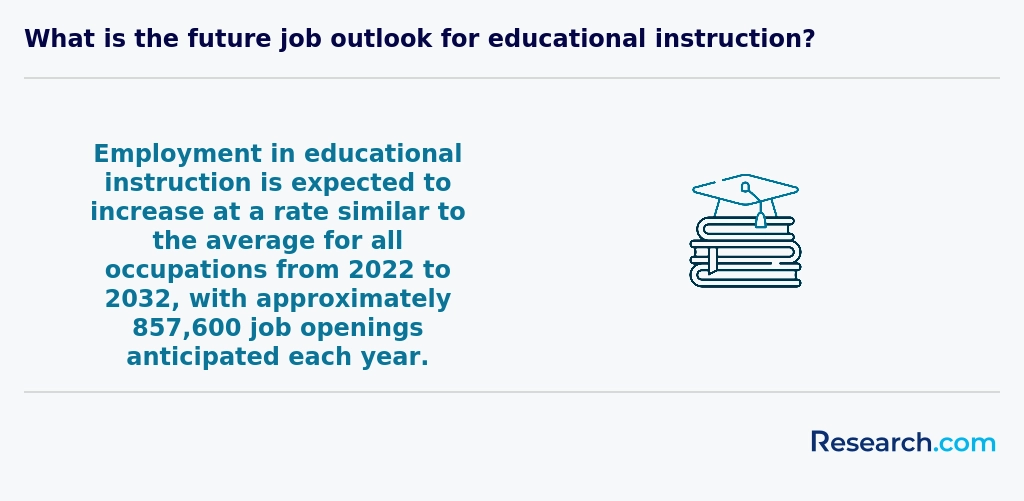
After completing an online TESOL degree in America, preparing for the job market involves several strategic steps. First, gaining practical experience through internships or volunteering with local ESL programs enhances teaching skills and strengthens your resume. According to the U.S. Bureau of Labor Statistics, the demand for adult ESL teachers is expected to grow 2% from 2022 to 2032, underscoring steady opportunities.
Networking is crucial; join professional organizations such as TESOL International Association to connect with educators and access job listings. Additionally, obtaining state-specific teaching certifications can improve job prospects in public schools. Familiarity with digital teaching tools and continuing education can further boost employability in a competitive market.
Employers in the U.S. seek several key skills in graduates holding online TESOL degrees. Strong communication abilities are essential to effectively teach English to diverse learners. Adaptability is also crucial, as instructors must tailor lessons to different cultural backgrounds and learning styles. According to the U.S. Bureau of Labor Statistics, interpersonal skills significantly impact success in education careers.
Additionally, employers value knowledge of language acquisition theory and classroom management techniques. Proficiency in digital teaching tools has grown in importance due to online learning trends, making tech-savviness a competitive advantage. Cultural sensitivity and patience remain foundational skills that TESOL graduates in America must demonstrate to succeed in their careers.
Finding internships relevant to a TESOL degree in America involves targeting schools, language centers, and community programs that offer English language learning. Many universities and colleges with TESOL programs have partnerships or internship listings for their students. According to NAFSA: Association of International Educators, internships help TESOL students gain practical classroom experience, which is often a program requirement.
Students should also explore organizations like local public school districts or adult education centers that provide services to English language learners. Networking through professional TESOL associations such as TESOL International Association can uncover internship opportunities.
Online platforms like Handshake and Internships.com often list TESOL-specific internships across the US. It is important to verify the internship's alignment with TESOL competencies outlined by CAEP (Council for the Accreditation of Educator Preparation) for relevance.
Obtaining an online TESOL degree in America significantly enhances career mobility by qualifying graduates to teach English to speakers of other languages in diverse settings. According to the U.S. Bureau of Labor Statistics, employment of adult literacy and remedial education teachers, including TESOL professionals, is projected to grow 7% from 2021 to 2031.
Online degrees offer flexible access to accredited programs, enabling professionals to upskill without disrupting current employment. This flexibility allows quicker advancement into roles such as curriculum developer, program coordinator, or higher education instructor, which often require formal certification.
Many schools and nonprofit organizations prefer certified teachers, making TESOL credentials a valuable asset for securing higher-paying or leadership positions.
Data from TESOL International Association also shows that certified TESOL professionals in the U.S. earn on average 15-20% more than non-certified English language instructors.
Studying for a TESOL degree in America offers valuable preparation for interdisciplinary roles by combining language teaching skills with cultural awareness and educational theory. Many programs include coursework that integrates linguistics, psychology, and technology, reflecting the diverse environments where English is taught. According to the TESOL International Association, over 75% of graduates work in settings requiring collaboration with other education professionals, social workers, or community organizers.
Online TESOL degrees in the US often provide training on curriculum development and assessment methods applicable across disciplines. American accreditation standards ensure programs equip students with adaptable communication techniques.
This interdisciplinary approach enhances graduates' employability in schools, nonprofits, and corporate environments that value multifaceted skill sets.
Choosing between a thesis and a non-thesis online TESOL degree in America primarily depends on your career goals and learning preferences. A thesis option typically involves conducting original research and writing a substantial paper, ideal for students aiming at academic or research roles. This path usually takes longer and demands strong research skills.
In contrast, non-thesis programs focus on practical coursework and may include a capstone project or comprehensive exams. According to the Council for Accreditation of Educator Preparation (CAEP), non-thesis tracks often appeal to teachers seeking immediate classroom application and faster program completion. Cost, time commitment, and post-degree plans should guide your decision.
Students in America seeking to study TESOL abroad often turn to online degree programs offered by international universities with flexible formats. Many U.S.-accredited institutions collaborate with foreign universities to provide joint online TESOL degrees, allowing students to gain global perspectives without leaving the country. Popular destinations for these programs include the UK, Australia, and Canada, where TESOL certification is well established.
American students can also explore study abroad programs that incorporate TESOL training with practical internships overseas. According to the Department of Education, nearly 70% of TESOL graduates value international experience as a career advantage.
Online options make it easier for U.S. students to access reputable global TESOL courses while balancing other commitments.
Part-time job opportunities in America that complement a TESOL degree often include roles in tutoring, language instruction, and educational support services. Many TESOL students find work as private English tutors, either in-person or online, helping non-native speakers improve their language skills.
Schools and community colleges sometimes hire part-time ESL instructors, providing practical teaching experience aligned with TESOL studies. According to the U.S. Bureau of Labor Statistics, employment for adult literacy and remedial education teachers is expected to grow by 9% from 2022 to 2032.
Additionally, TESOL graduates can work as curriculum developers or teaching assistants, gaining valuable insight into lesson planning and classroom management.
Online TESOL students in America have growing access to valuable networking opportunities despite the virtual format. Many accredited programs partner with professional organizations such as TESOL International Association, which has over 14,000 members globally and offers exclusive online forums and virtual conferences. These events enable students to connect with experienced educators and potential employers.
Universities often provide career services and virtual job fairs specifically for their TESOL students. Regional chapters and local meetups supplement online activities, fostering community among peers. Additionally, LinkedIn groups focused on TESOL are important platforms for networking, job leads, and mentorship, serving thousands of US-based professionals.
Research from the National Center for Education Statistics shows that students engaging in such platforms report higher post-graduation job placement rates, emphasizing the importance of active networking in the TESOL field in America.
Alumni networks play a significant role in supporting online TESOL degree students in America. These networks connect recent graduates with experienced professionals, creating valuable mentorship opportunities. According to the National Education Association, having access to a strong alumni community can increase job placement rates for TESOL graduates by up to 25%.
Many TESOL programs in the US offer active alumni associations that organize workshops, job fairs, and networking events. These gatherings often happen virtually, making it easier for online students to participate nationwide. Through these connections, students gain insights into American ESL teaching standards and hiring trends.
Furthermore, alumni networks provide access to exclusive job boards and internships tailored for TESOL candidates. This support helps students transition smoothly from education to employment, enhancing their career prospects in the competitive US language teaching market.
Customizing an online TESOL degree in America allows students to align their studies with specific career objectives. Many accredited programs offer elective courses focused on areas such as teaching young learners, business English, or curriculum design. This flexibility helps students gain specialized skills that enhance employability in diverse language teaching contexts.
Additionally, students can choose between certificates, bachelor's, or master's degrees depending on experience and goals. According to the U.S. Department of Education, about 70% of TESOL students select programs with practical components like internships or practicum placements. These experiences are valuable for building real-world teaching skills and professional networks.
Some universities also provide part-time or accelerated options to suit working adults. Selecting programs recognized by organizations like TESOL International Association ensures quality training consistent with U.S. standards.
Online TESOL students in America often face several distinct challenges. One common issue is limited access to real-time interaction with instructors and peers, which can hinder the collaborative learning process essential in language teaching programs. According to a 2022 report by the National Center for Education Statistics, nearly 30% of online students expressed difficulty staying engaged without face-to-face interactions.
Additionally, many students struggle with balancing coursework alongside personal and professional responsibilities, especially since TESOL programs require practice teaching hours. Technological barriers also impact students from rural or underserved areas, limiting their ability to fully participate in multimedia lessons crucial for TESOL certification.
Lastly, navigating accreditation differences and varied program quality may cause confusion, as some employers emphasize completion from regionally accredited institutions, as noted by the TESOL International Association.
An online TESOL degree in the United States opens doors to several respected professional certifications. Graduates often pursue the TESOL Certificate, a widely recognized credential that qualifies teachers to instruct English language learners globally. Additionally, the Certified ESL Teacher credential through organizations like the American TESOL Institute enhances employment prospects in K-12 schools.
Many also seek state-specific teaching certifications, especially if they plan to work in public school systems. For example, some states require passing the Praxis II: English to Speakers of Other Languages (ESOL) exam for licensure.
Beyond teaching credentials, options include specialized certifications in ESL literacy, bilingual education, or English language program administration. According to the U.S. Bureau of Labor Statistics, employment for ESL teachers is projected to grow 11% from 2020 to 2030, underscoring the value of these credentials.
To write a winning application for an online TESOL program in America, start by highlighting your passion for teaching English to speakers of other languages. Emphasize any relevant experience, such as tutoring, volunteering, or working with diverse communities. Programs typically look for strong communication skills and cultural awareness.
Include a clear statement of purpose explaining why you want a TESOL degree and how it aligns with your career goals. According to the TESOL International Association, about 70% of programs require a statement outlining your motivation and background.
Ensure your academic transcripts reflect solid performance, especially in language-related courses. Many American online TESOL degrees require a minimum GPA of 2.5 to 3.0.
Lastly, secure strong letters of recommendation from educators or employers who can attest to your teaching potential and dedication. This strengthens your profile considerably.
TESOL careers offer significant opportunities worldwide, fueled by the increasing demand for English language education. According to the U.S. Bureau of Labor Statistics, employment for adult literacy and remedial education teachers, including TESOL professionals, is projected to grow 7% from 2021 to 2031. Many American online TESOL degree graduates find work abroad or with international organizations, reflecting the global nature of the profession.
American institutions often emphasize cross-cultural competence and practical teaching skills, which enhances graduates' appeal globally. The TESOL International Association highlights that over 100 countries seek qualified teachers, underscoring the worldwide need.
In short, an online TESOL degree from the U.S. provides credible credentials with strong international recognition, promoting diverse career paths in education, business, and diplomacy.
Gaining practical experience while studying for an online TESOL degree in America is essential for career success. Many accredited programs incorporate practicum components, requiring students to complete supervised teaching hours, often through virtual classrooms or local schools. This hands-on practice helps develop classroom management and lesson-planning skills.
Additionally, students can volunteer or seek part-time ESL teaching roles within their communities. According to the U.S. Bureau of Labor Statistics, practical teaching experience significantly improves employment prospects in the TESOL field. Some universities also connect students with online tutoring platforms to teach English learners globally, providing diverse exposure.
Engaging in peer-teaching groups and educational webinars further supplements practical learning during the degree.
Choosing the right concentration within an online TESOL degree program in America depends largely on your career goals and the student populations you wish to serve. Many programs offer focuses such as K-12 education, adult education, or specialized fields like English for specific purposes (ESP), including business or healthcare. According to the U.S. Bureau of Labor Statistics, demand for ESL teachers in K-12 settings is expected to grow by 10% from 2022 to 2032, making this concentration popular.
Consider also the type of certification you need. Some states require specific endorsements aligned with certain TESOL concentrations to teach in public schools. Researching state licensing requirements is essential before choosing.
Look for programs accredited by bodies recognized in the U.S., such as the Council for the Accreditation of Educator Preparation (CAEP), ensuring your concentration meets industry standards.
Lastly, accessing up-to-date graduation and job placement rates can help you evaluate a program's effectiveness within your chosen concentration.
Top Trending TESOL Rankings
References
- TESOL Exam Success: Pathways to Teaching Abroad | TEFL Institute https://teflinstitute.com/blog/tesol-exam-certification-pathways/
- What are the opportunities for career advancement in TESOL? | ITTT TESOL & TESOL https://www.tesolcourse.com/ai/what-are-the-opportunities-for-career-advancement-in-tesol/
- How Much Does A TESOL Course Cost? https://internationaltefltesol.com/how-much-does-a-tesol-course-cost/
- TESOL LIVE! Connect Around the World - August 2026 https://iatefl.org.pl/tesol-live-connect-around-the-world/
- ESL to Children Teaching Jobs in Poland | SeriousTeachers https://www.seriousteachers.com/teaching-jobs/131/5/teach-esl-to-children-job-offers-in-poland
- Cost of TESOL Certification | American TESOL Institute https://americantesol.com/tesol-prices.html
- 4 Surprising Career Paths for a Certified TESOL Teacher https://www.centraloverseaseducationservices.com/post/four-surprising-career-paths-for-a-certified-tesol-teacher
- 120 Hour Online TEFL / TESOL | Most Accredited Course | Tefl.org https://www.tefl.org/en-us/courses/online/120-hour-premier-online-tefl-course/
- How to Make Money Online with English Teaching Niches https://eteflonline.com/how-to-make-money-online-english-teaching-niches/
- ESL Job Guide - World TESOL Academy https://www.worldtesolacademy.com/blog/esl-job-guide/


