2027 Most Affordable Online Master's in Sustainability Degree Programs Ranking in the USA

Co-Founder and Chief Data Scientist
Choosing the right sustainability master's program can feel overwhelming, but this article is here to help. The 2027 Most Affordable Online Master's in Sustainability Degree Programs Ranking in the USA was created by the Research.com team of data scientists to guide you in making an informed decision.
Exploring affordable and reputable online options means you can advance your career while balancing life's demands. A sustainability degree not only boosts job prospects but also empowers you to make a meaningful impact on the planet's future.
Read on to find programs worth considering for your journey.
Key benefits of getting online sustainability degree in America
- Graduates with sustainability degrees often pursue careers like environmental consultants or specialists, where the average annual salary can range broadly, but typical roles in related fields start around $50,000 and can increase with experience.
- Many sustainability degree holders find opportunities in diverse sectors such as renewable energy, urban planning, and corporate sustainability, inspired by examples like graduates from Arizona State University who successfully enter these growing fields.
- Completing a sustainability degree online, as demonstrated by students at Oregon State University, offers flexible schedules and access to quality education from anywhere, making it easier to balance work, life, and studies compared to traditional campuses.
- Key benefits of getting online sustainability degree in America
- What can I expect from online sustainability degree in America?
- Where can I work with online sustainability degree in America?
- How much can I make with online sustainability degree in America?
- 2027 Most Affordable Online Master's in Sustainability Degree Programs Ranking in the USA
- Key Findings
- How long does it take to complete online sustainability degree in America?
- What's the difference between online and on-campus sustainability degree?
- What is the average cost of online sustainability degree in America?
- What financial aid is available to online sustainability degree students in America?
- What are the prerequisites for enrolling in online sustainability degree program in America?
- What courses are typically in online sustainability degree programs in America?
- What types of specializations are available in online sustainability degree programs in America?
- How do you choose the best online sustainability degree in America?
- What career paths are available for online sustainability degree students in America?
- What is the job market for online sustainability degree in America?
- Top Trending Sustainability Rankings
What can I expect from online sustainability degree in America?
The average cost of an online sustainability degree in America can vary quite a bit, but many students find it more affordable than traditional on-campus programs. For example, graduates from well-known schools like Arizona State University or the University of Florida often share how the flexibility not only helped them balance work and life but also saved money on commuting and campus fees. Tuition rates might range from around $10,000 to $30,000 per year, depending on if the school offers in-state tuition for online students or not.
Many programs even let students pay less by offering scholarships, financial aid, or employer tuition reimbursement, making it way easier to manage costs. Students appreciate that some universities treat online learners almost like local students when it comes to pricing, which is a huge relief for those living outside the state but wanting quality education. So, if you're aiming for a sustainability degree, there's good news-you can often find budget-friendly options that fit your lifestyle and career goals.
Where can I work with online sustainability degree in America?
If you're wondering where you can work with an online sustainability degree in America, the options are pretty exciting and diverse. Graduates from schools like Arizona State University or the University of Vermont often land jobs in companies focused on cutting down their environmental footprint. Imagine helping a big business become greener every day-that's what sustainability managers do, and it's in high demand.
Some grads head straight into government jobs, working at places like the Environmental Protection Agency or local state offices. They dive into creating policies or managing programs that actually protect communities and natural resources. Others find their passion in nonprofits, coordinating outreach or writing grants for causes they truly believe in.
Then there's renewable energy-super hot right now. Think managing solar or wind energy projects, which some graduates from popular colleges like the University of Colorado Boulder are already doing. Plus, urban planning and public health roles are perfect fits too, blending sustainability with real-world impact.
It's pretty awesome how many ways you can make a difference after studying sustainability online in the US.
How much can I make with online sustainability degree in America?
If you're wondering how much you can make with an online sustainability degree in America, here's the scoop: graduates typically start with salaries around $50,000 to $65,000 a year. Think of entry-level roles like sustainability coordinators or environmental analysts-these are the kinds of jobs new grads from schools like Arizona State University or University of Florida often land. It's a solid starting point to gain real-world experience without feeling stuck.
As you build your skills and rack up experience, you can move into fancier titles like sustainability manager or environmental consultant, where annual pay jumps to between $85,000 and $120,000. Graduates from programs at places like Colorado State University have shared that focusing on corporate sustainability or energy management boosts their salaries, especially in big cities like New York or San Francisco.
Certifications like LEED AP or expertise in renewable energy also make a nice difference. Employers really notice those specialized skills, helping grads land higher-paying gigs and feel proud of their growth in this exciting field.
2027 Most Affordable Online Master's in Sustainability Degree Programs Ranking in the USA
How do we rank schools?
Investing in your education is a significant decision that can shape your future, and the Research.com team fully recognizes the importance of making well-informed choices. To support prospective students interested in sustainability, we have carefully developed the "2027 Most Affordable Online Master's in Sustainability Degree Programs Ranking in the USA." Our dedication to quality, credibility, and accuracy is evident through the extensive research and analysis that underpin this ranking.
We utilized the following reputable data sources to ensure a comprehensive evaluation of online sustainability master's programs:
By exploring this ranking, readers will gain valuable insights into affordable and credible programs that align with their educational and career goals. For more information on how our rankings are created, please visit our Research.com methodology page.

# 2 position
Embry-Riddle Aeronautical University-Worldwide
Master of Aviation and Aerospace Sustainability


Key Findings
- Online sustainability degrees focus on environmental science, sustainable business, and green policy to prepare students for varied roles in environmental responsibility.
- Master's degrees typically cost between $15,000 and $35,000, with public universities offering lower tuition for in-state residents and private schools charging higher fees.
- Starting salaries for sustainability specialists range from $50,000 to $60,000, with mid-career wages rising to $70,000-$90,000, and senior roles exceeding $100,000 annually.
- The job market is expected to grow 8% from 2021 to 2031, driven by increased corporate and government focus on sustainability efforts.
- Sustainability graduates find careers in sectors like government, non-profits, manufacturing, energy, and consulting, with many programs including practical virtual labs or projects.
How long does it take to complete online sustainability degree in America?
If you're thinking about snagging an online sustainability degree in America, expect it to take anywhere from one to three years, depending on how you pace yourself. For example, many students at popular schools like Arizona State or the University of Florida find that a master's in sustainability usually wraps up in about 18 to 24 months if they're going full-time. But if life gets busy-maybe juggling work or family-part-time schedules stretch that out to three years or even a bit more.
Some grads love sharing how they sped things up by taking extra courses each semester, finishing in just 12 to 15 months! Of course, that's a pretty intense schedule, but really rewarding if you're motivated. On the flip side, bachelor's degrees tend to stick around the traditional four years, though a few places let you shave off time with transfer credits or accelerated programs.
Students at schools like Colorado State often mention how hands-on internships sprinkled into their online coursework added valuable real-world meaning-and sometimes influenced their finish time too. It's all about finding the rhythm that suits your lifestyle and goals.
What's the difference between online and on-campus sustainability degree?
If you're choosing between an online or on-campus sustainability degree in America, the biggest difference is how you experience college life. On-campus programs at schools like the University of Vermont or Colorado State University let you dive into hands-on labs, fieldwork, and face-to-face chats with professors and classmates. Graduates often say those in-person moments really helped them build connections and stay motivated.
Online programs, on the other hand, offer way more flexibility. Think about juggling work or family while studying-universities like Arizona State and Oregon State have popular online sustainability degrees that let you study anytime, anywhere. Students appreciate being able to use virtual labs and join group projects through video calls, making it feel interactive even if they're miles from campus.
Tuition-wise, online tends to be easier on the wallet, often half the cost of traditional programs, which is a big plus for many. Whether you want the buzz of campus life or the freedom to learn on your own terms, both paths prepare you well for green careers ahead.
What is the average cost of online sustainability degree in America?
If you're wondering about the average cost of an online sustainability degree in America, it generally lands around $25,500 total. But that number can shift quite a bit depending on where you study and whether you qualify for in-state tuition. For example, many public universities offer rates closer to $11,700 for residents, making online learning much more affordable for locals. Out-of-state students might pay closer to $22,600, which still beats some private school prices.
Graduates from schools like the University of Illinois Urbana-Champaign often share how their $18,000 online Master of Science in Environmental Sustainability felt like a solid investment, especially considering the flexibility and career growth it enabled. Northern Arizona University alumni report paying about $13,000 for their online sustainability degrees, combining affordability with strong faculty support. Meanwhile, those attending Colorado State University Online might see a steeper price tag around $35,000 but gain access to specialized programs that suit their environmental passion.
Many students find that searching for affordable online master's in sustainability programs 2027 and beyond means balancing tuition against scholarships, assistantships, and savings on commuting or housing costs. Plus, the real game-changer for many is the exciting career options post-graduation. If you want to explore what you can do with your degree, looking into masters in sustainability jobs can give a hopeful glimpse into your future.
What financial aid is available to online sustainability degree students in America?
If you're looking at online sustainability degrees in America, financial aid options can really help lighten the load. Many grads from popular schools like Arizona State University or Colorado State University have found federal aid super useful. Filling out the FAFSA opens doors to loans and even grants like Pell Grants for undergrads, though grad students mainly lean on federal loans, which feel manageable with smart planning.
State grants are another sweet deal, especially if you're studying at a public university close to home. Many folks in states with strong environmental programs snag extra funding just for focusing on sustainability fields. It's like your state rooting for you to make a difference!
Private scholarships tied to environmental causes are also a hit. Some grads share how scoring awards from nonprofits or groups linked to the EPA really boosted their confidence and bank account. Plus, a lot of companies passionate about green energy or sustainability offer tuition reimbursements if you're working - turning your job into a win-win.
Finally, don't overlook institutional aid. At schools like Oregon State or Rutgers, online students often receive assistantships or merit scholarships, which many grads say made them feel supported beyond just textbooks and lectures.
What are the prerequisites for enrolling in online sustainability degree program in America?
If you're thinking about enrolling in an online sustainability degree in America, the main thing you'll need is a bachelor's degree from a recognized college or university. It doesn't always have to be in environmental science-graduates from places like Arizona State University or the University of California have come from all kinds of majors, like business or social sciences, and still found their footing in these programs.
Most programs ask for a decent GPA, usually around 3.0, but some students with lower GPAs have gotten in thanks to strong professional experience in sustainability fields. For example, grads who worked on green projects or environmental policy found their practical skills really helped their applications stand out.
Letters of recommendation and a statement of purpose are pretty standard too. Many students talk about how sharing their passion for sustainability and previous work experience made this part fun rather than stressful.
Plus, the GRE test is often not required anymore, which takes a load off many applicants. Reliable internet and some tech-savviness are a must since you'll be juggling classes online, maybe while balancing work or family life-something quite a few students at schools like Colorado State University have successfully managed!
What courses are typically in online sustainability degree programs in America?
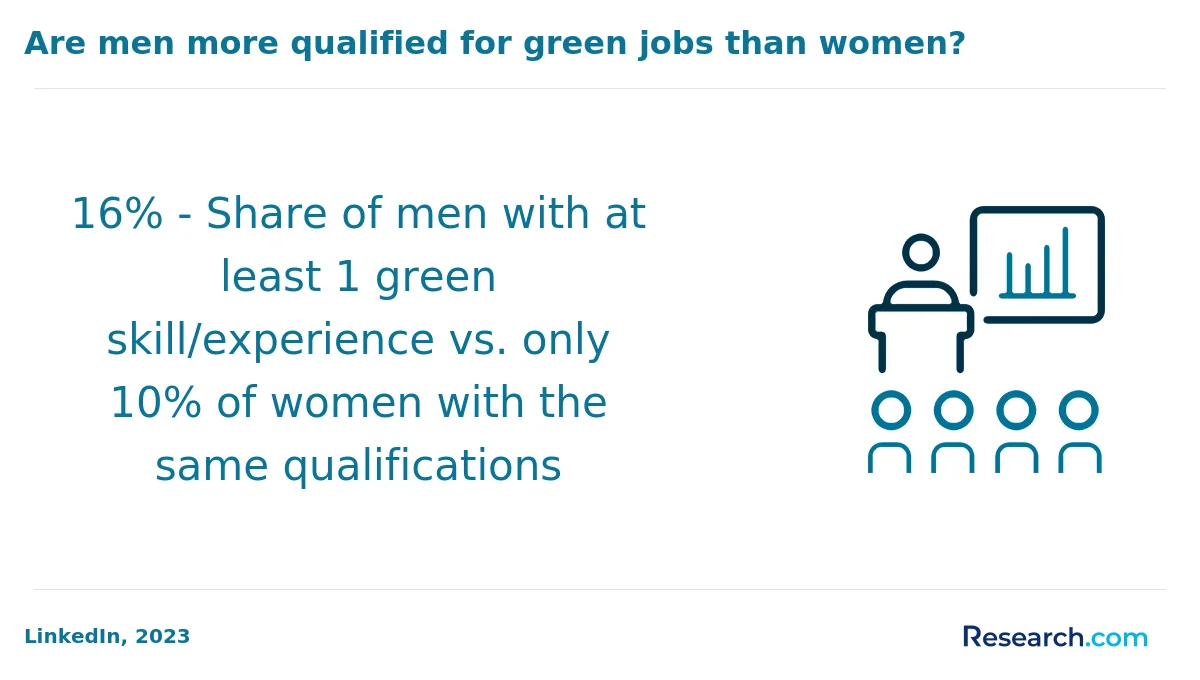
If you're diving into an online sustainability degree in America, expect to tackle courses that really get you thinking about the environment from all angles. Graduates from popular schools often mention how hands-on classes like Environmental Science and Ecology helped them understand ecosystems and biodiversity in ways that felt super relevant to real-world stuff, like protecting local parks or managing resources in their communities.
Many students talk about Sustainability Principles and Practices as their "aha" moment, where they learned about circular economies and how businesses can be greener without losing money. Schools known for sustainability, like some state universities, also offer classes in Environmental Policy and Law, which break down U.S. regulations and international agreements-perfect if you want to work in policy or advocacy.
Energy Systems and Climate Change Science were favorites for those excited about renewable energy and cutting carbon footprints, giving them tools to make real impact. Plus, courses on Sustainable Business or GIS (that's Geographic Information Systems) provide practical skills that grads say helped land them jobs quickly.
What types of specializations are available in online sustainability degree programs in America?
When you dive into an online sustainability degree in America, you'll find several cool specializations that really let you zero in on what excites you most. Lots of graduates from well-known schools like Arizona State University or the University of Florida rave about focusing on environmental management and policy. It's all about understanding laws and conservation efforts, which is perfect if you're thinking about working with government agencies or nonprofits. This kind of specialized sustainability master's programs America offer is tailored to keep you in the loop with real-world environmental challenges.
Other students are drawn to renewable energy, which covers everything from solar to wind power. Picture yourself working on green energy projects that truly make a difference, something many graduates from places such as Colorado State University have experienced firsthand. If you're into business, corporate sustainability and social responsibility tracks teach how companies go green and give back to their communities-a growing trend among big U.S. firms.
Urban and regional planning or climate resilience are also popular choices, shaping how cities grow sustainably and tackle climate threats. For a closer look at how these areas are taught, you might check out some top-notch online mba programs sustainability students love. These options make sure you gain hands-on skills that work in today's job market.
How do you choose the best online sustainability degree in America?
Picking the best online sustainability degree in America is all about finding a program that fits your lifestyle and career goals. Graduates from well-known schools like Arizona State University or the University of Vermont often mention how important it was for them to choose a program with solid regional accreditation and a curriculum that blends environmental science, policy, and social justice. This mix really prepares you for the real world.
Many students looking for affordable online sustainability degree programs USA appreciate those that keep tuition between $10,000 and $25,000 total, which is a relief compared to some pricier options. Plus, the flexibility of asynchronous classes and supportive online communities makes juggling work and studies much easier. One grad shared how their school's internships and hands-on projects gave them confidence for their first job.
Don't forget to check out resources on sustainability career paths to make sure your degree aligns with what you want to do. That's key to landing a job in a field that's growing fast and full of opportunity.
For those aiming at the best online master's in sustainability America has to offer, it's all about combining quality, cost, and real-world skills so you can thrive after graduation.
What career paths are available for online sustainability degree students in America?
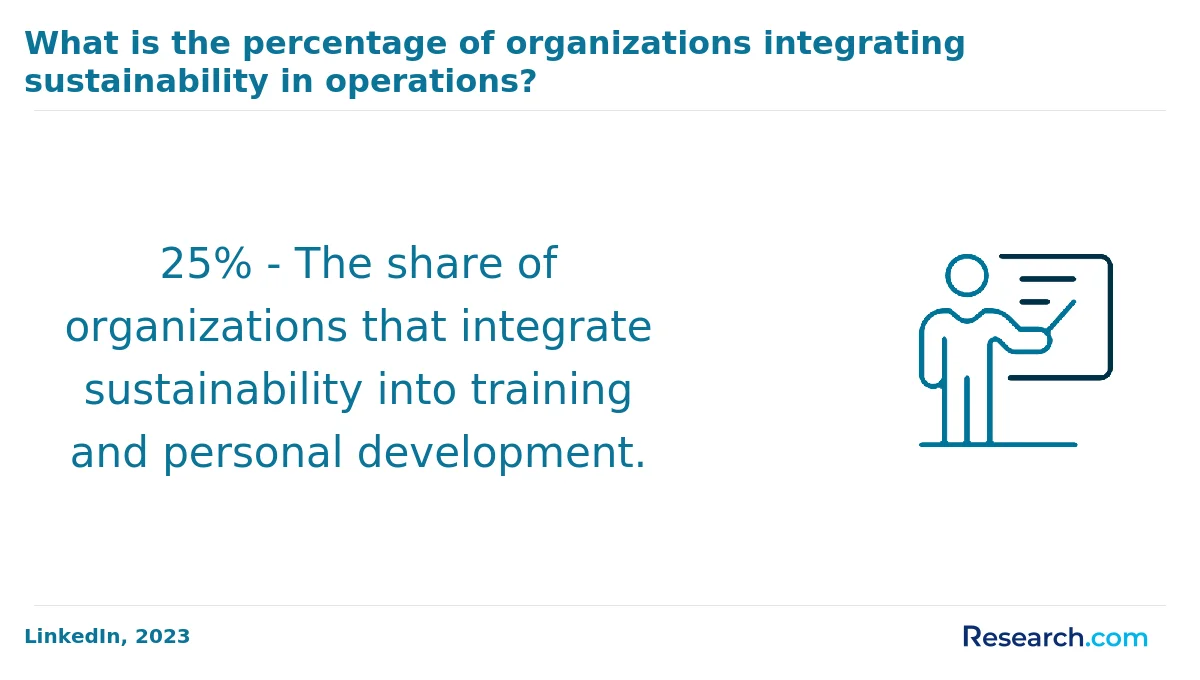
Graduates with an online sustainability degree in America find themselves stepping into a world full of exciting career options. Whether it's working as environmental consultants helping businesses lower their carbon footprint or becoming sustainability coordinators who create greener policies for companies, the opportunities are real and growing. Many grads from popular universities in the U.S. share stories about how they landed roles in renewable energy projects or corporate social responsibility teams, feeling proud to make a difference every day.
Some explore urban and regional planning, designing sustainable communities, while others dive into natural resource management, protecting land and wildlife. The job prospects for sustainability graduates in America keep expanding, especially as firms and governments look for experts who can guide ethical and eco-friendly practices. Learning how to become an environmental scientist online has opened doors for many, with programs focusing on environmental data and regulations preparing them well. For those curious about the path, check out how to become environmental scientist.
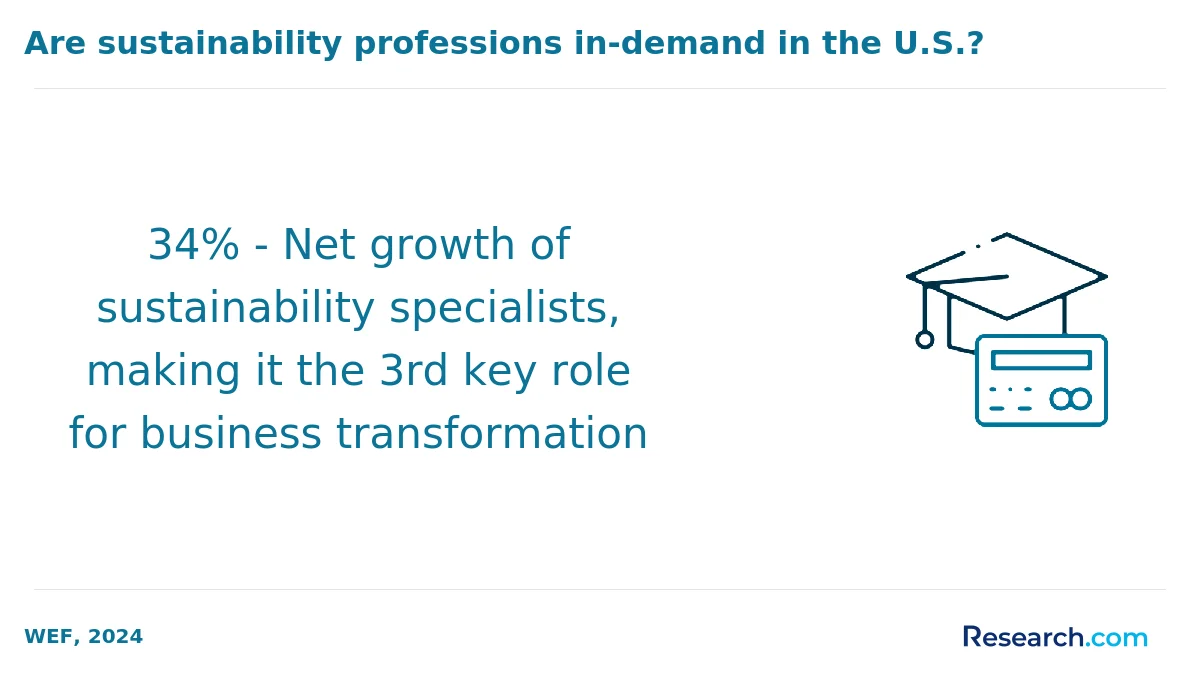
What is the job market for online sustainability degree in America?
The job market for graduates with an online sustainability degree in America is looking pretty bright right now. Many graduates from well-known programs, like those at Arizona State University or the University of Vermont, find themselves stepping into roles such as sustainability coordinators or energy managers soon after finishing their degrees. The demand is driven by companies and organizations wanting to boost their environmental impact, which means your skills in environmental management and policy development are really valuable.
For students searching for practical experience while studying, online programs often include real-world projects that make jumping into the workforce easier. Plus, entry-level jobs often start around $50,000 to $65,000 a year, with the potential to surpass $90,000 as you gain experience. If you want to know more about jobs in sustainability, check out jobs in the environmental field for a deeper look at what's out there.
Many find the online route great because it fits with their busy lives and helps them build the interdisciplinary skills employers are after. In short, the online sustainability degree job outlook USA looks promising for those ready to make a difference.
Employment opportunities for sustainability graduates America-wide are growing, especially as companies adopt greener policies and state regulations get stricter.
Frequently Asked Questions About sustainability
Students pursuing online sustainability degrees in America can maximize their learning by actively participating in virtual discussions and group projects. Research from the National Center for Education Statistics shows that engagement improves retention and skills application. Leveraging resources offered by accredited institutions, such as webinars and library databases, is crucial.
Connecting with sustainability professionals through online networking platforms enhances real-world understanding. According to the U.S. Bureau of Labor Statistics, careers in sustainability are growing by 5% annually, so practical knowledge is valuable. Additionally, students should seek internships or volunteer opportunities with organizations focused on renewable energy or environmental policy to apply theory to practice.
Regularly tracking industry trends via credible sources like the Environmental Protection Agency helps students stay current with regulations and innovations in American sustainability efforts.
The sustainability field in the U.S. is expanding into several emerging niches driven by environmental and economic challenges. One growing area is circular economy management, focusing on reducing waste and promoting recycling to enhance resource efficiency. According to the U.S. Environmental Protection Agency, industries are increasingly adopting circular models to curb waste pollution.
Another important niche is renewable energy project management, centered on planning and implementing solar and wind energy systems. The U.S. Department of Energy reports a 20% annual increase in job openings in renewable sectors.
Urban sustainability and green infrastructure design also show rapid growth, addressing climate resilience in cities. These specializations reflect evolving demands for expertise in sustainable development within American industries and policy frameworks.
To prepare for the job market after completing an online sustainability degree in America, graduates should build a strong professional network. Joining organizations like the U.S. Green Building Council or the Association of Climate Change Officers connects students with industry leaders. Acquiring relevant certifications, such as LEED or Certified Energy Manager (CEM), can improve job prospects as employers value these credentials.
Internships or volunteer experiences related to sustainability provide practical skills employers seek. According to the U.S. Bureau of Labor Statistics, green jobs are expected to grow by 8% through 2030, signaling opportunities across sectors. Tailoring resumes with measurable outcomes from projects and internships is vital to stand out.
Employers in America increasingly seek graduates with sustainability degrees who possess strong analytical and problem-solving skills. The ability to assess environmental data and develop actionable solutions is essential. Communication skills, both written and verbal, are highly valued to effectively engage stakeholders and promote sustainable practices.
Technical knowledge in areas such as renewable energy, environmental policy, and resource management is often required. According to the U.S. Bureau of Labor Statistics, green job sectors are expected to grow 8% through 2031, increasing demand for professionals skilled in these areas.
Additionally, project management and teamwork abilities are critical, as sustainability initiatives often involve cross-disciplinary collaboration.
Finding internships relevant to a sustainability degree in America involves targeted research and networking. Begin by exploring university career services, which often list internship opportunities with environmental agencies, nonprofits, and green businesses. The U.S. Environmental Protection Agency (EPA) and the Department of Energy provide internship programs that focus on sustainability projects and research.
Online platforms like Handshake and LinkedIn also offer searchable internships specific to sustainability roles. According to the National Association of Colleges and Employers (NACE), over 60% of students secure internships through networking and referrals, making professional connections crucial.
Volunteering with organizations such as the Sierra Club or local conservation groups can also open doors to internships. Stay updated with sustainability job boards like the Environmental Career Opportunities to find the latest positions tailored to your field.
An online sustainability degree in America can significantly enhance career mobility and advancement. As the US economy increasingly prioritizes environmental responsibility, professionals with sustainability expertise are in higher demand across multiple sectors including government, corporate, and nonprofit organizations. According to the U.S. Bureau of Labor Statistics, employment of environmental scientists and specialists is projected to grow 8% from 2022 to 2032, faster than the average for all occupations.
Graduates with specialized knowledge from online sustainability programs can qualify for roles such as sustainability analysts, environmental consultants, or corporate social responsibility managers. These positions often offer opportunities for promotion into leadership roles.
Moreover, many American employers recognize accredited online degrees, making it easier for students to balance work and education. This flexibility supports career growth without interrupting one's income. Programs frequently emphasize skills like data analysis, policy comprehension, and project management, which are vital for advancing in sustainability-related fields.
Studying for a sustainability degree in America equips students with a broad skill set essential for interdisciplinary roles. Programs typically combine environmental science, policy, economics, and social sciences, reflecting the complexity of sustainability challenges. According to the National Center for Education Statistics (NCES), many U.S. universities emphasize collaborative projects and real-world problem solving to prepare graduates for diverse careers.
Students learn to analyze environmental data, develop sustainable business strategies, and understand regulatory frameworks. This integrated approach fosters adaptability, critical thinking, and communication skills, crucial for roles spanning corporate sustainability, urban planning, and public policy.
Moreover, the U.S. Bureau of Labor Statistics projects a 9% growth by 2031 in environmental science and protection jobs, highlighting demand for interdisciplinary expertise.
Choosing between a thesis and a non-thesis online sustainability degree in America depends largely on your career goals and learning preferences. A thesis program requires conducting original research and writing a detailed paper, which is ideal for students aiming for careers in research, policy development, or pursuing a PhD. The non-thesis option emphasizes coursework and practical skills, often preferred by professionals seeking immediate application in environmental management or corporate sustainability.
According to the U.S. Department of Education, over 60% of online sustainability master's programs offer both options. Thesis tracks typically take longer to complete and involve closer faculty mentorship. Understanding your professional aspirations helps decide the best fit.
American students interested in studying sustainability abroad through online programs have several pathways to consider. Many U.S. universities partner with international institutions, offering joint or dual degree options in sustainability disciplines. These collaborations allow students to gain global perspectives while remaining enrolled in accredited U.S. programs.
Another option includes fully online sustainability degrees from foreign universities that accept U.S. students, enabling global learning without relocating. However, accreditation and credit transfer compatibility should be carefully reviewed to ensure recognition in the U.S. job market.
According to the National Center for Education Statistics, growing demand for sustainability education reflects in over 250 accredited U.S. colleges offering environmental and sustainability-related programs.
Part-time job opportunities in America that complement an online sustainability degree are diverse and practical. Students often find roles as environmental research assistants, supporting data collection and analysis for sustainability projects. According to the U.S. Bureau of Labor Statistics, environmental science technician roles are growing at a faster-than-average rate of 6% through 2032, indicating strong future demand.
Internships with local government agencies or non-profits provide hands-on experience in environmental policy and community outreach. Many also work in renewable energy companies, assisting with project management or customer education on energy efficiency.
These jobs help students apply classroom concepts to real-world challenges, enhancing employability post-graduation.
Online sustainability students in America benefit from diverse networking opportunities that connect them with professionals, alumni, and industry experts. Many universities offer virtual career fairs, webinars, and discussion forums focused on sustainability issues. These platforms allow students to build relationships beyond their local regions.
Professional organizations such as the U.S. Green Building Council and the National Association of Environmental Professionals host online events and provide membership benefits tailored to students. According to a 2023 report from the Association for the Advancement of Sustainability in Higher Education, 68% of online sustainability students engage in at least one professional network during their studies.
These virtual connections often lead to internships, research projects, and job placements, enhancing career prospects without geographic limitations.
Alumni networks offer significant advantages to students pursuing online sustainability degrees in America. These networks provide access to a broad community of professionals working in various sustainability fields, fostering valuable connections for internships and job opportunities. According to the National Association of Colleges and Employers, 85% of jobs are filled through networking resources, highlighting the importance of alumni relations.
Many universities with sustainability programs maintain active alumni groups who share industry insights and mentorship. This guidance helps students navigate the evolving green job market, which the U.S. Bureau of Labor Statistics projects to grow by 8% through 2030.
Through online forums, webinars, and local meetups, students gain real-world perspectives that enhance their academic experience and career readiness.
Many online sustainability degree programs in America offer flexible curricula that allow students to tailor their studies according to specific career goals. Typically, students can choose from various concentrations such as environmental policy, renewable energy, sustainable business, or urban planning. According to the U.S. Department of Education's College Scorecard, more than 60% of accredited programs provide elective courses enabling customization.
Advisors often help students design a course plan aligning with professional interests, combining core sustainability principles with specialized topics. Some programs also include opportunities for virtual internships or project work related to U.S. sustainability challenges, enhancing practical skills relevant to the job market.
The availability of certificate options within the degree can also focus expertise in areas like climate resilience or green technology innovation, increasing employability in growing sectors supported by the U.S. Bureau of Labor Statistics projections.
Online sustainability students in America encounter several common challenges during their studies. One major issue is balancing coursework with professional and personal commitments, as many students enroll while working full-time. According to the National Center for Education Statistics (NCES), nearly 40% of graduate online learners also manage careers, making time management critical.
Another challenge lies in limited hands-on experiences. Sustainability often requires fieldwork or lab access, which can be difficult to replicate virtually. While some programs offer virtual labs, they may lack the depth of in-person learning opportunities.
Additionally, students face variability in program quality and accreditation. Not all online sustainability programs meet the same rigorous standards, creating potential confusion about degree value and job market competitiveness.
With an online sustainability degree in the United States, graduates can pursue several professional certifications that enhance career opportunities. One popular option is the LEED Accredited Professional credential, offered by the U.S. Green Building Council, which focuses on green building standards and sustainable construction.
Another valuable certification is the Certified Energy Manager (CEM), issued by the Association of Energy Engineers. It focuses on energy efficiency and management, critical skills in sustainability roles.
Additionally, the ISSAP (Information Systems Security Architecture Professional) is less common but growing in relevance for sustainability in technology sectors. Many professionals also pursue credentials from the International Society of Sustainability Professionals (ISSP), such as the ISSCP (Certified Sustainability Professional).
To write a winning application for an online sustainability program in America, start by clearly articulating your passion for environmental issues and sustainable development. Admissions committees look for candidates with genuine commitment and relevant experience.
Include specific examples of any projects, work, or volunteer roles related to sustainability. Highlight skills in data analysis, policy, or environmental science, which are highly valued in this field.
Demonstrating understanding of current US sustainability challenges, such as climate change impacts and renewable energy adoption, strengthens your candidacy. Citing reputable sources like the U.S. Environmental Protection Agency (EPA) or the National Renewable Energy Laboratory can add credibility.
Finally, tailor your personal statement to each program, reflecting your goals and how their curriculum aligns with the evolving sustainability workforce demand, projected to grow 8% through 2031 according to the U.S. Bureau of Labor Statistics.
Global perspectives on sustainability careers highlight the growing importance of environmental, social, and economic stewardship. In the United States, the Bureau of Labor Statistics projects a 5% job growth in environmental science and specialists from 2022 to 2032, reflecting strong demand. This trend aligns with international efforts, as countries increasingly adopt green policies and sustainable practices.
American students pursuing online sustainability degrees benefit from curricula that integrate global challenges with domestic solutions. Programs often emphasize global climate agreements, such as the Paris Accord, and sustainable development goals defined by the United Nations.
Such degrees prepare graduates for roles that require understanding both local impacts and worldwide sustainability frameworks, demonstrating how careers in this field offer diverse, international relevance supported by U.S. education standards.
Gaining practical experience while pursuing an online sustainability degree in America is essential for career readiness. Many programs incorporate internships or cooperative education opportunities that allow students to work with local organizations or companies focused on environmental management and renewable energy. According to the National Environmental Education Foundation, over 70% of sustainability employers seek candidates with hands-on experience.
Students can also participate in virtual labs, simulations, or project-based courses often integrated into curricula. Another option is volunteering with community sustainability initiatives, which provides real-world challenges and networking. Additionally, some schools collaborate with government agencies like the EPA to offer research assistantships remotely.
Choosing the right concentration within an online sustainability degree program in America depends on your career goals and interests. Common concentrations include environmental policy, renewable energy, and sustainable business management. According to the U.S. Bureau of Labor Statistics, jobs in renewable energy are projected to grow 8% from 2022 to 2032, making related concentrations promising.
Consider labor market demand and how each concentration aligns with industries like government, nonprofits, or private sector. Look at curriculum details and whether the program offers practical experiences such as internships or projects. Accreditation and flexibility for working professionals are also key factors to evaluate.
Top Trending Sustainability Rankings
References
- Sustainability networking: top sustainability conferences https://instituteofsustainabilitystudies.com/insights/guides/sustainability-networking-top-sustainability-conferences/
- Study sustainability https://www.massey.ac.nz/study/find-a-subject-course-or-qualification/study-sustainability/
- /Top 10 tips for writing a compelling cover letter for Environment and Sustainability jobs https://www.isepjobs.org/blog/careers-advice/top-10-tips-writing-compelling-cover-letter-environment-and-sustainability-jobs
- Sustainability Study Abroad Programs | The GREEN Program https://thegreenprogram.com/
- 44 sustainability certifications for businesses and sustainability professionals https://fsc.org/en/blog/sustainability-certifications
- 2025 Most Affordable Online Environmental Science Degrees https://www.onlineu.com/most-affordable-colleges/environmental-science-degrees
- Sustainability Jobs: Discover the Top 10 Most In-Demand for 2025 https://enable.green/news/the-top-10-most-in-demand-sustainability-jobs-in-2025/
- Imperial Sustainability Alumni Network https://www.imperial.ac.uk/alumni/groups/alumni-affinity-networks/sustainability/
- Bachelor of Arts in Sustainability Management | Batten University Online https://online.batten.edu/undergraduate/bachelor-of-arts-sustainability-management
- 7 challenges in education for sustainable development – and how you can address those https://www.jonerikdahlin.com/uncategorized/7-challenges-in-education-for-sustainable-development-and-how-you-can-address-those/