2027 Best Speech Pathology Degree Programs Ranking in Provo

Co-Founder and Chief Data Scientist

Reviewed by Rhea Paul, PhD
SLP Education & Research Expert
Choosing the right speech pathology degree program is a crucial step for students in Provo aiming to build a rewarding career. This article introduces the 2027 Best Speech Pathology Degree Programs Ranking in Provo, developed by the Research.com team of data scientists to provide clear, reliable guidance.
By exploring this ranking, you can confidently identify programs that align with your goals and interests. A degree in speech pathology opens doors to meaningful work helping others communicate better, making your educational journey both valuable and fulfilling.
Key benefits of getting speech pathology degree in Provo
- Salary for speech pathology degree graduates: Graduates in Provo can expect competitive salaries, such as Speech Therapists earning a mean annual wage of $96,790 and Speech-Language Pathology Assistants earning around $47,010, reflecting strong financial rewards in this field.
- Career paths: A graduate from a well-known Provo university can pursue diverse roles including Speech Therapist, Clinical Research Coordinator, or Community Outreach Coordinator, ensuring varied opportunities to make a real difference in people's lives.
- Online degree benefits: Obtaining a speech pathology degree online offers flexibility and convenience, perfect for busy students in Provo, while still preparing them for rewarding careers just like traditional programs.
- 2027 Best Speech Pathology Degree Programs Ranking in Provo
- What can I expect from speech pathology degree in Provo?
- Where can I work with speech pathology degree in Provo?
What can I expect from speech pathology degree in Provo?
When considering the cost of a speech pathology degree in Provo, many students find the investment remarkably manageable, especially at institutions like Brigham Young University (BYU). Graduates often share how BYU's competitive in-state tuition rates have made their educational journey less stressful financially, allowing them to focus fully on their studies and clinical experiences. Compared to national private universities, these rates frequently come in lower, which many find encouraging as they pursue their passion in speech-language pathology.
Financial aid and scholarships are also commonly accessible, creating opportunities for students to reduce tuition costs further. This supportive environment enables learners to immerse themselves in hands-on clinical practicums within local schools and hospitals, enriching their practical skills without overwhelming debt.
Provo-based programs balance quality education with affordability, allowing students to feel empowered and confident as they prepare for certification. Many graduates reflect on how this combination of rigorous academics and cost-conscious planning made their pursuit of a fulfilling career in speech pathology both achievable and inspiring.
Where can I work with speech pathology degree in Provo?
Graduates with a speech pathology degree in Provo find exciting career opportunities that make a real difference in people's lives. Many step into healthcare settings like Utah Valley Hospital or outpatient clinics, helping patients regain their voices after strokes or injuries. These roles provide meaningful work where every day brings a new success story.
Others join Provo's public and private schools, supporting children as they overcome speech and language challenges. Working in districts such as Provo School District or Alpine School District, these graduates witness firsthand the powerful impact of their expertise in classrooms and therapy sessions, inspiring confidence in young voices.
Some graduates embrace early intervention programs or private practice, offering personalized care that transforms families' experiences. Studying speech pathology at Brigham Young University empowers many to explore research or academic roles, contributing to groundbreaking advances in communication disorders locally.
In Provo, a speech pathology degree opens doors to rewarding careers, where dedication meets opportunity, and every graduate can feel proud of the positive change they create in their community.
Graduates with a speech pathology degree in Provo often step into rewarding roles where their expertise is valued and well-compensated. Those who begin as Speech-Language Pathology Assistants (SLPAs) can expect to earn approximately $47,010 annually, a great starting point as they gain hands-on experience. Many graduates from institutions like Brigham Young University find themselves advancing quickly, inspired by real-world practice and community impact.
For licensed speech therapists in Provo, the financial outlook is even more encouraging, with mean annual wages around $96,790 according to the latest BLS data. This salary reflects both the skill and dedication required, and it resonates with many Provo graduates who have completed advanced degrees and ASHA certifications-earning not just a paycheck, but a fulfilling career.
Other promising roles open to degree holders include Clinical Research Coordinator and Clinical Coordinator positions, each averaging about $43,350 annually. The vibrant campus environment combined with local clinical opportunities in Provo cultivates professionals driven by both growth and compassion.
Choosing speech pathology in Provo means joining a community where passion meets strong earning potential, helping others while securing a bright financial future.
- Speech pathology degrees in Provo require completing a two-year master's program following a bachelor's degree, aligned with ASHA standards.
- Graduate tuition costs range from $7,000 to $10,000 per year for in-state students, with out-of-state fees reaching up to $20,000 annually.
- Entry-level salaries for speech pathologists in Provo average between $60,000 and $65,000 per year, with potential to exceed $80,000 with experience and certifications.
- Job opportunities are available in schools, healthcare, rehabilitation centers, and private practices, with employment growth projected to exceed the national average.
- Certification requires completing a Clinical Fellowship Year and passing the Praxis exam, plus 30 hours of continuing education every two years for licensure maintenance.
Completing a speech pathology degree in Provo is an exciting journey that usually takes about six years in total-four years for a bachelor's degree followed by two years for a master's degree. Many students at Brigham Young University (BYU), the heart of speech pathology education in Provo, find this timeline rewarding as they build strong foundations in communication sciences before diving into clinical practice.
Graduates often share how the two-year master's program, packed with hands-on clinical hours alongside expert instruction, truly prepares them for a successful career. Imagine the thrill of applying real-world skills during your practicum, where every session brings you closer to becoming a certified speech-language pathologist.
For some, the path may include additional prerequisite courses or part-time study, which allows for flexibility without sacrificing quality. The positive support from professors and peers at BYU makes this demanding schedule a motivating and fulfilling experience.
Many students describe feeling uplifted by their progress, energized by the difference they will make in others' lives as soon as they complete their degrees in this vibrant learning community.
Choosing between an online and on-campus speech pathology degree in Provo opens exciting possibilities tailored to your lifestyle. On-campus programs, like those at Brigham Young University, immerse you in lively classrooms and hands-on clinics, where you connect closely with professors and peers. Imagine gaining invaluable direct experience in local schools or healthcare centers, building confidence through real-world practice alongside supportive mentors.
Meanwhile, online degrees offer flexible learning designed to fit your busy schedule. Many graduates appreciate how virtual lectures and remote assignments allow them to balance work or family while pursuing their passion. Institutions like Utah State University blend online coursework with in-person clinical training, letting you arrange local practicum hours in Provo or wherever life takes you.
Both paths enrich your journey and prepare you for certification. Whether feeling energized by face-to-face collaboration or motivated by personalized, self-paced study, Provo's speech pathology programs empower you to thrive and make a meaningful impact in the community.
When considering a Speech Pathology degree program in Provo, UT, one crucial factor to evaluate is the affordability of the program. Prospective students should research the costs associated with tuition, fees, and living expenses to ensure they can manage the financial commitment. Many institutions in Provo offer affordable speech pathology programs in Utah, which can help alleviate some of the financial burdens. By exploring these options and understanding the potential return on investment, students can make informed decisions about their educational journey and future career in speech pathology.
When considering the average cost of a speech pathology degree in Provo, students find an encouraging financial landscape. The median in-state total tuition stands at approximately $6,688, while out-of-state students typically see costs around $18,444. These figures make pursuing communication sciences more accessible, especially at well-regarded institutions like Brigham Young University, where graduates often recall feeling empowered by both the quality education and the manageable tuition.
Many students pursuing speech pathology degree tuition and fees Provo find the balance quite favorable. The affordability allows them to focus more on enriching their skills and clinical experiences rather than worrying about overwhelming debt. Public universities in Utah complement this affordability with excellent programs, creating a nurturing environment to grow as a future speech pathologist.
Graduates frequently share how lower living costs in Provo boost their overall educational journey, allowing them to invest in tools like specialized books and certification exams without significant financial stress. The community support and availability of financial aid further enhance the positive experience for those stepping into this rewarding field.
For those curious about career potential post-degree, exploring options in areas like the exciting library science career growth can be inspiring. This blend of affordable tuition, supportive campuses, and accessible opportunities makes Provo a fantastic city to pursue and thrive in speech pathology.
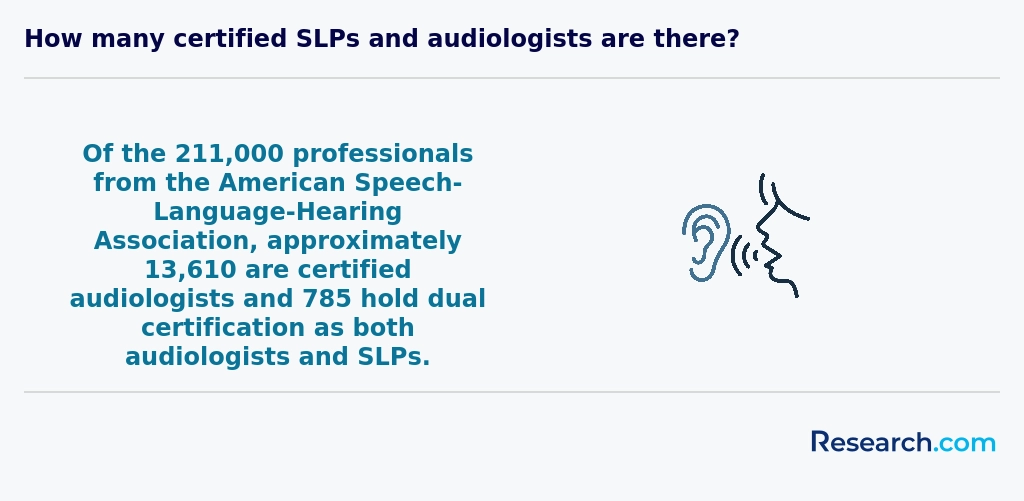
After completing a master’s degree in Speech-Language Pathology, graduates must secure licensure and certification to practice in Utah. The two primary credentials are the American Speech-Language-Hearing Association’s Certificate of Clinical Competence (ASHA CCC-SLP) and state licensure issued by the Utah Department of Commerce. Understanding these requirements early can streamline your transition from student to practicing clinician. 1. ASHA Certificate of Clinical Competence (CCC-SLP) • Complete a minimum of 400 supervised clinical practicum hours during your graduate program. • Pass the Praxis® Examination in Speech-Language Pathology with a scaled score of 162 or higher. • Submit an application to ASHA, including official transcripts and practicum documentation. 2. Utah State Licensure • Apply online through the Utah Division of Occupational and Professional Licensing (DOPL). • Provide proof of ASHA CCC-SLP or equivalent, official graduate transcripts, and a completed jurisprudence assessment. • Pay the licensure fee (currently $192 for initial application) and complete a background check. 3. Speech-Language Pathology Assistant (SLPA) Certification • Hold at least an associate degree in communication sciences or a related field. • Complete 100 clinical observation hours under a licensed SLP. • Submit a supervised practicum verification form and pass the Utah SLPA jurisprudence exam. 4. Continuing Education and Renewal • Utah requires renewal every two years with at least 24 continuing education units (CEUs), including ethics and professional practice topics. • ASHA CCC-SLPs must also meet annual CE requirements (30 hours every three years) to maintain certification. For students seeking cost-efficient pathways or alternative options, explore the Cheapest Speech Pathology Degree Programs Ranking in North Carolina to compare tuition rates and program structures. Meeting these licensure and certification benchmarks ensures you’re fully prepared to deliver high-quality speech pathology services across educational, healthcare, and community settings.
Students pursuing speech pathology degrees in Provo discover a variety of supportive financial aid options that brighten the path to their goals. At institutions like Brigham Young University, many graduates share how federal aid, such as Pell Grants and Federal Direct Loans accessed through FAFSA, provided essential relief by covering significant portions of tuition without overwhelming debt. These programs empower students to focus on their studies and clinical training with confidence.
Scholarships from local organizations like the Utah Speech-Language-Hearing Association are a beacon of encouragement, rewarding dedication and community engagement. Numerous Provo students report how winning merit-based awards lifted financial burdens and inspired them to excel further.
Graduate assistantships and teaching roles create wonderful opportunities to earn stipends or tuition waivers while gaining invaluable hands-on experience. Many find these positions at Provo's universities a perfect blend of professional growth and financial support.
Additionally, employer tuition assistance programs motivate those already working in healthcare or education by making advanced training more affordable. This network of aid options in Provo truly helps turn the dream of becoming a skilled speech pathologist into a joyful reality.
Before beginning professional practice in Provo, UT, graduates must secure both national certification and state licensure. The two-step process ensures clinicians meet rigorous standards and can deliver high-quality care. 1. National Certification (ASHA CCC-SLP) - Complete a master’s in Speech-Language Pathology from a CAA-accredited institution. - Fulfill 400 supervised clinical practicum hours, including at least 25 observational and 375 direct client contact hours. - Pass the Praxis® Examination in Speech-Language Pathology with a score of 162 or higher. 2. Utah State Licensure - Submit an application to the Utah Division of Occupational and Professional Licensing (DOPL), including official transcripts and proof of ASHA certification. - Undergo a criminal background check and pay the non-refundable licensing fee (currently $250). - Provide evidence of professional liability insurance. 3. Continuing Education and Renewal - Renew your Utah license every two years. - Complete a minimum of 30 continuing education units (CEUs) approved by ASHA or DOPL, with at least 3 CEUs in ethics. - Keep records of CEU certificates for audit purposes. Understanding these requirements helps you plan your post-graduation path and ensures a smooth transition from student to licensed clinician. For a broader view of earning potential across the country, explore the highest-paying states for speech-language pathologists.
To enroll in a speech pathology degree program in Provo, students typically start by meeting key academic prerequisites that lay a strong foundation for success. Graduates from well-known Provo universities share how completing courses like Biology or Human Anatomy, Psychology, Linguistics or Phonetics, Statistics, and Introduction to Communication Disorders prepared them to confidently engage with real-world clinical experiences. These prerequisites ensure you enter the program with the essential knowledge to thrive in both classroom and hands-on settings.
Many programs in Provo expect a solid academic record, usually a minimum GPA of around 3.0, reflecting a commitment to excellence. For those pursuing a master's degree in Speech-Language Pathology, holding a bachelor's degree and completing specific prerequisites is an empowering step that unlocks advanced learning and clinical practice.
Applicants often find that submitting GRE scores and crafting heartfelt statements of purpose become opportunities to showcase their passion for helping others through speech therapy. Meeting these requirements at Provo's respected schools gives students incredible confidence to embark on a fulfilling healthcare career.
Students pursuing a speech pathology degree in Provo dive into courses that build a strong foundation in both science and compassion. Graduates from local institutions often recall how classes like Anatomy and Physiology of Speech and Hearing brought the intricacies of the vocal tract and auditory system to life, making them eager to help those with communication challenges.
Language development courses, such as Child Language Disorders, inspire students by showing how they can support growth from infancy through adulthood. Many find joy in learning how to empower diverse individuals to express themselves with confidence.
Hands-on clinical practicum experiences at Provo's university clinics allow students to connect theory with real patients, fostering invaluable skills in articulation, fluency, and voice disorders. Graduates often share heartfelt stories about moments when they helped a shy child overcome stuttering or improved an elder's voice clarity, fueling their passion.
Research and evidence-based practice courses equip students with critical thinking to advance their future careers, making their education in Provo both inspiring and impactful.

Students pursuing speech pathology degrees in Provo find inspiring opportunities in specializations that reflect their passions and the needs of diverse communities. Popular focus areas include pediatric speech-language pathology, where graduates feel rewarded helping children overcome developmental challenges, and adult neurogenic communication disorders, which prepare students to support adults recovering from strokes or brain injuries. Many are drawn to voice and resonance disorders, working with performers or educators to protect and enhance their vocal health.
The vibrant educational atmosphere in Provo, enriched by institutions like Brigham Young University, ensures that students can tailor their studies to these rewarding paths. Graduates often highlight how real-life clinical experiences in local schools, hospitals, and rehabilitation centers deepen their skills and confidence. Exploring speech pathology specializations in Provo enables students to build meaningful careers, grounded in rigor and compassion, and conveniently connected to the community they aim to serve.
For those concerned about cost, Provo programs offer competitive tuition rates aligned with national averages, helping students invest wisely in their futures. Plus, understanding certification requirements, including the Certificate of Clinical Competence in Speech-Language Pathology (CCC-SLP), empowers students to plan effectively. For insight into financial planning, consider exploring associate degree salary ranges to see the potential rewards in related fields.
Choosing the best speech pathology degree in Provo means focusing on programs accredited by ASHA, ensuring you receive top-quality education and clinical training. Graduates from popular universities in Provo often share how hands-on clinical placements at nearby hospitals and schools gave them confidence and real-world skills that made job searching exciting and straightforward. Affordable speech pathology degrees Utah offers, especially at public institutions, allow students to pursue their passion without the stress of overwhelming debt.
Many students find inspiration through vibrant campus communities and faculty who are deeply invested in their success, creating a supportive atmosphere that motivates growth. It's also helpful to connect with alumni who've thrived in Utah's booming healthcare sector, earning competitive salaries and making positive impacts in their communities. For those balancing work or family, considering an online master's in communication disorders can be a flexible and affordable path toward a rewarding career.
With a speech pathology degree in Provo, graduates find themselves stepping into rewarding roles that make a real difference every day. Many become clinical speech-language pathologists in hospitals and outpatient clinics, where they witness firsthand the joy of patients regaining their voice and communication skills. Others join school districts, supporting children who need extra help expressing themselves, creating inspiring success stories that deeply affect families and communities. Graduates from well-known Provo institutions often reflect on how their education prepared them to excel in diverse environments, including rehabilitation centers helping stroke survivors or private practice where they build personalized care approaches.
Exploring speech pathology career opportunities in Provo also includes paths like research and academia, where passion for advancing the field leads to innovative breakthroughs. Some professionals branch out as healthcare administrators or consultants for technology firms developing cutting-edge communication aids. For those seeking flexible yet impactful roles, programs such as the best low-cost online early childhood education programs complement their expertise, broadening horizons and deepening their community impact.

The speech pathology job outlook in Provo is exceptionally bright, fueled by a strong local demand across schools, healthcare, and private practices. Graduates from speech pathology programs at institutions like Utah Valley University often find themselves quickly absorbed into rewarding roles where they make a real difference for children and adults with communication needs. Many share inspiring stories of working closely with local school districts, such as Provo and Alpine, to help students overcome speech challenges, creating a lasting impact on their communities.
Provo speech pathology career opportunities extend beyond education into hospitals and rehabilitation centers, where professionals support patients recovering from strokes or developmental disorders. The city's growing population and solid education infrastructure mean steady job openings and encouraging salary prospects. For those weighing the financial aspects, exploring affordable speech pathology programs in Utah is a great way to start.
2027 Best Speech Pathology Degree Programs Ranking in Provo
Investing in your education is a significant decision that can profoundly impact your future, and the Research.com team recognizes the importance of making well-informed choices. To support prospective students in Provo, we have carefully developed the "2027 Best Speech Pathology Degree Programs Ranking in Provo." Our dedication to quality, credibility, and accuracy is demonstrated by the thorough research and analysis behind this ranking.
We utilized the following reputable data sources to create a comprehensive evaluation of speech pathology programs:
By reviewing this ranking, readers will gain valuable insights into the top speech pathology degree programs in Provo, empowering them to make confident decisions regarding their educational journeys. For more information about how this ranking was created, please visit our Research.com methodology page.

# 2 position
Brigham Young University
Master of Science in Communication Disorders: Speech-Language Pathology
# 3 position
Rocky Mountain University of Health Professions
Master of Science in Medical Speech-Language Pathology

Frequently Asked Questions About speech pathology
Students pursuing speech pathology degrees in Provo can enhance their learning by engaging deeply with both academic and practical experiences. Universities in Provo, including Brigham Young University, offer accredited programs with strong clinical components, essential for hands-on skill development. According to the American Speech-Language-Hearing Association (ASHA), students who complete their clinical hours under diverse settings improve competence and job readiness.
Active participation in local internships, such as those offered through Provo's healthcare centers and schools, provides exposure to real-world cases. Joining student organizations linked to speech pathology can also expand networking opportunities and access to professional development workshops. Utilizing university tutoring and research resources further strengthens theoretical understanding.
The field of speech pathology is evolving with new specialties emerging to meet diverse communication needs. In Provo and across the US, areas like telepractice are gaining traction, driven by technological advances and increased demand for remote therapy. The American Speech-Language-Hearing Association (ASHA) reports telepractice grew by over 40% since 2020, especially in rural and underserved communities.
Another niche is geriatric speech pathology, focusing on age-related communication disorders as the elderly population rises. Utah's aging demographic, including Provo, highlights growing job opportunities here.
Additionally, bilingual and multicultural speech pathology is expanding, addressing needs of Provo's diverse population. These niches require specialized training offered in some degree programs to prepare students for current market trends.
After completing a speech pathology degree in Provo, preparing for the job market involves several important steps. First, gaining a Clinical Fellowship (CF) is essential. This supervised practice period, typically lasting about 36 weeks, is required before full professional licensure. In Utah, where Provo is located, licensure is managed by the Division of Occupational and Professional Licensing.
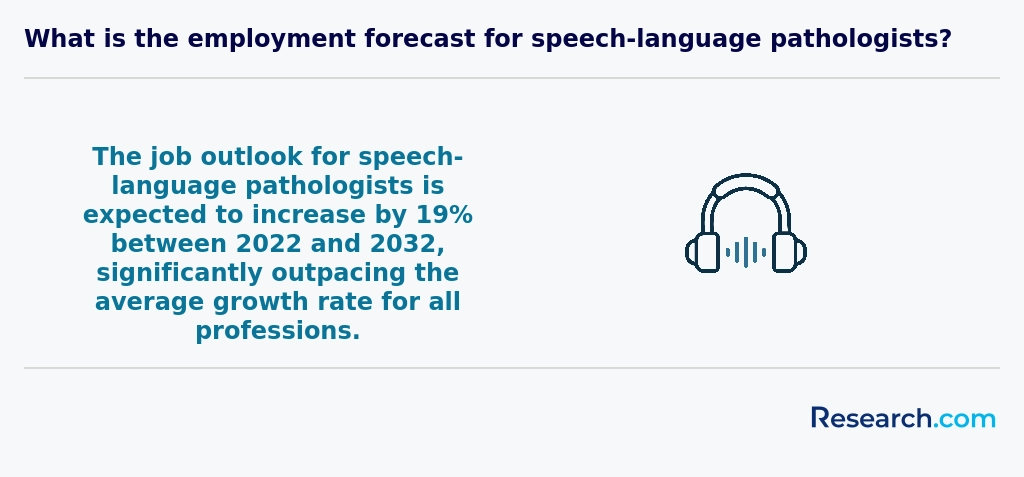
Networking locally through Provo's healthcare facilities and educational institutions can increase employment chances. The Bureau of Labor Statistics reports that speech-language pathologists in Utah have a faster-than-average job growth, about 15% from 2020 to 2030, which is promising for graduates.
Additionally, joining professional organizations like the American Speech-Language-Hearing Association (ASHA) provides resources, job boards, and continuing education opportunities, all valuable in transitioning from student to professional.
Employers in Provo seek speech pathology graduates who demonstrate strong communication and interpersonal skills. These abilities are essential for effectively assessing and treating patients with speech, language, and swallowing disorders. Critical thinking and problem-solving skills are also highly valued, as they help clinicians create personalized therapy plans.
Additionally, proficiency in evidence-based practice is crucial due to the emphasis on clinical research in the US healthcare system. Knowledge of cultural competence is important in Provo's diverse communities, ensuring respectful and effective patient interactions. According to the Utah Department of Workforce Services, job openings for speech-language pathologists in this region are expected to grow by 15% through 2028, reflecting the increasing demand for qualified professionals.
Finding internships in Provo relevant to a speech pathology degree involves exploring local healthcare facilities, schools, and community organizations. Brigham Young University, a key institution in Provo, often provides internship placements through its Communication Disorders program. Students should inquire directly with the university's clinical education department for updated opportunities.
Additionally, local hospitals such as Utah Valley Hospital and schools within the Provo School District frequently offer internships or practicum experiences for speech pathology students. Checking with the American Speech-Language-Hearing Association (ASHA) for local listings can also be helpful.
Networking with licensed speech-language pathologists in Provo is crucial to gaining practical experience and securing internships.
A speech pathology degree in Provo significantly enhances career mobility and advancement opportunities. Graduates gain eligibility for the Certificate of Clinical Competence in Speech-Language Pathology (CCC-SLP), widely recognized across the U.S., including Utah. This credential is critical for securing licensed positions in schools, healthcare facilities, and private practices.
Local demand for speech pathologists in Provo is strong, with employment expected to grow about 21% through 2031 nationwide, according to the U.S. Bureau of Labor Statistics. Utah's healthcare sector, including Provo, supports this expansion because of increased awareness of speech disorders among all age groups.
Holding a degree from accredited programs enables professionals to advance into specialized roles, supervisory positions, or academic fields. Provo's proximity to universities offering graduate education also allows for continuous professional development, an essential factor for long-term career growth in speech pathology.
Studying for a speech pathology degree in Provo equips students with skills essential for interdisciplinary collaboration. Programs often integrate coursework in psychology, linguistics, and education, reflecting the diverse environments where speech pathologists work. Provo's universities emphasize clinical practicum experiences, allowing students to engage with professionals in healthcare, education, and social services.
According to the Utah Department of Workforce Services, speech pathology roles increasingly require teamwork with audiologists, educators, and occupational therapists. Local programs therefore prepare students for communication and coordination in varied settings like schools and hospitals. This cross-disciplinary training enhances problem-solving and client care, essential for a successful career in speech pathology.
When choosing between a thesis and a non-thesis speech pathology degree program in Provo, students should consider their career goals and learning preferences. Thesis programs typically involve original research and are ideal for those planning to pursue a PhD or work in academic settings. Non-thesis options focus more on practical skills and clinical experience, preparing graduates for direct patient care roles.
In the US, a Master's in Speech-Language Pathology often requires around 75 credit hours, with thesis tracks demanding extra research and writing. Provo's educational institutions may offer varying support for research, so it is important to assess faculty expertise and resources.
According to the American Speech-Language-Hearing Association (ASHA), hands-on clinical training is critical; thus, non-thesis tracks often emphasize extensive practicum hours. Prospective students in Provo should also consider program length, funding opportunities, and personal interest in scholarly research.
Students based in Provo seeking to study speech pathology abroad have several options, although they are somewhat limited due to the specialized nature of the field. Most U.S. accredited speech pathology programs, including those in Provo, emphasize clinical experience tied closely to American Speech-Language-Hearing Association (ASHA) standards.
Many students choose to enroll in U.S. institutions offering study abroad opportunities or joint programs with international universities. Popular destinations include the United Kingdom, Australia, and Canada, where speech pathology degrees align closely with U.S. certification requirements.
Before committing, students should verify foreign programs' accreditations and understand how clinical hours abroad transfer to their U.S. certification process, as ASHA requires a minimum of 400 clinical practicum hours. Resources like the ASHA website provide guidance on approved international study options.
Students pursuing speech pathology degrees in Provo have several part-time job opportunities that align well with their academic goals. Many choose to work as aides in local schools, providing support to speech-language pathologists (SLPs) during therapy sessions. This role offers valuable hands-on experience with diverse populations.
Provo's healthcare facilities, such as Utah Valley Hospital, also employ part-time patient care assistants or rehabilitation aides. These positions help students gain practical insight into patient communication and therapy processes.
Additionally, community centers and nonprofits in Provo often seek volunteers or part-time workers to assist in programs for children and adults with speech and language challenges, enhancing practical skills relevant to speech pathology studies.
Speech pathology students in Provo have several valuable networking opportunities to enhance their professional growth. Brigham Young University, the primary institution offering relevant programs in the area, hosts events and workshops through its Communication Disorders department, where students meet faculty and alumni actively engaged in the field.
Students can also participate in local chapters of national organizations such as the American Speech-Language-Hearing Association (ASHA), which regularly organizes conferences and networking mixers in Utah. These events provide access to licensed professionals, internship possibilities, and current research discussions.
Additionally, Provo's healthcare facilities, including specialty clinics and rehabilitation centers, often welcome student volunteers and interns, fostering connections with practicing speech-language pathologists. These experiences help students build a professional network critical for securing clinical placements and future employment.
Alumni networks are valuable resources for speech pathology degree students in Provo. These networks connect current students with graduates who have successfully entered the field, providing guidance on academic and career challenges. Many alumni offer mentorship and advice on practicum placements, which are crucial for gaining hands-on experience required by the American Speech-Language-Hearing Association (ASHA).
In Provo, alumni connections often help students access local job opportunities in schools, clinics, and healthcare facilities. According to the Utah Department of Workforce Services, speech pathology jobs in the region have grown 12% over five years, increasing the importance of professional networking.
Strong alumni networks also facilitate workshops and seminars that keep students updated on industry standards and new research trends.
Customizing a speech pathology degree program in Provo allows students to align their education with specific career goals. Many Utah institutions offer elective courses focusing on areas such as pediatric speech therapy, fluency disorders, or neurological speech impairments. This flexibility helps students develop expertise relevant to their intended work settings.
Students can often tailor practicum placements through local partnerships with Provo schools, healthcare facilities, or rehabilitation centers. These experiences provide practical skills and networking opportunities within the community.
Additionally, some programs provide options for part-time or accelerated paths, accommodating working professionals aiming to advance their credentials without interrupting employment. Consulting academic advisors about certification requirements in Utah, including those outlined by the Utah Division of Occupational and Professional Licensing, helps ensure that course selections support licensure goals.
Speech pathology students in Provo commonly face the challenge of balancing rigorous academic coursework with extensive clinical practicum requirements. Programs often demand upwards of 400 clinical hours, which can be difficult to manage alongside classes and personal commitments.
Another significant hurdle is limited access to diverse patient populations within the local area. This can restrict practical experience with varying speech and language disorders, a critical component for comprehensive training. According to the American Speech-Language-Hearing Association (ASHA), diverse practicum exposure improves graduate readiness, yet Provo's smaller community size may pose constraints.
Additionally, tuition and living costs in Provo have increased by an average of 3.5% annually over the past five years, potentially impacting students' financial stability during their studies. Navigating state licensure requirements specific to Utah also requires careful attention, as these can differ from other states.
With a speech pathology degree, graduates in Provo can pursue professional certifications that enhance their career opportunities and credibility. The most recognized certification is the Certificate of Clinical Competence in Speech-Language Pathology (CCC-SLP) offered by the American Speech-Language-Hearing Association (ASHA). This certification requires completing a master's degree, a supervised clinical fellowship, and passing a national exam.
In Utah, obtaining a state license from the Utah Division of Occupational and Professional Licensing is mandatory to practice clinically. This license aligns with ASHA standards and ensures adherence to local regulations.
Additional certifications like the Praxis exam for speech-language pathology may also be required for some positions.
When applying for a speech pathology program in Provo, it is essential to highlight both academic achievements and practical experience. Most programs require a bachelor's degree with prerequisite courses in communication sciences, anatomy, and psychology. Maintaining a GPA of 3.0 or higher increases your chances of acceptance.
Strong letters of recommendation from professors or professionals in the field can support your application. The University of Utah, near Provo, suggests including any volunteer work or internships related to speech therapy to demonstrate commitment.
Finally, personal statements should clearly communicate your passion for helping individuals with communication disorders and your long-term career goals.
The career of speech pathology is recognized worldwide, yet the United States offers unique educational and professional standards. In Provo, speech pathology degrees follow rigorous accreditation by the Council on Academic Accreditation in Audiology and Speech-Language Pathology (CAA), ensuring worldwide respect.
Globally, speech pathologists address communication disorders across diverse populations, but in the U.S., including Provo, there is an emphasis on evidence-based practice and advanced clinical training. According to the Bureau of Labor Statistics, speech pathologists in the U.S. have a median annual wage of $82,000, which reflects strong demand.
The U.S. model promotes research integration; many Provo programs include multicultural and multilingual training, preparing graduates for global contexts. This dual focus on clinical skills and cultural competence reflects broader international trends while maintaining local relevance.
Students pursuing a speech pathology degree in Provo can gain practical experience through several opportunities. Many programs require clinical practicum hours, which are completed under supervision at healthcare facilities, schools, or specialized clinics in the area. For example, Brigham Young University's program connects students with local public schools and speech therapy centers, offering direct client interaction. Additionally, internships provide valuable experience, often arranged through university partnerships with community organizations. According to the American Speech-Language-Hearing Association, completing at least 400 clinical hours is standard for certification. Provo's healthcare network supports students with diverse cases, enhancing hands-on learning.
Choosing the right concentration within a speech pathology degree program in Provo involves assessing your career goals and interests. Concentrations often focus on areas such as pediatric speech disorders, adult neurogenic communication disorders, or voice therapy. Provo's programs typically align with standards set by the American Speech-Language-Hearing Association (ASHA), ensuring licensure eligibility across the U.S.
It is important to consider local demand; Utah's Department of Workforce Services reports growing needs in pediatric and geriatric speech pathology, reflecting aging populations and school service mandates. Visiting program websites and speaking with faculty can clarify specialization options and clinical opportunities available in Provo-area healthcare and school settings.
- 2027 Best Speech Pathology Degree Programs Ranking in Greeley
- 2027 Best Speech Pathology Degree Programs Ranking in Tempe
- 2027 Best Speech Pathology Degree Programs Ranking in Stockton
- 2027 Best Speech Pathology Degree Programs Ranking in San Marcos
- 2027 Best Speech Pathology Degree Programs Ranking in Abilene
- 2027 Best Speech Pathology Degree Programs Ranking in Denton
- 2027 Best Speech Pathology Degree Programs Ranking in Richardson
- 2027 Best Speech Pathology Degree Programs Ranking in Iowa City
- 2027 Best Speech Pathology Degree Programs Ranking in San Antonio
- 2027 Best Speech Pathology Degree Programs Ranking in Saint Louis
See What Experts Have To Say About Studying Speech Pathology
Read our interview with Speech Pathology experts

- Online Speech Pathology Degree Programs https://www.speechpathologydegrees.com/online
- State-by-State Guide for Speech Pathology License Requirements https://speechpathologymastersprograms.com/become-speech-pathologist/speech-pathology-state-license-guide/
- 6 Common Challenges of Being a Speech Language Pathologist https://careoptionsforkids.com/blog/challenges-of-being-a-speech-language-pathologist/
- Landing Your First Speech Pathology Job After Graduation: A https://www.healthcarelink.com.au/article/landing-your-first-speech-pathology-job-after-graduation-a-practical-guide-for-new-speechies/2087
- Eligibility and Requirements https://www.kumc.edu/school-of-health-professions/academics/departments/hearing-and-speech/academics/speech-language-pathology-degrees/master-of-arts-in-speech-language-pathology-(m.a.slp)/eligibility-and-requirements.html
- Speech pathologists: do you hate networking? Me too. But let's do it anyway | Speechies in Business https://speechiesinbusiness.com/business-tips/speech-pathologists-do-you-hate-networking-me-too-but-lets-do-it-anyway/
- 16 Speech Pathology Career Paths & Outlooks | USAHS https://www.usa.edu/blog/speech-pathology-career/
- pioneer-healthcare.com: Verifying that you are not a robot... https://pioneer-healthcare.com/blog/understanding-the-costs-to-become-a-speech-pathologist/
- How to Pay for SLP Grad School: Funding Guide 2025 https://www.speechpathologygraduateprograms.org/blog/how-to-pay-for-slp-grad-school/
- Speech-Language Pathology Trends 2026: What’s Changing https://hanselunion.com/speech-language-pathology-trends-2026/