
2027 Most Affordable Online Bachelor's in Social Work Degree Programs Ranking in the West

Co-Founder and Chief Data Scientist
Choosing the right online social work degree can feel overwhelming, especially for students in the West looking to balance quality and affordability. This article presents the 2027 Most Affordable Online Bachelor's in Social Work Degree Programs Ranking in the West, developed by Research.com's team of data scientists to guide you toward programs that truly stand out.
Exploring this ranking will help you make an informed decision, opening doors to a rewarding career in social work. A degree in this field offers the chance to make a meaningful difference while building a stable future.
Key benefits of getting online social work degree in the West
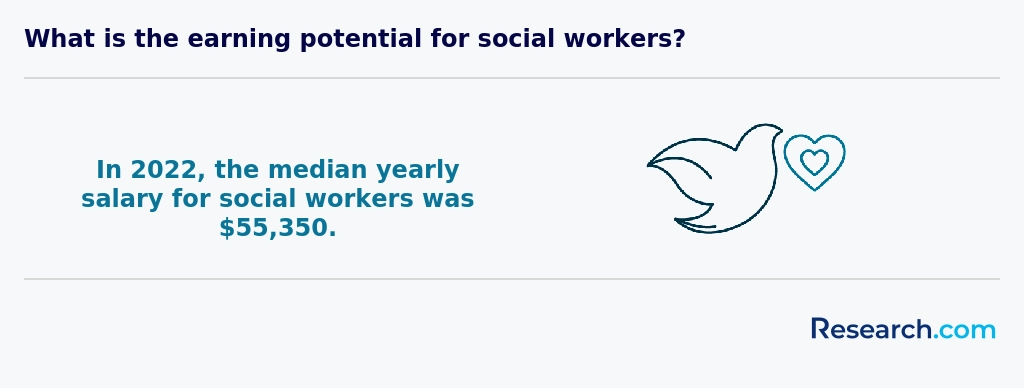
- Salary for social work degree graduates: Graduates can expect competitive salaries, such as $68,800 annually for social workers and up to $83,400 for community organizers and youth workers, reflecting rewarding financial prospects.
- Potential career paths: A social work graduate from a major Western university may pursue roles in child welfare, community outreach, or residential counseling, enjoying diverse and meaningful job opportunities.
- Benefits of an online degree: Completing a social work degree online offers flexibility and convenience, allowing graduates from Western states to balance education with work or family, often accelerating their career start.
- 2027 Most Affordable Online Bachelor's in Social Work Degree Programs Ranking in the West
- What can I expect from online social work degree in the West?
- Where can I work with online social work degree in the West?
What can I expect from online social work degree in the West?
The average cost of an online social work degree in the Western United States varies significantly depending on the institution and residency status. Public universities such as those in California or Washington offer competitive tuition rates for in-state residents, often ranging from $7,000 to $15,000 annually. Out-of-state students generally face higher fees, sometimes doubling the price, which can impact overall affordability. Graduates from well-known programs in the West frequently reflect on the value of financial aid opportunities and scholarships specifically tailored to social work students, which substantially ease their financial burden.
For many students at universities like the University of Washington or Arizona State University, the ability to balance part-time employment while engaging in asynchronous coursework enhances the affordability and accessibility of their education. Positive feedback often highlights the relief felt when managing tuition costs alongside practical local internships required for licensure. These real-world experiences offer both financial relief and professional growth, fostering confidence and motivation throughout the program.
Where can I work with online social work degree in the West?
Graduates with an online social work degree in the Western states often find diverse employment opportunities across multiple sectors. Many secure positions within state and county human services departments, such as those in California and Oregon, where they provide essential case management and child welfare services. For instance, graduates from well-regarded programs at universities like the University of Washington or California State University report meaningful experiences supporting vulnerable populations in community settings.
Healthcare facilities in metropolitan areas-including Los Angeles, Seattle, and Denver-employ medical social workers to assist patients with discharge planning and behavioral health support. Graduates value the rewarding challenge of integrating counseling services in hospitals, enhancing patient outcomes. Additionally, schools and universities in Oregon and Colorado increasingly rely on social workers to address student mental health, fostering nurturing environments where graduates feel their work profoundly impacts young lives.
Nonprofit organizations focused on homelessness, veterans, and substance abuse offer further career paths where social workers' skills in crisis intervention are crucial. Graduates often describe their roles in these agencies as deeply fulfilling, knowing their expertise directly improves community well-being. Successful licensure as an LCSW, supported by supervised clinical hours, enables ongoing professional growth within these vibrant Western markets.
- Online Bachelor of Social Work (BSW) programs in the Western U.S. are growing and focus on preparing students for professional social work and licensure.
- Annual tuition for public universities ranges from $6,000 to $12,000 for in-state students and $15,000 to $20,000 for out-of-state students, while private schools can exceed $25,000.
- Starting salaries for social work graduates typically range from $45,000 to $55,000, with experienced professionals earning between $60,000 and $80,000 or more.
- Job growth in social work is projected at 12% from 2022 to 2032, driven by increased mental health needs and social service demands.
- Field practicum placements are a required part of many programs and should align with local licensure requirements to ensure eligibility for certification.
Understanding state licensure pathways is essential for turning your online Bachelor of Social Work into a professional credential. In most Western states, graduates from CSWE-accredited programs become eligible to sit for the Association of Social Work Boards (ASWB) Bachelor’s exam, earning the Licensed Bachelor Social Worker (LBSW) credential. From California’s Board of Behavioral Sciences to Washington’s Department of Health, requirements typically include: • CSWE accreditation and official transcript submission • Passing scores on the ASWB Bachelor’s exam • A minimum of 2,000 supervised field hours for advanced credentials (e.g., Licensed Master Social Worker) • Background checks and fingerprinting After initial licensure, social workers must complete continuing education-often 30–40 CEUs every two years-to maintain good standing. Specialized tracks such as clinical social work or school social work may require additional supervised practice or state-specific coursework in areas like child welfare or mental health counseling. Navigating inter-state reciprocity can be complex. For instance, Oregon and Nevada offer streamlined endorsement processes for LBSWs licensed elsewhere, whereas Arizona may require supplemental ethics or child protection modules. Graduates planning to relocate should confirm each state board’s rules, as timelines and fees vary. For students exploring affordable alternatives outside the Western region, see Most Affordable Social Work Degree Programs Ranking in Florida, which outlines cost-effective pathways to licensure in Florida’s social work market. Ensuring you meet all exam, supervision, and CEU benchmarks will empower you to practice confidently and ethically across diverse communities in the West.
Earning an online Bachelor of Social Work (BSW) is the first step toward professional licensure, but understanding state-specific requirements ensures a smooth transition into practice. Graduates should verify that their program holds CSWE accreditation, a non-negotiable credential for most Western states. After completing a CSWE-accredited affordable online bsw programs, graduates typically need 3,000 supervised field hours under a licensed clinical social worker (LCSW) or equivalent. These hours can be logged through approved internships in healthcare, community agencies, or school settings. Once fieldwork is complete, candidates must pass the Association of Social Work Boards (ASWB) bachelor’s exam, a standardized test covering ethics, human behavior, and social welfare policy. Scores are accepted across most Western states, but applicants should confirm state board policies on exam retakes and application deadlines. After passing the ASWB exam, graduates apply for a provisional license-often called Licensed Social Worker (LSW) or Licensed Graduate Social Worker (LGSW)-before accruing additional supervised practice hours required for full LCSW status. Continuing education is mandatory to maintain licensure; professionals must complete 20–30 hours of approved coursework every two years. Many online BSW programs in the West offer built-in CE modules or partner with local agencies to streamline this process. By mapping out accreditation, fieldwork, examination, and renewal steps early, graduates can confidently navigate licensure pathways and embark on rewarding social work careers.
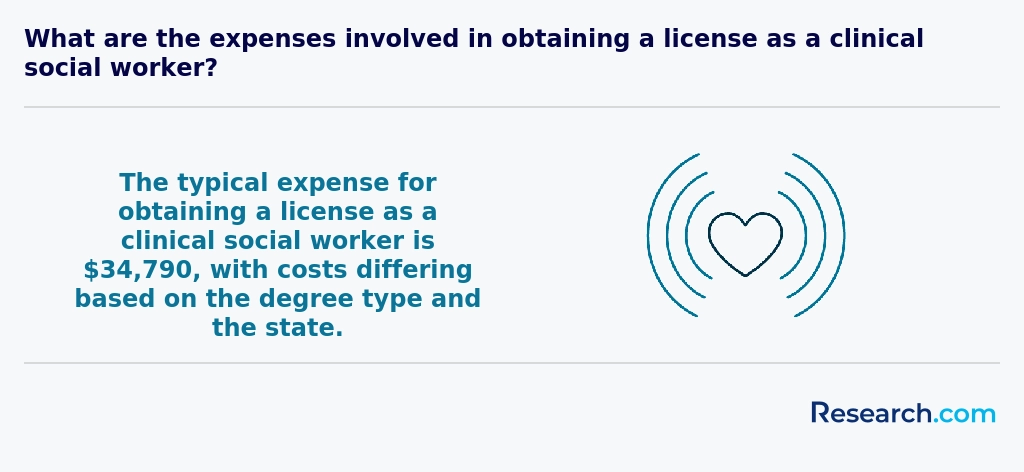
The average cost of an online social work degree in the West typically centers around $49,856, reflecting a comprehensive investment in quality education. Graduates from popular institutions such as those in California or Washington often share that the cost, while substantial, is balanced by the program's flexibility and the valuable practical skills gained. For in-state students, the median total cost averages approximately $15,952, making affordable online social work programs in the western US a realistic goal for many.
Out-of-state students generally incur higher expenses, with median costs near $39,712. These costs include tuition, technology fees, books, and payments related to licensing exams, which all contribute to the total financial commitment. Many students have found that public universities, known for their affordability and strong support networks, provide an accessible pathway toward their career goals without compromising educational quality.
Graduates often report that despite the upfront costs, employer tuition assistance and available financial aid make completing their degrees more manageable. Those pursuing social work in the West appreciate programs accredited by the Council on Social Work Education, which enhances employment prospects post-graduation. For students interested in similar career paths, further guidance is available here.
For those embarking on your online social work journey, prioritizing effective strategies and real-world insights can make all the difference in your academic and professional success. Drawing from the experiences of alumni and experts, here are some tailored tips to help you maximize your learning outcomes while ensuring that your chosen program aligns with your career goals: • Research and Accreditation: Ensure that your program is accredited by recognized bodies such as the Council on Social Work Education (CSWE). Accreditation not only guarantees a quality curriculum but also is crucial for licensure and professional credibility. • Financial Planning: Understand all tuition-related expenses and actively seek out financial aid opportunities, scholarships, and grant programs. Reviewing whether is online bachelors degree in social work worth it can provide further clarity on balancing quality education with affordability. • Time Management and Learning Environment: With the flexibility of online programs comes the responsibility of maintaining a disciplined study schedule. Create a dedicated workspace, set clear study goals, and take advantage of asynchronous courses that allow you to manage both academic and personal responsibilities efficiently. • Engagement and Networking: Despite the virtual format, actively participate in online forums, group projects, and live webinars. Building connections with peers, faculty, and industry professionals can lead to mentorship opportunities and potential job leads after graduation. • Practical Application and Internships: Seek programs that embed practical experiences through internships, practicums, or community service projects. Real-world application of classroom theories strengthens your understanding and enhances your readiness for the workforce. Embracing these strategies will equip you with the tools to navigate your educational challenges confidently and emerge as a well-prepared, dynamic social work professional.
Graduating from a CSWE-accredited BSW program is the first step toward state licensure, ensuring your education meets professional standards and eligibility requirements.
- CSWE Accreditation: Validates that your online bachelor’s curriculum covers core competencies in ethics, human behavior, policy and practice.
- Licensure Steps:
- Earn your CSWE-accredited BSW.
- Complete required supervised field hours (varies by state).
- Pass the ASWB Bachelor’s-Level (BASW) exam.
- State Variations: Each state social work board sets its own hour requirements and application process-check your state board’s website for specific guidelines.
- Advanced Clinical Roles: To become a Licensed Clinical Social Worker (LCSW), you’ll need an MSW, additional supervised clinical hours, and the ASWB Clinical exam; explore 1 year msw programs online no bsw for accelerated paths.
Enrolling in an online social work degree program in the Western United States requires meeting specific academic and experiential prerequisites designed to ensure readiness for this impactful career. Prospective students must hold a high school diploma or equivalent prior to admission into bachelor's programs, with some institutions favoring applicants who have completed coursework in social sciences or psychology. For example, graduates from universities such as the University of Washington or Arizona State University report that early exposure to foundational subjects helped them engage confidently with complex social work theories.
Applicants typically submit official transcripts with a minimum GPA of around 2.5 to 3.0, though requirements vary by college. Many Western programs have recently relaxed standardized test mandates, recognizing diverse student backgrounds and potentials. Graduates frequently highlight how personal statements and recommendation letters-detailing their motivation and volunteer experiences-strengthened their applications and reflected their genuine passion for social service.
For Master of Social Work (MSW) candidates, holding a relevant bachelor's degree and documented field experience is crucial. Universities like Portland State emphasize that real-world exposure enhances both learning and confidence, preparing students to navigate the complex needs of vulnerable populations effectively.

To further enhance your career prospects in social work, it's essential to explore the various specializations and concentrations available within the field. One crucial aspect to consider is the popularity and demand for specific social work degrees, which can significantly impact job opportunities and career advancement. For instance, understanding the latest trends and rankings in social work education can help aspiring professionals make informed decisions about their academic and professional paths. By visiting the best popular social work degree programs, individuals can gain valuable insights into the most sought-after specializations and the institutions that offer them, ultimately setting themselves up for success in this rewarding and challenging field.
Online social work degree programs in the Western United States typically include a robust set of courses that combine foundational theory with practical applications. Graduates from institutions like the University of Washington or California State University often highlight core courses such as human behavior and the social environment, social welfare policy and services, and ethics in social work as crucial to their understanding of the field. These classes equip students to navigate the complex challenges faced in communities across California, Oregon, and Washington.
Practical skills are reinforced through clinical practice and intervention techniques, allowing students to prepare for real-world encounters. Many graduates reflect on field practicum experiences, completed locally, as pivotal moments where classroom knowledge met hands-on service delivery. These internships provide essential context for licensure requirements and professional confidence.
Additionally, courses in social work research methods and statistics empower students to evaluate program effectiveness and implement evidence-based strategies. This rigorous curriculum ensures that graduates from Western online programs are ready to meet the diverse needs of clients with competence and empathy.
Choosing the best online social work degree in the West requires careful consideration of accreditation, cost, and program flexibility. Graduates from institutions like California State University and University of Washington often praise how accredited programs meet licensure standards, enabling smooth transitions into state-specific requirements. Many appreciate programs with asynchronous coursework, which allow working professionals to balance studies with family obligations.
Affordability plays a crucial role; affordable online social work degrees West often come with transparent tuition and fees, minimizing unexpected expenses. Successful students emphasize the value of established local partnerships for clinical internships, essential for hands-on experience and meeting licensure prerequisites in Western states. Additionally, support services such as academic advising and virtual networking opportunities are frequently highlighted as keys to their positive learning experiences.
When selecting a program, it is beneficial to investigate if it aligns with social work licensure regulations. For example, programs that integrate knowledge about lpc certification california ensure relevant professional preparation and mentorship tailored to the region.
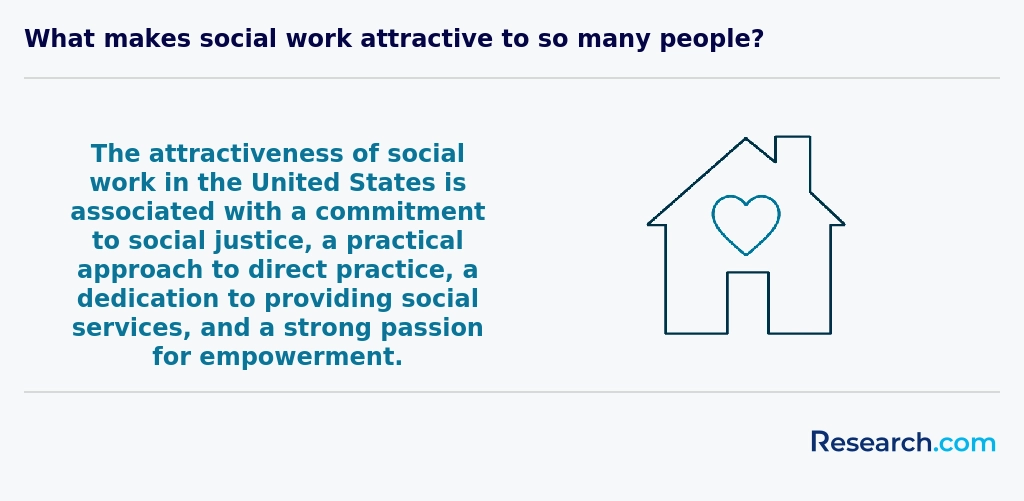
Graduates holding an online social work degree in the Western US often find diverse career paths that allow them to make significant impacts within their communities. Popular roles include child, family, and school social work, frequently embraced by graduates who trained at institutions like the University of Washington, supporting children and families through vital intervention programs. Mental health and substance abuse social work attract those passionate about counseling and rehabilitation, common among graduates from California State University programs, where real-world clinical practicums enhance confidence and empathy in challenging scenarios.
Healthcare social work is a thriving area in Western states, with graduates from Portland State University helping patients navigate complex medical systems, contributing positively to patient outcomes. Additionally, community social services roles engage many alumni in nonprofit and government agencies committed to regional well-being. Gerontological social work also appeals to those dedicated to elder care in an aging population, especially in Oregon and Washington.
Those seeking extensive career opportunities in social work appreciate how these programs balance rigorous academics and flexibility, thus meeting the growing demand for social services in the West while accommodating working professionals.
2027 Most Affordable Online Bachelor's in Social Work Degree Programs Ranking in the West
Investing in your education is a significant decision that can shape your future, and the Research.com team understands the importance of making informed choices. To assist prospective students in the Western United States, we have meticulously crafted the "2027 Most Affordable Online Bachelor's in Social Work Degree Programs Ranking in the West." Our commitment to quality, credibility, and accuracy is reflected in the extensive research and analysis conducted to compile this ranking.
We utilized the following reputable data sources to ensure a comprehensive evaluation of social work programs:
By exploring this ranking, readers will gain valuable insights into the most affordable quality social work programs online in the West, helping them make well-informed decisions about their educational and career paths. For more details on our methodology, please visit our Research.com methodology page.

# 2 position
University of Massachusetts Global
Bachelor of Social Work

# 3 position
University of Alaska Fairbanks
Bachelor of Social Work

Frequently Asked Questions About social work
Students pursuing online social work degrees in the Western US can enhance their learning by actively engaging with interactive course materials and virtual discussion groups. According to the Council on Social Work Education, programs accredited in the West emphasize practical skills through field placements, which students should prioritize to gain real-world experience.
Networking with peers and faculty via online forums helps build professional connections essential for future employment in states like California and Washington, where social work opportunities are growing rapidly. Additionally, staying updated on regional legislation impacting social services, such as California's recent reforms in mental health policy, enhances academic relevance and career readiness. Reliable time management and seeking academic support further improve outcomes.
The social work field is evolving with several emerging niches attracting growing attention. In the Western United States, focus areas like geriatric social work are expanding rapidly due to the aging population. The U.S. Census Bureau reports that by 2030, all baby boomers will be over 65, increasing demand for social workers specializing in elder care.
Another significant niche is behavioral health social work, driven by rising mental health awareness. The National Alliance on Mental Illness highlights increased state funding for mental health services in California and Washington.
Additionally, community development and policy advocacy roles are developing in urban centers throughout the West. Online social work degrees often include specialized training to prepare graduates for these growing areas.
After earning an online social work degree in the Western U.S., preparing for the job market requires strategic steps. First, obtaining state licensure is essential. For example, California and Washington mandate passing the ASWB exam and completing supervised hours. Familiarize yourself with regional requirements by visiting state licensing boards' websites.
Networking plays a crucial role. Joining professional groups such as the California Chapter of the National Association of Social Workers helps connect with employers and peers. Internships or practicum experiences during the degree program often provide valuable local contacts.
Stay informed regarding job trends; according to the U.S. Bureau of Labor Statistics, social work employment in the West is projected to grow 10% through 2031.
Employers in the Western US prioritize several key skills in social work graduates. Strong communication abilities are crucial, as professionals must effectively connect with diverse populations. Critical thinking and problem-solving are also essential, enabling graduates to assess client needs and develop tailored intervention plans. Knowledge of cultural competence is particularly valued due to the region's diverse communities. According to the National Association of Social Workers (NASW), employers in California and Washington note adaptability and ethical judgment as top qualities. Additionally, proficiency with digital tools for case management is increasingly important in online practice settings and agencies across the West.
Finding internships in the Western United States relevant to social work degrees involves several practical steps. Students should start by contacting their online program's career services, as many universities partner with local agencies and nonprofits in states like California, Washington, and Oregon. These regions have a growing demand for social workers, with California alone employing over 18,000 social workers in recent years, according to the U.S. Bureau of Labor Statistics (2023).
Additionally, students can explore opportunities through state social work boards and professional organizations such as the National Association of Social Workers (NASW) California Chapter, which frequently posts internship openings. Networking through community agencies, hospitals, and government departments often leads to valuable placements.
It's important to verify that internships meet educational requirements for licensure, which vary by state. Online students should clarify placement eligibility with their program advisors early to ensure the experience counts toward graduation and credentialing.
Holding an online social work degree can significantly improve career mobility and advancement in the Western United States. Many employers in California, Oregon, and Washington recognize accredited online programs, enabling graduates to qualify for Licensed Social Worker (LSW) or Licensed Clinical Social Worker (LCSW) credentials required in these states.
According to the Bureau of Labor Statistics, social work employment in the West is projected to grow by about 8% from 2021 to 2031, faster than the national average. This growth creates expanding opportunities for those with proper qualifications.
Online degrees often allow working professionals to balance education with current employment, encouraging continuous skill development. This flexibility helps graduates pursue promotions and specialized roles within healthcare, child welfare, or mental health services.
Furthermore, completing an accredited program online provides access to state-specific licensure preparation and networking resources vital for career advancement.
Studying for an online social work degree in the Western United States equips students with skills essential for interdisciplinary collaboration. Programs emphasize integrating social work principles with healthcare, education, and criminal justice fields. This multidisciplinary training reflects regional needs, where agencies often work together to address complex social issues.
Courses typically include topics like human behavior, policy analysis, and community practice, promoting a broad understanding of social systems. According to the Western Interstate Commission for Higher Education (WICHE), this approach increases graduate employability in varied settings such as hospitals, schools, and courts.
The curriculum fosters communication and teamwork skills that are vital for effective partnerships across professions. Students learn evidence-based practices alongside peers from diverse disciplines, which enhances their ability to develop comprehensive care plans.
When choosing between a thesis and a non-thesis social work degree program in the West, consider your career goals. A thesis option typically suits those interested in research or pursuing graduate studies, emphasizing independent study and critical analysis. Non-thesis programs focus on practical skills and fieldwork, preparing students for immediate social work practice.
In the Western US, many accredited programs offer both paths, with thesis tracks often requiring additional time or credits. According to the Council on Social Work Education (CSWE), 35% of Western schools provide thesis options, reflecting a regional emphasis on research-based social work.
For students prioritizing professional licensure and employment in California, Oregon, or Washington, non-thesis tracks are more common and align closely with state requirements.
Students based in the Western United States seeking online social work degrees have multiple options for studying abroad through American institutions offering global or hybrid programs. Some accredited universities partner with international universities to provide coursework that meets both US curriculum standards and diverse cultural perspectives.
While fully online social work degrees abroad are limited due to licensing and accreditation variations, many Western students enroll in US-based online programs that include international fieldwork or exchange opportunities.
The Council on Social Work Education (CSWE) accredits over 800 programs nationwide, including many in the West, ensuring quality and recognition for graduates pursuing licensure.
According to recent trends, California and Washington lead in offering flexible online BSW programs with global components, appealing to students who want foreign exposure without relocating. Sources include the CSWE and Western Interstate Commission for Higher Education (WICHE).
Students pursuing online social work degrees in the Western US can benefit from various part-time jobs that provide practical experience. Common roles include behavioral health aides and community outreach assistants, which allow students to apply classroom knowledge in real-world settings. According to California's Employment Development Department, behavioral health aide positions are expected to grow by 15% from 2022 to 2032, reflecting regional demand.
Internships at nonprofit organizations and local government agencies also offer valuable exposure to case management and client advocacy. These roles often accommodate flexible schedules, suitable for part-time study. Jobs in shelters or crisis centers give hands-on experience with vulnerable populations, enhancing students' skills while earning income.
Online social work students in the Western United States have access to diverse networking opportunities designed to support their professional growth. Many regional universities facilitate virtual events and workshops that connect students with faculty and practicing social workers in states like California, Oregon, and Washington. The California Society for Social Work Education and similar organizations provide webinars and forums tailored to online learners. Additionally, students can join national bodies such as the National Association of Social Workers (NASW), which hosts regional chapters offering networking events and mentorship programs.
Local internships and field placements often help students build essential local contacts despite the online format. This hybrid approach enhances professional relationships critical for licensure and employment in the Western job market.
Alumni networks provide significant benefits for online social work degree students in the Western United States. These networks offer valuable opportunities for mentorship, helping students connect with experienced professionals who understand the unique challenges of social work in the region. According to the National Association of Social Workers (NASW), 65% of graduates in the West find job placements through alumni connections.
In addition, alumni groups often host workshops and regional events, which are crucial for continuing education and staying updated with local regulations. Given the importance of community engagement in social work, these networks also support students in building professional relationships that can lead to internships and field placements.
Customizing an online social work degree in the Western US allows students to align their education with specific career goals. Many programs offer elective courses in areas like child welfare, mental health, or substance abuse counseling, enabling learners to specialize. Some schools provide practicum placements within local agencies, giving hands-on experience relevant to regional needs.
Western states often have unique licensure requirements, so tailoring coursework to meet these standards is crucial. According to the California Board of Behavioral Sciences, completing state-specific content improves licensing success.
Online platforms also allow flexible pacing and part-time options, supporting working professionals.
Online social work students in the Western US often face challenges such as limited access to in-person internships, which are critical for licensure and hands-on experience. States like California and Oregon require extensive supervised fieldwork-usually 900 to 1,200 hours-as part of the degree process, making coordination complex for distance learners. Additionally, students may encounter difficulties balancing coursework with personal responsibilities due to the intensive nature of social work programs.
Technology access and reliable internet service also affect student success, particularly in rural areas of the West. According to the Pew Research Center, about 23% of rural households have limited broadband options, which can hinder participation in synchronous classes or virtual meetings. Furthermore, maintaining engagement and building peer networks online remain ongoing concerns that impact retention and skill development in these programs.
With an online social work degree, graduates in the Western United States can pursue several key professional certifications. The most recognized is the Licensed Bachelor Social Worker (LBSW), which allows entry-level practice under supervision. Many states in the West, like California and Oregon, require passing the Association of Social Work Boards (ASWB) exam to obtain this license.
Additionally, graduates may work toward advanced licenses such as the Licensed Clinical Social Worker (LCSW) if they continue their education. Certification options also include specialized credentials like Certified Social Work Case Manager (C-SWCM) to enhance career opportunities. According to the National Association of Social Workers, approximately 70% of Western social workers hold professional licensure.
Applying to an online social work program in the West requires clear organization and attention to detail. Start by carefully reviewing the program's admission criteria, which often include a minimum GPA of 3.0 and prerequisite courses such as psychology or sociology. According to the Council on Social Work Education, Western states like California and Washington offer diverse accredited online programs that value practical experience.
Strong personal statements highlighting your commitment to social justice and community service can enhance your application. Include examples of volunteer work or employment in social services, as 68% of programs prefer applicants with relevant experience.
Letters of recommendation from academic or professional contacts add credibility. Finally, ensure all transcripts and documents meet deadlines to avoid disqualification.
The social work profession has a strong global presence, with shared values emphasizing social justice, human rights, and community well-being. In the United States and the wider Western region, social workers often collaborate internationally to address issues such as poverty, health disparities, and migration.
According to the Council on Social Work Education (CSWE), the demand for social workers in the US is expected to grow by 12% from 2022 to 2032, reflecting the profession's expanding role domestically and abroad. Many online social work degree programs in the West incorporate global perspectives, preparing students to work in multicultural environments and understand international social policies.
Global organizations like the International Federation of Social Workers also influence curriculum standards, ensuring graduates can engage with worldwide challenges.
Gaining practical experience is essential when pursuing an online social work degree in the West. Most accredited programs require students to complete supervised field placements or internships. These hands-on opportunities often take place in local agencies, hospitals, or community organizations near the student's residence. This approach allows students to apply classroom knowledge in real-world settings while maintaining the flexibility of online study.
In states like California and Washington, the Council on Social Work Education (CSWE) mandates a minimum of 400 hours of fieldwork for bachelor's degrees. These placements are supported by licensed social workers, ensuring quality supervision. Leveraging partnerships between universities and local providers greatly benefits students' professional development.
Additionally, some programs offer virtual simulation experiences to supplement in-person hours, helping students build critical skills remotely. Networking through local social work associations in the West can also open further internship and job opportunities.
Choosing the right concentration within an online social work degree in the Western US depends on your career goals and the needs of the region. Popular concentrations include child and family welfare, mental health, and substance abuse counseling. According to the California Board of Behavioral Sciences, professionals specializing in mental health experience steady job growth, driven by increased demand in urban and rural communities.
Consider local employment trends and licensing requirements, which vary by state. For instance, Washington emphasizes behavioral health roles, while Arizona has growing opportunities in community and healthcare settings. Reviewing curriculum options ensures alignment with accredited standards, such as those from the Council on Social Work Education.
Assessing your interests, paired with regional workforce data, helps you select a concentration that offers both passion and job stability.
See What Experts Have To Say About Studying Social Work
Read our interview with Social Work experts

- Bachelor’s of Science in Social Work (Online Degree-Completion) (BSW) https://www.elms.edu/academics/online-ce/socialwork/
- Types of Social Workers: Exploring the Many Fields in Which They Serve https://www.umassglobal.edu/blog-news/types-of-social-workers
- Social Work Degree Online (BSSW) | University of Phoenix https://www.phoenix.edu/online-behavioral-sciences-degrees/social-work-bachelors-degree.html
- Bachelor’s degrees in social work (BSW) online https://www.onlinemswprograms.com/online-social-work-degrees/bsw/
- Top Skills Employers Look for in Qualified Social Workers Today - Vitalis https://www.vitalissocialcare.co.uk/career-development/top-skills-employers-look-for-in-social-workers-today/
- Social work certificates | edX https://www.edx.org/certificates/social-work-certificates
- The Time is Right to Advance Your Career as a Social Worker https://onlinedegrees.keuka.edu/blog/advance-your-career-social-worker
- Tripod Partners https://www.tripodpartners.com/career-advice/social-work/advancing-your-social-work-career-tips-for-promotion/
- 1+ Social Worker Cover Letter Examples (with In-Depth Guidance) https://www.tealhq.com/cover-letter-examples/social-worker
- 5 Career Planning Steps for Success in Social Work https://www.twrecruitment.com.au/blog/2026/02/5-career-planning-steps-for-success-in-social-work


