
2027 Best Social Work Degree Programs Ranking in Tacoma

Co-Founder and Chief Data Scientist
Choosing the right social work degree program is a crucial step toward a rewarding career in Tacoma. This article introduces the 2027 Best Social Work Degree Programs Ranking in Tacoma, developed by the Research.com team of data scientists.
Designed to help you make an informed decision, the ranking highlights programs that stand out for quality and impact. Earning a social work degree opens doors to meaningful work, community support, and personal growth.
Explore this guide to find a program that aligns with your goals and passions.
Key benefits of getting social work degree in Tacoma
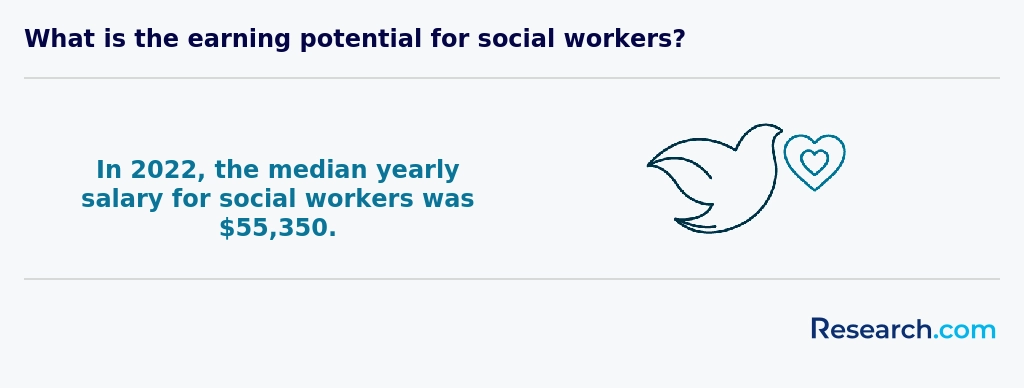
- Salary benefits: Graduates with a social work degree in Tacoma can expect competitive salaries, such as $68,800 annually for social workers and up to $83,400 for youth workers and community organizers, offering financial stability in rewarding careers.
- Career paths: Social work graduates from Tacoma colleges pursue diverse roles including child welfare specialists and residential counselors, allowing them to make meaningful impacts across many community settings.
- Online degree advantages: Earning a social work degree online from Tacoma-area universities provides flexible learning options, enabling students to balance work and study while gaining the same credentials as traditional programs.
- Key benefits of getting social work degree in Tacoma
- What can I expect from social work degree in Tacoma?
- Where can I work with social work degree in Tacoma?
- How much can I make with social work degree in Tacoma?
- 2027 Best Social Work Degree Programs Ranking in Tacoma
- Key Findings
- How long does it take to complete social work degree in Tacoma?
- Licensure Requirements in Washington
- What's the difference between online and on-campus social work degree?
- Affordability and Financial Considerations for Social Work Students in Tacoma, WA
- What is the average cost of social work degree in Tacoma?
- Application Timeline and Key Deadlines
- What financial aid is available to social work degree students in Tacoma?
- Future Trends and Skill Development in Social Work
- What are the prerequisites for enrolling in social work degree program in Tacoma?
- Licensure Requirements in Washington State
- What courses are typically in social work degree programs in Tacoma?
- What types of specializations are available in social work degree programs in Tacoma?
- How do you choose the best social work degree in Tacoma?
- What career paths are available for social work degree students in Tacoma?
- What is the job market for social work degree in Tacoma?
- Top Trending Social Work Rankings
- See What Experts Have To Say About Studying Social Work
What can I expect from social work degree in Tacoma?
The average cost of a social work degree in Tacoma typically ranges depending on the school and the type of program you choose. For example, attending a well-known university in Tacoma for a Bachelor of Social Work (BSW) might set you back somewhere between $8,000 and $15,000 per year if you're an in-state student. Master's programs, like the MSW, are a bit pricier-think between $15,000 and $25,000 annually.
Many graduates share how financial aid, like federal grants or local scholarships, lightened the load, making it easier to focus on their studies without stressing about tuition. One grad talked about how the Washington State Opportunity Scholarship helped cover much of their MSW program costs, letting them dive into fieldwork and community projects with less worry.
Since Tacoma schools often have strong ties with local agencies, students find their time well invested-not just financially but also in real-world experience. Balancing costs with hands-on learning made all the difference for those aiming to make a real impact in Tacoma's diverse communities.
Where can I work with social work degree in Tacoma?
If you earn your social work degree in Tacoma, you've got tons of options waiting for you. Many grads from Tacoma's colleges find themselves working in local hospitals and clinics, like MultiCare Health System, helping patients navigate their treatments and connecting families to resources. It's rewarding work that really makes a difference when people are at their most vulnerable.
Others jump into Tacoma Public Schools, supporting students through tough times-whether it's behavioral challenges or family struggles. Social workers there play a huge role in creating safe spaces where kids can thrive, something grads often say feels really fulfilling.
Then there's work with the city itself. The Department of Human Services offers jobs focusing on child welfare, homelessness, and support for seniors. Many grads appreciate how these roles let them build real relationships within the community.
Nonprofits are also big players in Tacoma's scene, tackling everything from domestic violence to substance abuse. And if you're into therapy, plenty of those who finish their MSW head into private practice or counseling centers-especially once they pass the ASWB exam.
Whatever path you choose, Tacoma's social work grads feel they're part of something meaningful that's really growing-because local job opportunities are expected to rise faster than the national average over the next decade.
How much can I make with social work degree in Tacoma?
If you're earning a social work degree in Tacoma, here's the lowdown on what you might make. Graduates stepping into social work roles can expect an average annual salary around $68,800, based on local and national data. For example, social workers fresh out of Tacoma's well-known programs often start near $45,000 to $50,000 but quickly move up as they gain experience.
Those who dive into specialized roles like clinical social work tend to earn more. Data shows clinical social workers in the Tacoma area pull in about $72,000 yearly, which is a nice boost. Graduates from Tacoma Community College or the University of Washington Tacoma have shared that landing government or nonprofit jobs often offers stable pay with great benefits, even if starting salaries can vary.
If you're curious about other paths, consider titles like community organizer or youth worker. Both have mean salaries around $83,400, making them attractive options for grads looking to make a real impact-and a solid living. These roles blend well with skills gained in Tacoma's social work programs.
Bottom line? Tacoma's social work grads often find salaries that reflect their growing expertise and the city's moderate cost of living, making it a sweet spot to launch your career.
2027 Best Social Work Degree Programs Ranking in Tacoma
How do we rank schools?
Investing in your education is a significant decision that can shape your future, and the Research.com team understands the importance of making informed choices. To assist prospective students in Tacoma, we have meticulously crafted the "2027 Best Social Work Degree Programs Ranking in Tacoma." Our commitment to quality, credibility, and accuracy is reflected in the extensive research and analysis conducted to compile this ranking.
We utilized the following reputable data sources to ensure a comprehensive evaluation of social work degree programs:
By exploring this ranking, readers will gain valuable insights into the best social work degree programs available in Tacoma, helping them make informed decisions about their educational and professional futures. For more details on our methodology, please visit our Research.com methodology page.


Key Findings
- Tacoma offers accredited Bachelor of Social Work (BSW) and Master of Social Work (MSW) programs recognized by the Council on Social Work Education (CSWE).
- In-state tuition for bachelor's degrees ranges from $6,000 to $10,000 per year at public institutions, while private colleges may charge over $20,000 annually.
- Graduate MSW programs typically cost between $12,000 and $25,000 per year.
- Entry-level social workers in Tacoma earn about $50,000 annually, with experienced social workers making $70,000 or more.
- Job growth for social workers in Tacoma is projected to grow around 12% over the next decade.
- Washington state licensure requires passing the ASWB exam and completing supervised clinical hours, with many local programs preparing students for these steps.
How long does it take to complete social work degree in Tacoma?
If you're thinking about getting a social work degree in Tacoma, you'll typically spend about four years completing a Bachelor of Social Work (BSW) if you're going full-time. Many Tacoma students from well-known colleges say this timeline felt just right-they had enough time to dive into hands-on fieldwork while balancing classes and part-time jobs. It's really a solid pace that prepares you well for the real world.
Moving on to a Master of Social Work (MSW), most local grads tell us it usually takes around two years full-time. Some folks here juggle work and family, so they opt for part-time or accelerated options offered by Tacoma schools, which can stretch or shorten the process. This flexibility is a big plus for busy adults who want to keep moving forward without stress.
For those aiming higher with a doctorate like a DSW or PhD, the journey can take anywhere from three to six years depending on your pace and research focus. Graduates often describe it as intense but super rewarding, especially for those passionate about clinical practice or teaching.
Licensure Requirements in Washington
To become a Licensed Social Worker in Tacoma, WA, you must meet state standards for education, supervised practice, and examination. Many candidates choose online msw programs affordable to balance degree requirements with fieldwork and exam preparation.
- Graduate from a CSWE-accredited BSW or MSW program.
- Pass the ASWB Master’s (LSW) or Clinical (LCSW) licensure exam.
- Complete at least 3,000 hours of supervised clinical experience under a qualified supervisor.
- Apply to the Washington State Department of Health, submit transcripts and exam scores, and pay licensure fees.
Renewal requires 36 hours of continuing education every two years, ensuring you stay current with best practices and ethical standards.
What's the difference between online and on-campus social work degree?
If you're thinking about a social work degree in Tacoma, the big question is usually online or on-campus? Online programs, like those popular at local schools, are great if you've got a busy schedule, maybe a job or family to juggle. You get to watch lectures when it suits you, which a lot of grads say really helped them balance everything. Plus, the price can be a little friendlier since there aren't campus fees.
On the flip side, going on-campus means you get that face-to-face vibe with professors and classmates, which tons of students from Tacoma colleges find super motivating. It's easier to build connections, get immediate help, and jump right into internships nearby, thanks to strong ties those schools have with Tacoma's social services.
Both paths prep you well for the LSW exam, but if you love direct interaction and local networking, on-campus might feel more your style. If flexibility and self-paced learning sound better, online could be a perfect fit.
Affordability and Financial Considerations for Social Work Students in Tacoma, WA
When considering a Social Work degree program in Tacoma, WA, one of the crucial factors to evaluate is the affordability of the program. Understanding the cost of tuition, fees, and other expenses is essential for making an informed decision about which program to pursue. For many students, exploring options for cheapest social work programs in Washington can be a practical first step in finding a program that fits their budget. Additionally, students should research available financial aid, scholarships, and assistantships that can help mitigate the costs associated with pursuing a Social Work degree. By carefully examining these financial aspects, prospective students can find a program that not only aligns with their academic and professional goals but also suits their financial situation, ensuring a more manageable and less stressful educational journey.
What is the average cost of social work degree in Tacoma?
If you're thinking about the average social work degree cost Tacoma students face, it's helpful to know that the median total cost sits around $60,675. That number might sound steep, but many graduates from Washington State University Tacoma have shared how their in-state tuition, which is closer to $13,168 total, made earning their social work degree manageable and worth every penny. They often mention the blend of affordable education and hands-on experience as a great value for the investment.
For those choosing private schools in Tacoma, the cost can be higher, but students often find the quality of resources and smaller class sizes justify the price. Graduates from the University of Puget Sound, for example, talk about paying more upfront but feeling supported by numerous scholarships and grants designed for social work students that helped ease the financial load. It's all about finding the right balance between cost and what you want out of your program.
While the cost of social work program Tacoma 2027 projections remain similar to today's figures, it's smart to plan ahead and explore funding early on. Also, considering MSW schools in Colorado might be an option for some looking for competitive tuition or a different environment without straying too far from home.

Application Timeline and Key Deadlines
Prospective Social Work students in Tacoma, WA, should map out each step of the application process well in advance to secure their spot and maximize financial aid opportunities. Below is a general timeline to guide your planning: • October 1: FAFSA opens – submit your Free Application for Federal Student Aid to qualify for federal loans and grants. • November 1: Early decision deadline for University of Washington Tacoma BSW/MSW programs. • December 1 – February 15: Regular admission period for most on-campus and hybrid programs at UW Tacoma and Pacific Lutheran University. • January 15: Priority scholarship application deadline (e.g., Graduate Merit Scholarship, Marc Walters Behavioral Health Scholarship). • March 31: Transfer student deadline for Tacoma Community College Spring/Summer quarter. • June 30: Final deadline for Fall quarter transfers and community college entry. • Rolling Admissions: Many online Social Work pathways offer quarterly start dates in January, April, July, and October-ideal for those balancing work or family. Planning Tip: Begin gathering transcripts, letters of recommendation, and personal statements at least six months before your target deadline. For students exploring cost-effective online bachelor’s options, don’t forget to review our Most Affordable Online Bachelor's in Social Work Degree Programs Ranking in Arizona to compare tuition and program flexibility.
What financial aid is available to social work degree students in Tacoma?
Getting financial aid for a social work degree in Tacoma is actually pretty doable, especially if you know where to look. Many students at UW Tacoma and Tacoma Community College kick off their aid journey by filling out the FAFSA, which can unlock federal grants like the Pell Grant-worth up to $7,395 a year for undergrads. That kind of support really lightens the load when tuition runs between $7,000 and $15,000 annually.
On top of federal aid, Washington state pitches in through the Washington College Grant. If your family earns under $75,000, this can slash costs at places like UW Tacoma or TCC, making the dream of a social work degree feel way more within reach. Graduates often mention how institutional scholarships from UW Tacoma's Social Work Department helped them stay focused on their studies without stressing finances.
- Popular options also include work-study gigs connected to social work programs, letting students earn cash while gaining hands-on experience.
- Plus, groups like the National Association of Social Workers in WA offer special scholarships to those dedicated to social justice and community causes.
Loan forgiveness is another bright spot. Many grads who stick around Tacoma's nonprofit or public sectors get a big break after a decade of payments thanks to programs like Public Service Loan Forgiveness. And if you're working while studying, some local employers provide tuition help, which can be an absolute game-changer for balancing work and school.
Future Trends and Skill Development in Social Work
As the social work landscape evolves rapidly amidst growing societal challenges, both students and professionals must focus on developing emerging skills and adapting to future trends. Staying ahead in social work requires an updated understanding of technology integration, trauma-informed care, and culturally responsive practices that meet the unique needs of diverse communities. Educational programs are increasingly blending traditional classroom learning with digital simulations, interactive modules, and remote field experiences to prepare graduates for a dynamic work environment. Additionally, continuous professional development-through certifications, workshops, and mentoring-plays a crucial role in honing interpersonal and technical skills essential for effective advocacy and client support. For more insights on the evolving field and how to build a robust skill set, explore our detailed guide on social work careers. Embracing these future trends not only enhances job readiness but also empowers individuals to drive meaningful social change in an ever-adapting community landscape.
What are the prerequisites for enrolling in social work degree program in Tacoma?
If you're thinking about jumping into a social work degree in Tacoma, you'll want to know what schools expect before you get started. For Bachelor of Social Work (BSW) programs, most Tacoma colleges look for a solid high school diploma with a decent GPA, usually around 2.5 to 3.0. You'll also want to have some basics down-classes like English, psychology, and sociology are great to have under your belt. Many schools here have ditched the standardized test requirement, which makes things a bit easier. Sharing your passion through a personal essay and getting a couple of good recommendation letters can really help too.
For those aiming at a Master of Social Work (MSW), it's a bit more involved. You'll need a bachelor's degree, hopefully related to psychology or human services, from an accredited school-Washington universities like the University of Puget Sound or Tacoma Community College are popular choices. Many grads talk about how their volunteer work, often over 100 hours with local nonprofits, made a big difference during applications. Some programs might ask for GRE scores, but lots have relaxed this lately. Plus, a professional resume and strong recommendation letters showcasing your skills and heart for social work truly make you stand out. Tacoma students often highlight how these steps made them feel ready to dive into the rewarding field of social work.

Licensure Requirements in Washington State
Graduates must secure a state credential before practicing. Key steps include:
- Earn a CSWE-accredited degree: BSW for Licensed Social Worker (LSW), MSW for Licensed Independent Clinical Social Worker (LICSW); consider online msw programs for flexible MSW pathways.
- Pass the ASWB exam: Bachelors level for LSW, Clinical level for LICSW.
- For LICSW, complete 3,000 hours of supervised clinical experience under a licensed supervisor.
- Apply to the Washington Department of Health: submit official transcripts, exam scores and the application fee.
- Renew your license every two years with at least 36 hours of approved continuing education.
What courses are typically in social work degree programs in Tacoma?
If you're diving into a social work degree in Tacoma, you'll quickly notice the courses are a great mix of real-life skills and background knowledge tailored to the local community. For example, classes like Introduction to Social Work give you a solid grasp of what social workers actually do-covering everything from ethical challenges to how social services operate right here in Tacoma and Washington state. Many grads from popular schools say this course helped them understand how to connect with diverse groups, including Native American and immigrant populations.
Another favorite is Human Behavior and the Social Environment, where you explore why people act the way they do, which is super useful when you're out in the field. Tacoma colleges also offer hands-on Practice Courses that get you ready for everything from child welfare to mental health support-many students mention how these helped build their confidence before internships.
Research Methods, Social Welfare Policy, and a Field Practicum round out the experience, often through local agencies where you get real-world exposure that feels meaningful and rewarding.
What types of specializations are available in social work degree programs in Tacoma?
When diving into social work specializations in Tacoma, you'll find a few popular paths that really stand out. Many students from Tacoma's top colleges focus on clinical social work, which means working closely with people coping with mental health struggles or trauma. Graduates often share how rewarding it feels to directly help individuals and families heal. Another path is school social work, where you support kids facing challenges like bullying or family issues-something many Tacoma students find super fulfilling given the city's diverse school environments.
Healthcare social work is also big here, especially with Tacoma's hospitals needing pros who get the medical system and can support patients and families through tough times. Another chill area is community development, which appeals to those eager to make a broader impact through advocacy or policy-students love how this ties into Tacoma's active civic scene. If you want to dig into social work degree focus areas in Tacoma, don't forget that certification can sometimes be needed after graduation; you can learn more about that here.
How do you choose the best social work degree in Tacoma?
When picking the best social work degree in Tacoma, start by checking if the program is CSWE accredited-that's a must for recognized qualifications and smooth licensure later on. Many grads from popular Tacoma colleges rave about the solid, practical training they received, especially those juggling work and classes thanks to flexible online or hybrid options. If you're eyeing affordable social work degrees Tacoma WA, look closely at tuition and extra fees since Tacoma schools tend to be easier on your wallet compared to bigger cities.
One graduate shared how local internship connections at Tacoma-Pierce County Health Department boosted their confidence and helped land a job right after graduation. Also, be sure to look up job and licensure placement stats on school sites to see how grads are doing. If you want more career ideas related to social sciences, check out more info here.
What career paths are available for social work degree students in Tacoma?
If you're earning a social work degree in Tacoma, you've got some really rewarding career paths ahead. Graduates from popular schools here often find themselves working as clinical social workers, helping people through tough emotional moments with counseling and therapy. Others become medical social workers, supporting patients in hospitals by coordinating care after they leave, which can feel incredibly impactful. Tacoma social work degree job prospects also include school social workers who assist kids facing behavioral or emotional challenges, making a big difference day-to-day in local schools.
Community outreach workers in Tacoma focus on social justice and improving housing options-roles graduates find meaningful because they see the direct effects of their work in their own neighborhoods. For those curious about educational costs, you can find more details on the cheapest social work programs in Washington, which helps when planning your budget.
Many graduates feel proud knowing their Tacoma social work career opportunities include child and family social work, protecting vulnerable kids and families by connecting them with support and services. Tacoma offers a solid community feel for social work, with strong employment growth and diverse ways to make a positive difference every day.
What is the job market for social work degree in Tacoma?
The social work job opportunities in Tacoma are pretty encouraging, especially if you're coming from local schools known for strong social work programs. Graduates often find themselves working in hospitals, schools, or community centers, making a real difference in neighborhoods that need help the most. Many Tacoma social work career outlooks show steady growth, thanks to the city's diverse population and ongoing demand for mental health and family services.
For example, students finishing their degrees at popular Tacoma colleges often land jobs in healthcare or child welfare programs soon after graduating. Some share how rewarding it is to help underserved families right in their own city, which makes all those years at school feel worth it. Plus, Tacoma's tuition rates can be more affordable compared to other cities, easing the financial side of earning a social work degree.
If you're curious about the next steps after graduation, don't miss details about social work careers that are tailored for Tacoma's job market.
Frequently Asked Questions About social work
Students pursuing social work degrees in Tacoma can enhance their learning by actively engaging in field placements within local agencies. Tacoma offers diverse community resources, such as the Tacoma Community House and MultiCare Health System, providing practical experience that complements classroom knowledge. Accredited programs in Washington require supervised internships, which are vital for skill development and networking.
Additionally, participating in study groups and attending seminars hosted by regional organizations like the Washington State Chapter of the National Association of Social Workers helps students stay informed about current issues. Utilizing Tacoma Public Library's social work resources and local data can further deepen understanding of community needs.
Emerging niches within the social work field reflect evolving societal needs and growing complexity in service delivery. In Tacoma, growing attention is given to geriatric social work, addressing the needs of an aging population; by 2030, Pierce County is expected to see a 20% increase in residents aged 65 and older, according to the Washington State Office of Financial Management. Another significant area is behavioral health social work, focusing on mental health and substance abuse treatment, driven by local increases in opioid-related incidents reported by Tacoma-Pierce County Health Department.
Additionally, environmental social work is gaining momentum, integrating climate justice with community support, reflecting Tacoma's commitment to sustainability. Technological integration in social work, including telehealth services and AI-driven case management, is another emerging niche enhancing accessibility for remote clients. These specialties offer promising career paths for Tacoma social work students seeking impactful roles aligned with regional trends.
After earning a social work degree in Tacoma, preparing for the job market involves several focused steps. First, obtaining licensure is crucial; in Washington state, this means passing the ASWB exam for Licensed Social Worker (LSW) status, which opens many employment doors.
Networking within local agencies, such as the Tacoma-Pierce County Health Department or United Way of Pierce County, can lead to valuable connections and job opportunities. Internships or practicum experiences completed during your degree are key to gaining hands-on skills that employers seek.
According to the U.S. Bureau of Labor Statistics, social work jobs in Washington state are projected to grow around 12% through 2031, outpacing the national average, reflecting demand in Tacoma's diverse communities.
Building a strong resume that highlights experience with vulnerable populations and familiarity with community resources improves chances in this competitive field.
Employers in Tacoma highly value social work degree graduates who demonstrate strong communication skills. Effective interpersonal communication is essential for building trust and rapport with diverse client populations. According to the Washington State Department of Commerce, culturally competent communication is increasingly important due to Tacoma's diverse community.
Critical thinking and problem-solving abilities also rank among the top skills. Social workers must quickly assess complex situations and develop appropriate intervention strategies.
Additionally, knowledge of local social service systems and community resources is crucial. The National Association of Social Workers (NASW) emphasizes that understanding regional policies enhances a graduate's effectiveness.
Lastly, employers seek graduates with solid ethical decision-making skills to navigate challenging cases professionally and responsibly.
Finding internships in Tacoma relevant to a social work degree involves a strategic approach through local resources and institutions. Students should start by contacting social work departments at Tacoma-area colleges like the University of Puget Sound, which often have established partnerships with community organizations. According to the National Association of Social Workers, internships typically require 400-900 hours, providing hands-on experience.
Local agencies such as the Tacoma-Pierce County Health Department and nonprofit organizations frequently offer internship positions. Additionally, Tacoma's Integrated Care Pathways program collaborates with social work students to provide real-world exposure.
Exploring job boards specific to Washington State or consulting the Washington State Department of Social and Health Services website can also reveal internship listings.
Obtaining a social work degree in Tacoma significantly enhances career mobility and advancement opportunities. According to the U.S. Bureau of Labor Statistics, the demand for social workers in Washington state, including Tacoma, is projected to grow 13% from 2022 to 2032, faster than the average for all occupations. A degree in social work qualifies graduates for various state-licensed roles, such as Licensed Social Worker (LSW) and Licensed Clinical Social Worker (LCSW), which opens doors to higher-paying and specialized positions.
Employers in Tacoma's healthcare, education, and social services sectors often prefer candidates with accredited degrees, reflecting the value placed on formal education. Tacoma's emphasis on community welfare programs increases demand for advanced degrees, correlating with leadership and supervisory roles. In this competitive job market, holding a degree can be essential for promotions and salary increases within government agencies and nonprofit organizations.
Studying for a social work degree in Tacoma equips students with skills essential for interdisciplinary collaboration. Tacoma's programs emphasize working alongside professionals in healthcare, education, and public policy to address complex social issues.
Local universities, like the University of Puget Sound and Tacoma Community College, integrate community partnerships into their curricula, providing real-world experience with diverse teams. According to the Washington State Employment Security Department, social workers in Tacoma often coordinate care with medical and mental health providers, underscoring the demand for interdisciplinary competence.
This training encourages students to communicate effectively across fields and develop holistic solutions that benefit individuals and communities.
When choosing between a thesis and a non-thesis social work degree program in Tacoma, consider your career goals first. Thesis programs generally appeal to those wanting to engage in research or pursue a doctoral degree later. They require original research and a written document, which hones analytical skills.
Non-thesis options focus more on practical experience, often including internships or applied projects. These are suited for students aiming to enter the workforce quickly or gain hands-on skills in clinical or community social work.
According to the Council on Social Work Education, about 60% of Tacoma's MSW students prefer non-thesis paths due to the region's strong demand for practicing social workers. Program length, faculty expertise, and funding opportunities should also factor into your decision.
Students based in Tacoma interested in studying social work abroad have several options through exchange programs and international partnerships offered by Washington state universities. While Tacoma itself has limited direct programs, nearby institutions like the University of Washington provide study abroad opportunities in social work that align with US accreditation standards.
These programs often include placements in countries such as Australia, the United Kingdom, and Canada, allowing students to gain global perspectives on social welfare systems. According to NASW, international experience can enhance cultural competency, a critical skill for social workers in diverse communities like Tacoma.
Financial aid and scholarships are available through federal sources like FAFSA, as well as university-specific grants for study abroad students. Advisors typically recommend planning well in advance to meet eligibility criteria and credit transfer requirements.
Students pursuing social work degrees in Tacoma can benefit greatly from part-time jobs that offer practical experience. Roles such as resident advisors at local dormitories or community centers provide chances to develop interpersonal and crisis management skills. Tacoma has numerous nonprofit organizations, including food banks and shelters, where part-time positions involve client interaction and casework support.
Additionally, positions like peer mentors or behavioral health aides in Tacoma's healthcare facilities align well with social work studies. According to the Washington Employment Security Department, Tacoma's social assistance sector grew by 8% from 2018 to 2023, highlighting available opportunities in related roles.
Gaining work experience in these areas helps build a professional foundation while fulfilling academic requirements, which is especially important given licensing prerequisites in Washington State.
Social work students in Tacoma benefit from various networking opportunities that connect them with professionals and organizations in the region. Local universities, such as the University of Washington Tacoma, offer events where students can meet experienced social workers and community leaders. These events often include guest lectures, career fairs, and volunteer coordination sessions.
Additionally, Tacoma hosts chapters of national organizations like the National Association of Social Workers (NASW), which provides workshops and networking meetings specifically for students. According to NASW Washington State, these gatherings enable students to build relationships that may lead to internships and job placements in local agencies.
Community partnerships between universities and Tacoma social services agencies also enable students to engage in field placements, fostering professional connections critical for post-graduate employment. These structured interactions give students real-world experience and mentor support throughout their education.
Alumni networks offer significant benefits for social work students in Tacoma by providing valuable connections within the local professional community. Graduates from Tacoma social work programs often gain access to job openings, internships, and mentorships through these networks. This is especially crucial given Pierce County's growing demand for social workers, which the Washington State Employment Security Department reports to be increasing by 8% annually.
Strong alumni ties also facilitate knowledge-sharing on fieldwork opportunities and local social service agencies. Networking events organized by Tacoma-based universities help students build relationships that can lead to employment in diverse settings such as schools, hospitals, and nonprofit organizations. Overall, alumni networks strengthen professional development and career placement for social work students in Tacoma.
Customizing your social work degree program in Tacoma allows you to align education with your specific career goals. Many programs offer elective courses in areas like mental health, child welfare, or substance abuse, enabling you to specialize according to local community needs.
Field practicum placements are a vital customization tool. Tacoma's diverse agencies provide opportunities to gain hands-on experience tailored to your interests, such as working with veterans, immigrant populations, or urban housing issues.
Additionally, some Tacoma institutions permit part-time or online study formats, offering flexibility for working professionals. The University of Washington Tacoma, for example, provides options that support such customization while maintaining accreditation from the Council on Social Work Education (CSWE).
Social work students in Tacoma face a variety of challenges common to the profession nationwide, yet some are shaped by local circumstances. One major difficulty is managing heavy fieldwork requirements alongside academic coursework. Tacoma's diverse population, including significant low-income and immigrant communities, requires students to develop strong cultural competency and adaptability.
Financial stress is another concern; many students struggle with balancing tuition costs and living expenses in the Tacoma area. According to the Washington State Higher Education Coordinating Board, social work students often seek part-time employment, which can impact their study time and mental health.
Additionally, navigating the complexity of local social services during field placements poses practical challenges. Students must be prepared to work with limited resources and bureaucratic hurdles while delivering meaningful support to vulnerable populations.
With a social work degree in Tacoma, graduates can pursue a variety of professional certifications to advance their careers. The most common certification is the Licensed Social Worker (LSW), which allows entry-level practitioners to provide many social services. After gaining experience, professionals often seek the Licensed Clinical Social Worker (LCSW) credential, enabling them to offer mental health therapy and counseling.
Other certifications include the Certified Advanced Social Worker (CASW) and credentials focusing on specialized areas like school social work or substance abuse counseling. According to the Washington State Department of Health, these certifications follow strict education and supervised practice requirements.
Local Tacoma agencies emphasize the value of these licenses for employment in healthcare, child welfare, and community organizations.
When applying to social work programs in Tacoma, a clear, well-structured personal statement is essential. Highlight your motivation for social work, relevant experiences, and commitment to serving diverse communities. Tacoma's programs often value applicants with volunteer or internship experience in local agencies, such as those working with underserved populations.
Admissions committees typically require transcripts demonstrating strong academic performance in prerequisite courses like psychology and sociology. Tacoma boasts several accredited social work programs, so check specific criteria for each school, including Washington State University Tacoma and the University of Washington Tacoma.
Letters of recommendation should come from professionals familiar with your skills and ethics in social work contexts. Finally, ensure your application reflects understanding of local social issues, as Tacoma faces challenges like homelessness and economic disparity, which social workers help address (Tacoma-Pierce County Health Department data, 2023).
Social work careers are increasingly viewed through a global lens, emphasizing common goals like social justice, human rights, and community empowerment. In the United States, including Tacoma, social work education aligns with international standards set by organizations such as the International Federation of Social Workers.
Data from the U.S. Bureau of Labor Statistics indicates that Tacoma's social work employment is projected to grow by 12% through 2031, reflecting growing local and global demand. Social workers in Tacoma often engage with diverse populations, preparing graduates to understand issues that transcend national boundaries.
Moreover, Tacoma's universities incorporate global perspectives within their curricula, helping students appreciate cultural competence and global policy influences on local social challenges.
Gaining practical experience while studying for a social work degree in Tacoma is essential for career readiness. Most accredited programs require fieldwork or internships as part of their curriculum. These opportunities often take place in local organizations such as Tacoma-Pierce County Health Department, schools, or community service agencies.
Students can expect to complete 400 to 900 hours of supervised practice, depending on the program level. This hands-on experience allows learners to apply classroom knowledge in real-world settings, building critical skills.
Networking with social workers through Tacoma's professional groups and attending workshops can also enhance learning. Additionally, some programs collaborate with local nonprofits to place students in meaningful roles, making practical training accessible during study.
Choosing the right concentration in a social work degree program in Tacoma begins with understanding your career goals. Social work fields range from clinical services to community organization and policy advocacy. Consider Tacoma's specific needs, such as working with diverse urban populations or addressing homelessness-issues highlighted by the Tacoma-Pierce County Health Department.
Research local job markets and licensure requirements. For example, concentrations in clinical social work often require advanced certifications for private practice in Washington state. Tacoma universities typically offer tracks like child welfare or mental health, aligning with regional demand.
Speak with academic advisors and local professionals to gauge which specialization offers the best opportunities. Reviewing Tacoma employment data and program curricula supports an informed choice.
Related Social Work Rankings for Nearby Cities
- 2027 Best Social Work Degree Programs Ranking in Seattle
- 2027 Best Social Work Degree Programs Ranking in Berkeley
- 2027 Best Social Work Degree Programs Ranking in Fresno
- 2027 Best Social Work Degree Programs Ranking in Los Angeles
- 2027 Best Social Work Degree Programs Ranking in Denver
- 2027 Best Social Work Degree Programs Ranking in San Diego
- 2027 Best Social Work Degree Programs Ranking in Omaha
- 2027 Best Social Work Degree Programs Ranking in Minneapolis
- 2027 Best Social Work Degree Programs Ranking in Saint Paul
- 2027 Best Social Work Degree Programs Ranking in Duluth
Top Trending Social Work Rankings
See What Experts Have To Say About Studying Social Work
Read our interview with Social Work experts

References
- The Evolution of Online Social Work Education https://www.socialworktoday.com/news/enews_0317_1.shtml
- My social work journey: from experience to practice https://socialworkwithadults.blog.gov.uk/2023/09/26/my-social-work-journey-from-experience-to-practice/
- Practice & Networking Groups | AASW https://www.aasw.asn.au/about-aasw/practice-networking-groups/
- Social Work Degrees https://socialworklicensemap.com/social-work-degrees/
- Global Perspectives in Social Work https://www.gu.se/en/study-in-gothenburg/exchange-student/courses/sw1118
- Guide to Careers in Social Work https://www.onlinemswprograms.com/careers/
- Interdisciplinary Collaboration in Social Work and the ASWB Exam https://agentsofchangeprep.com/blog/interdisciplinary-collaboration-in-social-work-and-the-aswb-exam/
- 1+ Social Worker Cover Letter Examples (with In-Depth Guidance) https://www.tealhq.com/cover-letter-examples/social-worker
- Social Work Internships https://www.stjude.org/education-training/professional-development/internships/social-work.html
- Surviving your social work degree placement - Community Care https://www.communitycare.co.uk/content/news/surviving-your-social-work-degree-placement


