2027 Most Affordable Public Health Degree Programs Ranking in Tennessee

Co-Founder and Chief Data Scientist
Exploring affordable public health degree programs in Tennessee can be overwhelming, but this guide is here to simplify your journey. The 2027 Most Affordable Public Health Degree Programs Ranking in Tennessee was thoughtfully created by the Research.com team of data scientists to help you make an informed choice about your education.
By reading this article, you'll discover valuable insights into cost-effective options that don't compromise quality. Pursuing a public health degree opens doors to meaningful careers that impact communities positively. Your future starts with the right program, and this ranking aims to support that exciting step.
Key benefits of getting public health degree in Tennessee
- Salary for public health degree graduates: Graduates in Tennessee can expect competitive salaries, such as Health Educators earning a mean annual wage of $69,790 and Environmental Health Specialists making around $86,710, reflecting strong income potential in the field.
- Career paths: Public health degree holders often pursue rewarding roles like Community Health Workers or Occupational Health and Safety Specialists, opening doors to diverse opportunities in healthcare, safety, and education sectors within Tennessee.
- Benefits of online degrees: Earning a public health degree online from a Tennessee university allows flexible study schedules, making it easier to balance work and personal life while gaining the same valuable skills as traditional programs.
- 2027 Most Affordable Public Health Degree Programs Ranking in Tennessee
- What can I expect from public health degree in Tennessee?
- Where can I work with public health degree in Tennessee?
What can I expect from public health degree in Tennessee?
In Tennessee, the average cost of a public health degree varies widely depending on the institution and program level. Graduates from universities like the University of Tennessee Health Science Center often report that in-state tuition is significantly more affordable, sometimes nearly half the cost of out-of-state rates. Many students highlight how scholarships and grants tailored specifically for Tennessee residents make pursuing a public health degree much more accessible.
For example, some students at East Tennessee State University share how their practicum opportunities not only enhanced learning but also helped offset financial pressures by connecting them with local health departments offering stipends. Financial aid offices across Tennessee's public health programs actively assist students in applying for state and federal support, making it crucial to reach out early to secure funding.
By choosing Tennessee institutions, students can expect competitive tuition compared to national averages, especially when leveraging in-state benefits and community-based resources, which can lower overall costs and enrich the educational experience.
Where can I work with public health degree in Tennessee?
Graduates with a public health degree in Tennessee find rewarding roles across government agencies, healthcare systems, nonprofits, and academic institutions. For instance, those studying at the University of Tennessee often secure positions within the Tennessee Department of Health, working on epidemiology or policy analysis that directly influence community health.
Local health departments in cities like Nashville or Memphis are common employers, where graduates coordinate health programs addressing real-world challenges such as disease prevention and health education. A graduate from East Tennessee State University shared how working with a regional health department involved managing public health data to improve youth wellness initiatives.
Healthcare networks like Vanderbilt University Medical Center hire public health professionals to support infection control and patient safety. Many alumni express satisfaction in collaborating with medical teams to make tangible differences in patient care outcomes.
The state's nonprofit sector also offers diverse opportunities, from advocacy to program coordination with organizations like the Tennessee Public Health Association, enabling graduates to impact health disparities directly.
Students aiming for academia or research frequently continue at institutions such as ETSU, contributing to public health advancements while training future professionals, making the degree both versatile and impactful within Tennessee's growing health landscape.
Graduates with a public health degree from Tennessee institutions like the University of Tennessee often find entry-level roles as community health workers, earning around $52,610 annually according to BLS data. This salary provides a solid starting point, especially in urban areas such as Nashville, where local demand for public health services supports competitive wages.
Health educators in Tennessee typically earn about $69,790 per year, offering a substantial step up in earning potential. Many graduates pursuing advanced public health studies like a master's degree report that this role allows them to combine fieldwork with health promotion, making their work both impactful and financially rewarding.
Those specializing further may become environmental health specialists or occupational health and safety specialists, roles that command salaries near $85,000 to $87,000. Graduates from colleges such as Tennessee State University who focus on these areas often highlight how these positions allow them to use data and regulatory knowledge to improve community health, enjoying both job satisfaction and strong pay.
- Public health degrees are available at several Tennessee public universities, including the University of Tennessee system and East Tennessee State University.
- Annual tuition for in-state students ranges from $9,000 to $12,000, while out-of-state costs can be about twice as high.
- Employment for health educators and community health workers in Tennessee is projected to grow by about 14% in the next decade.
- Starting salaries for public health graduates typically range from $40,000 to $50,000, increasing to $60,000-$75,000 with experience or a master's degree.
- Long-term salaries can exceed $80,000 in advanced roles such as epidemiology or health policy.
- Career opportunities exist in government agencies, hospitals, nonprofits, and private companies focused on disease prevention, environmental health, and health education.
In Tennessee, completing a Bachelor of Science in Public Health usually requires about four years of full-time study, similar to other in-state degree programs. Many graduates from universities like the University of Tennessee and Belmont University share that staying enrolled full-time with a clear course plan helped them finish on schedule without feeling overwhelmed.
For those pursuing a Master of Public Health (MPH), the standard duration is around two years. Some working professionals at East Tennessee State University find success by choosing hybrid or online MPH options, enabling them to balance jobs and family while steadily advancing toward their degree.
Doctoral degrees such as DrPH or PhD in Public Health can take 3 to 6 years due to research and dissertation demands. Graduates from Tennessee institutions emphasize the importance of effective time management and seeking faculty mentorship early to navigate this longer path confidently.
Many students benefit from part-time enrollment or accelerated programs, which can adjust these timelines and better fit individual life situations. Flexible scheduling options at Tennessee public universities make completing degrees practical and attainable.
Investing in an affordable public health degree in Tennessee isn’t just about upfront tuition-it’s about long-term value. On average, a bachelor’s in Public Health from a Tennessee institution costs between $40,000 and $80,000 in total tuition and fees. Given entry-level salaries for roles like Community Health Workers ($49,900) and Health Educators ($66,710), most graduates recoup their investment within 4–6 years. Key factors influencing ROI:
- Tuition vs. Earnings: In-state tuition averaging $12,000 per year translates to annual debt service of roughly $2,000–$3,000, easily covered by median starting salaries.
- Career Advancement: Specializations in Epidemiology or Health Policy can command salaries above $75,000, shortening payback periods to 3–4 years.
- Debt Management: Federal work-study and graduate assistantships often include tuition waivers, reducing overall burden. For those comparing related healthcare roles, even technical positions offer solid returns-our detailed health information technician job salary analysis shows median wages of $45,000–$55,000, underscoring the competitive nature of public health careers in Tennessee. Understanding these metrics helps prospective students choose programs that align costs with realistic earning potential.
Choosing between online and on-campus public health degrees in Tennessee depends largely on your lifestyle and learning preferences. Online programs from schools like the University of Tennessee offer flexibility, letting you balance coursework with work or family commitments. Graduates appreciate this format for allowing study from anywhere, though it requires strong self-discipline and time management skills.
On-campus degrees, such as those at East Tennessee State University, provide rich face-to-face interactions, practical labs, and immediate access to resources like libraries and career services. Graduates often highlight the benefit of hands-on experiences and networking opportunities that prepare them for roles demanding fieldwork or lab skills.
Tuition varies, too: on-campus public health studies in Tennessee typically cost $8,000 to $12,000 annually, which can be more affordable, while online tuition nationally averages $10,000 to $18,000. Consider your need for flexibility versus direct support when deciding which path fits your goals best.
Applying to a Public Health degree in Tennessee involves a clear understanding of each institution’s timeline, requirements, and submission process. Most universities accept applications on a rolling or fixed deadline basis, typically between October and March for fall admission. To maximize your chances, follow these key steps: 1. Research Deadlines and Formats - Verify whether the program uses a centralized application service (such as SOPHAS for MPH programs) or its own portal. - Note early-action or priority deadlines; submitting by these dates can increase scholarship and assistantship considerations. 2. Prepare Required Documents - Official Transcripts: Request records from all post-secondary institutions. - Test Scores: While many Tennessee schools have adopted test-optional policies, confirmed GRE or MAT scores (if required) should be sent directly to each program. - Letters of Recommendation: Secure two to three references from academic or professional supervisors familiar with your public health experience. - Statement of Purpose: Craft a concise essay highlighting your passion for community health, relevant internships, and career goals aligned with Tennessee’s public health priorities. - Resume or CV: Emphasize fieldwork, research assistantships, and leadership roles in health initiatives. 3. Highlight Financial Fit - In your personal statement, briefly mention your commitment to affordability by referencing reputable resources. For example, students exploring flexible online paths often review the Low Cost Online Bachelor's in Public Health Degree Programs Ranking in the South to compare tuition and delivery formats. 4. Submit and Track Your Application - Use each campus portal to confirm receipt of materials and monitor application status. - If interviews are part of the process, prepare to discuss your understanding of Tennessee’s public health challenges and how your goals align with program strengths. By following these steps methodically and tailoring each component to Tennessee’s public health landscape, applicants can present a competitive profile and secure admission to an affordable, high-quality program.
The average cost of a public health degree in Tennessee for in-state students typically hovers around $10,472. This makes pursuing a public health degree an attainable goal for many local students, especially when compared to the median total cost of approximately $34,881 for out-of-state students or those attending private institutions. Graduates from public universities, such as those within the University of Tennessee system, often share positive stories about how affordable tuition paired with quality education allowed them to focus on building their careers without overwhelming debt.
Students looking for affordable public health degree programs Tennessee can especially benefit from public universities that keep tuition costs manageable while offering strong support services like financial aid and tutoring. Earning a degree here means students can save money but still gain meaningful hands-on experience through labs and community health projects, which many graduates cite as essential to their learning and professional growth.
Out-of-state students should prepare for higher tuition fees, which are nearly triple the in-state rate, sometimes exceeding $34,000 annually. Planning ahead by researching scholarship opportunities or considering a transfer after meeting residency requirements can help reduce these expenses. Additionally, students may want to explore the best public health school in tennessee to find programs that balance cost and quality effectively.

Students pursuing public health degrees in Tennessee can access multiple financial aid sources to ease their educational expenses, which typically range from $8,000 to $12,000 yearly at public institutions. By filing the FAFSA, many secure federal aid such as the Pell Grant, offering up to $7,395 annually for undergraduates. Graduate students benefit from federal loans with favorable interest rates and repayment options customized for their career paths.
Those attending universities like the University of Tennessee often receive merit-based scholarships recognizing academic excellence and leadership, dramatically cutting tuition costs. Graduates share how these scholarships transformed their experience, providing peace of mind and focus on studies rather than finances.
Additionally, Tennessee's Student Assistance Award grants further support for in-state undergraduates in public health. Professional organizations such as the American Public Health Association also offer scholarships aimed at passionate public health students committed to community impact.
Workforce development grants and loan forgiveness programs, like the Tennessee State Loan Repayment Program, reward graduates who serve underserved areas, blending financial relief with meaningful career opportunities right in their communities.
To enroll in a public health degree program in Tennessee, you typically need a high school diploma or equivalent for undergraduate programs, and a bachelor's degree for graduate studies like the MPH. For example, graduates from East Tennessee State University recall how building a strong foundation in biology, chemistry, and statistics helped them ease into the rigorous curriculum.
Many programs emphasize courses in social sciences and English composition to strengthen communication and analytical skills, which are essential in real-world public health work. If you plan to apply for graduate programs at popular Tennessee schools, preparing official transcripts that prove your academic background is crucial.
Applicants often enhance their profiles by gaining volunteer or work experience in health settings, which provides valuable context during internships or practicums. Some students found that offering a well-crafted personal statement expressing their passion for community health made a significant difference during admissions.
Keep in mind, requirements like the GRE are either waived or optional at many Tennessee institutions, and you may need to complete immunizations and background checks for fieldwork placements, ensuring safety and compliance with state health policies.

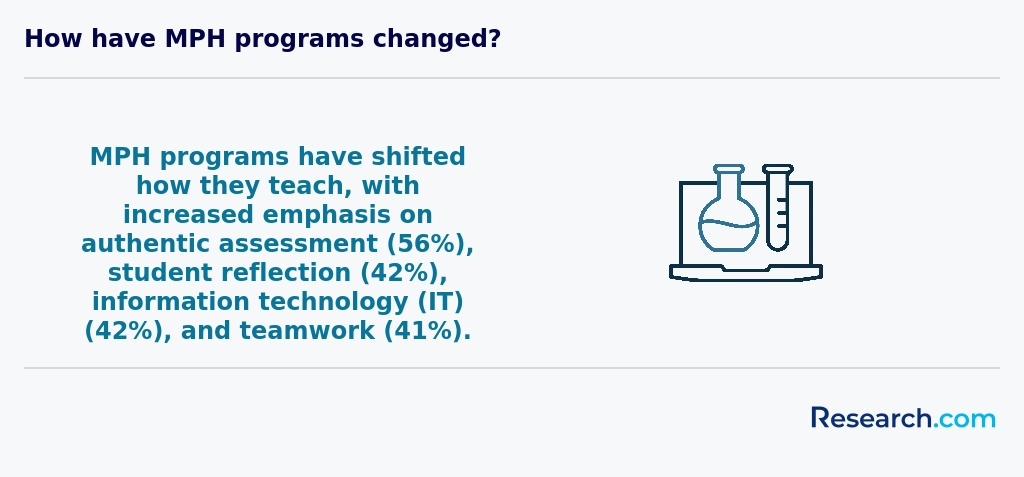
Tennessee’s public health programs are evolving rapidly to address emerging challenges and incorporate innovative teaching methods. With increasing emphasis on technology-driven learning, many institutions are integrating telehealth, data analytics, and simulation-based training into their curricula. This evolution not only enhances classroom learning but also ensures that graduates are well-prepared for modern healthcare challenges. Additionally, interdisciplinary collaboration is on the rise, with programs partnering with local industries and government agencies to offer students real-time problem-solving experiences. For those seeking guidance on choosing programs that foster innovation, exploring rankings offered by the best public health school in tennessee can provide valuable insights. As public health priorities shift towards addressing climate change, global pandemics, and health equity, students can expect curricula to continuously adapt, ensuring they are equipped with both practical skills and a forward-thinking mindset. Prospective students should consider these trends when evaluating programs, as a dynamic and innovative educational environment can significantly enhance career prospects in an ever-changing field.
Public health degrees in Tennessee typically include courses like epidemiology, where students learn to analyze disease patterns-a vital skill when addressing local issues such as diabetes and heart disease. Graduates from universities like the University of Tennessee often mention how this course helped them understand real outbreaks and health trends in their communities.
Biostatistics is another key course, teaching you to interpret health data precisely. Students recall using these skills during internships with Tennessee public health agencies, making data-driven recommendations that mattered.
Environmental health classes focus on challenges specific to Tennessee's urban and rural areas, such as water quality and air pollution, which students valued for preparing them to improve local living conditions.
Courses in health policy and management cover how Tennessee's $500 million public health investment translates into effective programs. Graduates describe these lessons as essential for stepping into leadership roles.
Behavioral sciences address social factors like tobacco use and obesity, empowering students to develop impactful health education campaigns.
Many programs also include practicums, offering hands-on experience with local organizations, giving you confidence and real-world insight before you graduate.
Public health degree specializations Tennessee students commonly pursue include epidemiology, health policy and management, environmental health, community health education, and global health. Graduates from popular universities in Tennessee often share how the epidemiology track helped them develop skills to identify and manage disease outbreaks, a real-world need given local health challenges like diabetes and heart disease. Others found the health policy and management specialization invaluable for securing leadership positions that impact state health systems directly.
Those focusing on community health education frequently mention the rewarding experience of working within diverse neighborhoods, designing programs aimed at preventive care. Colleges in Tennessee tailor these specializations to address pressing local public health concerns, making coursework highly applicable and engaging. Students benefit from practical internship opportunities that often enhance their resumes and employability.
For those interested in healthcare concentration options in Tennessee, degrees also prepare graduates for emerging roles including a health information technician job salary pathway, reflecting the growing integration of technology in health data management. Choosing the right specialization can significantly improve career prospects in Tennessee's evolving public health sector.
Focus on degree levels that match your career path: Bachelor of Science in Public Health (BSPH) prepares you for entry-level roles, while a Master of Public Health (MPH) opens doors to advanced positions like epidemiologists and administrators. Graduates from the University of Tennessee Health Science Center often praise its CEPH-accredited programs for providing solid credentials and strong faculty support.
Cost is a practical concern-public universities in Tennessee typically charge between $9,000 and $12,000 yearly for in-state tuition. Many students find scholarships and financial aid that ease the burden, making affordable public health degrees Tennessee a reality. Exploring options like the Low Cost Online Bachelor's in Public Health Degree Programs Ranking in the South can also save money without sacrificing quality.
Look for programs offering relevant specializations such as community health or biostatistics, plus hands-on internships with local health departments. Stories from recent graduates highlight how these experiences helped them feel confident and job-ready in Tennessee's growing public health sector.
Graduates exploring public health career opportunities in Tennessee find diverse paths in government, healthcare, nonprofits, and private sectors. Many alumni from popular schools like the University of Tennessee or Vanderbilt University have taken roles as health educators and community health workers, designing impactful wellness programs in local communities. Others have become epidemiologists tracking disease outbreaks or healthcare program managers ensuring smooth operations of public health initiatives.
Jobs with a public health degree in Tennessee often connect through state and local health departments, especially in maternal health, infectious disease control, and chronic illness prevention areas. Graduates report rewarding experiences working on vaccination outreach or policy development with the Tennessee Department of Health, citing the ability to make a direct difference. Those seeking flexibility also turn to fastest online programs for working adults, balancing studies while gaining practical experience. Being part of these expanding public health efforts offers both job stability and personal fulfillment in communities across the state.
The public health job outlook in Tennessee is encouraging for graduates, thanks to steady growth in healthcare needs and public health awareness across the state. Graduates from well-known institutions like the University of Tennessee and Belmont University have reported finding rewarding roles in government health departments, hospitals, and nonprofit organizations focused on community health. These jobs often involve direct work on disease prevention, health promotion, and managing wellness programs.
Many graduates enjoy the practical experience gained through internships within local health agencies, which positions them well for roles in healthcare administration or epidemiology. Entry-level salaries typically start between $45,000 and $55,000, but those who gain experience and specialized skills can exceed $70,000 annually, reflecting a strong Tennessee public health career opportunities market.
For students weighing options, Tennessee's affordable in-state tuition combined with diverse career paths offers a positive return on investment. Exploring degrees for older adults online can also be a strategic move for those balancing education with other life commitments.
2027 Most Affordable Public Health Degree Programs Ranking in Tennessee
Investing in your education is a significant decision that can shape your future, and the Research.com team understands the importance of making informed choices. To assist prospective students in Tennessee, we have meticulously crafted the "2027 Most Affordable Public Health Degree Programs Ranking in Tennessee." Our commitment to quality, credibility, and accuracy is reflected in the extensive research and analysis conducted to compile this ranking.
We utilized the following reputable data sources to ensure a comprehensive evaluation of public health degree programs:
By exploring this ranking, readers will gain valuable insights into the most affordable and quality public health programs available in Tennessee, empowering them to make well-informed decisions about their educational investment. For more details on our methodology, please visit our Research.com methodology page.





Frequently Asked Questions About public health
Public health degree students in Tennessee can maximize their learning by engaging in hands-on experiences such as internships with local health departments or community organizations. Tennessee's Center for Public Health Practice offers valuable opportunities to apply classroom knowledge in real-world settings.
Additionally, networking with professionals through Tennessee Public Health Association events helps students stay updated on regional health issues, including challenges like a higher prevalence of chronic diseases in the state compared to national averages (CDC, 2023).
Students should also take advantage of Tennessee universities' research centers focusing on health disparities and rural health, areas crucial to the state's public health priorities. Participating in such research enriches understanding and enhances career prospects.
Finally, maintaining academic rigor and seeking mentorship from faculty experienced in Tennessee's public health landscape can deepen expertise and practical insight.
Emerging niches within the public health field in Tennessee reflect growing national and local health challenges. One key area is health informatics, which combines data analysis and technology to improve healthcare outcomes. The Tennessee Department of Health emphasizes the importance of this niche for managing the COVID-19 response and future epidemics.
Another rising field is environmental health, addressing issues like air and water quality impacting communities, especially in rural parts of Tennessee. Additionally, substance abuse prevention and mental health have become critical focus areas due to the state's persistent opioid crisis, with programs expanding to meet demand.
Lastly, global health is gaining attention as universities in Tennessee strengthen partnerships abroad, preparing students for diverse careers. These niches offer opportunities reflecting both local needs and global trends.
After earning a public health degree in Tennessee, preparing for the job market involves building practical experience and networking within the local health community. Internships and volunteer opportunities with organizations like the Tennessee Department of Health can improve job prospects. According to the Bureau of Labor Statistics, Tennessee is projected to see a 12% growth in health education jobs between 2022 and 2032, particularly in urban centers like Nashville and Memphis.
It is crucial to develop skills in data analysis, policy evaluation, and community outreach to meet employer demands. Joining professional groups such as the Tennessee Public Health Association helps graduates stay informed and connected.
Employers in Tennessee seek public health graduates with strong analytical and communication skills. Graduates must interpret health data accurately to support decision-making in diverse communities. According to the Tennessee Department of Health, understanding statistical software and epidemiology is critical for addressing regional health concerns.
Problem-solving and cultural competence are also essential, as Tennessee's population includes varied socioeconomic and ethnic groups. Public health professionals must develop interventions that respect these differences. Leadership and project management skills remain in high demand to coordinate local health programs effectively.
Competency in health policy and community advocacy is important, given Tennessee's evolving public health challenges. Employers value graduates able to promote health equity and navigate complex healthcare systems.
Finding internships in Tennessee relevant to a public health degree involves exploring opportunities with local health departments, nonprofit organizations, and healthcare providers. The Tennessee Department of Health often offers internships aimed at students pursuing public health careers, focusing on areas like epidemiology and community health.
Many universities in Tennessee have partnerships with regional hospitals and public health agencies, providing structured internship programs. For example, the University of Tennessee system connects students to placements through its College of Public Health.
Students can also leverage platforms like the Tennessee Public Health Association, which lists internship openings and networking events.
According to the Bureau of Labor Statistics, Tennessee's healthcare sector is growing, increasing demand for public health interns and entry-level roles.
In Tennessee, earning a public health degree can significantly improve career mobility and advancement, especially in government and healthcare sectors. The Tennessee Department of Health reported steady growth in public health jobs, with a projected 7% increase through 2030. Graduates with degrees often qualify for higher-level positions, including program coordinators and epidemiologists.
Public health credentials are valued in local health departments, nonprofit organizations, and private healthcare providers. Advanced degrees, like a Master of Public Health (MPH), often lead to leadership roles and higher salaries, with median wages in Tennessee's public health sector around $55,000 annually, according to the Bureau of Labor Statistics. This degree opens doors to diverse careers, enhancing both stability and upward mobility.
Studying for a public health degree in Tennessee equips students with interdisciplinary skills essential for addressing complex health challenges. Programs typically integrate coursework in epidemiology, health policy, environmental health, and biostatistics, fostering a broad understanding of public health issues.
Tennessee's universities emphasize practical experience through internships and collaborations with local health departments, enabling students to apply knowledge in real-world settings. According to the Tennessee Department of Health, these partnerships help prepare graduates to work across sectors including healthcare, government, and community organizations.
This comprehensive training reflects labor market demands, as interdisciplinary roles in public health require communication, data analysis, and policy development skills to improve population health outcomes.
Choosing between a thesis and a non-thesis public health degree program in Tennessee depends on your career goals and learning preferences. Thesis programs emphasize research, often requiring a substantial written project, which suits students aiming for academic, research, or doctoral careers. Non-thesis options focus more on practical skills and coursework, ideal for those seeking to enter the workforce quickly in public health practice or administration.
In Tennessee, public health degrees commonly follow these structures across institutions like the University of Tennessee and East Tennessee State University. According to the U.S. Bureau of Labor Statistics, public health jobs in Tennessee are growing, making applied experience valuable.
Consider your interest in research and availability for extended study. Thesis paths may take longer but deepen analytical skills, while non-thesis formats often include internships or capstone projects emphasizing hands-on experience.
Students based in Tennessee who wish to study public health abroad have several pathways through their home institutions. Many Tennessee universities offering public health degrees, such as the University of Tennessee Health Science Center, have established exchange programs with international universities. These programs allow students to spend a semester or summer abroad while earning credits toward their degree.
In addition, students can consider faculty-led study abroad trips focused on global health issues, which provide immersive experiences in diverse healthcare settings. According to the Institute of International Education, about 17% of U.S. public health students participate in study abroad opportunities.
Financial aid and scholarships are often available to support these experiences, reducing the cost barrier for Tennessee students aiming to gain international public health exposure.
Part-time job opportunities in Tennessee that complement public health degree education often include roles such as community health worker, research assistant, or health educator. According to the Tennessee Department of Health, community health workers engage with local populations to promote wellness and provide outreach-skills critical for public health students.
Many universities in Tennessee offer research assistant positions in public health projects, providing practical experience with data collection and analysis. These roles enhance understanding of epidemiology and health policy.
Additionally, health educator positions within clinics or nonprofit organizations allow students to apply public health theories to real-world settings. The Tennessee Bureau of Labor Statistics highlights growing demand in these areas, reflecting the state's commitment to improving health outcomes.
Public health students in Tennessee benefit from several networking opportunities that enhance their education and career prospects. Universities across the state often partner with local health departments and organizations, allowing students to engage in internships and community projects. For instance, the Tennessee Department of Health frequently collaborates with campuses to provide practical experiences.
Additionally, the Tennessee Public Health Association hosts annual conferences and workshops that bring together students, professionals, and researchers. These events offer valuable chances to connect with public health leaders within the state.
Many programs also encourage joining student chapters of national organizations like the American Public Health Association. These memberships grant access to regional meetings and online forums. Such networks are vital for job placement and professional growth.
Alumni networks play a significant role in supporting public health degree students in Tennessee. These networks provide access to professionals working in various public health sectors, including state agencies like the Tennessee Department of Health. Such connections can enhance career opportunities by facilitating mentorship, internships, and job referrals.
Studies show that graduates engaged with alumni networks are more likely to find employment within six months after graduation. Given Tennessee's growing focus on public health challenges such as opioid addiction and chronic disease management, alumni can offer practical insights and guidance tailored to local community needs.
Additionally, alumni events and online platforms encourage knowledge sharing and collaboration, helping students stay updated on industry trends and continuing education opportunities specific to Tennessee.
Students pursuing public health degrees in Tennessee have various options to tailor their programs to align with career goals. Many universities offer concentrations such as epidemiology, health policy, or community health, allowing students to develop expertise in specific areas.
Course electives and internships are important customization tools. Tennessee schools often partner with local health departments or healthcare organizations, providing practical experience relevant to regional public health challenges, such as addressing rural health disparities noted by the Tennessee Department of Health.
Online and part-time study options also offer flexibility for working professionals to focus on areas like biostatistics or environmental health.
Overall, Tennessee's diverse academic and practical opportunities support personalized public health education paths.
Public health students in Tennessee often face challenges related to limited local internship opportunities. While the state has growing public health needs, especially in rural areas, access to diverse practical experiences can be limited compared to larger urban centers. According to the Tennessee Department of Health, rural communities make up a significant portion of the state's population, highlighting the need for hands-on experience in these areas.
Financial constraints also affect many students, as public health programs may require unpaid internships or travel to distant sites. The cost of living and tuition vary widely across Tennessee institutions, further impacting accessibility.
Another common issue is navigating the evolving curriculum standards. With public health focusing increasingly on data analytics and technology, some programs are still catching up in integrating these into core training. This can leave students needing additional self-study or certification.
With a public health degree in Tennessee, graduates can pursue several key professional certifications to advance their careers. The Certified in Public Health (CPH) credential, offered by the National Board of Public Health Examiners, is widely recognized. It demonstrates mastery of core public health knowledge and skills.
Additionally, Tennessee public health professionals often seek certification as Health Education Specialists (CHES), accredited by the National Commission for Health Education Credentialing. This improves qualifications for community health promotion roles.
Furthermore, those interested in epidemiology or biostatistics may consider becoming Certified in Infection Control (CIC). This is valuable given Tennessee's ongoing efforts in infectious disease monitoring, as reported by the Tennessee Department of Health.
These certifications enhance job prospects and validate specialized expertise within Tennessee's public health workforce.
Writing a winning application for a public health program in Tennessee requires clarity and a strong focus on your motivations. Admissions committees value applicants who clearly articulate their interest in public health and demonstrate an understanding of local health challenges.
Highlight any relevant experience, such as volunteer work or employment in healthcare, particularly within Tennessee, where rural health disparities remain a pressing issue (Tennessee Department of Health, 2023). Include measurable impacts when possible.
Strong academic records matter; many programs expect a minimum GPA of 3.0. Prepare a well-crafted personal statement addressing both your career goals and how you plan to contribute to public health improvements in Tennessee.
Finally, obtain recommendation letters from professionals familiar with your dedication and skills in health-related fields to strengthen your application.
Public health careers offer a global perspective that is increasingly important in today's interconnected world. Professionals trained in Tennessee engage with health issues that cross borders, such as infectious diseases, chronic conditions, and environmental hazards. The United States, including Tennessee, participates in international initiatives led by organizations like the World Health Organization and CDC, emphasizing global health security.
Graduates from Tennessee's public health programs often find opportunities in global health agencies, nonprofits, and research institutions. According to the Tennessee Department of Health, the state's workforce needs skills in epidemiology and community health that are applicable worldwide.
The global demand for public health expertise reflects trends seen locally, making Tennessee a strategic place to study the field.
Gaining practical experience while studying for a public health degree in Tennessee is essential for career readiness. Many Tennessee universities, such as the University of Tennessee and East Tennessee State University, incorporate internships and practicum placements into their curriculum. These opportunities often partner with local health departments, hospitals, and community organizations.
Students can work on real-world projects addressing issues like chronic disease prevention and infectious disease control, which remain key public health challenges in Tennessee according to the Tennessee Department of Health.
Additionally, service-learning programs and student organizations provide hands-on experience in community health initiatives. Networking with Tennessee public health professionals through seminars and conferences further enhances applied learning.
Choosing the right concentration within a public health degree in Tennessee depends on your career goals and regional health needs. Tennessee faces significant challenges in areas like chronic diseases, substance abuse, and rural health disparities, as noted by the Tennessee Department of Health. Concentrations such as Epidemiology, Health Policy, or Community Health may align with these issues.
Research the faculty expertise and local connections of programs to maximize practical experience and job placement. Consider the Tennessee public health workforce demand, where fields like health education and biostatistics show growth potential according to the Bureau of Labor Statistics.
Look for accredited programs that offer relevant internships or partnerships with local health agencies for real-world exposure.
- 2027 Most Affordable Public Health Degree Programs Ranking in Alabama
- 2027 Most Affordable Public Health Degree Programs Ranking in Arkansas
- 2027 Most Affordable Public Health Degree Programs Ranking in Michigan
- 2027 Most Affordable Public Health Degree Programs Ranking in New Jersey
- 2027 Most Affordable Public Health Degree Programs Ranking in Minnesota
- 2027 Most Affordable Public Health Degree Programs Ranking in Connecticut
- 2027 Most Affordable Public Health Degree Programs Ranking in New Hampshire
- 2027 Most Affordable Public Health Degree Programs Ranking in New Mexico
- 2027 Most Affordable Public Health Degree Programs Ranking in Arizona
- 2027 Most Affordable Public Health Degree Programs Ranking in California
- Masters in Public Health in Tennessee | Online MPH Degree Programs in TN https://www.publichealthonline.org/tennessee/
- Public Health: A Global Perspective https://www.routledge.com/Public-Health-A-Global-Perspective/Singh/p/book/9781032644226
- Loading https://www.cpalms.org/PreviewResourceStudentTutorial/Preview/166485
- Financial Aid Office https://www.uthsc.edu/financial-aid/
- Highest Paid Public Health Careers https://www.publichealthdegrees.org/careers/highest-paid-public-health-jobs/
- Bachelor of Public Health, BSPH https://www.belmont.edu/academics/majors-programs/public-health/
- Medical University of GdaÅsk https://publichealth.mug.edu.pl/
- Master of Science (M.S.) Major in Public Health Education and Promotion (Non-thesis Option) https://mycatalog.txstate.edu/graduate/education/health-human-performance/public-healthed-promo-nonthesis-ms/
- Master of Public Health Specializations: What are they and how should you navigate the decision? https://masterspublichealth.com/master-of-public-health-specializations/
- Public Health https://disabroad.org/program/public-health/