2027 Most Affordable Public Health Degree Programs Ranking in Nevada

Co-Founder and Chief Data Scientist
Are you considering a public health degree in Nevada but unsure which program offers the best value? This article introduces the 2027 Most Affordable Public Health Degree Programs Ranking in Nevada, created by the Research.com team of data scientists. It's designed to help you make an informed decision about the programs worth exploring.
By reading this ranking, you'll gain clarity on affordable options without sacrificing quality. Earning a degree in public health opens doors to meaningful careers that make a difference in communities. Let this guide support your journey toward a rewarding future.
Key benefits of getting public health degree in Nevada
- Graduates with a public health degree in Nevada can earn competitive salaries, such as $52,610 annually for Community Health Workers and up to $86,710 for Environmental Health Specialists, providing strong financial stability.
- Career paths are diverse, including roles like Health Educator or Occupational Health and Safety Specialist, allowing graduates from Nevada universities to find rewarding jobs that match their passions and skills.
- Online public health degrees offer flexibility for busy students in Nevada, enabling them to balance work and study while gaining the same respected credentials as traditional programs, opening doors to exciting opportunities.
- 2027 Most Affordable Public Health Degree Programs Ranking in Nevada
- What can I expect from public health degree in Nevada?
- Where can I work with public health degree in Nevada?
What can I expect from public health degree in Nevada?
The cost of pursuing a public health degree in Nevada often feels like an exciting investment in a vibrant future. At institutions like the University of Nevada, Las Vegas (UNLV) and the University of Nevada, Reno (UNR), tuition for in-state students is competitive compared to other western states, making it more accessible than many imagine. Graduates recall evenings spent balancing course projects on biostatistics with internships at local health districts, knowing their tuition fees supported these hands-on experiences.
For many, the average tuition varies but typically falls within a range that encourages bold steps toward meaningful careers in health promotion and disease prevention. Classes that explore Nevada's unique health challenges - from urban-rural disparities to chronic disease rates - enrich learning and justify every dollar spent. Plus, federal financial aid and scholarships tied to public health open doors, easing financial stress and allowing students to focus on real-world work in community wellness.
Where can I work with public health degree in Nevada?
Graduates with a public health degree in Nevada find themselves stepping into a world full of dynamic career adventures. Imagine working at the Nevada Department of Health and Human Services, diving into real-time responses to infectious disease outbreaks or shaping policies that protect entire communities. Students from the University of Nevada, Reno often share how their internships at DHHS sparked a passion for emergency preparedness and health education.
Hospitals like Renown Health offer pathways to craft community health programs or analyze data that directly improves patient outcomes, a thrilling experience many at the University of Nevada, Las Vegas describe as deeply rewarding and impactful. Nonprofit groups, including the Nevada Public Health Association, welcome energetic graduates eager to fight for health equity and create prevention campaigns that resonate with local populations.
Many also venture into education, becoming wellness program coordinators or research coordinators at colleges and public schools. Picture yourself leading health literacy workshops on campus or organizing outreach efforts in bustling cities like Las Vegas and Reno. The private sector, growing alongside Nevada's urban expansion, calls for astute minds to innovate in workplace wellness and health data analytics, opening exciting doors for curious grads ready to make a difference.
Graduates from public health programs in Nevada, such as those at University of Nevada, Reno or Nevada State College, find themselves stepping into roles with rewarding salaries that inspire confidence. For instance, community health workers typically earn around $52,610 annually, a solid start for those eager to make an impact in their communities.
Health educators in Nevada enjoy even stronger paychecks, with mean annual wages near $69,790, reflecting the value of their deeper engagement in promoting wellness. Imagine a recent graduate who combines classroom knowledge with hands-on experience in Las Vegas, earning a salary that supports both professional growth and vibrant city life.
The adventurous spirit really shines with specialized roles. Environmental health specialists make about $86,710 yearly, while occupational health and safety specialists pull in an average of $85,570. These figures showcase how public health graduates can explore exciting career paths with financial stability across Nevada's diverse landscapes.
From urban excitement to more rural opportunities, earning potential varies, but the journey is charged with possibilities for those ready to dive in.
- Nevada offers public health programs at bachelor's, master's, and doctoral levels, mainly through the University of Nevada, Reno, and University of Nevada, Las Vegas.
- In-state tuition for public health degrees ranges from $7,000 to $11,000 per academic year, while out-of-state students often pay about double.
- Financial aid and scholarships for public health fields are available but competitive.
- Job opportunities exist in government, nonprofits, healthcare systems, and private sectors, with steady growth in demand.
- Starting salaries are around $45,000 to $55,000 per year, increasing to $65,000 to $85,000 for mid-career professionals depending on specialization.
Dreaming of starting your public health journey in Nevada? If you're enrolling in a community college or technical school, expect about two years to earn your associate degree-enough time to build solid foundational skills and dive right into entry-level roles or decide if a bachelor's is your next adventure.
Many eager graduates choose the University of Nevada, Reno, where a bachelor's degree takes around four exciting years of full-time study. Imagine immersing yourself in epidemiology and health policy while gaining hands-on experience that's perfectly tailored to Nevada's unique health landscape.
For those chasing deeper knowledge, a full-time Master of Public Health (MPH) often spans two to three years. Graduates often recall balancing dynamic coursework and rewarding internships that make the learning feel alive and impactful, even if it requires a flexible part-time pace.
And for the bravest explorers, doctoral programs can extend four to six years, blending intensive research and comprehensive exams. Though rarer in Nevada, these programs offer the thrill of contributing original insights to public health's future.
Online public health degrees in Nevada invite you to craft your own study rhythm, balancing coursework around life's unpredictable moments. Imagine logging into virtual lectures from your favorite café or tackling assignments after a family dinner-this flexibility often feels like a breath of fresh air for busy students. Graduates from online tracks appreciate how they can stay connected while managing work or personal commitments without missing a beat.
On the flip side, stepping onto a campus like the University of Nevada, Reno or the University of Nevada, Las Vegas is an immersive plunge into a vibrant learning community. Picture engaging face-to-face with passionate professors during lively seminars or collaborating on hands-on public health projects. Many on-campus students recall field internships that not only sharpened their skills but also forged lifelong professional friendships.
Both routes hold strong in Nevada, with accreditation backing each program's credibility, yet the choice sparks personal excitement-whether through the convenience of virtual study or the energized pulse of campus life.
Nevada offers an exciting landscape for those diving into public health degrees, with an average total cost around $9,663 for in-state students. This affordable public health programs Nevada tuition lets many students at universities like UNR and UNLV chase their passion without overwhelming debt. Graduates often share how the balance of tuition and living costs allowed them to focus more on hands-on experiences and community work, enriching their education beyond the classroom.
Out-of-state students can expect a higher total cost, roughly reaching $42,667, reflecting a common trend in public universities. Still, these institutions provide robust CEPH-accredited degrees with flexible enrollment options, giving ambitious students pathways to careers in health leadership, epidemiology, and policy. Students mention feeling energized by the dynamic learning environments that blend cutting-edge research with local public health challenges.
When budgeting for a degree, it's helpful to factor in expenses like lab fees, textbook costs, and practicum opportunities. Financial aid and state grants can also make a big difference, especially when exploring scholarships aimed at public health fields. For those curious about which 6-month course is good for getting a high salary job, these options in Nevada's public health sphere offer a launchpad to meaningful, well-compensated careers.

Imagine starting your public health journey in Nevada with financial worries eased by a mix of aid tailored just for you. Many students find relief through federal Pell Grants and the Federal Supplemental Educational Opportunity Grant (FSEOG), which offer need-based funds that don't require repayment-perfect for those balancing school and life. For instance, a graduate from the University of Nevada, Reno described how receiving a Pell Grant covering thousands made focusing on studies far less stressful.
State-specific support also shines bright here. The Silver State Opportunity Grant is a beacon for Nevada residents with limited federal aid options, making tuition feel more manageable. Meanwhile, merit-based scholarships from universities like UNLV inspire students who excel academically or engage with their communities to pursue their goals with confidence.
Private scholarships from organizations like the Nevada Public Health Association add extra fuel to the fire of ambition, while loan forgiveness and tuition assistance programs encourage graduates to give back by serving underserved Nevada communities. The possibilities truly open doors to powerful educational adventures.
Diving into a public health degree in Nevada starts with some foundational steps that set you on an exciting academic journey. Graduates from popular Nevada universities often recall how having a solid high school background-especially in biology, chemistry, math, and English-felt like assembling the right toolkit before tackling real-world health challenges. Many undergrads remember submitting their high school diploma or GED and sometimes SAT or ACT scores, though more schools are now giving flexible opportunities through test-optional policies.
At places like the University of Nevada, Reno, aspiring public health students thrive by maintaining competitive GPAs and completing core courses that prepare them to face Nevada's diverse health landscape. For those adventurous souls aiming for a Master of Public Health, a relevant bachelor's degree and recommendations reflecting passion and academic grit often open the door. Some grads fondly share how their volunteer work in rural health settings or experiences with Nevada's community clinics added depth and meaning to their applications.
Though GRE scores might appear on some checklists, many Nevada programs are easing this requirement, focusing more on your drive and readiness to serve the community. Visualize yourself stepping into lecture halls designed to meet Nevada's public health needs-these prerequisites are your first voyage toward making a real difference.
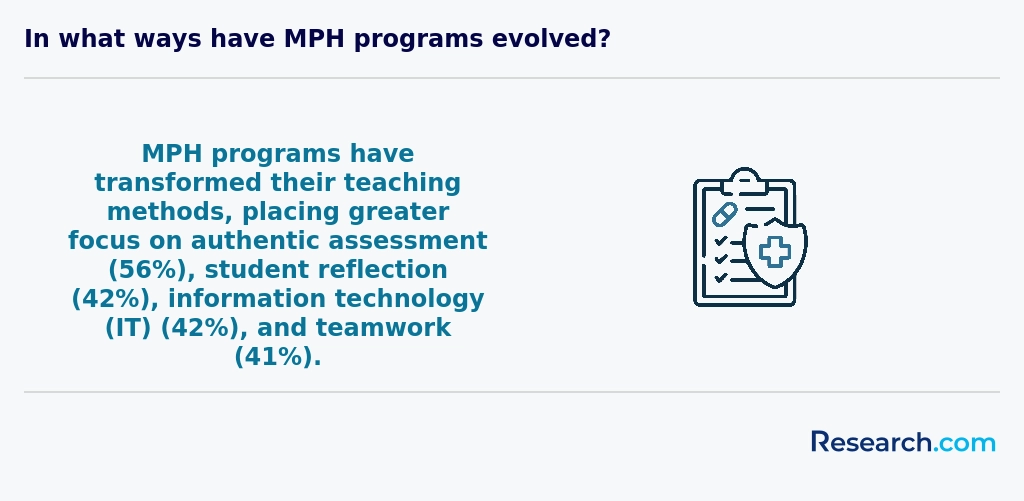
Diving into a public health degree in Nevada often means exploring a vibrant mix of courses that truly prepare you for real-world impact. At popular schools like the University of Nevada, Reno, and Nevada State College, students eagerly engage with classes like Introduction to Public Health, where they grasp the foundations of community health and current challenges. Imagine learning epidemiology through case studies of local health outbreaks-graduates recall feeling energized by tracking disease patterns right in their own backyards.
Courses in Biostatistics make numbers come alive, equipping you to analyze data that shapes health policies. Many find the environmental health classes eye-opening, uncovering how Nevada's unique deserts and urban centers influence population health.
Social and behavioral sciences tap into strategies for encouraging healthier lifestyles, while classes on health policy open doors to understanding Nevada's complex healthcare systems. Some students even get hands-on during internships at community clinics or tribal health organizations, applying what they learn about Native American health disparities firsthand. This blend of classroom insight and active fieldwork makes public health studies in Nevada feel both adventurous and deeply relevant.
Exploring public health degree specializations Nevada offers reveals vibrant pathways tailored for students eager to impact their communities. At the University of Nevada, Las Vegas (UNLV), graduates often share how studying Epidemiology opened their eyes to patterns of disease unique to Nevada's population, like the rise of chronic illnesses in urban and rural settings. Others at the University of Nevada, Reno (UNR) dive into Health Policy and Management, crafting solutions for underserved areas that spark hope and real change. The Environmental Health track immerses students in hands-on projects addressing air and water quality, reflecting Nevada's sprawling deserts and growing cities. Additionally, Community Health Promotion captures students passionate about wellness programs designed for Nevada's rich cultural diversity. For those feeling globally minded, the Global Health focus connects local realities with international challenges, ideal given Nevada's dynamic tourism and migrant flow. With these engaging Nevada public health program concentrations, students embrace practical adventure while shaping tomorrow's healthier world through online programs that pay well.
Choosing the perfect public health degree in Nevada feels like an exciting journey where every step counts. Graduates from the University of Nevada, Reno often share how the accredited Bachelor of Science in Public Health challenged and inspired them, blending theory with real-world impact. Exploring affordable public health degrees Nevada offers means balancing tuition, quality, and hands-on experiences in places like Carson City or Las Vegas, where internships with local health departments open doors to meaningful careers.
Picture yourself diving into specializations like epidemiology or health policy while enjoying flexible schedules-whether attending in person or through hybrid models. Those who value adaptability might explore a quick online masters degree to accelerate their path. Many find that considering graduation rates and job placement in Nevada's growing health sector adds confidence to their choice.
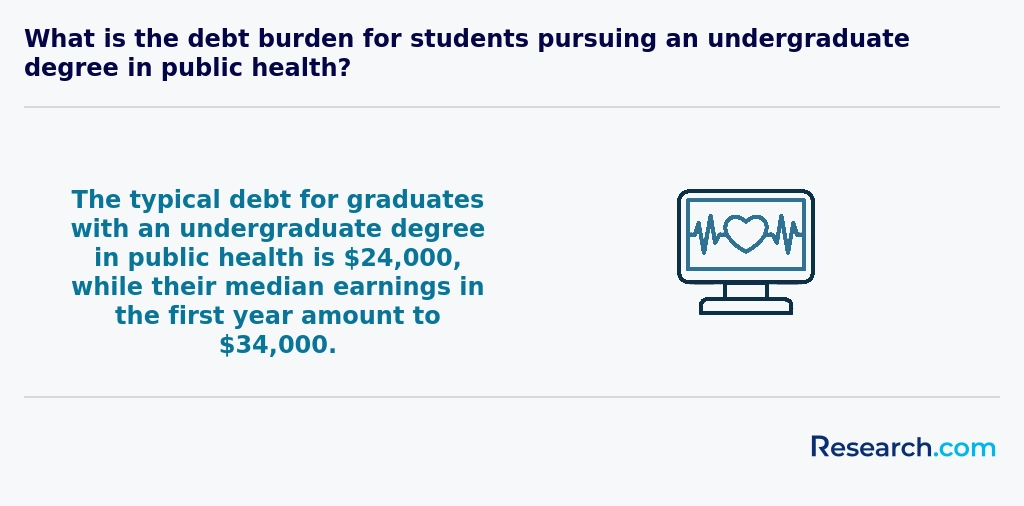
Graduates exploring public health career opportunities in Nevada find a thrilling range of paths. Imagine working as a Community Health Worker, connecting with rural communities to spread vital health knowledge, or stepping into the shoes of an Epidemiologist, tracking disease outbreaks in bustling touristic hubs like Las Vegas. Popular schools such as the University of Nevada, Reno have graduates excited about these possibilities, reporting their rewarding experiences tackling real-world challenges right where they studied.
Jobs with a public health degree Nevada also include roles like Environmental Health Specialist, which involves protecting Nevada's desert ecosystem, or Health Policy Analyst, shaping crucial state healthcare laws. Graduates often share how their studies at institutions such as Nevada State College illuminated these paths, fueling their passion for meaningful change. For students weighing costs, affordable programs combined with online degrees that pay well offer practical routes to careers making a local impact.
Nevada's public health job outlook offers an exciting horizon for graduates eager to make a tangible impact. Those who complete their degrees at well-regarded institutions like the University of Nevada, Reno, find themselves stepping into a vibrant market where community health workers and health educators are in demand, especially in bustling urban hubs such as Las Vegas. Imagine collaborating on health promotion projects that directly influence diverse neighborhoods or joining emergency preparedness teams that shape responses in real time.
Graduates from these programs often share how Nevada's affordable public universities enhance their learning journey by connecting theory with hands-on experience. This practical approach fuels confidence in tackling real-world challenges while benefiting from moderate tuition costs, making their investment smart and purposeful. For those comparing options, exploring top colleges with national accredited status can open doors to even more versatile career pathways statewide. Overall, Nevada public health career opportunities beckon with competitive wages and meaningful work that keeps pace with national growth trends.
2027 Most Affordable Public Health Degree Programs Ranking in Nevada
Investing in your education is a significant decision that can shape your future, and the Research.com team is fully aware of the importance of making informed choices. To help prospective students navigate affordable public health degree options in Nevada, we have carefully developed the "2027 Most Affordable Public Health Degree Programs Ranking in Nevada." Our dedication to quality, credibility, and accuracy is demonstrated through thorough research and detailed analysis.
We utilized the following reputable data sources to ensure a comprehensive evaluation of public health programs:
By exploring this ranking, readers will gain valuable insights into affordable public health degree programs in Nevada, empowering them to make well-informed decisions about their education. For more details on how this ranking was created, please visit our Research.com methodology page.


Frequently Asked Questions About public health
Public health degree students in Nevada can maximize their learning experience by actively engaging with local health departments and community organizations. Nevada's diverse population and unique health challenges, such as high obesity and diabetes rates reported by the Nevada Department of Health and Human Services, offer valuable real-world learning opportunities.
Internships and practicums with state agencies or nonprofits provide hands-on experience that complements classroom theory. Additionally, students should pursue networking through Nevada's public health conferences and professional groups to connect with experts and peers.
Taking advantage of online and hybrid course options from Nevada universities can also enhance flexibility without sacrificing quality.
The field of public health is constantly evolving, with several emerging niches gaining significance, especially in Nevada. One rapidly growing area is environmental health, which addresses the health impacts of climate change, air quality, and water resources, all crucial concerns in Nevada's arid environment. Another niche is health informatics, involving the use of data analytics and technology to improve healthcare delivery and public health surveillance.
Infectious disease preparedness has also become a priority following recent global health events, leading to increased demand for professionals skilled in epidemiology and emergency response. According to the Nevada Department of Health and Human Services, there is a marked need for experts in community health promotion to address disparities in urban and rural populations. These niches reflect the dynamic needs within Nevada's public health landscape.
Graduates with a public health degree in Nevada should focus on building practical experience to enhance job market readiness. Internships and volunteer positions within local health departments, such as the Nevada Division of Public and Behavioral Health, provide valuable hands-on skills relevant to the state's unique public health challenges.
Networking is also crucial. Attending events hosted by Nevada's public health organizations helps graduates connect with potential employers and stay informed on industry trends. According to the U.S. Bureau of Labor Statistics, employment for health educators and community health workers is projected to grow by 16% regionally through 2030, signaling increasing opportunities.
Additionally, pursuing relevant certifications, such as the Certified in Public Health (CPH), can improve job prospects. Familiarity with Nevada-specific health issues like rural healthcare access and chronic disease prevention is an asset.
Employers in Nevada seeking public health degree graduates prioritize a blend of technical and interpersonal skills. Analytical abilities are critical, as graduates must interpret health data to address community challenges. Communication skills are equally important, enabling professionals to effectively deliver health education and promote policies.
Knowledge of epidemiology and biostatistics is highly valued, reflecting Nevada's focus on controlling infectious diseases and chronic conditions. Familiarity with state-specific public health issues, such as rural health disparities and environmental health risks, gives candidates a practical advantage.
The Nevada Department of Health and Human Services highlights teamwork and cultural competence as essential for working with diverse populations across the state's urban and rural areas.
Finding internships in Nevada relevant to a public health degree involves several strategic steps. Start by exploring local public health departments, such as the Nevada Division of Public and Behavioral Health, which often offer internships for students seeking practical experience. Universities like the University of Nevada, Reno and UNLV provide career centers that connect students with healthcare organizations.
Nevada's growing need for public health professionals is highlighted by the state's emphasis on rural and urban health challenges, creating diverse opportunities. Websites like Handshake and the Nevada Workforce Connections platform list available internships in health sectors. Networking through professional associations, such as the Nevada Public Health Association, can also open doors. Early application is recommended due to competitive placements.
A public health degree in Nevada significantly enhances career mobility and advancement opportunities within the state's growing health sector. Nevada's public health workforce is expected to grow by approximately 12% from 2020 to 2030, faster than the national average, according to the Nevada Department of Health and Human Services. Professionals with formal education in public health are preferred for leadership roles in government agencies, hospitals, and nonprofit organizations.
Graduates gain skills in data analysis, policy development, and community health-areas highly valued in Nevada's expanding healthcare landscape. This specialized training opens doors to management positions and increases earning potential. Additionally, degree holders are often better prepared for certification exams, which further support career growth.
Studying for a public health degree in Nevada equips students with skills that are essential for interdisciplinary roles in health and community services. Nevada's public health programs emphasize collaboration across fields such as medicine, social work, environmental science, and policy-making.
Courses often integrate practical experience with theoretical knowledge, fostering problem-solving abilities relevant to diverse populations. According to the Nevada Department of Health and Human Services, the state faces unique health challenges including high rates of chronic disease and mental health issues. This context requires professionals who can work across disciplines effectively.
Many Nevada institutions encourage partnerships with local health agencies, providing students chances to engage in real-world projects that combine epidemiology, health education, and data analysis. This multidisciplinary training prepares graduates to address complex public health problems in Nevada and beyond.
When choosing between a thesis and a non-thesis public health degree program in Nevada, students should consider their career goals and learning preferences. Thesis programs typically require original research and are suited for those planning to pursue doctoral studies or research-focused careers. Non-thesis options emphasize practical skills and may include internships or capstone projects, attracting students aiming for immediate work in the public health sector.
Universities in Nevada, such as UNLV and UNR, offer both tracks with similar curricula but different final requirements.
According to the Nevada Department of Health and Human Services, public health professionals with research experience often find roles in policy development, while those with practical skills tend to work directly in community health.
Students based in Nevada who wish to study public health abroad have several pathways through US higher education institutions with global partnerships. Universities like the University of Nevada, Reno, and University of Nevada, Las Vegas, provide study abroad programs and international research opportunities related to public health. These options allow students to gain global perspectives while earning credits applicable to their Nevada degree.
Participation in exchange programs or affiliated internships in countries with established public health systems can offer valuable experience. Additionally, many US public health programs include remote coursework in collaboration with foreign universities, especially after increased virtual learning adoption.
The Council on Education for Public Health (CEPH) accredits programs, ensuring quality whether on-campus or abroad. For students in Nevada, consulting program advisors about global options is critical since accessibility may vary by institution.
In Nevada, part-time jobs that complement public health degree education often focus on community outreach, health promotion, and data collection. Working as a health educator assistant or a community health worker provides practical experience, directly supporting public health initiatives. According to the Nevada Department of Health and Human Services, there is a steady demand for roles that promote health awareness among diverse populations.
Other opportunities include internships at local public health departments and non-profits, where students can assist in research, epidemiological studies, or program management. Retail pharmacies and wellness centers also hire part-time workers for health screenings and patient education, aligning well with public health training.
Gaining experience in these roles not only strengthens resumes but improves understanding of real-world public health challenges prevalent in Nevada, such as issues related to rural healthcare access and chronic disease management.
Public health students in Nevada benefit from several strong networking opportunities that connect them with professionals and organizations in the field. The University of Nevada, Las Vegas (UNLV) and University of Nevada, Reno (UNR) both offer access to collaborations with local health departments and community groups.
Students can participate in internships and practicum placements through these universities, gaining hands-on experience while building professional contacts. Nevada's Department of Health and Human Services often partners with educational institutions for student engagement and employment opportunities.
Additionally, public health students have access to organizations such as the Nevada Public Health Association, which hosts conferences and events facilitating peer and expert networking. According to the Nevada Department of Employment, these connections can significantly enhance job prospects after graduation.
Alumni networks play a crucial role for public health degree students in Nevada by offering valuable connections and professional support. These networks link current students with graduates working in state agencies, hospitals, and nonprofits, providing mentorship and insights into Nevada's public health challenges.
According to the Nevada Public Health Association, strong alumni ties often lead to increased internship and job opportunities tailored to local public health needs, such as epidemiology and community health promotion. Networking through alumni also helps students navigate the competitive job market in Nevada's growing public health sector.
Furthermore, alumni groups frequently host workshops and events that enhance students' skills and knowledge, directly benefiting their career readiness in Nevada's diverse public health landscape.
In Nevada, students pursuing public health degrees can tailor their programs through elective courses, internships, and specializations that align with their career goals. Many universities offer tracks such as epidemiology, health policy, or community health, enabling focused study in areas critical to Nevada's public health needs.
Internships with local agencies like the Nevada Department of Health and Human Services provide practical experience relevant to state-specific challenges. According to the Nevada Public Health Association, such hands-on training enhances employment prospects.
Additionally, some programs allow students to engage in research projects addressing issues like rural health disparities or urban wellness, reflecting Nevada's diverse population. Customization is key for those aiming to impact public health locally or nationally.
Public health students in Nevada often face challenges related to limited local resources. According to the Nevada Department of Health and Human Services, rural areas make up a significant part of the state, restricting access to hands-on training sites and internships. This can impact students' practical experience opportunities.
Another common issue is the high cost of living in urban centers like Las Vegas and Reno, which may affect students' ability to balance work and study. Tuition fees also vary, with some programs being costly for in-state students compared to regional averages, as reported by the National Center for Education Statistics.
Additionally, Nevada's public health workforce is under strain due to a growing population and emerging health concerns, increasing competition for relevant job placements. Students must adapt to evolving health priorities, including infectious disease control and chronic illness management.
With a public health degree in Nevada, graduates can pursue several professional certifications to enhance career prospects. The Certified Public Health (CPH) credential, offered by the National Board of Public Health Examiners, is widely recognized in the US and valued by Nevada employers.
Other key certifications include Certified Health Education Specialist (CHES) and Registered Environmental Health Specialist (REHS), which are relevant for roles in health promotion and environmental health departments. The Nevada Division of Public and Behavioral Health supports professionals pursuing these credentials by providing local resources and guidelines.
Obtaining a Master of Public Health (MPH) may also open opportunities to become an Accredited Health Director within Nevada's public health agencies, supporting public safety and policy implementation.
To write a winning application for a public health program in Nevada, start by highlighting your academic achievements, especially in science and social science courses. Many Nevada public health programs, like those at the University of Nevada, Reno, seek applicants with strong GPAs-typically above 3.0. Demonstrating a clear understanding of public health challenges relevant to Nevada, such as rural health disparities and rising chronic disease rates reported by the Nevada Department of Health and Human Services, can strengthen your personal statement.
Include relevant volunteer or work experience in community health settings. Admissions committees value hands-on knowledge alongside academic credentials. Finally, secure strong recommendation letters from professionals familiar with your commitment to public health goals.
The global perspective on a public health career highlights its growing importance due to worldwide health challenges like pandemics, chronic diseases, and health disparities. Public health professionals in the US, including Nevada, contribute to efforts addressing these issues on local and international scales. According to the Association of Schools and Programs of Public Health, the demand for skilled public health workers continues to rise, supported by a projected 11% job growth rate nationally through 2031.
In Nevada, public health graduates often engage with global health initiatives, participating in research and policy development that align with international health standards set by organizations like the WHO. This global approach enhances their ability to influence community health effectively at home and abroad.
Gaining practical experience while studying for a public health degree in Nevada is essential for career readiness. Many Nevada universities encourage internships with local health departments, hospitals, and community organizations. For example, the Nevada Department of Health and Human Services offers internship placements that provide hands-on exposure to public health programs and policies.
Students can also participate in research projects focused on Nevada-specific health challenges like rural health disparities or opioid addiction, supported by institutions such as the University of Nevada, Reno. Practical fieldwork often complements classroom learning, helping students develop skills in data analysis, health education, and community outreach.
Moreover, Nevada's strong network of public health agencies, including the Southern Nevada Health District, frequently collaborates with academic programs to facilitate real-world training opportunities.
Choosing the right concentration within a public health degree in Nevada involves understanding local health challenges and career goals. Nevada faces unique issues like high rates of chronic diseases and limited rural healthcare access, making concentrations like epidemiology or community health particularly relevant. The Nevada Department of Health and Human Services provides data highlighting these priorities, which can guide students toward impactful specialties.
Students should also consider program accreditation, faculty expertise, and internship opportunities in Nevada's public health agencies. Exploring trends in employment-for example, a growing need for health policy experts-can help align academic focus with job prospects. Researching each concentration's curriculum while consulting advisors is essential for an informed decision.
- 2027 Most Affordable Public Health Degree Programs Ranking in California
- 2027 Most Affordable Public Health Degree Programs Ranking in Oregon
- 2027 Most Affordable Public Health Degree Programs Ranking in Idaho
- 2027 Most Affordable Public Health Degree Programs Ranking in Arizona
- 2027 Most Affordable Public Health Degree Programs Ranking in Utah
- 2027 Most Affordable Public Health Degree Programs Ranking in Washington
- 2027 Most Affordable Public Health Degree Programs Ranking in Montana
- 2027 Most Affordable Public Health Degree Programs Ranking in Colorado
- 2027 Most Affordable Public Health Degree Programs Ranking in New Mexico
- 2027 Most Affordable Public Health Degree Programs Ranking in Texas
- Community and Clinical Health Services Fees https://www.nnph.org/resources/fees/cchs-fees.php
- Master of Public Health Degree Programs in Nevada - Healthcare Administration Degree Programs https://www.healthcare-administration-degree.net/masters-public-health-in/nevada/
- Today’s Guide to Public Health Certifications https://www.publichealthdegrees.org/resources/public-health-certifications/
- Students and Alumni associations - Europubhealth https://www.europubhealth.org/students-alumni-associations/
- Financial Aid Guide https://www.publichealth.org/resources/financial-aid/
- Loading https://www.cpalms.org/PreviewResourceStudentTutorial/Preview/166485
- Know more about thesis vs non- thesis: what is the difference? https://studyfans.com/en/blogs/816
- Why Public Health is the Ideal Career Path for Gen Z - Reach Out https://we-reachout.org/why-public-health-is-the-ideal-career-path-for-gen-z/
- Master of Public Health (MPH) Degree in Nevada https://www.publichealthonline.org/nevada/
- Public Health/Global perspective - Wikiversity https://en.wikiversity.org/wiki/Public_Health/Global_perspective