2027 Best Public Health Degree Programs Ranking in the Northeast

Co-Founder and Chief Data Scientist
Choosing the right public health degree program can be overwhelming, especially with so many options in the Northeast. This article features the 2027 Best Public Health Degree Programs Ranking in the Northeast, carefully developed by the Research.com team of data scientists to support you in making an informed decision.
With a public health degree, you can make a real difference in communities and enjoy a fulfilling career. Exploring this ranking will help you find programs that match your goals and values, empowering your journey toward a meaningful future.
Key benefits of getting public health degree in the Northeast
- Salary for public health degree graduates: Graduates can expect rewarding salaries such as $52,610 annually for Community Health Workers and up to $86,710 for Environmental Health Specialists, reflecting strong earning potential in the Northeast.
- Career paths: A public health graduate from a well-known Northeast university often pursues diverse roles including Health Educator, Medical Assistant, or Occupational Health Specialist, providing flexible options to match your passion and skills.
- Online degree benefits: Earning a public health degree online from a reputable Northeast institution offers convenient scheduling and lower costs, empowering busy students to advance their careers without relocating.
- 2027 Best Public Health Degree Programs Ranking in the Northeast
- What can I expect from public health degree in the Northeast?
- Where can I work with public health degree in the Northeast?
What can I expect from public health degree in the Northeast?
The average cost of pursuing a public health degree in the Northeast dances between flexibility and investment, with tuition often ranging widely depending on the institution's prestige and public or private status. Graduates from places like Boston University and Johns Hopkins often recall balancing the weighty tuition bills-sometimes upwards of tens of thousands per year-with the relief of scholarships, assistantships, and financial aid, which frequently soften the financial journey.
One graduate from Columbia University remembers the practical value of those financial aids, describing how they transformed an overwhelming cost into a manageable stepping stone toward a vibrant career. This tangible support, paired with rigorous programs, makes the hefty tuition less daunting. Students find themselves immersed in bustling urban landscapes where every dollar spent also buys proximity to real-world challenges, enriching their professional insight and broadening their impact.
While costs can be a maze, the investment in a Northeast public health degree often mirrors the intensity and quality of education-fueled by access to top faculty, localized health crises, and extensive networking opportunities that pay dividends beyond graduation.
Where can I work with public health degree in the Northeast?
Graduates of public health programs in the Northeast often find themselves stepping into dynamic roles that pulse with the heartbeat of bustling cities like Boston, New York, and Philadelphia. Imagine collaborating with health departments in Massachusetts or New York, where you're at the frontline crafting policies to tackle urban health crises or steering emergency preparedness during flu season. Alumni from schools like Boston University or Columbia's Mailman School share stories of diving into epidemiology projects within city hospitals, turning data into lifesaving action.
Others embrace the energy of nonprofit hubs, working hands-on with communities facing opioid addiction or mental health challenges-a chance to see your advocacy spark real change. Picture yourself alongside fellows at institutions such as Rutgers or Drexel, shaping health equity initiatives in neighborhoods often overlooked.
The academic corridor also beckons, where graduates join forces with cutting-edge research centers unraveling environmental health puzzles unique to the Northeast's urban jungles. Private companies in New York's innovation ecosystem provide fertile ground too, with roles in health data analytics and program evaluation that flex your analytical muscles while impacting millions.
Each path blends meaningful impact with the vibrant, interconnected fabric of the Northeast's public health landscape-turning your degree into a passport for transformative work close to home.
Graduates armed with a public health degree from a bustling hub like Boston University or Columbia University often find themselves stepping into roles where their paychecks reflect the hustle of the Northeast's urban pulse. Imagine starting your career as a Community Health Worker earning around $52,610 annually-enough to thrive in cities famed for their academic energy and vibrant neighborhoods.
Or picture yourself as a Health Educator, guiding communities toward healthier lives while drawing a mean annual wage near $69,790, a testament to both your expertise and the region's demand for skilled advocates. For sharper specialists, such as Environmental Health Specialists or Occupational Health and Safety Specialists, salaries leap to the $85,000-$87,000 range, echoing the responsibility of safeguarding environments and workplaces amid metropolitan sprawl.
Graduates often share stories of landing roles where their salary not only supports their living but fuels aspirations-whether it's networking at a Harvard T.H. Chan School of Public Health event or contributing to New York City's Department of Health initiatives. In the Northeast, your paycheck reflects more than numbers; it's a badge for impacting lives where it counts.
- Tuition for a Master of Public Health (MPH) in the Northeast ranges from $30,000 to $60,000, with public schools offering lower rates for in-state residents.
- Additional costs include health insurance, textbooks, and living expenses, which are higher due to the region's cost of living.
- Employment opportunities are strong in urban centers, with common employers including government agencies, hospitals, nonprofits, and private healthcare firms.
- Starting salaries for public health graduates typically range from $50,000 to $65,000 per year.
- Experienced professionals can earn between $75,000 and $100,000 or more annually.
- Job growth in public health occupations in the Northeast is projected at 11% over the next decade, outpacing average employment growth.
In the Northeast, finishing a public health degree feels like navigating a vibrant cityscape of time and opportunity. Undergraduates at well-known colleges spend about four years immersed in foundational knowledge, balancing bustling classrooms and campus life as they build their futures. Graduate students chasing that MPH often find themselves embracing a two-year rhythm of lectures, fieldwork, and late-night study sessions-though some opt for accelerated paths, trimming it down to 12-18 months, perfect for those eager souls with prior experience or credits.
Doctoral candidates, adventurous and deeply curious, embark on a three to five-year odyssey filled with research marathons and dissertation quests. Many Northeast universities sprinkle in flexible options such as part-time or hybrid programs, letting students juggle jobs and family while steadily advancing.
Graduates recall their journeys as intense yet rewarding, especially when supported by institutions accredited by the Council on Education for Public Health. This blend of rigor and flexibility lets students carve personalized timelines, weaving professional growth with academic achievement in a region where public health truly matters.
Prospective students should carefully review each program’s admission criteria and acceptance statistics to strengthen their applications for top public health programs in the Northeast. Most master’s in public health (MPH) programs require:
- Minimum GPA: A cumulative undergraduate GPA of 3.0 or higher (on a 4.0 scale) is standard, though competitive programs like Harvard or Johns Hopkins often admit students with GPAs above 3.5.
- Standardized Tests: While some schools have waived the GRE requirement post-pandemic, others still request scores-typically a combined GRE Verbal and Quantitative score above the 50th percentile. Always verify each program’s policy.
- Prerequisite Coursework: Foundational courses in biology, statistics, and social sciences ensure you can engage with core MPH curricula. Transcripts should clearly reflect completion of these prerequisites.
- Professional Experience: Many programs prefer 1–3 years of relevant work or volunteer experience. Highlight internships, community health projects, or research assistantships to demonstrate real-world public health engagement.
- Letters of Recommendation & Personal Statement: Strong, tailored recommendations from academic or professional mentors and a compelling statement of purpose (500–750 words) are crucial. Articulate how your background aligns with the program’s mission and showcase achievements. Acceptance rates for Northeast MPH programs vary widely:
- Harvard T.H. Chan School of Public Health: ~10%
- Johns Hopkins Bloomberg School of Public Health: ~15%
- Boston University School of Public Health: ~25%
- University at Albany, SUNY Online MPH: ~40% To boost your chances: 1. Apply early-many deadlines fall between December and February. 2. Attend virtual info sessions or campus tours to personalize your application. 3. Connect with alumni via LinkedIn to gain insights into program culture and expectations. 4. Demonstrate awareness of related career outcomes (e.g., health informatics job salary) to underline your professional goals. By understanding these requirements and acceptance trends, you can craft a strategic application that highlights your strengths and aligns with the competitive landscape of Northeast public health programs.
Imagine juggling a busy life in Boston while earning your public health degree online from a well-known Northeast university. You're logging in after your kids go to bed, pausing recorded lectures whenever work calls. This flexibility fits your demanding schedule like a glove. Yet, a graduate from a traditional on-campus program at a college in New York recalls vibrant hallway conversations and face-to-face debates that sparked fresh ideas in real time-connections you can't replicate through a screen.
Online programs shed the weight of housing and commuting costs, easing financial stress for many Northeast students. But on-campus learners bask in the buzz of hands-on labs and community projects, especially in cities like Philadelphia, where local health departments welcome eager interns directly. Both paths meet rigorous CEPH accreditation standards, yet they unfold in worlds that feel distinctly different-one a digital classroom woven into daily life, the other a tangible campus rhythm pulsating with immediate human energy.
Expect the average cost of a public health degree in the Northeast to hover around $55,150, a figure that reflects both the prestige and the urban vibrancy where many programs reside. Graduates from renowned colleges often recount balancing the financial weight with the rich experiences offered by metropolitan campuses. Imagine walking through historic corridors at a university nestled in Boston or New York City, where tuition and living expenses merge into a steep but worthy investment in your future.
For those chasing the total expenses for public health programs Northeast, the story is nuanced: in-state students generally face a more accessible price tag around $35,760, a relief compared to the out-of-state cost that matches the median at $55,150. This financial axis turns on the wheel of residency, weaving affordability with ambition. One graduate vividly recalls late-night study sessions fueled by city lights and the hum of urban life, finding joy despite the cost.
The narrative of the public health journey here isn't just about numbers-it's about tapping into elite research resources and hands-on practicum opportunities that many universities offer. It's little wonder that the region attracts determined students. For those considering an accelerated path, the fastest online public health school in pennsylvania offers innovative flexibility, mixing rigorous training with a cost-effective route.

Imagine walking through the bustling halls of a renowned public health school in Boston or New York, where financial aid feels like a hidden treasure chest waiting to be unlocked. Many graduates recall the relief of tapping into federal aid like Pell Grants, which can chip away thousands off the hefty tuition bills hovering around $12,000 to $15,000 for state schools or far more at private Northeastern institutions.
For graduate students chasing that MPH, Direct Unsubsidized Loans or Grad PLUS Loans often serve as lifelines, offering breathing room with manageable interest rates instead of drowning in private debt.
In-state residents cherish gems like New York's Excelsior Scholarship and Massachusetts' MassGrant, which transform dreams into reality by covering full or partial tuition. On campuses like those in Cambridge or Providence, public health students buzz with excitement over merit scholarships fueled by community leadership and research passion.
Beyond university walls, organizations such as the APHA sprinkle scholarships like confetti, rewarding those devoted to tackling health disparities. Some graduates recall how employer tuition reimbursement programs felt like a handshake of hope, especially for those rooted in underserved communities, turning financial strain into fuel for their mission.
In today’s rapidly evolving educational landscape, online learning has emerged as a game changer for aspiring public health professionals. This section dives into how flexible schedules, innovative digital tools, and interactive virtual classrooms offer students the opportunity to balance work, family, and study commitments without compromising on the quality of their education. Online programs are designed not only to mirror the rigor of traditional on-campus courses but to also provide access to a diverse network of experts and peers from across the nation. For instance, many prospective students explore options such as the fastest online public health school in pennsylvania, which is renowned for its streamlined curriculum and state-of-the-art online resources. Additionally, digital platforms now offer enhanced career services, virtual networking events, and mentorship programs that connect students with seasoned professionals. As online education continually adapts to meet market demands, students can expect personalized learning experiences, real-time feedback through AI-driven analytics, and the freedom to learn at their own pace. This innovative approach not only democratizes public health education but also prepares graduates to excel in a dynamic, interconnected world.
Dreaming of a public health degree in the Northeast? The path begins with more than just a high school diploma; it's a mosaic of science smarts and compassionate readiness. Graduates from Boston University recall how a strong grip on biology and chemistry felt like assembling a toolkit for tackling real-world health puzzles before even setting foot in the lecture hall.
At Columbia University, hopefuls embrace interdisciplinary preps-mixing social sciences with math-to navigate the complex dance of disease patterns and community behaviors. Many discovered that a dash of experience, through internships or volunteer stints in local health clinics, turned abstract theories into vivid stories of impact and hope.
Graduate hopefuls eyeing Master of Public Health programs find the bar raised with bachelor's degrees and sometimes GRE scores, though the testing tide is shifting. Letters of recommendation and purposeful essays become personal invitations to show passion that statistics alone can't capture.
In the buzzing Northeast public health ecosystem, prospective students learn quickly: it's not just grades, but a vibrant blend of academics, experience, and heart that open doors to change.
Accreditation and professional certifications validate program quality and boost career prospects in public health. Choosing a CEPH-accredited program ensures rigorous academic standards, while certifications demonstrate specialized expertise to employers.
- Council on Education for Public Health (CEPH) accreditation verifies that a program meets national benchmarks for curriculum, faculty, and student outcomes.
- Certified in Public Health (CPH) exam eligibility often requires graduation from a CEPH-accredited MPH program, enhancing policy and leadership credentials.
- Health Education Specialist Certification (CHES) prepares graduates for roles in community outreach, program planning, and health promotion.
Always confirm a program’s CEPH status on the school’s website or the CEPH directory. For those seeking to complement public health expertise with practical administrative skills, explore medical coding and billing classes online with financial aid.
Diving into public health in the Northeast means tackling a curriculum as dynamic as the region itself. Graduates from places like Boston University or the University of Pittsburgh often describe their epidemiology classes as detective work, uncovering patterns behind urban outbreaks or rural health shifts. Biostatistics transforms from abstract numbers into powerful storytelling tools that reveal hidden truths in crowded city data.
Environmental health courses pulse with urgency, especially when students witness firsthand the effects of industrial pollution on communities near the Hudson River or in scrapyard-heavy cities. These lessons spark passionate calls to action, blending science and empathy.
Health policy classes feel like mastering a complex, high-stakes game where students learn to navigate layered healthcare systems shaped by Northeast's mix of public and private interests. Social and behavioral sciences bring the curriculum alive as students explore the woven fabric of culture, behavior, and health, drawing inspiration from diverse neighborhoods in New York or Philadelphia.
From internships at local health departments to nonprofits, students emerge energized, equipped to turn theories into impactful community transformations.
Public health specializations in the Northeast transcend textbooks, breathing life into real-world challenges. Picture yourself dissecting disease patterns in bustling Boston streets through Epidemiology, crafting bold health policies in New York's governmental corridors with Health Policy and Management, or unraveling environmental mysteries in the shadow of towering urban pollution centers via Environmental Health Sciences. Graduates from renowned universities often share stories of rolling up their sleeves to tackle health disparities where city rhythm meets community resilience, especially through Social and Behavioral Sciences. Maternal and Child Health draws compassionate students keen on transforming care for underserved women and children, grounding their expertise in the region's diverse populations.
The Northeast's famed public health degree options unlock interdisciplinary adventures, where students collaborate globally while staying rooted in local impact. Beyond academia, many explore hands-on roles-internships within health systems or agencies-which sharpen skill sets and career focus, often informing decisions on specializations aligned with job market demands. Curious about boosting your prospects? Explore the health informatics job salary landscape, a growing niche, relevant to today's data-driven public health era.
Imagine walking the lively corridors of a Northeastern university where public health isn't just a degree but a dynamic journey. Choosing the best public health degree in the Northeast means diving into programs that offer more than textbooks-think real-world epidemiology work in Boston's bustling hospital hubs or shaping policy during internships in New York City's health departments. Graduates from these regions often highlight how CEPH accreditation not only paved their path for federal aid but also opened doors to impactful job placements.
Don't just chase prestige; weigh tuition costs carefully. Many are surprised to find that affordable public health programs Northeast include a range from $15,000 in-state spots to lavish private options. One graduate recalled balancing an intense MPH curriculum while accessing the strongest networks at a top Boston school, proving that location shapes opportunity.
For those craving a speedy start, exploring the best paying 6 month certificate programs online paired with a degree can revitalize career momentum.
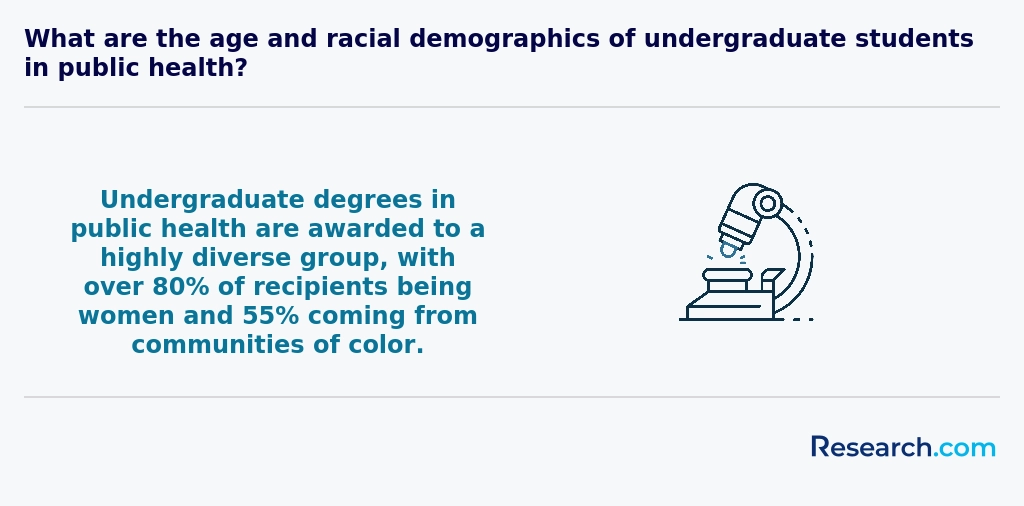
In the bustling hubs of the Northeast, graduates with a public health degree step into kaleidoscopic career paths-from orchestrating community health interventions in Boston's vibrant neighborhoods to decoding complex regulatory puzzles within New Jersey's pharmaceutical giants. Those who've walked the halls of renowned universities find themselves thriving as epidemiologists tracking outbreak patterns or as public health analysts shaping policy in state departments. The energy of cities like New York buzzing with non-profit innovation and government agency collaborations creates an inspiring backdrop for these roles.
Jobs with public health degree Northeast graduates often describe feeling a powerful sense of purpose, whether managing health services or promoting environmental well-being amidst urban landscapes. Imagine coordinating a vaccination campaign under the watchful eyes of Harvard alumni or navigating health data analytics alongside colleagues from Columbia. This eclectic mix of academia and industry fuels excitement and growth.
For students worried about balancing ambition and affordability, many discover pathways such as scholarships or assistantships offered by top schools. Those curious about optimizing career-ready skills might explore options like an easy online masters degree, making their journey smoother without sacrificing dream destinations in public health.
The public health career opportunities Northeast graduates encounter feel like stepping into a bustling, ever-evolving ecosystem where every corner holds promise. Imagine walking through campuses of renowned institutions like Boston University or the University of Pennsylvania-graduates share stories of clinical placements in sprawling urban hospitals or policy internships at state health departments, where their contributions tangibly shape community wellness. This dynamic environment, fueled by major public health agencies and nonprofits in cities like Philadelphia and New York City, ensures a variety of career paths rooted in real-world impact.
In the Northeast public health job outlook, demand hums steadily, propelled by ongoing public health challenges and an intricate network of hospitals and government offices. Graduates often find themselves at the forefront of disease prevention campaigns or environmental health research, with salaries reflecting the region's high living costs-health educators earning between $70,000 and $80,000, epidemiologists climbing even higher.
For those concerned about costs, many discover that tuition for public health programs in the Northeast, which ranges widely, can be balanced with financial aid or assistantships. Students aiming to jumpstart their career can even explore options to get associate's degree online fast, accelerating their entry into this vibrant field.
2027 Best Public Health Degree Programs Ranking in the Northeast
Investing in your education is a significant decision that can shape your future, and the Research.com team understands the importance of making informed choices. To assist prospective students, we have meticulously crafted the "2027 Best Public Health Degree Programs Ranking in the Northeast." Our commitment to quality, credibility, and accuracy is reflected in the extensive research and analysis conducted to compile this ranking.
We utilized the following reputable data sources to ensure a comprehensive evaluation of public health programs:
By exploring this ranking, readers will gain valuable insights into the best public health degree programs available in the Northeast, enabling them to make well-informed decisions about their educational paths. For more details on our methodology, please visit our Research.com methodology page.


Frequently Asked Questions About public health
Public health degree students in the Northeast can maximize their learning by engaging deeply with regional practicum opportunities. The CDC and various state health departments, including New York and Massachusetts, offer internships that provide hands-on experience addressing urban health challenges. According to the Association of Schools and Programs of Public Health (ASPPH), students who complete practicums in public health agencies report higher job placement rates.
Networking through local public health associations, like the Northeast Public Health Association, also enhances learning by connecting students with professionals and current research. Additionally, choosing programs that emphasize interdisciplinary coursework strengthens skills required for complex public health issues prevalent in the region, such as opioid addiction and infectious disease control.
The public health field in the Northeast is rapidly evolving with new niches emerging to address complex health challenges. One notable area is health informatics, which integrates data analytics with public health to improve disease surveillance and patient outcomes. According to the Association of Schools and Programs of Public Health, demand for professionals in this niche has grown by over 20% in recent years.
Another growing specialty is environmental health, focusing on how pollution and climate change impact urban populations, a key concern in Northeastern cities like New York and Boston. Additionally, global health equity and policy development are expanding, addressing health disparities within diverse communities across the region.
Graduates with public health degrees in the Northeast can enhance their job prospects by gaining practical experience through internships or fellowships offered by local health departments and nonprofit organizations. The region's concentration of healthcare institutions provides critical networking opportunities. Certifications, such as Certified in Public Health (CPH), add credibility and are valued by employers. According to the Bureau of Labor Statistics, the Northeast states like New York and Massachusetts show steady growth in public health jobs, especially in epidemiology and health education roles. Staying current with regional health challenges, such as opioid crisis interventions, also prepares graduates for relevant positions.
Employers in the Northeast prioritize several key skills when hiring graduates with public health degrees. Strong data analysis and biostatistics abilities are essential, as many roles require interpreting complex health data to inform policy and program decisions. Communication skills, both written and verbal, rank highly since professionals must clearly convey public health information to diverse audiences.
Knowledge of epidemiology and health policy is frequently requested, reflecting the region's focus on addressing infectious diseases and healthcare access disparities. According to the Association of Schools and Programs of Public Health (ASPPH), teamwork and problem-solving skills also stand out as critical for collaborative projects in community health settings.
Finding internships in the Northeast for public health students involves tapping into a region rich with health organizations and academic resources. Top public health programs in states like New York, Massachusetts, and Pennsylvania often provide direct internship placements through partnerships with hospitals, government agencies, and nonprofits. For example, the New York State Department of Health offers internships that give hands-on experience in epidemiology and health policy.
Networking through university career centers, attending public health events, and using platforms like the Council on Education for Public Health's internship listings are effective strategies. Additionally, the Bureau of Labor Statistics notes that public health employment in the Northeast grows steadily, supporting robust internship opportunities.
Students should also consider local health departments and organizations affiliated with the CDC's Northeast Region for applied learning experiences that enhance both skills and resumes.
In the Northeast, earning a public health degree significantly enhances career mobility and advancement opportunities. The region's strong network of healthcare institutions, government agencies, and nonprofit organizations creates high demand for skilled public health professionals. According to the U.S. Bureau of Labor Statistics, public health job growth in states like New York and Massachusetts is projected to increase by over 15% through 2030, faster than the national average.
A degree equips graduates with critical skills in epidemiology, health policy, and data analysis, making them competitive for leadership roles. Many employers in the Northeast prioritize candidates with formal education due to strict regional health regulations and the complexity of urban health challenges.
Furthermore, public health master's programs in the Northeast often include strong internship connections with local health departments, which helps graduates transition efficiently into the workforce. This integration of education and practice supports steady career progression in a demanding market.
Studying for a public health degree in the Northeast offers students unique opportunities to engage with interdisciplinary approaches essential to the field. Many programs in this region emphasize collaboration across disciplines such as epidemiology, social sciences, policy, and environmental health. For example, institutions often integrate coursework that combines data analysis with community outreach, preparing graduates to work in diverse roles.
The Northeast is home to numerous research centers and health organizations, providing hands-on experiences that foster skills in teamwork and problem-solving. According to the Association of Schools and Programs of Public Health, over 40% of accredited US public health programs are located in this region, highlighting its leadership in training.
Students benefit from access to a wide network of professionals in healthcare, government, and nonprofits, helping develop adaptable expertise suited for emerging public health challenges.
Choosing between a thesis and a non-thesis public health degree in the Northeast depends on your career goals and learning preferences. Thesis programs typically engage students in original research, ideal for those considering doctoral studies or research roles. In contrast, non-thesis options emphasize practical skills and coursework, suitable for immediate public health practice.
The Northeast features many top schools, like Harvard and Columbia, with both options. According to the Association of Schools and Programs of Public Health, about 45% of Northeast programs offer thesis tracks, often requiring 6-12 months of dedicated research.
Consider your time, interest in research, and professional objectives when deciding.
Students based in the Northeast seeking to study public health abroad have several options through U.S. universities that maintain established exchange programs. Many top public health schools in the region, such as those at Boston University and Columbia University, offer semester-long study abroad or global field experience opportunities. These programs often focus on global health challenges, allowing students hands-on research and practice in diverse international settings.
Additionally, partnerships with organizations like the Council on Education for Public Health (CEPH) ensure that study abroad credits align with degree requirements. Northeast institutions frequently collaborate with universities in Europe, Asia, and Latin America, providing rich cultural exposure alongside academic rigor.
According to the Association of Schools and Programs of Public Health, approximately 15% of Northeast public health students participate in international study or internships, underscoring increasing interest in global health careers. These experiences can enhance practical skills and expand professional networks prior to graduation.
In the Northeast, part-time jobs that complement public health degree education often involve roles in healthcare facilities, community organizations, and research institutions. For example, students commonly find positions as health educators, patient service coordinators, or data entry assistants in hospital settings. These roles offer practical experience in patient interaction, data management, and program outreach, which are vital skills for public health professionals.
The U.S. Bureau of Labor Statistics projects a 12% growth in healthcare support roles through 2032, with the Northeast showing strong demand especially in urban centers like Boston, New York City, and Philadelphia. Additionally, public health students may intern or work part-time at local health departments conducting epidemiological research or helping with vaccination campaigns, providing valuable field insights.
Universities also collaborate with research projects focused on population health, giving students opportunities to assist with data collection and analysis. Such experience helps bridge academic theory and real-world application while building professional networks.
Public health students in the Northeast benefit from numerous networking opportunities due to the region's concentration of leading universities and health organizations. Schools like Harvard, Columbia, and Johns Hopkins offer access to extensive alumni networks and frequent events featuring public health professionals. According to the Northeast Public Health Training Center, students can join local chapters of the American Public Health Association, promoting connections with regional experts.
Internships and collaborative projects with hospitals, government agencies, and nonprofits in cities like Boston, New York, and Philadelphia further expand professional contacts. These experiences improve job prospects by linking students directly with employers in the public health sector.
Alumni networks play a crucial role for public health students in the Northeast by offering valuable professional connections. Graduates often access job opportunities through these networks, which link students to employers in regional hubs like Boston, New York City, and Philadelphia. According to the Association of Schools and Programs of Public Health (ASPPH), nearly 70% of public health jobs are obtained through networking.
These networks also provide mentorship, helping students navigate academic and career challenges. Additionally, alumni often share insights on internships and emerging trends relevant to Northeast communities, such as urban health disparities and opioid crisis responses.
Customizing a public health degree in the Northeast allows you to align your studies with specific career goals. Many universities offer concentrations such as epidemiology, health policy, environmental health, or community health, enabling targeted skill development. For example, institutions accredited by the Council on Education for Public Health (CEPH) in this region provide flexible curricula and elective options.
Students can also engage in internships or research projects with local health departments or organizations like the New York State Department of Health. According to the Association of Schools and Programs of Public Health, students in the Northeast benefit from strong local networks that foster career placement.
Additionally, many programs offer part-time or online formats, aiding professionals in balancing work and study while customizing learning paths suited to emerging public health challenges in urban and rural Northeast settings.
Public health students in the Northeast often face a combination of financial and academic challenges. Tuition rates at many reputable institutions in states like New York and Massachusetts are among the highest nationwide, leading to increased debt concerns. According to the National Center for Education Statistics, the average graduate tuition in these states can exceed $30,000 annually. Additionally, the region's competitive job market places pressure on students to build strong practical skills alongside rigorous coursework. Many programs emphasize fieldwork in urban settings, which can expose students to complex social health issues but also require significant time management and resilience.
Access to internships and hands-on experiences is vital but can be limited by high living costs in cities such as Boston and Philadelphia. Furthermore, students must often navigate diverse health systems and populations, including addressing disparities among urban and rural communities. This complexity demands strong cultural competence and adaptability. Lastly, balancing research demands with clinical experiences remains a frequent concern, as many public health degrees in the Northeast require comprehensive practicum hours to graduate.
With a public health degree in the Northeast, you can pursue several professional certifications to enhance your career prospects. The Certified in Public Health (CPH) credential, offered by the National Board of Public Health Examiners, is widely recognized and valuable for graduates nationwide.
Many public health professionals also seek certification as a Registered Health Educator (CHES), which validates expertise in health education and promotion. In the Northeast, where public health departments often require advanced credentials, these certifications can improve job competitiveness.
Other options include certifications in epidemiology and healthcare quality, such as the Certified Epidemiologist (CPH-EP) or certifications from the Healthcare Quality Certification Board, which reflect specialized skills.
Crafting a winning application for public health programs in the Northeast requires clear focus and strong preparation. Admissions committees often seek candidates with a demonstrated commitment to community health, so highlight relevant volunteer or work experience. According to the Council on Education for Public Health (CEPH), Northeastern programs place high value on applicants' understanding of regional health challenges, such as urban disparities and opioid crisis impacts.
Strong academic records and competitive GRE scores remain important, though some schools now waive exams. Tailor your personal statement to reflect knowledge of local public health issues and articulate career goals aligned with program strengths. Letters of recommendation should ideally come from professionals acquainted with your work in health-related settings.
The public health field increasingly embraces a global perspective, reflecting interconnected health challenges worldwide. Students in the Northeast gain exposure to diverse health issues, from urban health disparities in cities like Boston and New York to global epidemics and pandemic responses.
Many public health programs in the region, such as those at Harvard and Columbia, emphasize global health courses and partnerships with international institutions. According to the Association of Schools and Programs of Public Health (ASPPH), nearly 60% of accredited programs in the Northeast incorporate global health practicum opportunities.
This global outlook prepares graduates to work in various settings, including international NGOs, government agencies, and global research projects. Demand for professionals with such skills is rising, supported by the U.S. Bureau of Labor Statistics projecting a 17% growth in related jobs through 2030.
Gaining practical experience while studying for a public health degree in the Northeast is crucial for career readiness. Many universities offer internships with local health departments, hospitals, and nonprofit organizations. For example, some programs require or encourage placements at agencies such as the New York City Department of Health or Massachusetts Department of Public Health. These opportunities allow students to apply classroom knowledge in real-world settings.
Fieldwork often includes data collection, community outreach, and program evaluation, providing valuable skills employers seek. According to recent surveys, over 70% of Northeast public health students participate in internships or practicum experiences during their studies.
Additionally, students can engage in research projects alongside faculty, often focusing on region-specific issues like opioid addiction or urban respiratory diseases, enhancing both academic and professional development.
Choosing the right concentration within a public health degree in the Northeast involves evaluating your career goals and local health priorities. Many programs offer specializations such as epidemiology, health policy, environmental health, or community health. According to the Association of Schools and Programs of Public Health, epidemiology and health policy are among the fastest-growing concentrations in the region due to rising chronic disease rates and healthcare reform efforts.
Consider the regional health challenges, such as urban population density and environmental concerns, which may influence program focus. Research program faculty expertise and partnerships with local health departments to align learning with real-world experience.
Data from the Bureau of Labor Statistics shows a 12% job growth for public health professionals in the Northeast through 2030, especially in policy and management roles.
- Public Health https://disabroad.org/program/public-health/
- Quick Links https://www.alfabetaglobal.com/schools/northeastern-university/programs/bachelor-of-arts-in-public-health-89838440-b2de-4600-a67f-c23fd5e60b0b
- The Networking Guide for Public Health Professionals https://www.publichealthdegrees.org/resources/professional-networking/
- Finding Fulfillment in Your Public Health Career Journey | PH SPOT https://phspot.org/finding-fulfillment-in-your-public-health-career-journey/
- Pre-Professional Health Experience Guide | PublicHealthOnline.org https://www.publichealthonline.org/pre-professional-experience/
- What do you learn in a bachelor's in public health? | edX https://www.edx.org/resources/what-do-you-learn-in-a-bachelors-in-public-health
- Know more about thesis vs non- thesis: what is the difference? https://studyfans.com/en/blogs/816
- 10 Best MPH Degrees in the Northeast https://www.masterspublichealth.net/best/mph-northeast/
- Top 15 Places to Look For M.P.H. Jobs - Benedictine University Online https://online.ben.edu/programs/public-health/mph/resources/top-places-to-find-mph-jobs/
- Engaging students through service-learning opportunities in public health https://sneb.org/engaging-students-through-service-learning-opportunities-in-public-health/