2027 Best Public Health Degree Programs Ranking in Milwaukee

Co-Founder and Chief Data Scientist
Choosing the right public health degree is a big step toward a rewarding career that makes a real difference. For students in Milwaukee, this article presents the 2027 Best Public Health Degree Programs Ranking in Milwaukee, created by the Research.com team of data scientists. It's designed to help you confidently identify top programs worth your attention.
Whether you're just starting or considering a change, this ranking offers clear insights to guide your decisions. Exploring public health opens doors to impactful work that benefits communities, and this article aims to support your journey every step of the way.
Key benefits of getting public health degree in Milwaukee
- Graduates with a public health degree in Milwaukee can earn competitive salaries; for example, Health Educators make around $69,790 annually while Medical Assistants earn about $43,350 per year.
- Career paths are diverse and rewarding, ranging from Community Health Workers to Environmental Health Specialists, offering opportunities in local health departments, hospitals, and nonprofits.
- Obtaining a public health degree online provides flexibility for working students in Milwaukee, allowing for balance between studies and life while gaining valuable skills recognized by top employers.
- 2027 Best Public Health Degree Programs Ranking in Milwaukee
- What can I expect from public health degree in Milwaukee?
- Where can I work with public health degree in Milwaukee?
What can I expect from public health degree in Milwaukee?
The average cost of a public health degree in Milwaukee typically ranges between $10,000 and $30,000 per year, depending on whether you attend a public or private university. For example, graduates from Milwaukee's public universities often highlight the affordability of their programs, which allow them to focus on community-based learning without excessive financial stress. Private institutions may charge higher tuition but offer valuable scholarships and flexible payment plans that many students find helpful to manage expenses effectively.
Many students emphasize how the cost is balanced by hands-on opportunities, such as internships with the Milwaukee County Office of Public Health, which not only add practical experience but often come with stipends or academic credit. This real-world exposure makes investing in your education feel worthwhile and engaging. Graduates often report feeling confident that their program's cost is justified by strong job prospects within Milwaukee's health sector, which continuously values public health expertise.
Where can I work with public health degree in Milwaukee?
Graduates with a public health degree in Milwaukee find rewarding opportunities in several key sectors. Many choose to work within the Milwaukee Health Department, engaging directly in community-focused roles like epidemiology or health promotion. Alumni from the University of Wisconsin-Milwaukee often speak about hands-on experiences addressing urgent local issues such as opioid misuse and childhood lead exposure, which makes their daily work impactful and meaningful.
Healthcare systems such as Aurora Health Care and Froedtert Health also employ graduates to develop prevention programs and manage population health. These roles allow recent public health graduates to collaborate with medical experts on reducing chronic illnesses, creating a sense of contribution and pride.
Additionally, nonprofit organizations like the Greater Milwaukee Foundation offer pathways for graduates passionate about tackling social determinants of health by managing community programs and grants. Many Milwaukee-area graduates appreciate this flexibility, which combines data skills with community engagement.
Research and academic roles at institutions like UWM enable graduates to influence health policies and study urban disparities. This career path appeals to those eager to drive change through evidence-based research while staying connected to their local roots.
Graduates with a public health degree from Milwaukee institutions often find encouraging salary prospects in local public health roles. For example, Community Health Workers earn an average of $52,610 annually in the area, reflecting a solid starting point for those entering entry-level positions. Health Educators typically earn more, with mean wages near $69,790, highlighting the value of gaining experience and possibly pursuing certifications during or after studies at Milwaukee's well-regarded schools.
Other specializations, such as Environmental Health Specialists and Occupational Health and Safety Specialists, command even higher salaries, with average annual earnings of $86,710 and $85,570 respectively. These roles often appeal to graduates aiming to apply advanced skills learned in hands-on university programs or internships within Milwaukee's public or private sectors.
Graduates frequently share that building local connections through internships at nonprofit organizations or city health departments can boost both experience and salary potential. Choosing Milwaukee schools known for strong community ties enhances these opportunities, making the pursuit of advanced certifications and relevant work experience an effective strategy for upward mobility in the local public health job market.
- Public health degree costs in Milwaukee range from $10,000 to $20,000 annually at public universities and $25,000 to $35,000 at private institutions.
- Early-career salaries for public health professionals in Milwaukee average around $50,000 per year, rising to $75,000-$85,000 with experience and advanced degrees.
- Employment in public health and related fields in Milwaukee is projected to grow by about 10% over the next decade.
- Many programs include internships or community projects and meet accreditation standards from the Council on Education for Public Health (CEPH).
- Milwaukee's local public health infrastructure offers strong networking and job placement opportunities for graduates.
Completing a public health degree in Milwaukee typically takes about four years for undergraduates, aligning with the timeline at institutions like the University of Wisconsin-Milwaukee. Graduates often mention feeling accomplished as they balance coursework with local internships that provide real-world experience. For those pursuing a Master of Public Health (MPH), most full-time students finish in two years, though accelerated options can reduce this to 12-18 months. Working professionals appreciate part-time schedules offered by schools such as the Medical College of Wisconsin, allowing them to manage jobs while steadily progressing through their degree over three or more years.
Doctoral programs require more time-usually four to six years-due to intensive research and dissertation work. Milwaukee students benefit from flexible class times, including evenings and weekends, helping them stay motivated without sacrificing work or family life. Credit transfer policies and practicum requirements also impact duration, enabling some to finish sooner by leveraging prior coursework or gaining hands-on experience locally.
To maximize your chances of acceptance into top-tier public health programs in Milwaukee, begin by researching each institution’s unique strengths-faculty expertise, community partnerships, and experiential learning opportunities. Tailor your application materials to highlight relevant coursework (such as epidemiology or biostatistics), volunteer experiences with local health departments, and any leadership roles in campus or community health initiatives. Crafting a compelling personal statement is crucial: share a clear narrative about what motivated you to pursue public health-perhaps a fieldwork project that addressed health disparities or an internship that shaped your career goals. Support your narrative with measurable outcomes (e.g., “I coordinated a vaccination drive reaching 500 residents”) and align your objectives with the program’s mission. Obtain at least two strong letters of recommendation from professors or supervisors who can attest to your analytical skills and community engagement. Finally, balance reach and safety schools by considering programs with varying admission thresholds. If you’re looking to broaden your pool, start by exploring the easiest mph programs to get into, which often provide flexible prerequisites and rolling admissions. Early application submission-ideally several months before deadlines-demonstrates your enthusiasm and commitment, setting you apart in a competitive applicant pool.
Online public health degrees in Milwaukee offer flexibility, perfect for students balancing jobs or family. Graduates from programs like the University of Wisconsin-Milwaukee highlight how asynchronous classes let them study at their own pace, fitting coursework around busy schedules. This format suits those who need to manage time independently without sacrificing quality.
On-campus programs, such as those at UW-Milwaukee, create opportunities for face-to-face interaction with professors and peers. Graduates often recall lively group projects and direct access to campus labs boosting their learning experience. Networking through in-person events connects students with Milwaukee's local health organizations, aiding future career chances.
Cost differences matter too. Online students save on commuting and housing but invest in good technology. On-campus students pay for living expenses but benefit from campus resources and practical internships nearby. Choosing between formats depends on your lifestyle and learning preferences within Milwaukee's public health education scene.
Beyond the classroom, a supportive campus environment is essential for your success in a Public Health degree program. Milwaukee’s institutions offer vibrant student communities where academic rigor meets real-world experience. Here, you’ll find dedicated career centers, health-focused student organizations, mentorship programs, and state-of-the-art facilities that foster both professional and personal growth. Many schools also host networking events, guest lectures from industry experts, and community outreach projects that allow you to connect with local professionals and enhance your resume. If you’re looking for quality education on a budget, consider exploring the cheapest public health schools in wisconsin that provide robust student support services alongside excellent academic programs. This immersive environment not only bolsters learning but also cultivates a sense of belonging and purpose, preparing you to make a strong impact in the field of public health.
The average cost of a public health degree in Milwaukee varies significantly depending on residency and institution. For in-state students, the median total cost is about $10,398, making local options like the University of Wisconsin-Milwaukee an accessible choice. Graduate programs such as the MPH generally range between $12,000 and $18,000 annually for Wisconsin residents. These figures are considerably lower than private colleges in Milwaukee, where tuition can exceed $40,000 per year. Graduates often remark on how choosing a public university in Milwaukee helped them avoid overwhelming debt while still receiving a quality education.
When planning for expenses, students should remember to factor in tuition, fees, books, and living costs. Milwaukee's moderate cost of living supports budget-conscious students better than many larger cities. Many who qualify for in-state tuition rates experience a notable drop in their overall costs, which alleviates stress and enhances their ability to focus on studies and career-building opportunities.
Numerous public health students recommend exploring financial aid early, including scholarships specifically targeted at health sciences. Federal programs and institutional scholarships can offset tuition substantially, allowing students to afford their degree with less financial burden. For those researching options, a valuable resource is the list of the cheapest public health schools in Wisconsin, which guides prospective students toward cost-effective programs in Milwaukee and beyond.
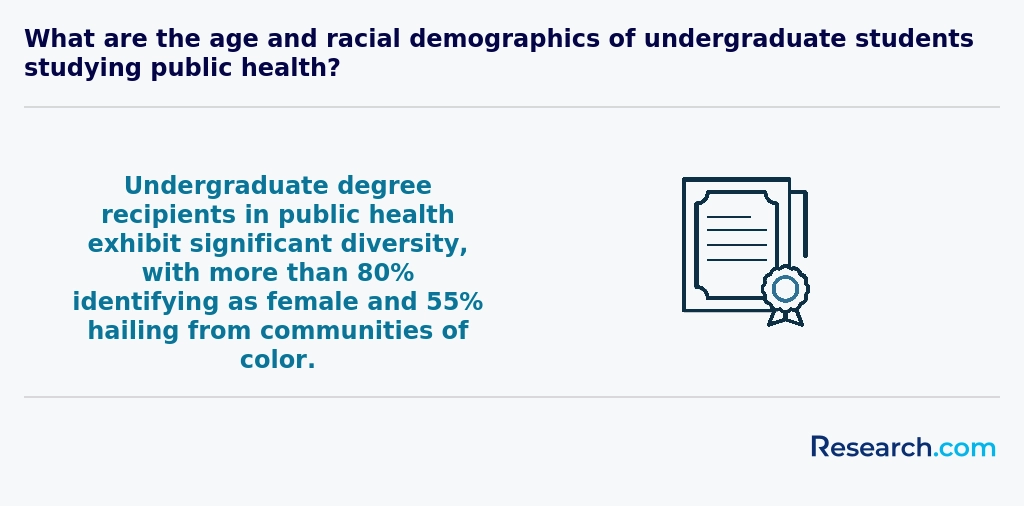
Students pursuing public health degrees in Milwaukee can access a range of financial aid options that make education more affordable. Many graduates from the University of Wisconsin-Milwaukee and Marquette University have benefited from Pell Grants, which provide need-based, no-repayment funds up to $7,395. This grant is a crucial resource for undergraduates from low-income families aiming to ease tuition burdens.
Federal student loans are another common aid, offering manageable interest rates between 4-6% and flexible repayment plans. Numerous public health students have found these loans indispensable, especially when paired with scholarships awarded for academic excellence or community involvement at their Milwaukee campuses. Graduate students frequently secure assistantships that include stipends and tuition waivers by supporting research or teaching, greatly reducing out-of-pocket costs.
State grants like Wisconsin's Higher Education Grant further support in-state learners. In addition, local employers and public health departments often provide tuition reimbursement or scholarships, rewarding students who commit to work locally after graduation. This combination of federal, state, institutional, and local aid helps many Milwaukee public health students confidently manage their finances while focusing on their studies.
To enroll in a public health degree program in Milwaukee, you'll typically need a high school diploma with a GPA around 3.0 or higher for undergraduate programs. Milwaukee students often find success by taking coursework in biology, chemistry, math, and social sciences before applying. For example, graduates from the University of Wisconsin-Milwaukee have emphasized how strong foundations in these subjects helped them confidently transition into public health studies.
If you're aiming for a graduate program like an MPH, a bachelor's degree from an accredited university is essential. Many Milwaukee programs welcome applicants from diverse backgrounds, but degrees in health sciences or psychology give you a leg up. Graduates share that having real-world experience-whether volunteering at community health centers or working in related fields-made their applications stand out and prepared them for coursework.
Some programs may require prerequisite courses in epidemiology or biostatistics if your undergrad didn't cover these topics. While GRE scores are optional nowadays, checking each Milwaukee school's current policies is important.

When evaluating the true value of a Public Health degree in Milwaukee, assessing return on investment is essential. Recent data show that graduates from the University of Wisconsin-Milwaukee achieve a 92% job placement rate within six months of graduation, with a median starting salary of $61,200. Marquette University alumni report recouping their tuition costs-averaging $85,000 for an MPH-in under four years, based on an average salary increase of 35% compared to pre-degree earnings. These figures translate to a payback period of approximately 3.5 years, positioning Milwaukee’s public health programs among the most cost-effective in the Midwest. Alumni surveys highlight the broader benefits beyond salary. Over 80% of respondents credit hands-on internships and community projects with accelerating their career advancement, while 75% cite strong professional networks formed on campus as critical to securing leadership roles. For those balancing budget constraints, exploring alternative pathways like online degrees can further optimize ROI. Prospective students may find value in comparing out-of-state options, such as the Low Cost Online Public Health Degree Programs Ranking in Pennsylvania, to identify programs that align with both career goals and financial needs. Considering these outcomes, Milwaukee’s Public Health degrees offer a competitive ROI: robust placement rates, accelerated salary growth, and extensive alumni support networks. By factoring in tuition costs, living expenses, and expected career trajectories, students can make data-driven decisions that maximize both their professional impact and financial return.
Public health degree programs in Milwaukee typically include core courses such as epidemiology and biostatistics, which help students understand disease patterns and analyze health data. Many graduates from institutions like the University of Wisconsin-Milwaukee share how these classes sharpened their abilities to interpret real community health trends affecting the city.
Environmental health is another key course, focusing on how pollution and urban factors impact Milwaukee's neighborhoods. This practical knowledge empowers students to design effective local interventions. Students often recall working on projects involving community water quality assessments, making learning highly relevant and motivating.
Health policy and management courses teach how regulations shape public health systems, a subject that graduates found invaluable when interning at local health departments. Social and behavioral sciences classes encourage students to explore how culture and behavior influence health, providing tools to create community-based programs for Milwaukee's diverse populations.
Additional practical courses include public health ethics, community health assessment, global health, and program planning and evaluation. These subjects prepare students to address real challenges like addressing health disparities in Milwaukee's minority communities.
Students pursuing a public health degree in Milwaukee typically choose from several focused specializations to sharpen their skills. Common areas include Environmental Health, where graduates learn to tackle pollution and workplace safety; Epidemiology, which prepares students to analyze disease patterns critical for public health interventions; Health Policy and Management, addressing leadership and program evaluation challenges; Community Health, emphasizing wellness promotion within local populations; and Global Health, which some Milwaukee programs offer through electives to address cross-border health issues.
Graduates from institutions like the University of Wisconsin-Milwaukee and the Medical College of Wisconsin often highlight how these specializations helped them feel prepared to meet Milwaukee's unique health challenges. For example, those concentrating in Community Health find it rewarding to implement wellness programs in urban neighborhoods facing disparities.
Choosing a specialization that aligns with your career goals enhances your expertise and job prospects within local public health sectors. Milwaukee students also benefit from accessible tuition costs, encouraging focused study without overwhelming debt. For those considering various pathways, exploring options through easiest mph programs to get into can provide helpful guidance on program entry.
Understanding Milwaukee public health programs concentrations gives students a direct link between their educational focus and the city's public health needs, making their training both practical and impactful.
To choose the best public health degree in Milwaukee, start by confirming the program's accreditation through the Council on Education for Public Health (CEPH). Graduates from popular Milwaukee schools often express appreciation for hands-on learning, especially when programs provide practicum or internships in local health departments, offering real-world experience in chronic disease prevention or infectious disease control.
Another practical step is to evaluate costs carefully. Many students at the University of Wisconsin-Milwaukee find competitive tuition rates and seek financial aid to manage expenses. For those balancing work and study, part-time or online programs can provide needed flexibility without sacrificing education quality. Exploring the Low Cost Online Public Health Degree Programs Ranking in Pennsylvania can also reveal affordable options outside Milwaukee that fit your budget.
Look closely at curriculum breadth and faculty expertise. Milwaukee's public health degree cost Milwaukee students consider is justified when instructors are actively involved in local health initiatives, enhancing learning with real-time insights. Finally, review graduation and employment rates and tap into strong alumni networks to ensure a rewarding career path after graduation.
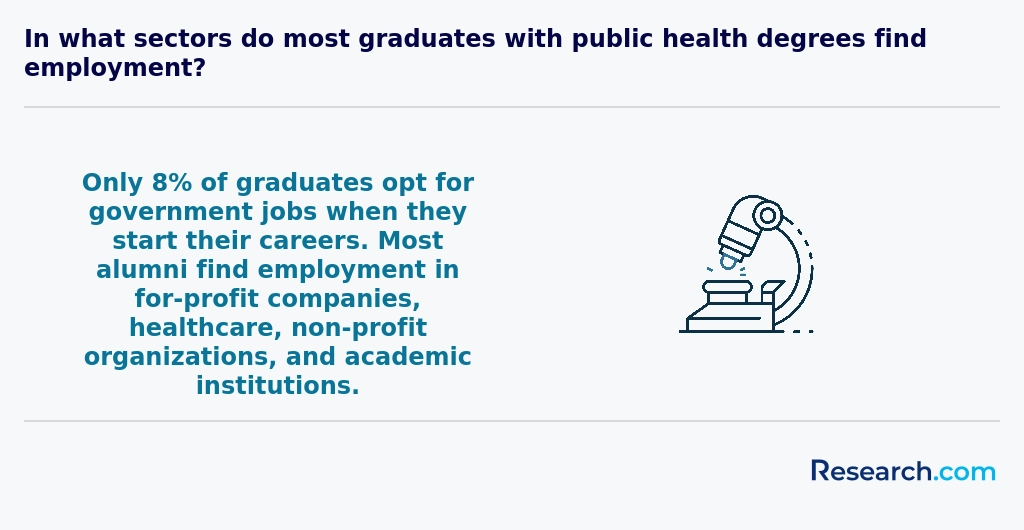
Graduates with a public health degree in Milwaukee can pursue diverse career paths tailored to the city's unique health landscape. Many find roles in government agencies like the Milwaukee Health Department, working as epidemiologists or health educators who actively address urban health disparities. Others enter hospitals such as Aurora Health Care Network, where careers in clinical research or health administration allow graduates to apply their skills in real-world settings. Non-profits, including the United Way of Greater Milwaukee & Waukesha County, also offer opportunities in program coordination and community health initiatives, which are highly rewarding for those passionate about impact-driven work.
Milwaukee's public health students often share how practical internships at local agencies and community organizations help them build a strong professional network, making the transition into jobs with public health degree in Milwaukee seamless. For those looking to accelerate their education, options like the best online associate degree in 6 months accredited provide flexible pathways into the field. Public health careers here are not only varied but also deeply connected to improving the health outcomes of Milwaukee's diverse populations.
The public health degree job outlook Milwaukee remains promising, driven by the city's focus on addressing chronic illnesses and health disparities. Graduates from institutions like the University of Wisconsin-Milwaukee and Marquette University find ample employment opportunities for public health graduates Milwaukee in roles such as community outreach, epidemiology, and policy advocacy. Many local health departments and healthcare providers actively recruit from these programs, helping new graduates transition smoothly into meaningful careers.
Graduates often describe their experience positively, benefiting from real-world internships connected to Milwaukee's robust public health network. These hands-on opportunities not only build confidence but also expand professional connections essential for career growth. Entry-level salaries typically range from $45,000 to $60,000, rising substantially with experience and specialized skills.
Students exploring flexible educational options can also consider online college courses for seniors, which may complement their schedules while enhancing career readiness. Overall, the steady demand and diverse job roles make Milwaukee an excellent place to start a public health career.
2027 Best Public Health Degree Programs Ranking in Milwaukee
Investing in your education is a significant decision that can shape your future, and the Research.com team fully recognizes the importance of making well-informed choices. To support prospective students in Milwaukee, we have carefully developed the "2027 Best Public Health Degree Programs Ranking in Milwaukee." Our dedication to quality, credibility, and accuracy is demonstrated through rigorous research and analysis in compiling this ranking.
We utilized the following reputable data sources to ensure a comprehensive evaluation of public health programs:
By exploring this ranking, readers will gain valuable insights into the best public health degree programs in Milwaukee, empowering them to choose educational paths that align with their career goals. For more information about how this ranking was created, please visit our Research.com methodology page.

# 4 position
Medical College of Wisconsin
Master of Public Health

Frequently Asked Questions About public health
Public health degree students in Milwaukee can maximize their learning by engaging deeply with local community health organizations. Milwaukee faces unique health challenges, such as high rates of lead exposure and chronic diseases, as reported by the Milwaukee Health Department. Participating in internships or service learning with local agencies like the Milwaukee County Behavioral Health Division offers hands-on experience.
Networking opportunities at universities and city events allow students to connect with public health professionals and mentors. Milwaukee's public health programs often collaborate with institutions like the Medical College of Wisconsin, providing research opportunities and exposure to real-world health issues.
Additionally, students should utilize resources such as the Wisconsin Department of Health Services' data portals to enhance their analytical skills using local health statistics.
Emerging niches within the public health field in Milwaukee are evolving to address local and national challenges. One significant area is health equity and social justice, focusing on reducing disparities that disproportionately affect Milwaukee's diverse communities. The Milwaukee County Behavioral Risk Factor Survey highlights high rates of chronic diseases linked to social determinants.
Another growing niche is environmental health, with attention to urban pollution and lead exposure, issues relevant to Milwaukee's aging infrastructure. Programs emphasize training in disease prevention related to environmental risks.
Data science and public health informatics are also expanding, as Milwaukee institutions integrate big data to improve community health surveillance and intervention evaluation.
Preparing for the job market after earning a public health degree in Milwaukee involves several strategic steps. First, gaining practical experience through internships or volunteer work with local health departments or organizations like the Milwaukee Health Department can be invaluable. Such opportunities help students build relevant skills and professional networks.
Second, developing expertise in data analysis and health communication is critical, as these are high-demand skills in Milwaukee's public health sector. According to the U.S. Bureau of Labor Statistics, the demand for public health professionals is expected to grow by 17% nationally through 2030.
Finally, consider obtaining certifications such as the Certified in Public Health (CPH) credential to enhance employability within the Milwaukee job market.
Employers in Milwaukee's public health sector highly value graduates with strong analytical skills. The ability to interpret health data and use it to make informed decisions is critical, supported by local health organizations such as the Milwaukee Health Department, which frequently rely on data-driven strategies.
Communication skills are equally important. Public health professionals must effectively share information with diverse populations and stakeholders, a necessity in Milwaukee's culturally varied communities.
Moreover, familiarity with epidemiology and community health assessments is essential. Graduates should demonstrate competence in designing and evaluating public health programs, as Milwaukee faces specific challenges like chronic disease management. According to the Wisconsin Department of Health Services, collaborative problem-solving and adaptability also rank highly among employer expectations.
To find internships in Milwaukee relevant to a public health degree, begin by exploring opportunities through local universities such as the University of Wisconsin-Milwaukee, which often partners with community health organizations. The Milwaukee Health Department offers internships focused on public health programs, providing practical experience in disease prevention and health promotion. Additionally, organizations like the Milwaukee Center for Independence and the Wisconsin Department of Health Services sometimes provide internship placements tailored to public health students.
Searching through platforms like Handshake and Indeed with Milwaukee-specific filters can also uncover numerous internship options. Networking at local public health events or joining the Milwaukee Public Health Association can increase connections, essential for internship placement in this competitive field.
Obtaining a public health degree in Milwaukee can significantly enhance career mobility and advancement opportunities. The city's growing healthcare sector demands skilled public health professionals to address urban health challenges. According to the Wisconsin Department of Health Services, Milwaukee's public health workforce is projected to grow by 10% through 2030, reflecting expanding job availability.
A degree equips graduates with expertise in epidemiology, community health, and health policy, making them strong candidates for leadership roles within local hospitals, government agencies, and nonprofit organizations.
Graduates often find advancement into management or specialized roles faster than those without formal training, supported by Milwaukee's numerous health institutions offering continuing education and professional networks.
Thus, a public health degree serves as a catalyst for durable career growth in the region's competitive job market.
Studying for a public health degree in Milwaukee prepares students for interdisciplinary roles by integrating diverse fields such as epidemiology, environmental health, social sciences, and healthcare management. Milwaukee's public health programs emphasize collaboration with local institutions like the Milwaukee Health Department and community organizations, offering hands-on experience in real-world settings.
These opportunities help students develop skills in data analysis, policy advocacy, and health communication, essential for working across disciplines. According to the Wisconsin Department of Health Services, Milwaukee faces challenges in health equity and chronic disease management, making interdisciplinary approaches crucial.
This education fosters adaptability needed for careers in government agencies, nonprofits, and healthcare systems, aligning with national public health workforce trends emphasizing cross-sector cooperation.
Choosing between a thesis and a non-thesis public health degree in Milwaukee involves understanding your academic and career goals. A thesis program requires original research and a formal written dissertation, ideal for students targeting research roles or doctoral studies. Non-thesis programs focus more on coursework and practical experience, suitable for those pursuing leadership or applied public health jobs.
Milwaukee's public health challenges, such as its higher rates of chronic disease compared to national averages (CDC, 2023), make research opportunities valuable. However, local employers often value hands-on skills, making non-thesis paths practical.
Consider faculty expertise and available resources at Milwaukee institutions before deciding.
Students based in Milwaukee seeking to study public health abroad have several pathways within the U.S. higher education system. Many universities with public health programs in Milwaukee, such as the University of Wisconsin-Milwaukee, offer exchange programs and partnerships with international institutions. These options allow students to complete part of their coursework or internships overseas while earning their degree at home.
Additionally, students can explore summer study abroad programs focused on global health issues, which often involve fieldwork in diverse countries. Funding opportunities, including scholarships and grants specifically for study abroad in public health, may also be accessible through local educational institutions and public health organizations.
According to the Wisconsin Department of Health Services, gaining global perspectives is growing in importance for public health professionals in Milwaukee, especially given the city's diverse population and emerging health challenges. Students planning to go abroad should consult their academic advisors early to identify appropriate programs aligned with their career goals.
Milwaukee offers various part-time job opportunities that can enhance education in public health. Students often find roles in local health departments, such as the Milwaukee Health Department, which supports community health initiatives across the city. These positions provide hands-on experience in disease prevention and health promotion.
Other options include working with nonprofit organizations focused on health equity and access. Milwaukee's urban population has significant health disparities, making community outreach roles especially valuable for practical learning.
Additionally, part-time jobs in clinics and hospitals, including administrative or patient support roles, allow students to observe healthcare delivery systems closely.
Milwaukee offers a variety of valuable networking opportunities for public health students. Local universities, like the University of Wisconsin-Milwaukee and Marquette University, host events and seminars that connect students with public health professionals.
The city is home to the Milwaukee County Office of Environmental Health and other health agencies that often collaborate with academic institutions, providing students internships and mentorship programs.
Additionally, organizations such as the Wisconsin Public Health Association frequently organize conferences and meetups in Milwaukee, fostering connections among students, researchers, and practitioners.
These networks are essential as Milwaukee faces unique health challenges, including disparities in chronic disease rates documented by the Wisconsin Department of Health Services, making local engagement critical for career growth.
Alumni networks play a crucial role for public health degree students in Milwaukee by providing professional connections that can lead to internships, job placements, and mentorship opportunities. Graduates from local institutions such as the University of Wisconsin-Milwaukee often share valuable insights on navigating the city's public health landscape, including agencies like the Milwaukee Health Department.
These networks also foster collaboration on community health projects, enhancing real-world learning experiences. According to the Wisconsin Public Health Association, strong alumni ties help students access expanding local job markets, where public health roles are expected to grow by 15% over the next decade.
Students in Milwaukee can customize their public health degree programs by selecting specialized tracks such as epidemiology, health policy, or community health. Many local institutions offer flexible course options tailored to specific career goals. For example, internships and practicum opportunities in Milwaukee's diverse urban and suburban communities provide hands-on experience crucial for public health careers. Additionally, students may choose to focus on emerging issues like infectious diseases or environmental health, reflecting local needs identified by the Milwaukee Health Department. Access to local data and partnerships helps students align their education tightly with regional public health challenges and job market demands.
Public health students in Milwaukee often face challenges related to balancing rigorous academic demands with practical fieldwork requirements. Many programs emphasize community engagement in a city with diverse health needs, which can be both rewarding and complex. Financial barriers also affect students, as the cost of living in Milwaukee, combined with tuition fees, may strain budgets, especially for those without access to scholarships or employer support.
Access to relevant internships is competitive. Milwaukee's public health sector is active, but placements in local health departments or nonprofits can be limited. According to the Wisconsin Department of Health Services, addressing urban health disparities complicates projects, requiring robust cultural competence from students.
Additionally, recent data from UW-Milwaukee highlights that navigating evolving public health policies amid the COVID-19 pandemic adds another layer of challenge for students striving to stay current while completing their degrees.
With a public health degree, graduates in Milwaukee can pursue several professional certifications to enhance their careers. The most recognized is the Certified in Public Health (CPH) credential offered by the National Board of Public Health Examiners. This certification validates mastery of public health knowledge and is widely respected by employers in the region.
Other options include certifications in epidemiology, health education, and community health. For example, the Certified Health Education Specialist (CHES) credential is common among those focused on health promotion roles. Wisconsin's growing public health sector particularly values these certifications, as noted by the Wisconsin Department of Health Services.
Completing these certifications often improves job prospects and earning potential in Milwaukee's public health agencies and nonprofit organizations.
Writing a winning application for a public health program in Milwaukee requires clear focus and careful preparation. Begin by thoroughly researching local universities, such as the University of Wisconsin-Milwaukee, known for strong public health curricula aligned with regional health issues. Admissions committees appreciate applicants who demonstrate understanding of Milwaukee's specific public health challenges, including high rates of chronic diseases and disparities reported by the Wisconsin Department of Health Services.
Craft a compelling personal statement that highlights your commitment to community health and relevant experiences, such as internships or volunteer work within Milwaukee health organizations. Include clear goals for how you intend to contribute to local public health solutions.
Strong letters of recommendation from professionals familiar with your dedication to health equity will boost your application. Also, ensure standardized test requirements and transcripts meet the school's criteria to avoid delays.
A public health career offers a broad global perspective, as professionals address health issues that affect populations worldwide. Graduates from Milwaukee's public health programs gain skills applicable in various international settings, from infectious disease control to health policy development.
In the U.S., public health careers are projected to grow by 17% from 2020 to 2030, according to the Bureau of Labor Statistics. Milwaukee, with its diverse population and urban health challenges, provides a practical environment to study health equity and social determinants of health.
The global demand for experts in epidemiology, health education, and policy underscores the value of a Milwaukee degree in public health, connecting local experience with worldwide health initiatives.
Gaining practical experience while studying for a public health degree in Milwaukee is essential. Many local universities offer internship programs in partnership with Milwaukee's health departments and community organizations. These placements allow students to work directly on public health projects, such as disease prevention or health education campaigns.
The City of Milwaukee Health Department provides opportunities for students to engage with real-world public health challenges in an urban setting. Additionally, hospitals like Froedtert & the Medical College of Wisconsin often offer research assistant roles relevant to public health studies.
Some schools also encourage participation in service learning, combining coursework with community service to build hands-on skills. According to the Wisconsin Department of Health Services, practical training helps prepare students for the growing demand in public health careers nationwide.
Choosing the right concentration within a public health degree program in Milwaukee depends on your career goals and the city's health landscape. Milwaukee faces challenges like chronic diseases, mental health issues, and environmental concerns, which shape local public health priorities. According to the Milwaukee Health Department, focusing on epidemiology or community health can be impactful in addressing these issues.
Research available concentrations at Milwaukee institutions, such as Marquette University or the University of Wisconsin-Milwaukee, and consider how each aligns with job market demands. For example, health policy and management may suit those interested in administration, while environmental health responds to industrial impact challenges.
Internship opportunities and partnerships with local health agencies can also guide your choice by providing valuable practical experience. Reviewing data from the Wisconsin Department of Health Services helps identify pressing public health needs that can inform your concentration selection.
- 2027 Best Public Health Degree Programs Ranking in Chicago
- 2027 Best Public Health Degree Programs Ranking in Ann Arbor
- 2027 Best Public Health Degree Programs Ranking in Indianapolis
- 2027 Best Public Health Degree Programs Ranking in Detroit
- 2027 Best Public Health Degree Programs Ranking in Bloomington
- 2027 Best Public Health Degree Programs Ranking in Saint Paul
- 2027 Best Public Health Degree Programs Ranking in Minneapolis
- 2027 Best Public Health Degree Programs Ranking in Saint Louis
- 2027 Best Public Health Degree Programs Ranking in Omaha
- 2027 Best Public Health Degree Programs Ranking in Buffalo
- Finding Fulfillment in Your Public Health Career Journey | PH SPOT https://phspot.org/finding-fulfillment-in-your-public-health-career-journey/
- Online Degrees https://www.publichealthdegrees.org/online/
- University of Milwaukee - Zilber School of Public Health - WPHA https://www.wpha.org/page/Zilber
- Loading https://www.cpalms.org/PreviewResourceStudentTutorial/Preview/166485
- Know more about thesis vs non- thesis: what is the difference? https://studyfans.com/en/blogs/816
- Public Health Challenges – IPA SDG Dashboard https://sdg.internationalpublishers.org/sdgaction/public-health-challenges/
- 5 Internships for a Master’s in Public Health Student - Healthcare Administration Degree Programs https://www.healthcare-administration-degree.net/lists/5-internships-for-a-masters-in-public-health-student/
- Master of Public Health Program at the Medical College of Wisconsin https://www.mcw.edu/education/graduate-school/graduate-school-programs/public-health/mph-program
- Public Health https://disabroad.org/program/public-health/
- Pre-Professional Health Experience Guide | PublicHealthOnline.org https://www.publichealthonline.org/pre-professional-experience/