2027 Political Science Degree Persistence Report: Retention, Stop-Out Risk, and Re-Enrollment Patterns

Co-Founder and Chief Data Scientist
Choosing a political science degree is not only about curriculum; it is about whether the program can help you stay enrolled long enough to graduate. The National Student Clearinghouse Research Center reported that the U.S. had more than 43 million adults with some college and no credential, making persistence a real financial and career issue.
This guide is for prospective, current, transfer, and returning political science students. You will learn how retention, stop-out risk, enrollment format, support services, and re-enrollment policies affect your odds of finishing and making the degree work.
Key Things You Should Know
- National Student Clearinghouse data released in 2024 placed first-year persistence for entering college students at 76.5% and same-institution retention at 68.2%, so a school's retention rate should be treated as a program-quality signal, not a guarantee.
- College Board's 2024 pricing data shows average published tuition and fees of $11,610 for in-state public four-year colleges and $43,350 for private nonprofit four-year colleges, making stop-out risk a major cost issue for political science students.
- Political science students with the strongest persistence prospects usually choose programs with structured advising, clear transfer-credit rules, predictable course rotations, career-connected internships, and documented support for part-time or working students.
- What Do Retention Rates Reveal About Student Success in Political Science Degree Programs?
- Which Students Are Most at Risk of Stopping Out of a Political Science Degree Program?
What Do Retention Rates Reveal About Student Success in Political Science Degree Programs?
Retention is the share of students who return to the same institution after their first year. Persistence is broader: it counts students who continue at any institution, including those who transfer. Stop-out means a student leaves temporarily without completing the degree. For political science majors, these measures matter because the degree often depends on sequenced coursework, writing-intensive classes, internships, and timely completion of general education or research-methods requirements.
The National Student Clearinghouse Research Center's 2024 persistence and retention reporting is useful because it separates staying enrolled anywhere from staying at the same school. That distinction is important for political science students who may transfer from community colleges, change from campus to online study, or move because of work, family, or financial pressure.
The table below summarizes the main persistence metrics students should understand before comparing political science programs. These are not political-science-only figures; they are institutional indicators that help you judge whether a college has a strong completion environment.
| Metric | What it Measures | Why it Matters for Political Science Students |
| First-year retention | Students who return to the same institution for year two | Signals whether advising, introductory courses, financial aid, and student support are working early |
| Persistence | Students who continue at any institution | Captures successful transfer or continuation after changing schools |
| Graduation rate | Students who complete within a stated time window | Shows whether students move from enrollment to completion, not just whether they return after one year |
| Stop-out rate | Students who pause enrollment without earning the credential | Helps identify financial, academic, scheduling, or life barriers that may delay completion |
| Transfer-out pattern | Students who leave but continue elsewhere | Can be positive if credits apply cleanly, but risky if credits are lost or major requirements reset |
A high retention rate can indicate a healthier academic environment, but it should never be read alone. A school may retain many first-year students while still having low graduation rates if students later struggle with upper-division requirements, limited course availability, or financial exhaustion. For political science, the best indicator is a combination of retention, graduation, major advising, internship access, and transfer-credit transparency.
Which Students Are Most at Risk of Stopping Out of a Political Science Degree Program?
Students most at risk of stopping out are not necessarily less capable. Stop-out risk often rises when academic expectations, finances, scheduling, advising, and personal responsibilities collide. Political science can intensify this because students may need strong writing skills, statistical or research-methods preparation, civic engagement experiences, and careful planning for law school, public policy, government, nonprofit, campaign, or business careers.
The groups below often need more proactive planning because their enrollment path may have more friction points. The goal is not to label students as likely to fail, but to identify where extra support can improve persistence.
- Working students: Students working substantial hours may struggle with daytime course rotations, unpaid internships, group projects, and office-hour access.
- Part-time students: Part-time enrollment can make the degree more affordable term by term, but it often lengthens time to completion and increases exposure to life interruptions.
- First-generation students: Students who are first in their families to attend college may need clearer guidance on advising, financial aid renewal, internship norms, and graduate-school planning.
- Transfer students: Students moving from community colleges or another four-year institution can lose momentum if credits apply only as electives instead of major requirements.
- Students with weak writing or quantitative preparation: Political science often includes policy analysis, constitutional interpretation, comparative politics, research design, and data interpretation.
- Students with unstable finances: Even small unpaid balances can block registration, transcript release, or re-enrollment.
A practical way to reduce risk is to build an enrollment plan before the first term begins. Students should map required courses, identify when each course is offered, estimate total cost after aid, and ask whether internships are paid, required, optional, or credit-bearing.
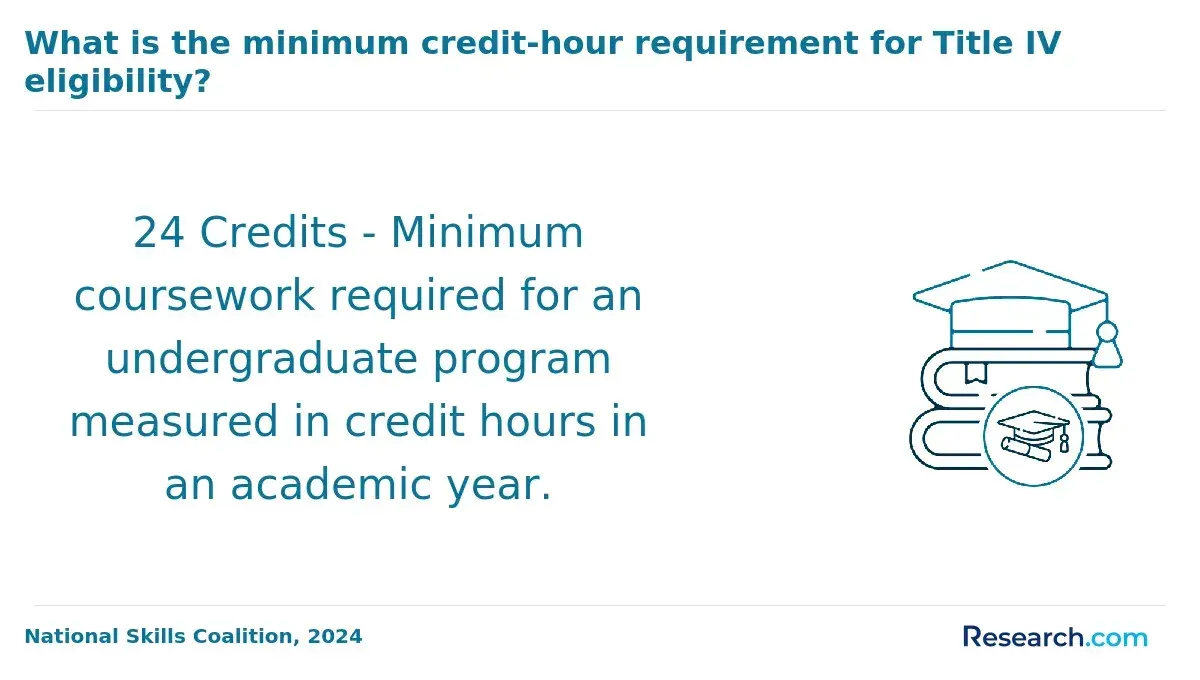
Academic and financial challenges are the two biggest persistence pressures for many political science students. Academically, the major rewards reading, writing, argumentation, research, and analytical reasoning. Financially, the risk is not just tuition; it is the cost of taking longer, losing credits, reducing work hours, or accepting unpaid experiential learning.
College Board's 2024 data reported average published tuition and fees of $11,610 for in-state students at public four-year institutions and $43,350 at private nonprofit four-year institutions. For a student who stops out and returns later, the financial impact can include new tuition rates, changed aid eligibility, repeated courses, and delayed earnings.
The table below connects common barriers with the way they can affect political science persistence. Use it to identify which risks apply to your situation before committing to a program.
| Challenge | How it Can Reduce Persistence | What to Check Before Enrolling |
| Limited course availability | Required upper-division classes may not be offered every term | Ask for a two-year course rotation for the major |
| Writing-intensive workload | Students may fall behind if they underestimate reading and paper deadlines | Confirm access to writing centers, tutoring, and faculty feedback |
| Research-methods requirement | Quantitative or methodology courses can become bottlenecks | Ask whether supplemental instruction or tutoring is available |
| Unpaid internships | Students may be unable to reduce paid work to gain experience | Ask whether paid internships, remote placements, or flexible credit options exist |
| Financial holds | Unpaid balances can stop registration or re-enrollment | Ask how the school handles emergency grants, payment plans, and holds |
One common mistake is comparing programs only by sticker price. A cheaper program that lacks advising, predictable course access, or transfer-credit clarity can become more expensive if it adds semesters. A higher-priced program is not automatically better, but stronger student support can be worth considering when it reduces avoidable delays.
Stopping out does not always mean dropping out permanently. Many students return after resolving financial, health, family, military, or work-related barriers. The challenge is that re-enrollment can be more complicated than simply registering again, especially if degree requirements changed, financial aid eligibility shifted, or credits aged out of a program plan.
National Student Clearinghouse reporting on adults with some college and no credential shows why re-enrollment pathways matter: millions of learners have accumulated credits without completing a credential. For political science students, returning strategically can protect previous coursework and prevent unnecessary delays.
The table below explains common re-enrollment patterns and the issues students should clarify before taking a break or returning to school.
| Re-Enrollment Pattern | What Usually Happens | Main Risk |
| Short leave from same institution | Student returns after one or two terms and continues the same plan | Missing a required course sequence or losing scholarship continuity |
| Return after multiple years | Student may need a degree audit and updated catalog review | Old requirements may no longer align with the current major |
| Transfer after stopping out | Student moves credits to a new institution | Credits may transfer as electives rather than political science requirements |
| Online return pathway | Student resumes through a more flexible format | Support may be weaker if the online program is not designed for returning adults |
| Reverse transfer or associate completion | Student uses accumulated credits toward an associate degree while pursuing a bachelor's | Process can be missed if the student does not request a credit review |
If you are considering a temporary stop-out, act before you disappear from the institution. The smartest approach is to create a written return plan while you still have access to advisors and financial aid staff.
- Meet with your academic advisor and request a degree audit showing completed, remaining, and time-sensitive requirements.
- Ask financial aid staff how a break may affect grants, loans, satisfactory academic progress, scholarships, and repayment timing.
- Confirm the school's leave of absence, readmission, and catalog-year policies in writing.
- Register for the next feasible term if possible, even if you choose a lighter course load.
- Keep copies of syllabi, transcripts, internship records, and major requirement sheets in case you transfer later.
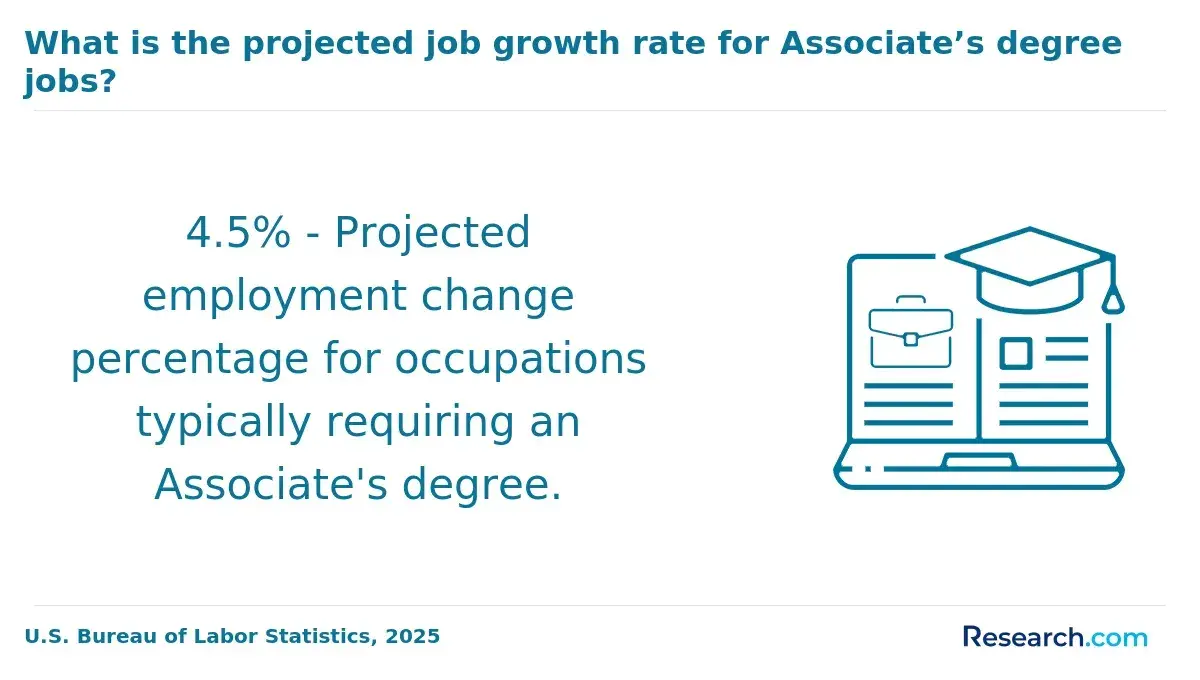
The strongest persistence support services are the ones students can access early, repeatedly, and without stigma. In political science, effective support often connects academic planning with career direction because students may be deciding among law, public administration, public policy, campaigns, international affairs, journalism, nonprofit work, education, or business roles.
Support services are especially important because first-year retention is an early warning indicator. When students receive proactive advising before they fail a course, miss registration, or lose aid eligibility, they have more options and fewer emergency decisions.
The table below summarizes support services that can improve persistence when they are well-funded, visible, and easy to use. Students should ask schools for specific examples rather than accepting broad claims about "student success."
| Support Service | How it Helps Persistence | Political Science-Specific Value |
| Proactive academic advising | Prevents missed requirements and registration delays | Helps sequence research methods, seminars, electives, and internships |
| Writing center | Supports papers, policy briefs, and argument-based assignments | Builds skills needed for law, policy, government, and graduate study |
| Research-methods tutoring | Reduces bottlenecks in statistics or methodology courses | Supports policy analysis, polling, comparative research, and capstone projects |
| Career services | Connects coursework to internships and job planning | Helps students translate the degree into public, nonprofit, legal, and private-sector pathways |
| Emergency aid and financial counseling | Addresses small financial barriers before they become stop-outs | Can help students stay enrolled during internship terms or reduced work hours |
| Mentoring and cohort models | Creates accountability and belonging | Supports students navigating competitive paths such as law school or public policy graduate programs |
When evaluating schools, ask direct questions about usage and access. A program that advertises tutoring but offers it only during limited hours may not help a working student. A program that promotes internships but does not help students find paid or flexible placements may unintentionally increase stop-out risk.
Persistence affects both graduation time and career timing. A political science degree can support entry into public administration, legislative offices, campaigns, policy research, nonprofit management, legal support roles, journalism, business, and graduate study. However, delayed completion may postpone internships, networking, full-time job searches, law school applications, or graduate admissions.
The U.S. Bureau of Labor Statistics' May 2024 wage data lists political scientists with a median annual wage of $139,380, but that figure usually reflects roles that often require a master's degree or significant analytical experience. Bachelor's-level political science students should view the major as a flexible foundation rather than a direct pipeline to one guaranteed occupation.
The table below shows how enrollment continuity can affect time-to-degree. These timelines are simplified planning estimates, not promises, because transfer credits, course availability, summer enrollment, and life circumstances can change the outcome.
| Enrollment Pattern | Likely Completion Effect | Career Planning Implication |
| Continuous full-time enrollment | Most likely to align with a four-year bachelor's timeline | More predictable timing for internships, law school applications, or entry-level job search |
| Continuous part-time enrollment | Often extends the degree beyond the traditional timeline | Can preserve income while requiring longer-term career planning |
| One-term stop-out | May add a term or more if required courses are sequenced | Students should update internship and graduation timelines immediately |
| Multi-year stop-out | May require catalog review, credit evaluation, or changed requirements | Returning students may need a new career plan based on current labor-market goals |
| Transfer after stop-out | Can speed completion if credits apply well, or delay it if many credits become electives | Students should compare degree audits before committing to the new school |
Political science students considering graduate or professional school should also compare opportunity cost across alternatives. Someone deciding between public policy, law, public administration, or business may research options such as the cheapest executive MBA to understand how tuition, schedule flexibility, and employer value differ by credential.
The key is to connect persistence planning with career planning early. Students who wait until senior year to seek internships, writing samples, faculty recommendations, or quantitative skills may still graduate, but they can have fewer options immediately after completion.
The political science programs with the strongest persistence outcomes are usually not identifiable by a single public national retention ranking because most federal retention data is reported at the institution level, not by major. That limitation matters: a university may have strong overall retention while a specific department has inconsistent advising, limited course availability, or weak internship support.
Instead of looking for one magic number, evaluate programs using a persistence profile. The strongest programs tend to combine stable institutional retention with major-specific practices that help students move from introductory courses to upper-division completion.
The table below outlines signals that a political science program is likely to support persistence. Use these signals when comparing colleges, transfer destinations, and online completion programs.
| Strong Persistence Signal | Why it Matters | Question to Ask the School |
| Published retention and graduation rates | Shows whether students generally return and complete | What are the latest retention and graduation rates for students like me? |
| Major-specific advising | Prevents missed prerequisites, course sequencing problems, and excess credits | Will I have an advisor familiar with political science requirements? |
| Clear transfer pathways | Protects credits earned at community colleges or prior institutions | Can I receive a written degree audit before enrolling? |
| Predictable upper-division course rotation | Reduces delays caused by unavailable required courses | How often are required seminars and research-methods courses offered? |
| Accessible internships | Builds career relevance and motivation to persist | Are internships paid, remote, local, credit-bearing, or required? |
| Support for online or part-time students | Improves persistence for working adults and returning learners | Are advising, tutoring, and career services available outside standard business hours? |
A good program should be able to explain not only what students study but how students are helped when they struggle. Be cautious if a school cannot provide retention data, avoids questions about transfer-credit application, or treats stop-out and readmission policies as afterthoughts.
Persistence patterns are changing as more students combine school with work, use online or hybrid formats, transfer between institutions, and return after time away. Political science programs are responding by adding applied policy projects, data analysis, flexible internships, accelerated terms, online completion pathways, and stronger advising systems.
One important trend is that students increasingly expect degrees to show career value before graduation. In political science, that means programs are under pressure to connect civic knowledge and theory with practical skills such as policy writing, public data analysis, legal research, stakeholder communication, campaign strategy, and nonprofit operations.
AI is also changing expectations. Political science students now need to understand how automated tools affect campaigns, public administration, misinformation, polling, legal research, and policy analysis. Programs that teach responsible AI use, source evaluation, data literacy, and ethical communication may help students stay engaged because coursework feels more connected to current public problems.
Another trend is the normalization of flexible professional education. Students comparing political science with career-focused graduate paths, including human resources master's programs online, often evaluate whether a credential offers flexible pacing, employer relevance, and support for working adults. Political science programs that ignore those expectations may have more difficulty retaining students who need a clear connection between coursework and career mobility.
These trends do not mean every student should choose an online or career-accelerated program. They mean students should ask whether the program's design matches how they actually live, work, learn, and plan to use the degree.
Students should evaluate political science degree programs by combining outcome data with fit. Retention and graduation rates are important, but they are only useful when interpreted alongside cost, course access, advising quality, transfer rules, career support, and personal constraints.
Use the following step-by-step process before enrolling, transferring, or returning. It will help you compare programs based on persistence rather than marketing language.
- Look up the school's latest retention and graduation rates through institutional research pages, admissions materials, or federal consumer information tools.
- Ask whether the political science department tracks major-level completion, course bottlenecks, internship participation, and transfer-student outcomes.
- Request a full degree plan showing required courses, electives, general education, internship options, and expected term-by-term sequencing.
- Calculate total cost by expected completion time, not only annual tuition, and include fees, books, commuting, technology, and lost work hours.
- Confirm how credits transfer before enrolling, especially if you are coming from a community college or returning after a break.
- Ask what happens if you need to stop out, including leave of absence rules, readmission steps, catalog-year protection, and financial aid consequences.
- Test the support system before committing by contacting advising, career services, tutoring, and financial aid with specific questions.
Watch for common red flags. These do not automatically make a program poor, but they should prompt more questions before you commit.
- The school promotes flexibility but cannot show when required political science courses are offered.
- Advising is centralized, but no advisor appears familiar with the major's upper-division sequence.
- Transfer credits are discussed generally, but the school will not provide a written degree audit before enrollment.
- Internships are heavily promoted, but paid, remote, evening, or local options are unclear.
- The program has online courses, but tutoring, career services, and faculty access are designed mainly for campus students.
- The school focuses on tuition discounts but avoids discussing graduation timelines and student support outcomes.
Flexibility should also be evaluated carefully. Students researching options such as the easiest online MBA often learn that "easier" should mean better structure and accessibility, not weak academics. The same applies to political science: choose a program that is manageable because it is well-designed, not because it appears less rigorous.
The best decision is the one that gives you a realistic path to continuous progress. If a program fits your finances, schedule, academic preparation, support needs, and career goals, you are more likely to persist through setbacks and finish with a degree you can actually use.
Learning format and enrollment status strongly influence persistence because they shape how easily students can attend class, access support, complete assignments, and maintain momentum. Online political science programs can work well for disciplined students who need flexibility, while campus programs may offer stronger in-person mentoring, student organizations, debate forums, government simulations, and local internship pipelines.
The National Center for Education Statistics reported in 2024 that distance education remains a major part of U.S. higher education, especially for adult and graduate learners. For political science students, the question is not whether online or campus is universally better; it is whether the format matches your schedule, learning style, and need for academic structure.
The table below compares persistence implications by format and enrollment status. It is designed to help you identify which path fits your real obligations, not an idealized version of your schedule.
| Enrollment Path | Persistence Strength | Persistence Risk | Best Fit |
| Full-time campus | Stronger routine, easier faculty access, more peer connection | Harder for students with work or caregiving obligations | Students who can prioritize school and use campus resources frequently |
| Part-time campus | Allows work and family balance while retaining in-person support | Longer timeline can increase stop-out exposure | Students near campus who need reduced course loads |
| Full-time online | Fast progress with schedule flexibility | Requires strong self-management and reliable technology | Students with predictable weekly study time and strong independence |
| Part-time online | Most flexible for adult learners and returning students | Can feel isolating and may delay graduation if courses are not offered regularly | Working adults, military-affiliated students, caregivers, and students returning after a break |
Students comparing flexible programs across fields should look beyond delivery mode and examine support design. For example, people researching healthcare-adjacent online degrees such as online SLP programs often compare clinical support, advising, and scheduling requirements; political science students should apply the same discipline by checking internship support, research-methods tutoring, and faculty availability.
Before choosing a format, take these steps to reduce stop-out risk:
- List your weekly work, commute, caregiving, and study commitments before selecting full-time or part-time status.
- Ask whether required political science courses are offered online, on campus, in the evening, or only in specific terms.
- Confirm whether online students receive the same advising, library access, writing support, and career services as campus students.
- Choose a course load you can sustain for two consecutive terms rather than one you can survive for only a few weeks.
Other Things You Should Know About Political Science
No. A high retention rate is a positive signal, but it should be compared with graduation rates, transfer outcomes, advising quality, course availability, internship access, and student support. Retention shows that students return; it does not prove they finish on time.
Neither format is automatically better. Campus programs may offer stronger in-person mentoring and networking, while online programs may help working adults stay enrolled. The better choice is the format that matches your schedule and provides reliable advising, tutoring, and career support.
Meet with academic advising and financial aid before leaving. Ask for a degree audit, confirm leave and readmission policies, check financial aid consequences, and create a written return plan. Leaving without a plan can make re-enrollment harder and may delay graduation.
Transferring can help if credits apply directly to degree and major requirements. It can delay graduation if credits transfer only as electives or if the new school has different upper-division requirements. Always request a written transfer-credit evaluation before committing.
- Universities create 'coping spaces' for students with election stress https://san.com/cc/universities-create-coping-spaces-for-students-with-election-stress/
- 5 Strategies to Boost Student Retention in Higher Education https://moderncampus.com/blog/factors-affecting-student-retention.html
- Mental Health Support Proven to Improve Student Retention - Medicat https://medicat.com/mental-health-support-proven-to-improve-student-retention/
- Socioeconomic factors and university student dropout https://sloap.org/journal/index.php/ijss/article/view/2325
- The Effect Of Selected Demographic Factors On The Academic ... https://digitalscholarship.tsu.edu/cgi/viewcontent.cgi
- Stop Out Students: Proven Re-enrollment Strategies (2025) - Campus Mind https://www.campusmind.org/stop-out-students-re-enrollment-strategies/
- 8 Overlooked Factors Affecting Student Persistence and Retention - Collegis Education https://collegiseducation.com/insights/student-persistence-and-retention/
- Improving college student mental health: Promising campus interventions https://journalistsresource.org/education/college-student-mental-health-research-interventions/
- Enrollment Leadership Drives Institutional Success https://www.agbsearch.com/newsletter/enrollment-leadership-drives-institutional-success
- Approaches to Student Success, Retention, and Well-Being Examined https://cic.edu/newsletter/2022-approaches-to-student-success-retention-well-being/