2027 Political Science Degree Schedule Flexibility Report: Online, Hybrid, Evening, Weekend, and Accelerated Options Compared

Co-Founder and Chief Data Scientist
Choosing a Political Science degree format is often a scheduling decision before it is an academic one. Federal higher education data released in 2024 shows that roughly 46% of U.S. postsecondary students took at least one distance education course in fall 2022, signaling that flexible learning is now mainstream.
This guide is for students balancing work, caregiving, military service, commuting limits, or faster completion goals. You will learn how online, hybrid, evening, weekend, and accelerated options differ in attendance, pace, workload, and risk so you can choose a format you can realistically finish.
Key Things You Should Know
- Fully online Political Science programs usually offer the most location flexibility, but they are not always self-paced; many still require weekly deadlines, live discussions, proctored exams, or scheduled group projects.
- Hybrid, evening, and weekend programs can work well for students who want campus access, but they require careful checking because in-person meetings may range from a few campus visits per term to weekly attendance.
- Accelerated courses often compress a standard 3-credit class into 5 to 8 weeks, which can double the weekly workload compared with a 15-week semester and may be difficult for students with unpredictable work or caregiving schedules.
- How Do Online, Hybrid, Evening, Weekend, and Accelerated Degree Programs Differ?
- How Flexible Are Fully Online Degree Programs?
How Do Online, Hybrid, Evening, Weekend, and Accelerated Degree Programs Differ?
Political Science degrees study government, public policy, law, political behavior, international relations, campaigns, and research methods. Flexible formats change how students access the same type of academic content, not necessarily what the degree is called. A bachelor's degree may lead to entry-level roles in public service, policy support, campaigns, nonprofits, legislative offices, communications, or graduate study, while a master's degree may support advancement in policy analysis, public administration, advocacy, or research-oriented roles.
The main difference among formats is how much control students have over time, place, and pace. The table below summarizes the practical distinctions students should compare before enrolling.
| Format | Typical attendance pattern | Pace | Best fit | Main caution |
| Fully online | No regular campus attendance; may include live sessions or proctored exams | Standard semester, short term, or occasionally self-paced | Students who need location flexibility | Online does not always mean asynchronous or self-paced |
| Hybrid | Mix of online work and required campus sessions | Usually fixed by term | Students near campus who want face-to-face support | Campus requirements can conflict with work or caregiving |
| Evening | Classes after normal business hours, often once or twice weekly | Usually traditional term length | Full-time workers with predictable evenings | Limited course rotation can delay graduation |
| Weekend | Friday evening, Saturday, Sunday, or intensive weekend blocks | Traditional, cohort, or modular | Workers whose weekdays are unavailable | Long class blocks can be draining |
| Accelerated | Online, campus, or hybrid delivery with compressed course length | Often 5 to 8 weeks per course | Students with strong time management and transfer credits | Weekly reading and writing load can be heavy |
Students comparing Political Science formats should also distinguish delivery from pacing. For example, a fully online class can still be synchronous, an evening class can still require weekday assignments, and an accelerated class can be either online or hybrid. Similar comparison habits are useful in other flexible degree categories, including online SLP programs, where location flexibility must be weighed against fieldwork or clinical requirements.
How Flexible Are Fully Online Degree Programs?
Fully online Political Science programs are usually the strongest option for students who cannot commute, relocate, or attend class at consistent campus times. They commonly use learning management systems for readings, recorded lectures, discussion boards, quizzes, policy briefs, research papers, and exams. The best online programs clearly state whether classes are asynchronous, synchronous, or a mix of both.
Students should not assume that online means "complete assignments whenever you want." Most online Political Science courses still follow weekly modules because debates, simulations, peer responses, and research milestones depend on shared deadlines. This matters for working adults because a weekly deadline can be manageable, while a mandatory live class during a shift may not be.
Use the following checklist when evaluating online flexibility, because small schedule details can determine whether the program fits your real life.
- Ask whether each required course is asynchronous, synchronous, or offered in both versions.
- Confirm whether exams require live proctoring, webcam monitoring, testing centers, or specific time windows.
- Check whether group projects, campaign simulations, model diplomacy exercises, or capstone presentations require scheduled attendance.
- Ask whether lectures are recorded and whether live sessions are optional, required, or graded.
- Review the school's time-zone policy if you live outside the institution's region or travel for work.
A standard 3-credit course is commonly designed around about 9 hours of class-related work per week in a traditional 15-week term, including reading, writing, discussion, and exam preparation. In Political Science, that workload often includes dense reading, legal or policy analysis, and writing-heavy assignments, so students who dislike independent reading may find fully online study less flexible than it appears.
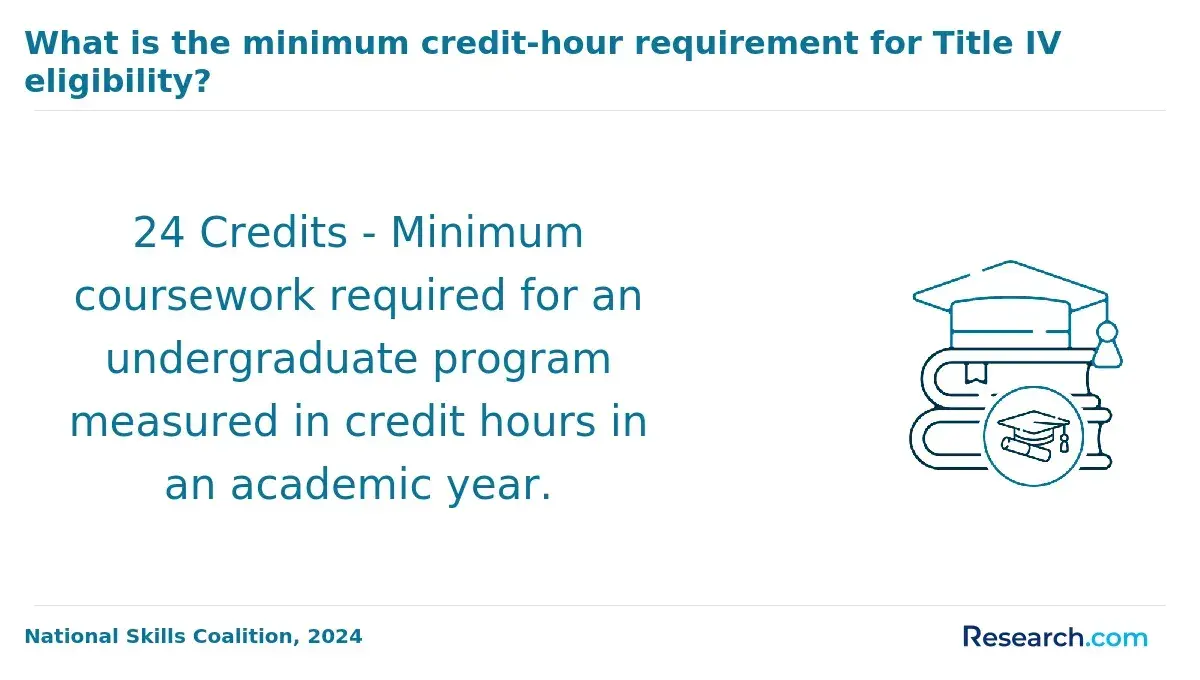
Hybrid Political Science programs combine online coursework with required in-person meetings. This can be valuable for students who want face-to-face discussion, faculty access, library resources, networking, or structured accountability. However, hybrid programs vary widely, so the label alone tells you very little.
The table below shows common hybrid patterns and what they mean for students who work or provide care. Use it to compare the actual attendance burden, not just the program's marketing language.
| Hybrid model | Typical in-person requirement | Schedule impact | Good for |
| Low-residency | A few campus visits per term or year | Requires travel planning but less weekly commuting | Students who live farther from campus |
| Weekly hybrid | One or more campus meetings each week | Requires a predictable commute | Students near campus with stable schedules |
| Alternating weeks | Campus meetings every other week | Moderate structure with fewer trips | Students who want regular interaction |
| Intensive blocks | Full-day or multi-day sessions | May require childcare, time off, or lodging | Students who can plan around concentrated meetings |
Political Science hybrid courses may use campus sessions for debates, research workshops, policy labs, oral presentations, internship seminars, or capstone defenses. These experiences can improve engagement, but they reduce flexibility if attendance is graded or if make-up options are limited.
Before choosing a hybrid program, get the attendance rules in writing. Focus on the details that create real schedule risk.
- Ask how many required campus meetings occur in each required major course, not just in electives.
- Confirm whether campus dates are published before registration or only after the term begins.
- Ask whether missed in-person sessions can be replaced with recordings, alternate assignments, or virtual attendance.
- Check whether internships, service-learning projects, or local government observations must be completed near campus.
- Estimate transportation, parking, childcare, and lost work time before comparing tuition prices.
Accelerated Political Science programs shorten the calendar by using shorter terms, year-round enrollment, heavier course loads, generous transfer-credit policies, or prior-learning assessment. They can help students finish faster, but the trade-off is intensity. A shorter course is not usually less work; it is the same credit value compressed into fewer weeks.
The following table shows how pacing affects workload and completion planning. These are common academic structures, but exact timelines vary by school, transfer credits, and whether the student attends full time.
| Pacing model | Common course length | Typical student experience | Completion impact |
| Traditional semester | 15 to 16 weeks | More time for reading, drafting, and exam preparation | Predictable but slower |
| Accelerated term | 7 to 8 weeks | Faster deadlines and heavier weekly reading | Can shorten time if courses are offered continuously |
| Intensive course | 5 to 6 weeks | Very compressed writing and discussion schedule | Useful for one course at a time, risky with overloads |
| Year-round plan | Multiple starts across the year | Fewer long breaks between courses | Can reduce total calendar time |
Acceleration works best when students enter with transfer credits, a stable weekly schedule, strong writing skills, and the ability to focus on one or two courses at a time. It is risky for students who need long reading windows, are returning to school after a long break, or have unpredictable employment. The same caution applies when evaluating speed-focused programs in other fields; a program marketed as the easiest online MBA, for example, still requires students to verify workload, pacing, accreditation, and assessment standards rather than relying on a label.
For Political Science specifically, accelerated pacing can be challenging because major assignments often require source analysis, policy research, argument development, and revision. Students who want to use the degree for law school preparation, graduate school, or policy research should be especially careful not to choose speed at the expense of writing development.
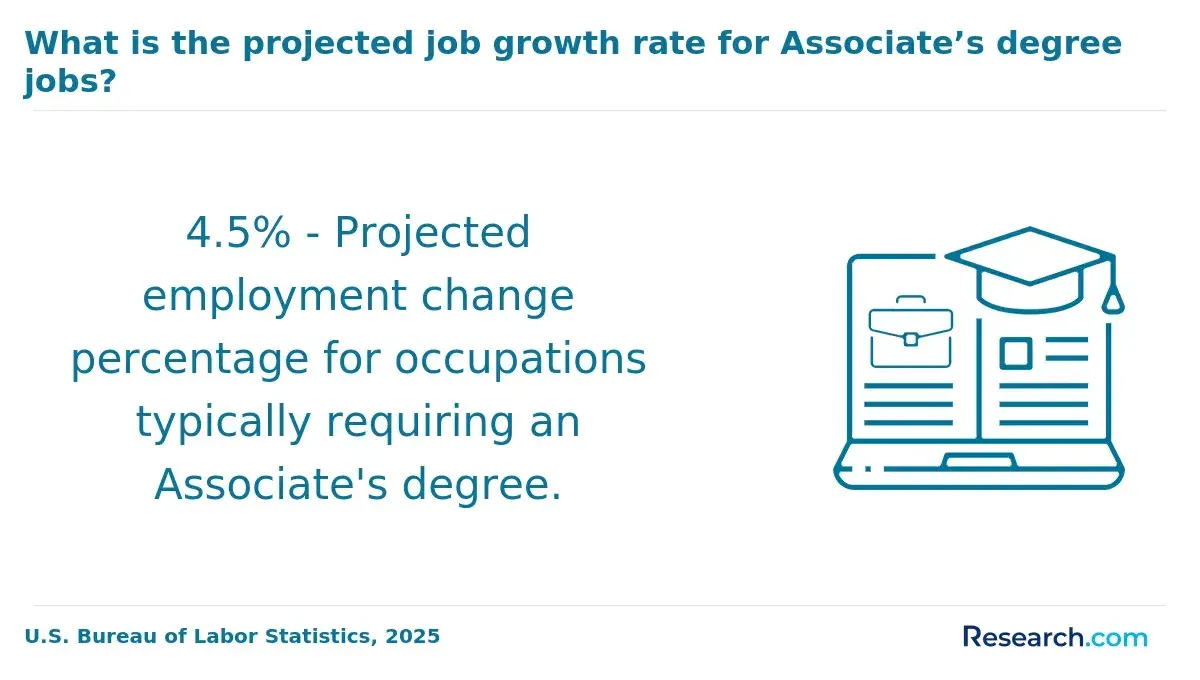
Part-time, full-time, and self-paced study affect stress, aid eligibility, graduation timing, and academic performance. Political Science students should choose a pace based on weekly availability, not motivation alone. The right pace is the one that leaves enough time for reading, writing, discussion, exams, and unexpected life events.
Full-time study is typically the fastest traditional route, but it may not be realistic for students working long hours. Part-time study can be more sustainable, though it may extend time to graduation and affect financial aid, scholarship rules, housing, or loan deferment status. Self-paced programs can offer more control, but they require unusual discipline and may have subscription periods, progress deadlines, or course-completion limits.
Use this decision sequence before selecting a pace. It helps convert a broad goal like "finish quickly" into a schedule you can actually maintain.
- Write down fixed obligations first, including work shifts, commute time, caregiving, medical appointments, and sleep.
- Estimate study time using the course credit load, then add extra time for writing-heavy Political Science assignments.
- Choose the maximum number of courses you can complete during a bad week, not an ideal week.
- Ask the school how dropping from full time to part time affects aid, billing, course sequencing, and graduation date.
- Build a backup plan for missed deadlines, technology problems, illness, or family emergencies.
Self-paced study is best for students who are independent, organized, and comfortable learning without frequent live interaction. It is not ideal for students who depend on weekly class meetings for accountability or who want structured debate, peer discussion, and faculty feedback.
Working adults and caregivers usually need a program that protects both predictability and flexibility. Predictability means knowing when class, exams, and major projects happen. Flexibility means having options when work, children, eldercare, health, or transportation problems interrupt the plan.
The table below matches common student situations with the formats that often fit best. It is not a rule, but it can help narrow your shortlist before speaking with admissions advisors.
| Student situation | Often strongest format | Why it may fit | Format to approach carefully |
| Full-time worker with stable weekday hours | Evening, weekend, or asynchronous online | Class time can be planned around work | Daytime hybrid programs |
| Parent or caregiver with unpredictable interruptions | Asynchronous online or part-time online | More control over when coursework is completed | Long weekend intensives with strict attendance |
| Student near campus who wants faculty contact | Hybrid or evening campus-based program | Combines structure with some online work | Fully self-paced programs |
| Student with many transfer credits | Accelerated online or year-round program | May reduce remaining time to degree | Programs with limited course availability |
| Rotating-shift worker | Asynchronous online with flexible deadlines | Avoids fixed weekly class meetings | Synchronous online, evening, or weekend cohorts |
Caregivers should ask about late-work policies, incomplete grades, pause options, and whether courses are offered every term. A flexible format is only truly flexible if it has policies that account for real disruptions.
Students considering a career pivot should also compare Political Science with adjacent programs in public administration, nonprofit management, communications, business, and human resources. For example, human resources master's programs online may fit students who want workplace policy, labor relations, or organizational roles with a more directly defined professional pathway.
Flexible Political Science degrees can be legitimate when they come from properly accredited institutions. For most Political Science roles, there is no single professional licensure exam attached to the degree itself. However, accreditation still matters for federal financial aid, transfer credit, graduate school admission, employer recognition, and eligibility for some internships or public-sector pathways.
Students should verify institutional accreditation through recognized U.S. accrediting agencies and confirm that the specific degree level matches their goals. A Bachelor of Arts, Bachelor of Science, Master of Arts, Master of Public Policy, or related degree may serve different purposes even when course topics overlap.
Accreditation and requirements become especially important when Political Science is part of a longer plan. Students should check additional rules if they plan to pursue law school, teacher certification, public administration credentials, security-related federal roles, or graduate research programs.
- Pre-law students should confirm that the degree comes from an institution acceptable to the law schools they plan to apply to.
- Students interested in teaching government or civics should check state teacher certification rules, because a Political Science degree alone may not meet licensure requirements.
- Students pursuing internships in government, campaigns, or public policy should ask whether online students receive equal access to placement support.
- Students planning graduate study should choose programs with strong writing, research methods, statistics, and faculty recommendation opportunities.
A red flag is any school that emphasizes speed or convenience while making accreditation hard to verify. Another warning sign is a program that will not clearly explain whether online and campus students receive the same transcript notation, degree title, advising access, and academic expectations.
Schedule format can change the total cost of a Political Science degree even when tuition looks similar. Online students may save on commuting or relocation but pay technology, distance-learning, or proctoring fees. Hybrid and evening students may pay for transportation, parking, meals, or childcare. Accelerated students may reduce living costs by finishing sooner, but only if the pace does not force withdrawals or retakes.
College Board's 2024 pricing report lists average published 2024-25 tuition and fees at $11,610 for in-state students at public four-year colleges, $30,780 for out-of-state students at public four-year colleges, and $43,350 at private nonprofit four-year colleges. These are sticker prices, not net prices, so students should compare aid offers before assuming one format is cheaper.
When comparing costs, look beyond tuition per credit. These cost categories often differ by delivery format and can change the real affordability of a flexible degree.
- Tuition model: per-credit, flat-rate full-time, subscription-based, cohort-based, or discounted online tuition.
- Fees: technology, online course, student services, proctoring, graduation, lab, or campus access fees.
- Attendance costs: commuting, parking, lodging for residencies, meals, and childcare.
- Schedule-related costs: lost wages from required campus meetings, live exams, or daytime advising appointments.
- Completion risks: course withdrawals, repeated classes, expired transfer credits, or delayed graduation due to limited course rotation.
Financial aid rules can also depend on enrollment intensity. Dropping below half time may affect loan eligibility, while accelerated calendars may use nontraditional aid disbursement schedules. Students comparing affordability can borrow evaluation tactics from business degree research as well; a guide to the cheapest executive MBA can be useful for understanding how fees, residency costs, and employer reimbursement affect the real price of a flexible program.
The best flexible Political Science program is not simply the one with the fewest class meetings. It is the one that combines workable scheduling with academic support, credible outcomes, strong writing development, and policies that help students persist when life becomes complicated.
Labor-market data can help frame expectations. The U.S. Bureau of Labor Statistics' 2024 Occupational Outlook Handbook lists the median annual wage for political scientists at $132,350 using May 2023 wage data, but many Political Science graduates work in broader fields such as public administration, nonprofit management, research assistance, law-related support, advocacy, communications, or education. That means students should evaluate career services and skill development rather than relying on one occupational title.
Before enrolling, compare programs using evidence that affects completion and outcomes. These steps help separate real flexibility from marketing language.
- Request a sample degree plan showing when each required Political Science course is offered in your preferred format.
- Ask for a recent syllabus from an online, hybrid, evening, weekend, or accelerated course so you can judge reading and writing load.
- Confirm whether tutoring, library databases, research help, career coaching, and faculty advising are available during hours you can use.
- Ask whether online and flexible-format students can access internships, undergraduate research, honor societies, study-away options, or capstone support.
- Review withdrawal, incomplete, leave-of-absence, late-work, and missed-class policies before you need them.
- Compare graduation, retention, transfer-credit, and job-placement information where the school makes it available, but remember that outcomes may not be separated by schedule format.
Common mistakes include choosing an online program without checking whether live attendance is required, assuming weekend courses are offered every term, underestimating the writing load in accelerated classes, and ignoring hidden costs. A stronger approach is to build a weekly schedule, verify all attendance requirements, and choose the format that remains workable during a difficult month, not just an ideal one.
Evening and weekend Political Science programs can fit full-time work when the student's job schedule is predictable. They are often designed for adult learners who can attend class after work or on non-workdays while completing readings and assignments throughout the week. They are less suitable for students with rotating shifts, mandatory overtime, weekend caregiving, or long commutes.
Evening classes usually preserve weekends but can be difficult after a full workday. Weekend classes free up weekdays but often require long blocks of focused attention. Political Science courses are discussion- and writing-heavy, so fatigue can affect participation and comprehension more than students expect.
Students should compare evening and weekend options using a realistic weekly calendar rather than the published class time alone. These questions help reveal whether the schedule is sustainable.
- Can you protect 2 to 3 study blocks outside class for reading, research, and writing?
- Does the program offer every required major course in the evening or on weekends, or only some electives?
- Are weekend classes held every week, on alternating weekends, or in intensive sessions?
- What happens if work travel, overtime, illness, or caregiving causes you to miss one long class block?
- Are advising, tutoring, library help, and faculty office hours available outside standard business hours?
Evening and weekend formats are often strongest for students who learn better through live discussion but cannot attend daytime classes. They may be weaker for students whose work schedules change frequently, because a single missed Saturday session can equal several weekday class meetings.
Other Things You Should Know About Political Science
Sometimes, but it depends on the school. Some programs let students move between online, hybrid, and campus sections, while cohort-based or accelerated programs may limit switching because courses follow a fixed sequence. Ask whether changing formats affects graduation timing, tuition, financial aid, or course availability.
Policies vary by instructor and program. Some courses allow recordings or alternate assignments, while others grade attendance or require in-person participation for presentations, simulations, or exams. Students with work or caregiving conflicts should review missed-class rules before registration.
Students should confirm the time zone used for live sessions, exam windows, assignment deadlines, and advising appointments. Asynchronous courses are usually easier across time zones, but deadlines may still be based on the school's local time.
Often yes, but not always immediately. Some schools allow students to take fewer courses in the next term, pause after a session, or shift to part-time enrollment. Students should ask how slowing down affects aid, billing, cohort status, and the projected graduation date.
- Today's Non-Traditional Student: Challenges to Academic Success and Degree Completion - Inquiries Journal http://www.inquiriesjournal.com/articles/1377/todays-non-traditional-student-challenges-to-academic-success-and-degree-completion
- How hybrid and online learning supports student accessibility and affordability - OI Digital Institute https://oidigitalinstitute.com/news/how-hybrid-and-online-learning-supports-student-accessibility-and-affordability/
- Are Weekend and Evening Courses the Future of Higher Ed? https://www.keg.com/news/are-weekend-and-evening-courses-the-future-of-education
- 2025's Best Online Master’s Programs in Political Science https://www.onlinemastersdegrees.org/best-programs/political-science/
- Political Science Today: An Introduction to the "Rethinking Political Science Education" Task Force by John Ishiyama - https://politicalsciencenow.com/political-science-today-an-introduction-to-the-rethinking-political-science-education-task-force-by-john-ishiyama/
- Student retention in online courses: the impact of course content and different modes of delivery https://iris.landsbokasafn.is/en/publications/student-retention-in-online-courses-the-impact-of-course-content-/
- Full-time, part-time, online - which study mode is right for you? https://www.studentspace.pl/en/blog/post/studia-stacjonarne-zaoczne-wieczorowe---ktory-tryb-wybrac
- Online and hybrid college programs explained. Flexibility, risk, and the real value equation | CG https://collegegrind.org/posts/online-and-hybrid-college-programs-explained/
- Political Science - Bachelor's Degree - The Institute of Political Science https://politologia.uwr.edu.pl/en/candidates/bachelor-degree-political-science/
- Quickest Online Master of Public Policy (MPP) Programs in 2025 https://publicadministrationpolicy.org/degree/master-of-public-policy/fastest-online-master/