2027 Political Science Degree Concentration Outlook Report: Which Tracks Are Growing Faster, Paying More, and Hiring More Consistently

Co-Founder and Chief Data Scientist
Choosing a political science concentration is also a choice about institution type: public, private nonprofit, private for-profit, campus-based, or online. That decision can change your net cost, employer recognition, flexibility, and long-term return.
The Bureau of Labor Statistics reports a 2024 median wage of $139,380 for political scientists, but many graduates enter law, policy, analytics, public affairs, or government roles first. This guide helps students, working adults, and career changers compare tracks, costs, hiring patterns, and practical next steps before enrolling.
Key Things You Should Know
- Policy analytics, campaign data, public administration, and legal studies generally show stronger hiring pathways than traditional theory-only tracks because they connect political knowledge to measurable employer needs.
- Salary potential is highest when a political science concentration leads to law, consulting, advanced policy research, national security, or management roles; BLS 2024 data places political scientists at a $139,380 median wage, but many related entry jobs pay less.
- Institution type affects ROI: public universities often lower total cost, private nonprofits may offer stronger networks, online formats can reduce opportunity cost, and for-profit programs require extra scrutiny around accreditation, completion rates, debt, and employer recognition.
- How Do the Major Political Science Degree Concentrations Compare?
- Which Political Science Degree Concentrations Are Growing the Fastest?
How Do the Major Political Science Degree Concentrations Compare?
The best political science concentration depends on whether you want to analyze public problems, work inside government, prepare for law school, manage campaigns, study global affairs, or move into private-sector policy and risk roles. A concentration is not a guaranteed career path; it is a signal of the skills, methods, and policy domains you have practiced.
The table below compares common political science tracks by career fit, skill emphasis, and how institution type can change value. Use it to narrow your shortlist before comparing individual schools.
| Concentration | Best fit | Typical roles to research | Institution and delivery considerations |
| Public policy and public administration | Students who want practical government, nonprofit, or civic leadership roles | Policy analyst, legislative aide, program coordinator, public affairs associate | Public universities and online nonprofit programs can offer strong value if they include internships, statistics, and local government connections |
| Pre-law or legal studies | Students considering law school, compliance, advocacy, or legal support | Paralegal, legal assistant, compliance analyst, legislative researcher | Prestige can matter for law school placement, but LSAT preparation, GPA, advising, and debt control often matter more than institutional label alone |
| International relations | Students interested in diplomacy, security, development, trade, or global risk | International program assistant, intelligence research assistant, global affairs associate | Private nonprofits near policy hubs may offer valuable networks, while online programs should be checked for language, internship, and study-abroad alternatives |
| Campaigns, elections, and political communication | Students who enjoy persuasion, voter behavior, media, and fast-paced work | Campaign organizer, digital advocacy associate, communications coordinator | Flexibility and location matter; online programs can work well when paired with campaign internships, portfolio projects, and data tools |
| Political data analytics and quantitative methods | Students who like polling, modeling, public opinion, GIS, budgeting, or evidence-based policy | Research assistant, polling analyst, civic data analyst, policy evaluation associate | Programs with statistics, Python or R, economics, and applied projects often produce stronger ROI than programs focused only on broad theory |
| Political theory | Students interested in philosophy, law, ethics, academia, writing, or graduate study | Research assistant, educator, writer, nonprofit associate, graduate student | Best value usually comes from low-debt programs with strong writing mentorship and a plan for graduate school, law, or adjacent applied skills |
Institution type should be evaluated alongside the concentration, not separately from it. "Online" describes delivery format, while public, private nonprofit, and private for-profit describe institutional control and mission; an online political science degree can come from any of those institution types.
Which Political Science Degree Concentrations Are Growing the Fastest?
The fastest-growing political science concentrations are the ones that connect civic knowledge with data, compliance, budgeting, risk, and implementation. BLS projections for 2024 to 2034 show management analysts growing faster than average, which matters because policy, public administration, and political economy students often compete for analyst roles when they build quantitative and organizational skills.
The practical growth ranking below is based on how directly each concentration maps to broader U.S. labor-market demand, not on political science major counts alone. Growth is strongest when a concentration prepares students for more than one employer category.
| Growth tier | Concentration | Why it is expanding | What students should add |
| Fastest | Political data analytics | Campaigns, agencies, nonprofits, and consulting firms increasingly rely on polling, voter files, dashboards, program evaluation, and survey interpretation | Statistics, Excel, SQL, Python or R, GIS, survey methods, and a public portfolio |
| Fast | Public policy and administration | Governments and nonprofits need workers who can translate legislation, budgets, grants, and performance metrics into operating decisions | Budgeting, program evaluation, grant writing, economics, and internship experience |
| Moderate to fast | Pre-law, compliance, and regulatory policy | Regulated industries need staff who understand rules, documentation, risk, and public accountability | Legal research, writing, compliance basics, privacy, procurement, and ethics |
| Moderate | International relations and security policy | Demand is tied to federal budgets, defense contracting, cybersecurity governance, trade, and global risk analysis | Language study, regional expertise, data analysis, economics, and security clearance readiness where relevant |
| More cyclical | Campaigns and political communication | Hiring rises during election cycles and issue campaigns, then shifts to consulting, advocacy, or communications work between cycles | Digital advertising, fundraising, writing samples, CRM tools, and rapid-response media experience |
For ROI, students should prioritize concentrations that keep multiple doors open. A theory-heavy track can still be valuable, but it becomes more marketable when paired with research methods, economics, law, data, or communications coursework.
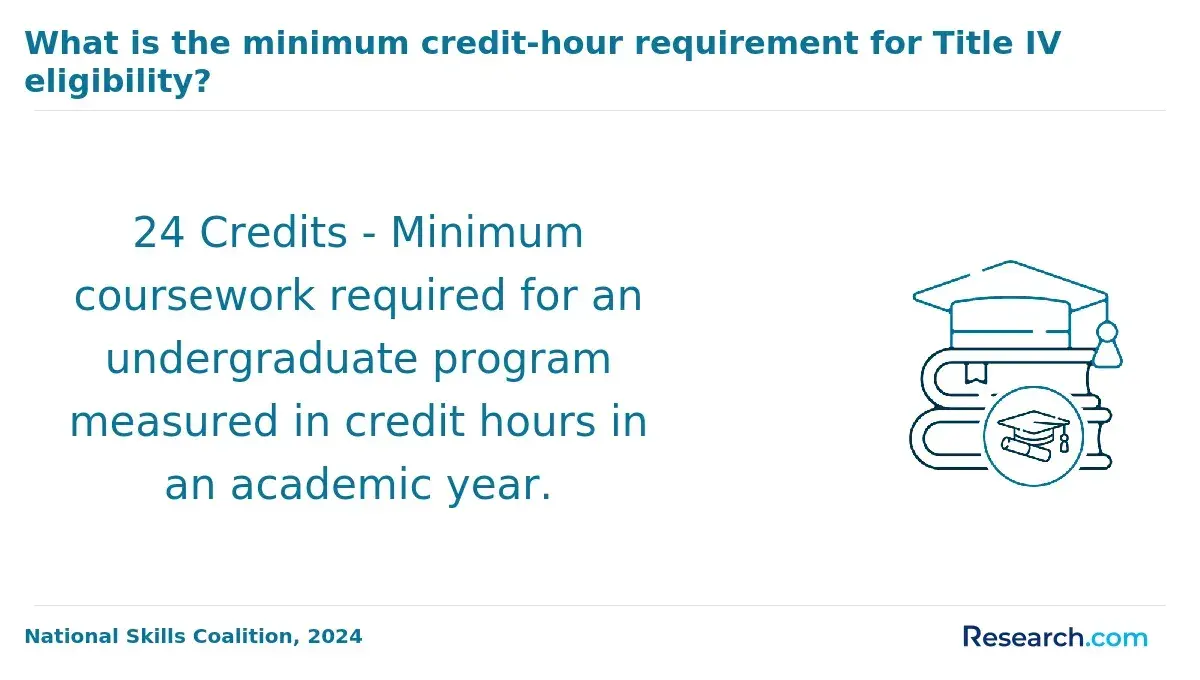
Political science salary potential varies widely because the major feeds into different labor markets. The highest salaries usually require graduate school, law school, specialized security experience, advanced analytics, or management responsibility rather than the bachelor's degree alone.
The table below uses BLS 2024 wage categories as labor-market proxies. These are not guaranteed outcomes for political science graduates, but they help show which concentrations align with higher-paying occupations.
| Concentration path | Higher-salary direction | Relevant BLS 2024 wage context | Important limitation |
| Pre-law and legal studies | Law, compliance leadership, government counsel, regulatory affairs | Lawyers had a 2024 median wage of $151,160 | Becoming a lawyer requires law school, bar admission, and additional debt-risk analysis |
| Advanced political science or policy research | Political scientist, senior researcher, think tank analyst, government research role | Political scientists had a 2024 median wage of $139,380 | Many roles require a master's degree, PhD, federal experience, or specialized methods training |
| Public policy analytics and consulting | Management analysis, program evaluation, strategy, government consulting | Management analysts had a 2024 median wage above $100,000 | Employers often expect business, economics, statistics, or consulting experience |
| International security and risk | Intelligence analysis, geopolitical risk, defense policy, global compliance | Pay varies by clearance, employer, location, and technical specialization | Security clearance, language ability, and regional expertise can matter more than the concentration name |
| Campaigns and public affairs | Communications strategy, lobbying, advocacy leadership, political consulting | Entry pay is often lower, while senior campaign and consulting roles can rise substantially | Hiring can be cyclical and portfolio-driven |
When comparing schools, look beyond headline salary claims. A lower-cost public or online nonprofit program may outperform a higher-priced private option if it helps you graduate faster, borrow less, complete internships, and build measurable skills.
Entry-level opportunity is strongest when a concentration leads to internships, writing samples, data projects, or field experience before graduation. Political science is a flexible major, but flexibility becomes a disadvantage if students graduate without a specific skill package.
The steps below help students turn a concentration into a realistic first job strategy. They are especially useful when comparing lower-cost public programs, private nonprofit programs with strong networks, and online programs that require more self-directed internship planning.
- Choose a concentration that matches a first job title, not only a broad interest; examples include legislative aide, paralegal, policy assistant, research assistant, communications coordinator, campaign organizer, or compliance associate.
- Complete at least one applied experience before senior year, such as a government internship, campaign role, nonprofit fellowship, legal office placement, or faculty research project.
- Build proof of skills through a writing sample, policy memo, data dashboard, public comment analysis, survey project, or legislative brief.
- Compare each school's career support, internship pipeline, transfer-credit policy, and time-to-completion estimate before accepting an aid package.
- If you discover that clinical helping professions fit your goals better than policy or law, compare adjacent options such as online SLP programs before committing to graduate study.
For many students, the best entry-level concentration is public policy, legal studies, or political data analytics because these tracks convert more easily into identifiable job tasks. Political theory and international relations can also work well when paired with writing, language, data, economics, or law-related experience.
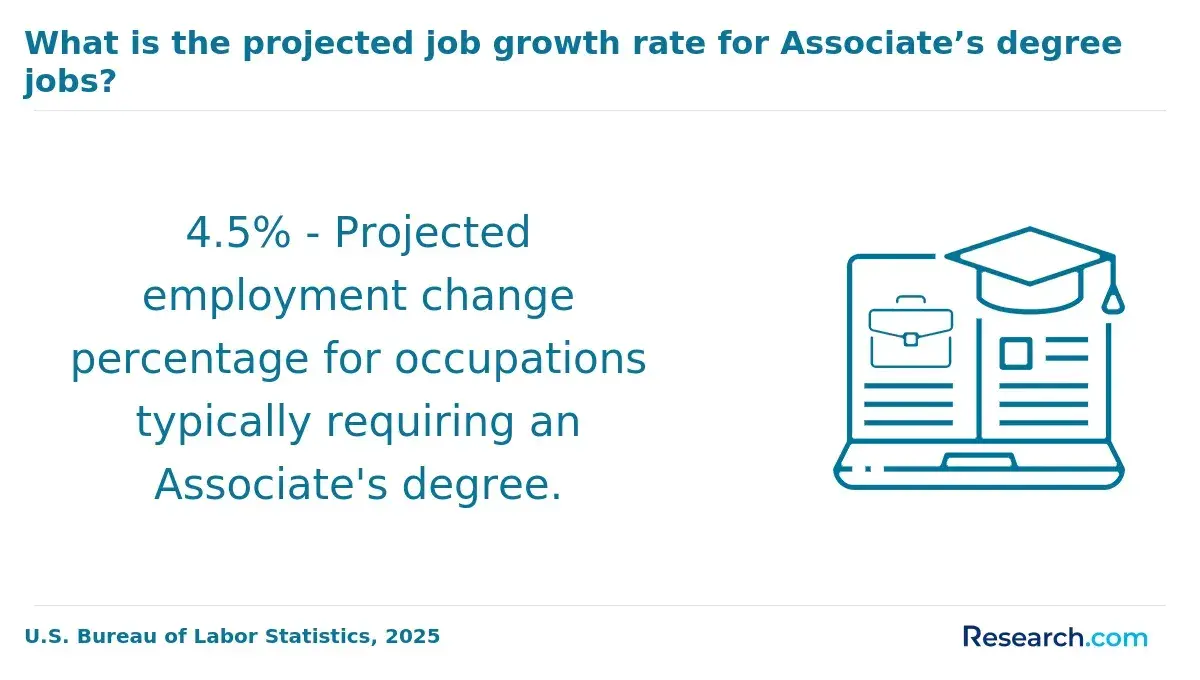
Political science graduates are hired across government, law, advocacy, consulting, education, media, labor relations, compliance, and regulated industries. The key is to identify which employers hire at the bachelor's level and which ones expect graduate credentials or specialized experience.
The table below summarizes major employer categories and the concentrations that usually fit them best. Use it to plan internships and electives around real hiring markets.
| Employer category | Common entry roles | Best-aligned concentrations | What strengthens applications |
| Federal, state, and local government | Legislative aide, program assistant, budget assistant, public affairs assistant | Public policy, public administration, American politics, data analytics | Internships, civil service familiarity, budgeting, writing, and data skills |
| Law firms and courts | Legal assistant, paralegal trainee, court clerk support, intake coordinator | Pre-law, legal studies, constitutional politics | Legal research, document management, writing, ethics, and attention to detail |
| Campaigns, PACs, and advocacy groups | Field organizer, digital associate, fundraiser, communications assistant | Campaigns, elections, political communication, public opinion | CRM tools, social media analytics, canvassing, fundraising, and rapid writing |
| Consulting and research organizations | Research assistant, junior analyst, survey associate, policy evaluation assistant | Political data analytics, public policy, political economy | Statistics, Excel, SQL, Python or R, survey design, and presentation skills |
| Businesses and regulated industries | Compliance assistant, government relations coordinator, risk analyst trainee | Regulatory policy, legal studies, political economy, international relations | Industry knowledge, compliance documentation, privacy, procurement, and writing |
| Labor, workforce, and employee-relations organizations | Labor relations assistant, policy coordinator, employee advocacy associate | Public policy, labor politics, legal studies | Students interested in this route may also compare human resources master's programs online for later advancement |
Institution type can affect access to these employers. A public university may have stronger state-agency pipelines, a private nonprofit may have alumni advantages in policy hubs, and an online program may require the student to be more intentional about local internships and networking.
The strongest job markets for political science concentrations are usually places with dense government, legal, consulting, defense, nonprofit, media, or advocacy ecosystems. Washington, D.C., state capitals, major metro areas, and university-centered policy regions often provide more internships and entry-level roles than smaller markets.
Remote work is more realistic in research, communications, compliance documentation, digital advocacy, grant writing, and data analysis than in roles requiring lobbying, court attendance, classified information, constituent services, or field organizing. BLS wage data also shows that pay varies significantly by metro area, so a higher salary in a policy hub may not translate into higher disposable income after rent and commuting.
Before choosing a campus or online political science program, compare location and flexibility using these decision points:
- Choose a campus near a capital, courthouse, federal office, nonprofit cluster, or campaign market if internships and in-person networking are central to your plan.
- Choose an online nonprofit or public program if you already work, need geographic flexibility, or can arrange internships locally without relying on campus placement.
- Be cautious with fully online programs that do not publish internship support, career outcomes, accreditation status, faculty access, or transfer-credit rules.
- For international relations or security policy, check whether the school's location supports defense, intelligence, language, trade, or global-risk opportunities.
- For campaign work, ask whether the program has active connections to state parties, consulting firms, advocacy groups, or election-administration offices.
The best market is not always the biggest city. It is the location, delivery format, and employer network that lets you gain relevant experience without taking on debt that your target roles are unlikely to support.
Political science concentrations gain value when students add employer-readable skills. The most valuable additions are writing, analysis, data, legal research, budgeting, communication, and domain expertise.
The table below separates skills and credentials by career direction. It is meant to help students choose electives, minors, certificates, and projects that make the degree more specific.
| Career direction | High-value skills | Useful credentials or coursework | Best evidence to show employers |
| Policy analysis | Policy memos, statistics, budgeting, program evaluation, cost-benefit reasoning | Public policy certificate, economics, statistics, grant writing | Policy brief, budget analysis, evaluation report, internship supervisor reference |
| Legal and compliance | Legal research, citation, documentation, risk review, confidentiality | Paralegal certificate where appropriate, business law, privacy, ethics | Writing sample, case summary, compliance checklist, legal office experience |
| Political data analytics | Excel, SQL, Python or R, polling, visualization, survey design | Data analytics certificate, statistics minor, GIS coursework | Dashboard, polling analysis, cleaned dataset, methodology note |
| Campaigns and public affairs | Message testing, fundraising, digital ads, media writing, coalition outreach | Digital marketing, public relations, campaign management, communications | Press release, campaign plan, email test results, voter-contact metrics |
| International relations | Language ability, regional analysis, trade literacy, security awareness | Language certificate, economics, cybersecurity policy, area studies | Regional risk memo, language proficiency evidence, study or internship experience |
AI is also changing expectations. Employers increasingly value graduates who can use AI tools for research support, summarization, and workflow efficiency while still verifying sources, protecting confidential information, and producing original analysis.
The best ROI usually comes from the lowest net cost that still provides accreditation, completion support, career access, and a concentration aligned with a real labor market. Institution type matters, but it does not determine value by itself.
NCES data published in 2024 shows that average published tuition and fees are typically much lower at public four-year institutions for in-state students than at private nonprofit colleges. That gap matters because many political science graduates begin in modestly paid entry roles before moving into law, graduate school, public management, consulting, or specialized policy work.
The table below compares educational models by cost, credibility, flexibility, and ROI considerations. Remember that online is a delivery format, so it can overlap with public, private nonprofit, or for-profit institutions.
| Model | Cost profile | Credibility and recognition | Flexibility | Best ROI fit |
| Public university, campus-based | Often strongest value for in-state students, especially with transfer credits or state grants | Generally well recognized when institutionally accredited | Less flexible for full-time workers | Students who want internships, public-sector pipelines, and lower debt |
| Public university, online or hybrid | Can reduce relocation and commuting costs, though fees vary | Strong when the transcript and accreditation match the institution's campus standards | High | Working adults, transfer students, military learners, and students near local internship sites |
| Private nonprofit college | Higher sticker price, but scholarships may reduce net price substantially | Can offer strong alumni networks, advising, and policy-hub access | Varies | Students receiving strong aid or seeking close faculty mentorship, honors programs, or elite networks |
| Private for-profit institution | Requires careful debt and completion review | Employer recognition varies widely by school and program reputation | Often high | Only makes sense when accredited, affordable after aid, transparent about outcomes, and clearly aligned with the student's schedule |
| Community college transfer pathway | Often the lowest-cost route for the first two years | Depends on transfer success and final bachelor's institution | Moderate to high | Cost-sensitive students who verify articulation agreements before enrolling |
A practical ROI review should compare total cost, not tuition alone. Include fees, books, housing, travel, lost work hours, transfer-credit loss, time to graduation, interest on borrowing, and whether the program helps you obtain internships.
Students planning to move from policy into executive leadership may later compare business credentials such as the cheapest executive MBA, but that path generally makes more sense after work experience than as a substitute for a focused undergraduate plan.
The strongest long-term job security comes from concentrations that adapt across administrations, economic cycles, and employer types. Public policy, legal studies, compliance, data analytics, and public administration generally provide more durable options than narrow campaign-only preparation.
Students can improve job security by avoiding common enrollment mistakes. The list below focuses on decisions that affect debt, credibility, completion, and employability.
- Do not choose a school based on advertised tuition alone; compare net price after grants, scholarships, fees, transfer credits, and expected time to completion.
- Do not assume all online degrees are viewed the same; verify institutional accreditation, employer recognition, career services, internship support, and whether the online program is housed in the same academic unit as the campus program.
- Do not rely on concentration name alone; review required courses for statistics, writing, research methods, policy analysis, law, economics, internships, and portfolio work.
- Do not borrow heavily for a track that usually starts in short-term campaign, nonprofit, or assistant-level roles unless the school provides unusually strong placement support or aid.
- Do not ignore completion risk; a cheaper program becomes expensive if poor advising, limited course availability, or lost transfer credits delay graduation.
For long-term security, a political science student should graduate with a broad civic foundation and at least one portable skill cluster: legal documentation, quantitative analysis, public budgeting, program evaluation, digital communication, language expertise, or regulatory knowledge. Working professionals who decide that management credentials fit their trajectory better can compare options such as the easiest online MBA, but the stronger choice depends on career goals, cost, and employer expectations.
The most consistent hiring demand usually comes from occupations that exist in every budget cycle: legal support, public administration, compliance, policy operations, communications, and research. By contrast, campaign work can be exciting but uneven because staffing expands and contracts around elections.
The comparison below shows how concentration choice affects hiring stability. It also shows why students should compare employer mix, not just academic interest.
| Concentration | Hiring consistency | Why demand tends to persist | Main risk |
| Public administration and public policy | High | Federal, state, local, nonprofit, and contractor roles need ongoing policy implementation and program management | Public-sector hiring can be slow and budget-dependent |
| Legal studies and compliance | High | Courts, law firms, agencies, insurers, banks, healthcare organizations, and universities need documentation and regulatory support | Advancement may require certifications, law school, or specialized industry knowledge |
| Political data analytics | Moderate to high | Data skills transfer across polling, civic technology, consulting, public finance, and nonprofit evaluation | Students without technical coursework may be outcompeted by economics, statistics, or computer science majors |
| International relations | Moderate | Defense, trade, humanitarian, and global-risk employers hire consistently, but often in specific locations | Clearance, language, graduate education, and geography can narrow access |
| Campaigns and elections | Variable | Election cycles create repeated demand for organizers, fundraisers, and digital staff | Short contracts and geographic mobility may be required |
Students who need predictable employment should favor concentrations with transferable administrative, legal, analytical, or communications skills. A campus program near a state capital or policy hub can improve access, while a respected online program may be better for working adults who need to keep earning while studying.
Other Things You Should Know About Political Science
Public policy, public administration, legal studies, compliance, and political data analytics usually offer the clearest job pathways because they connect directly to government, law, research, consulting, nonprofit, and regulated-industry roles.
Yes, it can be a strong preparation major because it builds reading, argument, constitutional reasoning, and writing skills. However, law school admission and ROI depend heavily on GPA, LSAT or admissions requirements, school cost, scholarships, bar outcomes, and career goals.
They can be respected when they come from an institutionally accredited school with credible faculty, rigorous coursework, career support, and the same academic standards as campus programs. Students should verify accreditation, transfer policies, internship support, and employer recognition before enrolling.
Pre-law, advanced policy research, political data analytics, consulting-oriented public policy, and international security can lead to higher-paying roles. The highest salaries often require graduate education, law school, specialized technical skills, security clearance, or management experience.
- What Can I Do With a Political Science Degree? https://www.belmont.edu/stories/articles/2024/what-can-i-do-with-a-political-science-degree.html
- Political Science Degree Jobs: 12+ Career Paths (2026) | Extern https://www.extern.com/post/political-science-degree-jobs-career-guide