2027 Political Science Degree Hiring Strength by State: Where Employers Need Graduates Most

Co-Founder and Chief Data Scientist
Political science graduates face a state-by-state job market shaped by government hiring, policy research, campaigns, consulting, law, advocacy, and public affairs. The U.S. Bureau of Labor Statistics reports a 2024 median pay of $139,380 for political scientists, but many graduates enter adjacent roles with different pay and hiring patterns.
This guide is for students, recent graduates, and career changers comparing where to study, intern, relocate, or apply. You will learn which states offer stronger demand, better salary value, faster growth signals, and clearer pathways into policy-related careers.
Key Things You Should Know
- Virginia, Maryland, California, New York, Texas, Massachusetts, Washington, Illinois, Pennsylvania, and Florida show the strongest overall hiring strength because they combine government, consulting, nonprofit, legal, education, and public-affairs employers.
- The BLS reports a 2024 median pay of $139,380 for political scientists, but most political science graduates work in broader roles such as policy analyst, legislative aide, campaign staffer, public relations specialist, compliance analyst, paralegal, or management analyst.
- Relocation decisions should compare three factors together: job density, salary after cost of living, and industry fit; a high-salary state can be less valuable than a lower-cost state with strong advancement paths.
- Which States Have the Strongest Demand for Political Science Graduates?
- Which States Offer the Highest Salaries for Political Science Professionals?
Which States Have the Strongest Demand for Political Science Graduates?
Political science hiring strength is not measured by one federal statistic because the degree feeds into many occupations. A practical state ranking should combine employment concentration, government and nonprofit presence, consulting activity, campaign cycles, legal markets, research institutions, and entry-level pathways.
The table below summarizes states and jurisdictions with the strongest overall demand signals for political science graduates. Use it as a decision screen, not as a guarantee that every city in the state will have the same opportunity level:
| State or jurisdiction | Why demand is strong | Best-fit political science paths | Main trade-off |
| Virginia | Federal contractors, defense policy firms, consulting, government affairs, and Northern Virginia access to national policy employers | Policy analysis, security policy, consulting, government relations, public administration | Competition is high near Washington, DC, and many roles prefer internships, clearances, or graduate training |
| Maryland | Federal agencies, research organizations, health policy employers, nonprofits, and proximity to Washington, DC | Health policy, public sector research, advocacy, program analysis, legislative work | Strong opportunities are concentrated around the DC-Baltimore corridor |
| California | Large state government, major city governments, universities, tech policy, environmental policy, nonprofits, and legal employers | Public policy, urban policy, tech policy, environmental advocacy, public affairs | High housing costs can reduce the value of entry-level salaries |
| New York | Large nonprofit sector, international organizations, media, legal services, city and state government, and public affairs firms | Advocacy, communications, campaign strategy, international affairs, legal-adjacent roles | Entry-level roles can be competitive and may require strong writing samples or internships |
| Texas | Large state economy, growing metro areas, energy policy, immigration policy, public administration, consulting, and campaign activity | State policy, local government, compliance, campaign operations, public affairs | Opportunity varies sharply between Austin, Dallas-Fort Worth, Houston, and smaller regions |
| Massachusetts | Dense higher education ecosystem, health policy, research centers, state government, consulting, and civic technology | Research assistant, policy analyst, education policy, health policy, nonprofit leadership | Graduate credentials are common in research-heavy roles |
| Washington | State government, technology policy, trade, environmental policy, public affairs, and nonprofit employers | Tech policy, public affairs, environmental policy, communications, government relations | Seattle-area costs can be high relative to entry-level public sector pay |
| Illinois | Chicago legal, nonprofit, consulting, labor, civic, and campaign networks plus state government in Springfield | Urban policy, labor policy, nonprofit program work, public affairs, legislative support | Jobs are spread across different hubs, so location strategy matters |
| Pennsylvania | State government, health systems, universities, nonprofits, campaigns, and public administration employers | Legislative aide, policy research, health policy, campaign operations, local government | Salary levels may vary widely between Philadelphia, Pittsburgh, Harrisburg, and smaller areas |
| Florida | Large population growth, state and local government needs, emergency management, public administration, campaigns, and advocacy | Public administration, campaign work, community outreach, local policy, nonprofit management | Some opportunities are seasonal or tied to election cycles and state budget priorities |
The strongest demand is usually in metropolitan regions rather than across entire states. A graduate targeting Virginia, for example, should compare Northern Virginia separately from rural regions, just as a California applicant should distinguish Sacramento, Los Angeles, San Francisco, and San Diego.
A common mistake is assuming that "political science job" means only "political scientist." The BLS category for political scientists is small and often requires a master's degree or PhD, while many bachelor's graduates enter analyst, communications, legal, campaign, administrative, or public-sector roles first.
Which States Offer the Highest Salaries for Political Science Professionals?
Salary comparisons are useful, but they can be misleading if you look only at the highest number. Political science graduates earn different salaries depending on whether they enter government, law, consulting, communications, nonprofits, research, or business operations.
The BLS reports a 2024 median salary of $139,380 for political scientists, but that figure mainly reflects specialized research and policy roles, not every job available to a new bachelor's graduate. The table below separates high-salary markets from the career contexts that usually drive those salaries:
| State or jurisdiction | Salary strength | Why pay can be higher | Who benefits most |
| Virginia | Very strong | Federal contracting, defense policy, consulting, security policy, and government relations | Graduates with analytics skills, policy internships, clearance eligibility, or graduate credentials |
| Maryland | Very strong | Federal agencies, research organizations, public health policy, and technical policy employers | Students interested in health policy, program evaluation, public administration, or federal work |
| New York | Strong | Legal services, public affairs, international organizations, nonprofits, media, and finance-related policy work | Graduates who combine policy knowledge with writing, communications, or data analysis |
| California | Strong | Large government systems, tech policy, environmental policy, labor policy, and legal-adjacent roles | Graduates targeting public policy, regulation, advocacy, or civic technology |
| Washington | Strong | Technology policy, trade, environmental policy, state government, and public affairs | Graduates who can connect policy knowledge with technology, communications, or research |
| Massachusetts | Strong | Research institutions, health policy, education policy, consulting, and nonprofit leadership | Students planning for graduate school or research-intensive policy roles |
High-salary states tend to reward specialization. A political science graduate who can analyze datasets, write policy memos, understand regulation, manage stakeholders, or support litigation will usually have more options than a graduate relying only on general political knowledge.
Students who want leadership roles outside government should also compare adjacent business degrees. For example, experienced public-sector professionals moving into organizational leadership sometimes compare political science or public administration pathways with the cheapest executive MBA options to evaluate cost, schedule, and management ROI.
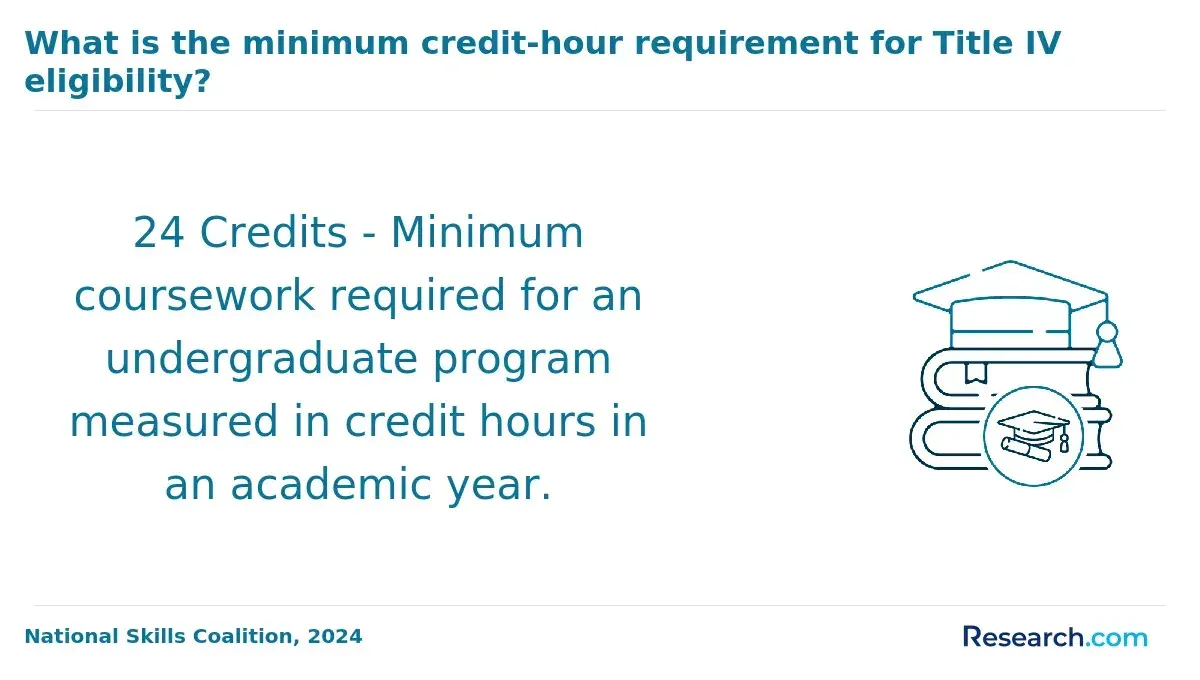
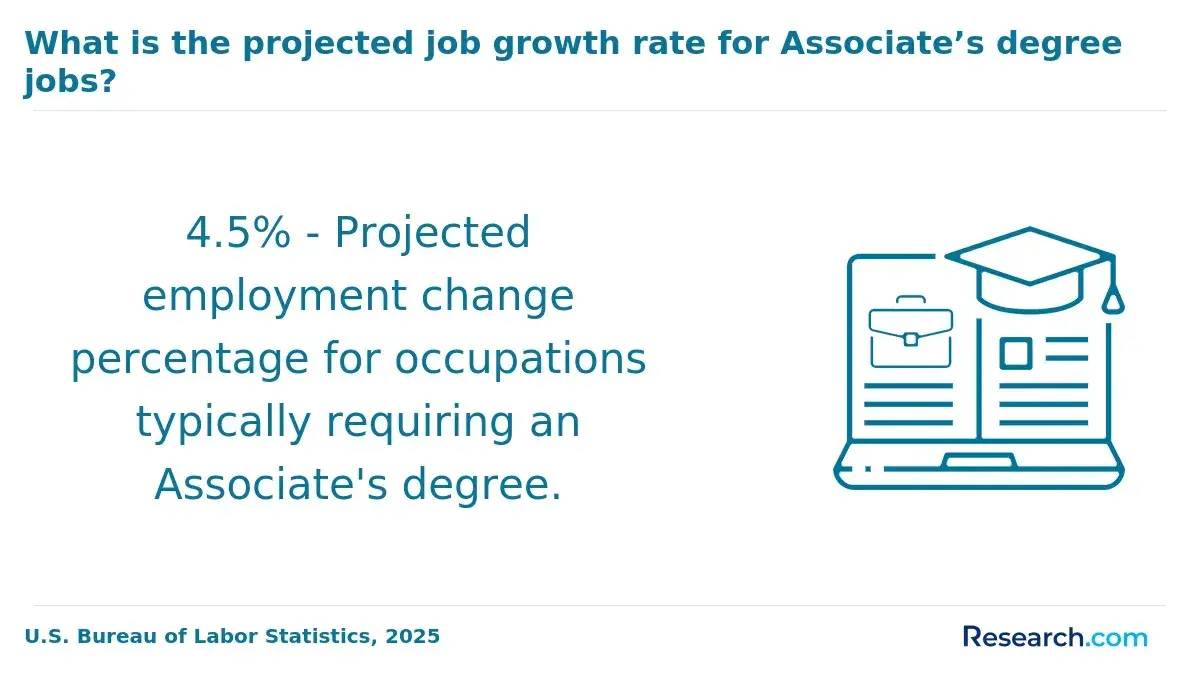
Fast job growth for political science graduates often appears in adjacent fields rather than in the narrow "political scientist" occupation. The BLS projects political scientist employment to grow more slowly than many applied business, communications, and analytics roles, so graduates should look for states where public needs, population growth, regulation, and employer expansion create broader policy demand.
The table below identifies states with strong growth signals for political science-related careers. These are especially relevant for graduates open to public administration, compliance, communications, campaign operations, consulting, and nonprofit roles:
| State | Growth signal | Political science opportunity | Best strategy for graduates |
| Texas | Large population growth, expanding metro economies, energy policy, immigration policy, and state-level business regulation | Public affairs, campaign work, local government, compliance, policy operations | Target Austin for policy roles, Houston for energy and public-sector work, and Dallas-Fort Worth for business-government roles |
| Florida | Population growth, emergency management needs, healthcare policy, housing issues, and campaign activity | Public administration, nonprofit outreach, local policy, campaigns, government services | Build skills in community engagement, grant support, emergency policy, or public budgeting |
| North Carolina | Growing research triangle economy, universities, healthcare, state policy, and local government expansion | Policy research, health policy, education policy, public administration | Look beyond state government to universities, hospitals, nonprofits, and consulting employers |
| Georgia | Atlanta's government, logistics, civil rights, public health, and nonprofit ecosystem | Advocacy, public health policy, municipal government, communications, campaign operations | Pair political science with communications, public health, or data skills |
| Arizona | Growth in housing, water policy, immigration policy, infrastructure, and local government needs | Urban policy, environmental policy, public administration, community outreach | Develop expertise in water, land use, tribal policy, or regional planning issues |
| Colorado | Environmental policy, public lands, energy transition, nonprofit advocacy, and state government activity | Environmental advocacy, policy analysis, local government, public affairs | Use internships and issue-specific experience to stand out in a competitive civic market |
The fastest-growing states are not always the easiest places to get hired. Growth can attract more applicants, and some jobs are tied to election cycles, grant funding, or state budgets rather than permanent headcount.
Use a three-step check before treating a fast-growing state as a relocation target:
- Search current job postings for your target titles, such as policy analyst, legislative assistant, public affairs associate, compliance analyst, research assistant, program coordinator, or government relations associate.
- Separate permanent roles from campaign, fellowship, contract, or grant-funded jobs so you understand stability.
- Compare entry-level requirements with your experience, especially internships, writing samples, data skills, language skills, or issue-area specialization.
Cost of living can change the real value of a political science job more than the advertised salary. The Bureau of Economic Analysis regional price parity data, released with recent state economic updates, consistently shows that states such as California, New York, Massachusetts, and the District of Columbia are more expensive than the national average, while many Sun Belt and Midwest states are closer to or below average.
The table below compares salary opportunity with affordability pressure. It is designed to help you decide whether a high-demand state is financially practical, especially for entry-level roles:
| State or jurisdiction | Demand strength | Salary potential | Cost-of-living pressure | Career value interpretation |
| Virginia | Very high | High | Moderate to high near Northern Virginia | Strong value if you access federal, consulting, or contractor roles; less compelling if pay is entry-level and commute costs are high |
| Maryland | Very high | High | Moderate to high near DC suburbs | Good for health policy, federal work, and research, but housing costs should be checked by county |
| California | High | High | Very high in major metros | Best for graduates targeting specialized policy areas, not for those choosing only based on job volume |
| New York | High | High | Very high in New York City | Strong for advocacy, media, law, and international affairs, but early-career savings may be difficult |
| Texas | High | Moderate to high | Moderate, varying by metro | Often attractive for graduates who want growth markets and lower costs than coastal hubs |
| North Carolina | Moderate to high | Moderate | Moderate | Good value for research, health policy, university, and state-government pathways |
| Pennsylvania | Moderate to high | Moderate | Moderate | Good balance for legislative, healthcare, nonprofit, and education policy roles |
The best-value state is not always the highest-paying state. A lower salary in Raleigh, Austin, Harrisburg, or Atlanta may support a better lifestyle than a higher nominal salary in New York City or the San Francisco Bay Area, depending on rent, transportation, student loan payments, and promotion prospects.
Avoid these common cost-of-living mistakes when comparing offers:
- Comparing salaries before checking rent, taxes, commuting, healthcare premiums, and required in-office days.
- Assuming a state average reflects your target city, because costs can vary sharply within the same state.
- Ignoring unpaid or low-paid internships in high-cost markets, especially if the employer expects prior experience for full-time roles.
- Relocating for a temporary campaign or fellowship without a plan for what comes after the position ends.
Employers rarely hire political science graduates just because they studied institutions, elections, or public law. They hire graduates who can turn that knowledge into useful work: research, analysis, communication, compliance, organizing, stakeholder management, and decision support.
The skill sets below are especially valuable in high-demand states because they help graduates move across government, nonprofit, consulting, and private-sector policy roles:
- Policy writing: Write concise memos, briefings, testimony summaries, and issue explainers that help leaders make decisions.
- Data literacy: Use Excel, basic statistics, survey interpretation, public datasets, and visualization tools to support policy claims with evidence.
- Legal and regulatory reading: Understand statutes, agency rules, public comments, compliance documents, and legislative language.
- Stakeholder communication: Translate complex policy issues for voters, executives, community groups, journalists, or agency staff.
- Research methods: Design interviews, literature reviews, surveys, and program evaluations with clear limitations.
- Budget and grants awareness: Read public budgets, track funding sources, and support grant reporting for government or nonprofit employers.
- Campaign and civic technology: Use constituent management systems, voter files, digital outreach tools, and ethical data practices where relevant.
AI is also changing the field. Employers increasingly expect graduates to use AI-supported research, summarization, and drafting tools responsibly, but they still need human judgment to verify sources, understand political context, protect confidential information, and avoid biased or inaccurate outputs.
Students who like policy communication but are considering other public-service graduate paths may compare political science with fields such as education, public health, social work, and even online SLP programs when deciding whether they want a policy-facing or direct-service career.
Most political science careers do not require a state license. You usually do not need licensure to work as a legislative aide, policy analyst, campaign staffer, public affairs associate, nonprofit program coordinator, government relations assistant, or research assistant.
Requirements become more important when political science graduates move into regulated or credential-sensitive fields. The table below explains where state rules, certifications, or employer screening may affect your plans.
| Career direction | Typical requirement | State impact | What to check before relocating |
| Law | JD and bar admission for attorney roles | Bar rules vary by state | Whether you plan to practice law in that state and how portable your credential will be |
| Teaching civics or social studies | Teacher certification or licensure | Requirements vary by state education agency | Testing, student teaching, reciprocity, background checks, and subject-area requirements |
| Public administration | Often no license, but some roles prefer MPA, budgeting, grants, or procurement experience | Local civil service rules may apply | Residency rules, exam requirements, veteran preferences, and union classifications |
| Compliance | Employer-specific training or industry certifications | Rules vary by industry, not always by state | Whether the role involves healthcare, finance, energy, privacy, labor, or environmental regulation |
| Lobbying or government relations | Registration and ethics rules may apply | State lobbying disclosure laws differ | Registration thresholds, gift rules, reporting schedules, and employer compliance support |
| Security or federal contracting | Background investigation or security clearance may be required | Not state licensure, but location matters | Clearance eligibility, citizenship requirements, drug policy, financial history, and employer sponsorship |
The biggest mistake is relocating first and checking rules later. If your goal touches law, education, lobbying, procurement, or clearance-sensitive work, confirm requirements before signing a lease or accepting a role.
For most students, certifications are optional rather than mandatory. Useful credentials may include project management, data analytics, grant writing, geographic information systems, compliance, or nonprofit management, depending on the role you want.
Remote and hybrid work have expanded the geography of political science careers, but they have not erased the value of location. Many policy, advocacy, public affairs, and consulting employers offer hybrid schedules, while legislative, campaign, court, agency, and community-facing roles often still require local presence.
Remote work changes state opportunity in three main ways:
- It broadens access to national employers: A graduate in Pennsylvania, North Carolina, or Texas may apply to policy research, communications, or nonprofit roles based elsewhere if the employer supports remote hiring.
- It increases competition: Remote roles attract applicants from many states, so writing samples, technical skills, and issue-area expertise become more important.
- It complicates salary value: Some employers adjust pay by location, while others use national salary bands, making cost-of-living comparisons essential.
Hybrid work often favors graduates near major policy hubs. Living within commuting distance of Washington, DC, Sacramento, Albany, Austin, Boston, Olympia, Chicago, Harrisburg, or Atlanta can help you access employers that expect in-person meetings, hearings, events, or coalition work a few days each week.
Students who want broader management flexibility may also consider business-oriented online programs alongside policy careers. For example, comparing an easiest online MBA pathway with public policy or political science graduate study can help working professionals decide whether they need management breadth or deeper policy specialization.
Students should compare states with a structured method rather than chasing a single ranking. The right state depends on your target role, education level, financial situation, risk tolerance, and whether you want government, nonprofit, campaign, research, law, consulting, or corporate policy work.
Use this sequence to narrow your options before applying or relocating:
- Define your target roles. Choose five to eight job titles that match your interests, such as policy analyst, legislative aide, public affairs associate, compliance analyst, campaign organizer, research assistant, grants coordinator, or paralegal.
- Identify state employer clusters. Look for the agencies, nonprofits, consulting firms, universities, law firms, campaigns, and trade associations that hire for those titles.
- Compare current openings, not just projections. A state may have strong long-term growth but few entry-level postings this month.
- Check experience barriers. Note whether jobs require internships, graduate degrees, security clearances, writing samples, statistical tools, bilingual skills, or issue expertise.
- Calculate real salary value. Estimate rent, transportation, taxes, loan payments, and required in-office days before ranking offers.
- Assess advancement paths. Favor states where entry-level roles lead to analyst, manager, consultant, attorney, public affairs, or agency leadership opportunities.
- Evaluate personal fit. Consider family support, political environment, commute tolerance, climate, safety, and whether you can build a professional network there.
A high-demand state makes the most sense if it gives you access to employers you cannot reach locally, improves your advancement path, or lets you specialize in a policy area with strong long-term relevance. Staying local may be smarter if you already have internships, mentors, lower living costs, or a clear route into state or municipal government.
Red flags include job postings with vague duties, unpaid full-time expectations, high turnover, unclear grant funding, no mentorship, or salaries that do not support local costs. For campaign jobs, ask what happens after election day; for fellowships, ask whether alumni commonly move into permanent roles.
The best state for a political science graduate depends on the career goal. There is no single winner because policy research, campaign work, public administration, legal careers, advocacy, and consulting reward different locations and credentials.
The comparison below translates state hiring strength into practical choices for different students and career changers:
| Your goal | Best-fit states or jurisdictions | Why they fit | Watch out for |
| Federal policy or government contracting | Virginia, Maryland, District of Columbia | Dense federal, contractor, consulting, and government relations ecosystem | High competition, clearance issues, and higher housing costs near DC |
| State government and legislative work | California, Texas, New York, Florida, Pennsylvania, Illinois | Large state governments, active legislatures, and broad public-policy needs | Capitol-city jobs may differ from major metro opportunities |
| Campaigns and political operations | Pennsylvania, Georgia, Arizona, Nevada, Wisconsin, Michigan, Florida | Competitive election environments can create field, data, communications, and organizing roles | Many roles are temporary or cycle-based |
| Public policy research | Massachusetts, Maryland, California, North Carolina, New York | Universities, think tanks, health policy centers, and research organizations | Graduate degrees and methods training are often important |
| Advocacy and nonprofit careers | New York, California, Illinois, Georgia, Washington, Massachusetts | Large nonprofit networks and issue-based organizations | Entry-level pay may lag cost of living in major cities |
| Business, compliance, and public affairs | Texas, Virginia, California, New York, Washington, Illinois | Private-sector employers need policy, regulatory, and stakeholder communication skills | Employers may prefer candidates with business, legal, or data skills |
If you are still in school, the smartest move is to choose internships and coursework that match your target state. A student aiming for Virginia or Maryland should build federal policy, research, and consulting readiness; a student aiming for Texas or Florida should understand state policy, local government, and growth-related public needs.
If you are a recent graduate, prioritize states where you can get your first credible experience. The first role does not have to be perfect, but it should give you transferable skills: writing, analysis, budgeting, stakeholder contact, compliance, constituent service, or program operations.
If you are experienced, prioritize states with advancement density. Senior policy, government relations, consulting, and public affairs roles tend to cluster where employers, funders, agencies, and decision-makers are close enough to create mobility.
Political science hiring depends heavily on industry concentration. A state with many government jobs may be ideal for public administration, while a state with strong consulting, healthcare, technology, or legal sectors may offer better options for graduates who want private-sector policy work.
The table below shows the industries that commonly drive demand in major political science employment markets. Use it to match your degree concentration, internships, and skills to the right geography:
| State or jurisdiction | Industries driving hiring | Common entry-level titles | How to compete |
| Virginia | Federal contracting, defense, consulting, public administration, government affairs | Policy associate, research assistant, program analyst, government affairs coordinator | Build Excel, research, memo writing, and security-policy familiarity |
| Maryland | Federal agencies, health policy, public research, nonprofits, education | Program coordinator, policy research assistant, legislative aide, grants assistant | Develop evaluation, grants, public health, or budget analysis experience |
| California | State government, technology, environmental policy, labor, law, advocacy | Public policy associate, compliance analyst, community outreach coordinator, legal assistant | Pair policy knowledge with data privacy, climate, housing, or regulatory expertise |
| New York | Nonprofits, international organizations, media, law, public relations, city government | Advocacy associate, communications assistant, research analyst, paralegal | Prepare strong writing samples and learn stakeholder messaging |
| Texas | Energy, state government, local government, immigration services, consulting, campaigns | Legislative staffer, compliance assistant, campaign organizer, public affairs associate | Focus on energy policy, local government, bilingual communication, or regulatory work |
| Massachusetts | Higher education, healthcare, research, consulting, civic technology | Research assistant, policy coordinator, program assistant, data associate | Gain research methods, statistics, and issue-area specialization |
| Washington | Technology, trade, environmental policy, state government, nonprofits | Policy coordinator, public affairs specialist, government relations assistant, compliance associate | Understand tech policy, environmental regulation, and stakeholder communication |
Industry fit matters because employers hire for problems, not majors. A campaign organization may value voter outreach and field operations, while a health policy nonprofit may care more about research methods, grant reporting, and data interpretation.
Graduates interested in workplace policy, labor relations, employee compliance, or organizational leadership can also compare political science roles with human resources master's programs online, especially if they want to move from civic or legal interests into employment policy and workforce strategy.
Other Things You Should Know About Political Science
Virginia and Maryland are among the strongest choices for federal policy, contracting, and government relations because of their proximity to Washington, DC. California, New York, Texas, Massachusetts, and Washington also offer strong markets, but the best state depends on your target role and cost tolerance.
Not always. Many entry-level roles in campaigns, nonprofits, government offices, communications, and program coordination accept bachelor's graduates with internships and strong writing skills. A master's degree is more useful for specialized policy analysis, research, public administration leadership, or roles that require advanced methods training.
Relocation can be worth it if the state offers better employer access, stronger advancement paths, or a specialization you cannot build locally. It may not be worth it if the role is temporary, the salary is weak after housing costs, or you do not have a plan for networking and career growth after the first job.
Useful entry-level titles include legislative assistant, policy assistant, research assistant, public affairs associate, campaign organizer, program coordinator, grants assistant, compliance analyst, paralegal, and constituent services representative. Searching beyond "political scientist" usually produces more realistic opportunities for bachelor's graduates.
- You’ve graduated. Now what? https://www.adpresearch.com/research/2026-youve-graduated-now-what
- Political Science Degree Jobs: 12+ Career Paths (2026) | Extern https://www.extern.com/post/political-science-degree-jobs-career-guide
- College Grads Have the Best Job Prospects Here https://time.com/3760338/these-states-have-the-most-jobs-for-college-grads/
- Gitnux. (2026). Public affairs industry statistics. https://gitnux.org/public-affairs-industry-statistics/
- Research and Markets. (2025). Social sciences and humanities services market report 2026. https://www.researchandmarkets.com/reports/5735273/social-sciences-humanities-services-market-report
- U.S. Bureau of Labor Statistics. (2025). Political scientists: Occupational outlook handbook. https://www.bls.gov/ooh/life-physical-and-social-science/political-scientists.htm