2027 Fastest Online Political Science Degree Programs Ranking in the Northeast

Co-Founder and Chief Data Scientist
Choosing the right political science degree program can be a challenge, especially when time is a priority. This article presents the 2027 Fastest Online Political Science Degree Programs Ranking in the Northeast, thoughtfully compiled by the Research.com team of data scientists. Their goal is to help you find programs that fit your pace and ambitions.
Exploring these options can open doors to meaningful careers in government, advocacy, or research. By reading this ranking, you'll gain clear insights to make an informed decision and move forward confidently on your educational journey.
Key benefits of getting online political science degree in the Northeast
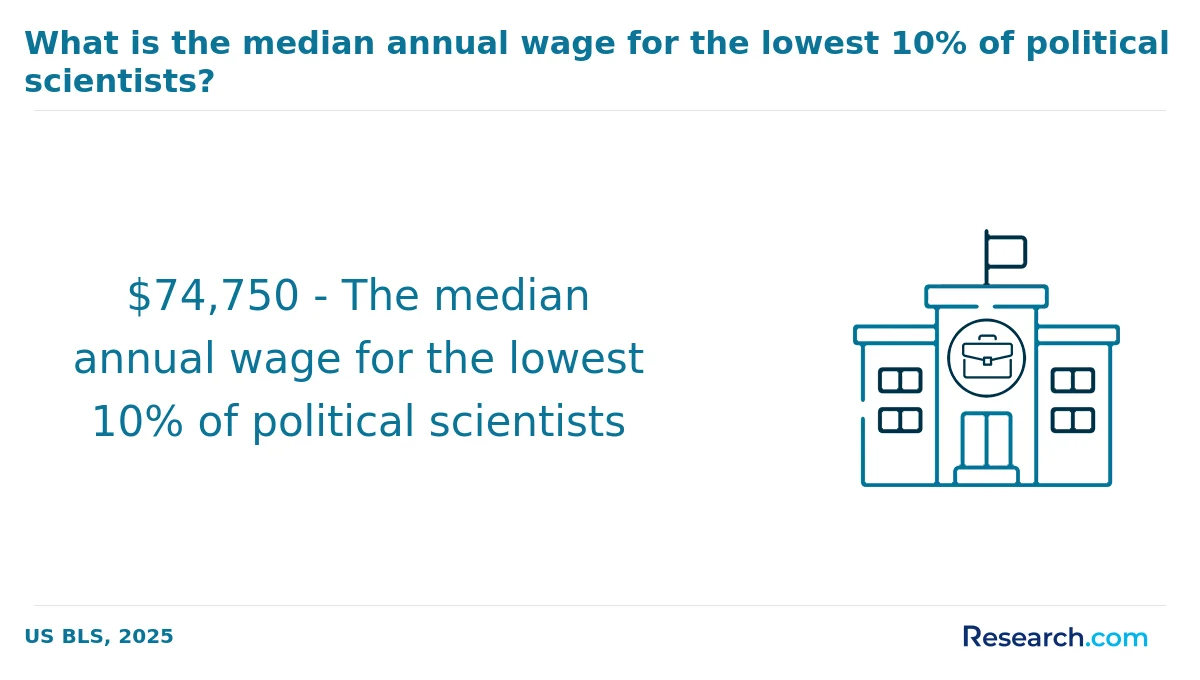
- Political science graduates in the Northeast often find rewarding roles in government and nonprofit sectors, with median salaries around $75,000 per year, reflecting strong earning potential in the region.
- A graduate from Boston University's political science program highlights diverse career options, including policy analysis, public administration, and advocacy, giving you flexibility to pursue your passion.
- Online political science degrees from institutions like Northeastern University offer convenience and networking opportunities, allowing busy professionals to advance their education without interrupting their careers.
- 2027 Fastest Online Political Science Degree Programs Ranking in the Northeast
- What can I expect from online political science degree in the Northeast?
- Where can I work with online political science degree in the Northeast?
What can I expect from online political science degree in the Northeast?
The average cost of an online political science degree in the Northeast typically ranges from $10,000 to $25,000 per year at public universities for in-state students, according to data from the National Center for Education Statistics. For example, graduates from institutions like Northeastern University and Rutgers University report manageable tuition expenses balanced with flexible payment plans, making the investment accessible even for working professionals.
Many students appreciate how this pricing aligns with the quality of education they receive, including access to faculty with strong research backgrounds and the opportunity to engage in both live and asynchronous coursework. Graduates often highlight the value of completing their studies without sacrificing income, thanks to schedules accommodating part-time work or family responsibilities.
This cost structure supports outcomes such as internships and capstone projects, which reinforce practical skills for government or nonprofit careers popular in the region. The combination of affordability and quality creates a rewarding educational experience for Northeast online political science students.
Where can I work with online political science degree in the Northeast?
Graduates with an online political science degree from institutions like Boston University or Fordham University often secure roles in government agencies throughout the Northeast, capitalizing on the region's political density. Positions such as political analysts and legislative assistants are common, especially in urban hubs like New York City and Boston, where state and federal offices are concentrated. This proximity enables seamless internships and collaborations that enhance job prospects.
Many alumni find employment in respected think tanks, including the Carnegie Endowment for International Peace in New York. These roles allow graduates to apply rigorous research and data analysis skills to influence policy development, reflecting strong demand for analytical expertise in nonprofit and advocacy sectors.
Campaign management and lobbying firms in the Northeast also frequently employ online political science degree holders, who thrive in fast-paced environments requiring strategic communication and voter outreach. Graduates from schools such as Northeastern University report rewarding experiences managing legislative tracking projects and advocacy strategies.
The overlap between academia and public service offers additional pathways, with many graduates engaging as research assistants or educators at local universities, allowing them to remain connected to their communities while contributing to political scholarship.
Salary data confirms that careers in metropolitan areas like New York and Boston often provide above-average compensation, affirming positive employment outcomes for regional online political science graduates.
Graduates from well-known political science programs in the Northeast, such as those at Boston University or New York University, often report starting salaries between $45,000 and $60,000 annually. These entry-level roles typically include legislative assistants, research coordinators, or policy analysts, offering a solid foundation while benefiting from the region's robust political and nonprofit sectors.
As these graduates gain experience or pursue a master's degree, salaries generally rise to between $70,000 and $100,000. Mid-career professionals often transition into roles in public administration or political consultancy, where their analytical skills honed through programs in Massachusetts or New Jersey significantly enhance earning potential.
In the Northeast, senior political science graduates working as campaign managers or government affairs directors can expect to earn upwards of $100,000, reflecting the area's competitive market and the premium placed on expertise. Many alumni find their degree equally valuable in law, business, and communications, where their research acumen commands attractive compensation packages tailored to these industries.
- The average tuition for online political science bachelor's degrees in the Northeast ranges from $15,000 to $30,000 per year at public institutions.
- Private schools may charge over $40,000 annually, but online programs can offer competitive prices with financial aid options like scholarships and grants.
- Entry-level political science graduates in the Northeast typically earn about $50,000 per year, with experienced professionals making between $75,000 and $100,000.
- The Northeast job market includes government agencies, think tanks, and non-profits, with roles in policy analysis, public administration, and political campaigning.
- Most programs are regionally accredited, which helps with credit transfers, financial aid, and employer recognition.
- Many online programs offer virtual internships or networking opportunities to help build practical experience and connections.
Completing an online political science degree in the Northeast typically takes about four years for full-time undergraduate students, mirroring the timeline of on-campus programs at well-known institutions like Northeastern University or Boston University. Graduates often share that the flexibility of asynchronous courses allowed them to balance work and family while steadily progressing toward their degree. Part-time students, common among working professionals in the region, may extend their studies to six years or more, taking advantage of rolling admissions and multiple start dates offered by schools such as Rutgers University.
For graduate programs, the commitment is shorter; full-time master's students often finish in two years. Some universities, including the University of Connecticut, offer accelerated options where motivated students complete their degrees in as little as 12 to 18 months by enrolling in intensive summer sessions and heavier course loads.
Many students appreciate transfer credit policies that let them reduce their total time to degree, making these programs adaptable to diverse backgrounds and schedules.
Online and on-campus political science degrees in the Northeast differ primarily in delivery and student experience. Online programs, like those at Pennsylvania State University, offer flexible scheduling, ideal for working adults balancing careers or family. Graduates often appreciate accessing lectures and discussions asynchronously through digital platforms, though they must self-manage time effectively.
In contrast, on-campus programs at schools such as Rutgers University provide direct face-to-face interaction, enabling dynamic debates and immediate feedback that many political science students find energizing and motivating. These programs also offer richer networking through campus events and easier access to internships via local partnerships. Hands-on experiences, including student government or mock trials, are generally more accessible on campus, adding practical value.
Financially, Northeast tuition averages $10,000-$20,000 annually for public in-state students, rising above $30,000 at private colleges. Online degrees can mirror these costs but reduce commuting and housing expenses, a benefit noted by many online students striving for affordability without sacrificing academic quality.
The average cost of an online political science degree in the Northeast is approximately $42,420, with out-of-state students typically paying around $45,000. Graduates from well-regarded institutions in this region often cite the investment as worthwhile due to the strong political science programs and career opportunities associated with these schools. For instance, students at prestigious colleges benefit from comprehensive resources and networking chances that enhance their overall educational experience and future job prospects.
When considering northeast online political science degree tuition fees, it is important to note that public universities usually offer significantly lower costs for in-state students, though precise median in-state totals are not widely reported. Out-of-state tuition can nearly double, which is an important factor for many prospective students to consider. Private colleges in the Northeast tend to charge premium rates, but graduates often emphasize the value of scholarships and financial aid that help offset these expenses.
Additional costs such as textbooks, technology, and course materials can add between $1,000 and $2,000 annually, which students note can be managed effectively through budgeting and aid programs. Many alumni recommend exploring employer tuition assistance and military benefits to help reduce financial strain. For those wondering how long does political science degree take alongside costs, these financial considerations are crucial for planning a successful educational journey in political science.
Students pursuing online political science degrees in the Northeast often rely on a mix of financial aid to manage costs spanning $10,000 to over $40,000 annually. Federal aid through FAFSA remains the cornerstone, offering Pell Grants up to $7,395 and favorable federal loan terms. For instance, graduates from state universities like those in New York leverage these grants alongside state-specific programs such as New York's Tuition Assistance Program (TAP) to offset tuition.
Many Northeastern states provide targeted scholarships for in-state students, benefitting candidates enrolled in online programs at public institutions. Massachusetts-based learners often find merit scholarships that significantly ease their financial burden. Private scholarships from organizations linked to government and policy fields are another key resource. Graduates frequently commend how awards from civic groups or the American Political Science Association supported their academic journey.
Employer tuition assistance is particularly valuable for working professionals studying online, lowering debt concerns substantially. Institutional scholarships aimed at online learners further decrease costs. Engaging directly with financial aid offices at schools like Boston University or SUNY often reveals unexpected opportunities that graduates describe as "game-changing" for their educational funding.
Applicants aiming to enroll in online political science programs in the Northeast must typically present a high school diploma or equivalent, such as a GED, demonstrating readiness for college-level work. Graduates from well-known institutions in this region often recall meeting a minimum GPA requirement around 2.5 to 3.0, ensuring academic preparedness for rigorous coursework.
Many programs have moved to test-optional admissions, especially after 2020, reflecting evolving standards at prominent Northeastern universities. For example, students who applied to popular colleges observed that submitting SAT or ACT scores was no longer mandatory, reducing stress and broadening access.
Transfer students frequently share how providing official transcripts and a concise resume helped streamline credit evaluation when moving between institutions. Letters of recommendation and personal statements also play a key role in illustrating motivation and critical thinking abilities valued in political science fields.
Applicants should note that reliable technology and strong time management skills are essential, as online formats require self-discipline. Graduates emphasize that balancing digital engagement with independent study fosters a positive and empowering learning experience in these Northeastern programs.
Online political science degree programs in the Northeast typically include core courses centered on American government, comparative politics, international relations, political theory, and research methods. Graduates from well-known regional universities describe how courses like Introduction to American Government and Politics offer practical insights into U.S. institutions and policy-making, making the material feel directly relevant to current events and career aspirations.
Comparative Politics courses broaden students' perspectives by analyzing diverse political systems, from established democracies to emerging nations. International Relations classes emphasize global diplomacy and conflict resolution, preparing students for work in international organizations or government agencies.
Research Methods are especially valued, equipping students with both qualitative and quantitative tools to critically analyze political data. This practical skillset is highlighted by graduates who appreciate how research-focused coursework sharpens their analytical thinking for policy-making or advanced study.
Electives such as Public Policy Analysis and political communication allow tailored specialization, reflecting the region's emphasis on applied political skills and experiential learning often facilitated through remote internships or capstone projects.
Online political science degree concentration options Northeast commonly include specializations such as American Politics, International Relations, Public Policy, Comparative Politics, and Political Theory. These focus areas help students develop expertise tailored to regional political frameworks and global dynamics. For instance, graduates from prominent Northeast institutions often recall how their coursework on U.S. government institutions and electoral processes deepened their understanding of local policy making, enhancing their confidence in legislative roles.
Students pursuing online political science specializations Northeast benefit from programs that address both contemporary and traditional political issues. Examples include emerging fields like cybersecurity policy and environmental politics, which resonate strongly with current government and nonprofit sectors in the region. Many Northeastern colleges integrate real-world case studies, allowing students to analyze regional political behavior and global diplomatic challenges.
Given these tailored programs, graduates frequently secure meaningful roles in policy analysis and advocacy. For those exploring career paths, exploring jobs for masters in political science serves as an excellent resource to align education with opportunities in international diplomacy and legislative assistance.
Choosing the best online political science degree in the Northeast begins with verifying regional accreditation, such as by the Middle States Commission on Higher Education, ensuring recognized academic standards. Graduates from well-known universities in the region often highlight the value of programs with faculty experienced in both theory and practical government roles, which enriches learning beyond textbooks.
Cost is another decisive factor. Many affordable online political science degree programs Northeast charge between $10,000 and $20,000 annually, notably lower than traditional on-campus rates which can exceed $12,000 for in-state students. Graduates frequently mention how access to financial aid and scholarships helped manage expenses effectively. Real-world applications, including virtual internships and networking opportunities with local political organizations, enhance job readiness and student satisfaction.
Data shows Northeast political science graduates enjoy an 85% employment rate within a year, mostly in government or nonprofit roles. Prospective students should consult outcome stats and resources like the jobs in political science page when evaluating programs. The fastest online political science degrees in the Northeast also offer flexible schedules and strong student support, vital for balancing work, family, and study obligations.
Graduates with an online political science degree in the Northeast often find diverse career paths spanning government, law, public policy, and education. In states like New York and Massachusetts, many alumni secure government roles such as policy analysts or public affairs specialists, leveraging the region's concentrated administrative offices. These positions offer the satisfaction of influencing real-world policy and community planning.
Political consulting and campaign management represent growing opportunities in this vibrant political landscape. Graduates from prestigious Northeast universities frequently engage as campaign managers or communications directors, applying their strategic skills to shape elections and political discourse. Such roles align well with political science jobs in the Northeast region, providing dynamic and impactful careers.
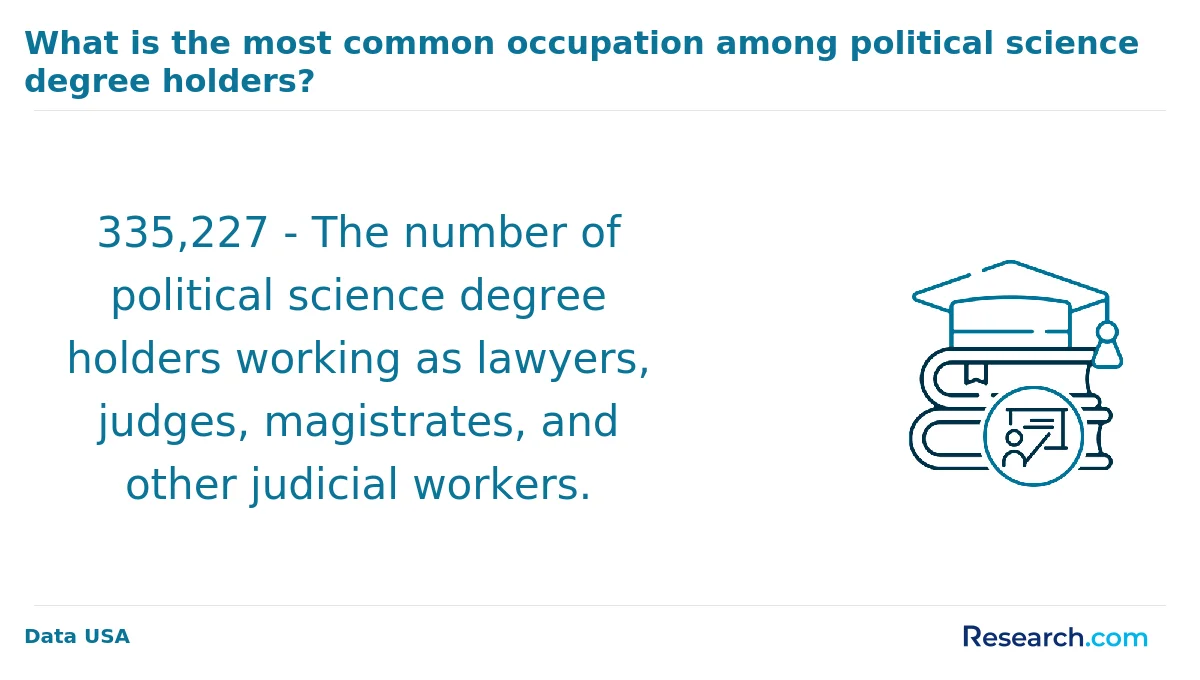
Many graduates also pursue law and legal careers after their degree, attending renowned law schools nearby. Approximately 30% of political science majors transition into law-related professions, including attorneys and paralegals, benefiting from the Northeast's rich legal education infrastructure. Others find rewarding roles in international relations, nonprofits, or academia, engaging with global and community issues.
Cost-conscious students considering an online path can explore competitive programs with flexible options. For those aiming to advance in these fields, exploring the online bachelor's in political science offers a practical and accessible means to launch their careers.
The job market for online political science degree holders in the Northeast benefits from a dense concentration of government agencies, nonprofit organizations, and policy institutions. Graduates from well-known institutions in cities like Boston and Philadelphia often find themselves well-positioned for roles such as policy analysts or legislative assistants, leveraging their academic training and internships. Many graduates highlight the advantage of studying online, which allows them to gain practical experience while managing costs and work commitments. This balance is crucial in a competitive landscape where entry-level roles frequently demand advanced credentials or certifications.
Specifically, for students focused on political science degree career opportunities Northeast, these metropolitan hubs offer abundant job prospects with salary potential often exceeding the national median, thanks to proximity to federal offices and advocacy groups. Affordable online political science degree programs provide an accessible path, helping students reduce expenses compared to traditional campus options without sacrificing connection to these networks. The growing acceptance of online qualifications further supports graduates as they navigate diverse roles in government, consulting, and research.
2027 Fastest Online Political Science Degree Programs Ranking in the Northeast
Investing in your education is a significant decision that can shape your future, and the Research.com team understands the importance of making informed choices. To assist prospective students, we have meticulously crafted the "2027 Fastest Online Political Science Degree Programs Ranking in the Northeast." Our commitment to quality, credibility, and accuracy is reflected in the extensive research and analysis conducted to compile this ranking.
We utilized the following reputable data sources to ensure a comprehensive evaluation of political science programs:
By exploring this ranking, readers will gain valuable insights into the fastest online political science degree programs in the Northeast, helping them make informed, efficient choices about their educational paths. For more details on our methodology, please visit our Research.com methodology page.


# 3 position
Thomas Edison State University
Bachelor of Political Science

Frequently Asked Questions About political science
Online political science students in the Northeast can enhance their learning by actively engaging with regional resources. Utilizing virtual networking events hosted by local universities often leads to valuable connections with professors and peers. According to the National Center for Education Statistics, students who participate in online discussion forums perform 20% better in critical thinking assessments.
Another key strategy is to take advantage of internships and research opportunities in nearby political hubs like Washington, D.C., and New York City. These practical experiences complement academic study and build professional skills relevant to the Northeast political landscape.
Finally, students should stay informed about regional policies and local government initiatives through reliable sources such as state government websites and academic journals focused on Northeast politics, ensuring their studies remain current and applied.
Emerging niches within the political science field are increasingly influenced by technological, social, and environmental changes. One key area is digital governance, where scholars study the impact of technology on public policy and political participation. Cybersecurity policy is also growing, addressing threats to national security and election integrity.
Environmental politics has gained momentum, focusing on climate change policy and sustainability initiatives. According to the American Political Science Association, these topics are becoming central in Northeast universities offering online degrees.
Furthermore, data analytics and political behavior research are expanding, with institutions like Northeastern University emphasizing interdisciplinary approaches.
Graduates with online political science degrees in the Northeast can enhance job prospects by gaining practical experience. Internships and volunteer work in local government offices or political campaigns offer valuable skills and networking opportunities. According to the Bureau of Labor Statistics, roles in political science typically require strong analytical and communication abilities, which internships help build.
A focused approach includes researching regional employers in policy analysis, nonprofit organizations, or public administration. Many Northeastern states, such as New York and Massachusetts, have robust political sectors offering entry-level positions.
Continuing education through certificates or workshops specializing in data analytics or public affairs can also increase competitiveness in the job market.
Employers in the Northeast highly value political science graduates who demonstrate strong analytical and communication skills. According to a 2023 survey by the National Association of Colleges and Employers (NACE), 78% of employers seek critical thinking abilities to interpret political data and policy impacts effectively.
Moreover, proficiency in research methods and quantitative analysis is essential, especially for roles in government and public policy organizations. The U.S. Bureau of Labor Statistics highlights that political science jobs in states like New York and Massachusetts often require skills in data interpretation and report writing.
Interpersonal skills and cultural awareness are also important due to the region's diverse political landscape. Effective written and oral communication are crucial for advocacy and diplomacy positions prevalent in the Northeast.
Finding internships in the Northeast relevant to a political science degree involves strategic use of university resources and regional opportunities. Many schools in the Northeast offer online political science students access to career centers that promote internships with government offices, nonprofits, and think tanks.
Northeast states like New York, Massachusetts, and Pennsylvania host numerous political institutions and advocacy groups that regularly offer internships. Platforms such as USAJobs.gov list federal internships available in the region, including programs in Congress and federal agencies.
Networking through professors and alumni is vital, as many internships are secured through connections. According to NACE, about 54% of political science students nationwide obtained internships via networking. Additionally, websites like Idealist.org can help locate nonprofit internships fitting political science interests.
In the Northeast, an online political science degree can significantly enhance career mobility and advancement. Employers value degrees from accredited institutions, many of which offer flexible online programs to accommodate working professionals. According to the National Center for Education Statistics, the Northeast has one of the highest concentrations of political and social science jobs, creating ample opportunities for graduates.
Many government agencies and nonprofit organizations seek candidates with analytical and communication skills strengthened by political science training. Online degrees from recognized regional schools provide the same curriculum rigor as on-campus programs, ensuring graduates are competitive.
Furthermore, data from the U.S. Bureau of Labor Statistics indicates that the political science field in the Northeast is expected to grow by approximately 5% over the next decade, reflecting steady demand. This growth supports advancement potential for degree holders pursuing roles in public policy, legislative assistance, or research.
Studying for a political science degree in the Northeast offers unique advantages for students targeting interdisciplinary careers. Regional universities emphasize integrating political theory with economics, sociology, and public policy due to the area's dense political institutions and diverse populations. This approach equips students with analytical skills relevant across multiple sectors.
Many programs incorporate internships and research opportunities with nearby government agencies and think tanks, providing practical experience that enhances cross-disciplinary understanding.
According to the National Center for Education Statistics, over 30% of political science graduates in the Northeast enter fields combining law, communication, and international relations. Such training prepares graduates to navigate complex professional environments where multiple disciplines intersect.
Choosing between a thesis and a non-thesis political science degree program in the Northeast depends on your career goals and learning preferences. Thesis programs typically require original research and a comprehensive written document, preparing students for academic or research-focused roles.
Non-thesis options may emphasize coursework and practical skills, which can benefit students aiming for government, nonprofit, or policy-related positions. According to the National Center for Education Statistics, Northeast universities offer about 40% of their political science master's online with both formats available.
Consider faculty expertise and available resources when deciding. A thesis can deepen expertise but demands more time, while non-thesis paths often allow quicker completion.
Students in the Northeast seeking to study political science abroad often explore online programs offered by U.S. institutions with international partnerships. Many universities in this region, such as Northeastern University and George Washington University, provide online political science degrees featuring opportunities for virtual exchanges or study-abroad semesters abroad. According to the National Center for Education Statistics (NCES), about 15% of political science undergraduates in the Northeast participate in some form of study abroad, usually through affiliated international campuses.
These programs allow students to gain global perspectives without leaving home. They include courses on international relations, comparative politics, and global governance that emphasize cross-cultural understanding.
Students pursuing online political science degrees in the Northeast can benefit from several part-time jobs that enhance their academic experience. Internships with local government offices, such as city councils or state legislatures in states like New York and Massachusetts, provide practical exposure to policy-making processes.
Political campaign assistant roles are also common, especially during election seasons, allowing students to engage with grassroots organizing and voter outreach. According to the New England Public Policy Center, internships and part-time roles in politics have grown by over 10% in this region over the past five years.
Research assistant positions at nearby universities or think tanks can support academic growth while offering networking opportunities within political science circles.
Online political science students in the Northeast benefit from numerous networking opportunities despite studying remotely. Many universities offer virtual events, guest lectures, and webinars featuring regional political experts. For instance, schools often connect students with local government agencies and think tanks in hubs like Washington, D.C., New York City, and Boston.
Professional associations such as the Northeastern Political Science Association provide online conferences and forums, helping students build ties across states. Additionally, alumni networks frequently facilitate mentorship programs and job placement assistance specifically tailored to political science graduates in this region.
According to the National Center for Education Statistics, over 40% of Northeast colleges with political science programs actively promote such networking initiatives in their online courses.
Alumni networks play a vital role for students pursuing online political science degrees in the Northeast by offering access to professional connections and career guidance. Many Northeastern universities maintain active alumni groups that help graduates tap into regional job markets, including government agencies, nonprofits, and policy research centers.
These networks often provide mentoring, internship opportunities, and job referrals, which are crucial given the competitive nature of political science careers. According to a 2023 report by the National Association of Colleges and Employers, 70% of students secure their first job through networking, highlighting the importance of strong alumni ties.
In the Northeast, where political hubs like Washington, D.C., Philadelphia, and Boston converge, alumni connections can directly influence career advancement and practical learning experiences.
Students pursuing an online political science degree in the Northeast can tailor their programs by selecting specializations such as international relations, public policy, or political theory. Many Northeastern schools offer elective courses and certificates to help align studies with career goals. For example, research from the National Center for Education Statistics shows over 60% of regional institutions provide customizable tracks.
Additionally, internships and capstone projects available through online formats allow practical experience relevant to government, nonprofits, or political consulting. Flexible scheduling lets working professionals integrate coursework without interrupting their careers. Access to regional faculty expertise also supports specialized academic advising for career-focused customization.
Online political science students in the Northeast often face several challenges. Time management is a primary concern, as many balance work, family, and coursework without the structure of in-person classes. Limited access to local internships or political events may hinder practical experience, which is crucial in this field.
Another issue involves connectivity and technology, especially in rural parts of the Northeast where broadband access can be inconsistent. According to the Federal Communications Commission, about 6% of Northeastern residents lack reliable internet, impacting online learning.
Additionally, students may encounter less direct interaction with faculty and peers, which can affect networking and mentorship opportunities.
An online political science degree from a Northeast institution can open doors to several professional certifications relevant to government, policy, and analysis careers. One common certification is the Certified Public Manager (CPM), which enhances management skills for public sector employees and is offered in many states, including New York and Pennsylvania.
The Northeastern region also supports certifications in policy analysis, such as the Certified Policy Analyst (CPA), useful for graduates aiming to work in think tanks or government agencies. Additionally, certificates in conflict resolution or legislative studies are valuable for those entering lobbying or advocacy roles.
According to the National Association of Schools of Public Affairs and Administration, these credentials improve job prospects and earning potential in the Northeast's competitive market.
Writing a winning application for an online political science program in the Northeast starts with understanding what admissions committees prioritize. Strong academic records, particularly in social sciences and writing-intensive courses, are essential. According to the National Center for Education Statistics, Northeast universities often look for a minimum GPA of around 3.0 for competitive programs.
Highlight relevant experiences such as internships, volunteer work, or research related to politics or public policy. Many Northeast programs value practical engagement with local or regional government. Letters of recommendation should come from professors or professionals familiar with your commitment and analytical skills.
Craft a clear, focused personal statement that expresses your passion for political science and details how an online program fits your goals. Emphasize your ability to manage remote learning independently, a key factor for success in online education.
Political science careers offer a global viewpoint, as professionals analyze government systems, international relations, and policy development worldwide. Graduates from online programs in the Northeast can engage with diverse geopolitical issues, reflecting the region's strong international ties, especially in cities like New York and Boston.
According to the American Political Science Association, nearly 60% of political science graduates pursue roles in government, nonprofits, or international organizations, highlighting the global applicability of their skills. The Northeast's political hubs provide unique networking and internship opportunities that prepare students for global challenges.
Understanding global perspectives is crucial for careers in diplomacy, public policy, and research, fields valued across many countries.
Students pursuing online political science degrees in the Northeast can gain practical experience through several key strategies. Many regional universities offer virtual internships with government agencies, nonprofit organizations, and political campaigns. According to the National Association of Colleges and Employers, 65% of political science students who intern secure employment within six months of graduation.
Additionally, joining online student chapters of political science associations allows networking and hands-on project participation. Universities in the Northeast often provide access to webinars, simulations, and policy research opportunities conducted remotely.
Engagement in local government meetings or community boards, sometimes accessible via live streams, also offers practical insight while studying online.
Choosing the right concentration within an online political science degree in the Northeast begins with assessing your career goals. Popular focuses include American politics, international relations, public policy, and political theory. Each area offers different pathways: for example, public policy concentrations often lead to roles in government agencies or nonprofits, while international relations suits those interested in diplomacy or global organizations.
Consider program availability and faculty expertise at regional universities. Schools such as Northeastern University and Syracuse University offer specialized tracks that reflect local political landscapes and opportunities. According to the National Center for Education Statistics, nearly 40% of political science graduates in the Northeast enter public service or advocacy roles, influencing concentration demand.
Reflect on whether your aim is research, practice, or advocacy, as concentrations may emphasize theory versus applied skills. Finally, review course flexibility and internship options available remotely to ensure alignment with your professional and personal commitments.
- Online Bachelor of Arts in Political Science | OEd https://oed.com.ph/academic-programs/bachelors-degree/bachelor-of-arts-in-political-science/
- Political Science Degree Jobs: 12+ Career Paths (2026) | Extern https://www.extern.com/post/political-science-degree-jobs-career-guide
- Political science at risk: challenges to academic freedom https://theloop.ecpr.eu/political-science-at-risk-challenges-to-academic-freedom/
- 7 Great Jobs You Can Get With a Political Science Degree | UT Permian Basin Online https://online.utpb.edu/about-us/articles/political-science/7-great-jobs-you-can-get-with-a-political-science-degree
- How to Apply https://polisci.uoguelph.ca/future-students/graduate-programs/how-apply
- Applying to Political Science PhD Programs | Mariana Carvalho https://www.maricarvalho.com/post/application-polsci/
- Political science - VACorps https://www.vacorps.com/internships/political-science/
- Study Political Science Abroad | Go Overseas https://www.gooverseas.com/study-abroad/political-science
- Choose a Career in Political Science to Make a Difference - International Career Institute Australia https://ici.net.au/blog/choose-a-career-in-political-science-to-make-a-difference/
- 10 Political Science Internships for High School Students | Polygence https://www.polygence.org/blog/political-science-internships-for-high-school-students