2027 Best Online Political Science Degree Programs Ranking in the Midwest

Co-Founder and Chief Data Scientist
Choosing the right political science degree program can shape your future in meaningful ways. For students in the Midwest, finding a quality online program that fits your goals is key.
This article introduces the 2027 Best Online Political Science Degree Programs Ranking in the Midwest, developed by the Research.com team of data scientists. It's designed to help you make an informed decision about which programs offer the best opportunities and value.
Exploring these options can open doors to exciting career paths and deeper understanding of government and society. Discover what's possible for you.
Key benefits of getting online political science degree in the Midwest
- Political science graduates in the Midwest often start with salaries around $60,000, with senior roles reaching higher pay, reflecting steady financial opportunities in government and nonprofit sectors.
- A graduate from the University of Michigan highlights diverse career paths like policy analysis, public administration, and advocacy, showcasing the degree's versatility and strong regional job market.
- Online political science degrees from schools like Indiana University offer flexible schedules and lower costs, making education accessible while maintaining quality, ideal for working adults balancing life commitments.
- 2027 Best Online Political Science Degree Programs Ranking in the Midwest
- What can I expect from online political science degree in the Midwest?
- Where can I work with online political science degree in the Midwest?
What can I expect from online political science degree in the Midwest?
The average cost of pursuing an online political science degree in the Midwest typically ranges from $300 to $500 per credit hour, variable based on the university and residency status. Graduates from well-regarded programs like the University of Illinois Springfield often recall balancing this investment with flexible course schedules that allowed them to work and manage family obligations.
Many students appreciate that these programs offer a solid return through skill-building in research, critical thinking, and communication-insights that proved invaluable during their internships and capstone projects. For example, graduates from the University of Missouri have reflected on how their regional focus on Midwestern political landscapes helped them connect coursework with real-world policy questions, making the tuition feel worthwhile.
While tuition may seem a significant commitment, the accessibility and recognized quality of these online degrees foster a confidence that their education positions them well for careers in public service or advocacy within their home states. This practical value often reassures students navigating the financial investment.
Where can I work with online political science degree in the Midwest?
Graduates with an online political science degree from respected Midwest institutions-such as the University of Illinois, Ohio State University, or the University of Minnesota-often find rewarding careers in local, state, and federal government roles. Imagine working as a legislative assistant in Springfield or a policy analyst in Columbus, where your research shapes meaningful policy decisions and supports elected officials. These positions provide not only steady employment but also the satisfaction of contributing directly to public service.
Many alumni recall how their studies prepared them for roles in higher education, becoming academic advisors or researchers on campuses like Indiana University or the University of Wisconsin. These jobs offer a fulfilling path for those who enjoy mentorship and scholarly work, especially when engaging with students pursuing similar ambitions.
The vibrant nonprofit scene in cities such as Detroit and Milwaukee also welcomes political science graduates. Working in advocacy groups or community organizations here feels rewarding, blending civic engagement with hands-on impact. Meanwhile, private sector opportunities in consulting and polling firms in Chicago leverage graduates' skills in data analysis and strategic communication, making each workday intellectually stimulating and dynamic.
Graduates with an online political science degree in the Midwest often find starting salaries between $45,000 and $55,000, especially those from well-regarded schools like the University of Chicago or Ohio State University. These figures reflect entry-level roles in government agencies or nonprofit organizations where many graduates begin their careers. A common experience among these graduates is the steady growth in income as they gain specialized skills or pursue further education, often reaching $65,000 or more within their first few years.
In cities such as Chicago or Columbus, some graduates have seen their earnings climb beyond $85,000 working as policy advisors or research analysts. The balance between public sector stability and private sector opportunity often shapes these outcomes, with private firms occasionally offering higher pay but also demanding longer hours. Graduates frequently share that the lower Midwest cost of living makes these salaries stretch further, enhancing job satisfaction and financial confidence.
This dynamic landscape makes an online political science degree from a Midwest institution a practical and rewarding investment for many aspiring political professionals.
- Tuition for online political science bachelor's degrees in the Midwest typically ranges from $10,000 to $25,000, with some programs offering the same rate for all online students.
- Starting salaries for graduates usually fall between $45,000 and $55,000 per year.
- Mid-career earnings increase to about $70,000 to $90,000 annually within five to ten years.
- Employment opportunities are available in government, non-profits, political consulting, and education sectors.
- Many programs include virtual internships to help students gain practical experience and professional connections.
Completing an online political science degree in the Midwest most often takes about four years when attending full-time, a timeline familiar to many graduates from institutions like the University of Illinois Springfield or Indiana State University. These students often share how balancing coursework with daily life felt manageable, especially with flexible online formats.
Those transferring credits from community colleges or previous studies often find themselves finishing in closer to two years. This accelerated path offers a rewarding sense of accomplishment, as graduates recall the boost in motivation from seeing their prior learning count toward the degree.
Part-time students, including working professionals, may take five to six years or longer, adapting their studies around careers and family commitments. For instance, online programs from the University of Kansas provide a schedule that graduates describe as a supportive companion to their busy lives, allowing steady progress without overwhelming pressure.
Master's degrees typically require 18 to 24 months, combining 30 to 36 credit hours with flexible pacing-ideal for those eager to deepen their knowledge while maintaining work and home responsibilities.
The main difference between online and on-campus political science degrees in the Midwest is how you experience learning. Graduates from University of Michigan or Indiana University often recall the vibrant campus life-attending lively debates, study groups, and networking events that enhanced their understanding and fueled their passion. These face-to-face moments foster close connections with professors and peers, creating an engaging academic environment where immediate feedback and dynamic discussions flourish.
On the other hand, alumni of online programs from schools like University of Illinois Springfield appreciate the flexibility to balance studies with work or family. Living in more remote areas across the Midwest, they've found that digital classes allow them to access quality education without relocating or commuting. This convenience reduces costs and eases stress while maintaining rigorous academic standards comparable to traditional programs.
Whether on-campus or online, both paths cover core topics like American government and political theory, but the personal interaction and campus resources distinguish the in-person experience from the adaptable, accessible online option.
The average cost of an online political science degree in the Midwest varies notably depending on whether you are an in-state or out-of-state student. On average, in-state students can expect to pay around $14,632 in total tuition, while out-of-state students might incur costs closer to $23,475. These figures reflect the typical pricing at public universities known for their political science programs in states like Ohio, Michigan, Illinois, and Wisconsin.
Graduates from well-regarded Midwest institutions often share that the investment feels worthwhile, given the quality of education and the network opportunities they accessed. Many recall the balance between affordability and academic rigor, emphasizing how Midwestern colleges' moderate tuition rates, compared to national averages, made pursuing their political scientist education requirements manageable and rewarding.
In addition to tuition, students pursuing a Midwest online political science degree tuition fees should anticipate extra costs like technology fees or course materials, which can add up but are often offset by scholarships or employer tuition assistance. One graduate from a prominent Michigan university appreciated how the clear fee structure and available financial aid helped them plan effectively without unexpected expenses.
Those exploring pathways to a political science degree are encouraged to research specific programs carefully. Understanding detailed pricing alongside the full scope of post-degree opportunities can foster confidence. For a deeper dive into the requirements and financial considerations, prospective students might refer to political scientist education requirements.
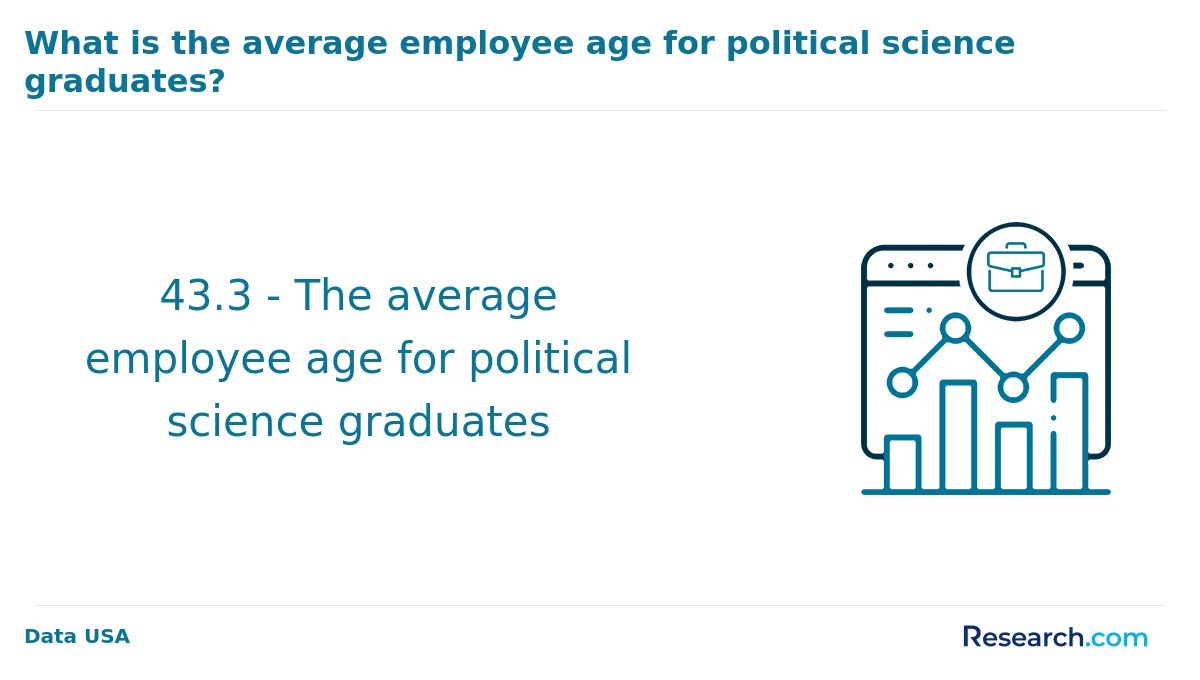
Students pursuing an online political science degree in the Midwest often find financial aid more accessible than expected. Graduates from universities like the University of Illinois and Michigan State recall how federal aid, especially the Pell Grant, substantially eased their tuition burden-awarding up to $7,395 annually without repayment obligations. Many leaned on FAFSA to unlock not just federal grants but also flexible student loans with manageable interest rates, providing peace of mind during challenging times.
State grants such as Illinois' Monetary Award Program often become lifelines. Midwest students recount how these state-specific aids, combined with institutional scholarships, made attending favored schools more feasible. Merit scholarships for online learners, offered by schools like Ohio State University, frequently reward academic dedication or relevant work experience, sparking motivation to excel.
Additionally, working professionals benefit from employer tuition assistance, transforming education into a shared investment. Private scholarships focused on political science or social sciences also deliver critical support, easing financial pressures and helping students thrive with optimism as they advance in their careers.
Enrolling in an online political science degree program in the Midwest typically begins with meeting foundational academic prerequisites like holding a high school diploma or equivalent. Graduates from well-known institutions in the region often reflect on how this baseline ensured they were ready to embark on challenging coursework. Many Midwest schools, such as those known for strong political science programs, require submission of standardized test scores, but a growing number have adopted test-optional policies, easing the process for applicants who feel their high school record tells a better story.
Transfer students recall the importance of official transcripts showcasing their previous college-level work, which helped advisors at Midwest universities tailor their course plans effectively. Completing introductory political science or related courses can enhance an application, fostering confidence early on.
Applicants also navigate forms asking for personal information, essays about their passion for political science, letters of recommendation, and proof of residency. For international students, demonstrating English proficiency through exams like the TOEFL unlocks opportunities at respected Midwest institutions offering online options.
Beyond academics, accessibility to stable internet and suitable technology is a practical necessity often emphasized during orientations. Midwest graduates often speak fondly of how this preparation made their online experience rewarding and manageable.
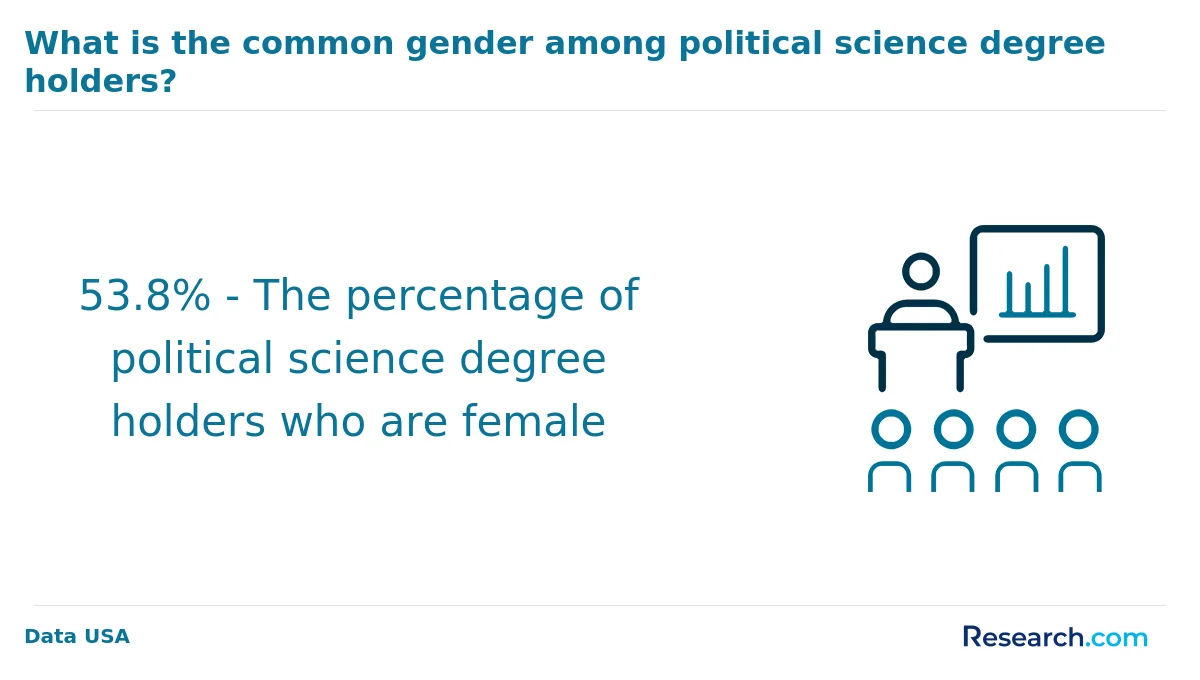
Online political science degree programs in the Midwest consistently include a core set of courses that form a strong foundation for understanding political systems both locally and globally. Graduates from well-known Midwestern universities often recall how courses like Introduction to Political Science provided crucial insight into political behavior, making abstract ideas tangible by connecting them to local election outcomes and state governance.
American Government and Politics stands out as an essential course, especially for students eager to engage with U.S. constitutional principles, federalism, and the nuances of their own state's political landscape. Comparative Politics invites learners to broaden their horizons by examining how countries like Canada or Germany organize power, which resonates deeply with those aiming for careers with international NGOs or regional policy groups.
International Relations and Political Theory challenge students to think critically about diplomacy and ethical governance, vital areas for those aspiring to influence both domestic policy and global affairs. Many graduates find Research Methods particularly rewarding, as it equips them with practical skills for analyzing data-skills they immediately apply in campaigns or local government offices in the Midwest.
Online political science degrees in the Midwest typically offer a rich variety of specializations that reflect the region's unique political landscape. Graduates from leading Midwestern universities often recount how focusing on areas such as American Politics, International Relations, or Public Policy deepened their understanding and opened doors to meaningful careers. For instance, many students find that state and local government specializations are especially rewarding given the Midwest's emphasis on decentralized political power, allowing them to engage directly with policies shaping their own communities.
Others who pursued comparative politics or political theory appreciated how these areas provided broader perspectives that helped them navigate complex global and philosophical questions. These specializations, found in popular programs across the Midwest, ensure students can tailor their education to fit their personal interests and local job markets. For those exploring options in online political science specializations Midwest, it's noteworthy how practical experiences, including internships guided by faculty familiar with local dynamics, enrich their study.
Choosing a specialization wisely can be pivotal. Graduates often highlight how their focused education prepared them for careers in government, nonprofit work, or consulting. If you want to learn more about career possibilities connected to these degrees, consider looking at masters political science careers to gain deeper insights into how specific specializations translate into professional success.
When choosing the best online political science degree in the Midwest, accreditation and program flexibility stand out. Graduates from popular Midwest universities often reflect on the reassurance that comes with attending institutions accredited by the Higher Learning Commission, ensuring quality education recognized by employers. Many find that programs offering asynchronous classes fit their busy schedules, making it easier to balance work and study.
Cost is also a practical consideration. Some students appreciate the affordability found in public universities within the Midwest, which typically range from $7,000 to $12,000 a year for in-state learners, while private colleges may offer a tighter-knit community despite higher tuition. Experience from graduates highlights the importance of programs that accept transfer credits and provide clear roadmaps to degree completion, which helps reduce time and expenses.
Curriculum depth and opportunities matter equally. Graduates recall the benefit of courses covering American government and international relations, paired with internships or virtual simulations. To visualize potential career paths post-graduation, it's helpful to explore resources like what jobs can political science majors get. This practical insight aids in choosing affordable political science programs in the Midwest that resonate with personal goals.
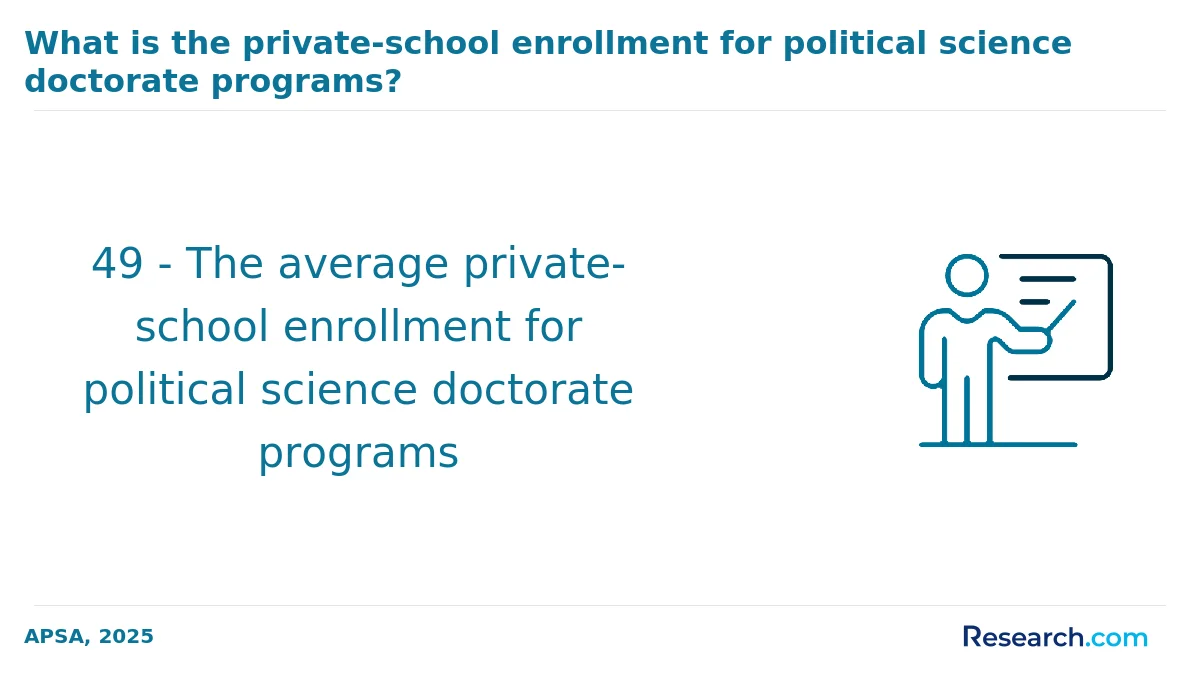
online political science careers Midwest find themselves well-positioned within a vibrant landscape of opportunities. Those from notable institutions like the University of Illinois or Ohio State University often step into roles such as legislative assistants or policy analysts in bustling state capitals like Chicago or Columbus. These positions require sharp research skills and a deep understanding of public affairs, which many find exciting as they contribute directly to shaping local and state policy.
Other graduates embrace opportunities within nonprofit organizations focused on community development or social justice, driven by a strong desire to make a tangible impact. Some take paths in media, becoming political reporters or analysts who navigate the rich political discourse distinctive to the Midwest. Schools known for their political science programs help students bridge theory with real-world challenges, boosting their confidence and readiness.
For those seeking broader horizons, Midwestern universities equip students for careers in law, international relations, or government relations firms where lobbying expertise is valued. The cost-effective nature of studying in this region encourages many to pursue further ambitions without heavy financial strain. To explore a wider range of options, consider researching political science online degree programs tailored to Midwestern needs.
Midwest political science degree job opportunities are numerous and varied, giving graduates a rich palette of career paths to explore with enthusiasm and purpose.
The job market for graduates holding an online political science degree in the Midwest remains encouraging and diverse. Many graduates from reputable Midwestern institutions have found that the region's multiple state capitals and vibrant cities like Chicago and Minneapolis create robust demand for skills in legislative support, policy analysis, and public administration. For example, graduates from popular political science programs at universities such as the University of Illinois or Ohio State University often secure entry-level positions as legislative assistants or research coordinators, roles that serve as springboards for future growth.
Mid-career professionals appreciate the steady growth of online political science jobs in the Midwest, especially with organizations ranging from government agencies to advocacy groups. The practical experience gained through internships alongside online coursework at public universities enhances employability. Many find the cost-effective nature of these programs, with typical tuition ranging between $8,000 and $15,000 for in-state students, an important factor when considering long-term career plans. Those seeking affordable pathways often consult resources like the cheapest political science degree online to balance quality and price.
Graduates' experiences show that pursuing a degree online while gaining regional networking opportunities can lead to rewarding careers in public affairs management or consulting for think tanks. The Midwest's job market reflects a positive outlook for political science students who combine their education with relevant roles and connections, making it an inspiring and attainable pathway.
2027 Best Online Political Science Degree Programs Ranking in the Midwest
Investing in your education is a significant decision that can profoundly impact your future, and the Research.com team is committed to helping you make informed choices. To support prospective students in the Midwest, we have carefully developed the "2027 Best Online Political Science Degree Programs Ranking in the Midwest." Our dedication to quality, credibility, and accuracy is demonstrated through thorough research and rigorous analysis. We utilized the following reputable data sources to ensure a comprehensive evaluation of political science programs:
By exploring this ranking, readers will gain valuable insights into the top online political science programs available in the Midwest, empowering them to make thoughtful decisions about their educational journeys. For a detailed explanation of our process, please visit our Research.com methodology page.


Frequently Asked Questions About political science
Online political science students in the Midwest can enhance their learning by actively engaging with professors and peers through virtual office hours and discussion forums. Research from the Midwest Political Science Association highlights that collaborative learning improves critical thinking skills essential for the field.
Utilizing regional resources, such as attending local government meetings and internships, also supplements online coursework with practical experience. Many Midwestern universities offer virtual events and networking opportunities, which students should take advantage of to build professional connections.
Staying disciplined with a structured schedule supports balancing studies and other responsibilities, improving retention in demanding political science topics.
The political science field is evolving with several emerging niches, especially relevant for students pursuing online degrees in the Midwest. One growing area is digital politics, focusing on the impact of social media and technology on political campaigns and public opinion. Another notable niche is environmental policy, reflecting increased regional interest in sustainable development and resource management.
Midwestern universities report rising enrollment in international security and cybersecurity within political science, prompted by geopolitical tensions and cyber threats. Additionally, urban politics and governance are gaining attention due to the Midwest's mix of large cities and rural communities, offering unique research opportunities.
According to the American Political Science Association, specialization in these areas equips graduates for diverse public, private, and nonprofit sector roles.
Graduates with online political science degrees in the Midwest should focus on building practical experience to enhance employability. Internships and volunteer opportunities with local government offices, non-profits, or political campaigns offer valuable exposure and networking.
Developing strong communication and research skills is crucial. Mastery of data analysis tools like SPSS or R is increasingly demanded in policy analysis roles. According to the Bureau of Labor Statistics (BLS), employment for political scientists is projected to grow 6% nationally through 2032.
Midwestern cities such as Chicago and Minneapolis provide robust job markets in public policy, advocacy, and government relations. Networking via local professional associations, such as the Midwest Political Science Association, can open doors.
Employers in the Midwest highly value political science graduates with strong analytical and critical thinking skills. These abilities enable graduates to assess policies, interpret data, and make informed decisions. Communication skills, both written and verbal, are essential for roles in government, nonprofits, and private sectors.
According to recent surveys by the American Political Science Association, Midwestern employers prioritize familiarity with data analysis software and research methodologies. Knowledge of local and state government operations is also frequently requested, reflecting the region's political landscape.
Problem-solving skills combined with ethical judgment are important traits, especially for public service positions. Networking and adaptability further enhance employment prospects in this competitive field.
Finding internships in the Midwest relevant to a political science degree involves leveraging local government offices, nonprofit organizations, and advocacy groups. Many cities such as Chicago, Indianapolis, and Minneapolis offer internship programs in public policy and political campaigns. According to the Midwest Political Science Association, student internships in state and municipal government agencies have grown by 15% in recent years.
Students should utilize university career centers, which often have partnerships with regional political organizations. Additionally, websites like USAJobs.gov list federal internships available in Midwest offices, providing practical experience.
Networking through local chapters of political parties and attending regional events can also increase internship opportunities.
An online political science degree from accredited Midwestern universities significantly enhances career mobility and advancement opportunities in the region. According to the National Center for Education Statistics (NCES), graduates with political science degrees see a 12% higher employment rate within government and public administration sectors in states like Illinois, Ohio, and Michigan. The flexibility of online learning allows working professionals to upskill without interrupting their careers, broadening access to roles in policy analysis, campaign management, and public affairs.
Employers in the Midwest increasingly value online degrees, especially from institutions with strong regional recognition. The American Political Science Association notes that political science graduates are 18% more likely to advance into leadership roles within five years, a trend reflected in Midwestern government agencies and nonprofit organizations.
Studying for a political science degree in the Midwest offers strong preparation for interdisciplinary roles by combining knowledge from multiple social sciences. Midwestern universities commonly integrate coursework in economics, sociology, and public administration, reflecting the region's diverse political and economic landscape. For example, schools like the University of Illinois and Michigan State provide curricula designed to develop skills applicable in law, public policy, and international relations.
According to the American Political Science Association, approximately 40% of Midwest political science graduates work in fields requiring cross-disciplinary expertise. This reflects the region's emphasis on practical problem-solving and collaboration across sectors.
The Midwest's political science programs emphasize data analysis, critical thinking, and communication, all sought-after skills in fields like urban planning and nonprofit management. Online options allow students to engage with applied case studies relevant to regional and national governance.
Choosing between a thesis and a non-thesis political science degree program in the Midwest depends largely on your career goals and learning preferences. Thesis programs emphasize independent research, ideal for students aiming for doctoral study or research careers. Non-thesis options focus more on coursework and practical skills, often suited for those pursuing public service, policy work, or immediate employment.
Midwestern universities like the University of Illinois Urbana-Champaign and Michigan State University often offer both tracks. According to the National Center for Education Statistics, about 40% of political science master's students in the region complete a thesis. This choice can affect duration, with thesis programs sometimes requiring additional semesters for research.
Consider whether you prefer hands-on policy analysis or academic research when deciding between these paths.
Midwestern students pursuing an online political science degree can access several study abroad opportunities through partnerships facilitated by their institutions. Many universities in states like Illinois, Ohio, and Michigan have exchange programs or short-term study options with European and Asian universities. These programs often include online coursework combined with intensive global seminars lasting a few weeks.
The Institute of International Education reports that in 2022, about 18% of Midwestern undergraduates engaged in study abroad, with political science among the popular majors. Universities frequently provide virtual internships or research projects abroad, enabling students to gain international experience without leaving the region.
Public schools such as the University of Illinois and Ohio State University emphasize global political systems within their online curricula to broaden students' global understanding remotely. Resources like the Midwestern Higher Education Compact also support expanding international study opportunities for online students.
Students pursuing online political science degrees in the Midwest can benefit from various part-time jobs that complement their education. Internships and assistant roles in local government offices, such as city councils or state legislatures, offer practical experience with policy-making processes. According to the Illinois Department of Employment Security, government job opportunities in public administration are expected to grow 5% from 2022 to 2032 in the Midwest, indicating steady demand.
Political campaign staff positions are another option, providing firsthand insights into electoral strategy and voter engagement. Additionally, research assistant roles at universities help develop critical analytical skills while supporting academic projects. Work with nonprofits focused on public policy can also enhance a student's resume. These roles not only build experience but also expand professional networks crucial for a political science career.
Online political science students in the Midwest benefit from various networking opportunities designed to connect them with peers, faculty, and professionals. Many Midwestern universities hosting these programs organize virtual career fairs and webinars featuring political analysts and policymakers. According to the Midwest Political Science Association, annual conferences also welcome students from online programs, offering a platform to present research and engage with experts.
Students can join local chapters of national organizations like the American Political Science Association and the Public Policy Forum. These groups often host regional events, panel discussions, and mentorship programs accessible online or in nearby cities. Such involvement is crucial for building professional relationships and expanding career prospects in government or academia.
Alumni networks provide significant advantages for online political science degree students in the Midwest. These networks create opportunities for mentorship, professional connections, and job referrals within local and regional political spheres. Given the Midwest's active political landscape, many alumni hold positions in government offices, non-profits, and advocacy groups, helping students access relevant roles.
Research from the Midwest Political Science Association notes that over 70% of political science graduates find employment through personal and professional networks. Online students benefit by joining alumni events, webinars, and online forums that bridge geographic distances.
Such networks also enhance internship opportunities, crucial for real-world experience, and provide ongoing career support after graduation.
Customizing an online political science degree in the Midwest allows students to align their education with specific career goals. Many universities offer elective courses focusing on areas such as public policy, international relations, or political theory. This flexibility helps students develop specialized knowledge relevant to careers in government, law, or advocacy.
Additionally, some programs provide internship opportunities or capstone projects that connect students with local political offices or nonprofit organizations. According to the National Center for Education Statistics, over 30 Midwest institutions offer online political science degrees, many incorporating these customizable elements.
Students should also consider programs that allow concentration tracks or certificates in complementary fields like economics or sociology, which enhance career prospects.
Online political science students in the Midwest often face challenges related to balancing coursework with personal and professional responsibilities. A survey from the National Center for Education Statistics (NCES) shows that nearly 60% of online students are working adults, which impacts time management and study consistency.
Additionally, limited access to local political internship opportunities can hinder practical experience, crucial in political science education. Many Midwestern institutions offer virtual internships, but these may not fully replace in-person exposure.
Technical issues and varying quality of online platforms also present obstacles. Students report difficulties in seamless communication with faculty and peers, affecting engagement and learning.
With an online political science degree, you can pursue several professional certifications that enhance your career prospects in government, law, and public affairs. Popular options include Certified Public Manager (CPM), which is recognized in many Midwest states and helps develop leadership skills for public sector roles.
Another valuable certification is the Certified Government Finance Manager (CGFM), offered by the Association of Government Accountants, useful if your focus is on public budgeting and finance.
Additionally, certifications in data analysis or geographic information systems (GIS) can complement your degree and are increasingly relevant in political research and policy analysis.
According to the National Association of Schools of Public Affairs and Administration, these credentials improve employment outcomes in the region's competitive public sector.
To write a winning application for an online political science program in the Midwest, start by highlighting your academic background and any relevant experiences, such as internships in government or nonprofit organizations. Admissions committees value clear demonstrations of critical thinking and understanding of political systems.
Include a compelling personal statement that explains why you want to study political science and how it fits your career goals. Midwestern universities often emphasize community impact, so mention any local engagement or leadership roles you have held.
Submit strong letters of recommendation from professors or professionals who know your abilities well. According to the National Center for Education Statistics, Midwest institutions enroll a growing number of online political science students, so standing out with a focused, polished application is key.
Political science careers are increasingly valued worldwide for their role in understanding governance and global affairs. In the US, and particularly in the Midwest, political science graduates often find opportunities in government, non-profits, and international organizations. According to the American Political Science Association, demand for policy analysts and international relations specialists is growing at about 6% annually.
Global perspectives emphasize the importance of cross-cultural communication and comparative politics skills. Midwest institutions offering online degrees prepare students for this by including courses on global governance and diplomacy.
Data from the Bureau of Labor Statistics shows that political scientists in the Midwest earn a median annual wage around $120,000, reflecting the field's strong economic potential regionally and globally.
Gaining practical experience while studying for an online political science degree in the Midwest is achievable through various avenues. Many Midwestern universities encourage online students to participate in local internships with government offices, non-profits, or political campaigns. Programs often help connect students to these opportunities, enhancing real-world skills.
Additionally, students can engage in virtual internships and simulations that mimic legislative or diplomatic processes. According to the American Political Science Association, hands-on experiences improve employment prospects by 25% after graduation.
Joining regional political organizations and attending local government meetings also provides valuable insight and networking.
Choosing the right concentration within an online political science degree in the Midwest involves aligning your interests with career goals. Common concentrations include international relations, public policy, political theory, and American government. According to the American Political Science Association, students focusing on public policy often find opportunities in Midwest state governments, which prioritize policy analysis roles.
Evaluate program strengths; some Midwestern universities emphasize practical skills, while others focus on theory or research methods. Check faculty expertise and course offerings to match your goals. For example, Indiana University offers strong public administration tracks online, supporting careers in local government.
Also consider your preferred career path-policy analyst, campaign manager, or academic-and seek concentrations that provide relevant internships or networking opportunities. This strategic approach ensures your degree fits the dynamic political landscape of the Midwest.
- Study Political Science Abroad | Go Overseas https://www.gooverseas.com/study-abroad/political-science
- Maritime Vocational School https://ects.gsu.edu.tr/en/program/index/46
- Political Science BS https://www.ucmo.edu/academics/programs/majors/cahss/government-law-and-intl-affairs/political-science-bachelor-of-science/
- Remote Political Science Jobs https://www.virtualvocations.com/q-remote-political-science-jobs.html
- Choose a Career in Political Science to Make a Difference - International Career Institute Australia https://ici.net.au/blog/choose-a-career-in-political-science-to-make-a-difference/
- Political Science: A Global Perspective https://www.ipsa.org/na/book/political-science-global-perspective
- Political Science - 2025-2026 Undergraduate Catalog https://www.wiu.edu/catalog/programs/pol-sci.php
- Developing Nations Scholarships - Midwest Political Science Association https://www.mpsanet.org/about/scholarships/developing-nations-scholarships/
- 10 Political Science Internships for High School Students | Polygence https://www.polygence.org/blog/political-science-internships-for-high-school-students
- How to make the best of a Political Science degree? - College Majors - College Confidential Forums https://talk.collegeconfidential.com/t/how-to-make-the-best-of-a-political-science-degree/1903449