
2027 Online vs On-Campus Workplace Safety Doctorate Programs: Cost, Flexibility, and Employer Perception

Co-Founder and Chief Data Scientist
The real decision is not whether a Workplace Safety doctorate is valuable; it is whether the format fits your career, budget, and time. The U. S. Bureau of Labor Statistics reports a 2024 median annual wage of $81,140 for occupational health and safety specialists and technicians, with faster-than-average projected growth through 2033.
This guide is for safety managers, compliance professionals, EHS leaders, and researchers comparing online and on-campus doctoral study. You will learn how to weigh cost, flexibility, fieldwork, dissertation support, and employer perception so you can choose the format that best supports your goals.
Key Things to Know About Online vs On-Campus Workplace Safety Doctorate Programs
- Online Workplace Safety doctorate programs usually offer stronger scheduling flexibility, but students must verify residency, lab, practicum, and dissertation-defense requirements before assuming the program is fully remote.
- Federal datasets do not publish a clean national average for online versus on-campus Workplace Safety doctorates, so the most reliable comparison starts with each program's total credits, per-credit tuition, fees, travel, and lost-work costs.
- Employer perception typically depends more on accreditation, research relevance, safety leadership experience, and dissertation quality than on delivery format alone, especially for working professionals in EHS, compliance, risk, and public-sector safety roles.
What are the key differences between online vs on-campus Workplace Safety doctorate programs?
Online and on-campus Workplace Safety doctorate programs usually pursue the same broad outcome: advanced expertise in occupational safety, environmental health and safety, risk control, human factors, regulatory compliance, safety analytics, and applied research. The difference is how learning, mentoring, research collaboration, and professional networking are delivered.
The table below summarizes the format differences that most often affect working adults deciding between an online and campus-based doctoral path.
| Comparison area | Online Workplace Safety doctorate | On-campus Workplace Safety doctorate |
| Course delivery | Often asynchronous or mixed synchronous online coursework | Scheduled in-person seminars, labs, and research meetings |
| Best fit | Working professionals, safety managers, military or public-sector employees, and students far from campus | Students seeking daily faculty access, campus research roles, lab-based work, or academic immersion |
| Networking | Virtual cohorts, online faculty meetings, professional conferences, and workplace-based projects | Campus seminars, research groups, assistantships, faculty labs, and local industry partnerships |
| Fieldwork | Often completed locally with approved employers, agencies, or worksites | Often tied to university labs, nearby employers, faculty projects, or institutional partners |
| Main risk | Underestimating self-direction, residency requirements, or isolation | Underestimating relocation, commuting, fixed schedules, or income disruption |
One current trend is that universities are blending formats: online coursework may be combined with short residencies, required research intensives, or in-person dissertation milestones. If you are still comparing earlier-stage EHS options before committing to doctoral study, reviewing the best online environmental health and safety programs can help you understand how online safety education is commonly structured.
Are online Workplace Safety doctorate programs as rigorous as on-campus programs?
Online Workplace Safety doctorates can be as rigorous as on-campus programs when they share the same accreditation, faculty standards, research expectations, admissions requirements, doctoral milestones, and dissertation requirements. Format alone does not determine rigor; program design does.
To judge academic quality, look beyond whether classes meet online or in person. A rigorous doctorate should make expectations transparent in several areas:
- Regional or institutional accreditation recognized by the U.S. Department of Education or CHEA, plus any relevant safety, public health, engineering, or environmental health alignment the program claims.
- Doctoral-level coursework in research methods, statistics, risk assessment, occupational safety systems, policy, leadership, and applied safety science.
- Faculty with current research, professional practice, or publication records in safety, industrial hygiene, environmental health, ergonomics, risk management, or compliance.
- Clear qualifying exam, comprehensive exam, dissertation proposal, IRB, defense, and publication expectations.
- Comparable access to library databases, statistical software, writing support, research advising, and dissertation committee members.
A common mistake is assuming online study is easier because it is more flexible. In doctoral education, flexibility often shifts responsibility to the student. Online students may have fewer fixed reminders, fewer spontaneous faculty interactions, and more need to build research momentum independently.
How does scheduling flexibility differ between online and on-campus Workplace Safety doctorate programs?
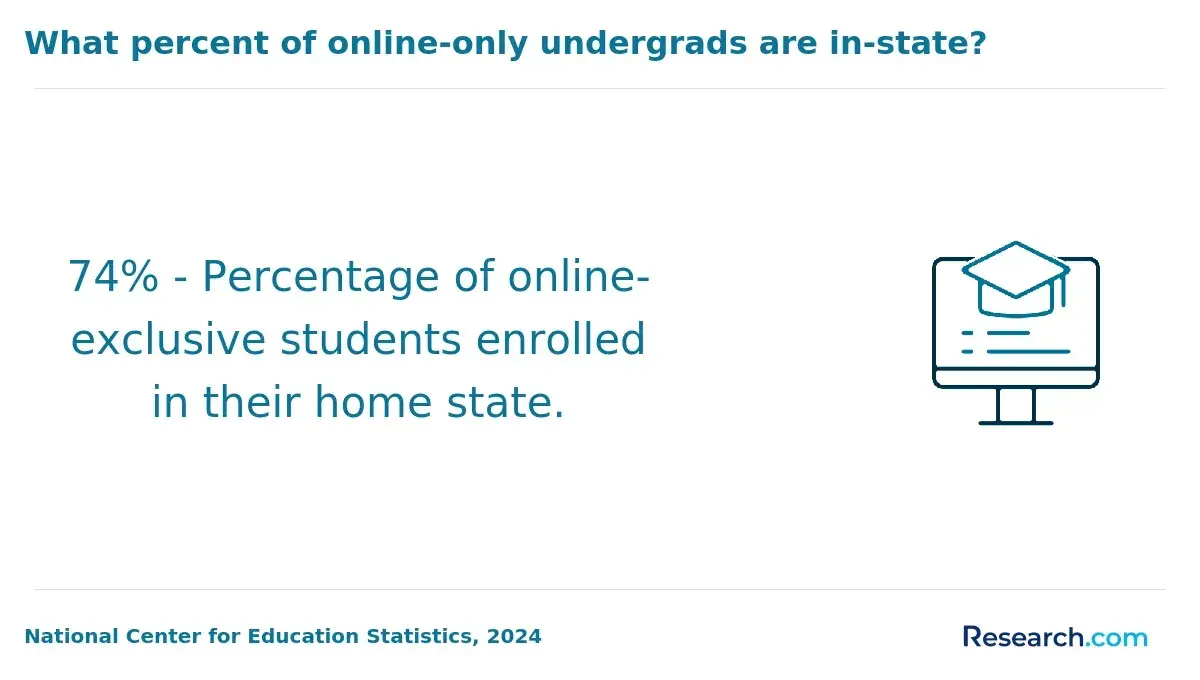
Scheduling flexibility is usually the clearest advantage of an online Workplace Safety doctorate. Many online students are already employed in safety leadership, environmental health, emergency management, insurance risk control, construction safety, healthcare safety, or government compliance, so evening, asynchronous, or low-residency formats can make enrollment possible without leaving the workforce.
NCES distance education data released through IPEDS show that more than half of U.S. postbaccalaureate students take at least one distance education course. That matters because doctoral programs are responding to a real graduate-student demand for flexible delivery, not treating online learning as a temporary substitute.
The table below compares how scheduling tends to feel in each format, although exact pacing depends on the school.
| Scheduling factor | Online format | On-campus format |
| Class meetings | May be asynchronous, evening-based, or scheduled by cohort | Usually tied to campus seminar times and faculty availability |
| Work compatibility | Often better for full-time professionals | Often harder unless courses are evening-based or the student has an assistantship |
| Pacing | May offer part-time, cohort, or accelerated options | Often follows a more structured academic calendar |
| Faculty access | Planned through virtual office hours, email, video meetings, and residencies | More spontaneous access through offices, labs, and campus events |
| Peer interaction | Depends heavily on discussion design, cohort structure, and group projects | Built into seminars, labs, campus events, and research groups |
Choose online if your job schedule is unpredictable but you can protect weekly study time. Choose on-campus if you learn best through face-to-face discussion, frequent research meetings, and structured academic routines.
Fieldwork in a Workplace Safety doctorate may include applied research at worksites, safety audits, exposure assessment, risk analysis, training evaluation, policy implementation, incident investigation, or organizational safety-culture studies. The requirement is less about format and more about whether the program is applied, research-focused, professional, or lab-based.
Online students often complete fieldwork in their local region, but this is not automatic. Before enrolling, confirm how the school approves field sites and supervisors.
- Ask whether you may use your current workplace as a research or field site and what conflict-of-interest rules apply.
- Confirm whether the program requires university-arranged placements or allows student-proposed sites.
- Check whether site supervisors must hold specific credentials, safety certifications, graduate degrees, or employer authority.
- Ask whether any labs, simulations, campus intensives, or equipment-based assessments must be completed in person.
- Verify whether your state, employer, or sector has additional rules for research involving employees, patients, students, contractors, or regulated environments.
On-campus students may have easier access to university labs, faculty-sponsored projects, and local industry partnerships. Online students may have an advantage when their own employer provides access to real safety data, active compliance systems, and operational problems that can support applied doctoral research.
The dissertation process is usually the hardest part of either format because it requires sustained independent research. In Workplace Safety, dissertation topics may involve injury prevention, safety climate, industrial hygiene controls, fatigue management, construction risk, regulatory compliance, emergency preparedness, ergonomics, or EHS leadership outcomes.
The main difference is not the dissertation standard but the support environment. Online students need a structured virtual support system, while on-campus students often benefit from informal access to faculty and peer researchers.
| Dissertation support factor | Online program concern | On-campus program concern |
| Advisor access | Must be reliable through scheduled video meetings and documented feedback timelines | May be easier in person, but availability still varies by faculty workload |
| Research design help | Should include online methods support, statistics help, and writing resources | May include campus workshops, research groups, and lab meetings |
| Data collection | Often local, workplace-based, or remote survey-based | Often supported through campus labs, partnerships, or faculty projects |
| Community | Requires intentional cohort building and dissertation groups | Can develop naturally through campus presence |
| Defense | May be virtual or require a campus visit | Usually in person or hybrid, depending on university policy |
A red flag in either format is vague dissertation support. If admissions staff cannot explain advisor assignment, committee formation, proposal timelines, research ethics review, and defense expectations, the program may leave students unsupported at the most important stage.
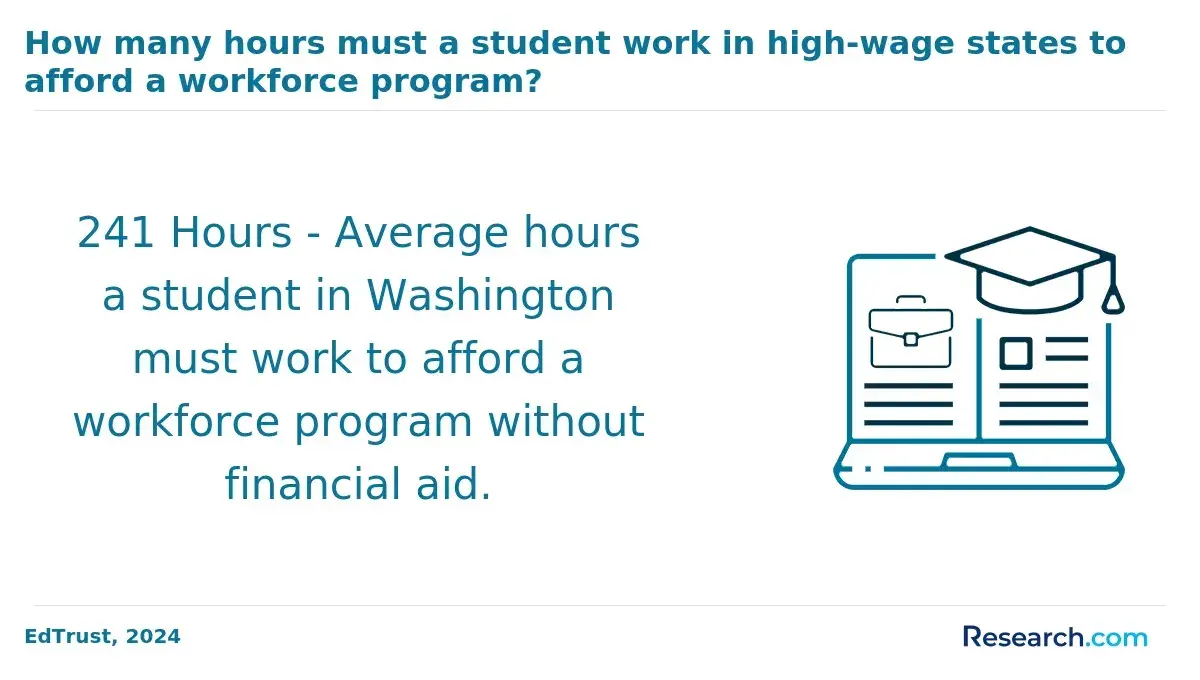
Tuition comparisons are difficult because federal data do not isolate online versus on-campus Workplace Safety doctorate tuition as a national category. Many programs also use different labels, such as occupational safety, environmental health and safety, safety sciences, public health, human factors, industrial hygiene, or occupational health.
For a reliable baseline, NCES graduate tuition and required-fee data published in 2024 for the 2022-23 academic year show how institutional sector affects graduate pricing. These are broad graduate averages, not Workplace Safety doctorate averages, so use them only as a benchmark before checking program-level prices.
| Institution sector | Average graduate tuition and required fees | How to use this figure |
| Public institutions | $12,596 | Compare against in-state, out-of-state, and online graduate rates |
| Private nonprofit institutions | $29,931 | Check whether doctoral aid, employer tuition support, or assistantships reduce net price |
| Private for-profit institutions | $14,161 | Review accreditation, completion support, and total borrowing carefully |
Online tuition is not always cheaper. Some universities charge the same doctoral tuition for both formats, some charge online program fees, and some offer online students a flat rate that avoids out-of-state tuition. If you are comparing education prices across public safety fields, this breakdown of criminal justice degree price components shows the same cost logic: tuition is only one part of the bill.
Cost of attendance includes more than tuition. For doctoral students, the real comparison should include fees, travel, residency costs, technology, research expenses, professional conferences, time away from work, and the opportunity cost of delaying promotion or changing employment.
The table below shows the cost categories most likely to differ by format. Use it to build a side-by-side estimate before applying.
| Cost category | Online student | On-campus student |
| Tuition | May be per-credit, flat online rate, or same as campus | May vary by residency status and assistantship eligibility |
| Mandatory fees | Technology, distance-learning, library, graduation, and dissertation fees may apply | Campus, student services, lab, health, parking, and activity fees may apply |
| Travel | Usually lower unless residencies, intensives, or defenses require travel | Commuting, relocation, parking, and local living costs can be significant |
| Work disruption | Often lower if the program supports part-time study | Can be higher if courses, labs, or assistantships require daytime availability |
| Research costs | May include survey tools, software, transcription, site travel, or conference travel | May include lab supplies, local field travel, conference travel, or specialized equipment access |
To avoid underestimating the total cost, calculate the full degree price rather than the first-year price. Include the number of credits, expected dissertation enrollment terms, annual fee increases, travel for residencies, and whether your employer will reimburse doctoral coursework.
Employers in Workplace Safety generally care about whether the doctorate is credible, relevant, and useful to the organization. For safety leadership, EHS management, insurance risk, government compliance, consulting, and corporate training roles, the degree format is usually less important than the institution's accreditation, the graduate's experience, and the practical value of the dissertation or capstone research.
Employer perception varies by sector. The table below shows what different employers are likely to examine when comparing candidates with online or on-campus doctoral credentials.
| Employer type | What they usually value | Format-related issue to check |
| Corporate EHS departments | Leadership record, regulatory knowledge, measurable safety outcomes, and ability to influence operations | Whether the online program allowed applied projects tied to real workplaces |
| Government and regulatory agencies | Accredited education, technical competence, policy knowledge, and documentation skills | Whether the transcript and degree title meet job-posting requirements |
| Universities and research employers | Research methods, publications, teaching ability, grants, and faculty fit | Whether the program provides enough research mentorship and scholarly output |
| Consulting firms | Specialized expertise, client credibility, certifications, and industry experience | Whether the doctorate strengthens a clear consulting niche |
| Healthcare, construction, and manufacturing employers | Sector-specific safety knowledge, incident reduction, training systems, and compliance leadership | Whether fieldwork and dissertation research match the employer's risk environment |
A practical way to test employer perception is to review job postings before enrolling. If listings require a doctorate but do not specify format, focus on accreditation and outcomes. If listings emphasize research publications, teaching experience, CSP-style safety credentials, or sector experience, make sure the program helps you build those assets.
Program format can affect job prospects indirectly, but it rarely acts alone. Online programs may help experienced professionals keep working while completing a doctorate, which can preserve income and strengthen applied research. On-campus programs may provide stronger access to faculty labs, teaching assistantships, research assistantships, and academic networking.
The labor market context is favorable for advanced safety expertise, but not every doctorate leads to the same opportunity. The BLS projects employment for occupational health and safety specialists and technicians to grow faster than average from 2023 to 2033, which signals continued demand for safety, compliance, and risk expertise. A doctorate may be most useful when it supports a clear goal such as executive EHS leadership, university teaching, high-level consulting, applied research, policy leadership, or specialized technical authority.
Choose the format that helps you build evidence employers can evaluate:
- For academic roles, prioritize research mentorship, teaching opportunities, conference presentation support, and publication pathways.
- For corporate leadership, prioritize applied research, executive communication, safety management systems, analytics, and change management.
- For consulting, prioritize a dissertation topic that supports a marketable specialty and produces client-relevant expertise.
- For government or public safety roles, prioritize regulatory knowledge, policy analysis, documentation, and interagency collaboration.
Some safety professionals also compare adjacent public safety degrees when planning leadership careers. For example, an online criminal justice degree may be relevant for those working at the intersection of safety, enforcement, emergency management, corrections, or public-sector risk.
How do you choose between online and on-campus Workplace Safety doctorate programs?
The right choice depends on your work schedule, research goals, budget, learning style, and target employer. Do not choose online only because it seems convenient, and do not choose on-campus only because it feels more traditional. Choose the format that gives you the best chance to finish with a credible dissertation, stronger professional profile, and manageable debt.
Use the following steps to compare programs in a decision-focused way before applying.
- Define the career outcome first: academic research, executive safety leadership, consulting, government policy, industrial hygiene, human factors, or another specialized path.
- Confirm accreditation and verify that online and on-campus students receive the same institutional credential and transcript language.
- Calculate total degree cost, including tuition, fees, residencies, commuting, software, dissertation enrollment, and travel.
- Ask how many students finish the dissertation stage, how long completion usually takes, and what support is available if progress stalls.
- Compare faculty expertise with your intended research topic, not just the program title.
- Check whether fieldwork can be completed at your workplace or in your region, and whether approval is guaranteed or conditional.
- Ask employers, mentors, or hiring managers in your target sector how they view the institution, degree title, and research focus.
- Review the weekly schedule honestly and decide whether you can protect study time for several years.
Warning signs apply to both formats: unclear accreditation, vague dissertation timelines, no named faculty fit, pressure-heavy admissions, hidden residency costs, poor student support, or refusal to provide completion and placement information. If you are still building the academic foundation for safety, enforcement, or public-sector risk roles, comparing the best online associate degree programs in criminal justice can help clarify earlier pathways before doctoral-level specialization.
Other Things You Should Know About Workplace Safety
Yes, many online and part-time doctoral formats are designed for working professionals. The challenge is not enrollment; it is sustaining research, writing, and fieldwork over several years while protecting weekly study time.
Many universities do not list delivery format on the diploma, but policies vary. Ask admissions and the registrar whether the diploma, transcript, or degree verification identifies online delivery.
Not always. Some programs value certifications such as CSP, CIH, CHMM, or ASP, but requirements vary. Strong professional safety experience, graduate coursework, research readiness, and faculty fit may also matter.
A PhD is usually better for research-intensive or academic goals. A professional doctorate may fit experienced practitioners who want applied leadership, consulting, policy, or organizational safety improvement roles.
- Average Cost of College [2025]: Yearly Tuition + Expenses https://educationdata.org/average-cost-of-college
- What Global Employers Really Think About Online Degrees https://edutech.global/global-employer-view-on-online-degrees/
- Navigating Accelerated Online Graduate Programs While Working Full-Time - Oklahoma's Nursing Times https://oknursingtimes.com/07-13-26/navigating-accelerated-online-graduate-programs-while-working-full-time/
- Flexible Learning Opportunities https://www.monroeu.edu/our-formula-success/flexible-learning-opportunities
- Campus vs Online vs Hybrid Doctor of Education (EdD) Programs https://www.onlineeddprograms.com/faqs/campus-online-hybrid-edd-programs
- How Much Does a PhD Cost https://aituedu.org/how-much-does-a-phd-cost/
- 2025 Most Affordable Online Master's Programs https://www.onlineu.com/most-affordable-colleges/masters-degrees
- Employers' Perceptions of Online University Degrees and ... https://journals.um.si/index.php/oe/article/view/2425/2054
- How Employers View Online Degrees: Interviews with Nine Hiring Executives https://www.onlineeducation.com/features/how-employers-view-online-degrees
- Occupational Health and Safety - PhD Program - GRADUATE SCHOOL https://ticaret.edu.tr/lisansustu-egitim-enstitusu/en/occupational-health-and-safety-phd-program/


