2027 Most Affordable Online Bachelor's in Political Science Degree Programs Ranking in the Northeast

Co-Founder and Chief Data Scientist
Choosing the right political science degree can feel overwhelming, especially when balancing cost and quality.
This article presents the 2027 Most Affordable Online Bachelor's in Political Science Degree Programs Ranking in the Northeast, created by the Research.com team of data scientists. It's designed to help you quickly identify affordable, reputable programs that fit your goals.
Exploring this ranking can guide you toward opportunities that align with your budget and ambition, making your educational journey both practical and rewarding.
A political science degree opens doors to understanding government, policy, and society-essential skills for many fulfilling careers.
Key benefits of getting online political science degree in the Northeast
- Salary benefits: Graduates with a political science degree often start with salaries around $60,000 per year in roles like policy analysis and public relations, allowing for comfortable entry-level positions in the Northeast job market.
- Career paths: A political science graduate from a well-known Northeast university can pursue diverse roles such as legislative assistant, political consultant, or public affairs specialist, enjoying a dynamic and impactful professional life.
- Online degree advantages: Completing a political science degree online from a respected Northeast school offers flexibility to balance work or family while gaining the same quality education and credentials as traditional programs, boosting career opportunities.
- 2027 Most Affordable Online Bachelor's in Political Science Degree Programs Ranking in the Northeast
- What can I expect from online political science degree in the Northeast?
- Where can I work with online political science degree in the Northeast?
What can I expect from online political science degree in the Northeast?
Students venturing into an online political science degree in the Northeast often confront assumptions about cost that don't tell the whole story. While private institutions can charge upwards of $40,000 per year, many public universities offer tuition rates closer to $10,000-$15,000 annually for in-state residents. These differences reshape what affordability means, especially when graduates recall balancing internships and part-time jobs alongside demanding coursework. Imagine a student at a state university in Pennsylvania who benefits from in-state tuition while engaging in virtual seminars and group projects, gaining access to local political networks without breaking the bank.
Financial aid and scholarships specifically designed for distance learners further tip the scales, making access possible beyond traditional financial expectations. Some graduates from prestigious Northeast colleges share how this financial flexibility allowed them to focus on research rather than debt, deepening their engagement with political theory and public policy. These nuances challenge the simplistic notion that online degrees are always prohibitively expensive or disconnected from real-world experiences.
Where can I work with online political science degree in the Northeast?
Graduates with an online political science degree in the Northeast often find themselves immersed in vibrant career landscapes beyond what many might expect. Picture a graduate from a prominent institution like Boston University stepping into a policy analyst role within state government offices in Massachusetts, shaping decisions that affect millions. Another graduate from a New York City-based college might navigate the fast-paced world of lobbying firms or political consulting, where understanding nuanced political trends directly influences campaign strategies.
Many find rewarding roles in nonprofits dedicated to social justice or education reform, working in advocacy and program management in cities like Philadelphia or Washington, D.C. These positions aren't just jobs; they're platforms to champion causes and create meaningful impact. Academic roles at universities, often overlooked, allow graduates to engage in cutting-edge policy research or lead community outreach initiatives, fostering real change from campus hubs.
The Northeast's unique blend of government, nonprofit, private, and academic sectors creates opportunities that challenge graduates to harness their political knowledge in dynamic, impactful ways, redefining what success means after earning an online political science degree.
Graduates earning an online political science degree in the Northeast often find salary outcomes shaped not only by their skills but by the unique economic fabric of the region. Picture a graduate from a well-known Northeast institution stepping into a policy analyst role in Massachusetts, where median salaries range between $60,000 and $80,000. Meanwhile, their peers in New York, engaging as legislative assistants, garner hourly wages from $28 to $38, translating to annual earnings near $58,000 to $79,000. These figures reflect a powerful intersection of opportunity and challenge, as the allure of cities like Boston or Philadelphia brings both professional growth and a notable cost of living.
Some graduates dive into sectors like nonprofit management or social science research where Pennsylvania salaries hover around $65,000, sparking optimism about meaningful work paired with stable income. The diversity in pay invites reflection on how an online political science degree can be more than a credential-it's a gateway to varied, rewarding paths shaped by ambition and local economies.
- Online political science degrees in the Northeast are offered by many accredited public and private universities with flexible learning options.
- The total tuition for a bachelor's degree typically ranges from $25,000 to $45,000, with some public universities offering lower rates for in-state or all online students.
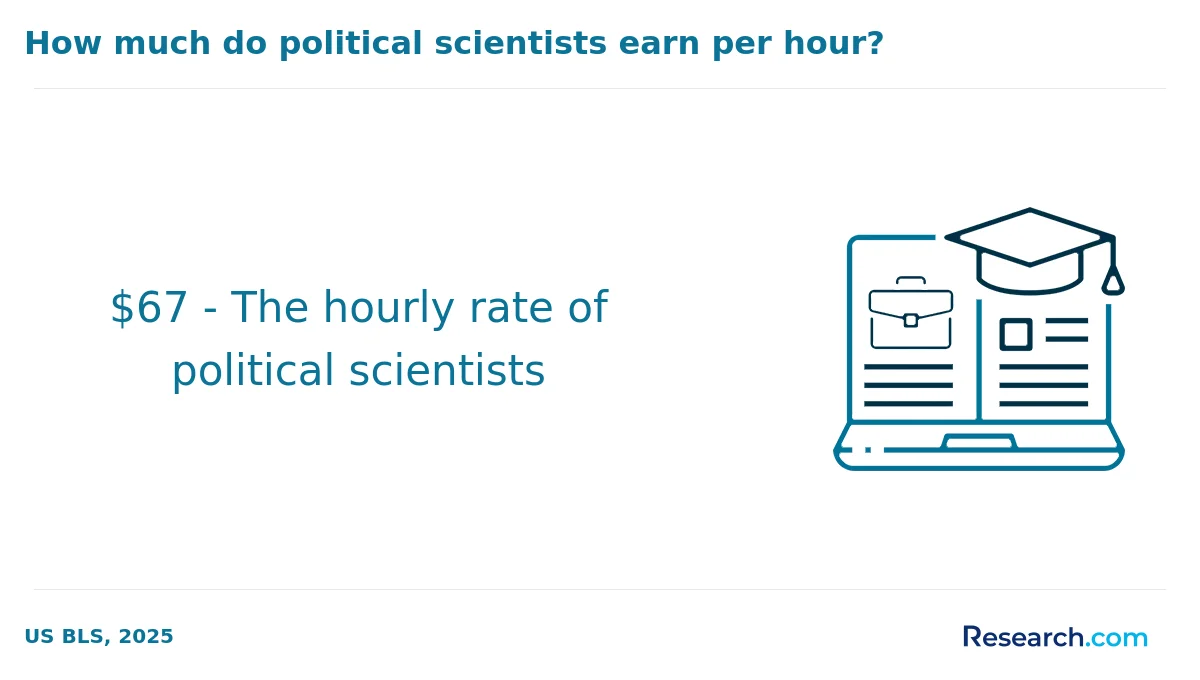
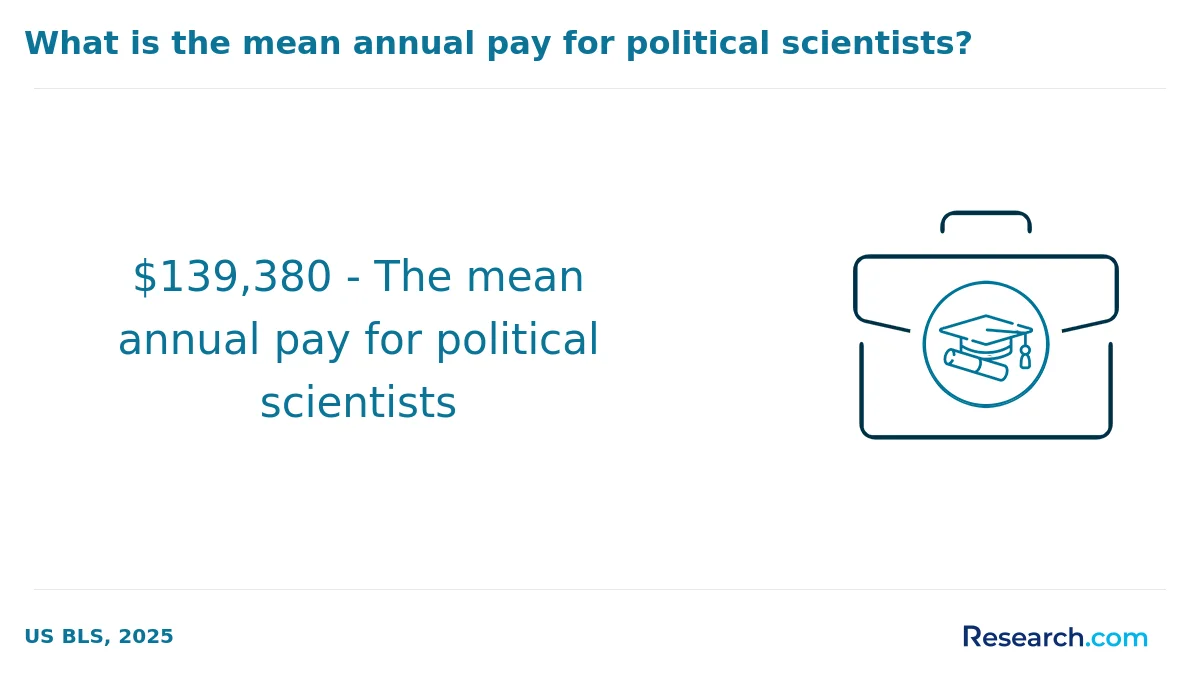
- Graduates can expect starting salaries between $50,000 and $65,000, while the median wage for political scientists nationwide is around $125,000.
- Employment in political science fields in the Northeast is projected to grow about 5% over the next decade, aligning with the national average.
- Programs highlight skills like critical thinking, data analysis, and communication, and often provide internships or networking to support job placement.
Completing an online political science degree in the Northeast typically demands around four years of full-time study, but this timeline is far from rigid. Graduates from prominent institutions in New York and Massachusetts share how their paths varied-some embracing part-time schedules stretched over six years, balancing work and family, feeling proud of every hard-won credit. Others opted for accelerated tracks, finishing in about three years by taking heavier loads and summer courses, driven by the thrill of graduating early and entering the field faster.
Such flexibility reflects the region's commitment to accommodating diverse lives and ambitions. For instance, students from well-known Northeastern public universities often appreciate asynchronous classes allowing them to study late nights or weekends while managing jobs. Yet, subtle factors like occasional on-campus residencies or the need for proctored exams can extend timelines unexpectedly, reminding learners that education is both a journey and a personal challenge.
These varied experiences highlight that completion time depends less on rigid calendars and more on each learner's unique circumstances and motivation.
Graduates from Northeastern universities often recall the stark contrast between their online and on-campus political science experiences. Those enrolled online appreciated the freedom to balance coursework with busy lives, attending lectures from Boston apartments or cafés while maintaining jobs or internships. This flexibility in programs offered by schools like Syracuse or Penn State's World Campus allows students to engage deeply without relocating, sparking pride in mastering self-discipline and independent study.
Conversely, on-campus students at institutions such as Harvard or Yale describe the electric atmosphere of lively campus debates, spontaneous conversations in libraries, and political club meetings that felt like the heartbeat of their education. This face-to-face immersion fostered networking opportunities and a sense of belonging that online platforms strive to emulate but rarely replicate fully.
Both paths cover identical core topics, ensuring that an online student studying American government or international relations is just as prepared as a peer attending in-person classes. Yet, those traditional hallways can shape soft skills-communication, collaboration-through daily interaction, an intangible asset for many political science careers in the Northeast's vibrant political landscape.
The average cost of an online political science degree in the Northeast generally centers around $42,420, with out-of-state students typically paying about $45,000 for the entire program. This figure invites a closer look beyond surface assumptions, especially for those considering affordable online political science bachelor's programs northeast. For many students attending well-known institutions like SUNY or Rutgers, the investment feels tangible yet attainable-graduates often recount balancing tuition expenses with savings from not commuting or relocating.
Public universities offer a more cost-effective pathway, with many students benefiting from in-state tuition and occasional waived out-of-state fees. The total costs, however, extend beyond just tuition, as textbooks and materials add another approximate $1,000 annually. Those enrolled in private Northeast schools may encounter tuition that pushes upward of $50,000 per year, but often receive meaningful financial aid, making the experience more personal and rewarding, a theme echoed by recent graduates with genuine enthusiasm.
Understanding these costs is crucial, especially when you align them with the practical realities and long-term goals of pursuing a political science degree online. If you are interested in exploring detailed requirements and pathways, consider reviewing the political science major requirements to better anticipate your academic and financial journey.
Many students pursuing online political science degrees in the Northeast quickly learn that financial aid is far from a simple, one-size-fits-all solution. Federal aid, accessed through FAFSA, often serves as a lifeline; Pell Grants can cover a significant portion of tuition, relieving stress for students balancing coursework and part-time jobs. Graduates from well-regarded programs at universities like Boston University or Syracuse University often recall how Pell Grants and Direct Loans provided stability amidst uncertainty.
State-specific aid adds another layer of support. For example, New York's TAP program can contribute up to $6,500 annually, a game changer for online learners enrolled in SUNY schools. Massachusetts and Pennsylvania offer similar grants, demonstrating how location-specific programs shape a student's financial experience.
Institutional scholarships from these colleges often reward merit or engagement, creating opportunities for motivated students to reduce costs further. Some graduates describe how these awards validated their hard work in political science fields, fueling their academic passion.
Moreover, scholarships from political science associations lend a unique, motivating boost, reinforcing the value of community and professional involvement.
Work-study and employer assistance programs round out the financial toolkit, proving that creativity and determination can turn complex financial landscapes into manageable journeys.
Enrolling in an online political science program in the Northeast often begins with simply having a high school diploma or equivalent, but this baseline is just the start. Graduates from well-known institutions in the region frequently reflect on the importance of a strong academic foundation in history, social studies, and English-subjects that sharpen critical thinking and writing skills essential for political science. While some imagine standardized tests like the SAT or ACT are mandatory, many Northeast schools now embrace test-optional policies, recognizing diverse strengths beyond exam scores.
Applicants often find themselves preparing personal statements and gathering letters of recommendation; these documents reveal genuine passion and perspective, attributes that resonate profoundly with admissions committees. Transfer students, who bring real-life college experience, must demonstrate completed credits-usually 24 to 30-and maintain a modest GPA near 2.0, proving both commitment and readiness.
Reliable internet and tech fluency are non-negotiable, as online learners recall navigating engaging virtual discussions and assignments hosted by their universities. This blend of academic rigor and accessible technology creates an empowering environment that many online political science students recall as transformative and inspiring.
Online political science degrees in the Northeast challenge students to go beyond memorizing facts by immersing them in courses like American Government and Politics, where graduates recall passionate debates about voter rights framed by the unique political history of states like Massachusetts or New York. These programs don't just teach theory; they invite you to analyze real-world scenarios, such as how local policies in Boston or Philadelphia shape citizen engagement.
Graduates often highlight the intensity of Comparative Politics and International Relations, where they drew parallels between U.S. governance and global systems, understanding diplomacy through case studies involving Northeastern international hubs.
Research Methods and Statistics prove pivotal, equipping students with tools to decode political data-from polling trends in Connecticut to budget analyses in New Jersey-preparing them for decision-making roles that demand precision.
Experiences in Constitutional Law courses resonate deeply, as students wrestle with judicial interpretations impacting regional civil rights cases, making their learning personal and urgent.
Online political science specializations Northeast students choose often challenge the conventional notion that political science is a one-size-fits-all field. Graduates from popular colleges in the region describe how focusing on International Relations or Public Policy and Administration gave them a real sense of engagement with pressing global and local issues. Imagine analyzing the impact of New York City's role in diplomacy or exploring how Boston's government policies affect urban development - such practical connections deepen students' enthusiasm and make their studies feel truly relevant.
Many political science degree focus areas Northeast programs offer stand out by blending theory with lived experiences. For instance, Political Theory students at Northeastern institutions often reflect on how contemporary ideologies shape real-world political debate in state legislatures or community activism. Others find the Law and Politics track especially rewarding, as it links constitutional law with courts that shape the political landscape right in their backyard.
These nuanced specializations, reflecting the region's unique political environment, empower grads to envision their futures vividly and confidently. For those eager to explore careers beyond standard paths, understanding the full range of possibilities is key - and resources like masters in political science careers provide insightful guidance.
Choosing an online political science degree in the Northeast goes beyond just comparing tuition costs or flashy program descriptions. Graduates from well-regarded universities like those in New York and Massachusetts often highlight how accreditation impacts credit transferability-especially when career paths or further study beckon. Many success stories revolve around programs that prioritize flexible schedules and robust student support, enabling working professionals to thrive without sacrificing their personal lives. If you seek affordable online political science degrees Northeast, look closely at how schools blend comprehensive curricula with practical opportunities reflecting real-world government and policy work.
In these programs, faculty experience matters deeply; instructors who actively research or consult in political arenas provide invaluable insights. Alumni reflections often emphasize how this connection made complex topics resonate, fueling enduring motivation. Beyond academics, it's wise to evaluate graduation rates and post-degree employment in politics or nonprofits for a true measure of a program's impact. To explore what awaits, consider what can you do with political science degree and how it aligns with your ambitions in this dynamic region.
Graduates with an online political science degree in the Northeast often discover career opportunities that transcend traditional expectations. Many find themselves thriving in government roles across bustling cities like Boston or New York, where their analytical skills become essential in shaping policy and public affairs. Others move into nonprofit sectors, fueled by a passion to impact social change, working for organizations that advocate human rights or community development. These paths reflect the region's rich landscape of opportunity, where proximity to key political hubs amplifies professional growth.
Those pursuing jobs for online political science graduates Northeast often cite experiences with prestigious institutions renowned for political science programs. Through virtual internships and networking facilitated by schools in this area, graduates feel more connected and capable of influencing electoral campaigns or research projects. The blend of rigorous coursework and real-world application fosters confidence and adaptability, spotlighting how varied career paths evolve beyond the classroom.
Students navigating the diverse options for political science degrees online in the Northeast appreciate the region's balance of historic political roots and innovative thinking, providing a launchpad for fulfilling, impactful careers.
The job market for graduates with online political science degrees in the Northeast is complex yet promising, particularly for those who understand the region's unique advantages. Graduates from institutions renowned in the Northeast often find themselves competing in a landscape rich with government offices, nonprofits, and think tanks, but also crowded with talent. Successful alumni describe balancing the challenge of standing out with the satisfaction of contributing to public policy and social justice initiatives in cities like Boston or Philadelphia. This dynamic illustrates the evolving job outlook for political science graduates in the Northeast, where analytical skills meet real-world impact.
Career opportunities with online political science degree Northeast graduates are strengthened by factors such as networking and internships, often facilitated through partnerships with local political associations. Those who engage deeply with these resources often secure roles in policy research, advocacy, or government analysis despite the competitive environment. With an average starting salary nationally near $48,000, some metropolitan areas offer more due to demand and cost of living, rewarding perseverance and adaptability.
For prospective students mindful of cost, exploring the cheapest online political science degrees can reveal programs that balance affordability with access to influential Northeast networks-proving that economic considerations need not limit one's ambitions.
2027 Most Affordable Online Bachelor's in Political Science Degree Programs Ranking in the Northeast
Investing in your education is a significant decision that can shape your future, and the Research.com team understands the importance of making informed choices. To assist prospective students in the Northeast, we have meticulously crafted the "2027 Most Affordable Online Bachelor's in Political Science Degree Programs Ranking in the Northeast." Our commitment to quality, credibility, and accuracy is reflected in the extensive research and analysis conducted to compile this ranking.
We utilized the following reputable data sources to ensure a comprehensive evaluation of political science programs:
By exploring this ranking, readers will gain valuable insights into affordable and quality online political science degree options, empowering them to make well-informed decisions about their educational investment. For more details on our methodology, please visit our Research.com methodology page.


# 3 position
Thomas Edison State University
Bachelor of Political Science

Frequently Asked Questions About political science
Students pursuing online political science degrees in the Northeast can maximize learning by actively engaging with regional resources. Many universities in this area offer access to extensive digital libraries and local government archives, helping deepen understanding of political systems. Participation in online forums and virtual study groups also enhances collaboration and critical thinking. According to the National Center for Education Statistics, students who interact with peers online report higher satisfaction and retention rates. Additionally, taking advantage of internships or fellowships with nearby political organizations, even remotely, provides practical experience that complements academic knowledge. Time management and regular communication with faculty are essential for success.
The field of political science in the Northeast is evolving with distinct emerging niches. One key area is technology policy, focusing on cybersecurity, data privacy, and the regulation of social media platforms. This reflects growing regional demand for experts skilled in navigating complex digital landscapes.
Another niche gaining traction is environmental politics, especially with states like New York and Massachusetts advancing climate policies. Students can explore the intersection of politics and sustainability, preparing for roles in policy advocacy or government agencies.
Global governance and transnational issues also attract attention, addressing immigration, trade, and international relations within the Northeast's diverse communities. These niches offer pathways aligned with current social and political challenges in the region.
Preparing for the job market after earning an online political science degree in the Northeast involves strategic planning and skill development. Graduates should focus on gaining practical experience through internships or part-time roles in government agencies, nonprofit organizations, or political campaigns. According to the Bureau of Labor Statistics, the political science field is expected to grow by 6% nationwide, with government jobs in Northeast metropolitan areas like Boston and New York City being particularly competitive.
Networking is critical; joining regional political science associations or local chapters of national organizations can connect students to mentors and job leads. Developing strong analytical, communication, and research skills also enhances employability in policy analysis, public administration, and advocacy roles.
Employers in the Northeast highly value political science graduates with strong analytical and critical thinking skills. These abilities are essential for interpreting complex policy issues and data, which form the core of many regional government and nonprofit roles. Communication skills, particularly written and verbal, are often emphasized, as political science professionals must effectively convey ideas to diverse audiences.
Research from the National Association of Colleges and Employers (NACE) highlights that problem-solving and adaptability also rank among the top sought-after skills. Familiarity with regional politics and public administration practices in states like New York, Massachusetts, and Pennsylvania further enhances a candidate's attractiveness.
The ability to navigate digital tools for data analysis and public outreach increasingly benefits graduates, reflecting the growing importance of technology within political careers in the Northeast.
Finding internships in the Northeast related to a political science degree involves a strategic approach focused on regional opportunities. The Northeast hosts numerous government offices, think tanks, and nonprofit organizations ideal for political science students. According to the National Association of Colleges and Employers, approximately 60% of political science majors secure internships through university career centers, which often partner with local employers in states like New York, New Jersey, and Massachusetts.
Students should explore online internship databases such as Handshake and LinkedIn, filtering for Northeast locations. Networking through professors and alumni from online programs can also uncover hidden opportunities. Additionally, contacting local legislative offices directly often yields internship openings not widely advertised.
An online political science degree offers significant career mobility and advancement opportunities for students in the Northeast. Many government agencies, nonprofit organizations, and private sector employers in this region value the analytical, research, and communication skills gained through such programs. According to the Bureau of Labor Statistics, political scientists in the Northeast earn a median annual wage above the national average, reflecting strong demand.
Online degrees also provide flexible access to accredited institutions, enabling working professionals to upskill without relocating. Networking opportunities with alumni and faculty can further enhance career prospects. These factors combined make online political science degrees a strategic choice for career growth in the competitive Northeast job market.
Studying for a political science degree in the Northeast offers students strong interdisciplinary preparation by integrating knowledge from history, economics, sociology, and law. Many programs emphasize critical thinking and data analysis skills, essential for roles that cross traditional academic boundaries. According to the National Center for Education Statistics, Northeast institutions award over 20% of U.S. political science degrees, reflecting a dense academic network. This regional focus helps students access diverse resources and internship opportunities in government, nonprofits, and media. Online degree formats in the Northeast often include collaboration with other departments, enhancing adaptability for careers in public policy, international relations, and social research.
Choosing between a thesis and a non-thesis political science degree program in the Northeast depends on your career goals and learning preferences. Thesis programs emphasize original research and writing, preparing students for graduate studies or research-intensive roles. Non-thesis tracks focus more on coursework and practical skills, suitable for those seeking direct entry into policy, government, or nonprofit work. According to the National Center for Education Statistics, over 60% of political science programs in the Northeast offer both options, allowing flexibility. Online programs at universities such as UMass Amherst and SUNY Albany provide detailed guidance to help students decide based on their professional aspirations.
Students based in the Northeast seeking to study political science abroad while enrolled in online degree programs have several options through US universities with strong international partnerships. Many Northeast institutions, such as SUNY Albany and Rutgers University, offer online political science degrees with opportunities to participate in study-abroad programs or virtual exchanges.
These collaborations enable students to engage with global political systems without leaving the region. According to the Institute of International Education, roughly 15% of Northeastern political science students pursue international study experiences linked to their online programs.
Such options provide valuable cross-cultural insights and enhance global perspectives, essential for careers in diplomacy or international policy.
Part-time jobs in the Northeast can effectively complement online political science degrees by providing relevant experience and networking opportunities. Many students find positions as legislative aides or research assistants with local government offices, helping them understand policy-making firsthand. According to the U.S. Bureau of Labor Statistics, government employment in Northeastern states accounts for over 15% of total jobs, presenting strong opportunities in public administration.
Internships at nonprofits and think tanks, especially in cities like Boston and New York, are common part-time roles. These positions allow students to engage with political campaigns, public relations, and data analysis. Additionally, working as a community outreach coordinator offers practical skills that align well with political science curricula, enhancing both academic understanding and career readiness.
Online political science students in the Northeast benefit from various networking opportunities despite remote learning. Many universities in this region offer virtual events, guest lectures, and alumni meetups that facilitate connections with faculty and peers. For example, schools often partner with local political organizations and government institutions in cities like Boston, New York, and Philadelphia, creating internship pipelines and networking platforms.
Additionally, students can join regional chapters of national political science associations, such as the American Political Science Association (APSA), which hosts conferences and workshops accessible online. According to APSA data, Northeastern members account for a significant portion of participants, enhancing regional networking.
Alumni networks offer valuable support for online political science degree students in the Northeast. These networks connect current students with graduates who have experience in government, policy analysis, and law-fields common in the region. According to the National Association of Colleges and Employers, 80% of jobs are obtained through networking, highlighting the importance of these connections.
Many Northeast universities maintain active online alumni platforms that enable remote engagement for distance learners. This access provides mentorship opportunities and career advice specific to state and local political landscapes.
Additionally, members often share job openings and internships tailored to political science roles in nearby government agencies and nonprofits, enhancing practical learning and employment prospects.
Customizing an online political science degree in the Northeast allows students to align their studies with specific career goals. Many Northeastern universities offer flexible curricula with electives ranging from public policy and international relations to political theory. This flexibility helps tailor the program to areas such as government work, law, or nonprofit management.
Students can often choose concentration tracks or minors that complement their political science major. For example, pairing political science with data analytics or communications boosts job market competitiveness. According to the National Center for Education Statistics, about 60% of degree programs in the region provide such options.
Internships and practicum experiences are also available online or through local partnerships, offering practical skills relevant to career paths.
Online political science students in the Northeast often face challenges related to balancing rigorous coursework with personal and professional responsibilities. Many programs demand strong time-management skills, as classes may include heavy reading, research, and writing assignments.
Connectivity issues can affect students in rural parts of the region, limiting access to live lectures and group discussions. According to the National Center for Education Statistics (NCES), about 15% of households in some Northeastern states still experience limited broadband access, impacting online learning quality.
Additionally, students sometimes report feeling isolated due to less face-to-face interaction compared to traditional settings, which can hinder networking opportunities crucial for political science careers.
Graduates with an online political science degree in the Northeast can pursue several relevant professional certifications to enhance their career prospects. Common certifications include the Certified Public Manager (CPM) credential, which is valued in government agencies and nonprofit sectors. Additionally, certificates in public policy analysis and project management, such as the Project Management Professional (PMP), are popular choices.
Some institutions in the Northeast offer specialized certificates in legislative affairs or public administration that complement political science degrees. According to the National Association of Schools of Public Affairs and Administration (NASPAA), nearly 30% of political science graduates pursue these credentials to improve job competitiveness in regional markets.
When applying for an online political science program in the Northeast, start by highlighting your academic background and relevant experiences clearly. Admissions committees look for strong critical thinking and writing skills, so emphasize any coursework, internships, or work in government, policy, or related fields. According to the National Center for Education Statistics, Northeastern schools often value well-rounded applicants with clear motivations for studying political science.
Include a personalized statement explaining why you want to study online and how the program fits your career goals. Mention any knowledge of regional politics or policy issues common in states like New York or Massachusetts, as this shows your engagement with the area.
Lastly, carefully follow each program's application instructions, including transcripts and recommendations, to avoid technical rejections. Universities in the Northeast typically receive high applicant volumes, so attention to detail can set you apart.
The global perspective on political science careers highlights the field's increasing importance in addressing worldwide challenges. Political science graduates from the Northeast benefit from the region's strong academic reputation and access to international organizations in cities like New York and Washington, D.C.
According to the Bureau of Labor Statistics, political scientists in the United States earn a median annual wage of about $125,350, with demand expected to grow by 6% through 2030. Many Northeastern online programs emphasize global politics, preparing students for roles in diplomacy, international law, and global public policy.
Furthermore, the Northeast's political hubs offer numerous internship opportunities that foster global understanding and career advancement. This regional advantage equips graduates with skills relevant to both domestic and international careers.
Gaining practical experience while studying for an online political science degree in the Northeast involves several approaches. Many programs encourage internships with local government offices, nonprofits, or political campaigns, which provide hands-on experience relevant to political science careers. According to the National Association of Colleges and Employers, 60% of students who completed internships found employment within six months of graduation.
Students can also participate in virtual simulations and research projects offered by their schools to develop analytical and policy skills. Additionally, joining regional political science associations or attending conferences held in Northeast cities like Boston or Philadelphia offers networking and professional development opportunities.
Choosing the right concentration within an online political science degree program in the Northeast starts with understanding your career goals and interests. Popular concentrations include international relations, public policy, political theory, and American government. According to the National Center for Education Statistics, programs in this region often emphasize practical skills aligned with government and nonprofit jobs.
Consider the Northeast's strong political landscape, including proximity to federal agencies and think tanks, which may influence concentration offerings.
Additionally, review the curriculum to ensure courses cover relevant topics, such as regional politics or legislative processes, which can enhance your expertise for local job markets. Exploring faculty expertise and alumni outcomes can also guide your choice.
- Student Research Committees and Chair Elections https://iapss.org/
- How to write application to hod, allow to opt political science in their department - Brainly.in https://brainly.in/question/25826277
- Student-Faculty Conferences and Networks https://www.ceu.edu/departments/doctoral-school-political-science/student-faculty-conferences-and-networks
- Call for Contributors - Trends in International Political Science https://www.ipsa.org/na/call-for-papers/call-contributors-trends-international-political-science
- Directory of Partner Organizations https://www.isanet.org/ISA/Partners
- Political Science https://wne.edu/academics/undergraduate/political-science.cfm
- 2025 Best Online Political Science Degrees https://www.onlineu.com/degrees/political-science
- What is it Like? https://www.whitworth.edu/cms/academics/what-is-it-like/political-science/
- 2025's Best Online Master’s Programs in Political Science https://www.onlinemastersdegrees.org/best-programs/political-science/
- 10 reasons why to study political science https://studyfans.com/en/blogs/293