2027 Fastest Online Bachelor's in Marketing Degree Programs Ranking in the Midwest

Co-Founder and Chief Data Scientist
Choosing the right online bachelor's degree in marketing can shape your future career in exciting ways. For students in the Midwest, finding a program that balances speed, quality, and flexibility is essential.
This article introduces the 2027 Fastest Online Bachelor's in Marketing Degree Programs Ranking in the Midwest, developed by the Research.com team of data scientists. It's designed to help you make an informed choice about which programs truly stand out.
Reading this can guide you toward opportunities that align with your goals and unlock your potential in the dynamic field of marketing.
Key benefits of getting online marketing degree in the Midwest
- Marketing degree graduates in the Midwest can expect strong salaries, with roles like Public Relations Specialists earning around $159,420 annually and Digital Marketing Specialists making approximately $83,190 per year.
- Career paths for marketing graduates from Midwest universities often include dynamic positions such as Sales Associates, Media Planners, and Marketing Assistants, offering diverse opportunities to grow and succeed in various industries.
- Completing a marketing degree online from a well-known Midwest school offers flexible scheduling and practical skills, allowing students to balance work and study while gaining the confidence needed to excel in the fast-paced marketing world.
- 2027 Fastest Online Bachelor's in Marketing Degree Programs Ranking in the Midwest
- What can I expect from online marketing degree in the Midwest?
- Where can I work with online marketing degree in the Midwest?
What can I expect from online marketing degree in the Midwest?
The average annual tuition for online marketing degrees in the Midwest typically ranges from $8,000 to $10,000 at public universities in states such as Ohio and Michigan. This cost-effective pricing makes these programs particularly appealing to regional students seeking quality education without excessive financial burden. For example, graduates from Southern Illinois University and Ball State University often cite affordable tuition as a key factor in their decision to enroll.
Many students balance coursework with personal and professional commitments, finding the flexible online format ideal for managing expenses alongside work. These programs often include partnerships with local businesses, providing internships that enhance value beyond tuition costs. Graduates reflect positively on gaining real-world experience through collaborations in places like Chicago's marketing sector, cementing skills relevant to the rapidly evolving Midwest job market.
This financial accessibility, combined with accredited curricula, enables students to pursue roles such as digital marketing specialists or brand managers while maintaining manageable education expenses.
Where can I work with online marketing degree in the Midwest?
Graduates from online marketing programs at Midwest institutions such as the University of Illinois Urbana-Champaign and Michigan State University find numerous career paths across retail, healthcare, technology, and finance sectors. With over 150,000 marketing specialists employed regionally, these professionals thrive in digital marketing agencies based in Chicago and Minneapolis, managing SEO, social media, and online campaigns.
Many alumni confidently transition to roles within major corporations like General Motors and UnitedHealth Group, leveraging skills in data analytics and consumer behavior honed during their studies. This practical expertise opens doors to leading branding and market research teams.
Nonprofit organizations also engage marketing graduates, providing opportunities to craft impactful fundraising campaigns, as witnessed by students connecting with cultural institutions in Cleveland.
Furthermore, with e-commerce marketing jobs growing 12% over five years, graduates often report excitement about dynamic roles in online customer engagement. Those seeking public sector careers can find fulfillment working with state agencies promoting economic development and tourism throughout the Midwest.
Graduates with an online marketing degree from renowned Midwest institutions often find meaningful salary opportunities in roles such as Digital Marketing Specialist, Marketing Assistant, and related positions. According to the U.S. Bureau of Labor Statistics, Digital Marketing Specialists earn a mean annual wage of approximately $83,190, providing a solid financial foundation for those entering the field. Similarly, Marketing Assistants typically make around $83,190 annually, reflecting competitive compensation for entry-level graduates gaining practical experience.
Many graduates from respected colleges in the Midwest, such as those attending universities with strong business programs, report feeling encouraged by salaries that support early career growth. Marketing roles like Media Planner also offer median earnings near $83,190 annually, highlighting consistent demand for skilled marketers across various sectors.
These salary figures demonstrate tangible returns on investing in an online marketing degree in the Midwest, where regional economic factors blend with evolving industry needs to foster rewarding career paths. Graduates frequently share positive stories about securing positions that balance creative passion and analytical challenges while earning competitive wages in cities like Chicago and Minneapolis.
- The total cost for an online bachelor's degree in marketing from a public university in the Midwest ranges from $20,000 to $35,000, while private schools charge between $35,000 and $60,000.
- Starting salaries for marketing graduates in the Midwest are about $50,000 to $55,000 per year, reflecting the region's lower cost of living.
- Experienced marketing professionals in the Midwest can earn between $75,000 and $90,000 annually in managerial roles.
- Employment for marketing specialists and managers in the Midwest is expected to grow by around 10% over the next decade, matching national growth rates.
- Major Midwestern cities like Chicago, Minneapolis, and Indianapolis have strong job markets, especially in manufacturing, healthcare, and finance sectors.
- Online marketing programs often focus on digital marketing, analytics, and content creation, helping students develop practical skills for today's job market.
Completing an online marketing degree in the Midwest typically takes about four years when enrolled full-time in a traditional bachelor's program. This timeframe aligns with the standard duration found at institutions like the University of Illinois Springfield or Indiana State University, where graduates report balancing studies with work commitments within this period.
Accelerated programs offered by some Midwest universities can reduce this completion time to two to three years, allowing motivated students to graduate faster by taking heavier course loads or utilizing year-round semesters. Graduates from such programs often describe a rewarding yet intensive experience, appreciating the ability to enter the workforce sooner.
Factors such as entering with prior college credits or an associate degree, pacing preference, and whether a student studies full-time or part-time influence length. For example, students at Kansas State University have leveraged credit transfers to shorten their path while maintaining a positive, manageable workload.
According to NCES data, the national average time to earn a marketing bachelor's degree is 51 months, roughly four and a quarter years, which is consistent with Midwest norms. The flexibility of fully online programs at regional institutions facilitates balancing personal and professional responsibilities, positively affecting student satisfaction and timely completion.
Online marketing degrees in the Midwest, such as those offered by the University of Illinois and Ohio State University, provide flexible asynchronous courses that accommodate working professionals and parents. Graduates fondly recall accessing lectures late at night after work, appreciating the ability to balance study and life without commuting. In contrast, on-campus students at schools like the University of Michigan experience set schedules and face-to-face interaction, fostering strong local networks and hands-on opportunities like internships with nearby businesses.
Cost differences can be significant. On-campus tuition at Midwest public universities averages between $9,000 and $13,000 annually for in-state students, but online learners save 10-20% on housing, transport, and campus fees, which former online students often highlight as a major financial relief. Though online students might miss some in-person mentorship, universities in Illinois and Ohio increasingly enhance virtual career services and networking events to bridge this gap.
Ultimately, the choice reflects a trade-off between the convenience and broader geographic reach of online programs and the immersive, community-driven experience of traditional campus life.
As the digital landscape continually evolves, online marketing degree programs in the Midwest are adapting to equip graduates with forward-thinking skills that meet industry demands. Today’s curriculum is increasingly incorporating courses on artificial intelligence in marketing, data-driven decision-making, and marketing automation-all critical for success in a rapidly changing field. Students learn to harness emerging tools and platforms, positioning themselves at the forefront of innovations like influencer marketing, virtual reality experiences, and personalized consumer engagement. These advancements not only heighten creative possibilities but also open new career trajectories across industries. For instance, graduates are now uniquely qualified to lead digital transformation initiatives within companies, ensuring that they remain competitive in a tech-centric market. Those seeking further insights on program quality and reputation can explore rankings from the most popular marketing school listings, which are frequently updated to reflect current trends. By understanding these forward-looking strategies, prospective students can make informed decisions that align their educational investments with future market opportunities.
The average cost of an online marketing degree in the Midwest is influenced by several factors, including residency status and the type of institution. Based on the latest data, the median total cost for students pursuing a bachelor's degree in marketing online in this region is approximately $51,820. Those who qualify as in-state students typically benefit from reduced tuition, with median costs around $47,685, while out-of-state learners face higher expenses, averaging $55,794. This variation reflects the common trend among Midwest public universities, which tend to be more affordable for residents.
Graduates from well-known Midwest institutions often share that while the investment is considerable, flexible online programs and financial aid opportunities made the commitment manageable and rewarding. Many found that the combination of affordable in-state tuition rates and scholarships significantly lowered their financial burden, making the degree more accessible.
When evaluating options, prospective students focused on the Midwest online bachelor's marketing degree tuition should consider the full picture, including fees for technology and course materials which can add to overall costs but are typically minor compared to tuition. It is worth noting that graduates frequently highlight that attending a school recognized among the most popular marketing school in the region helped them gain valuable skills and connections worth the investment.
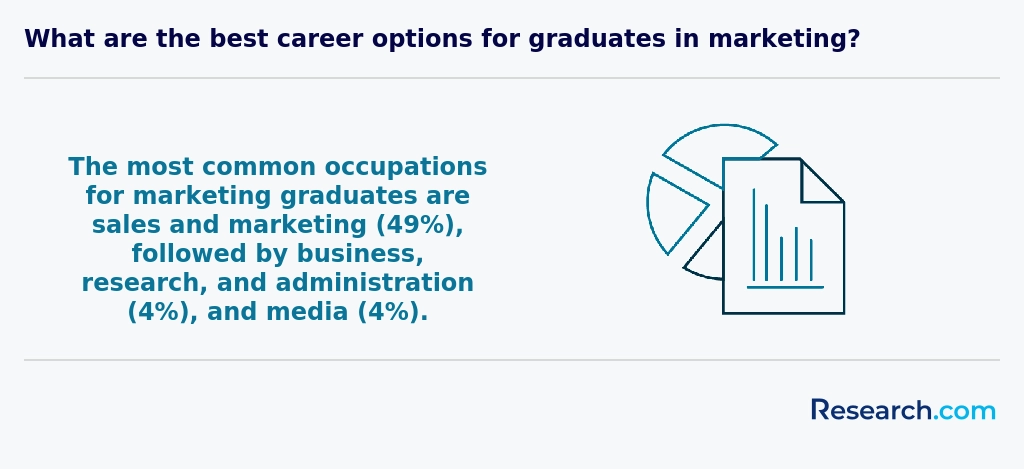
Online marketing degree programs in the Midwest recognize that real-world experience is essential for student success. Most accredited programs integrate supervised internships or practicums into their curriculum, connecting students with regional agencies, nonprofits, and corporate marketing departments. These experiential components help graduates build robust portfolios by working on campaigns, conducting market research, and developing digital advertising strategies under the guidance of industry mentors. To support remote learners, many universities offer virtual internship platforms that match students with vetted marketing partners, ensuring flexibility and relevance. For example, some programs host quarterly “Industry Immersion Weeks” where students collaborate on live client projects, receive feedback from seasoned professionals, and present their work in virtual pitch sessions. This hands-on approach not only strengthens technical skills-such as SEO analytics and social media campaign management-but also fosters soft skills like teamwork, communication, and adaptability. Beyond internships, students can enhance their network through career fairs, alumni panels, and student-run marketing clubs. Prospective enrollees seeking budget-friendly options without sacrificing experiential learning may also explore the Low Cost Marketing Degree Programs Ranking in Saint Louis, MO, which highlights institutions with strong internship placement rates and affordable tuition. By deliberately choosing programs with robust experiential learning pathways, students position themselves for immediate impact in entry-level marketing roles upon graduation.
Students pursuing online marketing degrees in the Midwest benefit from several financial aid options that make education more affordable. Federal Pell Grants offer up to $7,395 annually for eligible students, which many have used to offset costs at institutions like the University of Illinois Urbana-Champaign and Ohio State University. Completing the FAFSA is crucial to access these funds. Additionally, state-specific scholarships such as Illinois' MAP grant and Ohio's Choose Ohio First Scholarship provide targeted support for residents attending in-state or online programs.
Merit-based scholarships awarded by universities also play a vital role. Graduates from Michigan State University often recall how their strong GPAs unlocked institutional scholarships, easing their financial burden. For working professionals enrolled in flexible online marketing degrees, employer tuition reimbursement programs are a common and effective resource, enabling students to invest in their careers without financial strain.
- Federal Pell Grants up to $7,395 annually for eligible students
- State scholarships such as Illinois MAP and Ohio's Choose Ohio First
- Merit-based university scholarships for strong academic performance
- Employer tuition reimbursement programs often covering marketing degrees
Embarking on an online marketing degree in the Midwest requires a proactive approach to learning, time management, and real-world application. Follow these strategies to maximize your success: 1. Establish a Consistent Study Routine • Block dedicated study times each week in your calendar. • Use productivity tools like Trello or Asana to track assignments, project deadlines, and group work milestones. • Break larger tasks into smaller goals-completing 30-minute modules can boost momentum and prevent burnout. 2. Actively Engage with Faculty and Peers • Participate in discussion boards and virtual office hours to deepen understanding of core topics such as SEO, content marketing, and analytics. • Form study groups via video conferencing platforms. Collaborating on case studies and peer reviews enhances critical thinking and reinforces concepts. 3. Build a Portfolio with Real-World Projects • Seek out internship opportunities or volunteer for local nonprofits to apply classroom learning to actual campaigns. • Leverage capstone projects to showcase campaign planning, execution, and performance analysis. • Prioritize projects aligned with high-growth roles-review which marketing careers pay the most to tailor your portfolio toward lucrative specialties. 4. Leverage Campus Resources and Career Services • Attend virtual webinars, alumni panels, and networking events to connect with hiring managers and marketing professionals. • Utilize resume-building workshops, mock interviews, and job boards offered by your institution’s career center to prepare for post-graduation opportunities. 5. Stay Current on Industry Trends • Subscribe to leading marketing blogs, podcasts, and newsletters covering topics like AI-driven advertising, personalization, and data privacy. • Enroll in short courses on emerging tools (e.g., Google Analytics, HubSpot, Tableau) to expand your technical skill set and remain competitive. By implementing these best practices-balancing coursework with practical experience, fostering connections, and continuously upskilling-you’ll not only excel in your online marketing degree but also position yourself for a dynamic and rewarding career.
Enrolling in an online marketing degree program in the Midwest generally requires applicants to have a high school diploma or equivalent, such as a GED, as a foundational criterion. For example, graduates from well-regarded institutions like the University of Illinois Urbana-Champaign often highlight that submitting official transcripts verifying their secondary education was an initial step in their admission process.
While standardized tests like the SAT or ACT were previously mandatory, more than 60% of Midwestern colleges now adopt test-optional policies to widen access and promote diversity, according to recent data from the National Center for Education Statistics. This shift has been appreciated by many students who found it reduced upfront stress and allowed them to focus on other application components.
Supplementary materials, such as letters of recommendation or personal statements, frequently strengthen applications by showcasing motivation and communication skills. Transfer applicants must provide official transcripts from previous colleges to facilitate credit evaluations, a common practice that helps reduce degree completion time and overall costs. Many Midwestern students note that this credit transfer opportunity was pivotal in managing their educational expenses.
Alongside academic prerequisites, basic computer literacy and reliable internet access are indispensable due to the entirely online format of coursework. Some programs at popular colleges like Michigan State University encourage introductory business or communications courses to ensure students stay on track academically and confidently engage with core marketing subjects.

Online marketing degree programs in the Midwest commonly feature courses such as Principles of Marketing and Consumer Behavior, which graduates frequently cite as foundational to their career success. These classes break down market segmentation and decision-making, preparing students to analyze real-world customer patterns effectively.
Midwestern students also engage deeply with digital marketing subjects including SEO, SEM, social media strategies, and email marketing. Programs at universities popular in Illinois and Ohio are especially noted for integrating data analysis and marketing research courses, equipping learners to measure campaign ROI and interpret consumer data-a skill set highly valued by Midwest employers focusing on tech-driven growth.
Many graduates from regional colleges highlight sales management and branding courses as pivotal, helping them craft compelling campaigns and lead marketing teams confidently. Hands-on capstone projects linked to industries like manufacturing and agriculture further enhance practical skills, making graduates feel ready to impact local businesses quickly.
Online marketing degree specializations Midwest programs typically include Digital Marketing, Marketing Analytics, Social Media Marketing, Content Marketing, Consumer Behavior, and Brand Management. These concentrations enable students to hone skills relevant to today's digital economy, particularly with practical applications influenced by regional trends. Graduates from well-known Midwest colleges often share how Digital Marketing courses involved partnerships with local businesses in Illinois or Ohio, offering hands-on experience with SEO and email campaigns.
Marketing Analytics is another key specialization, aligned with a 10% projected job growth for market research analysts per Bureau of Labor Statistics data. Students appreciate understanding data-driven strategies and metrics that directly improve campaign outcomes. Social Media Marketing and Content Marketing provide creative yet strategic skill sets, equipping learners to drive brand engagement through storytelling and platform management.
Prospective students considering Midwest marketing degree concentration options benefit from programs combining theory with internships, making the learning process tangible and career-focused. Many find this approach boosts confidence and readiness for roles that which marketing careers pay the most. These specializations collectively prepare students to meet demands in both local and broader markets.
Choosing the best online marketing degree Midwest involves assessing accreditation and cost first. Regional accreditation from bodies like the Higher Learning Commission ensures program quality and credit transferability, a crucial factor for working professionals balancing study and career. Graduates from popular Midwest universities often report reassurance in knowing their degree is recognized by employers and transferable for further education. Cost considerations are key; public institutions typically offer annual in-state tuition around $10,000, whereas private colleges may exceed $20,000. Many students find value in seeking affordable online marketing programs Midwest, prioritizing those offered by state universities to maximize return on investment. For instance, graduates from these programs commonly share positive experiences regarding flexible schedules that accommodate full-time work.
Program curriculum is another decisive factor. Degrees that blend digital marketing, data analytics, and consumer behavior reflect current industry demands. Students graduating from Midwest colleges frequently highlight the benefit of real-world applied courses and knowledgeable faculty with marketing expertise. Support services such as career counseling and internships aligned with thriving Midwest markets-like Chicago and Minneapolis-open doors to employment. For more detailed cost and quality comparisons, prospective students can explore the Low Cost Marketing Degree Programs Ranking in Saint Louis, MO.
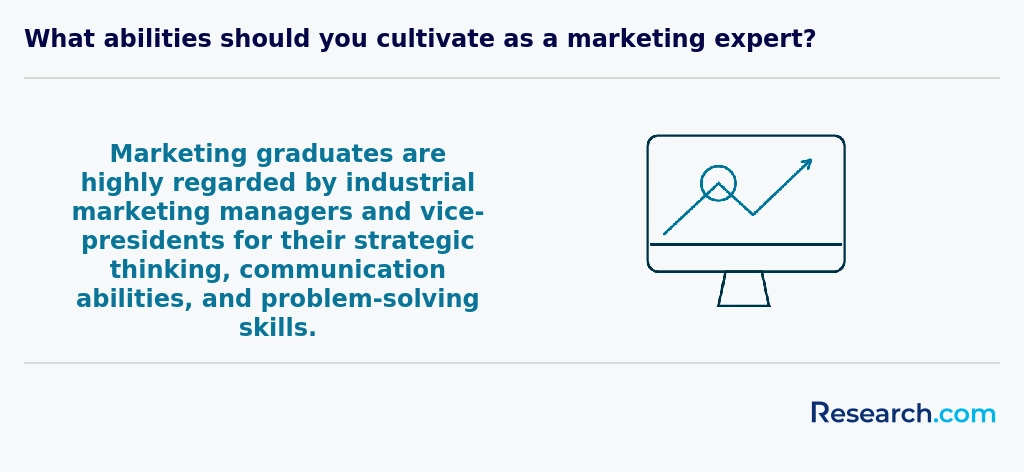
Graduates with an online marketing degree in the Midwest can pursue varied career paths reflecting the region's diverse economy. Common roles include digital marketing specialists, brand managers, market research analysts, and advertising coordinators. Institutions like the University of Illinois and Michigan State University report that their marketing graduates increasingly excel in digital-focused roles that emphasize SEO, social media strategy, and data analytics. This aligns with the growing demand, as 61% of Midwest businesses have increased their online advertising budgets recently, highlighting strong career opportunities with Midwest online marketing degree credentials.
Other graduates find success in public relations and content creation, where they craft messaging to build brand loyalty for companies such as General Motors and Procter & Gamble. Alumni from well-known Midwestern colleges often describe these roles as creatively fulfilling while deeply analytical, providing both challenge and growth. Many students also benefit from accelerated learning options, like those detailed in the fastest associate degree programs, enabling quicker entry into the workforce with practical skills tailored to regional market needs.
The job market for online marketing degree jobs in the Midwest remains strong, supported by a mix of established industries and expanding digital sectors. Graduates from well-known public universities in states like Illinois and Ohio often find opportunities in metropolitan areas such as Chicago, where demand for skills in digital analytics, CRM software, and SEO continues to rise. Many marketing students report positive experiences securing internships that lead to roles in healthcare, manufacturing, and financial services firms, reflecting the region's economic diversity.
Midwest marketing career opportunities also benefit from a relatively affordable cost of living alongside competitive salaries, with marketing manager wages ranging from about $85,000 to $110,000 annually. Remote work options further improve job access for graduates across the region. Students pursuing online marketing degrees appreciate programs that emphasize real-world digital marketing experience, making them attractive candidates for employers eager to expand their online customer engagement strategies.
For prospective students, exploring pathways like cheap one year master's programs online can be a practical way to enhance skills and enter this dynamic market efficiently.
2027 Fastest Online Bachelor's in Marketing Degree Programs Ranking in the Midwest
Investing in your education is a significant decision that can shape your future, and the Research.com team understands the importance of making informed choices. To assist prospective students in the Midwest, we have meticulously crafted the "2027 Fastest Online Bachelor's in Marketing Degree Programs Ranking in the Midwest." Our commitment to quality, credibility, and accuracy is reflected in the extensive research and analysis conducted to compile this ranking.
We utilized the following reputable data sources to ensure a comprehensive evaluation of marketing programs:
By exploring this ranking, readers will gain valuable insights into the fastest online marketing degree options in the Midwest, empowering them to make efficient and well-informed educational decisions. For more details on our methodology, please visit our Research.com methodology page.




Frequently Asked Questions About marketing
Online marketing degree students in the Midwest can maximize their learning by actively engaging with local business communities. The Midwest hosts diverse industries, from manufacturing to tech, creating opportunities for real-world application of marketing strategies. Students should seek virtual internships and networking events to build professional connections early.
Utilizing resources from regional marketing associations, such as the American Marketing Association's Midwest chapters, enhances understanding of current trends. According to the U.S. Bureau of Labor Statistics, marketing jobs in Midwest metro areas like Chicago and Minneapolis are projected to grow faster than the national average, highlighting local career potential.
Finally, choosing programs accredited by recognized bodies ensures quality education tailored to the evolving marketing landscape.
Emerging niches in the marketing field reflect the growing influence of technology and data in business strategies, especially relevant for students pursuing online marketing degrees in the Midwest. One rapidly expanding area is digital analytics, where specialists interpret consumer data to optimize campaigns. According to the Bureau of Labor Statistics, demand for marketing analysts is projected to grow 23% nationwide through 2032, with the Midwest seeing increased job openings due to regional business expansions.
Another significant niche is content marketing tailored for e-commerce platforms, as Midwest companies invest more in online retail. Social media marketing remains vital, yet with a shift toward influencer partnerships and community engagement. Additionally, green marketing is gaining traction alongside sustainable initiatives in the region.
Graduates with an online marketing degree in the Midwest can enhance their career prospects by gaining hands-on experience through internships or part-time roles. Many Midwestern companies, especially in Chicago and Indianapolis, actively seek marketing professionals skilled in digital and data analytics.
Building a professional network via local marketing associations like the American Marketing Association Chicago Chapter can provide valuable connections. According to the Bureau of Labor Statistics, the Midwest expects a 9% growth in advertising, promotions, and marketing manager jobs through 2031, highlighting the importance of strategic preparation.
Additionally, graduates should develop proficiency in tools such as Google Analytics and SEO platforms, as employers often list these as required skills. Continuous learning through certifications can also improve job readiness and salary potential in this competitive market.
Employers in the Midwest seek marketing graduates with strong digital marketing skills, especially in social media management, SEO, and content creation. According to the U.S. Bureau of Labor Statistics, demand for these abilities has grown by 15% in the region over the past five years.
Analytical skills are also critical, as companies want graduates who can interpret data to improve campaign performance and target audiences effectively. Proficiency in tools like Google Analytics and Excel is highly valued.
Additionally, communication and teamwork remain essential. Employers prefer candidates who can clearly convey marketing strategies and collaborate across departments to drive business goals.
Finding internships relevant to a marketing degree in the Midwest often starts with leveraging university career centers, which typically maintain strong relationships with regional businesses. Many schools partner with local companies in cities like Chicago, Minneapolis, and Indianapolis to offer internship opportunities specifically in marketing and advertising.
Students should also explore platforms like Handshake and LinkedIn, which list numerous Midwest-based marketing internships. According to the National Association of Colleges and Employers (NACE), about 60% of internships convert to full-time jobs, making them valuable for career entry.
Additionally, professional organizations such as the American Marketing Association (AMA) have local chapters in the Midwest that host networking events and connect students with marketing internships. Midwest companies often seek interns with digital marketing and analytics skills, reflecting broader industry trends.
An online marketing degree can significantly enhance career mobility in the Midwest by providing students with up-to-date skills in digital marketing, analytics, and consumer behavior. According to the U.S. Bureau of Labor Statistics, marketing manager positions in the Midwest are expected to grow about 6% from 2021 to 2031, aligning with national trends but reflecting steady regional demand.
Employers in major Midwest cities like Chicago, Minneapolis, and Indianapolis increasingly prefer candidates with formal marketing education, especially those proficient in online tools and social media strategies. Graduates can more easily transition into roles such as digital marketing specialist, brand manager, or marketing analyst.
The degree also supports advancement by meeting credential requirements for managerial positions and helping professionals develop leadership skills needed in competitive markets. Regional salary data from the Economic Research Institute shows that marketing graduates in the Midwest can command salaries averaging 10-15% higher than those without a degree.
Studying for a marketing degree in the Midwest equips students with versatile skills vital for interdisciplinary roles. Many Midwestern universities integrate coursework in data analytics, communication, and business management, fostering well-rounded professionals. This approach aligns with regional industry demands, as 68% of marketing jobs in the Midwest require competencies beyond traditional marketing, according to the U.S. Bureau of Labor Statistics (2023).
Students often engage with real-world projects involving collaboration across departments, enhancing teamwork and adaptability. Additionally, programs emphasize digital marketing and consumer behavior, reflecting the evolving market in Midwestern cities like Chicago and Minneapolis. This practical foundation readies graduates to contribute effectively in dynamic, cross-functional teams.
Choosing between a thesis and a non-thesis online marketing degree in the Midwest depends largely on your career goals and learning preferences. Thesis programs focus on independent research, requiring students to investigate a marketing problem deeply and contribute new insights. This path suits those interested in further study or research-related roles.
Non-thesis options emphasize coursework and practical skills, often preferred by professionals seeking to enter the marketing field quickly or advance in industry roles. According to the National Center for Education Statistics, about 60% of Midwest marketing graduates pursue non-thesis tracks to prioritize applied learning.
Consider your long-term plans, available time, and affinity for research when deciding which program fits best.
Students in the Midwest seeking to study marketing abroad through online programs have several pathways available. Many Midwestern universities with strong online marketing degrees partner with study abroad programs, allowing students to gain international experience while completing coursework remotely. Some schools offer virtual internships or collaborative projects with global companies, blending practical experience with academic credits. According to the Institute of International Education (IIE), nearly 12% of U.S. students in marketing fields participate in international study or exchange programs, a trend slowly growing in the Midwest. These options provide exposure to global marketing strategies without requiring full relocation.
Students pursuing online marketing degrees in the Midwest can benefit greatly from part-time jobs that apply marketing concepts in real-world settings. Popular opportunities include social media management for local businesses, content creation for regional startups, and assisting in email marketing campaigns. These roles develop practical skills like digital advertising and customer engagement, which are highly valued by employers. According to the U.S. Bureau of Labor Statistics, Midwest cities such as Chicago and Minneapolis show above-average growth in marketing-related jobs.
Internships at marketing agencies or retail firms also provide valuable experience and networking possibilities. Combining education with relevant work boosts both resumes and practical understanding.
Online marketing students in the Midwest benefit from diverse networking opportunities supported by universities, professional organizations, and local business communities. Many Midwestern schools offer virtual career fairs, alumni networks, and marketing clubs that connect students with industry professionals. For example, the American Marketing Association (AMA) has active chapters in cities like Chicago and Minneapolis, providing events and mentorship programs.
Midwestern metropolitan areas host numerous marketing conferences and workshops, often accessible online, allowing students to build valuable connections regionally. According to the U.S. Bureau of Labor Statistics, marketing jobs in the Midwest are projected to grow 7% through 2031, highlighting the value of strong local networks for job placement.
Alumni networks provide significant benefits for online marketing degree students in the Midwest by connecting them to experienced professionals in the region's diverse business landscape. These networks often offer mentorship programs, job leads, and insights into local marketing trends, which is valuable considering that Midwest marketing sectors are growing at an annual rate of around 5%, according to the U.S. Bureau of Labor Statistics.
Students gain access to exclusive events and workshops tailored to digital marketing skills in demand locally. Alumni connections also help graduates find internships and roles in major Midwest cities like Chicago and Minneapolis, strengthening career trajectories early on.
Additionally, many Midwestern universities collaborate with regional companies through their alumni networks, facilitating practical learning and employment opportunities. This fosters a supportive community essential for online students who may lack on-campus networking experiences.
Midwestern online marketing degree programs often offer flexible curricula allowing students to tailor coursework to specific career goals. Many schools provide concentrations such as digital marketing, sales management, or market research. Choosing electives focused on data analytics or social media strategy can enhance skills relevant to the current job market. According to the National Center for Education Statistics, Midwest institutions awarded over 5,000 marketing degrees in 2022, with many programs emphasizing practical experience through virtual internships or capstone projects.
Advisors typically help students select courses aligned with local industry demands-important in a region where manufacturing and agriculture marketing continue to grow. Additionally, some universities partner with Midwest businesses, offering networking opportunities to customize a professional path.
Online marketing students in the Midwest often face challenges related to regional economic factors and digital access. According to the U.S. Census Bureau, rural areas in the Midwest still experience slower internet speeds, which can hinder synchronous online learning. This issue affects students' ability to participate in real-time discussions and access multimedia content efficiently.
Another challenge is the limited local networking opportunities compared to coastal metropolitan areas. The American Marketing Association highlights that Midwest students may find fewer internships and marketing firms nearby, requiring more proactive efforts to secure valuable experiences.
Additionally, balancing work and study is a notable hurdle. The National Center for Education Statistics reports that many Midwest online students engage in part-time work, increasing time management pressures.
With an online marketing degree from a Midwestern institution, you can pursue a variety of professional certifications to enhance your career prospects. Popular certifications include the Google Ads Certification, which validates skills in online advertising, and the HubSpot Content Marketing Certification, emphasizing inbound marketing strategies.
Another widely respected credential is the American Marketing Association's Professional Certified Marketer (PCM), which covers comprehensive marketing knowledge. Additionally, the Digital Marketing Institute's Certified Digital Marketing Professional offers broad digital expertise.
According to the Bureau of Labor Statistics, marketing jobs in the Midwest are growing steadily, making such certifications valuable investments.
To write a winning application for an online marketing program in the Midwest, start by tailoring your personal statement to highlight your passion for digital marketing trends relevant to the region. Emphasize skills like data analysis and social media management, which are in demand among Midwest businesses according to the U.S. Bureau of Labor Statistics. Strong letters of recommendation from professionals familiar with your marketing experience can boost credibility. Additionally, showcase any internships or projects with local companies to demonstrate practical knowledge.
Meeting all application deadlines and ensuring your resume clearly outlines marketing-related accomplishments are also critical steps.
Marketing careers in the Midwest reflect growing global trends emphasizing digital skills and data analysis. Employers increasingly seek professionals who understand global consumer behavior and multicultural markets. The U.S. Bureau of Labor Statistics projects a 10% growth in marketing jobs nationally from 2022 to 2032, with the Midwest showing steady demand due to its mix of manufacturing and service industries.
Many Midwestern universities offer online marketing degrees integrating international case studies and digital tools, preparing students for careers with both domestic and global companies. According to the National Association of Colleges and Employers, marketing remains one of the top fields attracting internships and entry-level roles, demonstrating strong professional demand.
Understanding global perspectives in marketing helps graduates adapt to trends like localized advertising and e-commerce expansion, which are critical as companies expand beyond U.S. borders. These skills are crucial for students seeking versatile careers in a competitive marketplace.
Gaining practical experience while pursuing an online marketing degree in the Midwest is essential for career readiness. Many Midwest universities incorporate internships with local businesses into their programs, allowing students to apply marketing concepts in real-world settings. According to the National Association of Colleges and Employers, 60% of marketing students who complete internships receive job offers upon graduation.
Additionally, students can engage in virtual projects and case studies through their courses. Professional organizations like the Midwest American Marketing Association offer networking events and workshops that provide hands-on learning opportunities. Students should also consider freelance marketing, which is growing in demand in Midwest cities such as Chicago and Minneapolis.
Choosing the right concentration within an online marketing degree program in the Midwest depends on your career goals and local market demands. Many Midwest schools offer concentrations such as digital marketing, market research, and social media management. According to the U.S. Bureau of Labor Statistics, digital marketing jobs are growing faster than average in Illinois and Ohio, making this a smart option for students targeting those states.
Consider your interests and strengths, such as analytics or creative content. Also, examine program curricula and alumni outcomes. Regional economic reports highlight industries like manufacturing and healthcare in the Midwest increasingly rely on targeted marketing strategies, influencing concentration value.
See What Experts Have To Say About Studying Marketing
Read our interview with Marketing experts

John R. Meindl
Marketing Expert
Adjunct Assistant Professor of Marketing
Hofstra University

Aidin Namin, Ph.D.
Marketing Expert
Associate Professor of Marketing Analytics
Loyola Marymount University

- Academic Challenges of Marketing Students - Blog – Expert Tips & Insights for Students https://affordableassignments.co.uk/blog/academic-challenges-of-marketing-students/
- How to Get a Summer Internship in Marketing in 2026 (Agency, In-House, and Startup) https://whali.co.uk/blog/summer-internship-marketing-guide
- Online Degree vs. Traditional: Choosing the Right Path https://beal.edu/online-degree-vs-traditional/
- Best Online Digital Marketing Degrees https://www.onlineu.com/degrees/digital-marketing
- Digital Marketing Specialist – What Do They Do and How Much Do They Earn? | Antal.pl https://antal.pl/en/insights/article/digital-marketing-specialist-what-do-they-do-and-how-much-do-they-earn
- Online Marketing Education Opportunities in Illinois - Best Marketing Degrees https://www.bestmarketingdegrees.org/states/illinois/
- Degree in Online Marketing - Updated 2026 https://uniscopio.com/en/bachelors-degrees/online-racing/online-marketing/
- The skills that will get you a graduate job in marketing https://targetjobs.co.uk/careers-advice/marketing-advertising-and-pr/skills-will-get-you-graduate-job-marketing
- Niche Digital Marketing Roles: Exploring Specialized Career Paths https://www.cellainc.com/insights/blog/niche-digital-marketing-roles-exploring-specialized-career-paths/
- 10 Best Ways to Gain Real Digital Marketing Experience - Directive https://directiveconsulting.com/blog/digital-marketing-experience/