2027 Best Marketing Degree Programs Ranking in the USA

Co-Founder and Chief Data Scientist
Choosing the right marketing degree can shape your future career and open exciting opportunities. This article presents the 2027 Best Marketing Degree Programs Ranking in the USA, created by the Research.com team of data scientists. It aims to guide students like you toward programs that truly stand out.
By exploring this ranking, you'll gain valuable insights to make an informed decision about your education. Earning a marketing degree equips you with skills to thrive in a dynamic industry, helping you build confidence and professional success.
Key benefits of getting marketing degree in America
- Marketing degree graduates often secure well-paying jobs such as Public Relations Specialists earning around $159,420 annually or Digital Marketing Specialists making about $83,190 yearly, offering strong financial rewards.
- A graduate from a top American college can explore diverse career paths including Marketing Assistant, Media Planner, or Sales Associate, providing exciting roles that match various skills and interests.
- Online marketing degrees offer flexible learning schedules and accessibility, as experienced by graduates from popular universities, making education more convenient without sacrificing quality.
- 2027 Best Marketing Degree Programs Ranking in the USA
- What can I expect from marketing degree in America?
- Where can I work with marketing degree in America?
What can I expect from marketing degree in America?
The average cost of a marketing degree in America varies widely depending on the type of institution. Public universities often charge between $10,000 and $25,000 per year for in-state students, while private colleges can exceed $40,000 annually. For example, graduates from well-known universities such as the University of Michigan or the University of Southern California report tuition and fees in this range, which covers comprehensive marketing programs including access to cutting-edge CRM software and data analytics tools.
Many students find value in programs that combine theoretical coursework with practical experience, such as capstone projects and internships, which justify the investment. Graduates often express satisfaction with how these programs prepare them for real-world challenges by teaching how to analyze consumer behavior and execute digital marketing strategies.
Financial aid, scholarships, and assistantships can significantly reduce out-of-pocket expenses, making degrees from institutions such as Indiana University's Kelley School of Business more accessible. This financial support, combined with strong accreditation from AACSB or ACBSP, ensures quality education that matches tuition costs.
Where can I work with marketing degree in America?
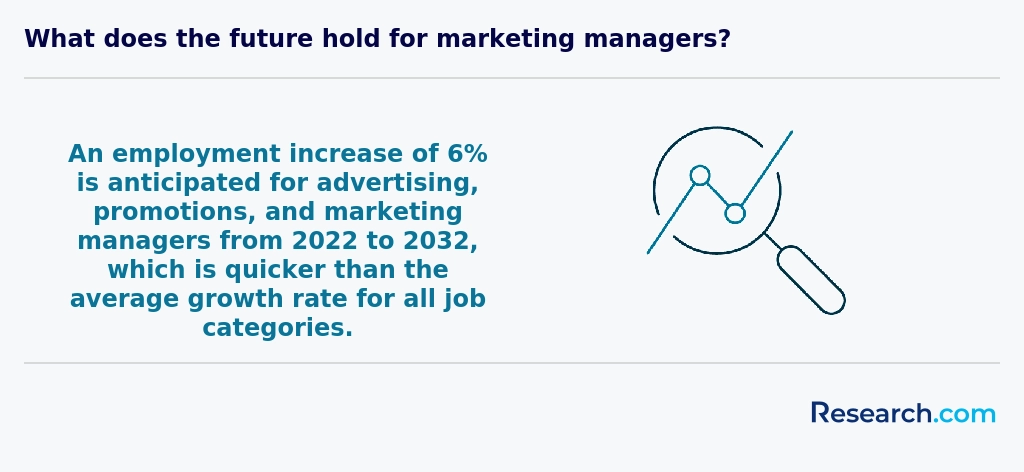
Graduates from marketing programs at prominent American universities often find themselves well-positioned for diverse roles in industries such as advertising, corporate marketing, and digital platforms. For example, a graduate from a top marketing school in California might join an advertising agency, crafting campaigns and analyzing consumer data, aligning with the U.S. Bureau of Labor Statistics projection of 10% employment growth for marketing managers through 2032.
Others from institutions in the Midwest frequently enter corporate marketing departments across sectors like retail or healthcare, managing brand awareness and product launches. A graduate from a northeastern college may pursue digital marketing roles, reflecting findings from the American Marketing Association that highlight rapid growth in these areas.
Marketing students from well-known American colleges also report opportunities in public relations firms and market research. Digital roles such as social media manager or SEO specialist, favored by over 70% of U.S. marketers according to MarketingProfs 2023 data, illustrate the expanding job landscape fueled by e-commerce and technology.
Entrepreneurial graduates use their skills to launch startups or support nonprofits with fundraising, while others contribute to government or educational institution campaigns, showcasing the broad applicability of a marketing degree in America's competitive job market.
Graduates with marketing degrees from prominent American universities often enter the workforce with promising salary prospects. For example, marketing assistants typically earn a mean annual wage of $83,190, providing a solid financial starting point. This salary reflects the value of the skills honed through coursework and internships at well-known institutions.
Many graduates also pursue roles as digital marketing specialists or media planners, both commanding mean wages around $83,190 annually. These roles tap into specialized knowledge of online campaigns and consumer data analytics, often developed through hands-on projects in marketing programs.
Public Relations specialists, which some marketing degree holders transition into, enjoy even higher mean annual wages at $159,420. This reinforces the advantage of strong communication and strategic planning skills fostered during study, especially from schools with robust PR or business departments.
Sales associate positions offer a lower entry point, with a mean annual wage near $53,280. However, graduates from top-tier colleges in cities like Chicago or San Francisco often leverage internships and networking to accelerate career growth, achieving rapid salary increases as they gain experience and responsibility.
These figures highlight the tangible benefits of pursuing a marketing degree in America: graduates often start with competitive salaries that grow steadily, especially when engaging in high-demand sectors such as digital marketing or PR within metropolitan hubs.
- Marketing degrees in the U.S. are usually Bachelor of Business Administration (BBA) or Bachelor of Science (BS) programs, taking about four years to complete.
- Annual tuition ranges from $10,000 to $15,000 at public state universities for in-state students, while private university costs often exceed $30,000.
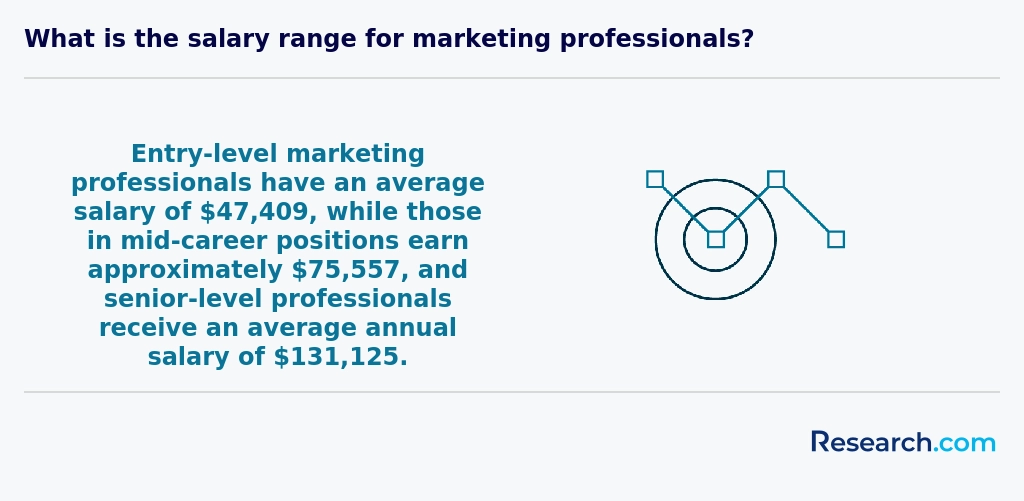
- Starting salaries for marketing graduates are typically between $50,000 and $55,000 per year, with mid-career managers earning $80,000 to $100,000 depending on industry and location.
- Marketing job growth is projected at 10% from 2022 to 2032, driven largely by demand for digital marketing and data analytics skills.
- Curriculum usually covers consumer behavior, market research, digital marketing, and sales management, often including internships for practical experience.
In America, most marketing students at well-known institutions like the University of Pennsylvania or the University of Michigan complete their bachelor's degree in about four years of full-time study. This timeframe matches the standard undergraduate track endorsed by accreditation bodies such as the ACBSP. Graduates often describe this period as both challenging and rewarding, balancing core marketing courses with internships that strengthen their practical skills.
Some ambitious students at accelerated programs-found at schools like Northeastern University-manage to finish in three years by taking heavier course loads. Meanwhile, part-time students, often juggling work and family commitments, may spread their studies over six years or more but gain valuable life experience along the way.
For graduate degrees, a typical full-time marketing master's or MBA takes one to two years, with flexible formats offered by schools like Kellogg or Wharton enabling early professionals to tailor schedules. Approximately 60% of marketing undergraduates nationwide graduate within six years, reflecting a balance between rigorous academic demands and practical opportunities.
Online and on-campus marketing degrees in America differ mainly in delivery, cost, and networking opportunities. On-campus programs at universities like the University of Michigan or the University of Texas provide direct interaction with professors and peers, which many graduates value for fostering collaboration on real-time marketing projects. These students also benefit from access to campus resources such as marketing labs and career services, crucial for hands-on internships. Tuition for in-state students typically averages $10,560 annually, rising to $27,020 for out-of-state learners, often including campus fees.
Conversely, online marketing degrees offer flexibility, appealing to working professionals or parents who juggle multiple commitments. Institutions like Arizona State University offer online programs with curricula identical to their on-campus counterparts, though online tuition tends to be 15-30% lower, often without extra campus fees. Graduates from online courses note the convenience of self-paced study but sometimes miss face-to-face networking and mentorship that shape interpersonal skills vital in marketing careers.
While both formats may facilitate internships and job placement, the on-campus experience generally grants stronger local industry connections, an advantage highlighted by marketing graduates from schools known for regional engagement such as Indiana University.
Investing in a marketing degree requires weighing upfront costs against long-term earnings potential. On average, private institutions charge about $38,070 per year, while public universities cost roughly $9,375 for in-state students. When adding books, technology fees, and living expenses-typically $1,500 to $2,000 in materials and $10,000 to $20,000 in housing-total four-year outlays can range from $50,000 to over $200,000. Against this investment, graduates enter the workforce as Marketing Assistants earning around $78,880 annually. Within five years, many advance to roles like Public Relations Specialist, with average pay of $150,030 per year. Even mid-career marketers in digital channels command salaries above $80,000; for instance, the average digital marketing specialist salary exceeds $85,000. By modeling salary growth against total costs, a bachelor’s graduate can recoup tuition within three to four years post-graduation, assuming typical career progression and conservative tax rates. Moreover, leveraging financial aid and scholarships-such as the Gucci Changemakers and 10X Digital Marketing awards-can reduce debt burdens significantly. Factoring in loan interest, the net present value (NPV) of a marketing degree remains positive for graduates who accelerate repayment through internships, part-time roles, or high-demand specializations like marketing analytics. Ultimately, a comprehensive ROI analysis highlights that, despite rising education costs, a marketing degree delivers strong financial returns, especially when paired with strategic career planning, continuous skill development, and targeted networking.
The average cost of a marketing degree in America varies depending on residency and type of institution. Median total expenses for marketing degree programs 2027 indicate an overall median total cost of approximately $45,370. Specifically, in-state students typically pay around $21,926, reflecting the significantly lower tuition rates offered by public universities to residents. Out-of-state students, however, face costs closer to the median out-of-state total cost, roughly $45,370, due to higher non-resident tuition fees. These figures align with experiences shared by graduates from popular marketing programs at public universities like the University of Florida or the University of Texas, where in-state affordability makes a meaningful difference.
Graduates from private colleges that emphasize marketing studies often report higher financial commitments but also highlight the value of networking and resources available. These costs can easily exceed the public university averages, positioning students at institutions such as New York University or Boston College to invest substantially more. However, many find this investment rewarding due to enhanced career opportunities in competitive marketing fields.
Students looking for ways to manage their budgets often explore community colleges or online programs, though recognition varies. For those seeking the most affordable marketing colleges, careful research is essential. The average cost of marketing degree in USA programs should be balanced with potential scholarships, financial aid, and personal career goals.
Marketing students at public universities like the University of Michigan often rely on federal financial aid, with FAFSA providing access to Pell Grants reaching up to $7,395 annually for eligible low-income students. These grants, which do not require repayment, significantly ease the financial burden for many undergraduates pursuing marketing degrees.
Subsidized and unsubsidized federal loans also play a crucial role, especially for graduate students attending institutions such as New York University's Stern School of Business. Unsubsidized loans have a fixed interest rate around 6.54% for graduate-level borrowers in 2023, making them a manageable option for financing advanced study.
Institutional scholarships, frequently awarded based on leadership and marketing-related achievements, benefit many students at colleges like the University of Southern California. The American Marketing Association's scholarships stand out as a valuable resource that recipients describe as a motivating boost during their academic journey.
State grants and private scholarships further supplement aid, while work-study opportunities provide hands-on marketing experience and income. Some students also utilize employer tuition assistance to continue their education without financial strain.
Marketing education is evolving at a rapid pace to keep up with technological advancements and changing industry demands. Today’s programs are increasingly integrating innovative approaches, ranging from advanced data analytics and artificial intelligence applications to immersive digital experiences that better mirror real-world challenges. Students are now exposed to modules on marketing automation, influencer collaborations, and ethical data practices, which not only broaden their technical toolkit but also prepare them for a future where digital savvy is paramount. Programs are also expanding their industry partnerships, resulting in more opportunities for internships and hands-on projects with leading companies. These real-world experiences enable students to understand the practical applications of theoretical concepts, fostering a seamless transition from classroom learning to professional success. In addition to cutting-edge curriculum enhancements, institutions are placing greater emphasis on developing soft skills such as strategic thinking, creative problem-solving, and effective communication. This holistic approach ensures that graduates not only excel at traditional marketing tasks but also adapt quickly in dynamic environments. For prospective students who are budget-conscious yet eager to embrace innovative learning, exploring options like the most affordable marketing colleges can offer the competitive edge needed for success. These colleges often combine quality education with forward-thinking methodologies and practical exposure that can are essential for navigating the future of marketing.
Enrolling in a marketing degree program in America typically requires a high school diploma or equivalent, such as a GED, ensuring students have a strong academic foundation. Graduates from well-known universities often recall needing a minimum GPA between 2.5 and 3.0, alongside submitting SAT or ACT scores, although many schools have shifted to test-optional admissions recently. For example, students aiming for programs at public universities often found completing coursework in English, math, and social sciences essential to succeed early on.
Graduate programs demand more extensive prerequisites, including a bachelor's degree and sometimes professional experience. Applicants to MBA marketing concentrations or specialized master's degrees usually submit GRE or GMAT scores and recommendation letters. This process helps admission committees assess readiness for rigorous study and complex marketing concepts.
Successful marketing students frequently highlight how prerequisite courses like statistics and economics at community colleges or larger institutions prepared them for demanding marketing analyses. These requirements promote confidence and a sense of achievement when advancing through their degree journey in an increasingly competitive academic environment.
Marketing degree programs in America typically include foundational courses such as Principles of Marketing, Consumer Behavior, and Marketing Research. For example, graduates from universities renowned for marketing studies often describe how Consumer Behavior courses helped them understand real-world buying decisions, enhancing their ability to design targeted campaigns effectively.
Digital Marketing has become a core subject, covering social media strategies, SEO, and online advertising. Many students from competitive colleges appreciate how hands-on projects in Digital Marketing simulate managing live campaigns, which builds confidence and practical skills before entering the workforce.
Courses like Marketing Strategy and Management teach planning and execution of marketing initiatives, while Sales and Promotion classes focus on techniques to boost product visibility and revenue-skills graduates frequently cite as crucial in internships and entry-level jobs.
Business Communication is also emphasized, improving students' professional presentation and writing capabilities, vital for workplace success. Additionally, electives in analytics and international marketing cater to growing market demands, aligning coursework with industry trends.
Marketing degree specializations in the USA typically include digital marketing, brand management, market research, advertising, and sales management. Digital marketing is especially popular in universities like the University of Southern California and New York University, where graduates describe hands-on projects in SEO and social media that align closely with real-world business demands. These programs prepare students for roles amid a 23% industry growth forecast by the U.S. Bureau of Labor Statistics.
Brand management concentrates on strategic product positioning and consumer behavior, often emphasized at institutions renowned for marketing such as the University of Pennsylvania. Graduates recall immersive case studies involving competitive analysis and brand loyalty development strategies. Market research specialization, common in schools like Northwestern University, equips students with statistical and analytical skills to interpret consumer data, reflecting the sector's $20 billion revenue in 2022.
Advertising programs foster creativity in campaign design and media planning, areas critical at colleges known for communication studies. Sales management prepares students to lead sales teams, with typical roles offering median wages above $130,000. Many students across America find that aligning their degree with a marketing major specialization option in America enhances career readiness. Exploring career outcomes, including the digital marketing specialist salary, guides financial decisions about these paths.
Choosing the best marketing degree in America starts with accreditation; programs recognized by AACSB or ACBSP provide reputable, quality education that graduates consistently praise for opening doors to well-known companies. Curriculum relevance is equally critical. Graduates from schools in metropolitan hubs often highlight how courses in digital marketing, SEO, and data analytics made them confident in handling actual campaigns, reflecting the $151 billion digital marketing growth projected by 2027. Cost considerations matter: annual tuition ranges from $9,000 at public universities to $35,000 at private colleges. Successful alumni recommend balancing expenses with financial aid and expected salaries, which average $65,810 yearly. Location influences opportunities-internships near business centers prove vital in securing post-graduate roles. Flexibility also plays a role; many appreciate online or hybrid options that fit busy schedules. Prospective students may explore affordable marketing degree programs by reviewing the Cheapest Marketing Degree Programs Ranking in Chicago, IL. This approach helps select among the best marketing degree programs USA that fit both career goals and budgets.
Graduates with a marketing degree in America can pursue diverse career paths that align with their strengths and interests. Top roles include marketing managers who design campaigns and lead teams, with a median salary of $152,180 in 2023. Market research analysts, earning around $67,900, analyze consumer data to inform company strategies, benefiting from an optimistic job growth rate of 18%. Many graduates from leading universities such as the University of Pennsylvania or the University of Michigan find these occupations rewarding and well-suited to their skill set, embracing roles that demand both creativity and strategic thinking.
The landscape also offers opportunities in digital marketing, a field exploding with potential due to the $283 billion digital ad spending in the U.S. recently. Graduates from technology-forward colleges often excel as digital marketing specialists, mastering SEO and social media promotion. These marketing career opportunities in the USA demonstrate strong demand for innovative professionals able to adapt to fast-changing platforms.
Additional roles include brand managers, content marketers, public relations specialists, and sales managers, all vital to company success. For prospective students budgeting their education, considering fast online degree programs for working adults can provide flexibility. This route enables balancing coursework with practical experience in marketing, enriching post-graduate prospects.
The job market for a marketing degree in America remains strong, driven by steady demand for skilled professionals in varied sectors like technology, healthcare, and retail. Graduates from well-known universities often find themselves quickly employed due to the rich career opportunities for marketing graduates in America, including roles in digital marketing, brand management, and data analytics. For instance, graduates from institutions in metropolitan areas frequently report receiving competitive offers shortly after completing internships, leveraging hands-on experience with social media campaigns and SEO strategies.
Entry-level salaries typically range from $40,000 to $55,000, while mid-career marketing managers earn between $70,000 and $110,000 annually. Graduates appreciate that locations such as San Jose and San Francisco offer even higher mean wages, often surpassing $120,000. Many students at popular marketing programs express satisfaction with their return on investment, given the moderate tuition costs and robust employment outlook. Those uncertain about degree complexity or looking for alternatives can explore options like the easy associates degree, which may help build foundational skills before pursuing advanced marketing careers.
2027 Best Marketing Degree Programs Ranking in the USA
Investing in your education is a significant decision that can shape your future, and the Research.com team is fully aware of the importance of making informed choices. To support prospective students in selecting the best marketing programs, we have carefully developed the "2027 Best Marketing Degree Programs Ranking in the USA." Our dedication to quality, credibility, and accuracy is demonstrated through rigorous research and thorough analysis behind this ranking.
We utilized the following reputable data sources to ensure a comprehensive evaluation of marketing degree programs:
By exploring this ranking, readers will gain valuable insights to confidently choose marketing degree programs that align with their career goals and aspirations. For more information on how this ranking was created, please visit our Research.com methodology page.


Frequently Asked Questions About marketing
Marketing degree students in America can maximize their learning by combining classroom theory with practical experiences. Engaging in internships offers real-world exposure, which 70% of marketing students reportedly find essential for job readiness, according to the National Association of Colleges and Employers (NACE) 2023 survey. Participating in student marketing clubs and networking events also helps build professional connections.
Utilizing resources such as online marketing analytics tools and certification programs from platforms like the American Marketing Association can strengthen skills. Additionally, staying current with trends in digital marketing and consumer behavior through reputable sources improves adaptability in a rapidly evolving industry.
Marketing degrees in America increasingly emphasize emerging niches that reflect the digital transformation of the industry. One significant growth area is digital marketing, focusing on social media management, content strategy, and data analytics. According to the U.S. Bureau of Labor Statistics, digital marketing jobs are expected to grow 10% from 2022 to 2032, faster than average for all occupations.
Another emerging niche is influencer marketing, where brands use social media personalities to connect with target audiences effectively. Additionally, marketing analytics is gaining traction, leveraging big data to improve customer insights and campaign effectiveness.
Finally, sustainability marketing is becoming important as companies address environmental concerns, appealing to increasingly eco-conscious American consumers.
Preparing for the job market after earning a marketing degree in America involves more than academic success. Networking is essential; students should attend industry events and join professional associations like the American Marketing Association to connect with potential employers and mentors. Internships provide practical experience, often leading to job offers.
Additionally, proficiency in digital marketing tools such as Google Analytics, SEO, and social media platforms is highly valued by employers. According to the U.S. Bureau of Labor Statistics, marketing managers' employment is projected to grow 10% from 2022 to 2032, faster than average. Building a solid portfolio showcasing real-world projects can make candidates more competitive.
Employers in America highly value marketing graduates who demonstrate strong communication skills, both written and verbal. According to the National Association of Colleges and Employers (NACE), 75% of employers prioritize verbal communication when hiring marketing professionals. Analytical skills are also essential, as modern marketing increasingly relies on data-driven decision-making, with tools like Google Analytics and CRM software becoming industry standards.
Creativity remains a key asset; companies seek graduates who can develop innovative campaigns that engage diverse audiences. Additionally, proficiency in digital marketing, including social media management and SEO, is frequently required. Adaptability and teamwork are other important skills, helping graduates thrive in fast-paced, collaborative environments.
Finding internships relevant to a marketing degree in America requires proactive research and networking. Many universities offer career services that connect students with companies seeking marketing interns. According to the National Association of Colleges and Employers (NACE), about 56% of marketing internships convert into full-time jobs, highlighting their importance.
Students should explore online platforms like Handshake and LinkedIn, which list thousands of marketing internship opportunities nationwide. Building relationships with professors and joining marketing clubs can also provide leads. Additionally, attending industry events and career fairs boosts exposure to potential employers.
Internships in marketing often range from digital marketing to market research, offering real-world experience that enhances employability after graduation.
A marketing degree in America significantly enhances career mobility and advancement opportunities. According to the U.S. Bureau of Labor Statistics, employment in marketing-related fields is projected to grow 10% from 2022 to 2032, faster than the average for all occupations. This growth creates demand for professionals with formal education in marketing principles and analytics.
Graduates with marketing degrees often start in entry-level roles but can progress to management positions such as marketing manager or director. The degree provides essential skills like market research, digital marketing, and consumer behavior analysis, which employers highly value in competitive industries.
Additionally, advanced degrees or specialized certifications can lead to higher salaries and leadership roles. A 2023 report by the National Association of Colleges and Employers found that marketing majors had an average starting salary of around $56,000, with potential for significant growth with experience and education.
Studying for a marketing degree in America offers comprehensive training that equips students for interdisciplinary roles across multiple industries. Marketing programs typically integrate coursework in data analytics, consumer psychology, communications, and digital technology. This blend develops a versatile skill set that is highly valued in sectors such as finance, healthcare, and technology.
According to the U.S. Bureau of Labor Statistics, marketing managers often collaborate with teams in sales, IT, and product development, highlighting the need for broad knowledge. Many universities also encourage internships and projects that cross traditional disciplinary boundaries, enhancing practical experience.
This interdisciplinary focus reflects the evolving nature of marketing in the digital age, where data-driven decision-making and creative strategy intersect across business functions.
Choosing between a thesis and a non-thesis marketing degree program in America depends on your career goals and learning preferences. A thesis program involves conducting original research and writing a detailed study, which benefits students aiming for academic, research, or doctoral paths.
Non-thesis options focus more on practical coursework and internships, appealing to those seeking immediate employment in marketing roles. According to the National Center for Education Statistics, about 40% of marketing graduates pursue non-thesis tracks for quicker entry into the workforce.
Consider your interest in research, time commitment, and financial resources. Thesis programs typically take longer, averaging two to three years, while non-thesis degrees often complete within two years.
American students seeking to study marketing abroad have several well-established options. Many U.S. universities offer exchange programs and dual-degree opportunities with partner institutions around the world. These programs allow students to study marketing concepts in different cultural and economic contexts while earning credits toward their American degree.
Additionally, students may enroll directly in foreign universities with strong marketing programs, often leveraging US Department of Education resources to evaluate credit transferability. Countries like the United Kingdom, Canada, and Australia are popular destinations due to the reputation of their business schools and English-speaking instruction.
According to the Institute of International Education, over 300,000 US students studied abroad in 2022, with business and management among the top fields.
Part-time jobs that complement a marketing degree in America often focus on practical skills like social media management, content creation, and data analysis. Positions such as marketing assistants, social media coordinators, or customer service representatives provide hands-on experience with digital marketing tools and consumer engagement strategies.
According to the U.S. Bureau of Labor Statistics, marketing-related roles are expected to grow 10% from 2022 to 2032, faster than the average for all occupations, highlighting the value of gaining work experience early. Internships or part-time roles also allow students to build professional networks vital for career advancement.
Additionally, freelance opportunities in areas like copywriting or market research are prevalent, offering flexible schedules that fit academic commitments while enhancing relevant skills.
Marketing students in America have access to numerous networking opportunities that can enhance their careers. Many universities host marketing clubs and organizations, such as the American Marketing Association (AMA) collegiate chapters, offering students chances to connect with peers and professionals. Industry conferences, like those organized by the AMA, provide events with thousands of marketing experts annually.
Internships are a critical way to build connections. According to the National Association of Colleges and Employers (NACE), over 60% of employers hire former interns for full-time roles.
Additionally, schools often hold career fairs and alumni networking events, connecting students with top marketing firms and startups.
Alumni networks play a significant role in supporting marketing degree students across American universities. These networks connect students with graduates who have firsthand experience in the marketing industry, offering valuable mentorship and career guidance. According to the National Association of Colleges and Employers (NACE), 70% of job seekers find opportunities through networking, highlighting the importance of strong alumni connections.
Access to alumni can provide students with internships and job openings often not advertised publicly. Many marketing professionals actively recruit from their alma maters, creating an inside track for current students. Furthermore, alumni events and webinars help students stay informed about industry trends and build professional relationships in a competitive field.
Customizing a marketing degree program in America involves selecting courses and experiences that align with your career goals. Many universities offer flexible curricula allowing students to choose electives in digital marketing, consumer behavior, or brand management. This flexibility enables students to specialize in areas such as social media marketing, data analytics, or advertising strategy.
Internships and cooperative education opportunities are crucial for gaining practical experience. According to the National Association of Colleges and Employers (NACE), 60% of employers prefer candidates with relevant internship experience in marketing roles.
Additionally, some programs allow students to engage in real-world projects with local businesses, enhancing skills and networking. Certifications in tools like Google Analytics or HubSpot can also supplement your degree, making you more competitive in the U.S. marketing job market.
Marketing students in America often face the challenge of staying current with rapidly changing digital tools and platforms. According to the American Marketing Association, the demand for skills in data analytics and social media marketing has grown significantly in recent years, requiring students to adapt quickly. Additionally, many students struggle with balancing theoretical knowledge and practical experience, as internships and real-world projects are essential but can be competitive and limited.
Another hurdle is the cost of education. The National Center for Education Statistics reports that tuition for marketing-related programs can range widely, often leading to financial stress. Finally, students must develop strong communication and critical thinking skills to succeed in this dynamic field.
With a marketing degree in America, there are several professional certifications that can enhance your career prospects and demonstrate expertise. Popular options include the Certified Marketing Executive (CME) offered by the Sales & Marketing Executives International, which focuses on strategic marketing leadership.
The Google Analytics Individual Qualification (GAIQ) certification is highly valued for those interested in digital marketing and data analysis, reflecting the growing importance of online consumer behavior.
The American Marketing Association's Professional Certified Marketer (PCM) is another prominent credential, covering areas such as digital marketing, content marketing, and marketing management. According to the Bureau of Labor Statistics, professionals holding certifications often see a salary increase of 10-15% compared to those without.
Other options include certifications in social media marketing and email marketing from organizations like HubSpot Academy, both relevant in today's evolving marketing environment.
To write a winning application for a marketing program in America, start by highlighting your passion for marketing through a clear personal statement. Admissions committees value applicants who demonstrate understanding of current marketing trends, such as digital marketing and data analytics, which are crucial in today's US job market. According to the U.S. Bureau of Labor Statistics, marketing management roles are expected to grow 10% from 2022 to 2032, emphasizing demand for skilled professionals.
Showcase any relevant experience, such as internships or projects involving consumer behavior analysis or social media campaigns. Include strong letters of recommendation from academic or professional mentors. Finally, ensure your application is well-organized, free of errors, and tailored to each program's focus areas for the best chance of success.
Marketing careers in America are increasingly shaped by global trends. U.S. graduates with marketing degrees often work in multinational companies that value skills in digital marketing, data analytics, and cross-cultural communication. According to the U.S. Bureau of Labor Statistics (2023), marketing manager jobs are projected to grow 10% from 2022 to 2032, faster than the average for all occupations, reflecting global business expansion.
American marketing programs emphasize global market strategies and consumer behavior, preparing students to navigate international challenges. Knowledge of global supply chains and digital platforms like social media is essential for competitive marketing roles worldwide.
Furthermore, global perspectives enhance adaptability, making U.S.-trained marketers capable of addressing diverse markets. This reflects the increasing importance of international experience and language skills in the U.S. marketing workforce.
Gaining practical experience while studying for a marketing degree in America is essential for career readiness. Many universities offer internships approved by their career services, allowing students to work in real marketing roles. According to the National Association of Colleges and Employers (NACE), about 60% of marketing students complete at least one internship before graduation.
Additionally, students can participate in on-campus projects, case competitions, and marketing clubs to develop hands-on skills. Cooperative education programs (co-ops) also provide extended work placements integrated with coursework. Volunteering for nonprofits or small businesses is another way to build experience. Practical exposure helps students understand marketing tools, analytics, and strategy critical to success in the U.S. job market.
Choosing the right concentration within a marketing degree program in America requires understanding your career goals and current market trends. Common concentrations include digital marketing, brand management, market research, and sales management. According to the U.S. Bureau of Labor Statistics, digital marketing roles are among the fastest-growing jobs, with a projected 23% growth through 2032. Prospective students should also consider their strengths; for example, if you enjoy data analysis, a focus on market research might be ideal. Additionally, reviewing curricula from accredited programs helps identify concentrations offering practical skills valued by U.S. employers.
See What Experts Have To Say About Studying Marketing
Read our interview with Marketing experts

Sonya A. Grier, Ph.D.
Marketing Expert
Professor, Department of Marketing
American University

Aidin Namin, Ph.D.
Marketing Expert
Associate Professor of Marketing Analytics
Loyola Marymount University

- Why study Marketing? https://blogs.tees.ac.uk/students/2024/04/15/why-study-marketing-2/
- Best Marketing Certifications for Your Marketing Career https://www.business.com/articles/guide-to-marketing-certifications/
- What is a niche market? Types and 26 untapped niches https://clientify.com/en/blog/marketing/what-is-a-niche-market-types-and-examples
- Women in marketing: Career growth through education | Esade https://www.esade.edu/beyond/en/women-marketing/
- Who Can Be an International Marketer? https://www.spencerstuart.com/research-and-insight/who-can-be-an-international-marketer
- What Jobs Can You Get with a Marketing Degree? https://www.global-business-school.org/content-type/blog/what-jobs-can-get-marketing-degree/
- Digital Marketing Major https://www.kozminski.edu.pl/en/digital-marketing-major
- Marketing Manager Salaries State-by-State https://www.allbusinessschools.com/marketing/salary/
- Student Jobs and Networking: Unlock Career Success Early https://ydiak.hu/en/student-jobs-why-is-networking-important
- Niche Digital Marketing Roles: Exploring Specialized Career Paths https://www.cellainc.com/insights/blog/niche-digital-marketing-roles-exploring-specialized-career-paths/