
2027 Best Online Information Systems Degree Programs Ranking in Texas

Co-Founder and Chief Data Scientist
Choosing the right online information systems degree program can be challenging, especially with so many options available in Texas. This article presents the 2027 Best Online Information Systems Degree Programs Ranking in Texas, carefully crafted by the Research.com team of data scientists to guide you in making an informed decision.
By exploring this ranking, you'll discover programs that align with your career goals and learning style. Earning an information systems degree can open doors to exciting technology roles and long-term success. Let's explore the best choices together.
Key benefits of getting online information systems degree in Texas
- Information systems degree graduates in Texas can expect competitive salaries, with related US careers often earning from $60,000 to $100,000 annually, making this a financially rewarding field.
- Graduates from Texas universities often pursue careers in IT management, database administration, or cybersecurity, providing diverse opportunities to grow in fast-paced, in-demand roles.
- Online degrees from respected Texas universities offer flexibility to balance work and study while gaining the same knowledge and certifications as traditional programs, boosting career prospects without sacrificing personal time.
What can I expect from online information systems degree in Texas?
The average cost of an online information systems degree in Texas usually falls between $20,000 and $40,000 for the entire program, a surprisingly affordable investment when you consider the strong returns graduates report. Many students from the University of Texas System appreciate how their flexible tuition options allow them to balance studies with work and family life, making the cost feel manageable and worthwhile. Others from Texas A&M University share how scholarships and financial aid often help ease the financial burden, making the dream of advancing their careers more accessible.
Imagine juggling late-night study sessions on cloud computing while still meeting family and job responsibilities-these students often find the pricing aligns well with their busy lives. The affordability, combined with the quality of education and hands-on projects, creates a vibrant, encouraging environment. For many, this cost is a step toward a dynamic career in booming tech hubs like Austin and Dallas, where the knowledge gained pays off daily in opportunity and salary growth.
Where can I work with online information systems degree in Texas?
Graduates with an online information systems degree in Texas find themselves stepping into vibrant, ever-evolving career landscapes. Imagine working in Austin's bustling tech scene, where companies like Dell and IBM eagerly seek savvy information systems analysts to design efficient databases and streamline workflows. Many students from the University of Texas at Austin share stories of landing dynamic roles where they shape cutting-edge technologies daily.
Healthcare settings also open doors, with opportunities in hospitals across Houston and Dallas. Alumni from Texas A&M recall how their expertise in health information systems made a real difference-ensuring patient data flows seamlessly and securely. Energy giants in oil and gas leverage graduates' skills to optimize operations and protect critical infrastructure, blending tradition with innovation.
For those drawn to finance, cities like San Antonio offer roles in fraud detection and customer data management. Government agencies appreciate information systems professionals who uphold IT resilience and cyber defenses, reflecting the strong public service spirit found on many Texas campuses. In every corner, information systems grads embark on career journeys filled with challenge and excitement.
How much can I make with online information systems degree in Texas?
Graduates with an online information systems degree in Texas often discover exciting salary opportunities that reflect both the dynamic state economy and regional variations. Many find roles such as information systems managers earning around $132,500 annually, a figure that sparks enthusiasm considering Texas's growing tech hubs like Austin and Dallas-Fort Worth.
Fresh graduates from universities such as the University of Texas at Austin or Texas A&M often start with salaries between $65,000 and $85,000 in positions like computer systems analysts or network administrators. Imagine stepping into Austin's vibrant tech scene, where salaries can be about 10% higher than the state average, fueling both ambition and lifestyle upgrades.
This range offers a spectrum of possibilities, from comfortable entry-level jobs to well-compensated managerial roles. Graduates often celebrate how local cost-of-living offsets these earnings, enabling them to enjoy both career growth and Texas's unique culture. For many, it's the start of an adventurous journey combining rewarding work and personal fulfillment.
- Key benefits of getting online information systems degree in Texas
- What can I expect from online information systems degree in Texas?
- Where can I work with online information systems degree in Texas?
- How much can I make with online information systems degree in Texas?
- How do we rank schools?
- 2027 Best Online Information Systems Degree Programs Ranking in Texas
- What online information systems degree graduates have to say
- Key Findings
- How long does it take to complete online information systems degree in Texas?
- What's the difference between online and on-campus information systems degree?
- What is the average cost of online information systems degree in Texas?
- What financial aid is available to online information systems degree students in Texas?
- What are the prerequisites for enrolling in online information systems degree program in Texas?
- What courses are typically in online information systems degree programs in Texas?
- What types of specializations are available in online information systems degree programs in Texas?
- How do you choose the best online information systems degree in Texas?
- What career paths are available for online information systems degree students in Texas?
- What is the job market for online information systems degree in Texas?
- Frequently Asked Questions About information systems
- Related Information Systems Rankings for Nearby States
- Top Trending Information Systems Rankings
How do we rank schools?
Investing in your education is a significant decision that can shape your future, and the Research.com team understands the importance of making informed choices. To assist prospective students in Texas, we have meticulously crafted the "2027 Best Online Information Systems Degree Programs Ranking in Texas." Our commitment to quality, credibility, and accuracy is reflected in the extensive research and analysis conducted to compile this ranking.
We utilized the following reputable data sources to ensure a comprehensive evaluation of online information systems programs:
By exploring this ranking, readers will gain valuable insights into the top online information systems degree programs in Texas, empowering them to make confident and well-informed decisions about their educational paths. For more details on our methodology, please visit our Research.com methodology page.
2027 Best Online Information Systems Degree Programs Ranking in Texas
# 1 position

West Texas A & M University offers a Master's program in Information Technology Management that spans 18 months. The program has an open admission policy with a 99% acceptance rate. About 94% of students receive high levels of financial aid. It enrolls 3,944 online students and features a graduation rate of 55%. The average total cost for completing the program is $16,200.
# 2 position
University of the Incarnate Word
Bachelor
The University of the Incarnate Word offers a Bachelor program in Information Technology lasting 36 months. The school has an open admission policy with a 98% acceptance rate. The average total cost is $64,800, and every student receives financial aid, reflecting a high level of support. The program has a graduation rate of 51%, and there are currently 1,355 online students enrolled.
# 3 position
University of Houston - Downtown
Bachelor
The University of Houston - Downtown offers a Bachelor's degree focusing on Information Technology Management and Business. This program features an open admission policy with a 90% acceptance rate, making it accessible for many applicants. The graduation rate is 33%, indicating challenges in program completion. With an average total cost of $28,830, it serves over 10,000 online students. A high 88% of students benefit from financial aid support.
# 4 position
Texas A&M University - Victoria
Master
Texas A& M University - Victoria offers a Master's program focused on Information Technology with an open admission policy, accepting 96% of applicants. The program has a graduation rate of 26%, indicating completion challenges. A significant portion of students, 91%, receive high levels of financial aid. There are 13,361 online students enrolled, reflecting a strong online presence in this graduate program.
# 5 position

Tarleton State University offers a Master's program focused on Information Technology with an open admission policy, accepting 90% of applicants. The program has a graduation rate of 48%, reflecting the completion success of its students. A notably high percentage of students, 97%, receive financial aid, indicating strong support for enrolled individuals pursuing this degree.
What online information systems degree graduates have to say
- Jasmine: Studying my Information Systems degree online at the University of Texas at Dallas was a game changer. The flexible schedule let me work full-time while learning cutting-edge tech skills. The supportive faculty genuinely cared, making the distance feel close. It was challenging but incredibly rewarding.
- Marcus: Texas A&M's online program in Information Systems exceeded my expectations. The curriculum is designed with real-world applications, helping me land a great job fast. The interactive virtual labs made learning engaging and practical. I felt part of a strong, ambitious community despite studying remotely.
- Leah: Pursuing my Information Systems degree online at Texas Tech University gave me freedom and confidence. I appreciated how coursework fit my hectic life and the personalized feedback from professors. Being able to study from home without missing out on quality education was invaluable for me personally and professionally.
Key Findings
- Online information systems degrees in Texas are available fully online for both bachelor's and master's levels, designed to accommodate working professionals.
- Annual tuition for in-state students at public universities ranges from $8,000 to $15,000, while private schools often cost over $20,000 per year.
- Entry-level salaries for information systems graduates in Texas typically range from $60,000 to $70,000, with experienced professionals earning more than $90,000 annually.
- High demand for information systems specialists exists in cities like Houston, Dallas, and Austin due to strong technology sectors and corporate presence.
- Accredited programs usually meet quality standards set by bodies like SACSCOC, ensuring recognition by employers.
How long does it take to complete online information systems degree in Texas?
Others, enrolled at institutions such as Texas A&M or Texas Tech, share stories of accelerated programs that sliced their study time, or part-time schedules stretching their exploration over five years. This adaptability allows learners to tailor their experience, balancing life's demands with academic goals. Imagine a busy professional progressing steadily via evening classes, savoring every lesson without rushing.
Associate degrees typically take two years full-time, perfect for those starting fresh or plotting to transfer into a bachelor's program. Master's degree seekers, meanwhile, often enjoy one to two years of immersive learning, with online options fine-tuned for working Texans aiming to elevate their careers without pausing their lives.
Transfer credits and personal commitments add even more twists and turns, making each student's path uniquely their own but always within reach, a testament to Texas's welcoming approach to education.
What's the difference between online and on-campus information systems degree?
Imagine juggling a full-time job while earning your information systems degree at the University of Texas at Austin-but without ever leaving your home. That's the everyday reality for online students who relish flexibility, fitting lectures and assignments around family time or work shifts. These graduates celebrate the freedom to explore cybersecurity concepts or database management at their own pace, embracing the digital classroom's convenience.
Contrast that with peers attending Texas A&M on campus, where the buzz of face-to-face collaboration in state-of-the-art labs and spontaneous hallway chats shape their learning journey. The vibrant campus life here offers hands-on projects and networking events that deepen practical skills and build lasting connections.
Tuition differences matter, too. While online programs in Texas often cost between $7,000 and $9,000 annually, on-campus students typically pay closer to $11,500 but gain access to extensive campus resources. Both pathways prepare you for booming tech hubs like Dallas and Austin, yet your choice defines how you live-and learn-your information systems adventure.
What is the average cost of online information systems degree in Texas?
The average cost of an online information systems degree in Texas invites a fascinating dive into numbers that vary by residency and institution type. Graduates from popular universities in Texas often share that the total tuition across a bachelor's journey generally centers around $22,515 for in-state students. Out-of-state learners might experience a higher price tag, with median costs like $47,595 reflecting the broader Texas online information systems degree tuition fees.
Think about students from well-known public schools like Texas A&M or University of Texas system campuses who embrace the relatively affordable in-state tuition. Their enthusiasm for the program is often fueled by the balance of quality education and manageable expenses. Meanwhile, those considering private institutions may prepare for costs closer to $64,800 in total, a reflection of the comprehensive resources and expert faculty available online.
Costs per credit hour, typically between $150 and $400, paint another layer of this dynamic financial picture. Many discover joy in structuring their education to fit their budget while completing roughly 120 credit hours toward a bachelor's degree. For those exploring related fields, it's worth checking pathways such as a health information technology associate degree online for additional options that mix affordability with growth.
Such a journey echoes the adventurous spirits of countless Texans who find in their educational investment a gateway to future possibilities, navigating tuition fees with optimism and informed choices.

What financial aid is available to online information systems degree students in Texas?
Embarking on an online information systems degree in Texas opens up a treasure trove of financial aid opportunities that can make your educational journey feel less like a burden and more like an exciting adventure. Imagine a graduate from the University of Texas at Dallas who relied on Federal Pell Grants-need-based awards reaching up to $7,395 in the 2023-2024 year-to lighten tuition expenses while balancing work and study.
State aid programs such as the Texas Grant provide essential support for those attending public colleges like Texas A&M University-Commerce, offering much-needed relief based on financial need and academic progress. Many students celebrate institutional scholarships tailored specifically for online or information systems disciplines, rewarding their hard work and leadership.
For working professionals, employer tuition reimbursement programs encouraged by state policies often turn dreams into reality by easing costs. One recent graduate shared how such employer assistance made advancing their education not just possible, but genuinely exciting. Early FAFSA completion is the key to unlocking these supports and stepping confidently toward success.
What are the prerequisites for enrolling in online information systems degree program in Texas?
Imagine starting your online information systems journey in Texas, where the first step is holding a high school diploma or equivalent, like a GED - a simple yet essential key to unlocking your future. Graduates from popular Texas universities often recall submitting official transcripts and meeting a GPA threshold, usually around 2.5 to 3.0, proving they're ready for the challenge.
Some programs might ask for SAT or ACT scores, but many Texas schools now embrace a test-optional approach, easing the path for eager learners. Those who dove into degrees at schools known for their tech programs often found additional prerequisites, like introductory courses in computer science or math, prepared them well for the digital adventure ahead.
Master's hopefuls in Texas remember the rewarding challenge of needing a bachelor's degree with a solid GPA around 3.0, plus relevant experience, which made their online studies both exciting and relevant. And no surprise - having reliable tech and internet access became an indispensable companion on this journey toward mastering information systems.

What courses are typically in online information systems degree programs in Texas?
Enrolling in an online information systems degree in Texas means diving into a dynamic curriculum that merges technical prowess with practical business sense. Imagine tackling "Introduction to Information Systems" at a university like the University of Texas at Austin, where graduates recall exploring the nuts and bolts of hardware, software, and networks as the foundation for their tech journeys.
Courses such as Database Management Systems and Systems Analysis and Design quickly became favorites among learners at Texas A&M, where the real-world focus helped them envision managing vast data stores or redesigning workflows for companies, sparking that sense of "I can do this!" excitement.
Programming Fundamentals-often taught using languages like Java or Python-challenges students to solve problems creatively, a thrill shared by those at Texas State University who remember their first successful app or script.
Further adventures lie in Network and Telecommunications Management or Information Security classes, where you begin to guard data like a digital knight defending a castle. Couple that with Project Management or Business Intelligence, and you're ready to lead vibrant, tech-driven projects, fully prepared for vibrant Texas tech hubs from Austin to Dallas.
What types of specializations are available in online information systems degree programs in Texas?
Exploring online information systems specializations Texas programs unlocks pathways into dynamic fields. Cybersecurity shines as a thrilling choice, where graduates from Texas universities dive into safeguarding data through risk management and ethical hacking-perfect for those eager to defend digital frontiers given the state's rising tech landscape. Energy and healthcare sectors fuel demand, making enterprise systems a favorite specialization; students imagine themselves streamlining massive ERP platforms to optimize business workflows.
Amid vibrant campuses in Austin or Dallas, many embrace data analytics, mastering big data and decision support systems that power savvy business moves. Another exciting direction is health information systems, blending IT and medical data, tapping into Texas's vast healthcare industry. Graduates often share how this specialization opened doors to rewarding careers with true impact and competitive pay, aligning with health information management jobs salary trends.
These varied Texas information systems degree focus areas invite students to embark on personalized journeys, each preparing them for fast-growing local markets and beyond.
How do you choose the best online information systems degree in Texas?
Choosing the ideal online information systems degree in Texas means diving into programs that match your ambitions and lifestyle. Imagine a graduate who thrived by selecting a program accredited by SACSCOC and ABET, ensuring their coursework stayed current with industry standards. Texas tech hubs like Austin and Dallas shape many curriculums, offering vibrant internship experiences that fueled graduates' career journeys. When considering cost, it's inspiring to hear how some students balanced tuition at public universities with scholarships, making affordable Texas online information systems programs a reality without sacrificing quality.
Flexibility matters too-graduates often share how seamless technical support and personalized advising kept them motivated throughout their studies. Aspiring students should explore programs with strong alumni networks connected to Texas businesses, opening doors to exciting job opportunities. For those curious about related fields, exploring an online CS degree can broaden your tech horizons. Choosing wisely means embracing Texas's unique blend of quality, affordability, and real-world readiness.
What career paths are available for online information systems degree students in Texas?
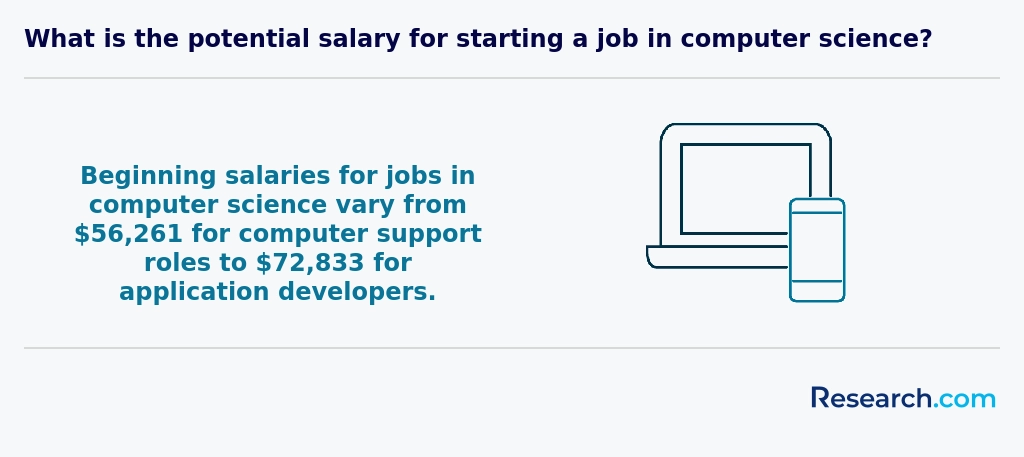
Graduates with an online information systems degree in Texas step into a world full of exciting career possibilities, especially in dynamic hubs like Dallas, Houston, and Austin. Many former students from top Texas colleges find themselves thriving as Information Systems Managers, leading teams and shaping technology strategies with salaries often exceeding $130,000. Others enjoy the challenge of becoming Database Administrators, ensuring vital business data runs smoothly in bustling corporate environments.
For adventurous minds, cybersecurity roles beckon with rapid growth, as companies fiercely guard against digital threats. Texas students often explore paths as Information Security Analysts, protecting critical information while embracing fast-paced innovation. Several graduates relay their journey through well-regarded programs where opportunities to pursue an accelerated cybersecurity degree add extra momentum to their careers.
Beyond these, other adventures await as Systems Analysts, IT Consultants, Network Administrators, or Business Intelligence Analysts, each role blending problem-solving with real-world impact - clear examples of the wide array of online information systems careers in Texas.
What is the job market for online information systems degree in Texas?
The excitement around online information systems jobs in Texas is palpable among graduates, especially those from well-known universities like the University of Texas at Austin or Texas A&M. These graduates often share how their online degree opened doors to vibrant tech hubs across Houston, Dallas, and San Antonio, where companies eagerly hunt for fresh talent. Imagine starting your career managing technology projects for an energy firm in Houston or analyzing data systems at a healthcare startup in Dallas-these opportunities feel thrilling and within reach.
Many graduates describe feeling confident knowing their online degree from Texas public universities is respected statewide, with tuition costs around $8,500 to $12,000 per year offering a great investment. The Texas job market for information systems graduates continues to expand rapidly, with computer and information systems manager roles projected to grow 15% through 2032.
Those curious about advancing their skills often explore related fields-some even step into specialized roles after earning certificates or degrees in areas like masters data analytics. This layering of knowledge makes the journey feel dynamic and full of promise for anyone intrigued by technology's future in Texas.
Frequently Asked Questions About information systems
Students pursuing online information systems degrees in Texas can enhance their learning by actively engaging with course materials and faculty. Texas is home to numerous accredited universities offering these programs, many providing access to virtual labs and up-to-date software, which are crucial for practical skills development.
Networking within Texas-based professional groups such as the Texas Chapter of the Association for Information Systems can also enrich the learning experience. According to the U.S. Bureau of Labor Statistics, Texas leads the nation in information technology job growth, making local connections valuable for internships and employment.
Additionally, taking advantage of career services and tech workshops offered by institutions can improve students' readiness for the evolving digital job market.
The field of information systems in Texas is expanding rapidly, with several emerging niches gaining significant attention. One key area is cybersecurity, driven by increasing digital threats; Texas has seen a 15% rise in cybersecurity job openings over recent years, according to the Texas Workforce Commission. Another growing specialty is data analytics, where professionals help organizations make data-driven decisions. Cloud computing also continues to grow, supported by Texas's strong tech infrastructure.
Additionally, health informatics is a promising niche, especially given Texas's large healthcare industry. Online IS degrees often include courses in these areas to prepare students for evolving industry demands.
After earning an online information systems degree in Texas, it is crucial to build a strong professional profile. Start by gaining practical experience through internships or part-time roles in Texas-based tech companies or government agencies. According to the Texas Workforce Commission, the Dallas-Fort Worth and Houston areas offer some of the highest job concentrations for information systems specialists.
Networking is essential. Join local chapters of associations like the Association for Information Systems (AIS) or Texas Technology Council to connect with industry professionals. Earning certifications such as CompTIA Security+ or Certified Information Systems Auditor (CISA) can also boost employability.
Staying updated with industry trends and continuously upgrading technical skills enhances job market readiness in Texas's competitive tech sector.
Employers in Texas highly value information systems graduates with strong technical skills in database management, cybersecurity, and cloud computing. According to the Texas Workforce Commission, proficiency in SQL, Python, and network security tools is particularly sought after.
In addition to technical expertise, communication and problem-solving abilities rank as critical skills. Graduates must be able to work effectively in teams and translate complex IT concepts to non-technical stakeholders.
Familiarity with emerging technologies such as AI and data analytics also improves job prospects. The growing tech hubs in Austin and Dallas increase demand for adaptable candidates who stay current with industry trends.
Finding internships in Texas relevant to an information systems degree involves targeted research and networking. Many universities in Texas, including those offering online programs, maintain career centers that connect students with internships in local tech companies and government agencies. According to the Texas Workforce Commission, the tech sector in Texas has grown steadily, creating diverse internship opportunities.
Online platforms like Handshake and LinkedIn allow students to filter internships by location and specialization within information systems. Joining Texas-based professional groups, such as the Texas Technology Association, can provide additional leads. Students should also consider reaching out directly to companies headquartered in Texas, like Dell or AT&T, which often offer paid internships aligned with information systems studies.
An online information systems degree in Texas significantly enhances career mobility and advancement opportunities. According to the Texas Workforce Commission, the demand for IT professionals in the state is projected to grow by 15% over the next decade, exceeding national averages. This growth creates a favorable job market for graduates with technical and managerial skills gained through such degrees.
The degree equips students with expertise in data management, cybersecurity, and system analysis, skills highly valued in Texas's expanding technology hubs like Austin and Dallas. Employers often prioritize candidates with accredited degrees, improving chances for promotions and higher salaries.
Studying for an online information systems degree in Texas equips students with skills that cross multiple disciplines, combining technology, business, and management. Texas universities emphasize integrating technical knowledge with problem-solving and communication, which prepares graduates to work in diverse environments.
The curriculum often includes courses in data analytics, cybersecurity, and project management, addressing current industry demands. Texas is a growing tech hub with companies like Dell and Texas Instruments, creating opportunities for students to engage in interdisciplinary teams.
According to the Texas Higher Education Coordinating Board, information systems graduates in Texas have seen steady employment growth, reflecting the demand for professionals able to bridge technical and business needs.
These programs foster adaptability, critical thinking, and collaboration, all essential for interdisciplinary roles in sectors such as healthcare, finance, and manufacturing.
When choosing between a thesis and a non-thesis online information systems degree program in Texas, consider your career goals and learning preferences. A thesis option focuses on research, requiring students to complete an original study under faculty supervision. This pathway suits those interested in further academic work or specialized roles in data analysis and system development.
The non-thesis track typically involves additional coursework and practical projects, aimed at professionals seeking to enhance applied skills quickly. Texas institutions like the University of Texas at Austin offer both formats, reflecting a growing demand for flexible, career-oriented education.
According to the Texas Higher Education Coordinating Board, information systems graduates have a median starting salary of around $70,000, emphasizing the importance of choosing a program aligned with your professional ambitions.
Students based in Texas seeking to study information systems abroad have several options through partnerships and exchange programs facilitated by Texas universities. Many Texas public universities with accredited online information systems degrees collaborate with international institutions, offering short-term study abroad opportunities or dual degree programs. For example, Texas A&M and the University of Texas system emphasize global learning initiatives in information technology fields.
These programs allow students to gain international experience without interrupting their online studies. According to the Texas Higher Education Coordinating Board, about 15% of technology majors in Texas participate in some form of study abroad or internship internationally. Texas students may also pursue accredited foreign universities' online degrees, but should verify U.S. recognition to ensure credit transfer and degree validity.
Part-time job opportunities in Texas that complement an online information systems degree are diverse and well-suited to gaining relevant experience. Common roles include IT support specialists, who troubleshoot hardware and software issues, and data entry clerks managing databases. According to the U.S. Bureau of Labor Statistics, Texas has a growing tech workforce, with over 300,000 IT-related jobs projected by 2030.
Internships and roles like junior web developers or help desk technicians provide hands-on skills applying classroom knowledge. Many universities and organizations in Texas encourage students to work part-time in tech roles to improve employability after graduation.
Online information systems students in Texas benefit from diverse networking opportunities supported by universities and professional organizations. Many Texas schools with online programs offer virtual career fairs, webinars, and alumni networking events tailored to information systems disciplines. Additionally, students can join chapters of national groups like ISACA and the Association for Information Systems (AIS), which have active Texas memberships.
Texas ranks among the top states for IT employment, with over 1.3 million tech professionals statewide as of 2023 (Texas Workforce Commission). This robust job market enhances networking potential through local meetups, conferences, and tech incubators in cities such as Austin, Dallas, and Houston.
Many online programs also facilitate mentorship programs pairing students with industry experts based in Texas, giving direct insights and connections. These resources collectively help students build strong professional networks crucial for career development in the competitive information systems field.
Alumni networks provide valuable benefits for online information systems degree students in Texas by offering professional connections and mentorship opportunities. Many Texas universities with online programs, such as the University of Texas at Dallas and Texas A&M, have active alumni groups that help students navigate the local tech industry.
These networks often share job leads, internships, and exclusive events tailored to information systems fields. According to the Texas Workforce Commission, the growing tech sector in Texas grew by 8% annually, increasing demand for skilled professionals connected through such networks.
Students gain access to experienced graduates who can advise on certifications, career paths, and emerging technologies relevant to Texas employers. This support enhances their chances of securing competitive positions after graduation.
Customizing your online information systems degree in Texas allows you to align your education with specific career goals. Many Texas universities offer concentrations such as cybersecurity, data analytics, or IT project management within their online IS programs. For example, the University of Texas at Arlington provides elective courses tailored to these fields. You can choose electives that build skills required in growing Texas industries like technology and healthcare. According to the Texas Workforce Commission, demand for IT professionals is projected to grow by 15% through 2030. Selecting relevant coursework, certifications, and internships enhances your job readiness.
Online information systems students in Texas often face several common challenges. One major issue is balancing coursework with professional and personal responsibilities, as many students are working adults. According to the Texas Higher Education Coordinating Board, over 60% of online learners in Texas juggle full-time jobs while studying.
Technical difficulties also pose challenges, including access to reliable internet and the need for up-to-date hardware and software. Some rural areas in Texas still lack strong broadband connectivity, impacting student participation and assignment submission.
Additionally, students may struggle with limited in-person support, which affects networking and collaboration opportunities vital for information systems careers. According to a 2023 EDUCAUSE report, about 45% of online STEM students expressed concerns about feeling isolated during their studies.
With an online information systems degree from Texas, students can pursue several widely recognized professional certifications that enhance career opportunities. Popular options include the Certified Information Systems Security Professional (CISSP) and the Certified Information Systems Auditor (CISA), both valued in Texas's growing cybersecurity sector.
Many graduates also pursue the Project Management Professional (PMP) certification, which aligns well with information systems management roles. Additionally, certifications like CompTIA Security+ and Cisco Certified Network Associate (CCNA) are relevant for those focusing on IT infrastructure.
According to the Texas Workforce Commission, demand for certified IT professionals in information systems roles is increasing steadily, particularly in metropolitan areas such as Austin and Dallas.
Writing a winning application for an online information systems program in Texas requires clear focus and careful preparation. Start by researching programs thoroughly, noting Texas institutions like Texas A&M, University of Texas at Dallas, or University of Houston, known for strong information systems curricula.
Emphasize relevant work experience and technical skills, such as database management or cybersecurity, since many Texas employers value practical IT knowledge. Highlight academic achievements, maintaining a GPA above 3.0, as competitive programs often set this as a minimum requirement.
Texas Workforce Commission reports steady growth in IT jobs statewide, reinforcing the program's relevance. Lastly, craft a personalized statement explaining your career goals and how their program fits, demonstrating motivation and alignment with Texas's tech industry needs.
The field of information systems offers strong global career opportunities, especially for graduates of online programs in Texas. According to the U.S. Bureau of Labor Statistics, employment for computer and information systems managers is projected to grow 15% nationally from 2021 to 2031, much faster than average. This growth reflects widespread digital transformation across industries worldwide.
Graduates with information systems degrees from Texas universities often find roles in multinational corporations and government agencies, benefiting from Texas's robust tech sector. The state ranks third in the U.S. for IT job concentration, providing access to diverse markets and international collaborations.
Strong communication and technical skills gained through these programs prepare students to work in global teams and adapt to international business standards, making their expertise valuable across borders.
Sources: U.S. Bureau of Labor Statistics, Texas Workforce Commission.
Gaining practical experience while pursuing an online information systems degree in Texas is essential to enhance job readiness. Many Texas institutions partner with local businesses and tech firms to offer virtual internships and cooperative education programs. According to the Texas Workforce Commission, internships in technology fields have grown by 15% since 2020, reflecting strong industry demand.
Students can also participate in project-based courses that simulate real-world challenges. Additionally, joining Texas-based professional organizations like the Texas Technology Consortium can provide networking and mentorship opportunities. Engaging in freelance projects or volunteer work with nonprofits can help apply classroom knowledge practically while studying online.
Choosing the right concentration within an online information systems degree program in Texas involves assessing your career goals and local industry demands. Texas hosts a growing tech sector, especially in cities like Austin and Dallas, where cybersecurity and data analytics are in high demand according to the Texas Workforce Commission. Many programs offer concentrations such as cybersecurity, data management, and business analytics.
Identify which concentration aligns with your skills and interests, and research the job market in Texas. For example, cybersecurity roles in Texas are projected to grow by 31% through 2030, per the U.S. Bureau of Labor Statistics. Also, consider programs accredited by recognized bodies like ABET to ensure quality education.
Understanding these factors helps you select a concentration that maximizes your employment potential in Texas's dynamic information systems field.
Related Information Systems Rankings for Nearby States
- 2027 Best Online Information Systems Degree Programs Ranking in Arkansas
- 2027 Best Online Information Systems Degree Programs Ranking in Kansas
- 2027 Best Online Information Systems Degree Programs Ranking in Missouri
- 2027 Best Online Information Systems Degree Programs Ranking in Colorado
- 2027 Best Online Information Systems Degree Programs Ranking in Alabama
- 2027 Best Online Information Systems Degree Programs Ranking in Georgia
- 2027 Best Online Information Systems Degree Programs Ranking in Florida
- 2027 Best Online Information Systems Degree Programs Ranking in Kentucky
- 2027 Best Online Information Systems Degree Programs Ranking in Illinois
- 2027 Best Online Information Systems Degree Programs Ranking in Virginia
Top Trending Information Systems Rankings
References
- Best Information Systems Degree Programs in Texas, 2026 Rankings https://hakia.com/degrees/information-systems/texas/
- Best Bachelor's Degrees in Information Systems https://www.computerscience.org/degrees/bachelors/information-systems/
- Computer Information Systems (BSCIS) https://www.etamu.edu/programs/computer-info-systems-bscis/
- Graduate Programs https://program.metu.edu.tr/en/ms-without-thesis-information-systems
- Bachelor of Business Administration (B.B.A.) Major in Information Systems https://mycatalog.txstate.edu/undergraduate/mccoy-business-administration/computer-information-systems-quantitative-methods/computer-information-systems-bba/
- Best Online Information Systems Degrees 2025 https://www.onlineu.com/degrees/information-systems
- What professions does the IIS sector offer? - ECE https://www.ece.fr/en/what-professions-does-the-information-system-sector-offer/
- What Can I Do with a Computer Information Systems Degree? https://www.nec.edu/news/what-can-i-do-with-a-computer-information-systems-degree
- How to Maximize the Impact of Alumni Networks https://www.careeros.com/resources/how-to-maximize-the-impact-of-alumni-networks
- The Top IT Challenges Facing Universities (And How to Tackle Them) | Full Fabric https://www.fullfabric.com/articles/it-challenges-universities-face


