
2027 Best Online Information Systems Degree Programs Ranking in Georgia

Co-Founder and Chief Data Scientist
Choosing the right online information systems degree program in Georgia can feel overwhelming. That's why the Research.com team of data scientists created the 2027 Best Online Information Systems Degree Programs Ranking in Georgia.
This article breaks down the top programs to help you make an informed decision based on reliable data. Earning a degree in information systems opens doors to exciting career opportunities in technology and business.
Explore the ranking to find programs that fit your goals and start your journey toward a rewarding future in Georgia's growing tech landscape.
Key benefits of getting online information systems degree in Georgia
- Information systems degree graduates often pursue roles such as computer and information research scientists, with mean hourly wages around $49.03, reflecting strong earning potential in Georgia and beyond.
- Graduates from universities like the University of Georgia find diverse career paths including IT management, data analysis, and cybersecurity, offering exciting opportunities to work in various industries.
- Completing a degree online from institutions like Georgia Tech provides flexibility, allowing students to balance work and study while gaining a respected credential without relocating.
What can I expect from online information systems degree in Georgia?
The average cost of an online information systems degree in Georgia varies notably depending on whether you attend a public or private institution. Graduates from public universities often share how their affordable in-state tuition-commonly ranging between $250 and $350 per credit hour-helped them manage expenses while balancing work and studies. For a typical 120-credit bachelor's degree, this means an overall tuition cost around $30,000 to $42,000. In contrast, private colleges reported higher rates, sometimes exceeding $500 per credit hour, pushing total costs closer to $60,000.
Many students taking online programs at recognized Georgia universities appreciate the availability of financial aid and scholarships targeted specifically at distance learners. This support, combined with flexible payment plans, makes it easier to handle tuition without excessive debt. One graduate from a well-known state university noted that breaking tuition into manageable payments aligned seamlessly with their monthly budget, reducing stress during their studies.
Choosing an accredited program ensures your investment translates into real-world skills and career opportunities, especially in Georgia's thriving tech hubs like Atlanta. This practical approach to tuition planning makes earning your degree achievable while maintaining financial peace of mind.
Where can I work with online information systems degree in Georgia?
Graduates holding an online information systems degree in Georgia find diverse employment options thanks to the state's expanding tech landscape. Many secure roles in Atlanta's bustling IT sector, working for well-known companies like NCR Corporation and Cox Enterprises, managing everything from cybersecurity to software projects. Georgia State University and Kennesaw State University alumni often share how firsthand internships and networking events helped them step into these positions confidently.
Public sector jobs are another strong pathway. Graduates in Georgia often quickly land roles with the Georgia Technology Authority or local government agencies, maintaining critical digital infrastructure. These positions provide stability and benefits, which recent graduates from the University of Georgia appreciate as they build their careers.
Health care providers such as Emory Healthcare also attract information systems professionals to improve patient data management-many graduates from Georgia Tech mention the rewarding challenge of keeping vital health systems secure and efficient. Financial firms in Atlanta present yet another option, with information systems specialists playing key roles in fintech innovation and data security, often pursued by graduates from Georgia State's robust programs.
How much can I make with online information systems degree in Georgia?
Graduates with an online information systems degree in Georgia can typically expect starting salaries ranging from $60,000 to $80,000 annually, especially in entry-level roles like IT support specialists or information systems analysts. For example, graduates from universities such as Georgia State University or Kennesaw State University often find entry positions around $70,000, particularly in metropolitan areas like Atlanta.
As these professionals gain experience and certifications, they can progress to mid-level roles-such as systems analysts or cybersecurity analysts-where salaries commonly rise between $85,000 and $110,000. This growth reflects not only technical skills but also soft skills like communication and project management, which are emphasized in Georgia's strong information systems programs.
Graduates who take advantage of internships or remote work opportunities in Georgia's urban tech hubs frequently enjoy salary boosts compared to peers in rural areas. The state's competitive technology market encourages employers to offer attractive packages to retain skilled workers, making an online information systems degree a practical investment with clear earning potential.
- Key benefits of getting online information systems degree in Georgia
- What can I expect from online information systems degree in Georgia?
- Where can I work with online information systems degree in Georgia?
- How much can I make with online information systems degree in Georgia?
- How do we rank schools?
- 2027 Best Online Information Systems Degree Programs Ranking in Georgia
- What online information systems degree graduates have to say
- Key Findings
- How long does it take to complete online information systems degree in Georgia?
- What's the difference between online and on-campus information systems degree?
- What is the average cost of online information systems degree in Georgia?
- What financial aid is available to online information systems degree students in Georgia?
- What are the prerequisites for enrolling in online information systems degree program in Georgia?
- What courses are typically in online information systems degree programs in Georgia?
- What types of specializations are available in online information systems degree programs in Georgia?
- How do you choose the best online information systems degree in Georgia?
- What career paths are available for online information systems degree students in Georgia?
- What is the job market for online information systems degree in Georgia?
- Frequently Asked Questions About information systems
- Related Information Systems Rankings for Nearby States
- Top Trending Information Systems Rankings
How do we rank schools?
Investing in your education is a significant decision that can shape your future, and the Research.com team understands the importance of making informed choices. To support prospective students seeking top Information Systems degrees in Georgia, we have carefully developed the "2027 Best Online Information Systems Degree Programs Ranking in Georgia." Our dedication to quality, credibility, and accuracy is demonstrated through thorough research and analysis behind this ranking.
We utilized the following reputable data sources to ensure a comprehensive evaluation of online Information Systems programs:
By exploring this ranking, readers will gain valuable insights to navigate and choose the best online Information Systems degree programs in Georgia that fit their goals and preferences. For a detailed explanation of our approach, please visit our Research.com methodology page.
2027 Best Online Information Systems Degree Programs Ranking in Georgia
# 1 position

Georgia College & State University offers a Master's program in Information Technology lasting 18 months. The program has an open admission policy with a 78% acceptance rate and a graduation rate of 64%. It serves 1,620 online students and features an average total cost of $8,640. Financial aid is highly accessible, with 97% of students receiving support, making it a well-supported option for prospective students.
# 2 position
Valdosta State University
Bachelor
Valdosta State University offers a Bachelor's degree in Information Technology with a program length of 48 months. The school has a less selective acceptance rate of 72%, and 93% of students receive high levels of financial aid. The average total cost for the degree is $35,880. There are 7,705 online students enrolled, while the program's graduation rate stands at 42%.
# 3 position

Brewton-Parker Christian University offers a Bachelor's degree in Information Technology Management with an open admission rate of 96%. The program has a low graduation rate of 21%. The average total cost for students is $39,000. All students benefit from high levels of financial aid, with 100% receiving assistance. There are currently 169 online students enrolled in this program.
What online information systems degree graduates have to say
- "Studying online at Georgia Southern University allowed me to balance work, family, and education seamlessly. The interactive courses and dedicated professors made complex information systems concepts accessible and engaging. Earning my degree opened new career doors in IT management faster than I expected." - Marcus
- "The University of Georgia's online information systems program exceeded my expectations. The curriculum was comprehensive, and the flexibility helped me study without compromising my job. Collaborating with peers through virtual projects enriched my learning experience and inspired confidence in real-world applications." - Olivia
- "I loved the personalized support from Kennesaw State University's online program. Their focus on practical skills in information systems truly prepared me for the technology challenges in business. Studying remotely never felt isolating thanks to their excellent resources and approachable faculty." - Ethan
Key Findings
- Online information systems degree programs in Georgia are offered by public and private universities with levels from bachelor's to master's degrees.
- Undergraduate tuition at public universities for in-state students ranges from $6,000 to $10,000 per year, while private schools may charge over $20,000 annually.
- Master's degree programs usually cost between $10,000 and $25,000 or more in total tuition.
- The average starting salary for information systems graduates in Georgia is about $60,000 per year, rising to around $90,000 with experience.
- The job market is growing faster than the national average, especially in metropolitan areas like Atlanta with many tech firms.
- Many programs are accredited by recognized organizations like ABET or SACS and offer flexible online or hybrid course formats.
How long does it take to complete online information systems degree in Georgia?
Completing an online information systems degree in Georgia typically depends on your enrollment status and program level. For example, graduates from Georgia Southern University often report finishing their bachelor's degrees in about four years when studying full-time. This fits the typical full-time timeline for most bachelor's programs in the state.
If you're juggling work or family, part-time options at schools like Kennesaw State University allow you to spread coursework over six years or more. Many find this flexible pacing reduces stress and fits their busy lives while steadily progressing toward graduation.
Associate degrees at institutions such as Georgia Gwinnett College usually take around two years full-time, offering a practical foundation to transfer later into a bachelor's program.
For master's degrees, universities like the University of West Georgia offer one- to two-year completion periods on full-time schedules, with part-time options designed for working professionals seeking growth without quitting their jobs.
Transfer credits, course load, and program format significantly affect your timeline, so exploring accelerated tracks or bringing in previous credits can shorten your journey while keeping you motivated.
What's the difference between online and on-campus information systems degree?
Choosing between an online and on-campus information systems degree in Georgia means weighing flexibility against structure. Online programs at schools like Kennesaw State University let you balance work and family by accessing lectures anytime, a lifesaver for busy professionals. Graduates often share how asynchronous classes helped them fit study into hectic schedules without sacrificing quality.
On-campus programs, such as those at the University of Georgia, demand fixed attendance but offer direct interaction with professors and peers. Students appreciate the hands-on lab access and face-to-face group projects, which many find energizing and motivating for deeper learning.
Cost-wise, Georgia universities generally charge $4,000-$7,000 per semester for in-state students, whether online or on-campus. However, online students often save on commuting and housing, easing overall expenses.
Networking also shifts based on the mode. On-campus environments facilitate spontaneous connections through events and internships, while online learners must proactively pursue virtual career fairs and local tech opportunities. Both paths have proven successful as Georgia's tech sector grows rapidly.
What is the average cost of online information systems degree in Georgia?
The average cost of an online information systems degree in Georgia generally centers around a median total of approximately $35,880. This cost reflects tuition alone for most programs, though fees and course materials might add to the overall expense. For example, graduates from popular universities such as Georgia Southern or Kennesaw State report spending roughly this amount, finding it manageable through financial planning and scholarships. Understanding the average cost of online information systems degree in Georgia helps students prepare realistically for their investment.
Public universities in Georgia are often the most affordable option, particularly for in-state students, with tuition typically ranging from $15,000 to $35,000. Private institutions, known for specialized resources and networking opportunities, may charge between $20,000 and $40,000 per year, but many graduates emphasize the value received given enhanced career support. These figures illustrate tuition and fees for Georgia online information systems programs but do not always include textbooks or technology costs, which can add another $1,000 to $2,000 annually.
Many students balance these costs by comparing tuition rates and scholarships, including those from private schools, and saving on commuting and housing expenses due to the online format. For direct insights into affordable health-related degrees online, students might explore options such as a health information management degree online which shares similar pricing dynamics. Overall, assessing these elements can help prospective students confidently budget for their education in information systems.

What financial aid is available to online information systems degree students in Georgia?
Completing the FAFSA form is the first practical step for online information systems students in Georgia. This opens doors to federal aid like Pell Grants, which can provide up to $7,395 annually without repayment. Many graduates from Georgia Tech and Kennesaw State University found this federal aid crucial in managing tuition costs while balancing study and work.
Next, explore state-specific support such as the HOPE Scholarship, which offers up to $4,000 yearly for eligible residents attending qualifying online programs. For those aiming higher, the Zell Miller Scholarship covers full tuition at public universities, rewarding strong academic performance, a benefit several graduates from the University of Georgia took advantage of to minimize debt.
Public universities across Georgia also offer merit-based scholarships and work-study options tailored for STEM students. Information systems majors at Georgia Southern University often mention how institutional awards and campus jobs helped stretch their budgets.
Don't overlook employer tuition reimbursement programs if you're working while studying. Many companies support continuing education relevant to IT roles, lightening financial strain. Finally, private scholarships from nonprofits focused on tech fields provide additional relief-tools like Fastweb can help you find these opportunities and boost your chances of financial success.
What are the prerequisites for enrolling in online information systems degree program in Georgia?
To enroll in an online information systems degree in Georgia, you'll first need a high school diploma or GED. Graduates from schools like Georgia State University or Kennesaw State University often mention how this basic step cleared their path smoothly. If you're aiming for a master's, having a related bachelor's degree is essential, as many programs require this foundation beforehand.
Standardized test scores like the SAT or ACT might still be requested for undergraduates, although many schools have become flexible. Graduate applicants might need GRE or GMAT scores, but requirements vary. Expect to have some background in math or computer science-classes like college algebra or intro programming are common prerequisites that helped other students feel confident tackling coursework.
Many programs also look at your GPA, often expecting a minimum of around 2.5 to 3.0. Adding strong letters of recommendation and a personal statement about your goals in information systems can make a huge positive difference, just as others found while applying to popular programs across Georgia.

What courses are typically in online information systems degree programs in Georgia?
When pursuing an online information systems degree in Georgia, expect courses that blend technical skills with practical business knowledge. Graduates from programs at the Georgia Institute of Technology and Kennesaw State University often recall how hands-on classes like Database Management Systems taught them to create and manage real organizational data effectively-skills they immediately applied in internships.
Systems Analysis and Design courses provide a clear framework for understanding how to dissect business challenges and build fitting IT solutions, helping students confidently tackle workplace problems. Networking Fundamentals classes illustrate the backbone of company communications, making concepts like network setup and troubleshooting feel straightforward.
Information Security courses emphasize protecting digital assets, a must in today's environment, giving students reassurance they can safeguard sensitive information. Project Management and Business Intelligence classes, meanwhile, equip learners with tools to lead tech projects and analyze data, just as professionals do in Georgia's booming tech sector.
The inclusion of programming languages such as Python and SQL prepares students to dive into coding tasks, further reinforcing their readiness for roles as systems analysts or IT managers within the state's diverse industries.
What types of specializations are available in online information systems degree programs in Georgia?
Choosing an online information systems degree specialization in Georgia means focusing on areas with strong local demand and practical application. Graduates from popular institutions often highlight Cybersecurity for its relevance, especially as Georgia experiences a 30% projected job growth in this field. For those interested in turning data into business value, concentrations in Data Analytics and Business Intelligence connect directly with thriving sectors like finance and healthcare.
Many students from Georgia colleges appreciate the IT Project Management track, which offers skills that translate into higher pay, especially with certification. Those working with large enterprises in the state find specialties in Enterprise Systems and Database Management invaluable for overseeing complex infrastructure. A growing number of programs emphasize Cloud Computing, reflecting Georgia's emergence as a tech hub focused on AWS and Azure platforms.
By selecting a specialization that fits your career goals, you'll position yourself well in Georgia's job market. For careers related to healthcare information, understanding roles linked to health information manager salary can also be a practical consideration as you plan your path.
How do you choose the best online information systems degree in Georgia?
Start by verifying regional accreditation when choosing an online information systems degree in Georgia. Graduates from well-known state universities often emphasize how this assures their degree's credibility, especially when applying for jobs or certifications. Look for programs with ABET accreditation, as this specialized recognition confirms a rigorous computing curriculum.
Next, evaluate the curriculum to match your career goals. Programs at popular Georgia colleges typically include essential courses like database management and IT project management, as well as concentrations such as data analytics or network administration. A graduate shared how tailoring their coursework to cybersecurity through these options made a real difference in job readiness.
Cost is another major factor. Many students appreciate affordable information systems programs in Georgia, with public universities generally offering tuition around $10,000 annually for residents. Consider schools that provide clear details on fees and financial aid. Flexibility is key, too-look for asynchronous classes that fit a working professional's schedule.
Finally, check student support and outcomes. Graduates often highlight the value of accessible faculty with real-world experience and strong career services connections within Georgia's tech industry. To explore more options, see programs like the accelerated computer science degree online that blend flexibility and rigor effectively.
What career paths are available for online information systems degree students in Georgia?
Graduates with an online information systems degree in Georgia often find diverse career paths that blend technology with business, making them highly sought after in a range of industries. Many alumni from prominent Georgia institutions report landing positions as systems analysts, where they translate business needs into technical solutions, or as IT project managers guiding teams through complex upgrades. For those interested in cybersecurity, the state offers robust opportunities given the increasing demand for digital protection in major Atlanta-based companies. Exploring Georgia information systems degree job opportunities reveals roles in database management and software development as well, where graduates enjoy the challenge of keeping data secure and creating seamless system integrations.
A practical step for students is to consider specialization options early, as graduates from Georgia colleges find it easier to secure roles aligning with their skills. For instance, some have pursued the fastest cyber security degree routes to accelerate their entry into high-demand jobs. Focusing on growing sectors in Georgia's tech landscape ensures graduates harness the full potential of online information systems careers in Georgia.
What is the job market for online information systems degree in Georgia?
The online information systems job market in Georgia offers strong prospects for graduates, thanks to a growing technology sector centered around cities like Atlanta. Graduates from popular programs at universities and colleges in Georgia often find roles as IT project managers, systems analysts, or network administrators within diverse industries such as healthcare and finance. One graduate described leveraging practical internship experience combined with their degree to secure a position supporting cybersecurity measures at a statewide company.
Entry-level salaries typically start around $60,000 annually, growing to over $110,000 for experienced professionals, reflecting the value placed on this skill set. Many students appreciate the affordability of online degree options in Georgia, which keep education costs manageable while local employers emphasize certifications and real-world experience.
Those seeking to expand their expertise can explore complementary fields, for example pursuing a data analytics master's degree offered by several Georgia institutions, which further enhances career opportunities in this competitive market.
Frequently Asked Questions About information systems
Online information systems degree students in Georgia can maximize their learning by actively engaging with both course materials and virtual communities. Participating in discussion forums and group projects helps build practical skills and professional networks. According to the Georgia Board of Regents, collaboration is a key component in many accredited programs, enhancing student outcomes.
Leveraging local internship and co-op opportunities with Georgia's growing tech sector, including Atlanta's robust information technology market, offers real-world experience. This hands-on exposure aligns academic knowledge with industry demands.
Students should also take advantage of academic advising and technical support services commonly provided by Georgia's institutions offering online degrees to maintain steady progress.
The information systems field is evolving rapidly, creating new opportunities for professionals in Georgia and across the U.S. Emerging niches include cybersecurity, data analytics, and cloud computing. Cybersecurity is a critical area, with Georgia ranking among the top states for demand in information security jobs according to the U.S. Bureau of Labor Statistics. Data analytics is also growing, especially with Atlanta becoming a hub for tech startups and corporations investing heavily in big data. Cloud computing expertise is in high demand as more businesses move their operations online. Online degree programs in Georgia increasingly offer specialized courses reflecting these trends to prepare students for future job markets.
After earning an online information systems degree in Georgia, job market preparation is critical. Start by gaining practical experience through internships or cooperative education programs. Employers in Georgia value candidates familiar with industry tools and certifications such as CompTIA Security+ or Cisco's CCNA.
Networking is also essential. Join local chapters of professional organizations like the Georgia Technology Authority or the Association for Information Technology Professionals (AITP) to connect with industry experts.
According to the Georgia Department of Labor, information systems roles in the state are projected to grow by 15% through 2030, outpacing many other sectors. Developing strong communication and project management skills alongside technical expertise can increase job prospects.
Finally, use job platforms focused on Georgia's tech market and attend career fairs hosted by universities such as Georgia Tech or the University of Georgia.
Employers in Georgia highly prioritize technical proficiency and problem-solving skills in information systems graduates. Key technical abilities include database management, cybersecurity fundamentals, and programming languages such as Python and Java. According to the Georgia Department of Economic Development, 70% of IT job openings require data analysis skills.
Soft skills are equally important. Communication and teamwork stand out, as many roles demand collaboration across departments. Adaptability and project management also rank highly in job postings on the Georgia Technology Authority's career portal.
Understanding cloud computing and enterprise systems is increasingly valued, reflecting Georgia's growing tech industry, especially in Atlanta's metropolitan area.
Finding internships in Georgia relevant to an information systems degree involves leveraging both university resources and local industry opportunities. Many Georgia universities with online information systems programs offer dedicated career services that connect students with internship openings. For example, Georgia Tech's Online Master of Science in Information Systems includes a strong network with Atlanta-based tech firms.
Additionally, students should explore Georgia's robust IT job market. The Atlanta metropolitan area, often called the "Silicon Peach," hosts numerous companies seeking information systems interns. According to the Georgia Department of Economic Development, over 60,000 tech jobs exist statewide, highlighting strong demand.
Utilizing online job portals such as Handshake, LinkedIn, and Georgia-based platforms helps identify internship postings. Professional organizations like the Georgia Technology Association also provide valuable networking events and internship listings specifically for information systems students.
Obtaining an online information systems degree in Georgia can significantly enhance career mobility and advancement. Georgia's growing tech industry, particularly in Atlanta, creates strong demand for IT and information systems professionals. According to the Georgia Department of Labor, employment in computer and information technology occupations is projected to grow faster than average through 2030.
Graduates with an online information systems degree often qualify for roles such as systems analysts, IT managers, and cybersecurity experts, which offer competitive salaries and leadership opportunities. Many employers in Georgia recognize accredited online degrees, helping graduates gain promotions or switch to higher-level positions more easily.
Moreover, earning this degree online allows working professionals to upgrade their skills while maintaining employment, fostering steady career growth. The flexible format supports career mobility by enabling access to new certifications and specialties valued in Georgia's dynamic tech market.
Studying for an information systems degree in Georgia equips students with a blend of technical and business skills essential for interdisciplinary roles. Georgia's online programs often integrate coursework in computer science, management, and data analytics, mirroring industry demands. This multidisciplinary approach fosters the ability to collaborate across departments such as IT, marketing, and finance.
Graduates are prepared to bridge the gap between technology teams and business units, a skill highly valued in Georgia's diverse economy. According to the Georgia Department of Labor, information systems jobs are expected to grow 15% by 2030, highlighting demand for versatile professionals.
Students gain hands-on experience with real-world projects, enhancing problem-solving in various contexts. Many programs emphasize communication and strategic thinking, vital for leadership in interdisciplinary teams.
Choosing between a thesis and a non-thesis online information systems degree in Georgia depends largely on your career goals and learning preferences. Thesis programs typically focus on research and writing a detailed paper, preparing students for doctoral studies or research-heavy roles. Non-thesis options usually emphasize coursework and practical projects, better suited for professionals seeking to advance in the tech industry quickly.
According to the Georgia Board of Regents, about 40% of information systems graduates pursue non-thesis programs for faster completion and applied skills. Institutions such as Kennesaw State and Georgia Southern offer both formats online, allowing flexibility.
Consider your interest in research, time availability, and whether you plan to enter academia or industry to make the best choice.
Students based in Georgia who want to study information systems abroad can explore several options through online degree programs offered by universities internationally. Many accredited foreign institutions provide fully online bachelor's and master's degrees in information systems, allowing Georgia residents to access global curricula without relocating.
Using online platforms, students in Georgia can benefit from diverse specializations and global perspectives, enhancing their understanding of information technology and business processes. According to the National Center for Education Statistics, online enrollment has increased steadily in recent years, reflecting this growing trend.
Additionally, some Georgia universities have partnerships with international institutions, facilitating credit transfers or dual degrees focused on information systems.
Georgia students should verify the accreditation status and U.S. Department of Education recognition of foreign programs to ensure degree validity and eligibility for professional certifications.
Part-time job opportunities in Georgia that complement an online information systems degree include roles in IT support, data entry, and junior systems analyst positions. These jobs allow students to apply technical skills learned in coursework while gaining practical experience. According to the Georgia Department of Labor, IT support specialists in Georgia earn a median hourly wage of around $22, making it a viable option for students.
Internships with local tech firms and government agencies in cities like Atlanta also provide experience in systems management and cybersecurity. Many employers seek candidates familiar with SQL, networking, and software development - skills commonly taught in information systems programs.
Such part-time employment helps students build a professional network and enhances employability after graduation.
Online information systems students in Georgia have access to a range of networking opportunities tailored to the tech industry's growth within the state. Many universities, such as Georgia Tech and Kennesaw State, offer virtual career fairs and alumni networking events, helping students connect with professionals. According to the Georgia Department of Economic Development, the state's IT sector employs over 300,000 workers, creating a strong local network for students entering the field.
Professional associations like the Georgia Technology Summit and the Atlanta chapter of the Association for Information Systems host regular events that online students can attend virtually. These gatherings offer chances to meet experienced practitioners, recruiters, and peers.
Additionally, platforms such as LinkedIn have active local groups focused on Georgia's information systems sector, facilitating ongoing online engagement and mentorship opportunities for remote learners.
Alumni networks play a crucial role for online information systems degree students in Georgia by providing valuable professional connections. Graduates from Georgia colleges often stay active in these networks, offering mentorship and career advice to current students. According to the Georgia Board of Regents, strong alumni engagement can improve job placement rates for information systems majors.
Networking events and online forums organized through alumni groups facilitate internships and job opportunities, especially in Atlanta's growing tech sector. These connections help students navigate the competitive IT job market and gain insights into local industry demands. Many employers prefer hiring candidates recommended through trusted alumni.
Additionally, alumni networks often share exclusive resources, workshops, and certifications that enhance students' technical skills and employability. Students can leverage these benefits to build a successful career in Georgia's dynamic information systems field.
Customization of online information systems degree programs in Georgia is often achieved through elective courses and concentration options. Many universities, such as the University of Georgia and Kennesaw State University, offer specialized tracks like cybersecurity, data analytics, or IT management. This allows students to align their studies with specific career goals.
Internships and capstone projects also provide hands-on experience tailored to industry demands in Georgia's growing tech market. According to the Georgia Department of Economic Development, IT-related jobs are expected to grow by 15% through 2030, increasing the value of practical skills.
Advisors assist students in selecting courses that match their professional ambitions and the state's job trends.
Online information systems students in Georgia face several common challenges that can impact their academic success. One key difficulty is managing time effectively, as many students balance studies with full-time jobs or family responsibilities. According to the National Center for Education Statistics, nearly 40% of online students nationwide report work-life balance as a major hurdle.
Another challenge involves access to reliable technology and high-speed internet, particularly in rural areas of Georgia where broadband availability is limited.
Additionally, some students struggle with limited direct interaction with instructors and peers, which can affect collaboration and support.
Understanding evolving cybersecurity and data management trends also requires continuous learning, demanding significant personal motivation.
With an online information systems degree, students in Georgia can pursue several professional certifications to enhance their career prospects. Popular certifications include the Certified Information Systems Security Professional (CISSP), which is highly valued in cybersecurity roles. The Certified Information Systems Auditor (CISA) is another sought-after credential for those interested in IT auditing and controls.
Many graduates also consider the Project Management Professional (PMP) certification, reflecting the growing demand for skilled IT project managers in Georgia's tech industry. According to the Georgia Department of Economic Development, demand for certified IT professionals is expected to grow by 11% through 2030.
Additionally, certifications such as CompTIA Security+ and Certified Business Analysis Professional (CBAP) align well with knowledge gained in information systems programs, offering valuable validation of skills for employers across the state.
To write a winning application for an online information systems program in Georgia, start by researching accredited universities recognized by the Southern Association of Colleges and Schools Commission on Colleges (SACSCOC). Highlight any relevant work experience and technical skills, as Georgia's growing tech market values practical knowledge.
Focus on tailoring your personal statement to emphasize your career goals within Georgia's IT sector, which is expected to grow by 12% through 2030 according to the Georgia Department of Labor.
Strong letters of recommendation from professionals familiar with your technical abilities also boost your application credibility.
Finally, ensure all transcripts and test scores meet program requirements and clearly demonstrate your readiness for graduate-level coursework.
The field of information systems (IS) is increasingly valued worldwide, driven by rapid digital transformation. In the United States, and particularly in Georgia, IS careers are recognized for their strong growth potential. According to the U.S. Bureau of Labor Statistics, employment in computer and information technology occupations is projected to grow 15% from 2021 to 2031, much faster than the average for all occupations.
Globally, organizations depend on information systems to manage data, improve efficiency, and secure operations, making IS professionals sought after everywhere.
For students in Georgia pursuing online IS degrees, this means greater opportunities to work internationally or for global companies headquartered in Atlanta, a major tech hub.
The versatility of IS skills also allows graduates to adapt across industries, from healthcare to finance, reflecting global demand trends reported by Georgia's Department of Economic Development.
Gaining practical experience while pursuing an online information systems degree in Georgia is essential for career readiness. Many universities in Georgia partner with local businesses and technology firms to offer internships relevant to information systems. These internships provide students with hands-on experience in areas such as systems analysis, cybersecurity, and database management.
Additionally, some programs encourage participation in virtual labs, simulations, and capstone projects that reflect real-world challenges. Georgia's growing tech sector, including Atlanta's established IT hubs, offers numerous opportunities for remote internships and cooperative education placements.
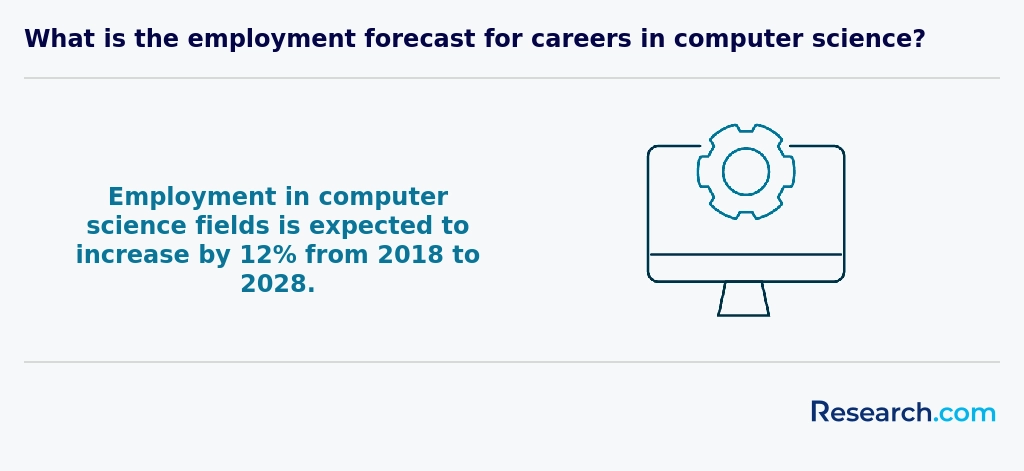
The Georgia Department of Economic Development reports a 12% growth in IT jobs through 2028, highlighting the region's demand for skilled professionals with practical experience.
Choosing the right concentration within an online information systems degree program in Georgia involves aligning your interests with market demand. Popular concentrations include cybersecurity, data analytics, and IT management. According to the Georgia Department of Labor, jobs in cybersecurity and data science are among the fastest-growing sectors in the state, with expected growth rates exceeding 15% over the next decade.
Consider your career goals and the skills you want to develop. Research programs that offer specialized courses in these high-demand areas. Additionally, look for programs with strong industry connections or internship opportunities based in Georgia's technology hubs such as Atlanta.
Review curriculum details carefully to ensure the concentration fits your interests and future job prospects. Consulting advisors and current professionals in the field can provide valuable insights when deciding which path to take.
Related Information Systems Rankings for Nearby States
- 2027 Best Online Information Systems Degree Programs Ranking in Florida
- 2027 Best Online Information Systems Degree Programs Ranking in Alabama
- 2027 Best Online Information Systems Degree Programs Ranking in Kentucky
- 2027 Best Online Information Systems Degree Programs Ranking in Virginia
- 2027 Best Online Information Systems Degree Programs Ranking in Arkansas
- 2027 Best Online Information Systems Degree Programs Ranking in Missouri
- 2027 Best Online Information Systems Degree Programs Ranking in Illinois
- 2027 Best Online Information Systems Degree Programs Ranking in Pennsylvania
- 2027 Best Online Information Systems Degree Programs Ranking in Texas
- 2027 Best Online Information Systems Degree Programs Ranking in New Jersey
Top Trending Information Systems Rankings
References
- 5 Essential IT Skills Employers Want to See in Candidates https://www.umassglobal.edu/blog-news/5-essential-skills-employers-want-see-candidates
- A Guide to Starting a Career in Computer Networking https://www.csinow.edu/blog/a-guide-to-starting-a-career-in-computer-networking/
- Discover On Campus and Online Computer Science Degrees in Georgia https://www.computerscience.org/online-degrees/georgia/
- Best Online Information Systems Degrees 2025 https://www.onlineu.com/degrees/information-systems
- What Are the Issues and Challenges in Information Technology? https://reinvent-hit.com/what-are-the-issues-and-challenges-in-information-technology/
- 144 Best Business Information Systems courses abroad 2026 https://www.hotcoursesabroad.com/study/training-degrees/international/business-information-systems-courses/cgory/cb.41-4/sin/ct/programs.html
- Information Technologies Master of Science Without Thesis Secondary Education Program https://www.tyyc.itu.edu.tr/ProgramHakkinda.php
- Alumni Network Management & Community Engagement Software https://hivebrite.io/alumni-management-software/
- Online Degree vs. Traditional: Choosing the Right Path https://beal.edu/online-degree-vs-traditional/
- OCNews https://www.okanagancollege.ca/story/diploma-battles-is-computer-information-systems-worth-it


