
2027 Easiest Online Information Systems Degree Programs Ranking in the USA

Co-Founder and Chief Data Scientist
Choosing the right online information systems degree can feel overwhelming. Fortunately, this article presents the 2027 Easiest Online Information Systems Degree Programs Ranking in the USA, carefully created by the Research.com team of data scientists.
Designed to help you make an informed choice, the ranking highlights programs that balance accessibility with quality education. Earning a degree in information systems opens doors to exciting tech careers and personal growth.
Explore this guide to find programs that match your goals and lifestyle while advancing your future.
Key benefits of getting online information systems degree in America
- Information systems graduates in the US can expect competitive salaries, with many entry-level roles offering around $60,000 annually and experienced professionals earning significantly more as they grow in their careers.
- Graduates from universities like Arizona State gain access to varied careers such as systems analyst, IT consultant, and database manager, opening doors to dynamic and rewarding job opportunities.
- Online degrees from schools like the University of Florida offer flexible schedules and lower costs, allowing students to balance work and study while earning a respected credential.
What can I expect from online information systems degree in America?
The average cost of an online information systems degree in America typically ranges between $20,000 and $50,000 for an undergraduate program, depending on the institution and residency status. Graduates from well-known public universities often report tuition closer to the lower end, benefiting from in-state rates and financial aid. Private institutions, by contrast, can push costs higher but frequently offer scholarships that ease the burden. For example, graduates from popular programs at public universities praise the affordable tuition combined with flexible scheduling that supports working adults juggling family and career obligations.
Many students highlight how the investment in an accredited program led to rewarding outcomes, such as securing internships and hands-on experience despite studying remotely. Reputable colleges with ABET accreditation provide strong alignment with industry standards, helping graduates confidently enter fields like cybersecurity and IT management. These pragmatic benefits often justify the cost, contributing to the 13% projected job growth in information systems roles and entry salaries typically starting around $60,000 annually.
Where can I work with online information systems degree in America?
Graduates with an online information systems degree in America often find employment in diverse sectors where technology and data management are crucial. Many alumni from institutions like Arizona State University and Penn State University report securing roles in technology companies, focusing on software development, IT services, and cybersecurity. The U.S. Bureau of Labor Statistics forecasts an 11% employment growth for computer and information systems managers from 2022 to 2032, underscoring strong demand.
Financial institutions in major cities such as New York and Chicago frequently hire information systems professionals to handle secure transactions and fintech innovations. Healthcare employers, including hospitals and clinics expanding electronic health records and patient management systems, also represent a growing job market, as reported by the Healthcare Information and Management Systems Society.
Government agencies at various levels offer exciting opportunities in cybersecurity and data system management, attracting graduates eager to contribute to public service. Many alumni find consulting or manufacturing roles where their skills in database management and systems analysis solve real-world business challenges.
How much can I make with online information systems degree in America?
Graduates with an online information systems degree in America can anticipate competitive earnings that grow with experience and job role. Entry-level positions, such as information systems analysts or systems administrators, frequently offer salaries ranging from $60,000 to $75,000 annually. Many graduates from recognized institutions, including those well-known for their information systems programs, report starting their careers within this range, managing IT resources and supporting business operations.
Mid-career professionals often transition into roles like IT project managers or business analysts, where salaries typically fall between $85,000 and $110,000. These roles reflect the increased responsibility and valuable skills gained through experience, often described by alumni from established programs in colleges throughout America.
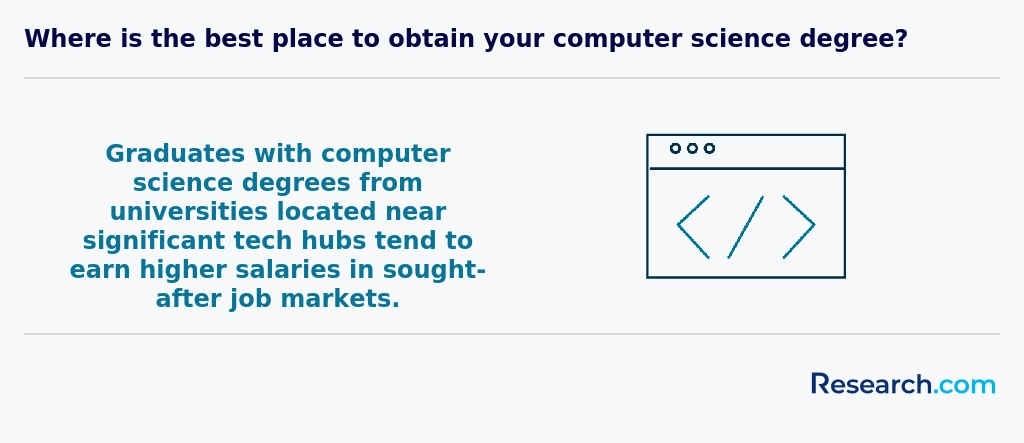
At the senior level, positions such as IT directors or chief information officers commonly exceed $130,000 annually, with some CIOs earning around $175,000. Graduates working in tech hubs-cities like San Francisco or Seattle-note even higher compensation, illustrating the geographic impact on salary potential. This data underscores the promising financial outcomes for online information systems degree holders ready to leverage their education in today's evolving tech landscape.
- Key benefits of getting online information systems degree in America
- What can I expect from online information systems degree in America?
- Where can I work with online information systems degree in America?
- How much can I make with online information systems degree in America?
- How do we rank schools?
- 2027 Easiest Online Information Systems Degree Programs Ranking in the USA
- What online information systems degree graduates have to say
- Key Findings
- How long does it take to complete online information systems degree in America?
- What's the difference between online and on-campus information systems degree?
- What is the average cost of online information systems degree in America?
- What financial aid is available to online information systems degree students in America?
- What are the prerequisites for enrolling in online information systems degree program in America?
- What courses are typically in online information systems degree programs in America?
- What types of specializations are available in online information systems degree programs in America?
- How do you choose the best online information systems degree in America?
- What career paths are available for online information systems degree students in America?
- What is the job market for online information systems degree in America?
- Frequently Asked Questions About information systems
- Top Trending Information Systems Rankings
How do we rank schools?
Investing in your education is a significant decision that can shape your future, and the Research.com team understands the importance of making informed choices. To assist prospective students, we have meticulously developed the "2027 Easiest Online Information Systems Degree Programs Ranking in the USA." Our commitment to quality, credibility, and accuracy is demonstrated through diligent research and analysis conducted to compile this ranking.
We utilized the following reputable data sources to ensure a comprehensive evaluation of online Information Systems degree programs:
By exploring this ranking, readers will gain valuable insights into the easiest online programs in Information Systems, helping them make confident and well-informed educational decisions. For further details on our methodology, please visit our Research.com methodology page.
2027 Easiest Online Information Systems Degree Programs Ranking in the USA
# 1 position

The University of Arizona offers a 24-month Master's program in Information Technology with an open admission acceptance rate of 86%. The program has a graduation rate of 68% and an average total cost of $22,980. It serves a large online student body of 13,864, with 96% of students receiving high levels of financial aid.
# 2 position
The University of Arizona
BachelorThe University of Arizona offers an open admission bachelor's program focusing on Geographic Information Systems and Geography. The program spans 48 months with an average total cost of $61,800. It serves 13,864 online students and has a graduation rate of 68%. A notable 96% of students receive high levels of financial aid, supporting access and affordability for a diverse student body.
# 3 position
University of Maine
Master
The University of Maine offers a Master's program in Information Technology designed to be completed in 24 months. It has an open admission policy with a 97% acceptance rate, making it accessible to most applicants. The program averages a total cost of $17,280. About 99% of students receive financial aid, indicating a high level of support. The graduation rate is 55%, and the program has an enrollment of 5,800 online students.
# 4 position
Marshall University
Master
The Master's program in Information Technology at Marshall University offers an 18-month curriculum with an open admission policy, accepting 96% of applicants. The program has a graduation rate of 51% and enrolls 4,753 students online. Tuition averages $11,355, with a high level of financial aid available to 98% of students. This combination provides accessible options for students seeking advanced IT education.
# 5 position

The University of Michigan-Flint offers a Master's degree program focused on Information Technology with a length of 24 months. The program has a graduation rate of 40% and costs an average total of $17,355. It enrolls 4,488 online students and has a less selective acceptance rate of 70%. Nearly all students receive financial aid, with 99% benefiting from high aid levels.
# 6 position
Saint Louis University
Master
Saint Louis University offers a Master's program in Information Technology, designed to be completed in 24 months. The program has a graduation rate of 80% and an acceptance rate of 75%, categorizing it as less selective. The average total cost is $26,070, with 100% of students receiving financial aid, indicating high aid levels. Currently, 3,599 online students are enrolled in this program.
# 7 position
Regent University
Bachelor
Regent University offers a Bachelor's degree in Information Technology, designed to be completed in 60 months. The program maintains a 57% graduation rate and is moderately selective with a 38% acceptance rate. Tuition averages $47,400, with 97% of students receiving high levels of financial aid. The program supports a large online community, enrolling 9,624 students remotely, making it accessible for distance learners.
# 8 position

The University of Colorado Denver/Anschutz Medical Campus offers a Master's program in Information Technology lasting 36 months. This less selective program has a 75% acceptance rate and a graduation rate of 46%. The average total cost is $36,840, with 94% of students receiving high levels of financial aid. There are 8,082 online students currently enrolled, indicating strong remote learning options.
# 9 position

Maryville University of Saint Louis offers a Bachelor's program focused on Information Technology Management and Business, lasting 48 months. The program has an open admission policy with a 95% acceptance rate. It supports a large online enrollment of 7,061 students and maintains a graduation rate of 66%. Nearly all students, 99%, receive financial aid. The average total cost of the program is approximately $64,000.
# 10 position

The University of Arkansas at Little Rock offers a Bachelor's degree in Business, designed to be completed in 60 months. The program has a less selective acceptance rate of 59%, welcoming a broad range of applicants. A high 98% of students receive financial aid, helping manage the average total cost of $33,600. The graduation rate is 42%, and there are currently 6,218 online students enrolled in this program.
# 11 position

Georgia College & State University offers a Master's program in Information Technology lasting 18 months. The program has an open admission policy with a 78% acceptance rate and a graduation rate of 64%. It serves 1,620 online students and features an average total cost of $8,640. Financial aid is highly accessible, with 97% of students receiving support, making it a well-supported option for prospective students.
# 12 position

West Texas A & M University offers a Master's program in Information Technology Management that spans 18 months. The program has an open admission policy with a 99% acceptance rate. About 94% of students receive high levels of financial aid. It enrolls 3,944 online students and features a graduation rate of 55%. The average total cost for completing the program is $16,200.
# 13 position

Nova Southeastern University offers a Master's program in Information Technology designed to be completed in 18 months. The program has a graduation rate of 63% and is less selective, with an acceptance rate of 73%. It enrolls 527 online students and provides high levels of financial aid, with 100% of students receiving assistance. The average total cost for the program is $32,580.
# 14 position

The University of Detroit Mercy offers an 18-month Master's program in Information Technology with an acceptance rate of 75%, indicating less selective admissions. The program has a graduation rate of 67% and costs an average total of $26,670. One hundred students are enrolled online, and all students benefit from high levels of financial aid, with 100% receiving assistance throughout their studies.
# 15 position

The University of Michigan - Dearborn offers a 24-month Master's program focused on Engineering. With a graduation rate of 58%, the program is less selective, admitting 56% of applicants. Nearly all students-99%-receive financial aid, reflecting a high level of support. The average total cost is $30,300. The program also enrolls 1,370 online students, providing flexible learning options for those pursuing advanced engineering studies.
# 16 position
Valdosta State University
Bachelor
Valdosta State University offers a Bachelor's degree in Information Technology with a program length of 48 months. The school has a less selective acceptance rate of 72%, and 93% of students receive high levels of financial aid. The average total cost for the degree is $35,880. There are 7,705 online students enrolled, while the program's graduation rate stands at 42%.
# 17 position
New Mexico State University
Bachelor
New Mexico State University offers a Bachelor's program in Information Technology designed to be completed in 48 months. It has an open admission policy with an acceptance rate of 89%. The program has a graduation rate of 55% and serves 6,250 online students. The average total cost is $45,624, with 96% of students receiving high levels of financial aid to support their education.
# 18 position

The University of Massachusetts Dartmouth offers a Bachelor's degree focused on Business that can be completed in 24 months. The program has an open admission policy with a 91% acceptance rate. About 52% of students graduate. Nearly all students (99%) receive financial aid, indicating high support availability. The average total cost is $43,080. There are 1,855 online students currently enrolled in this program.
# 19 position
Saint Louis University
BachelorSaint Louis University offers a Bachelor's program in Information Technology that lasts 24 months. The program has an 80% graduation rate and accepts 75% of applicants, indicating a less selective admission process. The average total cost is $78,000, with all students receiving high levels of financial aid. The online enrollment is 3,599 students, reflecting a significant distance learning presence.
# 20 position
Virginia Wesleyan University
Bachelor
Virginia Wesleyan University offers a 12-month Bachelor program focused on Information Technology. The program has a graduation rate of 42% and an acceptance rate of 73%, indicating a less selective admission process. The average total cost is $51,072, with 100% of students receiving financial aid, reflecting a high level of support. Currently, 215 students are enrolled online, making it a substantial option for distance learners.
What online information systems degree graduates have to say
- Emma: Studying my Information Systems degree online at Arizona State University gave me unmatched flexibility. The curriculum was cutting-edge, and the support from professors was incredible-even virtually. Balancing work and study was tough, but ASU's structure made it rewarding and truly transformed my career prospects.
- Jason: The online Information Systems program at the University of Florida was a game-changer. The interactive coursework and real-world applications kept me engaged. I felt connected through group projects and discussion boards, making the experience feel personal despite the distance. This degree opened doors I never imagined.
- Monica: Pursuing my Information Systems degree online through Penn State World Campus exceeded all expectations. The comprehensive resources and practical tech training empowered me to grow confidently. Studying at my own pace helped me manage family and studies, turning dreams into achievable goals with full support.
Key Findings
- Online bachelor's degrees in information systems cost between $15,000 and $30,000 at public universities for in-state students, and over $40,000 at private or out-of-state schools.
- Employment for computer and information systems managers is expected to grow 15% from 2021 to 2031, faster than the national average for all jobs.
- Starting salaries for information systems graduates average around $60,000 per year, with mid-career salaries ranging from $90,000 to $110,000.
- Senior-level roles in information systems can offer salaries exceeding $130,000 annually, especially in management or specialized IT areas.
- Accreditation from regional bodies or ABET ensures program quality and better job prospects.
- Many programs include internships or practicums to provide hands-on experience and networking opportunities.
How long does it take to complete online information systems degree in America?
Completing an online information systems degree in America typically takes between two and four years, depending on enrollment status and transfer credits. For instance, a full-time student at a well-known university like Arizona State University often completes their bachelor's in about four years, aligning with the standard 120 to 130 credit hour requirement. However, some graduates report finishing earlier through accelerated courses or transferring credits from prior studies, reducing the timeframe to as little as two to three years.
Graduate degrees, such as a master's from institutions like Northeastern University, usually require 30 to 45 credit hours and can be completed in 18 months to three years. Many students juggle work and study by opting for part-time enrollment, which extends the duration but provides essential flexibility. Students appreciate this adaptability, as it makes balancing career and education more manageable, a critical factor highlighted by many successful graduates.
Key factors influencing completion time include enrollment type, transfer credits, and program pacing, all of which allow students across the U.S. to tailor their educational journey according to personal and professional needs.
What's the difference between online and on-campus information systems degree?
Online and on-campus information systems degrees in the US mainly differ in delivery, cost, and student experience. Online programs, offered by universities like Arizona State or Penn State, provide flexible scheduling that suits working adults or those balancing family commitments. Graduates often appreciate accessing coursework remotely on their own time, enjoying up to 30% lower tuition compared to on-campus fees, according to College Board data.
Conversely, traditional on-campus programs at institutions such as the University of Texas or University of Michigan immerse students in a collaborative environment with direct professor interaction, group projects, and campus resources like labs. Graduates report valuable networking opportunities that can accelerate career paths, though attending requires commuting or relocating and adhering to fixed schedules.
Both modes share accredited curricula recognized by bodies like ABET, ensuring comparable quality and job prospects. However, the choice depends on personal learning preferences-online offers convenience and cost benefits, while on-campus fosters richer interpersonal connections within popular American IS programs.
What is the average cost of online information systems degree in America?
The average cost of an online information systems degree in America typically centers around a median total expense of $41,700, with a notable difference between in-state and out-of-state students. For those attending in-state public universities, the overall cost tends to be closer to $19,800, which reflects more affordable tuition rates bolstered by state residency discounts. Out-of-state students face a higher median total cost around $36,840, illustrating how geographic factors influence overall expenses.
Graduates recall their experiences attending popular institutions such as state universities renowned for their information systems programs. Many express satisfaction with the value they received, particularly when considering flexible online formats combined with in-state tuition advantages. For example, students paying per-credit fees saw variability ranging from $300 to $600 at these public schools, which kept their total degree costs manageable within their budgets. This real-life pricing dynamic underscores the importance of understanding how institution type and residency impact costs when researching affordable online information systems programs 2027 USA.
Besides tuition, graduates often mention the manageable extra costs like technology fees and materials that rarely exceed a few hundred dollars per semester. Financial aid options, scholarships, and employer tuition assistance are frequently utilized to further reduce total expenses. Prospective students aiming for accessible programs might also explore specialized options such as the HIM degree, which shares some cost-containment strategies relevant to information systems education.
What financial aid is available to online information systems degree students in America?
Online information systems students in America benefit from diverse financial aid options that significantly ease the burden of tuition, which can range from $15,000 to $40,000 annually. Federal Pell Grants, offering up to $7,395 for the 2023-2024 academic year, provide vital need-based funding that many undergraduates at institutions like Arizona State University or the University of Texas at Dallas rely on to make their degrees affordable.
Federal student loans, including Direct Subsidized and Unsubsidized Loans, serve as flexible solutions for spreading cost over time. Graduates often recall how unsubsidized loans covered expenses when subsidized options were unavailable, especially for those advancing to graduate programs. Completing the FAFSA is essential to access these benefits.
Scholarships from organizations such as the Association for Information Systems and merit-based awards from universities like Georgia Tech have empowered many to pursue specialized fields like cybersecurity. Meanwhile, employer tuition assistance programs have proven invaluable for working professionals, sometimes covering the full cost of their studies, enabling career advancement without overwhelming debt.
State-specific aid, such as the California College Promise Grant, further supports in-state students by waiving community college fees, illustrating the layered approach to funding that makes information systems degrees attainable nationwide.
What are the prerequisites for enrolling in online information systems degree program in America?
To enroll in online information systems degree programs in America, prospective students must typically hold a high school diploma or GED for bachelor's tracks, while master's applicants need a completed bachelor's degree often in related fields like computer science or business. Graduates from renowned institutions such as the University of Arizona or Pennsylvania State University often highlight the importance of maintaining a GPA around 2.5 to 3.0, reflecting common minimum academic standards across many schools.
Standardized test scores such as the SAT or ACT are becoming less emphasized due to test-optional policies, increasing accessibility for many applicants. However, students consistently report that demonstrating fundamental technical proficiency-basic computer skills, familiarity with programming, and understanding of mathematics, especially statistics-is crucial to keep up with the demanding coursework that covers database management and cybersecurity.
For online learners at schools like the University of Illinois or Texas A&M, prior professional IT experience can be a valuable asset, sometimes offsetting formal requirements. This practical background often boosts confidence and readiness, helping graduates approach their studies with enthusiasm and a real-world perspective.
What courses are typically in online information systems degree programs in America?
Online information systems degree programs in America typically include core courses designed to build both technical and business skills essential for IT careers. Graduates from well-known institutions such as Arizona State University and the University of Illinois often highlight courses like Introduction to Information Systems, which provides a practical overview of how technology integrates with business functions.
Students also engage deeply with Database Management Systems, learning to create and maintain databases that support real-world business operations. Systems Analysis and Design trains students to develop efficient information solutions, applying methodologies used in companies across the US. Networking and Telecommunications courses cover crucial infrastructure knowledge, preparing learners for managing enterprise networks.
Programming Fundamentals introduce languages like Python and SQL, enabling hands-on skills for software development and data handling. Information Security coursework addresses the urgent need to protect digital information, a subject many graduates find rewarding because of its direct impact on cybersecurity roles.
Institutions emphasize project management skills, reflecting the coordination required in actual technology projects. Electives often allow students to tailor their expertise, with many turning to business intelligence or cloud computing to align with their career ambitions.
What types of specializations are available in online information systems degree programs in America?
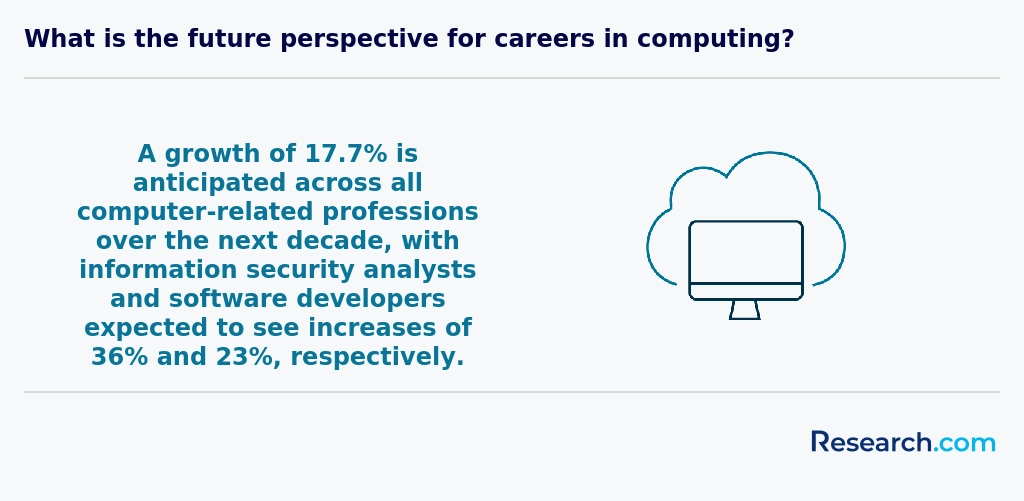
Online information systems specializations USA encompass key focus areas like Cybersecurity, Data Analytics and Business Intelligence, and Enterprise Systems with IT Project Management. Graduates from institutions such as Arizona State University and the University of Maryland report excitement about tackling real-world challenges, like safeguarding networks against breaches or optimizing data-driven strategies for business growth. Cybersecurity remains highly sought-after, with the U.S. Bureau of Labor Statistics projecting information security employment growth of 35% through 2031, reflecting strong job market demand.
Information systems degree focus areas America also include Cloud Computing, Health Informatics, and Software Development. For example, learners specializing in Health Informatics gain skills that merge IT with healthcare systems, boosting their career prospects. Many find this specialization rewarding as it aligns with emerging healthcare technologies and patient data management. Insights from graduates highlight the value of understanding data in healthcare, evident in institutions that support learning about master in health information management salary expectations and opportunities.
How do you choose the best online information systems degree in America?
Choosing the best online information systems degree in America requires focusing on accreditation, cost, and curriculum relevance. Graduates from well-known public universities report greater satisfaction when their program is accredited by agencies like ABET or HLC, ensuring the degree holds value with employers. Tuition varies widely; public institutions typically offer affordable online programs, with average costs ranging from $15,000 to $40,000 per year depending on residency and institution type. Flexibility is essential-successful students appreciate asynchronous schedules that accommodate full-time work, while programs with strong career services and internships enhance job prospects. Top programs integrate emerging fields such as cybersecurity and cloud computing, which aligns with the 11% predicted growth in information systems management jobs from 2022 to 2032.
Many consider affordable online information systems degrees America-wide that offer specialization options and robust technical support. Prospective students often research virtual networking opportunities and faculty expertise to find a program that fits both career goals and lifestyle. For those exploring related fields, see accelerated computer science degree programs for comparison.
What career paths are available for online information systems degree students in America?
Graduates with an online information systems degree in America often find a diverse range of job opportunities for information systems graduates in America across multiple industries. Popular career paths include roles such as systems analysts, who evaluate IT infrastructures to increase efficiency, and database administrators, responsible for managing large-scale organizational data. Information security analysts are increasing in demand, particularly as cybersecurity measures become essential for businesses nationwide. Graduates from universities well-regarded for information systems degrees, such as those offering flexible online programs, frequently report early career success in roles like IT project managers and network administrators.
Many alumni from top institutions emphasize the appeal of positions with competitive salaries; for instance, computer and information systems managers earned a median wage of $159,010 in 2022. Entry-level roles typically offer salaries ranging from $70,000 to $80,000, making these careers financially attractive. Some graduates enhance their marketability by pursuing specialized certifications.
Students considering career flexibility might explore a fast track cyber security degree to quickly enter the field. Overall, an online information systems degree careers in the USA opens pathways grounded in strong job growth projections and real-world applications.
What is the job market for online information systems degree in America?
The online information systems degree job outlook in USA is robust, with growth driven by rapid technological adoption across industries. Graduates from well-known colleges offering flexible online programs report securing roles such as systems analysts and cybersecurity specialists, often balancing studies with work. The U.S. Bureau of Labor Statistics projects a 13% growth in computer and information technology jobs through 2031, signaling strong demand.
Career opportunities for information systems graduates in America are diverse, spanning finance, healthcare, government, and tech. Graduates from popular universities appreciate how online learning accommodates their schedules while enabling skill development in real-world scenarios. Salaries reflect this demand, with median wages for IT managers around $159,010 and entry roles near $93,730 annually.
Many students pursue continuing education through data analysis programs to enhance their career prospects. The combination of accredited online degrees, certifications, and relevant experience positions graduates for success amid evolving IT landscapes and remote work trends.
Frequently Asked Questions About information systems
Students pursuing online information systems degrees in America can maximize their learning by actively engaging with digital tools and course resources. According to the National Center for Education Statistics, over 35% of U.S. college students took at least one online course in 2023, demonstrating widespread access to digital learning platforms. Participating in discussion forums and collaborating on projects helps replicate in-person interaction, which is crucial to mastering complex information systems concepts.
Time management also plays a key role; setting clear study schedules can improve retention and performance. Additionally, leveraging resources from professional organizations like the Association for Information Systems provides access to industry trends and networking opportunities. Staying current with software and certifications relevant to the field can further enhance career readiness.
Emerging niches within the information systems field in the US are rapidly evolving as technology advances. Currently, cybersecurity remains a top priority, with the Bureau of Labor Statistics projecting a 35% growth in information security analyst jobs from 2021 to 2031. Another expanding area is data analytics, where professionals help organizations interpret complex data, supported by a strong demand for data scientists.
Health informatics also sees growth, integrating information systems with healthcare data to improve patient care. Finally, cloud computing expertise is crucial as companies increasingly adopt cloud services, creating numerous job opportunities for system architects and administrators.
After completing an online information systems degree in America, preparing for the job market requires a strategic approach. First, gaining relevant certifications such as CompTIA Security+ or Certified Information Systems Auditor (CISA) can enhance your resume. According to the U.S. Bureau of Labor Statistics, information systems jobs are projected to grow 15% from 2021 to 2031, indicating strong demand.
Networking also plays a crucial role. Joining professional organizations, like the Information Systems Audit and Control Association (ISACA), offers access to job boards and industry events. Additionally, practical experience through internships or co-op programs available during online coursework can boost employability.
Finally, developing strong communication and project management skills can set graduates apart in this competitive field.
Employers in America prioritize a combination of technical and soft skills when hiring graduates with information systems degrees. According to the U.S. Bureau of Labor Statistics, proficiency in data analysis, cybersecurity, and database management are among the most sought-after technical skills. Additionally, skills in programming languages like SQL, Python, and Java are highly valued.
Beyond hard skills, employers expect graduates to have strong problem-solving abilities and effective communication skills. The Information Systems Audit and Control Association (ISACA) highlights teamwork and project management as critical for success in this field.
Overall, graduates who blend technical expertise with interpersonal and analytical skills tend to stand out in America's competitive job market.
Finding internships relevant to an information systems degree in America involves multiple strategies. Start by utilizing your university's career services, which often connect students with tech companies seeking interns. According to the National Association of Colleges and Employers (NACE), about 59% of internships relate directly to students' majors, highlighting the importance of targeted job fairs and on-campus recruiting.
Many US companies post internship opportunities on platforms like Handshake and LinkedIn. For information systems specifically, look for openings in IT departments, software development, and data management. The U.S. Bureau of Labor Statistics notes a growing demand for IT roles, which increases internship availability.
Networking through professional organizations like ISACA or local tech meetups can also lead to internships. Additionally, government websites such as USAJOBS provide internships in federal IT sectors. Early application and tailored resumes increase your chances.
An online information systems degree significantly enhances career mobility and advancement in America. According to the Bureau of Labor Statistics, employment in computer and information technology occupations is projected to grow 15% from 2021 to 2031, much faster than the average for all jobs. This demand creates opportunities for degree holders to move into specialized roles or managerial positions. Online programs often offer flexibility, enabling working professionals to upskill without interrupting their careers.
Graduates with this degree benefit from gaining skills in data management, cybersecurity, and system analysis, which are highly sought after. Employers increasingly recognize accredited online degrees, boosting hiring and promotion prospects for graduates nationwide.
Studying for an information systems degree in America equips students with skills that bridge technology, business, and management. Programs often combine courses in computer science, data analysis, and organizational behavior to prepare graduates for diverse workplaces. According to the U.S. Bureau of Labor Statistics, the increasing demand for information systems managers highlights the interdisciplinary nature of the field.
Online degrees in this area emphasize problem-solving across departments, making graduates valuable in various industries such as healthcare, finance, and government. Institutions also incorporate real-world projects, encouraging collaboration with peers in different specialties to develop communication and leadership skills.
Choosing between a thesis and a non-thesis online information systems degree program in America depends largely on your career goals. Thesis programs emphasize research and typically require 6 to 12 months of independent study, ideal for students considering doctoral degrees or research roles. Non-thesis options usually focus on practical skills with additional coursework or a capstone project. According to the National Center for Education Statistics, about 60% of information systems graduate students in the U.S. opt for non-thesis tracks, reflecting workforce demand for applied expertise. Employers in IT sectors often prioritize hands-on experience over research credentials.
Thesis programs foster critical thinking and advanced problem-solving skills, which are beneficial for specialized roles in data science or academia. In contrast, non-thesis programs may be completed faster and offer greater flexibility, important for working professionals balancing studies with jobs. Accreditation from bodies like ABET or regional agencies is crucial for both paths to ensure quality.
American students interested in studying information systems abroad have several options through U.S. universities offering partnerships with international institutions. Many accredited online information systems programs include study-abroad components, allowing students to earn credits from foreign universities while maintaining enrollment in their home institution. According to the National Center for Education Statistics, over 18,000 American students participated in study abroad programs in 2021, with technology-related fields growing steadily.
Additionally, some U.S. universities provide dual-degree or exchange programs with schools in Europe and Asia, enabling students to gain global perspectives while completing their degrees online. These pathways can enhance cultural competency and technical skills vital for a global job market.
Part-time job opportunities that complement an online information systems degree in America are diverse and practical. Many students find internships or part-time roles as IT support specialists, data analysts, or junior web developers. These positions allow hands-on experience with systems management and data processing, essential skills in the field.
According to the U.S. Bureau of Labor Statistics, IT support roles are expected to grow 8% from 2022 to 2032, highlighting a stable job market for students. Additionally, remote freelance positions in cybersecurity and software testing are increasingly available, fitting well with flexible online coursework schedules.
Employer-sponsored roles in tech companies often provide practical exposure to real-world information systems challenges, making them ideal for part-time students. These jobs not only strengthen resumes but also enhance understanding of current technologies used across American industries.
Online information systems students in America have growing opportunities to connect with professionals and peers. Many universities offer virtual career fairs and student clubs tailored to information systems, helping students build networks even remotely. According to CompTIA's 2023 report, 72% of IT hiring managers value candidates' professional networking. Students can also join national organizations such as the Association for Information Systems (AIS), which provides webinars, local chapters, and mentoring programs. Additionally, platforms like LinkedIn host groups specifically for information systems professionals, facilitating knowledge sharing and job leads. These resources provide crucial support for career growth in the US IT sector.
Alumni networks play a vital role in supporting online information systems degree students in America. These networks offer access to experienced professionals who can provide career advice, mentorship, and job leads. According to the National Association of Colleges and Employers (NACE), over 70% of jobs are found through networking, making alumni connections especially valuable.
Graduates from information systems programs often share insights on certifications, emerging technologies, and industry trends. Many universities with strong online IS degrees have active alumni groups on LinkedIn, facilitating peer support and professional growth.
This community fosters continuous learning and increases employment opportunities in a competitive field like information systems.
Customizing an online information systems degree in America allows students to align their education with specific career goals. Many universities offer flexible curricula with elective courses covering areas like cybersecurity, data analytics, and project management. According to the U.S. Bureau of Labor Statistics, jobs in information systems and cybersecurity are projected to grow 15% from 2021 to 2031, highlighting the importance of specialization.
Students can choose concentrations or minors that match industry demands, enhancing employability. Some programs also provide options for internships or capstone projects, giving practical experience. Accredited schools ensure quality education that meets industry standards.
Online information systems students in America often face challenges related to balancing coursework with work and personal commitments. According to the National Center for Education Statistics, about 40% of online learners are working full-time, which can increase stress and reduce study time.
Technical difficulties, such as unreliable internet access and lack of adequate hardware, also impact student success. A 2023 EDUCAUSE report noted that 25% of online students experience connectivity issues.
Additionally, students may struggle with limited interaction with peers and instructors, which can hinder networking and mentorship opportunities vital for IT careers.
With an online information systems degree in America, graduates can pursue several respected professional certifications that enhance career prospects. Popular certifications include the Certified Information Systems Security Professional (CISSP) for cybersecurity roles and the Certified Information Systems Auditor (CISA), which is valuable for IT audit and control positions.
The Project Management Professional (PMP) certification is another option, especially useful for those aiming to manage IT projects. Additionally, the CompTIA Security+ certification can serve as an entry point into cybersecurity fields.
According to the U.S. Bureau of Labor Statistics, the demand for information systems managers holding these certifications is projected to grow by 15% through 2032, reflecting the increasing need for skilled professionals in information technology.
Applying to an online information systems program in America requires a clear demonstration of your academic readiness and professional goals. Most universities value a strong undergraduate GPA, typically above 3.0, with coursework in computer science or business. According to the National Center for Education Statistics, information systems enrollments have grown 25% since 2015, increasing competition.
Highlight relevant work experience, internships, or certifications like CompTIA or Cisco, which show practical skills. Craft a concise personal statement explaining why information systems interest you and how it fits your career plan. Strong letters of recommendation from academic or professional sources are essential, emphasizing your analytical and problem-solving skills.
Lastly, ensure your application is free of errors and submitted before deadlines, as late entries are rarely considered.
The global demand for information systems professionals continues to grow, with many opportunities emerging in technology-driven industries. In the United States, information systems careers are projected to grow by 15% from 2021 to 2031, according to the U.S. Bureau of Labor Statistics. This growth rate is faster than the average for all occupations, highlighting strong job prospects.
Internationally, businesses increasingly rely on information systems for data management, cyber security, and decision-making support. This trend creates global mobility for graduates with American online information systems degrees, as skills learned are applicable worldwide.
Furthermore, many US programs emphasize global case studies and cross-cultural team projects, preparing students for the diversity of challenges faced in multinational companies.
The median annual wage for computer and information systems managers was $159,010 in May 2022, reflecting the high value of this expertise.
Gaining practical experience during an online information systems degree in America is essential for career readiness. Many programs encourage internships, which can often be completed remotely due to increasing telework opportunities. According to the National Association of Colleges and Employers (NACE), over 60% of employers in the tech sector value internship experience highly when hiring.
Students can also engage in capstone projects that simulate real-world challenges, allowing hands-on use of software and system design. Participating in student organizations or online hackathons provides collaboration opportunities. Additionally, certifications in tools like SQL or cloud platforms complement academic learning and boost employability.
When choosing a concentration within an online information systems degree program in America, consider your career goals first. Concentrations like cybersecurity, data analytics, or systems management align with different job markets and growth areas. For example, cybersecurity jobs in the U.S. are projected to grow 35% from 2021 to 2031, according to the Bureau of Labor Statistics (BLS).
Research which industries are thriving regionally or nationally and the skills employers seek. Look for programs with concentrations accredited by recognized bodies, such as ABET, to ensure quality education. Comparing course content helps, especially practical skills versus theoretical knowledge.
Online flexibility and internship opportunities can also guide your decision.
Top Trending Information Systems Rankings
References
- Best Online Information Systems Degrees 2025 https://www.onlineu.com/degrees/information-systems
- The Top IT Challenges Facing Universities (And How to Tackle Them) | Full Fabric https://www.fullfabric.com/articles/it-challenges-universities-face
- What professions does the IIS sector offer? - ECE https://www.ece.fr/en/what-professions-does-the-information-system-sector-offer/
- OCNews https://www.okanagancollege.ca/story/diploma-battles-is-computer-information-systems-worth-it
- 2025 Information Systems Analyst Cover Letter Example (+Free Template) https://www.tealhq.com/cover-letter-example/information-systems-analyst
- How to Maximize the Impact of Alumni Networks https://www.careeros.com/resources/how-to-maximize-the-impact-of-alumni-networks
- (apply for a place in the Bachelor of Information Technology) Letter of Motivation https://essayforum.com/letters/apply-place-bachelor-information-technology-39720/
- What Can I Do with a Computer Information Systems Degree? https://www.nec.edu/news/what-can-i-do-with-a-computer-information-systems-degree
- Graduate Programs https://program.metu.edu.tr/en/ms-without-thesis-information-systems
- Data Security Challenges and Best Practices for Student Information Systems https://education.adaptit.tech/blog/data-security-challenges-and-best-practices-for-student-information-systems/


