
2027 Most Affordable Online Information Systems Degree Programs Ranking in Texas

Co-Founder and Chief Data Scientist
Choosing the right information systems degree program can be overwhelming, especially with so many options available online. To help Texas students make an informed decision, this article features the 2027 Most Affordable Online Information Systems Degree Programs Ranking in Texas.
Created by the Research.com team of data scientists, the ranking highlights programs that balance quality education with affordability. Reading this article will guide you toward programs that fit your budget and career goals.
Investing in an information systems degree opens doors to exciting technology careers, offering both growth and stability in an ever-evolving field.
Key benefits of getting online information systems degree in Texas
- Salary: Graduates with information systems degrees in Texas often enter roles like Computer and Information Analysts, earning a mean hourly wage around $46.45 nationwide, reflecting strong earning potential in the field.
- Career paths: An information systems graduate from the University of Texas at Austin can pursue diverse roles such as IT project manager, systems analyst, or cybersecurity specialist, offering exciting opportunities across industries.
- Online degree benefits: Completing an online information systems degree from Texas A&M University provides flexibility to balance work and study, often allowing faster entry into the workforce while gaining the same respected credential as traditional programs.
What can I expect from online information systems degree in Texas?
The average cost of an online information systems degree in Texas typically ranges between $10,000 and $25,000 for public universities, making it an affordable option compared to other states. Graduates from schools like the University of Texas at Austin and Texas A&M often appreciate this balance of quality education and reasonable tuition. Many find that the value gained-through learning vital skills like cybersecurity, database management, and IT project leadership-is well worth the investment.
One graduate shared how managing coursework around a full-time job was easier thanks to flexible schedules and competitive pricing. Financial aid and scholarships tailored for online students also help reduce costs substantially, making these programs accessible for those juggling family or career commitments.
Choosing a Texas institution means engaging with curricula that reflect the state's robust tech industry while staying mindful of your budget. In the end, the affordability combined with strategic learning opportunities allows students to confidently step into rewarding careers without excessive financial pressure.
Where can I work with online information systems degree in Texas?
Graduates with an online information systems degree in Texas find themselves stepping into an exciting world of opportunity where their skills are highly valued. Imagine joining a vibrant tech scene in Austin or Dallas, working for innovative startups or established companies that rely on experts in network administration, cybersecurity, and data management. Many graduates from universities like the University of Texas at Austin share how their programs prepared them to confidently enter these dynamic environments.
Beyond tech, think about the vital roles in healthcare hubs such as the Texas Medical Center in Houston, where information systems graduates help safeguard patient records and optimize electronic health systems. Others choose finance in Dallas, where managing secure and compliant information systems is crucial, or public sector positions that protect the IT infrastructure behind essential government services.
These diverse paths prove that with an information systems degree from a Texas college or university, you're not just studying-you're preparing for a career that impacts big industries with lasting influence and growth potential.
How much can I make with online information systems degree in Texas?
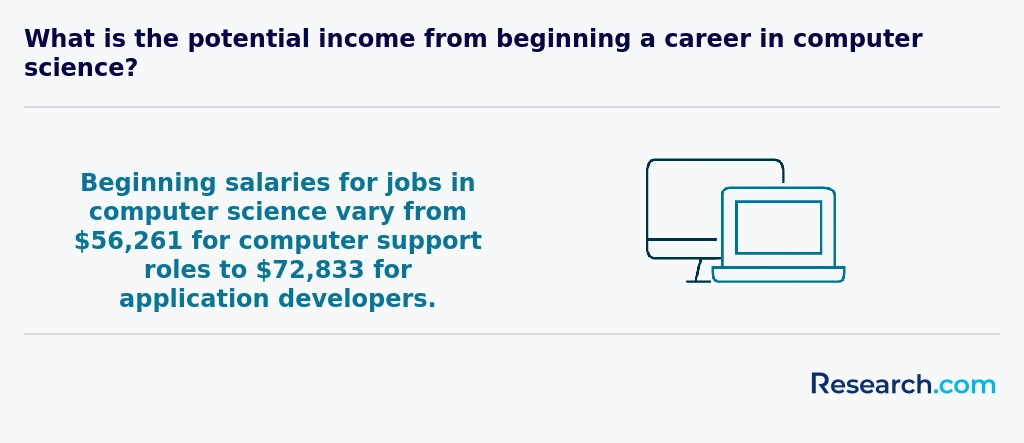
Graduates who earn their online information systems degree in Texas often find themselves stepping into a vibrant job market with competitive salaries. While exact salary data from official sources may be limited, industry insights reveal that entry-level roles typically start between $55,000 and $70,000 annually. Imagine a graduate from a well-known Texas university landing an IT support specialist role in Austin; their salary reflects both the city's tech growth and the valuable skills gained online.
As graduates gain experience, salaries can climb swiftly. Positions such as systems analysts or IT project managers in cities like Dallas or Houston frequently offer $90,000 to $120,000 per year. These salaries are bolstered by Texas's booming tech hubs, where companies seek strong candidates with practical certifications like CISSP or PMP.
Many graduates I've known from Texas colleges appreciate that earning potential grows with skill mastery and networking within local industries. Online programs offer flexibility, letting students balance work while boosting their careers right where they live.
- Key benefits of getting online information systems degree in Texas
- What can I expect from online information systems degree in Texas?
- Where can I work with online information systems degree in Texas?
- How much can I make with online information systems degree in Texas?
- How do we rank schools?
- 2027 Most Affordable Online Information Systems Degree Programs Ranking in Texas
- What online information systems degree graduates have to say
- Key Findings
- How long does it take to complete online information systems degree in Texas?
- What's the difference between online and on-campus information systems degree?
- What is the average cost of online information systems degree in Texas?
- What financial aid is available to online information systems degree students in Texas?
- What are the prerequisites for enrolling in online information systems degree program in Texas?
- What courses are typically in online information systems degree programs in Texas?
- What types of specializations are available in online information systems degree programs in Texas?
- How do you choose the best online information systems degree in Texas?
- What career paths are available for online information systems degree students in Texas?
- What is the job market for online information systems degree in Texas?
- Frequently Asked Questions About information systems
- Related Information Systems Rankings for Nearby States
- Top Trending Information Systems Rankings
How do we rank schools?
Investing in your education is a significant decision that can greatly impact your future, and the Research.com team recognizes the importance of providing accurate and trustworthy information. To help prospective students in Texas, we have carefully developed the "2027 Most Affordable Online Information Systems Degree Programs Ranking in Texas." Our dedication to quality, credibility, and accuracy is evident through thorough research and data analysis. We utilized the following reputable data sources to create a comprehensive and reliable ranking:
By reviewing this ranking, readers will gain valuable insights into affordable and quality online degree options in Information Systems across Texas, empowering them to make informed and confident educational choices. For more details on our methodology, please visit our Research.com methodology page.
2027 Most Affordable Online Information Systems Degree Programs Ranking in Texas
# 1 position

West Texas A & M University offers a Master's program in Information Technology Management that spans 18 months. The program has an open admission policy with a 99% acceptance rate. About 94% of students receive high levels of financial aid. It enrolls 3,944 online students and features a graduation rate of 55%. The average total cost for completing the program is $16,200.
# 2 position
University of Houston - Downtown
Bachelor
The University of Houston - Downtown offers a Bachelor's degree focusing on Information Technology Management and Business. This program features an open admission policy with a 90% acceptance rate, making it accessible for many applicants. The graduation rate is 33%, indicating challenges in program completion. With an average total cost of $28,830, it serves over 10,000 online students. A high 88% of students benefit from financial aid support.
# 3 position
University of the Incarnate Word
Bachelor
The University of the Incarnate Word offers a Bachelor program in Information Technology lasting 36 months. The school has an open admission policy with a 98% acceptance rate. The average total cost is $64,800, and every student receives financial aid, reflecting a high level of support. The program has a graduation rate of 51%, and there are currently 1,355 online students enrolled.
# 4 position
Texas A&M University - Victoria
Master
Texas A& M University - Victoria offers a Master's program focused on Information Technology with an open admission policy, accepting 96% of applicants. The program has a graduation rate of 26%, indicating completion challenges. A significant portion of students, 91%, receive high levels of financial aid. There are 13,361 online students enrolled, reflecting a strong online presence in this graduate program.
# 5 position

Tarleton State University offers a Master's program focused on Information Technology with an open admission policy, accepting 90% of applicants. The program has a graduation rate of 48%, reflecting the completion success of its students. A notably high percentage of students, 97%, receive financial aid, indicating strong support for enrolled individuals pursuing this degree.
What online information systems degree graduates have to say
- "The flexibility of the University of Texas at Arlington's online information systems program allowed me to balance work and study seamlessly. The interactive coursework and expert faculty truly prepared me for the tech industry. I felt supported every step of the way." - Emily
- "Studying online at Texas A&M was a transformative experience. The curriculum was rigorous yet engaging, and the strong connection with peers and professors made remote learning surprisingly personal and motivating. It opened doors to new career opportunities in IT management." - Javier
- "Pursuing my degree at Texas State University's online program gave me access to cutting-edge resources and real-world projects while staying close to home. The community was vibrant and the program's practical focus really boosted my confidence entering the workforce." - Aisha
Key Findings
- Tuition for online information systems degrees in Texas ranges from $8,000 to $15,000 per year at public universities and $20,000 to $35,000 at private universities.
- Entry-level salaries for graduates start around $60,000 to $70,000 annually, with mid-career salaries rising to $90,000 to $110,000.
- Employment for computer and information systems jobs in Texas is expected to grow by about 15% in the next decade, faster than the average for all jobs.
- Many Texas online programs are accredited by ABET or regional bodies, ensuring education meets professional standards.
- Online courses often offer asynchronous learning and support services like career help and internships to fit student schedules.
How long does it take to complete online information systems degree in Texas?
Completing an online information systems degree in Texas typically takes about four years for full-time undergraduate students, especially those enrolled at well-regarded institutions like the University of Texas at Austin or Texas A&M University. These programs usually require 120 to 130 credit hours, offering a clear path for students motivated to dive deep into technology and business systems.
Many graduates recall how accelerated options helped them graduate faster-sometimes in just two to three years-by taking extra courses or summer classes. This flexibility is a game changer for busy individuals balancing work and family. Part-time study, common among working professionals in Dallas or Houston, naturally extends the timeline but allows for steady progress without overwhelming pressures.
For those pursuing a master's degree, the timeline is more compact, fitting most comfortably between one and two years. Schools such as Southern Methodist University provide online master's programs that empower students to tailor their pace around their professional lives, turning ambition into achievable success. Transfer credits also brighten the road ahead by reducing time and tuition costs, helping students move forward confidently and efficiently.
What's the difference between online and on-campus information systems degree?
The key difference between online and on-campus information systems degrees in Texas is how you experience learning. Online programs, like those from the University of Texas at San Antonio, let you study on your own schedule-perfect if you're working or balancing family life. Graduates often tell me how this flexibility empowered them to keep advancing without pausing their careers.
On-campus degrees at schools such as Texas Tech University offer face-to-face interactions that spark rich collaboration and networking. Imagine discussing complex software projects in real time with classmates or mentors right after class. This dynamic environment can make learning feel more immediate and engaging.
Tuition for both formats tends to be similar, typically ranging from $7,000 to $12,000 per year for Texans. But online students often save on campus housing and commuting, easing financial stress.
Many graduates appreciate that Texas universities ensure online programs mirror the quality and curriculum of their in-person counterparts, so your degree holds strong value no matter the path.
Online learning demands strong self-discipline and time management-skills that serve you well beyond college. Meanwhile, the routine structure of on-campus classes provides natural momentum.
What is the average cost of online information systems degree in Texas?
When considering the average cost of an online information systems degree in Texas, many students find that affordability is a major advantage here. For in-state students, the median total cost hovers around $22,515, making it accessible compared to other states. Graduates from popular Texas institutions often share how this balance between cost and quality helped relieve financial worries, allowing them to focus on mastering their field without excessive debt. Attending well-known universities or colleges known for their information systems programs brings added value without breaking the bank.
It's important to factor in that out-of-state students typically face higher costs, with a median around $47,595. However, many programs offer competitive pricing or financial aid to help bridge that gap. Tuition is sometimes charged per credit hour, ranging from $300 to $800, which means that pacing your studies smartly can impact your overall expenses. Reflecting on these numbers helps you plan your budget realistically and choose a program aligned with your goals.
For prospective students aiming to find affordable information systems degree programs Texas provides a range of options worth exploring. Some graduates highlight the flexibility of online learning and how programs incorporate practical courses aligned with industry standards. If you're interested in related healthcare data fields, consider checking out the HIM degree, which shares similar affordability and flexibility.

What financial aid is available to online information systems degree students in Texas?
When pursuing an online information systems degree in Texas, grasping the financial aid landscape can be empowering. Graduates from UT Austin and Texas A&M often share how starting with the FAFSA unlocked opportunities like the Pell Grant, which can provide up to $7,395 annually without repayment worries. This federal aid forms the backbone of support for many students, offering grants and manageable loans that ease tuition pressures.
Texas-specific programs such as the Texas Educational Opportunity Grant (TEOG) and the Texas Grant also play vital roles. Imagine attending a public university and receiving up to $6,100 yearly-these funds can transform your educational journey. Scholarships at these schools, awarded for merit or need, add an extra layer of financial help, often tailored to information technology and systems majors.
Many working professionals tap into employer tuition reimbursement programs, turning careers and studies into complementary investments. On top of institutional and state support, private scholarships from groups like ISSA help fuel dreams, making your Texas online degree not just possible-but within reach.
What are the prerequisites for enrolling in online information systems degree program in Texas?
To enroll in an online information systems degree program in Texas, you'll first need a high school diploma or equivalent, like a GED. For those aiming for graduate studies, a bachelor's degree is essential, though it doesn't always have to be in IT or business. Many graduates from top Texas universities recall how demonstrating foundational skills in math and basic programming boosted their confidence and helped them stand out during admission.
Texas schools often expect a GPA of around 2.5 to 3.0, which means maintaining steady academic performance can open doors for you. Though test scores like the SAT or ACT are less commonly required nowadays, especially after recent shifts to test-optional policies, some programs still ask for them if you lack college credits.
Proof of Texas residency matters a great deal since in-state tuition offers significant savings-graduates often share how this financial edge allowed them to focus more on their studies. Non-native English speakers should be prepared to show language proficiency through exams like TOEFL, ensuring clear communication in virtual classes.
Letters of recommendation and personal statements add a personal touch to your application, revealing your passion and readiness. Many successful alumni from institutions such as University of Texas at Austin or Texas A&M highlight how prior work experience, even if optional, made their journey smoother and more rewarding.
What courses are typically in online information systems degree programs in Texas?
If you're diving into an online information systems degree in Texas, expect coursework designed to build both technical mastery and business insight. Many graduates from institutions like the University of Texas at Austin share how database management courses helped them organize complex data sets they later applied in real-world energy companies. Systems analysis and design classes teach you to blueprint solutions that fit unique business needs, a skill highly praised by Texas healthcare employers.
Programming languages such as Python and Java are common, sharpening your problem-solving abilities and equipping you to develop practical applications. Cybersecurity is another cornerstone; students often recount tackling network security challenges that mirror current threats faced by Texas industries.
Courses in project management and IT service frameworks like ITIL prepare you to lead projects confidently. Business intelligence and data analytics stand out too, reflecting growing demand across Texas, especially with data-driven decision making booming. Electives in cloud computing and AI provide cutting-edge skills, positioning you to thrive in Texas's evolving tech landscape.
- Database Management
- Systems Analysis and Design
- Programming Languages (e.g., Python, Java)
- Cybersecurity and Network Security
- Project Management and IT Service Management
- Business Intelligence and Data Analytics
- Cloud Computing and Emerging Technologies
What types of specializations are available in online information systems degree programs in Texas?
When exploring online information systems specializations Texas offers, you'll find options that align closely with the state's dynamic job market. Graduates from renowned institutions like UT Austin or Texas A&M often speak of their deep dive into Cybersecurity, where they master protecting networks from fast-evolving threats - a skill highly valued in Texas tech hubs such as Austin and Dallas. Another popular path is Data Analytics, where students become experts in interpreting big data using tools like Python and SQL, preparing for roles that influence business decisions across Texas industries.
Many students also choose IT Project Management, gaining leadership skills crucial for managing complex technological projects in Texas's healthcare or finance sectors. Enterprise Systems specialization attracts those wanting to support large-scale software solutions that power the state's diverse economy. A unique and rapidly growing field is Health Informatics, merging healthcare and IT, offering rewarding careers managing patient data and electronic health records. For those curious about this area, resources like master in health information management salary provide valuable insights.
These Texas online information systems degree concentrations prepare students not just with technical expertise, but with practical, career-ready skills tailored to the state's evolving technology landscape.
How do you choose the best online information systems degree in Texas?
Choosing the best online information systems degree in Texas means focusing on quality and fit. Graduates from institutions like Texas A&M and UT Dallas often share how accreditation played a huge role in their success; programs accredited by respected organizations such as ABET ensure your degree is valued by employers and qualifies you for financial aid. This is especially important for anyone hunting the best affordable online information systems degree Texas offers, as investing wisely sets the stage for career growth.
Consider programs that align with your passions. Whether it's cybersecurity, data management, or IT leadership, universities in Texas tailor their curricula to real-world demands. Graduates frequently praise the hands-on internships and practicums that make online learning feel personal and relevant. For a deeper dive into accelerated pathways, explore options like the accelerated computer science degree programs which can complement your information systems studies and sharpen your skills faster.
Finally, the vibrant tech hubs in Austin and Dallas mean students benefit from strong employer networks and alumni connections. Engaging with programs that emphasize flexibility and robust support services allows you to balance life commitments confidently while preparing to enter Texas's dynamic job market. Choosing top accredited online information systems programs Texas can open doors to a fulfilling and prosperous career journey.

What career paths are available for online information systems degree students in Texas?
Graduates with an online information systems degree in Texas find themselves well-positioned for rewarding roles across the state's vibrant tech landscape. From bustling tech hubs like Austin and Dallas to energy sectors in Houston, career options stretch from systems analyst to IT project manager. Many graduates from leading programs at Texas A&M and the University of Texas system share success stories of optimizing business processes or managing complex IT projects with confidence, thanks to their hands-on online curriculum.
For those drawn to security, the rapidly expanding cybersecurity field offers roles such as information security analysts, a path many students explore through a fast track cyber security degree that sets them apart in Texas's competitive market. Business intelligence, network administration, and technical consulting also stand out as dynamic career opportunities. These fields blend analytical skills with real-world impact, creating meaningful work environments for graduates seeking to excel in online information systems careers in Texas.
What is the job market for online information systems degree in Texas?
The job market for online information systems degree graduates in Texas is vibrant and expanding, fueled by cities like Austin, Dallas, and Houston that offer abundant opportunities. Graduates from Texas universities often find themselves working in healthcare systems implementing telemedicine, energy firms automating processes, or financial institutions strengthening cybersecurity. This diversity makes the Texas market uniquely promising for those entering information systems.
Graduates frequently share how their programs connect them to local internships and professional networks, accelerating their path to employment. The Texas Workforce Commission reports entry-level positions starting around $60,000, with mid-career roles reaching $90,000 to $120,000, especially for specialized skills. This upward salary potential is a motivating factor for many students as they decide where to pursue their studies.
Texas stands out for its lower cost of living compared to other tech hubs, which means graduates can enjoy a balanced lifestyle while advancing their careers. For those curious about advancing further, exploring data analysis programs can also open doors to lucrative, in-demand roles in the region's dynamic job market focused on online information systems jobs in Texas.
Many students emphasize how their experience studying at notable Texas institutions prepares them well for the Texas information systems degree career outlook, making their transition to skilled roles smoother and more confident.
Frequently Asked Questions About information systems
Students pursuing online information systems degrees in Texas can enhance their learning by actively engaging with course materials and participating in virtual discussions. Texas hosts several accredited universities offering robust programs aligned with industry standards, such as those recognized by ABET. Utilizing university resources like online tutoring, labs, and career services can also improve outcomes.
Networking within Texas-based tech communities, including professional organizations like the ISACA Houston chapter, provides practical insights and job opportunities. With Texas expecting a 15% growth in computer and information technology jobs by 2030 (Bureau of Labor Statistics), gaining hands-on experience through internships or projects is critical. Staying current with industry certifications complements academic knowledge effectively.
The information systems field is rapidly evolving, with several emerging niches gaining importance in Texas. One key area is cybersecurity, driven by the state's growing tech industry and significant federal installations. According to the Texas Workforce Commission, cybersecurity jobs are projected to grow by over 25% through 2028.
Another niche is data analytics and big data management, essential as Texas companies handle increasing volumes of information. Health informatics is also expanding, notably in Houston's medical hubs, blending technology with patient care.
Cloud computing and artificial intelligence integration remain crucial as businesses modernize IT infrastructures.
After completing an online information systems degree in Texas, preparing for the job market involves several key steps. First, gaining relevant certifications such as CompTIA Security+, Certified Information Systems Auditor (CISA), or AWS Certified Solutions Architect can increase employability, as many Texas employers value specialized credentials.
Networking is crucial; joining professional groups like the Texas Information Technology Association helps connect graduates with industry professionals. According to the Texas Workforce Commission, the state's IT sector is growing 3% annually, highlighting strong job prospects in information systems roles.
Internships or project-based experience, even virtual, strengthen resumes by demonstrating practical skills.
Employers in Texas seeking graduates with online information systems degrees prioritize several core skills. According to the Texas Workforce Commission, technical proficiency in database management, cybersecurity, and systems analysis ranks highly. Graduates must also demonstrate strong problem-solving abilities to address complex IT challenges.
Communication skills are essential, as professionals often collaborate with diverse teams and stakeholders. Familiarity with programming languages like SQL and Python is frequently requested by Texas employers across industries such as healthcare, finance, and energy.
Additionally, experience with cloud computing platforms and data analytics tools is increasingly valued due to the digital transformation trends impacting Texas businesses.
Finding internships related to an information systems degree in Texas involves several key steps. Start by exploring university career centers, as many Texas colleges maintain partnerships with local businesses and tech firms.
Utilize online job platforms such as Handshake, which frequently lists internship opportunities specific to Texas students in IT and information systems fields. Additionally, Texas hosts growing tech hubs in cities like Austin and Dallas, where companies actively seek interns to support their IT departments.
Professional organizations, such as the Texas Society of Certified Information Systems Security Professionals (ISC)², can provide networking opportunities that lead to internships.
Research from the Texas Workforce Commission shows that internships in technology fields in Texas increased by 12% between 2020 and 2023, reflecting strong market demand.
Engaging with faculty and leveraging LinkedIn connections focused on Texas IT industries also enhances your chances of securing internships aligned with your degree.
Obtaining an online information systems degree in Texas can significantly enhance career mobility and advancement. The Texas workforce increasingly demands expertise in data management, cybersecurity, and systems analysis, with related jobs projected to grow by 15% through 2030 according to the U.S. Bureau of Labor Statistics. Professionals with this degree often qualify for roles in diverse industries such as healthcare, finance, and technology hubs like Austin and Dallas.
Online programs offer flexibility for working adults, enabling continuous employment while gaining relevant skills. Graduates report salary increases averaging 20-30%, reflecting higher qualifications.
Additionally, Texas employers value accredited online degrees as indicative of a candidate's technical competence and self-discipline, which helps graduates stand out in competitive job markets.
Studying for an information systems degree in Texas offers students a solid foundation in both technology and business, fostering skills essential for interdisciplinary roles. Programs integrate coursework in computer science, management, and data analytics, preparing graduates to work across sectors such as healthcare, finance, and government.
Texas universities often collaborate with local industries, allowing students to apply knowledge to real-world challenges. According to the Texas Workforce Commission, demand for tech-savvy professionals who understand business operations is growing by 15% annually, highlighting the value of such versatile training.
Additionally, many online programs emphasize teamwork and communication skills, equipping students to liaise between technical teams and business leaders effectively.
Choosing between a thesis and a non-thesis online information systems degree in Texas depends on your career goals and learning preferences. Thesis programs emphasize research and can prepare students for doctoral studies or roles involving advanced data analysis. Non-thesis options focus more on practical skills and coursework, which may better suit professionals aiming for industry positions.
Texas universities often require thesis students to complete a research project and defense, which can take additional time. According to the Texas Higher Education Coordinating Board, information systems graduates in Texas have growing opportunities in cybersecurity and data management, sectors sometimes favoring hands-on experience over research.
Consider your schedule flexibility, interest in research, and long-term objectives when deciding between these paths.
Students based in Texas who wish to study information systems abroad have several pathways, though options specifically combining Texas-based online degrees with international study remain limited. Many Texas universities offering online information systems programs encourage participation in exchange programs or study abroad semesters, often facilitated through partner institutions worldwide. According to the Texas Higher Education Coordinating Board, some programs provide virtual global internships or collaborative projects involving international companies, enabling students to gain global insights without leaving home.
Texas students may also consider universities abroad that offer fully online information systems degrees, but ensuring U.S. accreditation and credit transfer compatibility is crucial. The National Center for Education Statistics reports that about 12% of Texas undergraduates engage in study abroad experiences, often supplementing online studies with short-term immersion abroad.
Part-time job opportunities in Texas that complement an information systems degree often involve roles in IT support, data analysis, and software testing. These positions allow students to apply technical skills in real-world settings while earning income.
The Texas Workforce Commission reports a steady demand for IT support specialists, with a projected growth rate of nearly 15% through 2030. Many local businesses and tech firms offer flexible part-time roles suited for students.
Internships at Texas-based companies like Dell and IBM also provide hands-on experience in network administration and cybersecurity, crucial areas within information systems.
Additionally, freelance opportunities in web development or database management allow for flexible scheduling and skill growth.
Online information systems students in Texas have access to strong networking opportunities through university-affiliated student organizations and professional groups. Many Texas universities offering online IS degrees encourage students to join chapters of the Association for Information Systems (AIS), which hosts local and national events. These events often provide valuable connections with Texas-based tech companies and alumni.
Additionally, cities like Austin and Dallas are known tech hubs, holding frequent meetups and conferences that welcome online students. The Texas Workforce Commission reports that information technology jobs in Texas are projected to grow by 15% through 2030, increasing networking chances with active professionals.
Alumni networks offer valuable benefits to students pursuing online information systems degrees in Texas. These networks provide access to a wide range of professional connections within the local tech industry, which is growing rapidly in cities like Austin and Dallas.
Through alumni events, online forums, and mentorship programs, students can gain insights into emerging trends and best practices. Research from the Texas Workforce Commission highlights that alumni connections often lead to internships and job referrals, increasing employment opportunities after graduation.
Additionally, alumni networks support career development by sharing resources such as resume reviews, interview preparation, and certification guidance. For many students, this support is crucial given the competitive nature of Texas's information systems job market.
Customizing an online information systems degree in Texas allows students to align their education with specific career goals. Many Texas institutions offer elective courses or specialization tracks such as cybersecurity, data analytics, or software development. These options let students focus on areas with strong local demand; for example, Texas has a growing tech sector with over 150,000 IT jobs statewide (Texas Workforce Commission, 2023).
Students can also engage in internships or project-based learning, which some programs include, to gain hands-on experience relevant to Texas industries. Additionally, selecting schools with strong industry partnerships in cities like Austin or Dallas can enhance networking opportunities and job placement after graduation.
Online information systems students in Texas encounter several common challenges during their studies. A primary difficulty is managing time effectively, as many students balance coursework with work or family commitments. According to the Texas Higher Education Coordinating Board, nearly 60% of online learners in Texas are part-time students, making scheduling a significant hurdle.
Technical issues also present obstacles. Reliable internet access and familiarity with learning management systems are essential. Some rural areas in Texas still experience limited broadband connectivity, impacting student participation.
Additionally, students report feeling isolated without in-person interaction, which can affect motivation and networking opportunities-crucial in the tech industry. Many programs are addressing these by integrating virtual collaboration tools and support services.
An online information systems degree from Texas prepares students for various professional certifications that enhance career prospects. Common certifications include the Certified Information Systems Security Professional (CISSP), which focuses on cybersecurity, and the Certified Information Systems Auditor (CISA), valuable for those interested in auditing and controlling IT environments.
Additionally, certifications like CompTIA Security+ and Microsoft Certified: Azure Fundamentals are popular among Texas graduates, reflecting industry demand in the state's growing tech sectors, such as Austin's tech hub.
Pursuing these certifications can increase earning potential and job opportunities in Texas, where the information technology field is expanding steadily, according to the Texas Workforce Commission.
Writing a winning application for an online information systems program in Texas requires clear focus and preparation. Start by highlighting your academic background, especially courses or experience related to computer science or business technology. Admissions committees value relevant experience alongside GPA, which typically ranges around 3.0 for competitive Texas programs, according to the Texas Higher Education Coordinating Board.
Emphasize your motivation for pursuing an information systems degree online, detailing career goals and how the program fits into them. Include any professional certifications like CompTIA or Microsoft, as Texas employers highly value industry-recognized skills.
Strong letters of recommendation from academic or work supervisors familiar with your tech capabilities add weight. Finally, ensure your personal statement is concise, error-free, and tailored to the specific Texas university, reflecting knowledge of its curriculum and flexibility.
The field of information systems (IS) offers strong career opportunities both in Texas and globally. Professionals with IS degrees are in demand as businesses worldwide adopt digital transformation strategies.
According to the U.S. Bureau of Labor Statistics, employment in computer and information technology occupations is projected to grow 15% from 2021 to 2031, much faster than the average for all occupations. Texas, with its large technology sector in cities like Austin and Dallas, is a significant hub for IS jobs.
Globally, organizations seek IS experts to improve data management, cybersecurity, and business processes. The ability to work remotely on information systems projects also broadens international career options for graduates in Texas.
Texas universities offering online IS programs prepare students with skills aligned to these global trends, including data analytics and network security. This helps graduates compete in a global marketplace while benefiting from Texas's growing technology infrastructure.
Gaining practical experience while studying for an online information systems degree in Texas is crucial for career readiness. Many Texas universities offer virtual internships that allow students to work remotely with local companies, especially in tech hubs like Austin and Dallas. According to the Texas Workforce Commission, the state's information technology sector grew by 7.2% from 2020 to 2023, increasing opportunities for internships and cooperative education programs.
Students can also participate in project-based courses where real-world problems are solved, providing hands-on skills. Additionally, certifications in popular systems and software complement academic learning and are often encouraged by programs.
Choosing the right concentration within an online information systems degree program in Texas requires understanding your career goals and local industry demands. Texas is home to a growing tech sector, especially in cities like Austin and Dallas, which drives demand for specializations such as cybersecurity, data analytics, and IT management.
Review each program's curriculum to ensure it aligns with in-demand skills. For instance, cybersecurity experts in Texas earn a median salary of about $110,000 annually (Bureau of Labor Statistics, 2023). Additionally, consider faculty expertise and available resources.
Research Texas-based job market trends to inform your decision and prioritize concentrations that offer strong employment prospects and growth potential.
Related Information Systems Rankings for Nearby States
- 2027 Most Affordable Online Information Systems Degree Programs Ranking in Arkansas
- 2027 Most Affordable Online Information Systems Degree Programs Ranking in Kansas
- 2027 Most Affordable Online Information Systems Degree Programs Ranking in Missouri
- 2027 Most Affordable Online Information Systems Degree Programs Ranking in Colorado
- 2027 Most Affordable Online Information Systems Degree Programs Ranking in Alabama
- 2027 Most Affordable Online Information Systems Degree Programs Ranking in Georgia
- 2027 Most Affordable Online Information Systems Degree Programs Ranking in Florida
- 2027 Most Affordable Online Information Systems Degree Programs Ranking in Kentucky
- 2027 Most Affordable Online Information Systems Degree Programs Ranking in Illinois
- 2027 Most Affordable Online Information Systems Degree Programs Ranking in Virginia
Top Trending Information Systems Rankings
References
- Best Online Information Systems Degrees 2025 https://www.onlineu.com/degrees/information-systems
- Information Systems Bachelor's Degree https://www.utpb.edu/academics/programs/information-systems/bs-information-systems
- Information Technology Degree Jobs: 5 In-Demand Careers to Consider https://www.umassglobal.edu/blog-news/information-technology-degree-jobs-5-demand-careers-consider
- Best Bachelor's Degrees in Information Systems https://www.computerscience.org/degrees/bachelors/information-systems/
- 10 Computer Information Systems Careers Worth Considering https://www.calmu.edu/news/computer-information-systems-career
- Online Bachelor's Degree in Computer Information Systems https://www.monroeu.edu/academics/undergraduate-programs/school-information-technology/online-bachelors-degree-computer
- Information Systems https://www.wits.ac.za/course-finder/undergraduate/clm/information-systems/
- OCNews https://www.okanagancollege.ca/story/diploma-battles-is-computer-information-systems-worth-it
- How Student Information Systems Improve Student Success and Retention https://moderncampus.com/blog/how-student-information-systems-improve-student-success-and-retention.html
- Association for Information Systems (AIS) - Association for Information Systems (AIS) https://aisnet.org/


